Crystal Car Wax Suppliers and Manufacturers in China
Explore 20 verified options for Crystal Car Wax from Guangdong and Shanghai factories. Compare lead times, response speeds, certifications like ISO 9001, and product specifications such as volume and packaging. Contact suppliers directly to request quotes for your specific needs.
Suppliers List

Zhongshan Tekoro Car Care Industry Co., Ltd.
- Verified by TUVRHEINLAND
- Manufacturer/Factory
- China Guangdong
- Lead time23 days
- Avg. response≤ 25h
Main productsSpray Paint, Car Care Products, Spray Lubricant, Fuel Additive, Auto Parts Cleaner, Car Wax, Dashboard Polish, Car Cleaner, Tire Sealer and Inflator, PVA Chamois Cloth
Main marketsSouth America,Eastern Europe,Mid East,North America,Eastern Asia,Oceania,Western Europe,Africa

Shanghai Huaqi Industrial Co., Ltd.
- Verified by TUVRHEINLAND
- Trading Company
- China Shanghai
- Lead time15 days
- Avg. response≤ 6h
Main productsCar Mats, Seat Cover, Car Cover, Wiper Blade, Air Compressor, Steering Wheel Cover, Car Lock, Baby Mirror, Car Jack, Racing Seat
Main marketsSouth America,Africa,Southeast Asia/ Mideast,Europe,Australia,North America

Guangzhou Veslee Chemical Co., Ltd.
- Verified by TUVRHEINLAND
- Combined
- China Guangdong
- Lead time30 days
- Avg. response≤ 7h
Main productsCar Care Products, Car Cleaning Products, Auto Maintenance, Aerosol Paint, Atuo Cosmetic, Auto Cleaning Products, Auto Care Products, Home Care and Cleaning Products, Household Products, Auto Washes
Main marketsSoutheast Asia/ Mideast
Guangzhou Comma Car Care Accessories Co., Ltd.
- Manufacturer, Trading Company
- Lead time旺季: "1 - 3000":15,"> 3000":"To be negotiated", 淡季: "1 - 3000":15,"> 3000":"To be negotiated"
- Avg. response≤ 2h
Main productsCar Cleaning & Polish Products,Paints & Coating,Fuel Additives,Brake Fluid,Air Freshener
Dongguan Power Eagle Lubricant Technology Ltd.
- Verified by TüVRheinland
- Manufacturer, Trading Company
- Lead time30 days
- Avg. response≤ 5h
Main productsAutomobile Maintenance Products, Lubricating Oil, Lubricating Grease, Additive, Sealant
Main marketsAfrica(30%), Southeast Asia(20%), Eastern Asia(15%)

Guangzhou Youyicheng Trading Co., Ltd
- Trading Company
- China Guangdong
- Lead time0 days
- Avg. response≤ 1h
Main productsPaste Compound, Car Wax, Cleaner, Tool

Guangzhou Flamingo Car Care Tech Co., Ltd.
- Verified by BV
- Trading Company
- China Guangdong
- Lead time30 days
- Avg. response≤ 3h
Main productsCar Care Products, Car Wax, Foam Cleaner, Tire Foam, Carburetor Cleaner, Brake Cleaner, De-Rust, Wheel Cleaner, Tire Shine, Rubber Spray
Main marketsSouth America,Africa,Others(foreignTradeCapacity.exportBusinessCapacityMarketOther),Southeast Asia/ Mideast,Europe


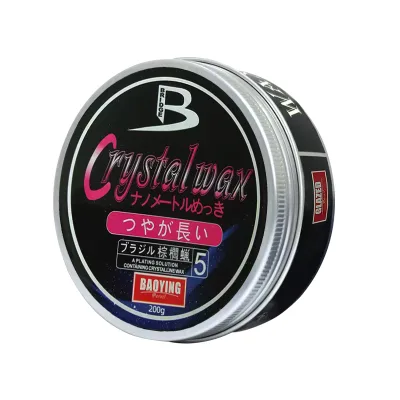
P040 Crystal Wax Car Paint Liquid Wax Easy Hand Apply Car Wax Car Care Top Rated
$1.38 - $1.48
Moq: 120
Guangzhou Nabowan Fine Chemical Co., Ltd.
- Verified by TüVRheinland
- Manufacturer, Trading Company
- Lead time25 days
Main productsCeramic Coating, Car Cleaning, Clay Bar, Car Polishing Compound, Car Wash Foam
Main marketsNorth America(25%), Africa(15%), Mid East(15%)

Huzhou Guoneng New Material Co., Ltd.
- Combined
- China Zhejiang
- Lead time23 days
- Avg. response≤ 3h
Main productsGasket Maker, UV Light Glue, Leather Repair & Restoration Kit, Epoxy & Putty, Headlight Restoration Kit, Speedy Fix, Windshield Repair Kit, Anaorebic Thread Selant, Aerosol Cleaner & Grease, Cyanoacrylate Super Glue
Main marketsSouth America,Africa,Southeast Asia/ Mideast,Europe

GUANGZHOU LIDI AUTOMOBILE SUPPLIES CO., LTD
- Combined
- China Guangdong
- Lead time30 days
- Avg. response≤ 16h
Main productsInjector Cleaner, Antifreeze Coolant, Auto Care, Brake Fluid, Carburetor Cleaner, Anti Rust Lubricant, Brake Oil, Engine Additives, Engine Oil, Car Care Products
Main marketsSouth America,Africa,Southeast Asia/ Mideast,Domestic

Linyi Yiqun Packaging Products Co., Ltd.
- Verified by SGS
- Manufacturer/Factory
- China Shandong
- Lead time90 days
- Avg. response≤ 3h
Main productsAir Freshener Spray, Insecticide Spray, Butane Gas Cartridge, Brake Cleaner, Carb Cleaner, Dashboard Polish, Tire Foam, Butane Gas Refill, Penetrating Oil, Rust Remover
Main marketsSouth America,Eastern Europe,Mid East,North America,Southeast Asia,Eastern Asia,Oceania,Western Europe,Africa

- Verified by TUVRHEINLAND
- Trading Company
- China Hebei
- Lead time30 days
- Avg. response≤ 7h
Main productsSLES 70%, LABSA 96%, SLS/K12, Soap Noodles, HPMC, Titanium Dioxide, Soy Wax, Aos 35% 92%, Monohydrous/Anhydrous Citric Acid, Petroleum Jelly
Main marketsSoutheast Asia/ Mideast

Jiangsu Miaohong Environmental Protection New Material Co., Ltd.
- Verified by BV
- Combined
- China Jiangsu
- Lead time15 days
- Avg. response≤ 4h
Main productsSponge, Cleaning Sponge, Kitchen Sponge, Dishcloth, Magic Sponge
Main marketsSouth America,Southeast Asia/ Mideast,Domestic,Europe,North America


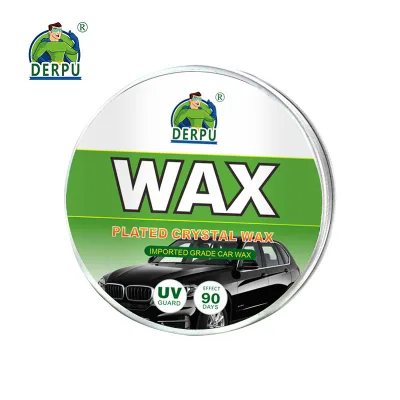
Car Waxes The Tire Clean Appliance to Plating Crystal Waxes The Car Sponge to Clean
$0.80 - $0.89
Moq: 5000


Dongguan Jiejiele Daily Commodity CO., LTD
- Verified by BV
- Combined
- China Guangdong
- Lead time15 days
- Avg. response≤ 13h
Main productsCar Polish, Car Care Products, Car Accessories, Cleaner, Air Freshener, Aerosol Spray, Spray Paint, Car Wax, Lubricant Oil, Insecticide Spray
Main marketsSouth America,Africa,Southeast Asia/ Mideast,Domestic,Europe,Australia,North America

Hangzhou Zonki New Materials Co., Ltd.
- Verified by BV
- Trading Company
- China Zhejiang
- Lead time30 days
- Avg. response≤ 2h
Main productsAir Freshener, Detergent, AC Cleaner, Carburetor Cleaner, Rust Remover & Lubricant, Brake & Parts Cleaner, Refrigerant Gas, PU Sealant, Spray Paint, Engine Degreaser
Main marketsNorth America

Guangzhou Qidianban Car Accessories Co., Ltd.
- Trading Company
- Guangdong, China
- Lead time25 days
- Avg. response≤ 2h
Main productsCar Cleaning, Household Cleaning, Pet Cleaning
Main marketsSoutheast Asia(40.0%), Africa(25.0%), Eastern Asia(10.0%), Domestic Market(10.0%), Mid East(10.0%), South Asia(5.0%)

Chemact (Liaoning) Petrochemicals Ltd.
- Manufacturer/Factory
- China Liaoning
- Lead time0 days
- Avg. response≤ 21h
Main productsParaffin Wax, Wax, Fully Refined Paraffin Wax, Semi Refined Paraffin Wax, Candles, White Pillar Candle, Soy Wax

Shanghai Limwell New Material Tech.Co., Ltd.
- Trading Company
- China Shanghai
- Lead time15 days
- Avg. response≤ 4h
Main productsRubber Additive, Processing Aids Series, Tire and Rubber Anti-Ozone Wax Series, Masterbatch Series, Low Melting Point EVA Bags, Resin Series, Dripped Tyre Cord Fabric Series, Steel Cord/Bead Cord Series
Main marketsSoutheast Asia/ Mideast

Fushun Junda Wax Industry Co., Ltd.
- Verified by BV
- Manufacturer/Factory
- China Liaoning
- Lead time15 days
- Avg. response≤ 2h
Main productsWax, Paraffin Wax, Lubricating Oil, Hydraulic Oil, Candle, Soy Wax, Candle Making Machine, Fischer-Tropsch Wax, Stearic Acid, Microcrystalline Wax
Main marketsSouth America,Eastern Europe,North America,Southeast Asia,Africa

Hebei Qiyao Technology Co., Ltd.
- Verified by SGS
- Trading Company
- China Hebei
- Lead time15 days
- Avg. response≤ 7h
Main productsAluminum Sulfate PAC Xanthan Gum Citric Acid, SLES LABSA Cab
Main marketsAfrica


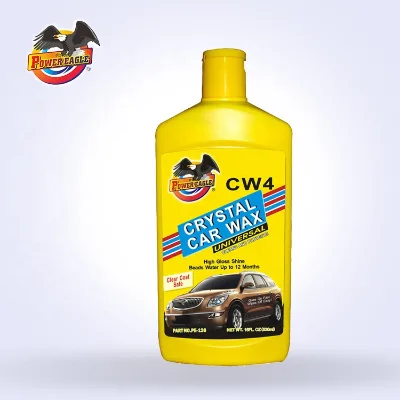


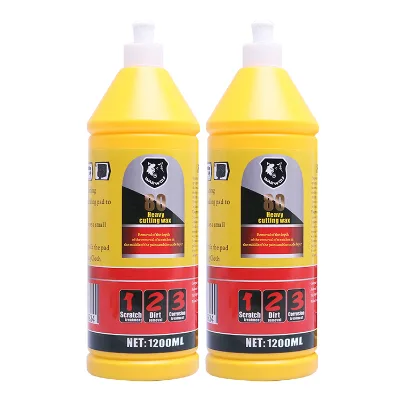
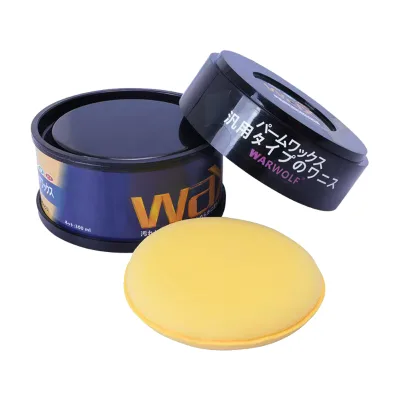
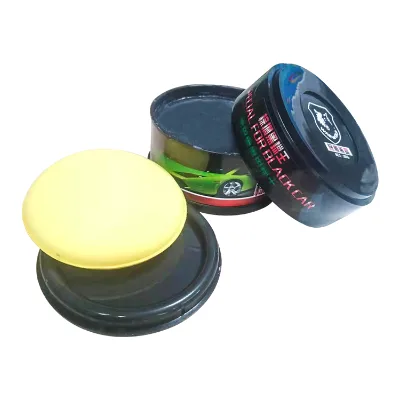




Comprehensive Sourcing Guide
Crystal Car Wax Supplier Concentration and Factory Types
Current data indicates a distinct concentration of manufacturing capabilities within the Guangdong province of China, where specific factories produce a wide array of automotive care items including spray paints, lubricants, and various wax formulations. These facilities often operate with dual capabilities, offering both own-brand production and OEM/ODM services, which allows for significant flexibility in product customization and branding strategies for international buyers. The presence of established manufacturing clusters in this region suggests a mature supply chain ecosystem, though buyers must verify that the specific factory they engage possesses the exact production lines required for high-quality car wax manufacturing rather than general automotive parts.
In contrast to the manufacturing hubs, other sourcing channels may involve trading companies located in different regions such as Shanghai, which often aggregate products from multiple factories to offer a broader catalog including car mats, seat covers, and wiper blades alongside chemical care products. These trading entities typically do not own production facilities but instead focus on logistics, quality control, and supplier coordination, which can result in different lead times and response speeds compared to direct manufacturers. Buyers should carefully distinguish between a factory that controls the entire production process and a trading company that acts as an intermediary, as this distinction fundamentally impacts the ability to customize formulations, control costs, and ensure consistent quality standards for Crystal Car Wax orders.
How to Verify Crystal Car Wax Suppliers
Verification of supplier credentials is critical when sourcing Crystal Car Wax, as the market contains both certified manufacturers and general trading entities with varying levels of oversight. Some suppliers in the current results hold ISO 9001 and ISO 14001 system certifications, indicating adherence to international quality and environmental management standards, while others may display no specific system certifications at all. Buyers must explicitly request and validate these documents to ensure the supplier maintains a structured quality management system, as the absence of such certifications does not necessarily imply poor quality but requires a more rigorous on-site or third-party audit to confirm production capabilities and consistency.
Beyond system certifications, the verification of individual product standards and third-party testing results is essential for ensuring the safety and efficacy of the Crystal Car Wax. Certain product listings reference compliance with standards such as CE, RoHS, SGS, and GMP, which serve as indicators of chemical safety and regulatory adherence for export markets. However, buyers should not assume these standards apply to all SKUs or that every supplier possesses them; instead, they must request specific test reports for the exact product model intended for purchase. Additionally, verifying the supplier's response time and lead time data provides insight into their operational efficiency, with some suppliers showing response times under six hours and others taking significantly longer, which can impact the speed of order processing and issue resolution.
What to Compare Across Crystal Car Wax Suppliers
When evaluating potential partners, buyers should prioritize a detailed comparison of key operational metrics such as minimum order quantities, lead times, and pricing structures to determine the best fit for their specific business needs. The data reveals a wide variance in minimum order requirements, with some suppliers setting thresholds as high as 7,500 units while others accept orders starting at 1,000 units, directly influencing the initial capital outlay and inventory risk for the buyer. Similarly, lead times can range from approximately fifteen days to over twenty-three days, a difference that significantly affects supply chain planning and the ability to meet seasonal demand peaks or urgent restocking requirements.
Pricing and customization capabilities form another critical dimension for comparison, as the cost per unit can fluctuate based on volume, packaging, and specific formulation requirements. Current listings show price ranges varying from roughly $0.70 to $3.60 per unit depending on the product type, such as spray wax versus solid polishing wax, and the specific packaging configuration like 12 pieces per carton versus 24 pieces per carton. Buyers must also assess the availability of customization services, as some suppliers explicitly offer OEM and ODM options while others may have limited flexibility, and this factor often dictates the long-term viability of the partnership for building a unique brand identity in the competitive automotive care market.
Common Crystal Car Wax Sourcing Risks
One of the primary risks in sourcing Crystal Car Wax involves the potential mismatch between advertised product specifications and the actual delivered goods, particularly regarding chemical composition and physical properties. While some product data lists specific attributes like volume, color, and validity periods, buyers must be cautious of discrepancies in critical features such as the type of wax used, whether it is silicon grease protective wax or a different formulation, and the actual net weight of the product. Inconsistent quality control can lead to products that fail to deliver the promised glossing or polishing effects, resulting in customer dissatisfaction and potential returns that erode profit margins and damage brand reputation.
Another significant risk stems from the variability in supplier reliability and communication efficiency, which can lead to delays and misunderstandings during the order fulfillment process. Suppliers with longer response times or those lacking clear verification status may struggle to provide timely updates on production status or address quality concerns promptly, creating bottlenecks in the supply chain. Furthermore, the absence of standardized packaging or unclear carton dimensions can complicate logistics planning, as variations in packing configurations like 12 pieces per carton versus 24 pieces per carton affect container loading efficiency and shipping costs. Buyers must mitigate these risks by establishing clear communication protocols and demanding detailed product specifications before placing any orders.
Crystal Car Wax Regional Sourcing and Logistics
Sourcing from the Guangdong region offers distinct logistical advantages due to its status as a major manufacturing hub with well-developed infrastructure for exporting automotive care products. Factories in this area often benefit from proximity to major ports and a dense network of suppliers for raw materials, which can streamline the production process and reduce lead times for bulk orders. However, buyers must verify the specific location of the factory, as some suppliers may be based in Shanghai or other cities, which could alter shipping routes, transit times, and overall logistics costs depending on the destination market and the chosen mode of transport.
Logistics planning must also account for the specific packaging requirements and container loading capacities associated with different Crystal Car Wax products. Data indicates that certain wax formulations have specific carton sizes and packing configurations, such as 27.5x20.5x29.0 cm cartons or 48.8x37.5x19.0 cm cartons, which directly impact the number of units that can be loaded into a standard 20-foot container. Buyers should calculate these loading efficiencies carefully to optimize shipping costs and ensure that the total order volume aligns with container capacity, as underutilized space can significantly increase the per-unit shipping cost. Additionally, verifying the origin of the product and ensuring it matches the declared location is crucial for accurate customs documentation and compliance with import regulations in the destination country.
Crystal Car Wax Commercial Terms and Order Planning
Commercial terms for Crystal Car Wax orders often include specific requirements regarding payment security, such as the use of escrow services, which provide a layer of protection for buyers against non-delivery or quality disputes. While some suppliers may offer flexible payment terms, others might require full payment upfront or specific milestones, and buyers should carefully review these conditions to ensure they align with their cash flow management strategies. The presence of verification badges from third-party agencies like TÜV Rheinland can add a layer of trust, but buyers should still confirm the specific terms of the escrow agreement and the conditions under which funds are released to the supplier.
Order planning must also consider the validity periods and shelf life of the Crystal Car Wax products to ensure that inventory is sold before expiration. Product data indicates that many wax formulations have a validity period of three years, which provides a reasonable window for distribution but requires careful inventory management to avoid waste. Buyers should factor in the lead times and production schedules when placing orders, ensuring that they have sufficient time to receive, inspect, and distribute the goods before the validity period begins to expire. Additionally, understanding the customization options and the associated lead times for custom branding or formulation changes is essential for planning successful product launches and maintaining a competitive edge in the market.
FAQs
What is the price range for car wax?
Car wax prices vary by type and volume. Options range from $0.70 to $3.60 per unit. Specific models like TE-8063 cost between $1.30 and $1.70. Other variants such as TE-8019 are priced from $0.70 to $0.80. Premium coatings may reach higher tiers depending on features and packaging specifications.
What are the minimum order quantities?
Minimum order quantities depend on the specific product model. Some items require a minimum of 6,000 units. Others have lower thresholds, such as 1,000 units for spray variants. Certain products may require 7,500 units. Buyers should verify the exact MOQ for their chosen model before placing orders.
How long does production take?
Lead times vary by supplier type. Manufacturers typically require around 23 days for production. Trading companies may offer faster turnaround times of approximately 15 days. These estimates apply to standard orders. Buyers should confirm specific timelines with suppliers to ensure alignment with their delivery schedules.
Are certifications available for car wax?
Certifications vary by supplier. Some manufacturers hold ISO 9001 and ISO 14001 system certifications. Product standards may include CE, RoHS, SGS, and GMP. Other suppliers may not list specific certifications. Buyers should request valid documentation to verify compliance with regional safety and quality requirements.
Where are these suppliers located?
Suppliers are located in China. Specific manufacturing facilities are situated in Guangdong province. Trading companies may operate from Shanghai. All listed products originate from China. Buyers should verify exact factory locations to assess logistics costs and shipping efficiency for international orders.
What customization options exist?
Customization is widely available for car wax products. Buyers can often select specific volumes, colors, and packaging configurations. OEM and ODM services are offered by manufacturers. Features like eco-friendly formulations or specific gloss levels can be tailored. Buyers should discuss requirements directly with suppliers to confirm feasibility.