Carbon Car Door Handle Suppliers and Manufacturers
Source 14 verified suppliers for Carbon Car Door Handle options. Compare response times, lead times, MOQs, and certifications like ISO9001:2015. Request samples or quotes to evaluate OEM capabilities and pricing; review the available evidence before requesting comparable quotations from suitable candidates.
Suppliers List

Shanghai Anma Industry Co., Ltd.
- Trading Company
- China Shanghai
- Lead time30 days
- Avg. response≤ 4h
Main productsCar Accessories, Car Spare Parts, Car Tools, Car Interior Accessories, Car Exterior Accessories, Car Electrical Accessories, Car Lights, Car Mirror, Car Emergency Kits, Car Care Products
Main marketsSouth America,Others(foreignTradeCapacity.exportBusinessCapacityMarketOther),Southeast Asia/ Mideast,Europe,North America
Xiamen Neway Rubber & Plastic Products Co., Ltd.
- Verified by BV
- Combined
- China Fujian
- Lead time15 days
- Avg. response≤ 4h
Main productsPlastic Injection Molding, Plastic Parts, Silicone Rubber Parts, Gasket Seals, Rubber Grommet, Mould, O Ring, Extrusion Strip, Metal Parts, Suction Cup
Main marketsSouth America,Africa,Southeast Asia/ Mideast,East Asia(Japan/ South Korea),Europe,Australia,North America
Hangzhou Light Hydrogen Future Technology Co., Ltd.
- Verified by SGS
- Manufacturer/Factory
- China Zhejiang
- Lead time45 days
- Avg. response≤ 3h
Main productsCarbon Fiber, Carbon Fiber Parts, Carbon Fiber Car Parts, Carbon Fiber Motorcycle Parts
Main marketsSouth America,Eastern Europe,Mid East,North America,Southeast Asia,Eastern Asia,Oceania,Western Europe,Africa

Zhengzhou Yuexiu Industrial Co., Ltd
- Trading Company,Manufacturer/Factory
- China Henan
- Lead time23 days
- Avg. response≤ 4h
Main productsPU Integral Skin Foam, High Resilience PU Foam, Low Resilience PU Foam, Molded PU Foam, Corner Guard, PU Handles, Foam Seat, Foam Insert, PU Suspension Bushing, PU Foam Products
Main marketsSouth America,Eastern Europe,Mid East,North America,Southeast Asia,Eastern Asia,Oceania,Western Europe,Africa

Ningbo Yinzhou Henglu Plastic Industry&Trading Co., Ltd.
- Verified by BV
- Trading Company,Manufacturer/Factory
- China Zhejiang
- Lead time23 days
- Avg. response≤ 19h
Main productsBumper, Fender, Dock Cleat, Marine Hardwares, Marine Steering Wheel, Boat Seat, Boat Accessories, Dock Wheel, Auto Steering Wheel, OEM Plastic Parts
Main marketsNorth America,Southeast Asia,Eastern Asia,Oceania,Western Europe

Zhaoqing kessy hardware co., ltd
- Combined
- China Guangdong
- Lead time30 days
- Avg. response≤ 3h
Main productsFriction Stay, Lock Cylinder, Door Handle, Lock Body, Window Handle, Hinge
Main marketsDomestic

Hangzhou Jiansen Hardware Co., Ltd.
- Verified by SGS
- Combined
- China Zhejiang
- Lead time15 days
- Avg. response≤ 2h
Main productsBarn Door Hardware, Fence Hardware, Garage Door Hardware, Metal Furniture Leg, Metal Fabrication, Barn Door Rail, Barn Door Roller, Fence Hinge, Fence Latch, Fence Gate Hardware Kit
Main marketsEurope,Australia,North America

Foshan Dumi Building Material Co., Limited
- Verified by SGS
- Trading Company,Manufacturer/Factory
- China Guangdong
- Lead time0 days
- Avg. response≤ 2h
Main productsPVC Profiles, Window and Door Accessories, Metal Products, Plastic Products, Building Materials, Corner Beads, Tile Trims, Silicone Sealant, Rivet, Rubber Seal Strip
Main marketsEastern Europe,Southeast Asia,Oceania,Western Europe,Africa
Ningbo Joy International Trade Co., Ltd.
- Verified by BV
- Trading Company
- China Zhejiang
- Lead time30 days
- Avg. response≤ 7h
Main marketsEurope
Guangzhou Maike Auto Accessories Co., Ltd.
- Manufacturer, Trading Company
- Guangdong, China
- Lead time20 days
- Avg. response≤ 5h
Main productsJeep Accessories,Car Bumper,car roof rack,LED HeadlightLight,Jimny Accessories
Main marketsEastern Europe(12.0%), Western Europe(10.0%), Eastern Asia(10.0%), Northern Europe(8.68%), North America(8.33%), South America(8.33%), Mid East(8.33%), Central America(8.33%), Southern Europe(8.0%), South Asia(8.0%), Africa(8.0%), Southeast Asia(2.0%)
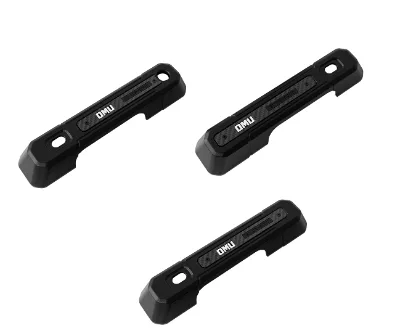
OMU Aluminum 2 Doors 3 Pcs Door Handle for Bronco Carbon Fiber From Maike Auto
$143.56 - $221.50
Moq: 1

Xiamen Steady Plastic Mold Co.,Ltd
- Verified by CTI
- Combined
- China Fujian
- Lead time30 days
- Avg. response≤ 2h
Main productsPlastic injection mold design, plastic injection products, silicone rubber parts, metal fabrication
Main marketsDomestic

Shanghai Addith Hardware Co., Ltd.
- Verified by CTI
- Trading Company
- China Shanghai
- Lead time23 days
- Avg. response≤ 2h
Main productsHinge, Drawer Slide, Handle, Furniture Leg, Screws, Gas Support, LED Light, Faucet, Cabinet Accessories, PVC Edge Banding
Main marketsSouth America,Africa,East Asia(Japan/ South Korea),North America

Zhengzhou Everbright Construction Material Co., Ltd.
- Trading Company,Manufacturer/Factory
- China Henan
- Lead time0 days
- Avg. response≤ 12h
Main productsIndustrial Door, Dock Leveler, Dock Shelter, Industrial Door Motor, High Speed Door, Sponge Dock Shelter, Inflatable Dock Shelter, Section Door, Garage Door, Door Hardware
- Verified by SGS
- Trading Company
- China Zhejiang
- Lead time15 days
- Avg. response≤ 19h
Main productsCar Mat, Car Air Freshener, Car Seat Cover, Steering Wheel Cover, Car Phone Holder, Car Roof Tent, Car Sunshade, Jerry Can
Main marketsEurope,Australia


Hot Selling Ergonomic and Durable Applicable for SUV Driver External Door Handle
$3.12 - $3.46
Moq: 300


Wholesale Precision - Made User - Friendly Universal Front Internal Door Handle
$2.96 - $3.28
Moq: 350


Comprehensive Sourcing Guide
Carbon Car Door Handle Supplier Concentration and Factory Types
Current data indicates a concentration of suppliers in China, specifically within the Shanghai, Fujian, and Zhejiang provinces. These regions host a mix of trading companies, manufacturers, and combined entities that specialize in automotive accessories. In Shanghai, trading companies often aggregate products like ABS self-adhesive handles, while Zhejiang-based manufacturers focus on specialized materials such as carbon fiber trim. Fujian suppliers frequently appear as combined entities offering plastic injection molding and rubber parts alongside door handle components. This geographic spread suggests that buyers should expect distinct operational models depending on the specific province, with manufacturers in Zhejiang potentially offering more direct customization for high-end carbon fiber products compared to trading firms in Shanghai.
When assessing factory types, it is critical to distinguish between pure manufacturers and trading companies based on their stated company type. Some suppliers list themselves as manufacturers with ODM and OEM capabilities, which often implies direct control over the molding process and material sourcing. Others operate as trading companies, which may offer a broader range of car accessories but might rely on third-party factories for production. The presence of combined entities suggests a hybrid model where a single supplier might handle both design and assembly. Buyers must verify if the supplier's primary focus aligns with their specific needs, such as whether they prioritize high-volume plastic parts or specialized carbon fiber finishes, as this distinction directly impacts quality control and communication efficiency during the sourcing process.
How to Verify Carbon Car Door Handle Suppliers
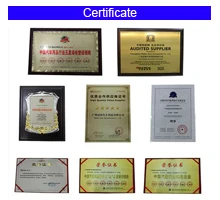
Verification of supplier credibility relies heavily on third-party audit reports and specific certification documents rather than general claims. For instance, some suppliers in the current results hold ISO9001:2015 certificates, which indicates a standardized quality management system, while others display verification badges from agencies like BV or SGS. These credentials provide a baseline for assessing the supplier's operational stability and adherence to international standards. Buyers should request copies of these certificates directly to confirm their validity and ensure they cover the specific manufacturing processes relevant to carbon car door handles, such as injection molding or carbon fiber lamination. Relying solely on platform badges without cross-referencing the actual certification documents can lead to misjudging a supplier's actual compliance status.
Beyond certifications, response times and sample availability serve as practical indicators of a supplier's operational readiness. Data shows response times ranging from approximately 2.30 to 3.51 hours, which can influence the speed of initial negotiations and technical clarifications. Suppliers that offer samples, such as the ABS self-adhesive handles or carbon fiber inner handles, allow buyers to physically inspect material quality before committing to large orders. The availability of samples is a strong signal of confidence in product consistency. Buyers should prioritize suppliers who provide detailed product attributes, including specific models and packing standards, as this level of transparency often correlates with a more rigorous internal quality assurance process.
What to Compare Across Carbon Car Door Handle Suppliers
Comparing suppliers requires a detailed analysis of lead times, minimum order quantities, and pricing structures to ensure alignment with project requirements. Lead times vary significantly, with some suppliers offering delivery windows of 10 to 20 days, while others may require 30 to 35 days or even up to 45 days for specialized carbon fiber components. Minimum order quantities also differ, ranging from as low as one unit for prototyping to 1000 units for standard ABS handles, and 50 units for premium carbon fiber trims. Buyers must calculate the total cost of ownership by factoring in these MOQs and lead times, as a lower unit price might be offset by higher inventory costs or delayed market entry due to longer production schedules.
Pricing and customization options are equally critical dimensions for comparison. Unit prices for standard plastic handles can range from 2.50 to 15.00, whereas premium carbon fiber interior handles may cost between 200.00 and 270.00 per unit. The availability of OEM and ODM services varies, with some suppliers accepting custom logos and packaging while others focus on standard specifications. Buyers should evaluate whether the supplier's customization capabilities match their brand requirements, such as specific color finishes or unique molding processes like SLA or vacuum forming. Additionally, the packaging standards, such as blister packs or bulk cartons, should be compared to ensure they meet logistical needs and protect the product during transit.
Common Carbon Car Door Handle Sourcing Risks
One significant risk involves the discrepancy between advertised product attributes and actual manufacturing capabilities. While some suppliers claim to offer carbon fiber products, the underlying material composition might vary, affecting durability and aesthetic appeal. Buyers must verify the specific material standards, such as ABS or genuine carbon fiber, through sample testing rather than relying on product descriptions alone. The presence of generic terms like "plastic" or "carbon fiber" without detailed technical specifications can lead to receiving substandard materials that do not meet automotive safety or aesthetic requirements. This risk is particularly high when dealing with trading companies that may not have direct oversight of the production line.
Another risk pertains to delivery reliability and the consistency of production timelines. Lead times listed as 30-35 days or 10-20 days are estimates and can be extended due to raw material shortages or production bottlenecks. Suppliers with longer lead times, such as those offering 45-day delivery for carbon fiber parts, may face higher risks of delays if their supply chain is not robust. Buyers should assess the supplier's capacity to handle rush orders and their history of meeting delivery deadlines. Furthermore, the lack of escrow protection or clear payment terms can expose buyers to financial loss if the supplier fails to deliver or provides defective goods. Establishing clear contractual terms regarding penalties for late delivery is essential to mitigate these risks.
Carbon Car Door Handle Regional Sourcing and Logistics
Sourcing from specific regions like Zhejiang, Shanghai, and Fujian offers distinct logistical advantages and challenges. Zhejiang-based manufacturers often specialize in carbon fiber and high-end automotive trim, potentially offering faster turnaround for specialized custom orders due to their focused production lines. Shanghai trading companies might provide a wider variety of car accessories, including mirrors and emergency kits, which could simplify sourcing for buyers needing multiple components from a single vendor. However, the distance from these manufacturing hubs to international ports can impact shipping costs and transit times. Buyers should evaluate the proximity of the supplier to major shipping ports to minimize inland transportation costs and reduce the risk of logistical delays.
Logistics planning must also account for the specific packaging requirements of different product types. Standard ABS handles often come in blister packs or bulk cartons, while premium carbon fiber parts may require specialized packaging to prevent damage during transit. The supplier's packing specifications, such as 100 pieces per carton or 4 pieces per blister, directly influence the number of containers required and the overall shipping volume. Buyers should confirm that the packaging meets international shipping standards to avoid damage claims. Additionally, understanding the origin of the product, such as whether it is manufactured in Zhejiang or another province, helps in calculating accurate duties and taxes, as different regions may have varying trade agreements or export regulations.
Carbon Car Door Handle Commercial Terms and Order Planning
Commercial terms for carbon car door handles often include specific conditions regarding customization, payment, and delivery. Many suppliers accept OEM and ODM requests, allowing for custom logos, packaging, and design modifications. However, these customizations usually come with higher minimum order quantities and longer lead times compared to standard products. Buyers should negotiate clear terms for sample approval processes, ensuring that the final production matches the approved prototype. The availability of samples is a key factor in this process, as it allows for quality verification before mass production begins. Clear communication regarding the customization workflow is essential to avoid misunderstandings and ensure the final product meets brand standards.
Order planning should be based on a realistic assessment of production capacity and lead times to avoid stockouts or overstocking. With lead times ranging from 10 to 45 days, buyers must factor in these durations when planning inventory replenishment. Suppliers with shorter lead times, such as those offering 10-20 days, are preferable for urgent orders, while those with 45-day lead times are better suited for planned, long-term procurement. Buyers should also consider the supplier's response time, as faster communication can expedite issue resolution and order adjustments. Establishing a reliable supply chain requires balancing cost, speed, and quality, ensuring that the chosen supplier can consistently meet the buyer's operational needs without compromising on product integrity.
FAQs
What is the typical lead time for carbon car door handles?
Manufacturers in China generally require 30 to 45 days for production. Specific plastic handle suppliers may offer faster turnaround times of 15 days, while carbon fiber options often take longer due to specialized molding processes. Buyers should confirm exact delivery schedules with the supplier before placing orders.
What is the minimum order quantity for these handles?
Minimum order quantities vary significantly by material and supplier type. Plastic injection molding suppliers often accept orders as low as one unit, while carbon fiber manufacturers typically require a minimum of 50 units. Standard ABS adhesive handles usually have a minimum order requirement of 1000 pieces per transaction.
Are customization and OEM services available for door handles?
Yes, most suppliers offer extensive customization options including OEM and ODM services. Buyers can request custom logos, specific packaging, and 3D design support. Carbon fiber handles allow for customized standard specifications, while plastic handles support custom molding processes to meet specific automotive interior or exterior design requirements.
What is the price range for carbon fiber door handles?
Premium carbon fiber interior door handles typically range from 200 to 270 per unit. In contrast, plastic exterior handles are much more affordable, ranging from 5 to 15 per unit. ABS adhesive decorative handles are priced even lower, generally between 2.50 and 2.55 per set.
How quickly do suppliers respond to sourcing inquiries?
Response times vary among suppliers, generally ranging from 2.30 to 3.51 hours. Verified manufacturers often provide faster responses compared to trading companies. Buyers should expect prompt communication, but response speeds can depend on the supplier's current workload and specific operational efficiency.
What certifications do these suppliers hold?
Many verified suppliers hold ISO9001:2015 certification for quality management systems. Some manufacturers also undergo third-party verification processes such as BV or SGS audits. These certifications ensure that production standards meet international requirements for automotive parts manufacturing and quality control.