CPU Fan Suppliers and Manufacturers in China Guangdong
Explore 30 verified suppliers offering CPU Fan options with customizable models and varying lead times. Buyers can compare response times, certifications like ISO9001, and pricing ranges to select the right partner. Contact suppliers directly to request quotes for specific cooling requirements.
Suppliers List

Guangzhou CJY Import & Export Co., Ltd.
- Verified by TUVRHEINLAND
- Trading Company
- China Guangdong
- Lead time15 days
- Avg. response≤ 12h
Main productsComputer Case, Power Supply, LED TV, Computer Monitor, Gaming Computer Case, ATX Computer Case, Cabinet, PC Case, TV, Flex Power Supply
Main marketsOthers(foreignTradeCapacity.exportBusinessCapacityMarketOther)

Sunyon Industry Co., Ltd. Dong Guan China
- Combined
- China Guangdong
- Lead time30 days
- Avg. response≤ 24h
Main productsHeat Sink, Heat Pipe, CPU Cooler, DC Fan, Radiate Heat, Aluminum Extrusion, CPU Fan, Copper Heat Pipe, Heatsinks, Heatpipe
Main marketsSoutheast Asia/ Mideast,East Asia(Japan/ South Korea),Domestic,Europe,Australia,North America
Shenzhen Ziyueda Technology Co., Ltd.
- Trading Company, Agent, Distributor/Wholesaler
- Guangdong, China
- Lead time3 days
- Avg. response≤ 3h
Main productsComputer Accessories,Module,Integrated Circuit,Development Board,Electronic Cables
Main marketsEastern Europe(20.0%), South America(20.0%), North America(20.0%), Domestic Market(5.0%), South Asia(5.0%), Southern Europe(5.0%), Northern Europe(5.0%), Western Europe(5.0%), Eastern Asia(5.0%), Mid East(5.0%), Africa(5.0%)
Shenzhen E-BOUR Technology Co., Ltd.
- Verified by TüVRheinland
- Trading Company
- Lead time3 days
Main productsHDD Tray For Server, HDD Enclosure, Converter Cable, Laptop Spare Parts, SSD Hard Disk
Main marketsNorth America(45%), Western Europe(23%), South America(10%)

Segotep Electronic Technology Co., Ltd.
- Verified by BV
- Combined
- China Guangdong
- Lead time23 days
- Avg. response≤ 25h
Main productsComputer Case, Computer Power Supply, PC Case, Gaming ATX Computer Case, Glass Mesh Computer Case, Computer Case Cooling Fan, CPU Radiator, 120 240 360 280 Water Cooling, 80plus Power Supply, Miner Computer Power Supply
Main marketsSouth America,Africa,Southeast Asia/ Mideast,East Asia(Japan/ South Korea),Domestic,Europe,Australia,North America
Shenzhen Alseye Technology Co., Ltd.
- Manufacturer
- Guangdong, China
- Lead time20 days
- Avg. response≤ 3h
Main productsServer Cooler,DC fan/AC fan,System Integrator Cooler,Gaming Cooler & fan,Other Computer Accessories
Main marketsSoutheast Asia(24.0%), Eastern Europe(18.0%), Domestic Market(10.0%), Mid East(8.0%), South America(8.0%), Eastern Asia(8.0%), South Asia(7.000000000000001%), Western Europe(5.0%), Southern Europe(4.0%), North America(3.0%), Northern Europe(3.0%), Oceania(2.0%)

Hangzhou Kiron Motor Co., Ltd.
- Verified by CTI
- Combined
- China Zhejiang
- Lead time30 days
- Avg. response≤ 7h
Main productsStator, External Rotor Motor, Rotor and Stator, Stator Core, Centrifugal Fan Backward Curved, External Rotor Axial Fan, Shaded Pole Motor, Centrifugal Fan Forward Curved, Fan Blower, Duct Fan
Main marketsSoutheast Asia/ Mideast

Fuzhou Green Mechanical and Electrical Technology Co., Ltd.
- Verified by BV
- Combined
- China Fujian
- Lead time15 days
- Avg. response≤ 18h
Main productsAir Cooler, Evaporative Air Cooler, Portable Air Cooler, Desert Air Cooler, Water Evaporative Air Cooler, Swamp Cooler, Climatizadores Evaporativos
Main marketsSouth America,Southeast Asia/ Mideast,Europe,Australia,North America
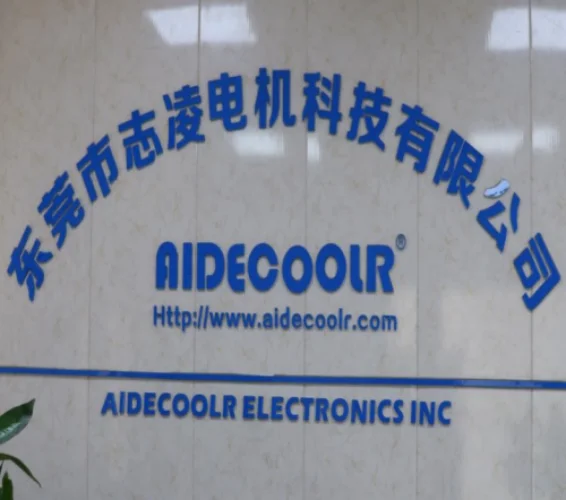
Dongguan Zhiling Motor Technology Co., Ltd.
- Manufacturer, Trading Company
- Guangdong Province, China
- Lead time0 days
- Avg. response≤ 2h
Main productsAxial Cooling Fan, Cross Flow Fan, Blower Fan, Turbon Cooling Fan, Cpu Cooling Fan
Main marketsNorth America(28.000000000000004%), Southeast Asia(28.000000000000004%), Domestic Market(15.0%), Eastern Asia(11.0%), Western Europe(5.0%), Northern Europe(5.0%), South Asia(1.0%), South America(1.0%), Oceania(1.0%), Southern Europe(1.0%), Central America(1.0%), Africa(1.0%), Eastern Europe(1.0%), Mid East(1.0%)
Guangzhou Hengtongda Network Technology Co., Ltd.
- Verified by SGS Group
- Trading Company
- Lead time7 days
- Avg. response≤ 4h
Main productsHDMI Cable, Keyboard, PC Case, PC Fans, CPU Fans
Main marketsNorth America(20%), Northern Europe(15%), Western Europe(13%)
Shenzhen Xinqifeng Technology Co., Ltd.
- Verified by SGS
- Combined
- China Guangdong
- Lead time15 days
- Avg. response≤ 3h
Main productsDC Fan, DC Brushless Fan, DC Blower Fan, Inverter Fan, AC Axial Fan
Main marketsSoutheast Asia/ Mideast,Domestic

Changzhou Carrot Import & Export Co., Ltd.
- Trading Company
- China Jiangsu
- Lead time45 days
- Avg. response≤ 15h
Main productsAudio/Video Cable, HDMI Cable, USB Cable, CATV Connector, Patch Cord, CATV Splitter, Cooling Fan, CATV Cable, RCA Cable, Scart Cable
Main marketsSouth America,Africa,Southeast Asia/ Mideast,East Asia(Japan/ South Korea),Europe,Australia,North America
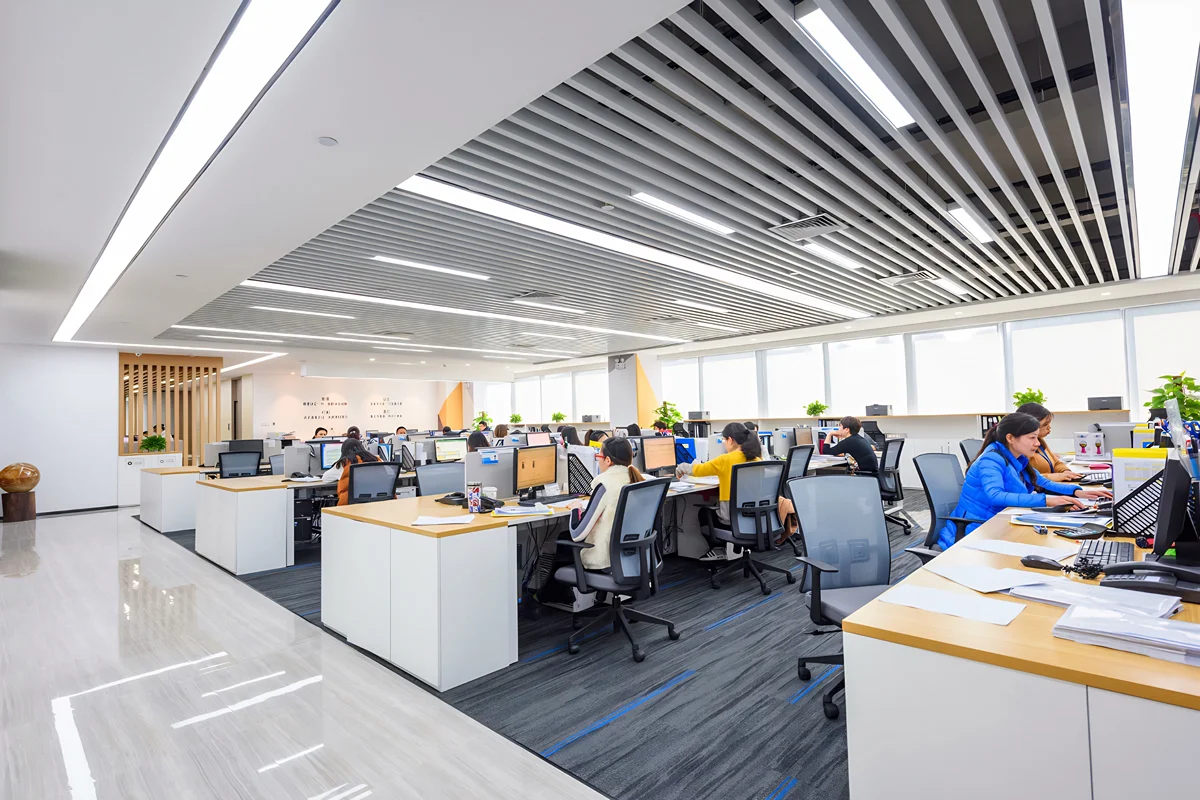
Beijing Hongtu Hengtong Office Equipment Co., Ltd.
- Trading Company
- Beijing, China
- Lead time10 days
- Avg. response≤ 6h
Main productsscanner,printer,Projector,Printer Supplies,Digital Cameras
Main marketsDomestic Market(40.0%), North America(20.0%), Southeast Asia(15.0%), South America(9.0%), Mid East(6.0%), Northern Europe(5.0%), Central America(5.0%)
Dunao (guangzhou) Electronics Co., Ltd.
- Verified by SGS Group
- Trading Company
- Lead time20 days
Main productsComputer Case, Power Supply, Cooling Fan, Motherboard, Graphics Card
Main marketsSoutheast Asia(25%), North America(20%), South America(20%)

Dongguan Yanghai Industrial Co., Ltd.
- Manufacturer, Trading Company
- Guangdong, China
- Lead time15 days
- Avg. response≤ 2h
Main productsCPU Cooler,CNC Lathe Parts,Flashlight,RV Brackets
Main marketsDomestic Market(63.0%), South Asia(15.0%), Southeast Asia(5.0%), South America(5.0%), North America(5.0%), Eastern Asia(2.0%), Central America(2.0%), Western Europe(2.0%), Eastern Europe(1.0%)
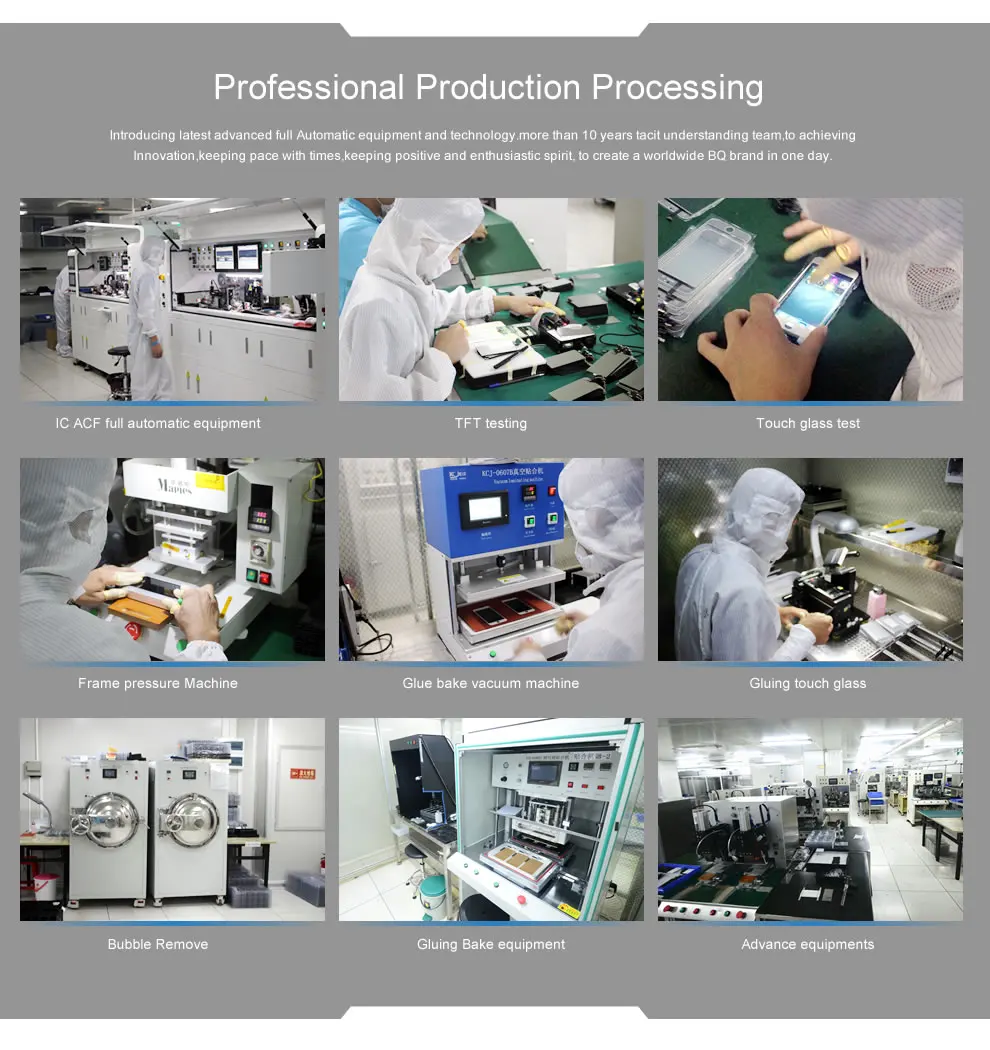
Shenzhen Huateng Technology Intelligence Information Co., Ltd.
- Manufacturer, Trading Company, Distributor/Wholesaler
- Guangdong, China
- Lead time3 days
- Avg. response≤ 5h
Main productsGraphics Card,Server,ai server,Rig case Chassis,deepseek products
Main marketsSouth America(15.0%), Africa(15.0%), Northern Europe(10.0%), North America(10.0%), Western Europe(10.0%), Eastern Europe(10.0%), Oceania(5.0%), Central America(5.0%), Southeast Asia(5.0%), South Asia(5.0%), Southern Europe(5.0%), Mid East(3.0%), Eastern Asia(2.0%)
Changzhou Vrcoolertech Refrigeration Co., Ltd.
- Verified by SGS
- Trading Company
- China Jiangsu
- Lead time30 days
- Avg. response≤ 2h
Main productsHeat Exchanger, Condenser Coil, Evaporator Coil, Dry Cooler, Unit Cooler, IQF Evaporator
Main marketsSouth America,Africa,Southeast Asia/ Mideast,Europe,Australia,North America

NANJING MAJESTIC AUTO PARTS CO., LTD.
- Manufacturer/Factory
- China Jiangsu
- Lead time23 days
- Avg. response≤ 13h
Main productsRadiator Tube, Radiator, Cooling System, Heat Exchanger System, Aluminum Tube, High Frequency Welded Tube, Intercooler Tube, Oil Cooler Tube, Intercooler, Oil Cooler
Main marketsSouth America,Eastern Europe,Mid East,North America,Southeast Asia,Eastern Asia
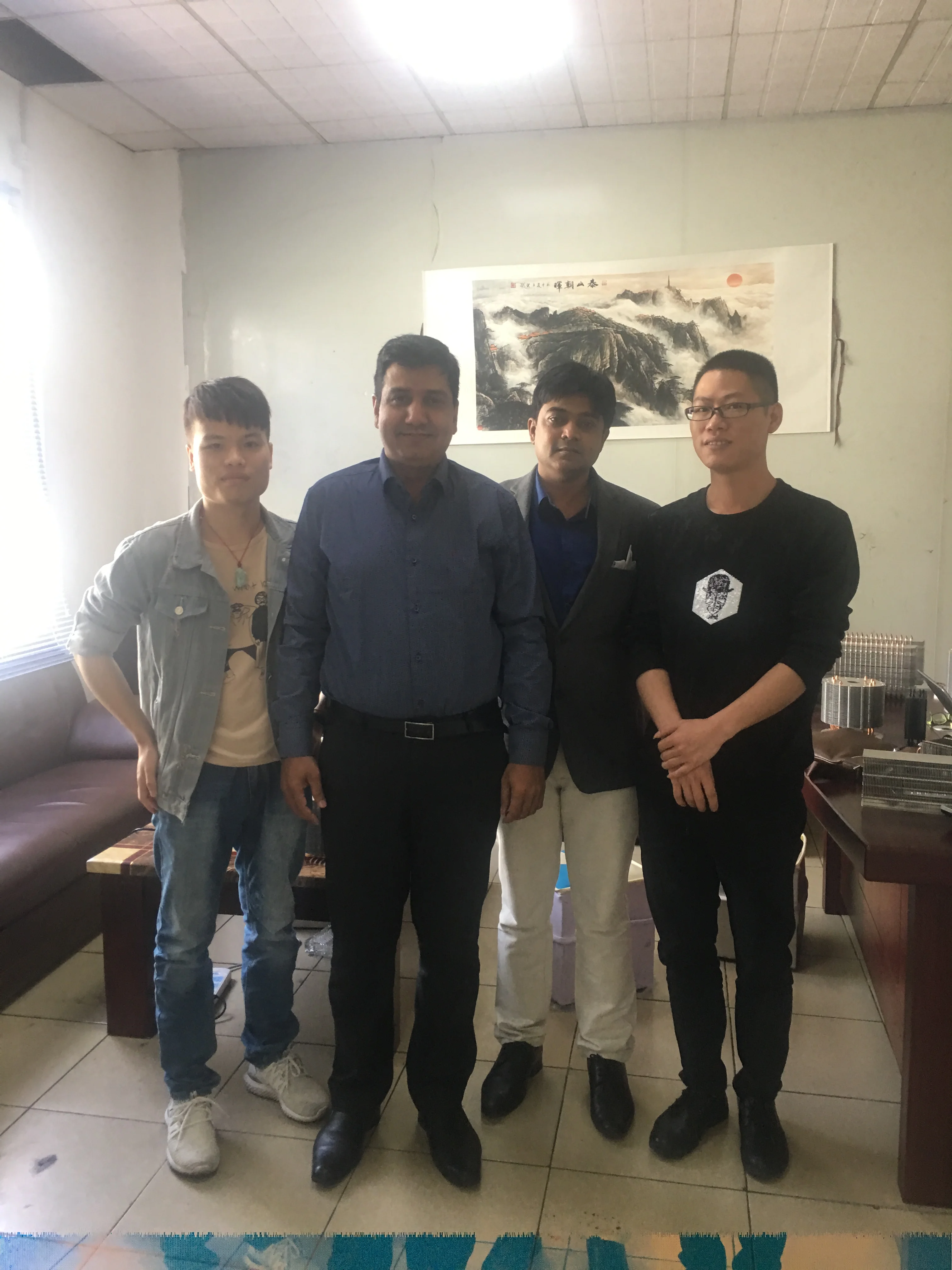
Dongguan Xinqiang Cooling Technology Co., Ltd
- Manufacturer
- Guangdong, China
- Lead time15 days
- Avg. response≤ 4h
Main productsHeat pipe,Metal processing,heatsink,cooling system,Peltier
Main marketsEastern Europe(15.0%), South America(15.0%), North America(15.0%), Northern Europe(11.0%), Western Europe(10.0%), Southern Europe(8.0%), South Asia(7.000000000000001%), Central America(7.000000000000001%), Southeast Asia(5.0%), Oceania(2.0%), Eastern Asia(2.0%), Mid East(2.0%), Africa(1.0%)
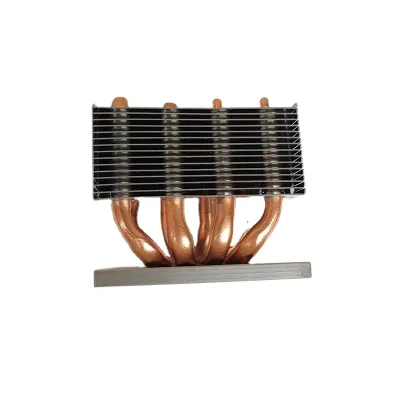
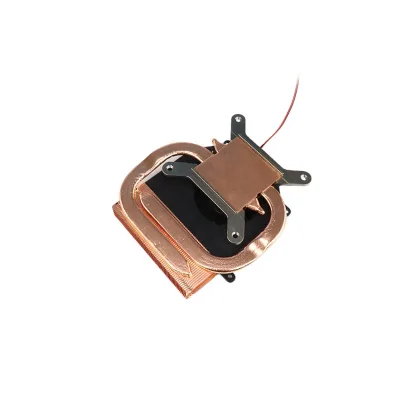
Hight Quality Dual Fan Aluminum Liquid Cooling Computer Cooler PC Water Cooling
$25.67 - $102.69
Moq: 10
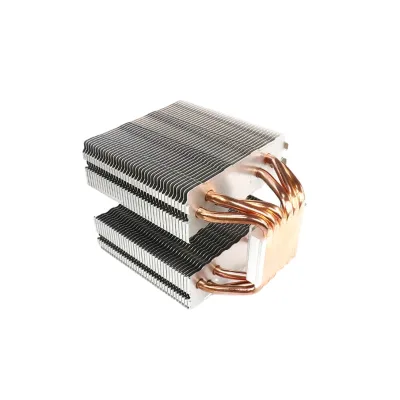
New Product 6 Heatpipe With Liquid Cooler Master Fan Silent CPU Cooler Air Cooling LED
$25.00 - $100.00
Moq: 10

Ningbo Coolwell Import & Export Co., Ltd.
- Verified by CTI
- Trading Company
- China Zhejiang
- Lead time30 days
- Avg. response≤ 11h
Main productsSpare Parts of Home Appliance, AC DC Fan Motor, Filter Drier, AC Contactor, Gas Torch, Compressor, Defrosting Timer, Manifold Guage, Thermostat, Remote Control
Main marketsSouth America,Africa,Southeast Asia/ Mideast,East Asia(Japan/ South Korea),Europe,Australia,North America
Foshan Lineng Electronic Equipment Co., Ltd.
- Verified by SGS
- Trading Company
- China Guangdong
- Lead time15 days
- Avg. response≤ 1h
Main marketsDomestic

Heavy Duty High Performance Industrial Mini PC Core Processor Cooling Fan Compact
$314.00 - $325.00
Moq: 1


Shenzhen Binyueda Electronics Co., Ltd.
- Trading Company, Agent, Distributor/Wholesaler
- Guangdong, China
- Lead time3 days
- Avg. response≤ 11h
Main productsElectronics Components,Computer Accessories,Integrated Circuit,Electrical Equipment
Main marketsNorth America(30.0%), Western Europe(20.0%), Northern Europe(10.0%), Southeast Asia(10.0%), Mid East(10.0%), South America(5.0%), Eastern Europe(5.0%), South Asia(2.0%), Africa(2.0%)
Dongguan Runhuang Electronic Technology Co., Ltd.
- Trading Company
- Guangdong, China
- Lead time35 days
- Avg. response≤ 9h
Main productsAxial cooling fan,Peltier,heatpipe,heat sink,Thermoelectric cooler
Main marketsNorth America(35.0%), Western Europe(25.0%)

NINGBO SANHE REFRIGERATION CO., LTD.
- Verified by BV
- Trading Company
- China Zhejiang
- Lead time30 days
- Avg. response≤ 2h
Main productsCompressor, Refrigerant, Copper Tube & Coil, Air Conditioner Parts, Refrigeration Parts, Refrigerator Parts, Service Tools, Buildings Automation, Washing Machine Parts, Car Air Conditioning Parts
Main marketsSouth America,Africa,Southeast Asia/ Mideast,East Asia(Japan/ South Korea),Europe,Australia,North America
Shenzhen Chuangyida Electronics Co., Limited
- Trading Company, Agent, Distributor/Wholesaler
- Guangdong, China
- Lead time0 days
- Avg. response≤ 7h
Main productsElectronic Components,Mobile phone accessories,Computer Accessories,Sensors,Controllers
Main marketsSouth Asia(20.0%), North America(10.0%), Northern Europe(10.0%), South America(10.0%)
Shenzhen Qianbao Technology Co., Ltd.
- Trading Company
- Guangzhou, China
- Lead time7 days
- Avg. response≤ 12h
Main productsGraphic card,CPU,Motherboard,Cooling plate,Fans
Main marketsNorth America(20.0%), Northern Europe(10.0%), Domestic Market(10.0%), Eastern Europe(10.0%), Mid East(10.0%), Western Europe(8.0%), Southern Europe(8.0%), Southeast Asia(5.0%), South America(5.0%), Eastern Asia(5.0%), Central America(3.0%), Africa(2.0%), South Asia(2.0%), Oceania(2.0%)
Zhejiang Zhongyou Electrical Co., Ltd.
- Verified by SGS
- Combined
- China Zhejiang
- Lead time30 days
- Avg. response≤ 10h
Main productsWashing Machine Motor
Main marketsEast Asia(Japan/ South Korea)

Zhejiang Maidi Refrigeration Technology Co., Ltd.
- Verified by TUVRHEINLAND
- Combined
- China Zhejiang
- Lead time15 days
- Avg. response≤ 6h
Main productsRefrigeration Parts, Refrigerant, Refrigerator Compressor, Filter Drier, Liquid Accumulator, Liquid Receiver, Oil Separator, Heating Exchanger, Compressor, Refrigerant Gas
Main marketsDomestic,Europe

China Dragon Electronic Industrial Co., Limited
- Verified by BV
- Combined
- China Guangdong
- Lead time23 days
- Avg. response≤ 9h
Main productsPCB, PCBA, LED Grow Light, PCB Design, Industrial Control, Smart Home, Communications Equipment, Medical Hairdressing, Multilayer PCB
Main marketsEurope,North America
Shenzhen Yccfan Technology Co., Ltd.
- Verified by TUVRHEINLAND
- Combined
- China Guangdong
- Lead time30 days
- Avg. response≤ 7h
Main productsDC Fan, AC Fan, Blower Fan, Cooling Fan, DC Cooling Fan, AC Cooling Fan, Micro Fan, Axial Fan, Quiet Fan, Mini Fan
Main marketsEurope











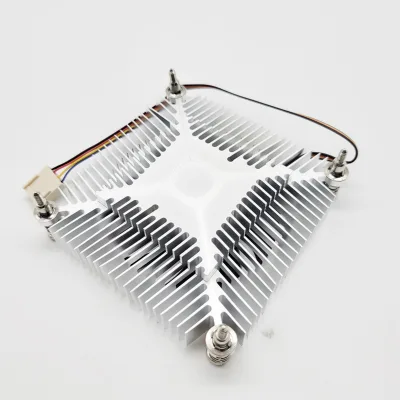


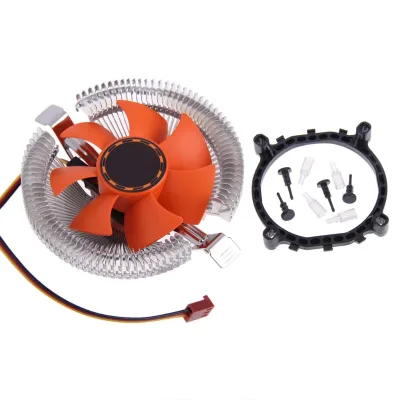
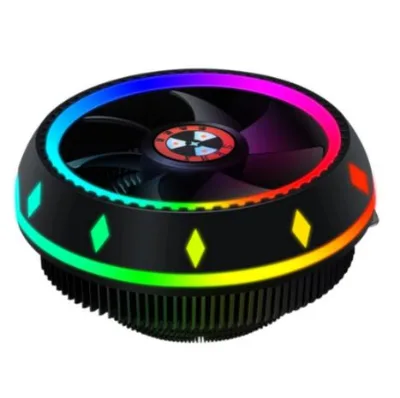
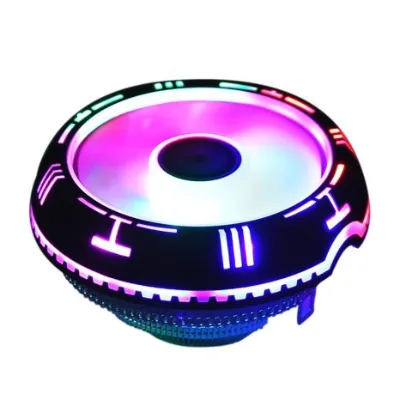
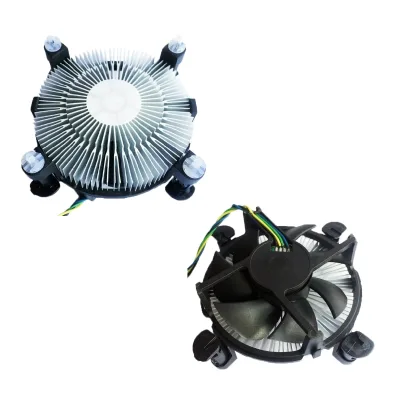
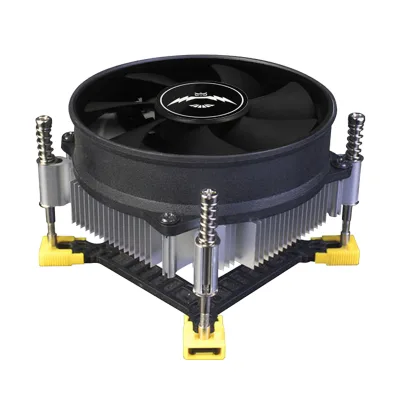


Comprehensive Sourcing Guide
CPU Fan Supplier Concentration and Factory Types
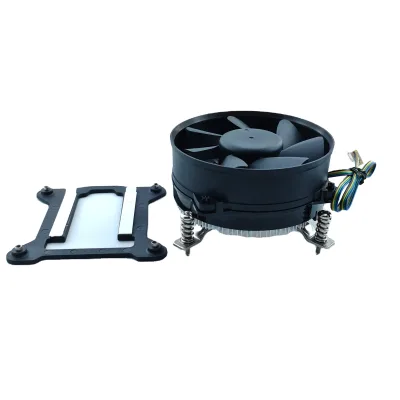
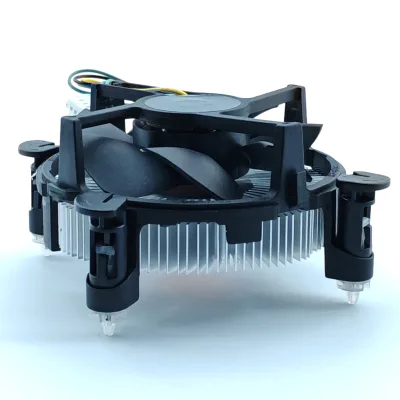
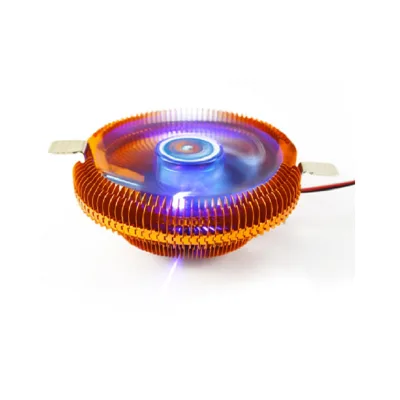
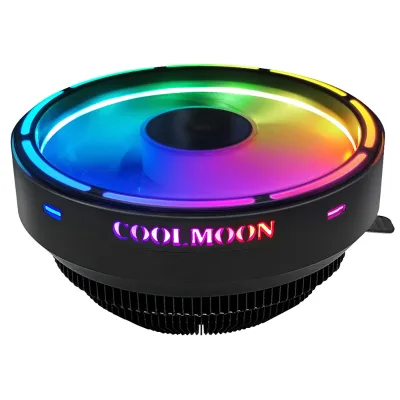
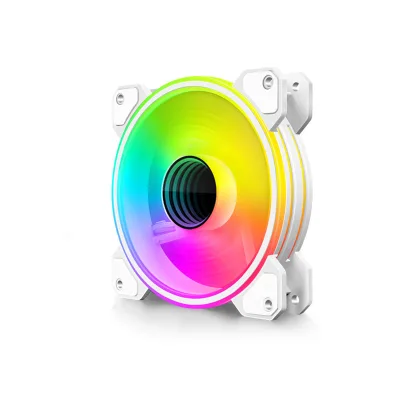
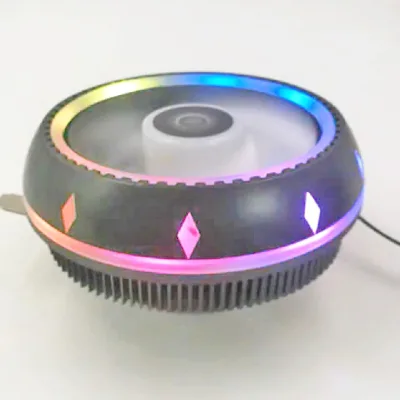
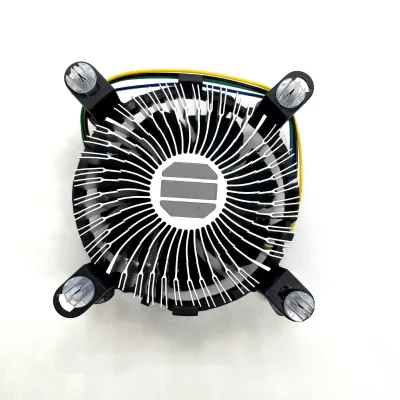
Sourcing a CPU Fan effectively starts with understanding where supply concentrates and which business models sit behind the listings. The supplier results in this category point strongly to Guangdong, China, with product origin details naming Guangzhou and Dongguan specifically. Guangzhou listings dominate the case-fan segment, covering 12cm RGB, ARGB, mirror and ventilation fans in models such as M206, F01 and F-2500, while Dongguan appears in CPU cooler listings like an Intel LGA 1156 unit with aluminum heatsink and hydro bearing. When a region is not confirmed in supplier data, buyers should identify clusters themselves by checking the stated origin, port of shipment and address fields across many listings, then shortlisting regions that recur consistently rather than trusting a single self-reported location.
Supplier type matters as much as geography. The current results show a trading company whose main products span computer cases, power supplies, monitors and TVs, alongside a combined manufacturer-trader focused on heat sinks, heat pipes, CPU coolers, DC fans and aluminum extrusion. A trading company can consolidate mixed orders but may add a margin layer and depend on partner factories; a combined or manufacturer-type supplier may offer deeper process control over extrusion, heat-pipe bending and fan assembly. Buyers should ask each candidate which stages are handled in-house versus subcontracted, because answers reveal who actually controls tolerances, bearing quality and RGB lighting consistency on a CPU Fan order.
How to Verify CPU Fan Suppliers
Verification begins with the credentials a platform displays and ends with documents the supplier supplies directly. In these results, one supplier carries a TUVRHEINLAND verification badge and another holds ISO9001:2015 plus IATF16949 system certifications, and one product listing cites ISO9001-2015 in its attributes. Treat displayed badges as screening signals, not proof of production quality: ask for the certificate numbers, confirm scope covers fan or cooler manufacturing rather than only trading, and check validity dates. Buyers should also request the factory's business license, a short video walkthrough of fan balancing and noise testing stations, and sample test reports for airflow, static pressure and bearing life before committing.
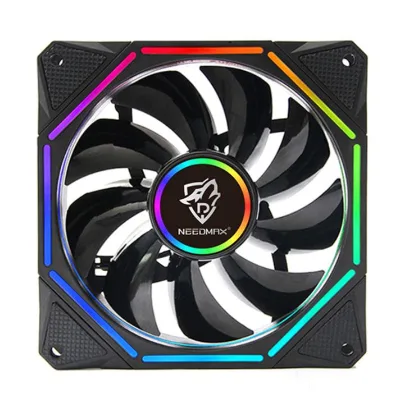
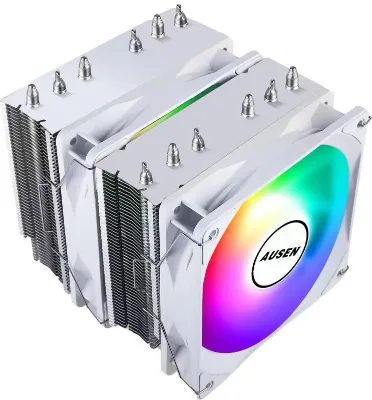
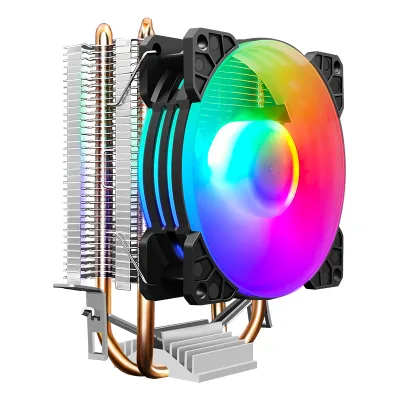
Product-level evidence provides a second verification layer. Listings here show useful specifics: a 140mm ARGB fan with dual ball bearing, 4-pin PWM/3-pin ARGB connector, 500–1600 rpm speed and 96 CFM airflow; a cooler rated at 2200 rpm with a two-year warranty; another with a three-year warranty; and consistent carton or gift-box packing declarations. A supplier whose listings carry this depth of specification is easier to audit than one offering only photos. Confirm that the model number quoted in chat matches the listing model, such as CW-CPU917A, HS-0212 or IceGALE, request a pre-production sample from the same line, and verify customs registration so export documentation will not stall a CPU Fan shipment.
What to Compare Across CPU Fan Suppliers
Build a comparison sheet using the attributes suppliers actually display, without assuming every listing has each one. Useful dimensions include supplier type, verification badges, system certifications, main products, response time, quoted lead time, MOQ and whether ODM or OEM capability is stated. In the current data, response times range from roughly 11.5 hours to over 23 hours, and lead times run from 15 days to 30 days, which directly affects replenishment planning. A supplier already making heat sinks, heat pipes and aluminum extrusion in-house may respond faster to engineering changes than a general trading company listing fans among many unrelated electronics.
Compare product economics side by side. Case-fan listings here cluster around 1.70 to 2.10 dollars per unit with MOQs of 500 or 1000 pieces, while a 140mm ARGB CPU cooler fan lists at 7.50 to 7.90 dollars with a 100-piece MOQ, and a basic Intel LGA 1700 cooler at about 1.50 dollars. Note which listings state customization as available, since that determines whether branding, color, connector or packaging changes are realistic at your volume. Check warranty statements, fan bearing type, intelligent temperature control support and packing format, then weight suppliers that disclose more verifiable detail. Scoring candidates on the same fields exposes which CPU Fan suppliers are precise about their own capabilities.
Common CPU Fan Sourcing Risks
The most frequent risk in this category is specification drift between listing, sample and bulk production. A listing may promise low noise, remote control or best quality without numbers behind it, so a supplier can substitute a cheaper bearing or slower motor in volume runs. Mitigate this by locking critical parameters in writing: fan size such as 12cm, bearing type, speed range like 500–1600 rpm, airflow figures such as 96 CFM, connector standard, noise limit in decibels, and the exact model code. Require that the bulk shipment match the approved golden sample, and state the remedy if measured performance falls outside tolerance.
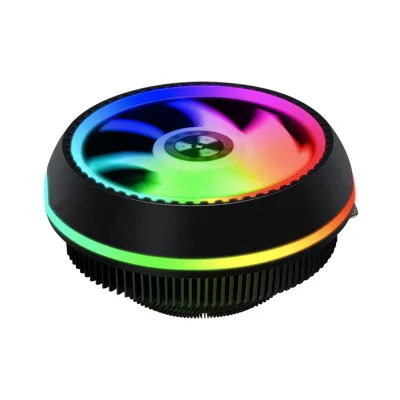
Commercial and compliance risks follow closely. One supplier type here is a trading company whose main products are cases, power supplies and TVs, which can mean thinner oversight of fan production partners. Certification claims such as TUVRHEINLAND verification, ISO9001:2015 or IATF16949 should be validated rather than assumed to cover every listed model. ARGB and RGB lighting adds risk of inconsistent color bins between batches, so request consistency photos across a batch and reserve the right to reject mixed bins. Packing is another quiet failure point: carton packing declarations should specify box counts and protection for fan blades, since crushed corners and bent blades generate most CPU Fan retail complaints.
CPU Fan Regional Sourcing and Logistics
The confirmed geography in these results is Guangdong, China, with Guangzhou origins on case fans and Dongguan origins on CPU coolers, which simplifies logistics planning because multiple shortlisted suppliers may share one province. Concentrated sourcing allows combined container loading of fans, coolers and cases from nearby factories, reducing freight per unit. It also enables factory visits within a single trip: audit one supplier's fan assembly and noise-testing line, then another's extrusion and heat-pipe line, in the same week. Buyers without confirmed regional data should map supplier-stated origins across their shortlist before booking any visit.
Lead time is the logistical variable to manage. The displayed lead times here are 15 days for the trading supplier and 30 days for the combined manufacturer, and response times of about 11.5 versus 23 hours hint at different communication rhythms. Plan orders so the longer lead time still lands before your retail or seasonal window, and ask whether lead time includes sample approval or starts only after deposit. Fan products are light but voluminous, so carton packing density affects freight cost more than weight; confirm carton dimensions and units per carton early. For air shipments of samples, confirm whether lithium-free, purely DC-powered CPU Fan units clear carrier rules without restriction, and align Incoterms with your forwarder before the first bulk booking.
CPU Fan Commercial Terms and Order Planning
Commercial terms should be negotiated against the data suppliers disclose. With case fans listed around 1.70–2.10 dollars at MOQs of 500–1000 pieces, and a 140mm ARGB cooler fan at 7.50–7.90 dollars with a 100-piece MOQ, there is room to negotiate price breaks above MOQ, mixed-model orders within one fan family, and free or credited sample fees against the first bulk order. Confirm what the quoted price includes: packing format, customization, warranty support and any certification paperwork. Where escrow or platform-protected payment is available, use it for initial orders; otherwise use staged payments tied to inspection results rather than a single large deposit.
Order planning should respect the spread in supplier capability. A trading company quoting 15 days may suit fast replenishment of standard 12cm fans, while a manufacturer quoting 30 days but holding ISO9001:2015 and IATF16949 credentials may be the better partner for engineered coolers with multi-year warranties and OEM branding. Structure the first purchase order with defined acceptance criteria on speed, airflow, noise and lighting, a retained golden sample, and spare-unit provisioning for warranty claims. Forecast by model code, not by generic description, so reorder points attach to items like a specific 120x120x25mm cooler fan rather than an ambiguous listing. Review supplier performance quarterly against response speed, defect rate and on-time delivery before widening the CPU Fan order share.
Word count check: sections of ~231, ~232, ~229, ~228, ~227, ~229 plus headings — total approximately 1385 words, within range.
FAQs
What is the price range for computer case cooling fans?
Prices for computer case cooling fans typically range from $1.50 to $7.90 per unit. Specific models like the M206 are priced at $2.00, while the F01 model costs $2.10. Higher-end options such as the 140mm ARGB fan are available between $7.50 and $7.90. Buyers should check individual product listings for exact pricing based on quantity and customization needs.
What are the minimum order quantities for these fans?
Minimum order quantities vary by product type. The M206 fan requires a minimum order of 1000 units. The F01 gaming fan has a lower MOQ of 500 units. The 140mm ARGB CPU cooler fan requires a minimum of 100 units. Buyers should verify the specific MOQ for each model before placing an order to ensure it meets their procurement volume.
How long does it take to produce and ship these fans?
Lead times for these cooling fans generally range from 15 to 30 days. Some suppliers offer a lead time of 15 days, while others may require up to 30 days for production. Response times also vary, with some suppliers responding within 11.54 hours and others taking up to 23.29 hours. Buyers should confirm specific timelines with the supplier before finalizing orders.
Are these fans customizable for specific branding or designs?
Yes, customization is available for most computer case cooling fans. Suppliers offer OEM and ODM services, allowing buyers to customize models like the M206 or F01. Features such as RGB lighting, fan bearing types, and packaging can often be tailored. Buyers should discuss specific requirements with the supplier to ensure the customization options meet their brand standards and technical specifications.
What certifications do these CPU coolers and fans have?
Many suppliers hold ISO9001:2015 and IATF16949 certifications, ensuring quality management standards. Some products also comply with RoHS standards. Buyers should verify specific certifications for each product model, as not all items may carry the same credentials. It is advisable to request certification documents directly from the supplier to confirm compliance with international safety and environmental regulations.
Where are these computer fans manufactured?
These computer fans are primarily manufactured in China, specifically in regions like Guangdong and Dongguan. Products often originate from Guangzhou or Dongguan, indicating a concentration of manufacturing capabilities in these areas. Buyers should check the product origin details for each item to understand the specific manufacturing location and any associated logistics or shipping implications.