Educational Toys Suppliers and Manufacturers in China
Compare 20 verified suppliers of Educational Toys by location, response time, lead time, and certifications. Review product specifications like MOQ and testing standards to find the right partner. Contact suppliers directly to request quotes and samples; review the available evidence before requesting comparable quotations from suitable candidates.
Suppliers List
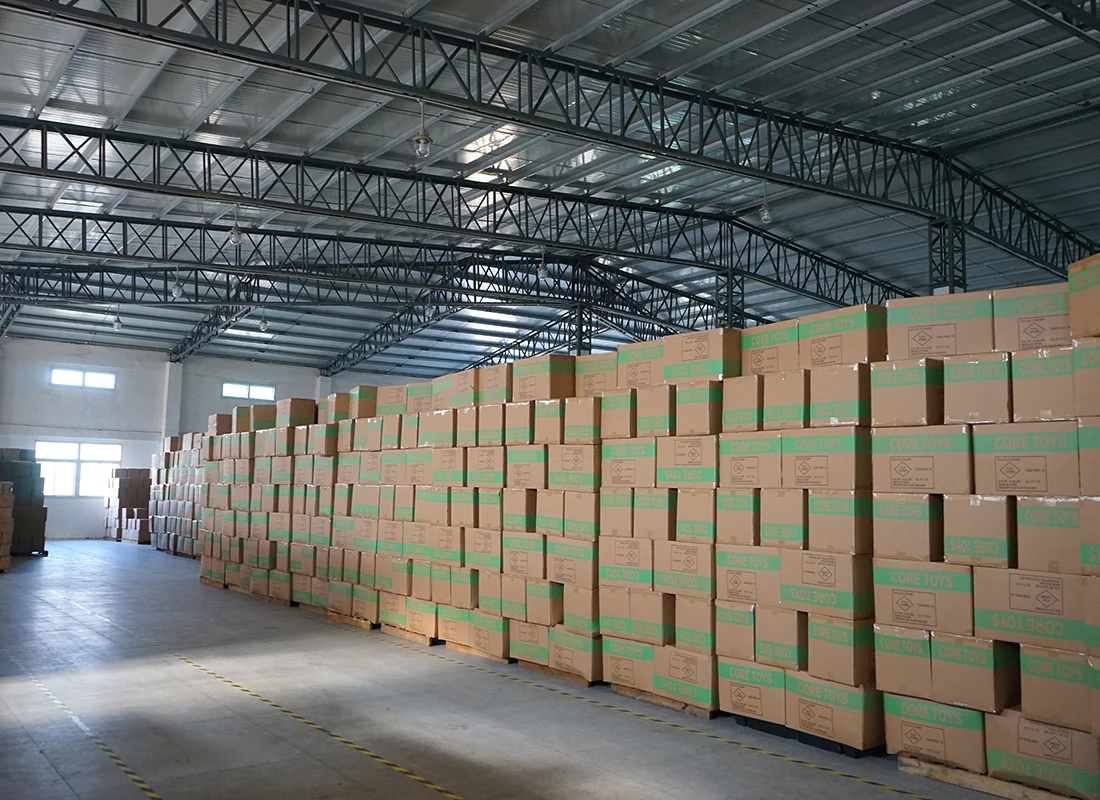
Shantou Dadi Plastic Toys Industry Co., Ltd.
- Manufacturer, Trading Company
- Guangdong, China
- Lead time30 days
- Avg. response≤ 5h
Main productsEducational Toys,Water Gun,Baby Toys,Game Toys,Role Play Toys
Main marketsNorth America(17.00%), Western Europe(13.00%), Northern Europe(10.00%), Eastern Europe(10.00%), Domestic Market(5.00%), South Asia(5.00%), Southern Europe(5.00%), Southeast Asia(5.00%), Central America(5.00%), South America(5.00%), Eastern Asia(5.00%), Mid East(5.00%), Oceania(5.00%), Africa(5.00%)

- Verified by TUVRHEINLAND
- Trading Company
- China Zhejiang
- Lead time23 days
- Avg. response≤ 7h
Main productstoys
Main marketsSoutheast Asia/ Mideast,Europe,Australia

Hengjun Plastic Toys Manufactory
- Verified by CTI
- Manufacturer/Factory
- China Guangdong
- Lead time15 days
- Avg. response≤ 25h
Main productsEducational Toys, RC Toys, Bo Toys, Candy Toys, Die Cast Toys, Baby Toys, Summer Toys, Promotion Toys & Gifts, Pretend Play Toys, Outdoor & Sport Toys
Main marketsSouth America,Eastern Europe,Mid East,North America,Southeast Asia,Eastern Asia,Oceania,Western Europe

Kids Toy Plastic Wild Animal Set for Learning Children Educational Toys
$0.49 - $0.53
MOQ: 1200 Pieces


GUANGZHOU DBOLO ELECTRONICS CO., LTD.
- Manufacturer
- GUANGDONG, China
- Lead time30 days
- Avg. response≤ 6h
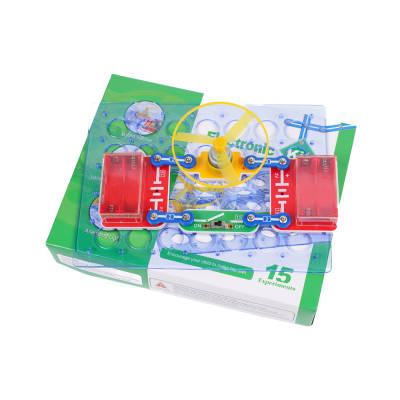
Main productsToy,Educational Toy,Electronic kits,STEAM toys,Science kit
Main marketsWestern Europe(15.00%), Eastern Europe(15.00%), South America(15.00%), North America(15.00%), Southern Europe(10.00%), Northern Europe(10.00%), Mid East(10.00%), Eastern Asia(10.00%)

- Verified by CTI
- Trading Company
- China Anhui
- Lead time23 days
- Avg. response≤ 1h
Main productsFurniture, Home Furniture
Main marketsSoutheast Asia/ Mideast

Difanmax Tech Lianyungang Co., Ltd.
- Verified by BV
- Manufacturer/Factory
- China Jiangsu
- Lead time23 days
- Avg. response≤ 4h
Main productsConsumer Electronics, Kinesiology Tape Adhesive Tapes, Industrial Tools, Home & Garden, Gifts & Crafts, Sport Products Entertainment, Health & Medical, Auto Parts E-Bike Auto Tools & Components, Clothes Apparel, Bicycle Hardware Laboratory Measuring Protective
Main marketsSouth America,North America,Southeast Asia,Oceania,Western Europe

Shantou Kaixin Trading Co., Ltd
- Verified by BV
- Manufacturer
- China Guangdong
- Lead time23 days
- Avg. response≤ 6h
Main productsToy, Educational Toy, Remote Control Toy, Pretend Play Toy Set, Summer Toy, Vehicle Toy, Doll, Promotion Toy, Baby Toy, Game Toy
Jiangxi Hand by Hand E-commerce Co., Ltd
- Verified by TUVRHEINLAND
- Trading Company
- China Jiangxi
- Lead time15 days
- Avg. response≤ 4h
Main productsPlastic Toys, Educational Toys, Baby Toys, RC Toys, Pretend Play Toys, Doll Toys, Robot Toys, Summer Toys, Sport Toys
Main marketsOthers(foreignTradeCapacity.exportBusinessCapacityMarketOther)

Shantou Chenghai Xaqi Toys Industrial Co., Limited
- Verified by BV
- Combined
- China Guangdong
- Lead time23 days
- Avg. response≤ 4h
Main productsRemote Control Car, Educational Toy, Sport Toy, Pretend Play Toys, Remote Contro Toy, Baby Toy, Summer Toy, B/O Toy
Main marketsSoutheast Asia/ Mideast,Domestic,Europe


Educational Learning Toys Creative Toy Wooden Toy Building Blocks Toys for Kid
$4.23 - $5.23
MOQ: 200 Pieces


DONGGUAN HUI TAI TONG TECHNOLOGY CO., LIMITED
- Manufacturer/Factory
- China Guangdong
- Lead time23 days
- Avg. response≤ 7h
Main productsPlastic Toy, Children Toy, Educational Toy, Action Figure, PVC Figure, Promotional Gift, Sport Figure
Main marketsNorth America,Eastern Asia,Western Europe


Htttoys Custom Educational Toys Base Ten Small Toys Children Kids Toys Plastic Toys Factory
$1.99 - $4.66
MOQ: 1000 Sets

Shantou XIQI Plastic Products Co., Ltd.
- Verified by SGS
- Manufacturer
- China Guangdong
- Lead time15 days
- Avg. response≤ 3h
Main productsToys Gift Electrical Equipment Household Effe
Main marketsEast Asia(Japan/ South Korea),Europe,North America
Everwin Toys Industry Co., Ltd.
- Verified by TUVRHEINLAND
- Trading Company,Manufacturer/Factory
- China Guangdong
- Lead time0 days
- Avg. response≤ 4h
Main productsPlastic Toy, Kids Gift, Toys Jewelry, Toys Gift, Promotion Gift, Kids Toys, Children Toys, Jewelry Sets, Stationery


Plastic Toy Children Gift Promotion Gifts DIY Toy Vehicle Engineering Vehicle
$0.35 - $0.45
MOQ: 384 Pieces

Kids Toys Promotion Gift Plastic Toys Boys Toys Mini Vehicle Toy Farm Vehicle
$0.35 - $0.45
MOQ: 444 Pieces


Shantou Nanhuang Toys Co., Ltd.
- Verified by TUVRHEINLAND
- Trading Company
- China Guangdong
- Lead time15 days
- Avg. response≤ 6h
Main productsToys
Main marketsSoutheast Asia/ Mideast,Europe

- Verified by SGS
- Trading Company
- China Guangdong
- Lead time30 days
- Avg. response≤ 16h
Main productsToys, Education Toys, Puzzle, Summer Toys, Outdoor Toys
Main marketsDomestic

Lianyungang Hongwen Toys Co., Ltd.
- Verified by SGS
- Combined
- China Jiangsu
- Lead time23 days
- Avg. response≤ 7h
Main productsCustom Plush Backpack, Stuffed Toy, Custom Plush Pillow, Custom Plush Doll, Custom Plush Toy, Custom Hold-All, Plush Pillow, Animal Plush, Stuffed Plush Toys, Plush Toy Animals
Main marketsAfrica,Southeast Asia/ Mideast,East Asia(Japan/ South Korea),Domestic,Europe,Australia,North America

Zhejiang Beima Education & Technology Co., Ltd.
- Trading Company
- China Zhejiang
- Lead time30 days
- Avg. response≤ 25h
Main productsToy, Building Toy, Education Toy, Building Block, DIY Toy, Puzzle Game, Children Toy, Preschool Toy, Plastic Toy, Plastic Building Toy
Main marketsEast Asia(Japan/ South Korea),Domestic,Europe,North America


Colorful Plastic Educational Puzzle Game Toy
MOQ: 12 Sets


Wenzhou Haoxiang Amusement Toys Co., Ltd.
- Verified by SGS
- Combined
- China Zhejiang
- Lead time15 days
- Avg. response≤ 16h
Main productsWooden Playground, Wooden Outdoor Playground, Plastic Outdoor Playground, Plastic Playground, Kindergarten Furniture, Wooden Furniture, Wooden Adventure Playground, Kindergarten Role Play Toys, Wooden Toys, Swing and Slide
Main marketsSouth America,Southeast Asia/ Mideast,East Asia(Japan/ South Korea),Domestic,Europe

Dongguan Jiehao Technology Co., Ltd.
- Verified by CTI
- Manufacturer/Factory
- China Guangdong
- Lead time90 days
- Avg. response≤ 3h
Main productsPlastic Toys, Vinyl Toys, Silicon Toys, Educational Toys, Intelligent Toy, Toys, Plastic Doll, Soft PVC Toys, 2D Soft PVC Keychain Toys, Blowing Toys
Main marketsSouth America,Eastern Europe,Mid East,North America,Southeast Asia,Eastern Asia,Oceania,Western Europe,Africa

Dongguan Riteng Industrial Co., Ltd.
- Trading Company,Manufacturer/Factory
- China Guangdong
- Lead time15 days
- Avg. response≤ 25h
Main productsPlastic Extrusion Profiles, Plastic Injection Profiles, Aluminum Extrusion Profiles, Nft Hydroponic System, Low-Smoke Halogen-Free Trunking
Main marketsSouth America,Eastern Europe,Mid East,North America,Southeast Asia,Eastern Asia,Oceania,Western Europe,Africa

PIN INTERNATIONAL (NINGBO) LTD.
- Verified by TUVRHEINLAND
- Manufacturer/Factory
- China Zhejiang
- Lead time90 days
- Avg. response≤ 3h
Main productsWooden Toys Kids Toys Educational Toys, Arts and Crafts, Stem Toys, DIY Products, Subscription Box for Kids
Main marketsSouth America,Eastern Europe,North America,Eastern Asia,Western Europe

Wooden Toy Educational Learning Toys Montessori Little Cars Wooden Vehicles Wooden Toy Cars
$2.22 - $2.72
MOQ: 500 Pieces

Wooden Toy Educational Learning Toys Montessori Toy Object Permanence Dropping Box
$6.60 - $8.08
MOQ: 500 Pieces




Comprehensive Sourcing Guide
Educational Toys Supplier Concentration and Factory Types
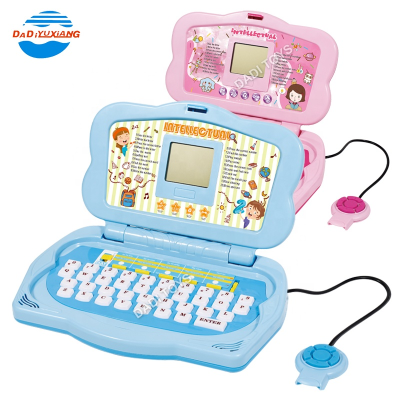
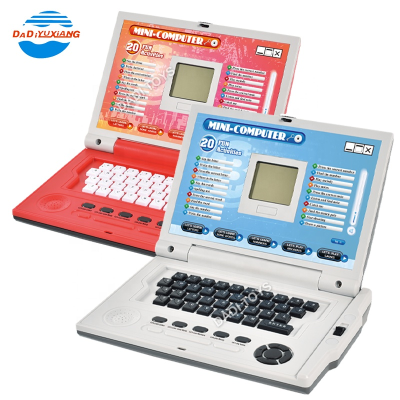
Current data indicates a significant concentration of educational toy manufacturers and trading companies within Guangdong, China, specifically in regions like Chenghai. This area is known for a dense ecosystem of factories producing plastic wild animal sets, learning machines, and role-play toys. Some suppliers in this cluster operate as both manufacturers and trading companies, offering a hybrid model that can streamline communication while maintaining direct production control. The presence of specific product attributes, such as the "Multifunctional Learning Machine Toy" with a brand name like Dadi, suggests established production lines capable of handling complex electronic components alongside traditional plastic molding. Buyers should look for suppliers listing Guangdong as their place of origin to access this established supply chain, which often supports rapid prototyping and high-volume output for items like water guns and baby toys.
In contrast, other verified suppliers are located in Zhejiang, China, where the focus often shifts toward wooden Educational Toys and logic games. These facilities frequently operate as trading companies or manufacturers with their own brands, emphasizing customization and specific testing standards like ASTM and EN71. The distinction between a pure manufacturer and a trading company is critical; a trading company in Zhejiang might aggregate products from various workshops, whereas a manufacturer in Guangdong may own the injection molding machinery directly. When evaluating the supplier type, buyers must verify if the entity claims "Own Brand" or "OEM/ODM" capabilities, as this dictates their flexibility in modifying product designs. Understanding whether a supplier is a factory or a middleman helps in predicting their ability to handle custom requests and their direct influence over the production timeline and quality control processes for items like wooden logic games.
How to Verify Educational Toys Suppliers
Verification of educational toy suppliers requires a rigorous check of their system certifications and third-party audit reports to ensure product safety and compliance. Many suppliers in the current results display certifications such as CPC, CE, and ASTM, which are essential for selling toys in international markets. For instance, specific wooden toy listings explicitly mention testing standards like EN71-1,2,3 and ASTM-F963, indicating a commitment to meeting rigorous safety requirements for children's products. Buyers should prioritize suppliers who provide these specific test results rather than generic claims, as these documents validate that the materials used are non-toxic and the mechanical parts are safe for the intended age ranges, such as 3+ or 2 to 7 years. Additionally, verification badges from recognized bodies like TÜV Rheinland or CTI serve as strong indicators of a supplier's operational stability and adherence to international quality management systems.
Beyond certifications, buyers must assess the supplier's response time and verification status to gauge their reliability and communication efficiency. Data shows response times varying significantly, with some suppliers responding within 5 hours while others take over 24 hours, which can impact the speed of negotiation and order processing. A supplier with a verified status, such as those marked with TÜV Rheinland or CTI, often undergoes more stringent background checks regarding their business license and factory capacity. Buyers should also examine the "Supply Ability" metrics, such as 30,000 pieces per month, to ensure the supplier can scale production to meet demand without compromising quality. It is crucial to confirm that the supplier's claimed capabilities align with the specific product requirements, ensuring they have the necessary infrastructure to produce items like plastic wild animal sets or electronic learning machines consistently.
What to Compare Across Educational Toys Suppliers
When comparing suppliers, the minimum order quantity (MOQ) and unit pricing are primary factors that influence the feasibility of an order. Current listings show MOQs ranging from 5 cartons for electronic learning machines to 12 sets for wooden logic games, with prices varying between approximately $3.93 and $7.00 per unit depending on the product complexity and material. Some suppliers explicitly state that they can lower the MOQ for market testing purposes, which is a valuable flexibility for new buyers entering the educational toy sector. Buyers should calculate the total landed cost by factoring in the carton size and CBM, as larger packaging dimensions can significantly increase shipping expenses. Comparing the price range against the specified MOQ helps determine the most cost-effective supplier for a specific order volume, ensuring that the financial investment aligns with the projected sales volume and profit margins.
Lead time and response speed are equally critical dimensions for comparing supplier performance and reliability. The observed lead times vary from 15 days to 30 days, with some suppliers offering faster turnaround times of 23 days for specific items. A shorter lead time is advantageous for maintaining inventory turnover and responding quickly to market trends, but it must be balanced against the supplier's ability to maintain quality standards. Response times, measured in hours, also play a vital role in the efficiency of the sourcing process; a supplier responding within 5 hours is likely more organized and responsive than one taking over 24 hours. Buyers should compare these metrics across multiple suppliers to identify those that offer the best balance of speed and cost, ensuring that the supply chain remains agile and responsive to changing business needs without incurring unnecessary delays or communication bottlenecks.
Common Educational Toys Sourcing Risks
One significant risk in sourcing Educational Toys is the potential mismatch between claimed certifications and actual product safety, particularly regarding materials and mechanical hazards. While suppliers may list certifications like CPC or CE, buyers must verify that these apply to the specific product model and batch being ordered, as standards can vary between different toy types. For example, a plastic wild animal set might require different safety testing than a wooden logic game, and relying on a generic certification claim without specific test reports can lead to compliance issues in the destination market. Additionally, the age range specified on the product, such as "2 to 4 Years" or "3+", must align with the actual design features to prevent choking hazards or other safety incidents. Buyers should request detailed test reports for each product variant to ensure that the safety claims are substantiated and meet the regulatory requirements of their target market.
Another risk involves the discrepancy between the supplier's stated supply ability and their actual production capacity during peak seasons. Some suppliers claim a monthly supply ability of 30,000 pieces, but this figure may not account for raw material shortages or labor constraints that could delay fulfillment. If a supplier is a trading company rather than a direct manufacturer, they may face additional risks related to supply chain transparency and quality control consistency. The reliance on third-party factories can introduce variability in product quality, making it difficult to maintain uniform standards across different batches. Buyers should assess the supplier's capacity to handle custom orders and their track record for meeting delivery deadlines. It is essential to verify that the supplier has the necessary resources to scale production without compromising the integrity of the Educational Toys, ensuring that the final products meet the expected quality and safety standards.
Educational Toys Regional Sourcing and Logistics
Sourcing Educational Toys from Guangdong, China, offers distinct logistical advantages due to the region's proximity to major ports like Shantou and Shenzhen. These ports facilitate efficient export operations, reducing transit times and shipping costs for buyers importing items such as learning machines and plastic animal sets. The concentration of manufacturers in this area allows for streamlined logistics, as suppliers can often coordinate packaging and shipping directly from their factories to the port. Buyers should verify the specific port of dispatch listed by the supplier, as this impacts the overall shipping timeline and freight costs. Additionally, the packaging details, such as carton size and CBM, are crucial for optimizing container loading and minimizing shipping expenses. Understanding the regional logistics network helps buyers plan their inventory replenishment schedules more effectively, ensuring that products arrive on time and within budget.
In contrast, sourcing from Zhejiang, China, presents different logistical considerations, particularly for wooden toys and logic games that may require specialized handling. Suppliers in this region often list their origin as Zhejiang, and buyers should confirm the specific port of dispatch to avoid unexpected delays. The packaging dimensions for wooden toys, such as those with a carton size of 38x36.5x25 cm, can affect the number of units that fit into a shipping container, influencing the overall cost per unit. Buyers must also consider the potential for customs delays or additional inspection requirements for wooden products, which may need to meet specific phytosanitary standards. By understanding the regional logistics landscape, buyers can make informed decisions about which suppliers to partner with based on their specific shipping needs and the nature of the Educational Toys they intend to import, ensuring a smooth and cost-effective supply chain.
Educational Toys Commercial Terms and Order Planning
Commercial terms for Educational Toys often include specific requirements regarding payment methods, shipping terms, and customization options. Many suppliers offer flexible terms, such as the ability to lower the MOQ for market testing, which is beneficial for buyers looking to introduce new products without committing to large initial orders. Buyers should clarify the payment terms, including any deposits required and the balance due upon shipment, to ensure financial clarity and risk management. Additionally, customization availability is a key commercial term, with some suppliers offering OEM and ODM services to tailor products to specific brand requirements. Understanding these terms helps buyers negotiate favorable conditions that align with their business strategy, ensuring that they can adapt to market demands while maintaining cost efficiency and product quality.
Order planning for Educational Toys requires careful consideration of lead times, production capacity, and inventory management strategies. With lead times ranging from 15 to 30 days, buyers must plan their orders well in advance to avoid stockouts and ensure timely delivery. It is essential to factor in the supplier's response time and production schedule when creating a procurement timeline, as delays in communication or production can disrupt the entire supply chain. Buyers should also consider the seasonal demand for Educational Toys, which may fluctuate based on school holidays and promotional periods. By developing a robust order planning strategy that accounts for these variables, buyers can maintain a steady flow of products, optimize their inventory levels, and respond effectively to market changes, ensuring long-term success in the educational toy sector.
FAQs
What is the typical lead time for Educational Toys from these suppliers?
Lead times vary by supplier, ranging from 15 to 30 days for standard orders. Some manufacturers in Guangdong offer faster 15-day turnaround, while others require up to 30 days. Buyers should confirm specific timelines based on order volume and customization needs before placing a purchase.
What are the minimum order quantities for learning machine toys?
Minimum order quantities for learning machine toys typically start at 5 cartons. Some suppliers allow lower quantities for market testing purposes if requested directly. Buyers must verify the specific carton count required for each product model to ensure compliance with supplier policies.
Which certifications do these educational toy suppliers hold?
Suppliers hold various certifications including CPC, CE, and ASTM standards. Some products specifically meet EN71-1,2,3 safety requirements for European markets. Buyers should request current certification documents to verify compliance with their local safety regulations before finalizing any bulk purchase agreements.
Where are the main manufacturing locations for these toys?
Most manufacturers are located in Guangdong, China, with some operations in Zhejiang. Products often ship from ports like Shantou or Shenzhen. Buyers should confirm the exact factory location to assess logistics costs and potential shipping delays associated with specific regional production hubs.
What is the average response time for supplier inquiries?
Response times vary significantly, ranging from 5 hours to over 24 hours depending on the supplier. Some trading companies respond within 6 hours, while manufacturers may take up to 24 hours. Buyers should prioritize suppliers with faster response rates for urgent sourcing needs.
Are customization options available for wooden Educational Toys?
Customization is available for many wooden educational toy models, allowing for specific branding or design changes. Buyers can request custom packaging or product features directly from suppliers. It is essential to discuss customization details and potential cost implications before confirming the order.
What is the price range for multifunctional learning machine toys?
Prices for multifunctional learning machine toys generally range from 6.05 to 7.00 USD per unit. Specific costs depend on the model number and order quantity. Buyers should request a detailed quotation to confirm the final price based on their specific volume requirements and shipping terms.