Customized Aluminum Sheet Metal Enclosures Suppliers and Manufacturers
Source Customized Aluminum Sheet Metal Enclosures from 30 verified suppliers in China. Compare key dimensions including ISO certifications, CNC machining tolerances, lead times, and pricing to identify the right factory for your electronic equipment needs; review the available evidence before requesting comparable quotations from suitable candidates.
Updated
Suppliers List

We House Hardware Product Co. Ltd
- Verified by SGS
- Manufacturer/Factory
- China Guangdong
- Lead time23 days
- Avg. response≤ 10h
Main productsSteel Fabrication, Sheet Metal Fabrication, Metal Fabricaiton, Door Hardware, Bathroom Niche, Door Handle, Pacel Box, Mailbox, Furniture Hardware, Door Lock
Main marketsSouth America,Eastern Europe,Mid East,North America,Southeast Asia,Eastern Asia,Oceania,Western Europe,Africa


Custom Stainless Steel Enclosure Aluminum Sheet Metal Steel Fabrication Service
$0.10 - $1.00
MOQ: 1 Pieces

Shenzhen Hongfa Shunda Mould Co., Ltd
- Manufacturer/Factory
- China Guangdong
- Lead time23 days
- Avg. response≤ 6h
Main productsPlastic Enclosure, Sheet Metal Case, Aluminum Extruded Enclsoure, Die Casting Aluminum Case, CNC Millded Parts, Chassis Enclosure, Metal Enclosure, Waterproof Enclusures, Junction Box, Electronic Enclosure
Main marketsSouth America,Eastern Europe,Mid East,North America,Southeast Asia,Eastern Asia,Oceania,Western Europe,Africa


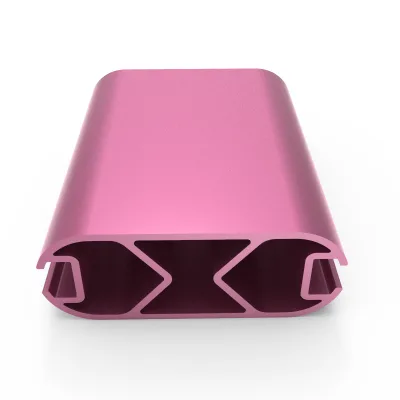
Hot Sale Custom Excruded Aluminum Enclosure Anodized Black Aluminum Enclosure
$2.16 - $2.54
MOQ: 5 Pieces


Suzhou Quanhao Metal Products Technology Co., Ltd.
- Verified by SGS
- Trading Company
- China Jiangsu
- Lead time15 days
- Avg. response≤ 3h
Main productsOutdoor Furniture, Camping Products, Impellers, Garden Tools, Bollards, Brackets, Dog Kennels, Manhole Covers, Bike Racks, Metal Fabrication Services
Main marketsAfrica,Southeast Asia/ Mideast,Europe,North America

Sheet Metal Fabrication Services Machinery Customized Metal Case Aluminum Enclosure
$6.00 - $15.00
MOQ: 100 Pieces

Sheet Metal Fabrication Parts Metal Control Panel Box Enclosure with Customized Service
$5.00 - $12.00
MOQ: 100 Pieces

Shenzhen YSY Electric Equipment Co., Ltd.
- Verified by TUVRHEINLAND
- Trading Company
- China Guangdong
- Lead time15 days
- Avg. response≤ 6h
Main productsMetal Fabrication, Stamping Parts, CNC Machining, Electrical Distribution Box, Metal Parts, Hardwares and Accessories, Laser Cutting, Metal Welding, Sheet Metal, Aluminum/Metal Enclosure
Main marketsAustralia,North America


OEM/ODM Customized Metal Sheet Fabrication Extruted Cast Aluminum Enclosure
$1.00 - $10.00
MOQ: 1000 Pieces


Guangzhou Lanxinwang Technology Co., Ltd.
- Verified by TUVRHEINLAND
- Trading Company
- China Guangdong
- Lead time45 days
- Avg. response≤ 4h
Main productsCustomized Metal Fittings, Tube Bending Services, Laser Cutting Services, Machining, Casting Services, Carport, Platform Ladder, Gas Stove
Main marketsSouth America,Africa,Southeast Asia/ Mideast,East Asia(Japan/ South Korea),Europe,Australia,North America


Custom Stamping Stainless Steel Aluminum Electronic Enclosures Custom Sheet Metal Enclosure Box
$0.70 - $3.10
MOQ: 100 Pieces

GUANGDONG DONGJI INTELLIGENT DEVICE CO.,LTD.
- Verified by BV
- Combined
- China Guangdong
- Lead time15 days
- Avg. response≤ 5h
Main productsFresh Orange Juice Vending Mach, OEM ODM Jdm Smart Machine, Sheet Metal Fabrication, Metal Fabrication, Sheet Metal Machine Housing Assembly Fabrication, Stainless Steel Laser Cutting Service, Metal Display; Stand; Rack; Shelf, Sheet Metal Bending and Welding, Metal Enclosure, Vending Machine
Main marketsSoutheast Asia/ Mideast,East Asia(Japan/ South Korea),Europe,Australia,North America

Zhongshan Zhongxin Precision Hardware Co., Ltd.
- Verified by SGS
- Combined
- China Guangdong
- Lead time15 days
- Avg. response≤ 11h
Main marketsSouth America,Europe,Australia,North America


Custom Sheet Metal Enclosure Manufacturers Iron Aluminum Stainless Steel Enclosure
$12.99 - $15.99
MOQ: 10 Pieces

Zhuhai Shengwo Machinery Technology Co., Ltd.
- Verified by BV
- Combined
- China Guangdong
- Lead time30 days
- Avg. response≤ 5h
Main productsSheet Metal
Main marketsEurope

Jiangsu ZhongDa Intelligent Equipment Co., Ltd.
- Verified by BV
- Combined
- China Jiangsu
- Lead time23 days
- Avg. response≤ 12h
Main productsSheet Metal Part, Metal Stamping Parts, Welding Part, Welding Works, Customized Metal Parts, CNC Machining Parts, Customized Part, Metallic-Processing-Machinery
Main marketsDomestic

Dongguan Hy Hardware Products Co., Ltd.
- Manufacturer
- Guangdong, China
- Lead time7 days
- Avg. response≤ 15h
Main productsHardware,Die and Moulds,Checking Fixture and Jig,Die Casting,CNC Machining
Main marketsNorth America(40.00%), Western Europe(35.00%), Oceania(10.00%), Northern Europe(6.00%), Eastern Asia(4.00%), Southern Europe(2.00%), Eastern Europe(2.00%), Domestic Market(1.00%)
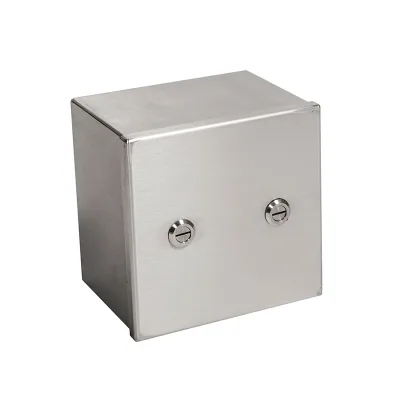
$0.1025 - $1.0158
MOQ: 100 Minimum
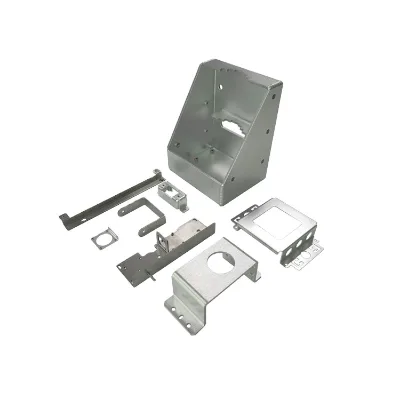
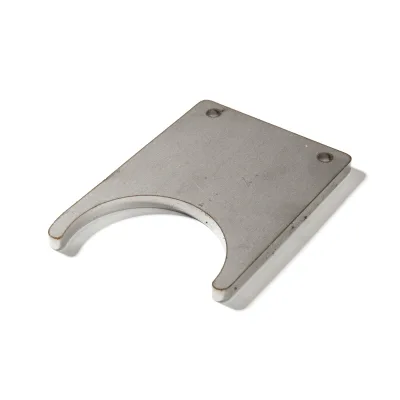
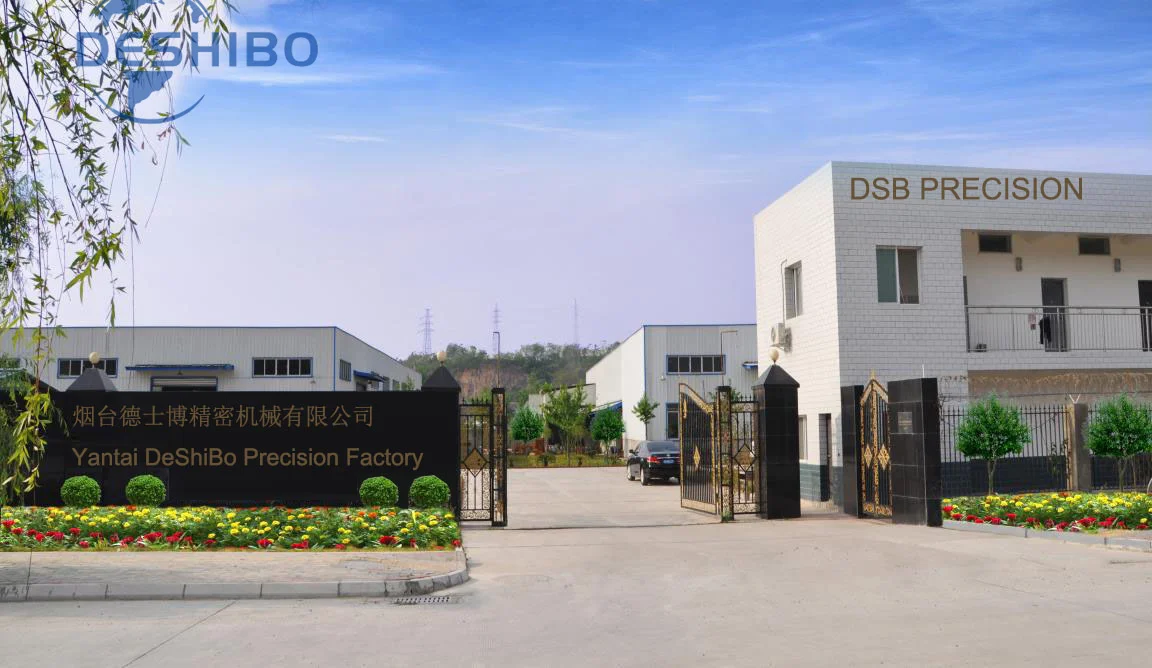
Yantai Deshibo Precision Machinery Co., Ltd.
- Manufacturer, Trading Company
- Shandong, China
- Lead time20 days
- Avg. response≤ 5h
Main productssheet metal fabrication,electronic box,metal box,battery cabinet,dog waste station
Main marketsDomestic Market(40.00%), North America(10.00%), Central America(10.00%), Eastern Asia(10.00%), Mid East(10.00%), Southeast Asia(10.00%), South America(10.00%)
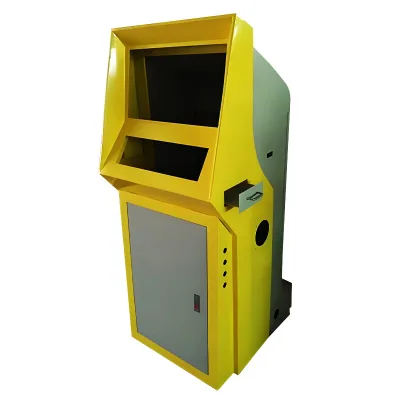
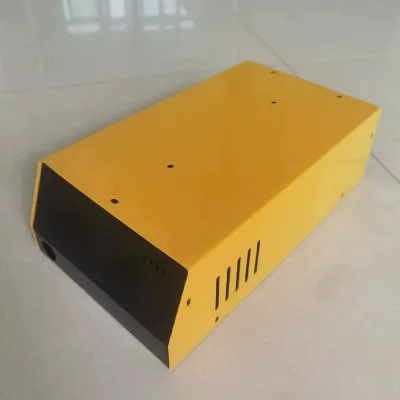
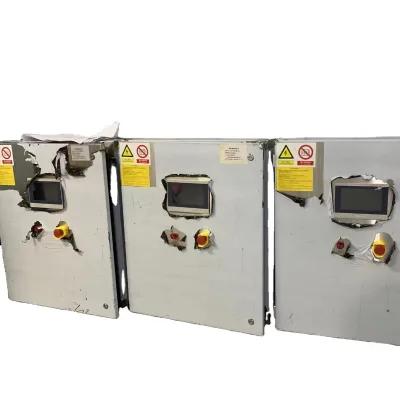
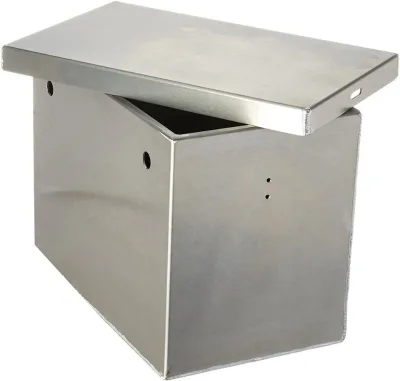
Full Aluminum Alloy Chassis Electronic Component Enclosure with Steel Case
$20.00 - $50.00
MOQ: 10 Minimum

Qingdao Jiaen Machinery Technology Co., Ltd
- Verified by SGS
- Combined
- China Shandong
- Lead time15 days
- Avg. response≤ 4h
Main productsCasting Parts, Sheet Metal Fabrication Parts, CNC Machining Parts, Injection Molding Parts, Mould, Stamping Parts, Aluminum Die Casting Parts, Powder Coating, Painting, Electroplating
Main marketsDomestic


High Quality Metal Enclosure for Electrical & Industrial Equipment - Customizable Size
$2.00 - $20.00
MOQ: 10 Pieces

Suzhou Ecod Precision Manufacturing Co., Ltd.
- Verified by CTI
- Trading Company
- China Jiangsu
- Lead time15 days
- Avg. response≤ 4h
Main productsCNC Machining Part, Sheet Metal Part, Injection Moulding, Stamping Part, Surface Treatment, CNC Milling Part, CNC Turning Part, Die-Casting Part
Main marketsSoutheast Asia/ Mideast,Europe

Custom Aluminum Stainless Steel Sheet Metal Large Enclosure Custom Sheet Metal Fabrication
$0.50 - $5.00
MOQ: 1 Pieces

Guangdong Xinghaoxin Technology Co., Ltd.
- Verified by SGS Group
- Manufacturer, Trading Company
- Lead time3 days
- Avg. response≤ 2h
Main productsSheet Metal Fabrication, Metal Manufacturing, Metal Working
Main marketsDomestic Market(60%), North America(20%), Southeast Asia(10%)
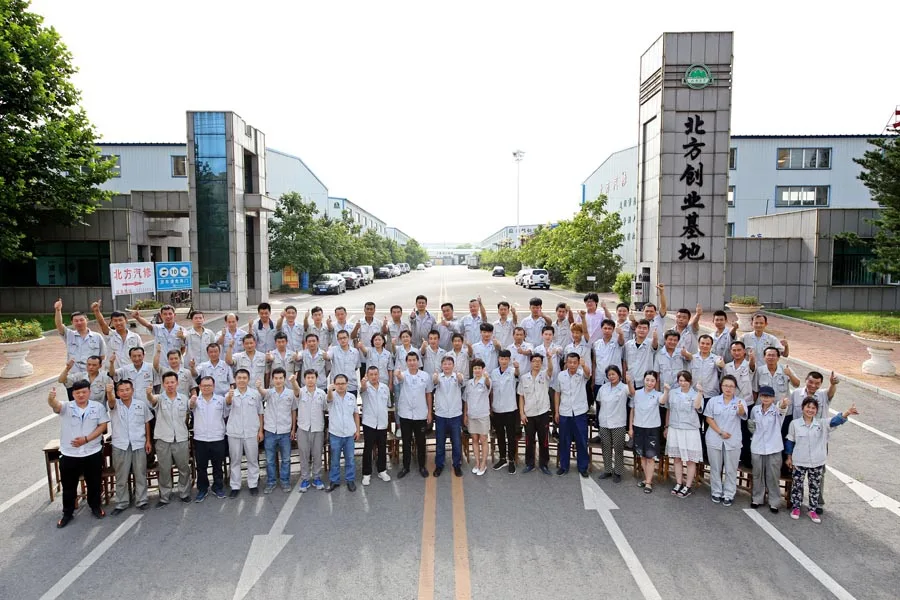
Dalian Xinzheng Tech. Co., Ltd.
- Trading Company
- Liaoning, China
- Lead time50 days
- Avg. response≤ 19h
Main productsSheet Metal Fabrication, Sheet Metal Frame, AED Metal Enclosure, Industrial Control Panel Enclosure, Electric Equipment Enclosure
Main marketsNorthern Europe(30.00%), North America(25.00%), Western Europe(20.00%), Southern Europe(20.00%), Eastern Europe(5.00%)
Luoyang Huachi Precision Machinery Co., Ltd.
- Verified by TüVRheinland
- Manufacturer, Trading Company
- Lead time15 days
- Avg. response≤ 4h
Main productsMetal Enclosure, Equipment Components, Metal Furniture
Main marketsDomestic Market(30%), North America(25%), Southeast Asia(10%)
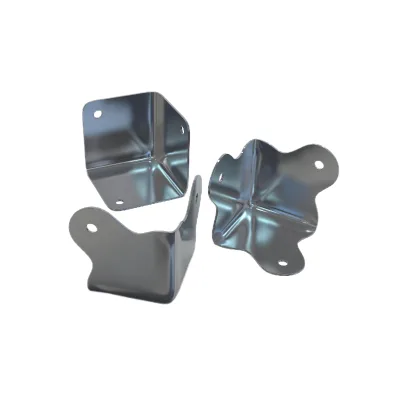
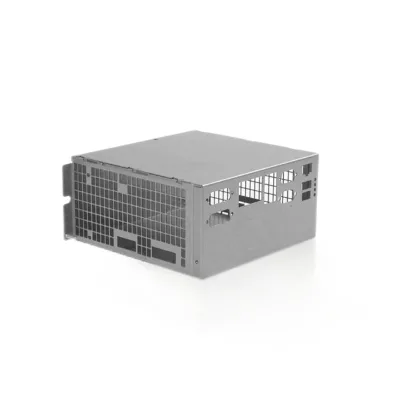
OEM Sheet Metal Enclosure for Automation Equipment Fast Lead Time & Cost-efficient
$0.20 - $5.00
MOQ: 10 Minimum
Shenzhen HTX Technology Co., Ltd.
- Manufacturer
- Lead time旺季: "1 - 200":10,"201 - 2000":15,"2001 - 5000":20,"> 5000":"To be negotiated", 淡季: "1 - 200":10,"201 - 2000":15,"2001 - 5000":20,"> 5000":"To be negotiated"
- Avg. response≤ 5h
Main productsCNC Turning and Milling,Sheet Metal Stamping,Metal Spring,Fastener,Gear

Shenzhen Ebyton Technology Co., Ltd.
- Verified by TUVRHEINLAND
- Combined
- China Guangdong
- Lead time15 days
- Avg. response≤ 7h
Main productsCNC Machine Part, Sheet Metal Fabrication, Plastic Fabrication, CNC Machining, Acrylic Fabrication
Main marketsDomestic,Europe,North America

China Manufacturer Custom Stainless Steel Aluminum Sheet Metal Enclosure Fabrication
$0.50 - $5.00
MOQ: 1 Pieces

Shenzhen Chengdacai Technology Development Co., Ltd.
- Verified by SGS Group
- Trading Company
- Lead time25 days
- Avg. response≤ 2h
Main productsSheet Metal Part, CNC Machining Part, Die-casting Part, Aluminum Profiles, Plastic Parts
Main marketsNorth America(60%), Western Europe(14%), Oceania(10%)

Zhejiang Golden Unicorn Electrical Tech Company
- Verified by TUVRHEINLAND
- Combined
- China Zhejiang
- Lead time15 days
- Avg. response≤ 4h
Main productsElectrical Control Cabinet, Electrical Distribution Cabinet
Main marketsDomestic


$100.00 - $10000.00
MOQ: 1 Pieces


$100.00 - $10000.00
MOQ: 1 Pieces

$100.00 - $10000.00
MOQ: 1 Pieces

Shenzhen Runze Metal Technology Co., Ltd.
- Verified by SGS
- Combined
- China Guangdong
- Lead time23 days
- Avg. response≤ 3h
Main productsSheet Metal Fabrication, CNC Machining, Laser Cutting Services, Stamping Parts, Bending Parts, Powder Coating Services, Anodizing Services, Welding Parts, Metal Fabrication
Main marketsEurope

High Quality Customized Custom Sheet Metal Fabrication Work Sheet Metal Enclosure
$1.00 - $10.00
MOQ: 1 Pieces

High Quality Custom Aluminium or Steel Sheet Metal Design Sheet Metal Enclosure
$1.00 - $10.00
MOQ: 1 Pieces

Foshan Bo Jun Precision Sheet Metal Co., Ltd.
- Verified by TüVRheinland
- Manufacturer, Trading Company
- Lead time15 days
- Avg. response≤ 3h
Main productsGarden Supplies
Main marketsNorth America(29%), Domestic Market(20%), Eastern Europe(12%)

Foshan Bo Jun Precision Sheet Metal Co., Ltd.
- Verified by TUVRHEINLAND
- Combined
- China Guangdong
- Lead time23 days
- Avg. response≤ 3h
Main productsSheet Metal Fabrication, Metal Flowerpot, Laser-Cut Aluminum Screen, Stainless Steel Partition, Water Feature Fountain, Corten Steel Fire Pit, Steel Structure Welding, Metal Garden Fence
Main marketsSoutheast Asia/ Mideast,Europe,Australia,North America

Custom Aluminum and Steel Sheet Metal Enclosures for Precision Punching Services
$8.00 - $40.00
MOQ: 10 Pieces

Anti Oxidation Resistant Reliable Stainless-Steel Custom Sheet Metal Enclosure
$8.00 - $40.00
MOQ: 10 Pieces


Profession Factory Custom Metal Sheet Fabrication Aluminum Enclosure Manufacturers
$8.00 - $40.00
MOQ: 10 Pieces

OEM Custom Aluminum Stainless Steel Sheet Metal Fabrication Electrical Enclosure
$8.00 - $40.00
MOQ: 10 Pieces

China Custom Sheet Metal Electrical Electric Electronic Stainless Steel Aluminum Enclosure
$8.00 - $40.00
MOQ: 10 Pieces
Dongguan Maitejinqi Electromechanical Technology Co., Ltd.
- Verified by TüVRheinland
- Manufacturer, Trading Company
- Lead time20 days
- Avg. response≤ 2h
Main productsHigh Precision Sheet Metal Parts, CNC Machining Parts, LED Cabinet, Charging Piles Case, LCD Enclosure
Main marketsDomestic Market(35%), North America(15%), South America(10%)

Dongguan East River Precision Hardware Co., Ltd
- Verified by CTI
- Combined
- China Guangdong
- Lead time15 days
- Avg. response≤ 14h
Main productsPrecision Hardware and Sheet Metal
Main marketsNorth America

Anti Oxidation Resistant Reliable Stainless-Steel Custom Sheet Metal Enclosure
$280.00 - $500.00
MOQ: 10 Pieces

High Quality Impact Resistant Customizable Stainless-Steel Sheet Metal Enclosure
$280.00 - $500.00
MOQ: 10 Pieces

Environmentally Friendly Corrosion Resistant Custom Stainless-Steel Sheet Metal Enclosure
$280.00 - $500.00
MOQ: 10 Pieces

Long Lasting Dust Resistant Stainless-Steel Custom Sheet Metal Chassis Enclosure
$280.00 - $500.00
MOQ: 10 Pieces

Not Easily Damaged Durable Custom Stainless-Steel Sheet Metal Chassis Enclosure
$280.00 - $500.00
MOQ: 10 Pieces

Flexible Long Lasting Customization Stainless-Steel Sheet Metal Electronic Enclosure
$280.00 - $500.00
MOQ: 10 Pieces
Nanjing Metalli Industrial Co., Limited
- Trading Company
- Lead time旺季: "1 - 10000":35,"> 10000":"To be negotiated", 淡季: "1 - 10000":35,"> 10000":"To be negotiated"
- Avg. response≤ 3h
Main productsSheet metal fabrication,Metal assemble,Metal stamping,Deep drawing,Aluminum extrusion
Shandong Fangzhuo Fabrication Co., Ltd.
- Verified by TüVRheinland
- Trading Company
- Lead time0 days
- Avg. response≤ 1h
Main productsCNC Milling Turning Processed Parts, Laser Cutting Metal Parts, Sheet Metal Parts, Steel Welding Parts, Iron Aluminum Steel Casting Parts
Main marketsMid East(20%), North America(15%), Eastern Europe(15%)

- Verified by BV
- Trading Company,Manufacturer/Factory
- China Guangdong
- Lead time23 days
- Avg. response≤ 6h
Main productsSheet Metal, Sheet Metal Fabrication, Water Vending Machine, Ice Vending Machine, Display Stand, Mail & Parcel Box, Metal Cabinet, Metal Tool Box, Metal Enclosure, Structure Metal Parts
Main marketsSouth America,Eastern Europe,Mid East,North America,Southeast Asia,Eastern Asia,Oceania,Western Europe,Africa
Hunan Chengyuan Electrical Co., Ltd.
- Manufacturer, Trading Company
- Hunan, China
- Lead time0 days
- Avg. response≤ 1h
Main productsHigh and low voltage switchgear, Power distribution cabinet, Intelligent and XBJ1 compact box substation, Photovoltaic grid-connected cabinet, Fire pump automatic inspection control equipment
Main marketsDomestic Market(87.00%), Mid East(7.00%), Southeast Asia(6.00%)
Cangzhou Fengao Hardware Manufacturing Co., Ltd.
- Manufacturer, Trading Company
- Hebei, China
- Lead time30 days
- Avg. response≤ 1h
Main productsSheet metal parts,Stamping parts,Laser cutting parts,Welding bent parts,Portable barbecue grill
Main marketsNorth America(30.00%), Southeast Asia(10.00%), Domestic Market(5.00%), South Asia(5.00%), Southern Europe(5.00%), Northern Europe(5.00%), Central America(5.00%), Western Europe(5.00%), Eastern Asia(5.00%), Mid East(5.00%), Oceania(5.00%), Africa(5.00%), South America(5.00%), Eastern Europe(5.00%)
$0.99 - $1.70
MOQ: 100 Minimum
$0.99 - $1.70
MOQ: 100 Minimum




Comprehensive Sourcing Guide
Customized Aluminum Sheet Metal Enclosures Supplier Concentration and Factory Types
Buyers sourcing Customized Aluminum Sheet Metal Enclosures will find that supplier results in this category are heavily concentrated in Guangdong, China, with the majority of listings identified as manufacturers or factories rather than trading companies. This matters because a factory listing typically means the supplier controls its own fabrication equipment, which affects how flexible the supplier can be with custom dimensions, tolerances, and finishing options. However, company type labels should be treated as a starting point rather than proof: some manufacturers also resell, and some suppliers present mixed product ranges that go beyond enclosures, such as furniture hardware, mailboxes, and door hardware, which can signal a general fabrication shop rather than an enclosure specialist.
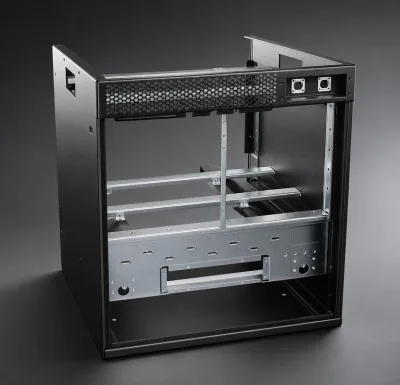
When you review the product ranges attached to these listings, you will notice two broad supplier profiles. One profile centers on sheet metal fabrication services, offering custom enclosures, chassis, and electrical boxes in stainless steel and aluminum, with customization explicitly marked as available. The other profile centers on extruded aluminum and die-cast enclosures for electronic equipment, which is a different process even though the end product looks similar. Before shortlisting, decide which process your design actually requires—bent and welded sheet metal, extrusion, or CNC-machined housings—and filter suppliers whose main products and product keywords align with that process. This prevents wasted sampling on suppliers whose equipment cannot reproduce your intended construction method.
How to Verify Customized Aluminum Sheet Metal Enclosures Suppliers
Verification for this category should begin with the credentials displayed on the supplier listing itself. In the current results, suppliers show system certifications such as ISO 9001 and ISO 14001, and at least one listing carries SGS verification. Product-level attributes also reference certifications like RoHS, CE, and ISO on individual enclosure listings. Treat these as claims to be confirmed: ask the supplier for the actual certificate documents and check that the certificate scope covers sheet metal fabrication or enclosure manufacturing, not merely a general trading activity. An ISO 9001 certificate belonging to a different entity in the same building provides no assurance about the factory that will make your parts.
Beyond documents, verify capability directly against the attributes the supplier publishes. Some listings state tolerance capabilities as tight as ±0.01mm, while others state ±0.10mm; confirm which figure applies to your drawing by requesting a first-article inspection report rather than accepting the better number by default. Product properties also reference standards such as ASME, JIS, China GB, and EN codes—ask which standard governs your specific part. Because listings indicate experience claims like "12+ years in sheet metal fabrication," request verifiable evidence such as factory photos, equipment lists, and references from prior enclosure projects. Finally, run a trial order at the supplier's stated minimum quantity before committing to production volumes, since a sample and a sustained production run exercise very different levels of process control.
What to Compare Across Customized Aluminum Sheet Metal Enclosures Suppliers
Build a comparison table using the dimensions that actually appear on supplier listings, but do not assume every supplier publishes every attribute. Lead time is one of the most useful comparators: current listings show average response and lead time figures ranging from roughly six hours to nearly ten hours on response time, and one supplier displaying a lead time around 23 days, while individual product listings state mass production delivery windows of seven to twenty-five days. Compare these figures on a like-for-like basis—production lead time after drawing approval is not the same as total elapsed time including sampling and tooling.
Minimum order quantity is the second critical comparator, and it varies widely even within this single results page: one listing shows an MOQ of 1 piece at a low unit price band, another shows 50 pieces at a mid-range price band, and electronics-oriented listings show MOQs of 5 pieces or ranges like 10–100 pieces. Price bands shown range from under one dollar to nearly forty dollars per unit, but these only make sense in combination with material, size, and process, so compare quotes on identical drawings. Also compare main products and service scope: some suppliers list OEM, ODM, and own-brand capacity, and some offer integrated equipment assembly beyond enclosure fabrication. Response speed, location within Guangdong, and displayed verification status round out a shortlisting scorecard you can apply consistently across all candidates.
Common Customized Aluminum Sheet Metal Enclosures Sourcing Risks
The most common risk in this category is spec drift between quotation and production. Listings advertise customization as available, but the degree of customization differs: some suppliers accept fully custom dimensions and finishing, while others customize only length on a standard extrusion profile, as indicated by product attributes such as "length can be customized" against a fixed cross-section of, for example, 44×138×160mm. If your design requires custom bends, welds, cutouts, or IP-rated sealing, confirm in writing which features are truly custom and which are constrained by existing tooling. Failing to do so produces parts that look right in renders but fail on assembly.
A second risk cluster involves protection ratings, tolerances, and finishing. Listings cite IP ratings like IP54 "or custom," surface treatments described simply as "custom finishing," and colors listed as black, silver, or customized—none of which are binding until specified on a drawing with measurement methods. Anodized versus powder-coated aluminum behaves differently on edges and screw bosses, so require finish thickness and adhesion criteria in the specification. A third risk is price-opacity on heavily customized listings: some results display placeholder or unavailable pricing, meaning final cost depends entirely on your drawing. Mitigate by requiring a detailed quote broken into material, processing, finishing, and assembly lines, and by clarifying carton packing details, since packing is the only packaging attribute some listings specify. Keep packaging expectations explicit before mass production begins.
Customized Aluminum Sheet Metal Enclosures Regional Sourcing and Logistics
The results in this category point to Guangdong, China as the sourcing region, which carries practical logistics implications for buyers. Guangdong's dense industrial base means enclosure fabrication suppliers sit close to aluminum extrusion mills, surface treatment plants, and electronic component markets, shortening the chain for outsourced steps such as anodizing, powder coating, and silk-screening. For buyers, this typically translates into more finishing options and faster secondary processing, but it also means your supplier may subcontract steps you assumed were in-house. Ask which processes are performed on site and which are outsourced, since outsourced finishing adds handling, lead time, and quality-control handoffs.
On the logistics side, product attributes on these listings show mass production delivery windows of seven to twenty-five days, and one supplier displays a lead time figure in the low twenties of days—plan your inventory buffer around production time plus ocean freight rather than quoting production days alone. Enclosures are volumetric rather than heavy cargo in many cases, and listings specify carton packing as the default, so confirm carton dimensions, units per carton, and palletization before booking freight. If your enclosures integrate circuit boards or assembled equipment, note that at least one listing advertises integrated equipment assembly services; assembled goods change your customs classification and require clarification of responsibility for functional testing before shipment. For regional comparison, if a listing lacks a precise location, verify the actual factory address through a live video walkthrough before assuming proximity benefits.
Customized Aluminum Sheet Metal Enclosures Commercial Terms and Order Planning
Commercial terms in this category reward buyers who sequence their orders deliberately. Start with a paid sample or small pilot at the supplier's stated MOQ, which current listings show ranging from 1 piece to 5 pieces to 50 pieces depending on process and price band. A paid sample is usually cheaper than a dispute later, and it validates the tolerance claim—whether the quoted capability is ±0.10mm or ±0.01mm—before you commit capital. When negotiating, ask whether the sample fee is credited against the first production order; many fabrication suppliers will agree if volumes justify it. Confirm that quoted prices include finishing and packing, since listings often price bare fabrication separately from surface treatment.
Order planning should account for the delivery windows published on these listings: seven to twenty-five days for mass production, with one supplier showing a lead time around 23 days. Build your reorder point from the longer end of that range plus freight and customs clearance, because enclosure orders frequently stall at the finishing or inspection stage rather than at cutting and bending. On payment structure, split payments so a meaningful balance falls due only after inspection of goods at the factory or on receipt, and define the acceptance criteria in the purchase contract by referencing your drawing, the applicable standard code stated in the listing attributes, and the agreed IP rating. Finally, request production updates with dated photos at defined milestones—material in, forming complete, finishing complete, packed—so schedule slippage surfaces early enough to be corrected.
FAQs
What is the typical lead time for custom sheet metal enclosures?
Manufacturers in China Guangdong generally require 23 days for standard production runs. Some suppliers offer faster turnaround times of 7 to 25 days for mass production orders. Buyers should confirm specific delivery schedules with the factory before placing orders to ensure alignment with project timelines.
What are the minimum order quantities for aluminum enclosures?
Minimum order quantities vary significantly by supplier and product type. Some factories accept orders as low as 1 piece for custom steel fabrication services. Others require a minimum of 5 pieces for aluminum extruded enclosures or 50 pieces for specific sheet metal boxes. Always verify the MOQ directly with the supplier.
Which certifications do these manufacturers hold?
Many suppliers hold ISO 9001 and ISO 14001 system certifications. Product-specific certifications often include RoHS and CE marks for electronic enclosures. Some factories also comply with ASME, TEMA, JIS, and GB standards. Buyers should request valid certificates to ensure compliance with their specific industry requirements.
What materials are used for these custom enclosures?
Common materials include stainless steel, aluminum, and various sheet metals. Manufacturers offer CNC machining and stamping services for these materials. Tolerances can be as tight as plus or minus 0.10mm or plus or minus 0.01mm depending on the process. Custom finishes and colors are also available for specific applications.
What is the price range for custom enclosures?
Prices range from $0.10 to $39.99 per unit depending on complexity and material. Simple steel fabrication services may start at $0.10, while complex aluminum enclosures can cost up to $39.99. Specific models like the HF-A-85 are priced around $6.35. Final pricing depends on customization, quantity, and surface treatment requirements.
Do suppliers offer OEM and ODM services?
Yes, most manufacturers provide both OEM and ODM services. They support custom branding and design modifications for electronic equipment enclosures. Services include integrated equipment assembly and factory direct support. Buyers can request custom dimensions, colors, and IP ratings to meet specific industrial electronics requirements.