wall-mounted art gallery far-infrared heater Suppliers and Manufacturers
Compare 16 verified suppliers of wall-mounted art gallery far-infrared heaters based on location, lead times, certifications, and pricing. Review product specifications like heating power and control types to select the right option for your project; review the available evidence before requesting comparable quotations from suitable candidates.
Updated
Suppliers List

Qinhuangdao Yangguang Electric Co., Ltd
- Verified by TUVRHEINLAND
- Trading Company
- China Hebei
- Lead time23 days
- Avg. response≤ 1h
Main productsElectric Blanket, Infrared Heater, Electric Boiler, Heater Mural, Electric Heater, Electrically Heated Carpet
Main marketsDomestic
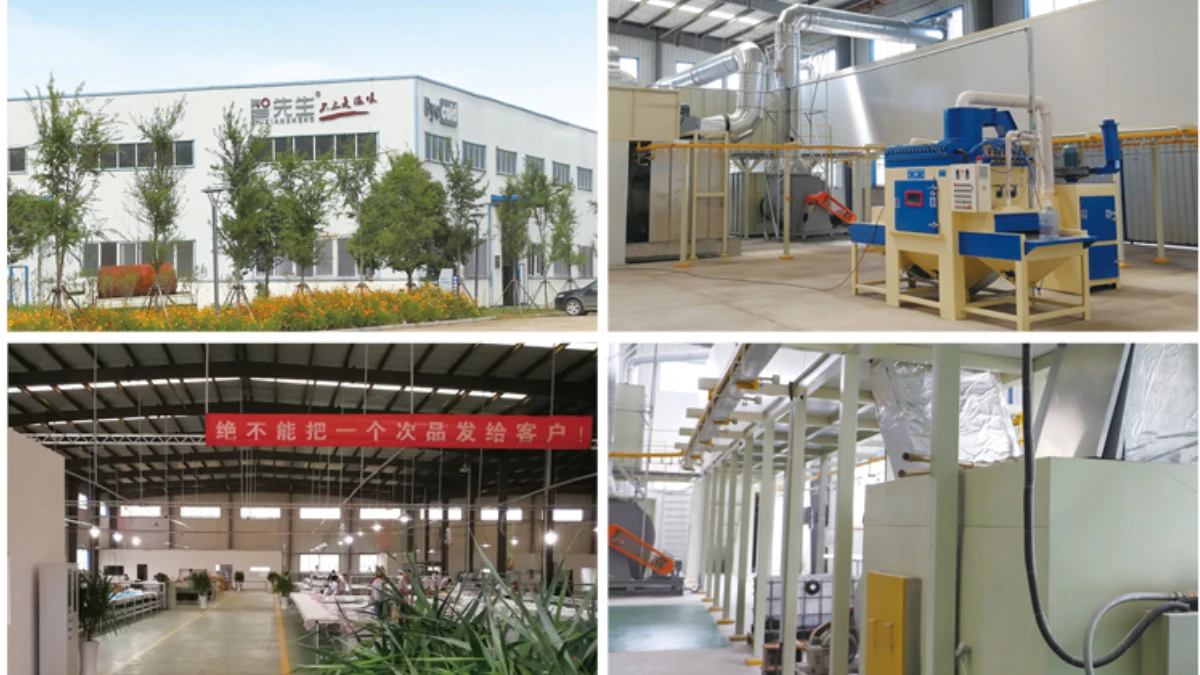
Jiangsu Byecold Technology Co., Ltd.
- Manufacturer, Trading Company
- Jiangsu, China
- Lead time15 days
- Avg. response≤ 3h
Main productsElectric Heated Towel Rail,Electric Towel Warmer,Smart Mirror,Infrared heating panel,Infrared panel heater
Main marketsWestern Europe(43.00%), Eastern Europe(18.00%), Southeast Asia(11.00%), Domestic Market(10.00%), North America(7.00%), Northern Europe(6.00%), Southern Europe(5.00%)
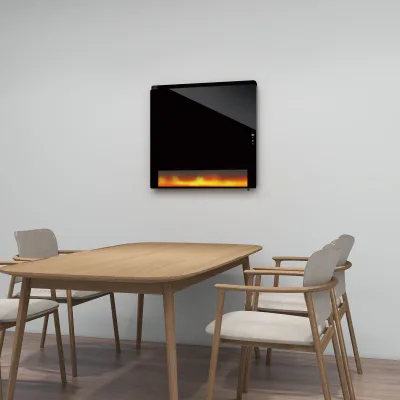
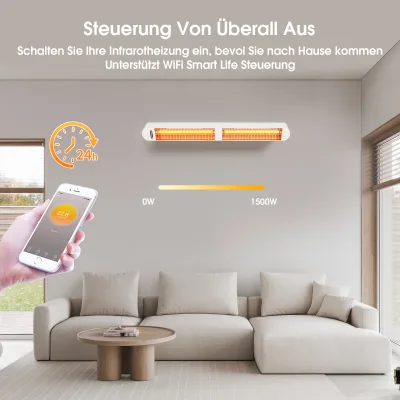
Energy-saving Revolution Far-infrared Heating Wall-mounted Heater Creates a Warm Art Gallery
$85.90 - $98.80
MOQ: 100 pieces

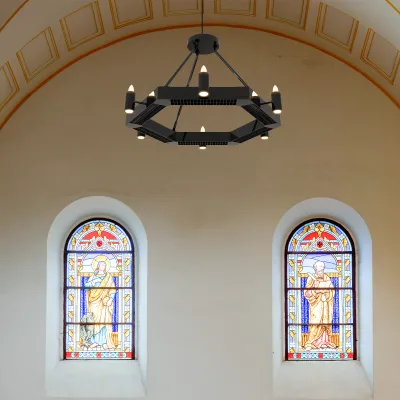
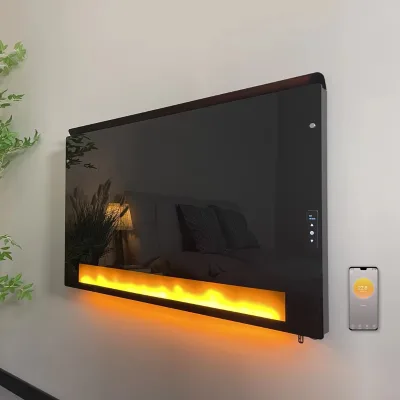


Fujian Jinghui Environmental Technology Co., Ltd.
- Combined
- China Fujian
- Lead time30 days
- Avg. response≤ 12h
Main productsEvaporative Air Cooler, Portable Air Cooler, Industrial Air Cooler, Desert Cooler, Swamp Cooler, Room Air Cooler, Infrared Radiant Heater, Outdoor Heating, Electric Heater, Panel Heater
Main marketsSouth America,Africa,Southeast Asia/ Mideast,East Asia(Japan/ South Korea),Europe,Australia,North America

4000W Electric Heatersr and Far Infrared Radiant Heater Wall-Mounted Heater
$150.00 - $197.00
MOQ: 2 Pieces


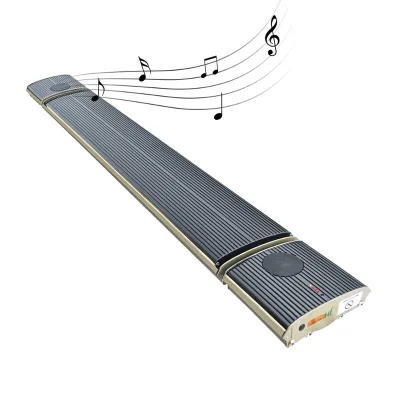
Electric Heaters Wall Mounted Far Infrared Heater with Sound Music Player
$157.30 - $214.50
MOQ: 2 Pieces


Qingdao IBEI Technology Co., Ltd.
- Manufacturer, Trading Company
- Shandong, China
- Lead time7 days
- Avg. response≤ 4h
Main productswall ceiling infrared carbon heating panel heater,far infrared heating panel,yoga ir panel heater,electric clothes shoes towel dryer racks,radiant heater
Main marketsWestern Europe(30.00%), North America(20.00%), Northern Europe(15.00%), Eastern Europe(15.00%), South America(5.00%), Southern Europe(5.00%), Oceania(5.00%), Southeast Asia(2.00%), Eastern Asia(2.00%), Mid East(1.00%)
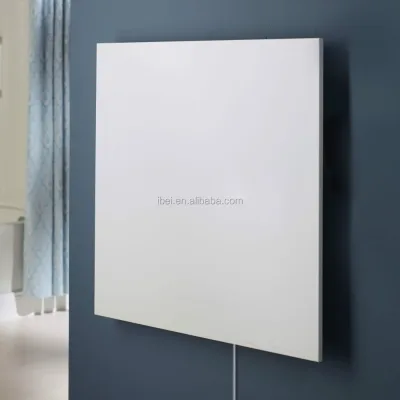
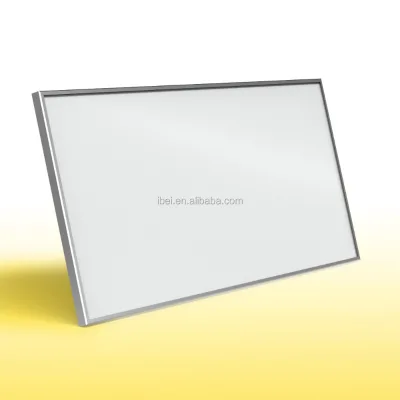
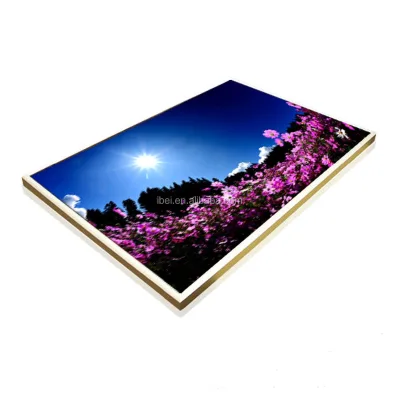
$43.20 - $57.20
MOQ: 1 Minimum
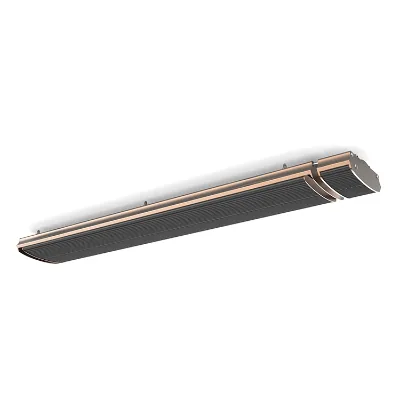
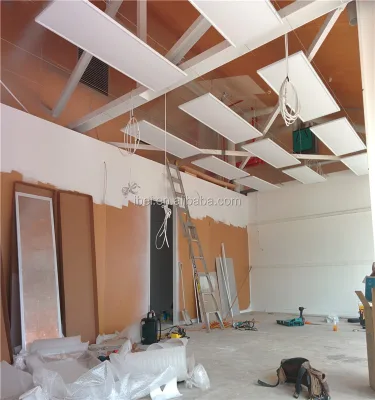
Zhongshan Guangding Appliance Technology Co., Ltd.
- Manufacturer, Trading Company
- Guangdong, China
- Lead time35 days
- Avg. response≤ 3h
Main productsSteam Oven,Electric Heater,Air fryer Oven,Infrared Heater,Panel Heater
Main marketsSoutheast Asia(50.00%), Western Europe(30.00%), South America(10.00%), Oceania(5.00%), Eastern Asia(3.00%), Northern Europe(2.00%)
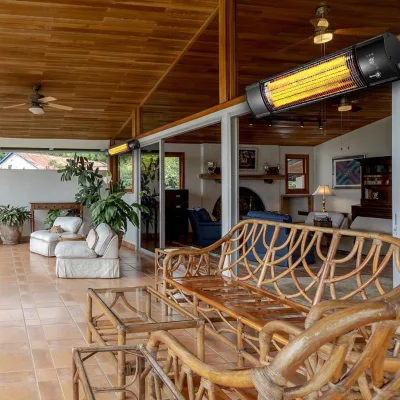
1800W Infrared Quartz Heater - Wall Mounting Infrared Heater for Garage Backyard,Patio
$31.00 - $36.00
MOQ: 200 pieces
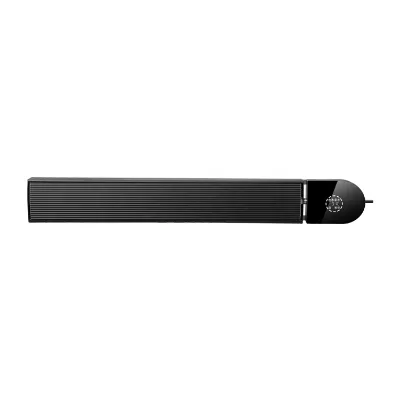
3000W Comfortable Electric Infra Panel Heating Wall Mounted Infrared Heater Big Power
$53.00 - $59.00
MOQ: 200 pieces
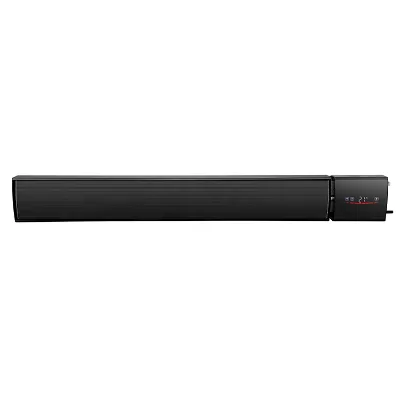
2400W Aluminum with Far Infrared Oil Coating Home Convector Radiator Heater WALL MOUNTED
$54.3452 - $60.4967
MOQ: 200 pieces
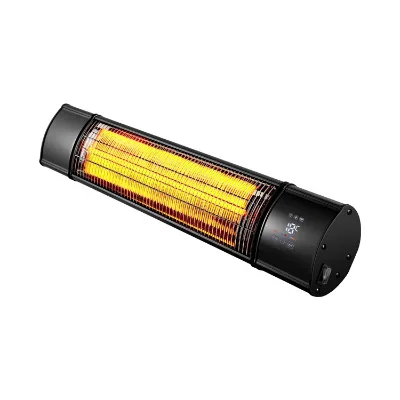
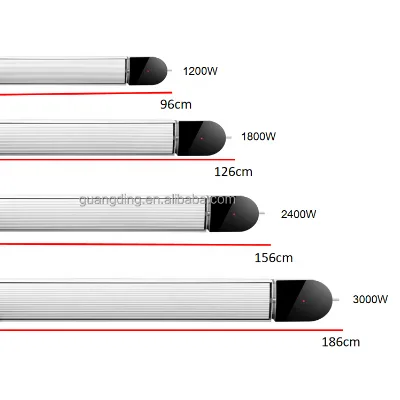
Waterproof Infrared Bathroom Ceiling Heater for Shower Hot Yoga Room
$54.6444 - $60.8304
MOQ: 200 pieces

XIAMEN WINMORE TRADE CO., LTD.
- Verified by BV
- Manufacturer/Factory,Group Corporation
- China Fujian
- Lead time23 days
- Avg. response≤ 14h
Main productsPatio Infrared Heater, Portable Evaporative Air Cooler, Industrial Spot Air Coolers, Powerful Drum Fan, Spot Air Conditioners, Outdoor Infrared Heater, Mobile Air Cooler, Dehumidifier, Evaporative Air Cooler, Velocity Fan
Main marketsSouth America,Eastern Europe,Mid East,North America,Oceania,Western Europe,Africa


1500 Watt Infrared Wall Mount Heater Indoor/Outdoor Commercial/Residential
$1.00 - $110.00
MOQ: 1 Pieces
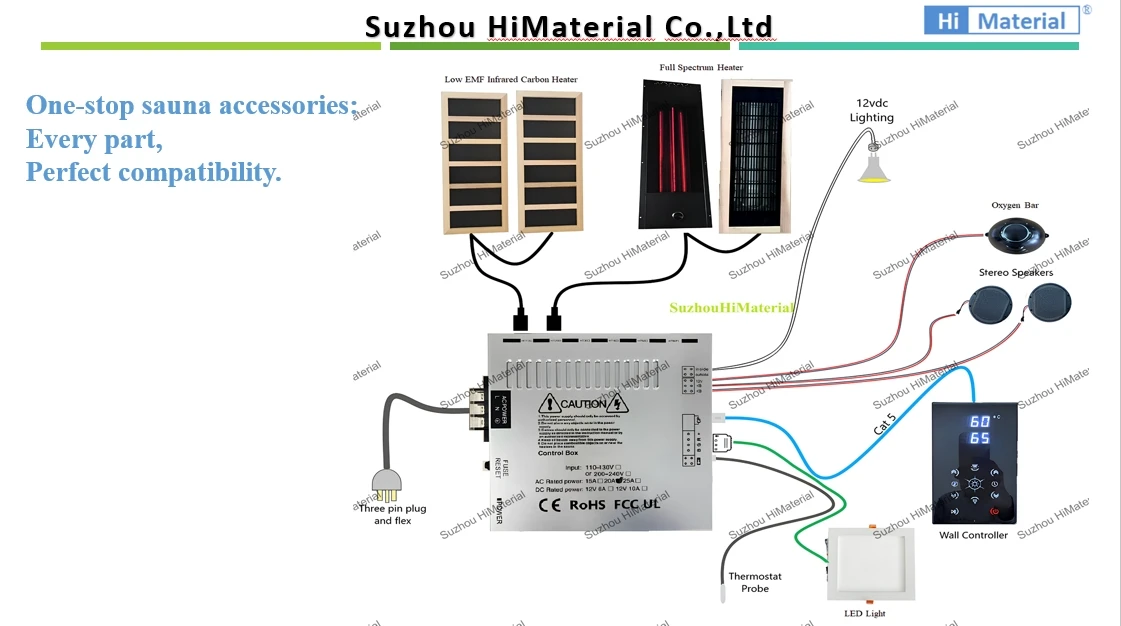
- Trading Company
- Jiangsu, China
- Lead time0 days
- Avg. response≤ 2h
Main productsInfrared Heater,Full Spectrum Heater,Underfloor Heater,Sauna Controller,Epoxy Resin Tube
Main marketsWestern Europe(36.00%), North America(13.00%), Eastern Europe(11.00%), Southern Europe(10.00%), Northern Europe(9.00%), Domestic Market(5.00%), Southeast Asia(5.00%), Africa(5.00%), South America(5.00%)
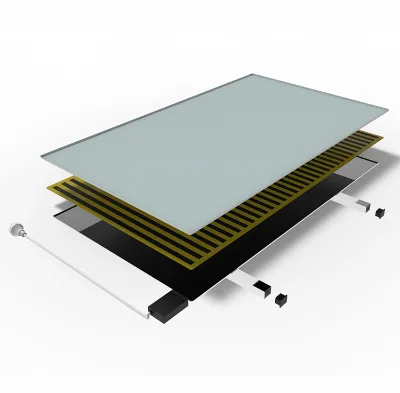
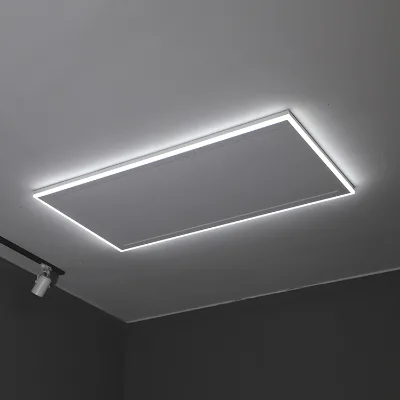
Carbon Fiber Infrared Ceiling Heater Indoor Outdoor Wall Ceiling Mounted Heater
$39.90 - $139.90
MOQ: 1 pieces
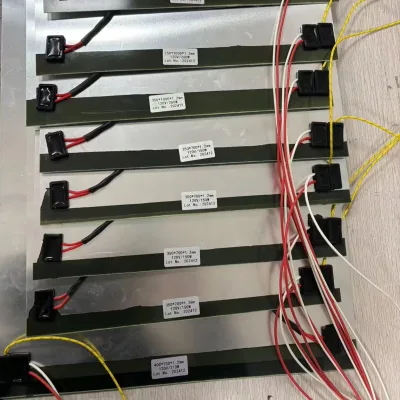
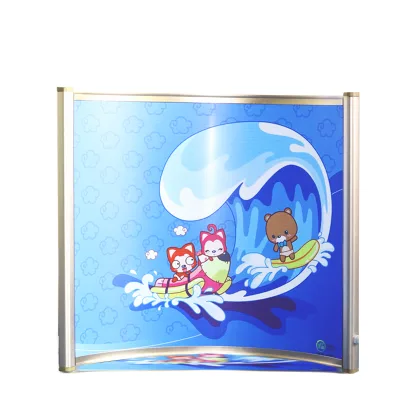
Room Wall-mounted Heater Keeping Warm in Winter Thermostat UV Printing Infrared Carbon Heating Panel
$17.90 - $35.90
MOQ: 10 pieces
Jiangsu Liangdi Tech Corporation
- Verified by TüVRheinland
- Manufacturer, Trading Company
- Lead time20 days
- Avg. response≤ 7h
Main productsInfrared Patio Heater, Infrared Heating Lamp
Main marketsNorthern Europe(25%), Western Europe(24%), Domestic Market(20%)
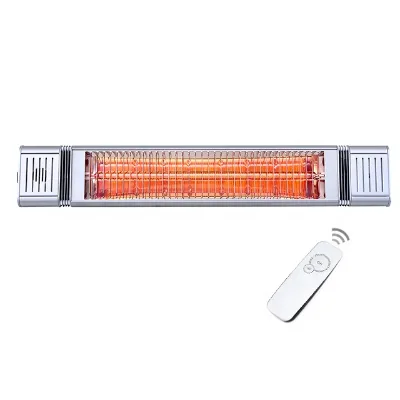
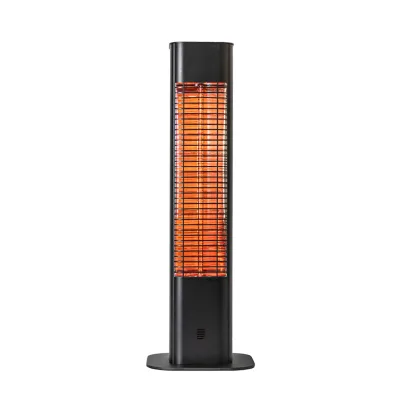
$80.9486 - $91.1947
MOQ: 20 pieces
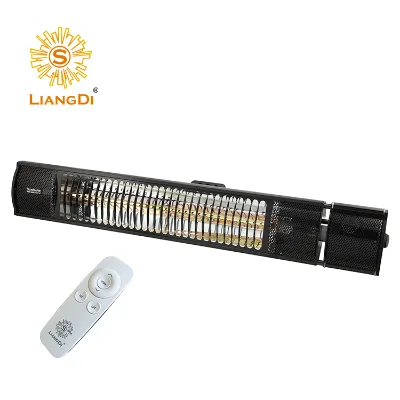
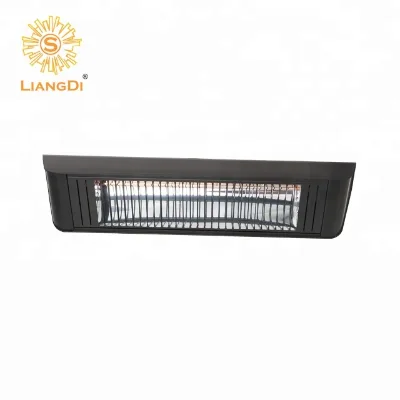
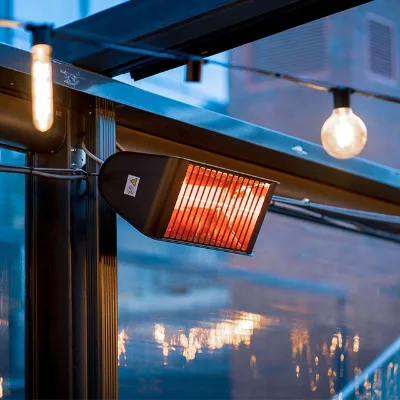
220-240V 2000W CE Certification High Efficiency Infrared Heating Halogen Heater LDHR009-200
$91.1947 - $162.9204
MOQ: 40 pieces
JINHUA VEGA THERMO EQUIPMENT CO., LTD.
- Trading Company
- Zhejiang, China
- Lead time15 days
- Avg. response≤ 9h
Main productsInfrared Panel heaters,Water Radiators,Die Cast Radiator Processing Equipment,Heating Radiator Accessories,Die Casting Mould
Main marketsEastern Europe(40.00%), Western Europe(20.00%), Eastern Asia(20.00%), Southern Europe(5.00%), South America(5.00%), Oceania(4.00%), Mid East(3.00%), Africa(1.00%)
Zhongshan Yijia Electrical Appliance Co., Ltd.
- Manufacturer, Trading Company
- Lead time旺季: "1 - 500":45,"> 500":"To be negotiated", 淡季: "1 - 500":45,"> 500":"To be negotiated"
- Avg. response≤ 3h
Main productsElectric Convection Heater, Far Infrared Radiant Heater, Fan Heater, Electric Fireplace, Air Cooler
Fujian Jinghui Environmental Technology Co., Ltd.
- Verified by TüVRheinland
- Manufacturer, Trading Company
- Lead time25 days
- Avg. response≤ 2h
Main productsIndustrial Air Cooler, Infrared Heater
Main marketsEastern Asia(45%), Mid East(30%), Southeast Asia(25%)
- Verified by TüVRheinland
- Manufacturer, Trading Company
- Lead time30 days
- Avg. response≤ 6h
Main productsPanel Heater, Heating Pad, Bathroom Mirror, Floor Heater, Thernostat Plug
Main marketsWestern Europe(49%), Mid East(12%), North America(11%)

Easy Home Hot Yoga Room Wall Heater with Remote Control
$48.00 - $52.00

Ningbo Hometech Technology Co., Ltd.
- Verified by TUVRHEINLAND
- Trading Company,Manufacturer/Factory
- China Zhejiang
- Lead time0 days
- Avg. response≤ 21h
Main productsPCBA, Electrical Home Appliance, Electronic Control Board, PCBA for Heaters, PCBA for Pellet Stoves, PCBA for Ice Makers, PCBA for Coffee Makers, PCBA for Industrial Equipmet, Electronic Print Circuit Board
Main marketsEastern Europe,Mid East,North America,Western Europe,Africa
Ningbo Davos Electrical Appliance Co., Ltd.
- Verified by SGS Group
- Manufacturer, Trading Company
- Lead time30 days
- Avg. response≤ 1h
Main productsElectric Heater, Air Cooler, Tower Fan
Main marketsWestern Europe(40%), Oceania(20%), Domestic Market(15%)

Shanghai Gongtao Ceramics Co., Ltd.
- Verified by TUVRHEINLAND
- Combined
- China Shanghai
- Lead time15 days
- Avg. response≤ 4h
Main productsCeramic Tube, Crucible, Ceramic Mill Pot, Ceramic IR Heater, Ceramic Connector, Mortar and Pestle, Ceramic Rod, Ceramic Igniter Electrode, Mica Plate, Ceramic Parts
Main marketsSouth America,Southeast Asia/ Mideast,Europe,Australia,North America

Shanghai Heat Element Electric & Lighting Co., Ltd.
- Verified by TUVRHEINLAND
- Combined
- China Shanghai
- Lead time30 days
- Avg. response≤ 1h
Main productsInfrared Lamp, Infrared Light, Infrared Emitter, IR Lamp, IR Oven, Infrared Oven, Infrared Furnace, IR Modular, Infared Modular, Quartz Infrared Emitter
Main marketsSoutheast Asia/ Mideast,Domestic






Comprehensive Sourcing Guide
Wall-Mounted Art Gallery Far-Infrared Heater Supplier Concentration and Factory Types
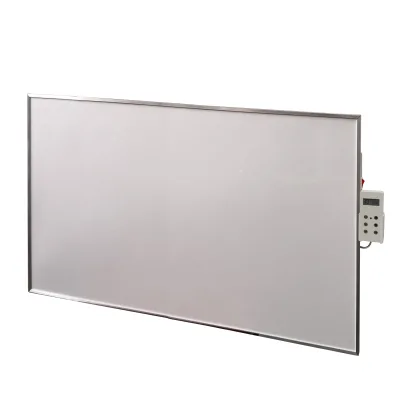
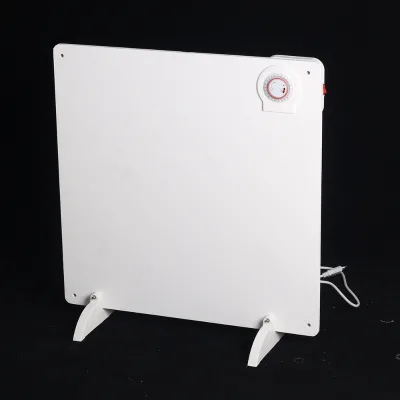
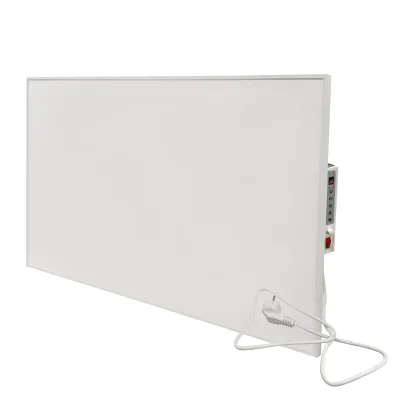
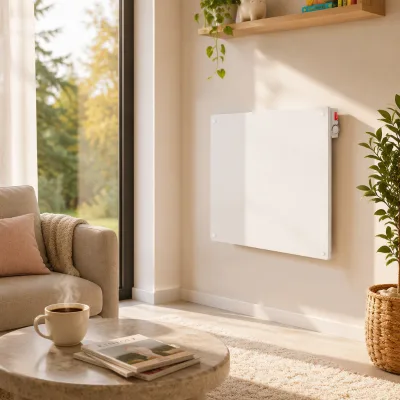
The current supplier landscape for wall-mounted art gallery far-infrared heaters reveals a distinct concentration of manufacturing and trading entities within specific Chinese industrial zones. Evidence indicates that suppliers are located in regions such as Hebei and Jiangsu, which serve as key hubs for producing these specialized heating appliances. In Hebei, the primary output includes electric blankets, infrared heaters, and electric boilers, suggesting a robust infrastructure for electric heating components. Meanwhile, Jiangsu-based suppliers focus on electric heated towel rails, smart mirrors, and infrared heating panels, indicating a diverse range of capabilities within the broader home appliance sector. This geographic distribution allows buyers to identify clusters of expertise, where factories may specialize in either the heating element technology or the aesthetic mural integration. Understanding these regional concentrations helps in assessing the supply chain's resilience and the potential for localized logistics advantages. Buyers should recognize that while these locations are confirmed, the specific factory types vary significantly, ranging from pure trading companies to integrated manufacturers. This variation impacts how orders are managed, from direct factory communication to intermediary coordination, influencing the overall sourcing strategy and the level of direct control a buyer might have over production schedules and quality assurance protocols.
Supplier types observed in the results include both trading companies and manufacturers, with some entities operating as hybrid models. In Hebei, the company type is explicitly listed as a trading company, which implies that these suppliers may source products from various factories before consolidating them for export. This model can offer a wider variety of products but may introduce additional layers in the communication chain. Conversely, suppliers in Jiangsu are identified as both manufacturers and trading companies, suggesting they have direct production capabilities for items like infrared heating panels and electric towel warmers. This dual role can provide benefits such as better price control and faster response times for customizations, as the entity overseeing the sale also manages the production line. The presence of these different company types means that buyers must carefully evaluate the supplier's actual role in the supply chain. A trading company might offer more flexibility in product selection, while a manufacturer might provide greater assurance regarding production capacity and technical specifications. Recognizing this distinction is crucial for aligning supplier capabilities with specific project requirements, whether the priority is cost efficiency, customization depth, or supply chain transparency.
How to Verify Wall-Mounted Art Gallery Far-Infrared Heater Suppliers
Verifying the credibility and operational capacity of suppliers requires a multi-layered approach that goes beyond basic profile reviews. One critical step is to examine the verification status provided by third-party inspection agencies. For instance, some suppliers in the current results hold verification from TÜV Rheinland, a globally recognized testing and certification body. This verification adds a layer of trust regarding the supplier's business legitimacy and operational compliance. Buyers should prioritize suppliers with such independent verifications, as they have undergone rigorous audits of their business licenses, factory conditions, and management systems. Additionally, checking for system certifications is essential for ensuring quality and environmental standards. The observed suppliers hold ISO9001:2015 and ISO14001:2015 certificates, which indicate adherence to international quality management and environmental management standards. These certifications are particularly important for wall-mounted heaters, as they ensure that the manufacturing processes are consistent and that the products meet specific safety and performance criteria. Buyers should request copies of these certificates and verify their validity through the issuing bodies to avoid fraudulent claims.
Beyond certifications, assessing the supplier's responsiveness and product evidence is vital for a comprehensive verification process. The response time is a key indicator of a supplier's operational efficiency and customer service quality. In the current data, response times vary, with some suppliers showing a response time of 0.49, while others have a response time of 3. A faster response time often correlates with a more agile and attentive sales team, which can be crucial for resolving issues quickly during the sourcing process. Furthermore, examining the detailed product attributes provides insight into the supplier's technical expertise. For example, products are listed with specific control types, such as remote, manual, or digital control, and functions like overheat protection and adjustable thermostats. Buyers should verify that the supplier can provide detailed technical documentation for these features, including test reports for safety compliance. The presence of specific product keywords, such as "Far Infrared Heater" or "Graphene Heater," also helps in identifying suppliers who specialize in the desired technology. By combining verification of business credentials with an analysis of technical product details, buyers can build a robust profile of each potential supplier, ensuring they partner with entities that are both legitimate and capable of meeting their specific needs.
What to Compare Across Wall-Mounted Art Gallery Far-Infrared Heater Suppliers
When evaluating multiple suppliers, it is essential to compare key operational metrics to determine the best fit for your procurement strategy. One of the most significant factors is the lead time, which indicates how quickly an order can be fulfilled. In the current results, lead times vary, with some suppliers offering a lead time of 23 days, while others provide a lead time of 15 days. A shorter lead time can be advantageous for projects with tight deadlines or for maintaining lower inventory levels. However, buyers should also consider the reliability of these estimates, as they can fluctuate based on production volume and raw material availability. Another critical metric is the minimum order quantity (MOQ), which dictates the smallest batch size a supplier is willing to produce. The observed MOQs range from 1 unit to 200 units, offering flexibility for different business models. A low MOQ of 1 is ideal for sampling or small-scale retail, while a higher MOQ of 200 may be necessary for bulk commercial installations. Understanding these thresholds helps in aligning supplier capabilities with your sales volume and inventory management strategies.
Price and customization options are also pivotal in the comparison process. The price range for wall-mounted art gallery far-infrared heaters varies significantly, with some products priced between $18 and $65, while others range from $30 to $45, and high-end models can cost between $90 and $96. These price differences often reflect variations in heating power, material quality, and additional features. Buyers should analyze the cost per watt or per square meter of coverage to ensure they are getting value for money. Additionally, the availability of customization is a key differentiator. Many suppliers indicate that customization is available, allowing for tailored designs, specific dimensions, or unique control interfaces. For art gallery applications, the ability to customize the mural design or the heating panel's aesthetic is crucial. Buyers should inquire about the customization process, including any additional costs or extended lead times associated with bespoke orders. By systematically comparing lead times, MOQs, pricing structures, and customization capabilities, buyers can make informed decisions that balance cost, speed, and product specificity, ensuring they select suppliers who can deliver the desired outcomes efficiently and effectively.
Common Wall-Mounted Art Gallery Far-Infrared Heater Sourcing Risks
Sourcing wall-mounted art gallery far-infrared heaters involves several inherent risks that buyers must proactively manage to ensure a successful procurement process. One significant risk is the variability in product quality and safety compliance. Since these heaters are electrical appliances used in indoor environments, they must meet strict safety standards to prevent hazards such as overheating or electrical faults. While some suppliers hold ISO certifications, the actual product performance may vary. Buyers should be cautious of suppliers who do not provide detailed technical specifications or test reports for their products. For instance, the heating power can range from 500W to over 2500W, and the application area can vary from 20-49m² to 25-30m². Misalignment between the stated heating capacity and the actual performance can lead to customer dissatisfaction and potential safety issues. Additionally, the use of different heating elements, such as carbon crystal or graphene, can affect the efficiency and longevity of the heater. Buyers should verify the material quality and request samples to test the product's performance in real-world conditions before committing to large orders.
Another common risk is the reliability of after-sales service and warranty support. The current results indicate that some suppliers offer "No Services Available" for after-sales support, which can be problematic for buyers who need ongoing maintenance or replacement parts. For commercial installations in hotels or offices, having access to reliable technical support is crucial. Buyers should prioritize suppliers who offer comprehensive after-sales services, such as free spare parts or extended warranties. The observed warranty periods vary, with some products offering a 2-year warranty, while others may have shorter or undefined coverage. Additionally, the customization process can introduce risks related to production errors or delays. If a supplier is not experienced in handling custom orders, there is a higher chance of mistakes in the mural design or panel dimensions. Buyers should establish clear communication channels and require detailed proofs before production begins. By identifying and mitigating these risks through thorough due diligence and clear contractual terms, buyers can protect their interests and ensure a smoother sourcing experience, minimizing the potential for disputes or product failures.
Wall-Mounted Art Gallery Far-Infrared Heater Regional Sourcing and Logistics
The geographic location of suppliers plays a crucial role in determining logistics costs and delivery timelines. In the current results, suppliers are located in Hebei and Jiangsu, China, two major industrial regions with well-developed manufacturing and export infrastructure. Hebei is known for its production of electric heating appliances, including infrared heaters and electric boilers, while Jiangsu is a hub for smart home devices and infrared heating panels. Sourcing from these regions can offer advantages in terms of supply chain efficiency, as they are close to major ports and logistics hubs. However, buyers should also consider the specific logistics requirements for each product. For example, some products are packed in cartons, while others are packed in containers, which can impact shipping costs and handling procedures. The external dimensions of the heaters, such as 7001200mm or 6001000mm, also affect the volume and weight of the shipment, influencing freight charges.
Logistics planning should also account for the potential need for specialized handling, especially for fragile components like glass or delicate mural prints. Some products feature tempered glass surfaces, which require careful packaging to prevent damage during transit. Buyers should verify the packaging standards with their suppliers to ensure that the products are adequately protected. Additionally, the lead time for production and shipping should be factored into the overall project timeline. While some suppliers offer a lead time of 15 days, others may take 23 days or more. Buyers should coordinate with their freight forwarders to optimize shipping routes and modes, whether by sea or air, based on the urgency of the order. For large commercial projects, consolidating shipments from multiple suppliers in the same region can reduce logistics costs and simplify customs clearance. By understanding the regional strengths and logistical nuances of Hebei and Jiangsu, buyers can develop a robust sourcing strategy that minimizes transit times and costs, ensuring that the wall-mounted art gallery far-infrared heaters arrive at their destination in perfect condition and on schedule.
Wall-Mounted Art Gallery Far-Infrared Heater Commercial Terms and Order Planning
Effective order planning for wall-mounted art gallery far-infrared heaters requires a clear understanding of commercial terms and payment structures. The minimum order quantities (MOQs) observed range from 1 to 200 units, which significantly impacts the initial investment and inventory management. For buyers starting with small batches, an MOQ of 1 allows for easy sampling and market testing, while larger orders benefit from economies of scale. Pricing also varies widely, with some products costing between $18 and $65, and others ranging from $90 to $96. Buyers should negotiate prices based
FAQs
What is the price range for wall-mounted art gallery far-infrared heaters?
Prices for these units typically range from $18 to $96 per piece. The cost varies based on heating power, size, and customization options. Buyers can find entry-level models starting at $18, while high-power units with ventilation systems may cost up to $96. Always check the specific product details for accurate pricing.
What is the minimum order quantity for these heaters?
The minimum order quantity varies by supplier and product type. Some suppliers accept orders as low as one piece, while others require a minimum of 10 or 200 units. Buyers should verify the specific MOQ for each product listing to ensure it aligns with their procurement needs and budget constraints.
How long does delivery take for these heaters?
Lead times for these heaters generally range from 15 to 23 days. This timeframe depends on the supplier's location and production capacity. Manufacturers in Jiangsu may offer faster turnaround times compared to other regions. Buyers should confirm the exact lead time with the supplier before placing an order.
Are these heaters customizable for art gallery displays?
Yes, customization is available for many wall-mounted far-infrared heaters. Suppliers offer options for custom designs, sizes, and heating powers to fit specific gallery spaces. Buyers can request custom artwork prints or specific dimensions to match their interior design requirements. Always confirm customization details and any additional costs with the supplier.
What certifications do these heaters have?
Many suppliers hold ISO9001:2015 and ISO14001:2015 certifications, ensuring quality and environmental management standards. Some products also carry a Declaration of Conformity. These certifications indicate that the manufacturers adhere to recognized industry standards for safety and performance. Buyers should verify specific certifications for each product before purchasing.
Where are these heaters manufactured?
These heaters are primarily manufactured in China, with suppliers located in Hebei and Jiangsu provinces. Hebei suppliers often specialize in electric heaters and murals, while Jiangsu suppliers may focus on infrared panels and heated towel rails. Buyers can filter suppliers by location to find manufacturers in their preferred region.
What features do these heaters include?
Common features include adjustable thermostats, overheat protection, multiple heat settings, and energy-saving modes. Many units offer remote control, digital control, and child lock functions. Some models include ventilation systems or carbon crystal heating elements. Buyers should review the product specifications to ensure the features meet their safety and comfort requirements.