Customized 6000 Series Aluminum Profiles Suppliers and Manufacturers
Source Customized 6000 Series Aluminum Profiles from 27 verified suppliers in China. Compare key dimensions including lead times, MOQs, response speeds, and certifications to identify the right partner for your industrial or construction needs. Review detailed product attributes and request quotes directly.
Updated
Suppliers List

- Verified by SGS
- Trading Company
- China Guangdong
- Lead time15 days
- Avg. response≤ 11h
Main productsAluminum Extrusion Profiles, Doors and Windows Cabinet, Aluminum Profile Building Materials, Heat Sink, Powder-Coated Aluminum Profiles, Aluminum Heat Sink, Industrial Building Aluminum Profiles, Aluminum Sheet, Aluminum Doors, Aluminium Window
Main marketsSouth America,Southeast Asia/ Mideast,North America
Jiangsu Jinmeicheng Metal Products Co., Ltd.
- Manufacturer
- Jiangsu, China
- Lead time30 days
- Avg. response≤ 2h
Main productsAluminum profile,Finned Tube,Aluminum Charging Room,Aluminum roller shutter door,Aluminum Flight Case
Main marketsDomestic Market(94.00%), North America(5.00%), Northern Europe(1.00%)
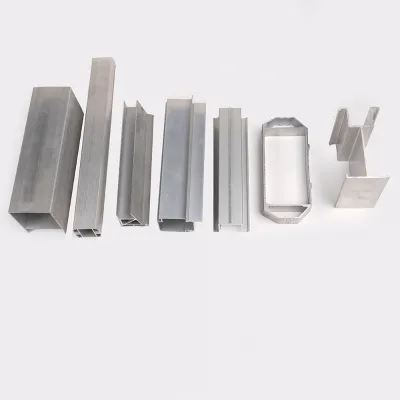
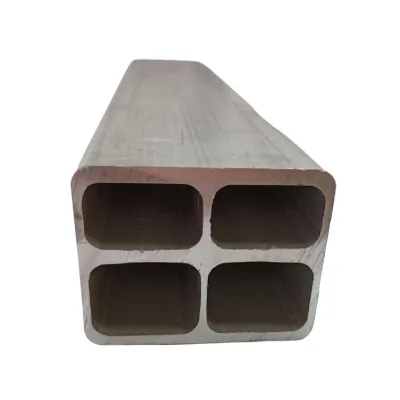
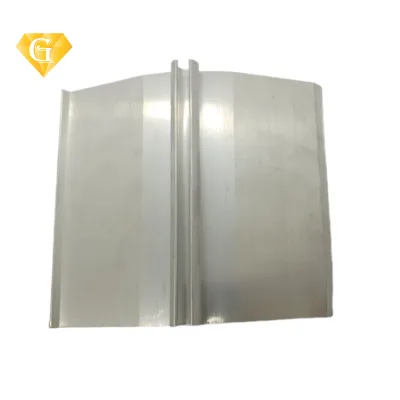
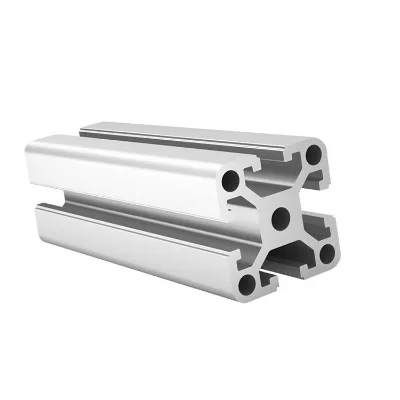
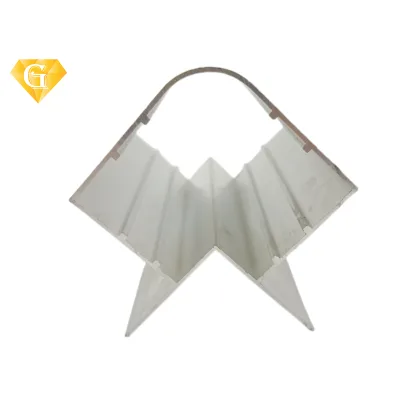
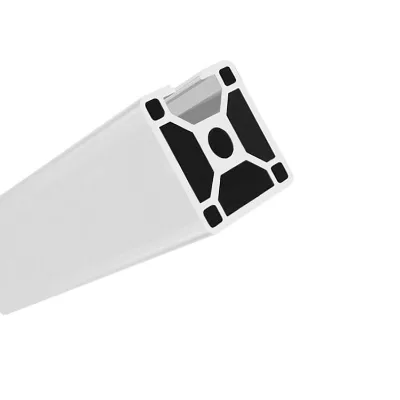
6000 series aluminium profile for aluminium ladders door profiles and window frames
$3.38
MOQ: 500 Minimum
Foshan Xingtao Aluminium Profile Co., Ltd.
- Verified by TüVRheinland
- Manufacturer, Trading Company
- Lead time20 days
- Avg. response≤ 5h
Main productsAluminium Products, Aluminium Profile, Hardware, Shower Room
Main marketsNorth America(30%), South America(10%), Oceania(10%)

Henan Kehao Aluminum Technology Co., Ltd.
- Verified by SGS
- Combined
- China Henan
- Lead time30 days
- Avg. response≤ 1h
Main marketsOthers(foreignTradeCapacity.exportBusinessCapacityMarketOther),Southeast Asia/ Mideast,Australia,North America

High Quality 6000 Series Aluminum Profile for Warehouse with SGS Certified Aluminum Profile
$4.00 - $4.20
MOQ: 1000 kg

Industrial Grade China Factory Customized Aluminum Profile with ISO Aluminum Profile
$4.00 - $4.20
MOQ: 1000 kg

FOSHAN UNITED ALUMINUM CO., LTD.
- Verified by CTI
- Trading Company
- China Guangdong
- Lead time23 days
- Avg. response≤ 3h
Main productsAluminium Profile, Aluminium Sheet, Stainless Steel Tube, Stainless Steel Plate, Stainless Steel Coil, Stainless Steel Slot Tube, Stainless Steel Special Product, Stainless Steel Welded Pipe, Stainless Steel Strip, Specail Stainless Steel Product
Main marketsSouth America,Southeast Asia/ Mideast,Europe,North America


Aluminum Profile Extrusion Production Customized Aluminum Profile Anodized
$2900.00 - $3100.00
MOQ: 100 Tons


Custom Aluminum Profile 6061 Aluminum Frame Profile Extrusion Anodizing Profiles
$3000.00 - $3500.00
MOQ: 500 kg


Linyi Shengao Aluminum Industry Co., Ltd.
- Verified by TUVRHEINLAND
- Combined
- China Shandong
- Lead time15 days
- Avg. response≤ 2h
Main productsAluminum Profile, Industrial Aluminum Profile, System Window Profile, Aluminum Extrusion, Aluminum Window Profile
Main marketsSouth America,Africa

Decoration 6000 Series Customized Specification Aluminium Product Aluminum Extrusion Profile
$2300.00 - $2800.00
MOQ: 20 Tons

Hot Selling 6000 Series Industrial Aluminum Extrusion Profile for Aluminium Square Tubes
$2300.00 - $2800.00
MOQ: 20 Tons


Hot Selling Length Aluminum Profiles as Customized for Construction and Decoration
$2300.00 - $2800.00
MOQ: 20 Tons

Shandong Loonglu Aluminum Co., Ltd.
- Manufacturer, Trading Company
- Shandong, China
- Lead time10 days
- Avg. response≤ 4h
Main productsAluminum Profiles,Extrusion Profiles,Aluminum Windows and Doors,Partition Wall Profiles,Industry Profiles
Main marketsAfrica(30.00%), South America(20.00%), Eastern Europe(10.00%), Mid East(10.00%), Southeast Asia(10.00%), South Asia(5.00%), Southern Europe(5.00%), Central America(5.00%), Western Europe(5.00%)
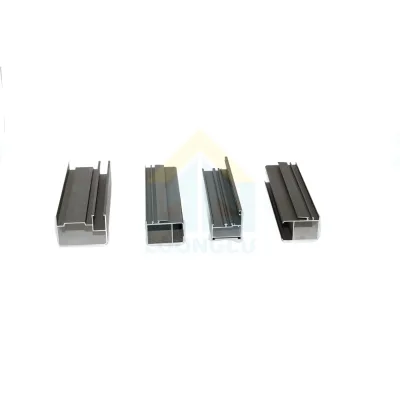
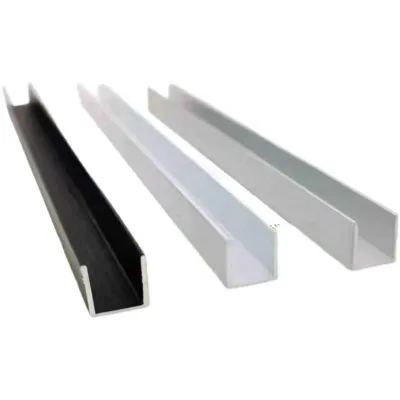
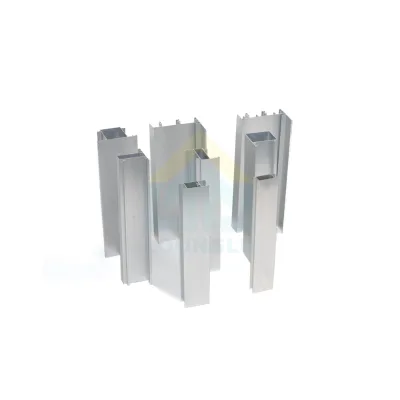
$2.6614 - $3.8896
MOQ: 1 kilograms
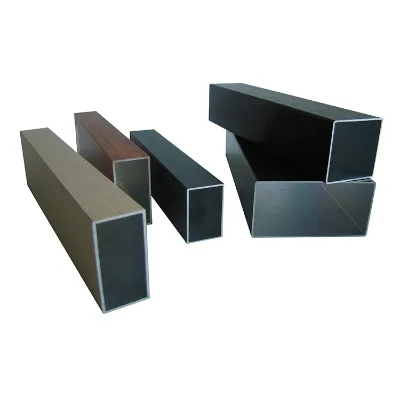
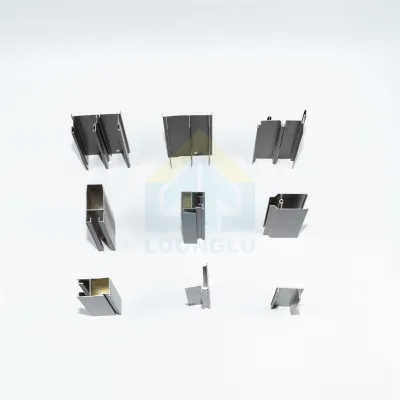
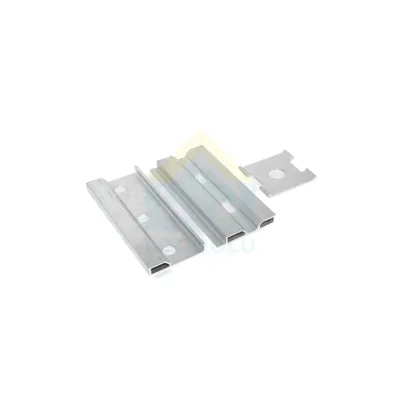
Jiangyin Alutech Metal Manufacture Co., Ltd.
- Manufacturer, Trading Company
- Jiangsu, China
- Lead time30 days
- Avg. response≤ 6h
Main productsAluminum Profiles,solar aluminium bracket,aluminium curtain,aluminium tube,curtain track alumiium profiles
Main marketsSouth America(40.00%), Western Europe(30.00%), Eastern Europe(6.00%), Southern Europe(5.00%), Central America(5.00%), Mid East(5.00%), North America(4.00%), South Asia(1.00%), Oceania(1.00%), Northern Europe(1.00%), Africa(1.00%), Southeast Asia(1.00%)
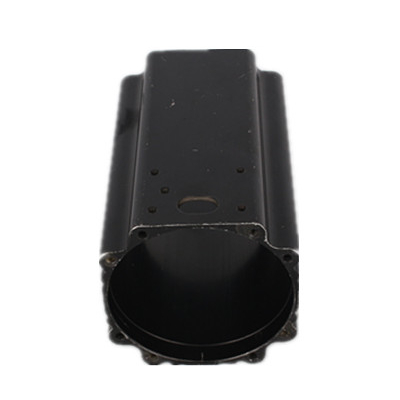
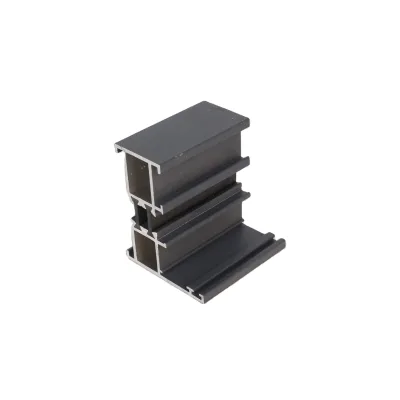
Good Price Black Powder Coated Aluminum Profile 6000 Series Aluminium Extrusion
$2.28 - $2.47
MOQ: 100 kilograms
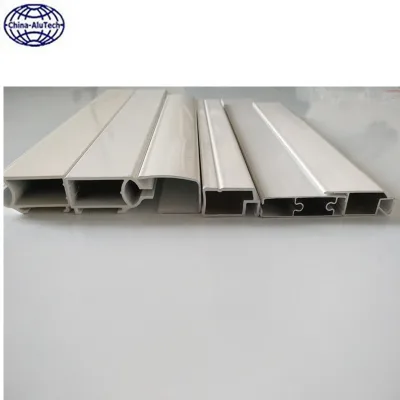
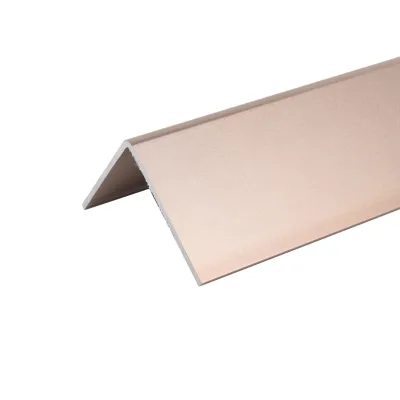
Low Price Threshold Profiles Trim Aluminum Laminat Aluminum Profile 2020 Extrusion 6063 Aluminum
$2.4594 - $2.6644
MOQ: 100 kilograms
Tianjin Qingze Steel Sales Co., Ltd.
- Verified by TüVRheinland
- Manufacturer, Trading Company
- Lead time7 days
- Avg. response≤ 2h
Main productsSeamless Steel Pipes, Stainless Steel Pipes, Iron Pipes, Other Special Steel Products, Aluminum Bars
Main marketsSoutheast Asia(25%), Mid East(15%), Eastern Asia(15%)
Haihong (jiangsu) Steel International Trade Co., Ltd.
- Trading Company
- Jiangsu, China
- Lead time10 days
- Avg. response≤ 3h
Main productsRoofing Sheet Color Coated,Color Steel Plates,Galvanized Steel Coil,Prepainted Galvanized Steel Coil,Steel Plates
Main marketsSoutheast Asia(30.00%), Eastern Europe(20.00%), North America(10.00%), Central America(10.00%), Eastern Asia(9.00%), South America(5.00%), Western Europe(4.00%), South Asia(3.00%), Mid East(3.00%), Northern Europe(3.00%), Oceania(1.00%), Southern Europe(1.00%), Africa(1.00%)
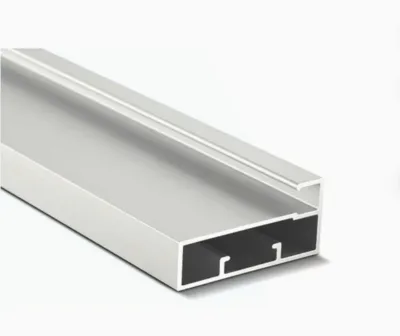
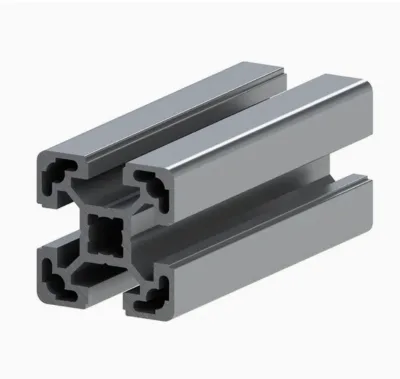
Custom Aluminum Alloy Extrusion Profiles Supplier Durable Aluminium Profile for Windows and Doors
$255.988 - $563.1737
MOQ: 1 Minimum
$2047.9043 - $2867.066
MOQ: 1 Minimum
Foshan Haopeng Aluminum Co., Ltd.
- Manufacturer, Trading Company
- Guangdong, China
- Lead time15 days
- Avg. response≤ 1h
Main productsaluminum profile,extrude aluminum profile,aluminum hestsink,accessories of Industrial aluminum profile,Industrial aluminium profile
Main marketsDomestic Market(40.00%), Eastern Europe(10.00%), North America(10.00%), South America(10.00%), Southeast Asia(5.00%), Southern Europe(5.00%), Northern Europe(5.00%), Western Europe(5.00%), Eastern Asia(5.00%), Mid East(5.00%)

V Global Manufacturing Limited
- Verified by SGS
- Combined
- China Fujian
- Lead time30 days
- Avg. response≤ 1h
Main productsExtrusion
Main marketsSoutheast Asia/ Mideast,Domestic


Tailored Custom Aluminum Profile Specialized Industrial Needs Industrial Profile
$3.20 - $5.00
MOQ: 1 kg


JIANGYIN NUOHENG METAL PRODUCTS CO., LTD
- Trading Company,Manufacturer/Factory
- China Jiangsu
- Lead time23 days
- Avg. response≤ 3h
Main productsAluminium Profile, Solar Frame&Bracket, Assembly Line Profile, Exhibition Profile, Elevator Profile, CNC Machining, Solar Mounting Structure, LED Lighting Profle, Aluminium Radiator, Auto Parts
Main marketsSouth America,Eastern Europe,Mid East,North America,Southeast Asia,Eastern Asia,Oceania,Western Europe
Evertop Industry & Technology Co., Ltd.
- Verified by SGS Group
- Trading Company
- Lead time20 days
- Avg. response≤ 3h
Main productsAluminum Extrusion, Custom Metal Parts, Metal Accessories, Aluminum Machining Parts, Aluminum Fence
Main marketsMid East(30%), North America(15%), South America(15%)

Xiamen Taohong Technology Co., Ltd.
- Verified by BV
- Trading Company,Manufacturer/Factory
- China Fujian
- Lead time15 days
- Avg. response≤ 5h
Main productsAluminum Profile, Aluminum Windows/Door, Container House, Solar Mounting Brackets, Solar Mounting Clamps, Solar Carport, Steel Beam, Channel Purlin, Plastic Injection
Main marketsSouth America,Eastern Europe,Mid East,North America,Southeast Asia,Eastern Asia,Oceania,Western Europe,Africa


Aluminum Profile Manufacturers Customize Various Industrial Aluminum Extrusion Profile
$3100.00 - $3300.00
MOQ: 25 Tons

Hangzhou Great Wave Industrial Technology Ltd
- Verified by Intertek
- Trading Company
- Lead time10 days
- Avg. response≤ 4h
Main productsAluminum Profile, Die Casting, CNC Machining, Metal Stamping, Plastic Injection
Main marketsNorth America(38%), Oceania(10%), Western Europe(10%)
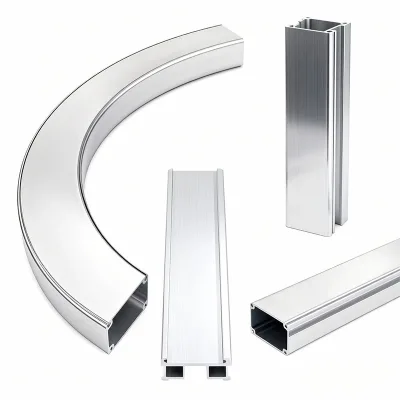
Flexible Aluminum Profile, Bendable Aluminum Extrusion for Lighting Fixtures and Signage
$0.1229 - $4.8037
MOQ: 100 Minimum

Shandong Chentai Aluminum Co., Ltd.
- Verified by SGS
- Trading Company
- China Shandong
- Lead time23 days
- Avg. response≤ 6h
Main productsAluminum Profile / Extrusion, Aluminum Tube / Pipe, Aluminum Casting, Aluminum Window, Aluminum Radiator, Thermal Break Aluminum, Aluminum Accessories, Aluminum Door, Aluminum Hardware, Custom Aluminum Accessories
Main marketsAfrica

Reliable Custom Aluminum Profiles for High-End Construction Applications
$3600.00 - $4000.00
MOQ: 10 Tons

Industrial Aluminum Profile with Customization for Specific Applications
$3600.00 - $4000.00
MOQ: 10 Tons
Foshan Huachenxi Import And Export Co., Ltd.
- Manufacturer, Trading Company
- Guangdong, China
- Lead time30 days
- Avg. response≤ 5h
Main productsAluminium Profile,Aluminium Sheet,Aluminium Coil,Aluminium Parts,Aluminium Furniture
Main marketsDomestic Market(30.00%), Northern Europe(30.00%), Western Europe(20.00%), Southeast Asia(10.00%), North America(10.00%)
MapleLeaf Industry Technology Company Limited
- Manufacturer, Trading Company, Distributor/Wholesaler
- Guangdong, China
- Lead time0 days
- Avg. response≤ 2h
Main productsShower Door,Aluminum Profiles,Aluminum Heatsink,Industrial Aluminum Profiles,Aluminum Windows and Doors
Main marketsNorth America(80.00%), Southern Europe(5.00%), Northern Europe(5.00%), Central America(5.00%), Oceania(5.00%)

Dalian Shine Ground Technology Co.,Ltd
- Verified by SGS
- Trading Company
- China Liaoning
- Lead time23 days
- Avg. response≤ 2h
Main productsIndustrial Aluminum Profile, Automation Aluminum Profile, Aluminum Components, Modular Assembly System, Industrial Aluminum Profile Accessories, Pipe and Joint System, Machine Guard System, Stairway and Platform System, Anchor Connector, Aluminum Extrusion Profiles
Main marketsEurope
Guangdong Baosong Industry Technology Co., Ltd.
- Verified by Intertek
- Trading Company
- Lead time30 days
Main productsAluminum Auto Parts, Aluminum Gutter Guards, Aluminum Garden Edging, Customized Aluminum Industrial Products, Aluminum Windows and Doors
Main marketsNorth America(20%), South America(15%), Eastern Europe(10%)

Jiangsu Jinmeicheng Metal Products Co., Ltd
- Verified by BV
- Combined
- China Jiangsu
- Lead time30 days
- Avg. response≤ 2h
Main productsAluminum Profile, Fin Tubes, Aluminum Charging Room, Aluminum Ladder, Aluminum Finned Tube, Aluminum Door, Aluminium Heat Sink, Aluminium Floor, Aluminum Window, Aluminum Angle
Main marketsSoutheast Asia/ Mideast,East Asia(Japan/ South Korea),Domestic,Australia,North America

Shanghai Bozhong Metal Group Co., Ltd.
- Verified by BV
- Manufacturer/Factory
- China Shanghai
- Lead time38 days
- Avg. response≤ 18h
Main productsAluminium Extrusion Profile, Extruded Aluminum Profile, Aluminium Extrusion Conductor Rail, Aluminum Gear Pump, Transport Aluminium Profile, Industrial Aluminum Profile, Aluminum Sheet, Aluminum Bar, Aluminum Wire, Aluminum Pipe
Main marketsSouth America,Eastern Europe,Mid East,North America,Eastern Asia,Oceania,Western Europe,Africa

Aluminum Extrusion with No. 1 Adjustable Profile Aluminium Extrusion Profile
$2900.00 - $3100.00
MOQ: 1 Tons

Extruded Aluminum Profile for Transportation Aluminium Profile with Low Price
$2900.00 - $3100.00
MOQ: 1 Tons


SHANDONG YINGWEI ALUMINUM CO., LTD.
- Trading Company,Manufacturer/Factory
- China Shandong
- Lead time15 days
- Avg. response≤ 15h
Main productsAluminium Profiles, Aluminium Extrusion Profile, Aluminium Industry Profile, Solar Aluminum Frame, Aluminium Fence, Aluminum Window Door, Heat Sink
Main marketsSouth America,Mid East,Southeast Asia,Africa


Premium Aluminum Profiles for Industrial and Construction Applications
$2600.00 - $3200.00
MOQ: 2 Tons


Foshan Pailian Aluminium Co., Ltd.
- Verified by SGS Group
- Trading Company
- Lead time20 days
- Avg. response≤ 3h
Main productsAluminium Profile, Boat Aluminum Profile, Aluminum Tube, CNC Aluminum
Main marketsNorthern Europe(39%), North America(38%), Africa(8%)

Shanghai Interwell Industrial Co., Ltd.
- Verified by SGS
- Manufacturer/Factory
- China Shanghai
- Lead time15 days
- Avg. response≤ 3h
Main productsAluminum Industrial Extrusion Profile, Aluminium Window Profile, Aluminum CNC Products, Aluminum Heatsink, Aluminium Machine Frame, Hinge, Handle, Aluminium Bar, Aluminium Heat Sink, Aluminum Tube
Main marketsSouth America,Eastern Europe,Mid East,North America,Southeast Asia,Eastern Asia,Oceania,Western Europe,Africa
GRAND IN METAL INDUSTRIAL CO., LIMITED
- Manufacturer, Trading Company
- Hong Kong S.A.R.
- Lead time0 days
- Avg. response≤ 11h
Main productsAluminium profiles,window profiles,door profiles,Aluminum product
Main marketsNorth America(16.67%), South America(16.67%), Eastern Europe(16.67%), Southeast Asia(16.67%), Africa(16.67%), Mid East(16.67%)





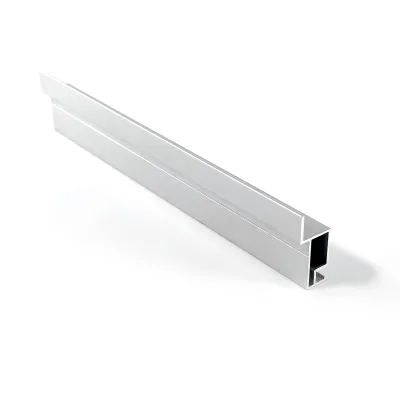


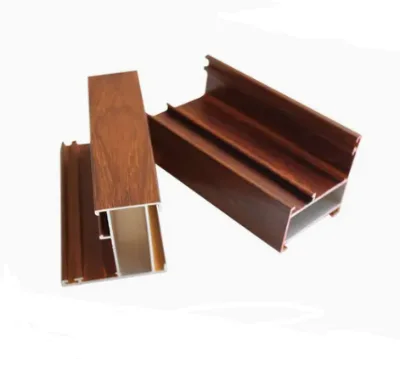


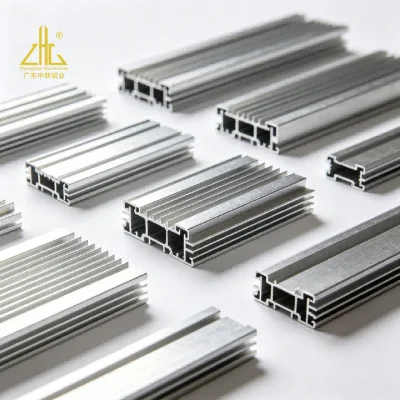


Comprehensive Sourcing Guide
Customized 6000 Series Aluminum Profiles Supplier Concentration and Factory Types
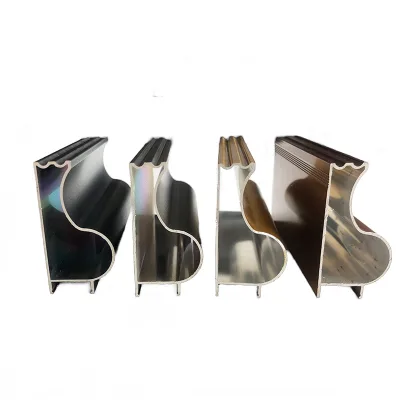
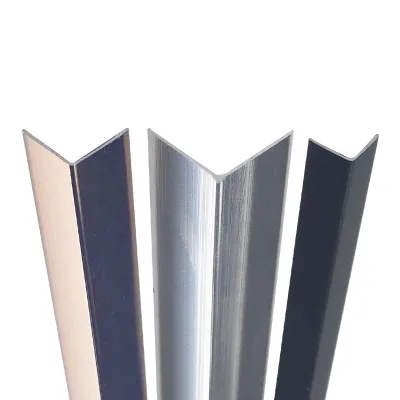
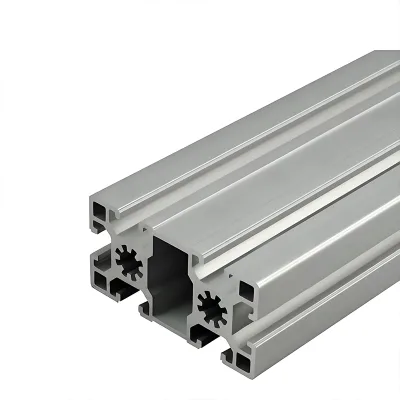
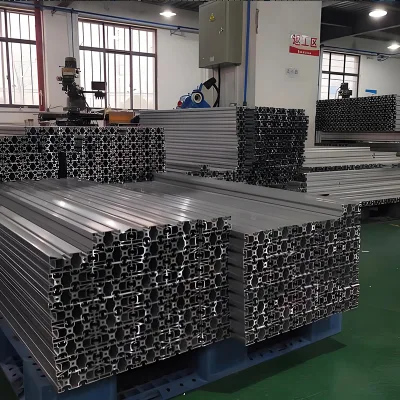
Suppliers of Customized 6000 Series Aluminum Profiles on this page cluster in two Chinese provinces: Guangdong and Jiangsu. The Guangdong listings include trading companies, while Jiangsu results include manufacturers whose main products span aluminum profiles, finned tubes, aluminum charging rooms, roller shutter doors, and flight cases. This split matters because a trading company may broker output from factories it does not own, whereas a manufacturer may handle bending, decoiling, welding, punching, and cutting in-house. Product listings in this category reference 6000 series alloys such as 6063-T5, with tempers from T3 to T8, and applications ranging from window and door frames to cleanroom construction and gate structures.
When the supplied results do not identify a cluster for a given supplier, do not assume one from the brand name alone. Instead, check the place of origin stated in product attributes, confirm the company type label, and verify whether the listed main products align with extrusion work rather than unrelated trades. Some listings show a single verified credential such as SGS, while others show no system certification at all, so the factory-versus-trader distinction must be confirmed through direct questions about die ownership, press capacity, and whether finishing operations like anodizing or powder coating occur on site or through a subcontractor.
How to Verify Customized 6000 Series Aluminum Profiles Suppliers
Start verification with the attributes that are actually displayed on each listing rather than assumptions. Some suppliers on this page carry third-party verification labels such as SGS, while others show no system certification, so the first step is to record exactly what credential each candidate displays and ask for the underlying certificate scope, since a verification label on a company profile does not always cover the extrusion line that would produce your profiles. Next, test responsiveness under real conditions. Response times shown in these results range from about two hours to over ten hours, and a supplier that answers slowly before an order rarely speeds up afterward.
Then verify capability against your drawing, not against a catalog. Product listings here claim customization, irregular shapes, tolerances of about ±1%, lengths from 1.0 to 7.2 meters, wall thickness from 0.3 to 2.0 millimeters, and processing services including bending, welding, punching, and cutting. Ask each candidate to confirm which of these parameters apply to your specific profile and to quote a tooling timeline for a new die. Request evidence tied to the claimed standards, such as the GB5237-2008 quality standard and ISO references that appear in some listings, and ask for mill certificates for the alloy and temper. Finally, request references or photos of similar 6000 series projects, and where possible commission a third-party inspection of the factory before placing a custom tooling deposit.
What to Compare Across Customized 6000 Series Aluminum Profiles Suppliers
Build a comparison sheet using the dimensions displayed in the results, without assuming every supplier shows every attribute. Useful fields include location, company type, lead time, response time, MOQ, price, main products, verification status, and certification. The gap in this data is significant: one profile here is listed at a per-unit price of a few dollars with an MOQ of 500 pieces, while another custom profile is listed at a much higher per-ton figure with an MOQ of 1, so normalize quotes to the same unit before ranking suppliers. Lead times also diverge, with supplier-level figures of roughly 15 days in one case and 30 days in another, and individual product listings citing delivery windows from about 15 days up to 45 days.
Compare secondary signals as well. Main product lists tell you whether aluminum extrusion is a core line or an adjacent offering; a manufacturer whose products are dominated by aluminum profiles, finned tubes, and related fabrication likely has dedicated presses, while a trading company listing a broad cabinet and building-materials range may be reselling. Response time separates candidates who will manage a custom tooling project actively from those who will not. Also compare processing service depth, since bending, welding, punching, and cutting performed in-house reduce your coordination burden versus suppliers offering only extrusion and packing.
Common Customized 6000 Series Aluminum Profiles Sourcing Risks
The most frequent risk in this category is a mismatch between listed attributes and actual capability. Listings advertise tempers from T3 to T8, irregular shapes, powder coating at 50 to 120 micrometers, anodizing, wooden finish, and tolerances of ±1%, but a supplier may only reliably hold some of these parameters on its own presses. Custom dies add another risk: tooling cost, die ownership, and archiving terms are rarely shown in listings, so buyers who skip written tooling agreements can lose the die or face repeat charges on reorders. Surface finishing inconsistencies, color drift between batches, and coating thickness below the stated range are also common on customized profiles.
Lead time slippage is the second major risk. Supplier-level figures here range from about 15 to 30 days, and product listings quote windows from 15 to 45 days, so a schedule built on the shortest quoted number will likely fail. Factor in die cutting, sample approval, and finishing stages that the listing's lead time may not include. Certification risk follows: some listings show no system certification at all, so buyers who assume ISO coverage without requesting the certificate risk nonconforming material. Finally, quote-unit ambiguity, where one supplier prices per piece and another per ton at very different magnitudes, invites comparison errors that surface only after deposit.
Customized 6000 Series Aluminum Profiles Regional Sourcing and Logistics
The confirmed regions in these results are Guangdong and Jiangsu, and each shapes logistics differently. Guangdong listings include a Foshan origin for the profiles, and the province is a documented base for both trading companies and extrusion-oriented suppliers, which matters if you want consolidated export handling for doors, windows, and building materials alongside your custom profiles. Jiangsu results show manufacturers listing industrial aluminum profiles and related fabricated products, which can suit buyers whose custom profiles feed into industrial assemblies rather than architectural systems. Where a supplier's region is not shown in the results, ask directly rather than inferring from a brand name.
For logistics planning, use the packing and handling details visible in the listings as your baseline. Profile listings here reference packing with PE film, PVC film, PE foam, craft paper, and carton boxes, and lengths of up to 7.2 meters, which affects freight class, container loading, and whether profiles can ship straight or must be cut to fit. Confirm the port of loading with each supplier, since Guangdong and Jiangsu shipments may route through different gateways with different sailing schedules to your destination. Also confirm whether quoted lead times start from deposit receipt, as at least one listing states, or from drawing approval, and build inspection time before loading into your plan so surface-finish disputes are caught before the container is sealed.
Customized 6000 Series Aluminum Profiles Commercial Terms and Order Planning
Anchor commercial terms to the displayed data and verify the rest. On this page, supplier-level lead times of roughly 15 and 30 days sit alongside product-level delivery windows from 15 to 45 days, and one listing explicitly sets lead time at about 20 days after deposit received, so write the trigger date into your contract. MOQs differ sharply, from a single piece on one custom profile listing to 500 pieces on another, so align your order size with the supplier whose MOQ structure fits your project rather than negotiating against the wrong baseline. Record the response time you observe during quoting, since suppliers answering in about two hours will manage a custom program differently from those taking half a day.
Plan payments around customization risk. With a new die, a typical structure ties a deposit to tooling and a balance to inspection or shipping, but terms are not displayed in these results, so negotiate them explicitly and keep escrow or third-party assurance options open where a platform offers them. Confirm tolerance, temper, alloy, coating thickness, and packing in the purchase contract, referencing the attributes each supplier listed, such as ±1% tolerance or the GB5237-2008 standard where claimed. Finally, schedule sample approval, pilot production, and full production as separate milestones, and confirm die storage and reorder pricing in writing before the first shipment leaves the factory.
FAQs
What is the typical lead time for Customized 6000 Series Aluminum Profiles?
Manufacturers in China generally require 15 to 30 days for production after deposit receipt. Specific timelines vary by supplier location and order volume. Some factories report delivery windows of 25 to 45 days for complex shapes. Buyers should confirm exact schedules during negotiation to align with project deadlines.
What is the minimum order quantity for these profiles?
Minimum order quantities range from one unit to 500 units depending on the supplier type. Trading companies often accept lower MOQs starting at one piece. Manufacturers typically require higher volumes, such as 500 units, to justify extrusion setup costs. Buyers should verify specific thresholds before placing orders.
Which alloy grades are available for 6000 series profiles?
The 6000 series primarily includes 6063-T5 and similar aluminum alloys. These materials offer excellent extrudability and corrosion resistance for construction and industrial use. Profiles are available in various tempers ranging from T3 to T8. Buyers can select specific grades based on mechanical strength and surface finish requirements.
What surface finishing options are available for these profiles?
Common finishes include powder coating, anodizing, and mill finish. Powder coating thickness typically ranges from 50 to 120 microns. Other options involve wooden finishes or electrophoresis. Custom colors are available for industrial and decorative applications. Buyers should specify desired treatments to ensure compliance with quality standards.
What is the price range for customized aluminum profiles?
Prices vary significantly based on alloy, dimensions, and surface treatment. Some listings show prices around 3784 USD per ton for specific profiles. Others indicate costs near 3.38 USD per unit for smaller quantities. Buyers should request detailed quotes to understand total costs including packaging and shipping.
What certifications do these suppliers hold?
Many suppliers undergo SGS verification for quality assurance. Some products reference ISO standards for alloying ingredients. Specific system certifications may not be explicitly listed for all entities. Buyers should request current certification documents to verify compliance with international quality and safety requirements.
Where are these aluminum profile manufacturers located?
Major manufacturing hubs are located in Guangdong and Jiangsu provinces in China. Foshan in Guangdong is a key center for aluminum extrusion. Suppliers in Jiangsu also provide extensive industrial profile services. Buyers can filter results by location to reduce logistics costs and improve communication efficiency.