Customized Arabic Talking Cards Suppliers and Manufacturers
Explore 26 verified options for Customized Arabic Talking Cards from factories and trading companies. Compare lead times, certifications like ISO 9001, and response times to find the right partner. Contact suppliers directly to request samples and negotiate pricing; review the available evidence before requesting comparable quotations from suitable candidates.
Suppliers List
Guangzhou Fashion Cards Paper Products Co., Ltd.
- Trading Company
- Lead time旺季: "1 - 100":7,"101 - 5000":14,"> 5000":"To be negotiated", 淡季: "1 - 100":7,"101 - 5000":14,"> 5000":"To be negotiated"
Main productsCandy Boxes, Velvet Cards, Laser Cards, Hardcover Cards, Acrylic Cards

Yiwu Kasino Playing Cards Co., Ltd.
- Manufacturer/Factory
- China Zhejiang
- Lead time23 days
- Avg. response≤ 15h
Main productsPlaying Cards, Poker, Card Game, Game Cards, Flash Cards, Plastic Cards, Matching Cards, Magic Cards, Board Game, Family Game
Main marketsSouth America,North America,Eastern Asia,Western Europe,Africa
Dongguan Brothersbox Industrial Co., Ltd.
- Verified by TüVRheinland
- Manufacturer, Trading Company
- Lead time30 days
Main productsFlash Card, Jigsaw Puzzle, Custom Board Game, Paper & Paperboard Printing
Main marketsNorth America(32%), Western Europe(17%), Oceania(12%)

Hebei Zhonghu Intelligent Technology Co., Ltd
- Verified by SGS
- Manufacturer
- China Hebei
- Lead time15 days
- Avg. response≤ 4h
Main productsCard
Changsha Besty Gifts Co., Ltd.
- Verified by SGS Group
- Trading Company
- Lead time30 days
- Avg. response≤ 2h
Main productsGame Card/Playing Card, Fridge Maganet, Silicone Bracelet, Coaster
Main marketsMid East(30%), North America(20%), Domestic Market(12%)
Guangzhou Dongsheng Color Printing Packaging Paper Products Co., Ltd.
- Verified by SGS Group
- Manufacturer, Trading Company
- Lead time0 days
Main productsPlaying card, Game card, Affirmation Card, Tarot card, Children Flash Card
Main marketsNorth America(32%), Western Europe(20%), Eastern Europe(15%)

Dongguan AST Industry Co., Ltd.
- Verified by TUVRHEINLAND
- Manufacturer/Factory
- China Guangdong
- Lead time23 days
- Avg. response≤ 14h
Main productsSound Module, Voice Recorder, Video Brochure, Sound Chip, LED Flashing Module for POS, Musical Greeting Cards, Video Module, Musical Bottle Opener, Musical Postcards, DC Motor for Pop Dispay
Main marketsSouth America,Eastern Europe,Mid East,North America,Southeast Asia,Eastern Asia,Oceania,Western Europe,Africa
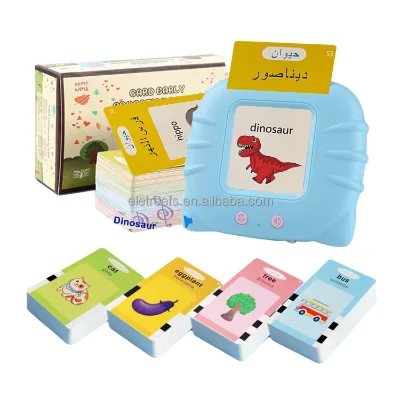
Foshan Eletree Technology Co., Ltd.
- Verified by SGS Group
- Trading Company
- Lead time7 days
Main productsTalking Flash Card, Sound Book, Learning Machine, Early Learning Book
Main marketsNorth America(30%), Southeast Asia(10%), Africa(10%)
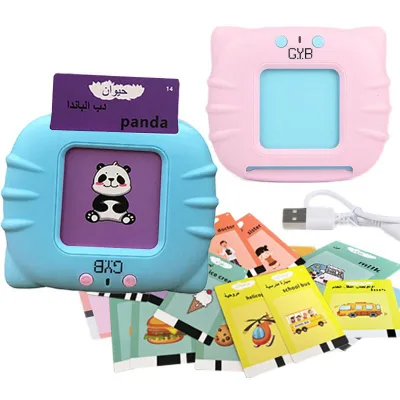
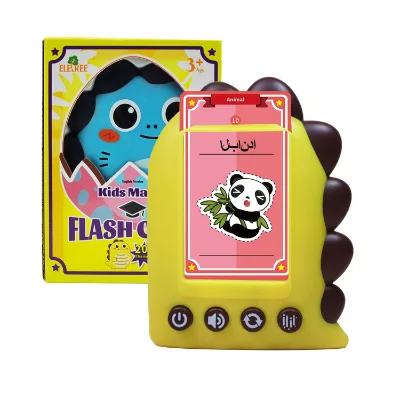
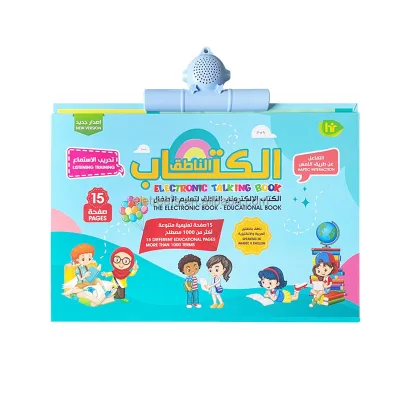
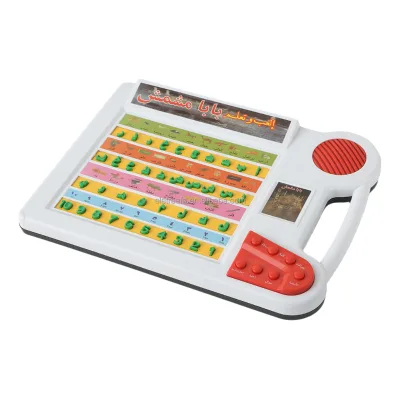
Kids Funny Audible Arabic Learning Educational Toy Talking Audio Wall Chart for Kid
$5.10 - $5.67
Moq: 1000
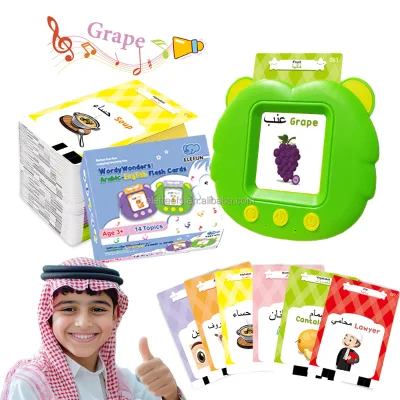
Guangzhou Fashion Cards Paper Products Co., Ltd.
- Trading Company
- Lead time旺季: "1 - 100":7,"101 - 5000":14,"> 5000":"To be negotiated", 淡季: "1 - 100":7,"101 - 5000":14,"> 5000":"To be negotiated"
Main productsCandy Boxes, Velvet Cards, Laser Cards, Hardcover Cards, Acrylic Cards

Carrie Smart (Shenzhen) Co., Ltd.
- Trading Company
- China Guangdong
- Lead time15 days
- Avg. response≤ 4h
Main productsLight Pad, Bluetooth Earphone, Promotion Gifts, Protective Products, Office and School Products
Main marketsEurope,North America

WUHAN YAOQIWEI MACHINERY TECHNOLOGY CO., LTD.
- Verified by TUVRHEINLAND
- Combined
- China Hubei
- Lead time30 days
- Avg. response≤ 12h
Main productsCard Laminator, Card Punching Machine, Smart Card, Inkjet/Laser PVC Printing Sheet, Steel Plate, RFID Chip, Neck Strap Lanyards/Badge Reel, Hologram PVC Sheet, Hot Stamping Machine, Card Embosser
Main marketsDomestic
Guangzhou Bonroy Cultural Creativity Co., Ltd.
- Verified by SGS Group
- Trading Company
- Lead time8 days
- Avg. response≤ 3h
Main productsCard game, Paper box, Book printing, Notebook, Paper bag
Main marketsNorth America(41%), Oceania(25%), South America(10%)

Chengdu MIND IOT Technology Co., Ltd.
- Verified by TUVRHEINLAND
- Manufacturer/Factory
- China Sichuan
- Lead time23 days
- Avg. response≤ 4h
Main productsHotel Key Card, RFID Card, NFC Card, Business Card, RFID Tag, RFID Wristbands, RFID Key Fob, RFID Label, Metal Card, Magnetic Stripe Card
Main marketsSouth America,Eastern Europe,Mid East,North America,Southeast Asia,Eastern Asia,Oceania,Western Europe,Africa
Guangzhou Eletree Electronic Company Ltd.
- Verified by TüVRheinland
- Trading Company
- Lead time2 days
- Avg. response≤ 7h
Main productsPortable Radio, Memory Card, Quran Speaker, Waterproof Speaker, E-Book
Main marketsNorth America(25%), South America(10%), Eastern Europe(10%)

- Verified by TUVRHEINLAND
- Trading Company
- China Hunan
- Lead time15 days
- Avg. response≤ 3h
Main productsPlaying Cards, Game Card, Tarot Cards, Educational Cards, Flash Cards, Board Game, Affirmation Cards, Calendar Printing, Paper Bag Printing, Fridge Magnet
Main marketsAfrica,Southeast Asia/ Mideast,Europe,Australia,North America


Factory Wholesale Custom Printing Plastic Playing Cards in Bulk Arabic Playing Card
$0.21 - $0.82
Moq: 500
Wenzhou Guikang Stationery & Gifts Co., Ltd.
- Verified by Intertek
- Manufacturer, Trading Company
- Lead time20 days
Main productsNotebook, Sketchbook, Childhood Education Books
Main marketsWestern Europe(30%), South Asia(30%), North America(15%)
Dongguan Hongjin Stationery Co., Ltd.
- Verified by SGS Group
- Manufacturer, Trading Company
- Lead time30 days
- Avg. response≤ 3h
Main productsJigsaw Puzzle, Flash Card, Board Game, Paper Boxes
Main marketsNorth America(34%), Eastern Asia(18%), Africa(11%)

Yiwu Tiger Playing Cards Co., Ltd.
- Trading Company
- China Zhejiang
- Lead time15 days
- Avg. response≤ 8h
Main productsPlaying Cards, Jigsaw Puzzle, Gift Box, Card Game, Board Game, Cognitive Educational Card, Paper Bag, Audible Children Book
Main marketsNorth America


Customzied 0-100 Children Early Learning Arabia Numberals Card English Learning Card
$0.60 - $0.79
Moq: 144
- Trading Company
- Anhui, China
- Lead time5 days
- Avg. response≤ 7h
Main productsvacuum flask,thermoses,water bottle,kraft paper bag,make up sponge
Main marketsSouth America(46.0%), Southern Europe(10.0%), Western Europe(10.0%), Eastern Europe(10.0%), Central America(10.0%), Northern Europe(5.0%), Oceania(3.0%), Southeast Asia(3.0%), North America(3.0%)

Taizhou Goddess Playingcards Co., Ltd.
- Verified by CTI
- Combined
- China Jiangsu
- Lead time30 days
- Avg. response≤ 10h
Main productsPlaying Card, Playing Cards, Plastic Playingcards, Jumbo Playingcards, Giant Playingcards, Tarot, Skat, Jeu De Cartes, Paper Playing Card, OEM Playing Card
Main marketsEast Asia(Japan/ South Korea),Domestic,Europe,North America

Shenzhen Youmeike Industrial Co., Ltd.
- Trading Company,Manufacturer/Factory
- China Guangdong
- Lead time15 days
- Avg. response≤ 8h
Main productsJigsaw Puzzle, Card Game, Playing Cards, Board Game, Book Printing, Color Box
Main marketsSouth America,Eastern Europe,Mid East,North America,Southeast Asia,Eastern Asia,Oceania,Western Europe,Africa
Guangzhou Jinguan Printing Co., Ltd.
- Manufacturer, Trading Company
- Lead time旺季: "1 - 500":7,"501 - 1000":8,"1001 - 2000":9,"> 2000":"To be negotiated", 淡季: "1 - 500":7,"501 - 1000":8,"1001 - 2000":9,"> 2000":"To be negotiated"
- Avg. response≤ 2h
Main productsPlaying Card, Notebook, Gift Box, Board Game, Children's Books

Tung Wing Electronics (Shenzhen) Co., Ltd.
- Trading Company
- China Guangdong
- Lead time45 days
- Avg. response≤ 21h
Main productsSound Module, Flashing Module, Recording Module, Greeting Cards, Keychain, Photo Frame, Optical Fiber Bags, Flashing Badge, Promotional Gift, Sound Pad
Main marketsSouth America,Southeast Asia/ Mideast,East Asia(Japan/ South Korea),Europe,Australia,North America
Dongguan Chensheng Printing Co., Ltd.
- Verified by TüVRheinland
- Manufacturer, Trading Company
- Lead time10 days
Main productsPlaying Card, Card Game, Tarot Card, TCG Card, Flash Card
Main marketsDomestic Market(26%), North America(15%), South America(14%)

Dongguan DND Display Products Co., Ltd.
- Verified by SGS
- Combined
- China Guangdong
- Lead time23 days
- Avg. response≤ 2h
Main productsAcrylic Household Products, Acrylic Display Products, Acrylic Furniture
Main marketsSoutheast Asia/ Mideast,Domestic,Europe,North America

- Verified by CTI
- Trading Company
- China Zhejiang
- Lead time30 days
- Avg. response≤ 8h
Main productsCard Game, Board Game, Educational Games, Puzzles, Board Book, Family Game, Children Toys, Paper Crafts
Main marketsEurope











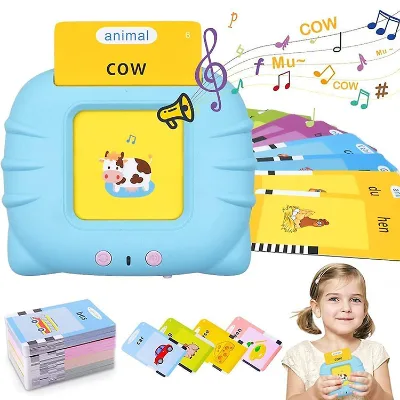
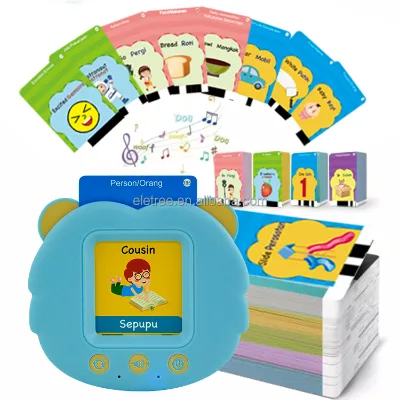
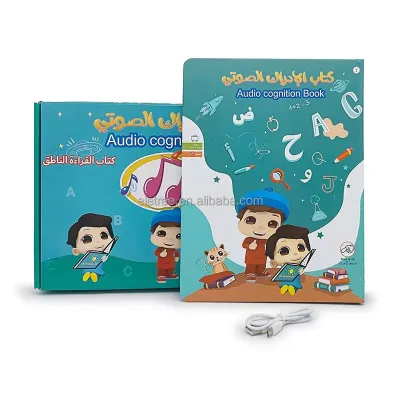
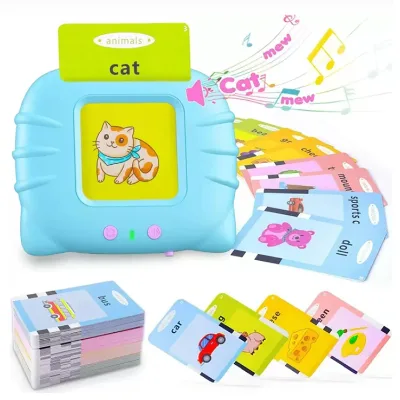






Comprehensive Sourcing Guide
Customized Arabic Talking Cards Supplier Concentration and Factory Types
The current supplier landscape for Customized Arabic Talking Cards reveals a mix of trading companies and manufacturers, with specific facility types influencing production capabilities. Some entities operate strictly as trading companies, acting as intermediaries that source products from various factories, while others function as manufacturers or factories with their own production lines. A distinct group combines both roles, offering direct manufacturing alongside trading services to provide broader product ranges. This variation means buyers must carefully distinguish between a pure trading entity and a factory with in-house capabilities, as the latter often provides more control over the customization process for complex items like talking cards.
Location data indicates that suppliers are concentrated in specific regions, such as Zhejiang and Guangdong in China, which are known for paper crafts and electronic components. When a specific location is confirmed as a high-confidence fact, it suggests a local cluster where supply chains for materials like paper, electronics, and packaging are established. However, if location details are not explicitly confirmed for a specific supplier, buyers should not assume a cluster exists there. Instead, they should verify the actual factory address and ask for proof of location to ensure the supplier is not merely a reseller with no physical production base. Understanding the factory type and verified location is the first step in assessing whether a supplier can handle the technical requirements of integrating audio components into Arabic card designs.
How to Verify Customized Arabic Talking Cards Suppliers
Verification of suppliers requires a rigorous check of their business credentials and operational history to ensure they are legitimate entities capable of fulfilling orders. Buyers should look for specific verification badges, such as those from recognized third-party inspection bodies, which confirm the supplier's business license and factory existence. It is critical to confirm that the supplier holds valid certifications relevant to their product type, such as ISO 9001 for quality management or specific safety standards like EN 71 and CPSIA if the cards are intended for children. These certifications are not universal; a supplier may hold one but not others, so buyers must request current certificates rather than assuming compliance based on general claims.
Beyond certifications, buyers must validate the supplier's response time and communication reliability, as these are strong indicators of operational stability. A supplier with a documented response time, such as a specific number of hours, demonstrates a structured communication channel, whereas a lack of data suggests potential delays. Buyers should also verify the supplier's establishment year to gauge their experience in the market, though this data is not always publicly displayed. If the establishment year is unavailable, the buyer should ask for the company's registration date directly. Additionally, checking for escrow services or trade assurance options provides a layer of financial security, ensuring that funds are protected until the goods are delivered as specified.
What to Compare Across Customized Arabic Talking Cards Suppliers
When evaluating multiple suppliers, buyers must compare key operational metrics such as lead times, minimum order quantities (MOQ), and pricing structures to find the best fit for their project. Lead times can vary significantly based on order volume and seasonality; for instance, some suppliers may offer a standard lead time of 7 to 14 days for smaller orders but require negotiation for larger quantities exceeding 5,000 units. Buyers should also note that response times, measured in hours, can differ between trading companies and manufacturers, with manufacturers often having faster internal communication for technical queries. Comparing these metrics helps buyers predict delivery schedules and manage their own inventory planning effectively.
Pricing and MOQ are equally critical factors that vary widely across the supplier base. Some suppliers may offer low unit prices for high-volume orders, such as 1,000 units, while others might have higher MOQs like 10,000 units to achieve cost efficiency. Buyers should examine the price range for specific product attributes, such as color options or material types, as these details directly impact the final cost. For example, a supplier might list a price range from $0.25 to $1.00 depending on the customization level and material quality. It is essential to compare these figures against the supplier's main product focus; a supplier specializing in playing cards might offer different pricing dynamics than one focused on paper crafts. Buyers should also verify if the supplier offers OEM or ODM services, as this affects the flexibility of the customization process.
Common Customized Arabic Talking Cards Sourcing Risks
One of the primary risks in sourcing Customized Arabic Talking Cards is the potential mismatch between the supplier's claimed capabilities and their actual production capacity. Suppliers may advertise a wide range of main products, including candy boxes or playing cards, but lack the specific expertise required for integrating audio components into paper cards. This discrepancy can lead to quality issues where the talking mechanism fails or the Arabic text is printed incorrectly. Buyers must verify that the supplier has specific experience with electronic components and paper crafts to avoid receiving products that do not function as intended.
Another significant risk involves the reliability of the supply chain and the consistency of the product quality over time. If a supplier does not have a clear track record of certifications or verified factory audits, there is a higher chance of receiving substandard materials or inconsistent finishes. For instance, the use of low-quality paper or incorrect ink for Arabic calligraphy can ruin the aesthetic appeal of the cards. Additionally, if the supplier's response time is slow or inconsistent, it can lead to delays in resolving technical issues during the sampling phase. Buyers should be cautious of suppliers who do not provide clear evidence of their quality control processes or who are unwilling to share detailed product specifications before placing an order.
Customized Arabic Talking Cards Regional Sourcing and Logistics
Regional sourcing plays a crucial role in determining the efficiency and cost of logistics for Customized Arabic Talking Cards. Suppliers located in established manufacturing hubs like Zhejiang or Guangdong often benefit from mature supply chains that reduce lead times and shipping costs. These regions typically have access to specialized materials and logistics networks that can handle the export of mixed goods, including paper products and electronic components. However, if a supplier's location is not explicitly confirmed, buyers should not assume they are part of a major cluster. Instead, they should request the specific factory address and verify the proximity to major ports to ensure efficient shipping.
Logistics planning must also account for the specific packaging requirements of talking cards, which often include fragile electronic parts. Suppliers may offer various packing options, such as paper boxes, plastic cases, or tin boxes, which can impact the overall shipping volume and cost. Buyers should compare the packing standards of different suppliers to ensure that the cards are protected during transit. Additionally, the choice of shipping method, whether by air or sea, will depend on the urgency of the order and the total weight of the shipment. Buyers should verify the supplier's experience with international shipping and their ability to handle customs documentation to avoid delays at the destination port.
Customized Arabic Talking Cards Commercial Terms and Order Planning
Commercial terms and order planning are vital for ensuring a smooth transaction and successful delivery of Customized Arabic Talking Cards. Buyers should carefully review the payment methods offered by suppliers, such as Trade Assurance, T/T, or PayPal, to ensure they align with their risk management strategies. It is also important to understand the sample policy, as some suppliers may offer free samples with a specific lead time, while others may charge for the sample and shipping. Buyers should confirm the sample time, which can range from 7 to 11 days, to plan their product launch schedule accordingly.
Order planning must also consider the customization requirements and the supplier's capacity to meet them. Suppliers may offer different levels of customization, from simple printing to full OEM and ODM services, which can affect the lead time and cost. Buyers should verify the supplier's ability to handle custom sizes, colors, and designs, as these details are often critical for Arabic market appeal. Additionally, buyers should confirm the supplier's capacity to handle large orders, as some may have a maximum production limit that could delay fulfillment. By understanding these commercial terms and planning the order timeline effectively, buyers can minimize risks and ensure a successful sourcing experience.
FAQs
What is the typical MOQ for Customized Arabic Talking Cards?
Minimum order quantities vary by supplier and product style. Some listings show MOQs as low as 100 pieces for Arabic card products, while playing-card manufacturers often set MOQs of 1,000 or even 10,000 pieces. Before ordering, confirm the MOQ for your chosen design, because customization level, materials, and audio features can change the minimum quantity a factory accepts.
How long do production and delivery usually take?
Lead times on current supplier listings range widely. One manufacturer quotes about 23 days for production, while a printing supplier quotes roughly 30 days, and some trading companies list 7 to 14 days for smaller quantity bands with larger orders negotiated separately. Sample production can take 7 to 11 days, so add sampling time when planning your overall schedule.
Can suppliers handle Arabic text and region-specific designs?
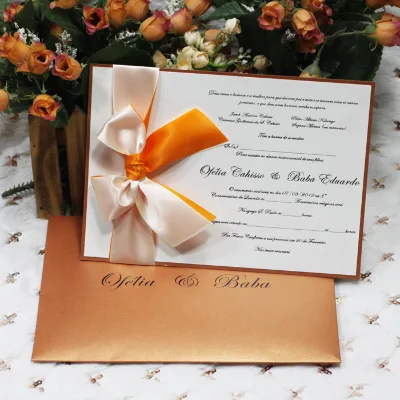
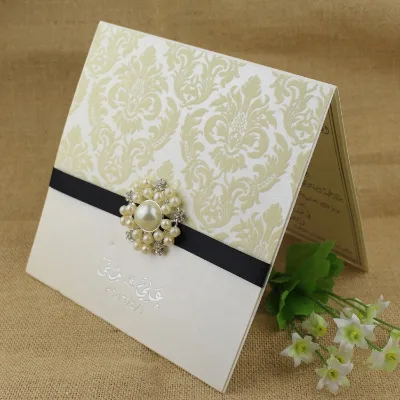
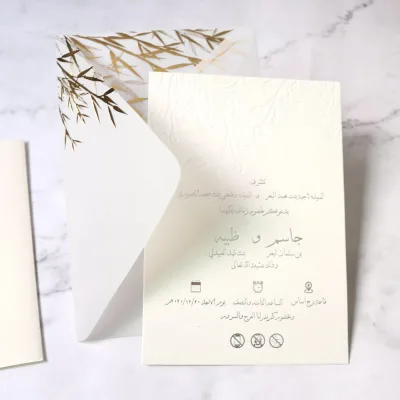
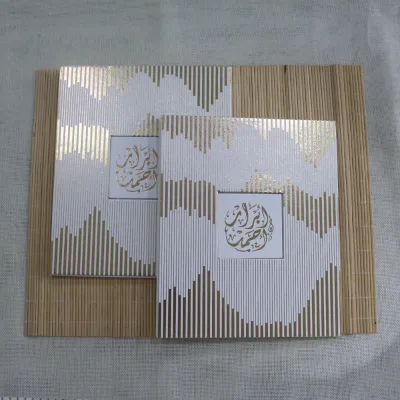
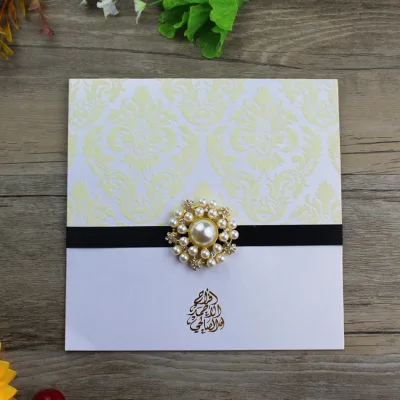
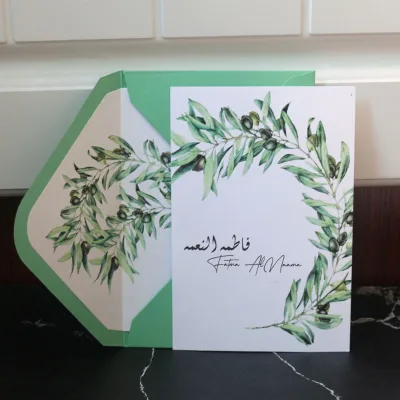
Yes, several listed products target Arabic-speaking markets, including Arabic flash cards, Arabic card games, and Qatar or Arab-style invitation designs. Suppliers generally accept custom artwork and Arabic text, though you should supply print-ready files with correct fonts. Request a digital proof or sample first to confirm Arabic script renders correctly before full production begins.
What price range should buyers expect per card or set?
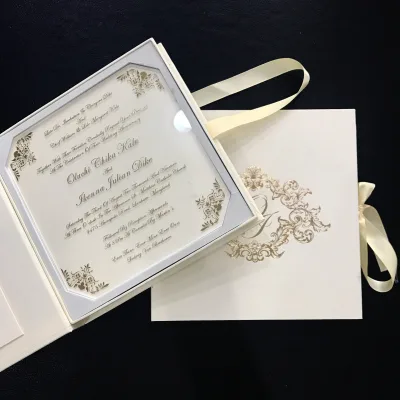
Listed prices vary by product type and quantity. Simple printed playing cards start around 0.24 to 1.00 USD per deck, Arabic card games with boxes run about 1.58 to 1.65 USD, and premium acrylic invitation cards range from 2.00 to 9.80 USD per piece at 100-piece MOQ. Final pricing depends on materials, size, finishing, and order volume.
Do manufacturers hold recognized quality certifications?
Some suppliers on this page list certifications worth noting. One playing-card manufacturer shows ISO 9001, and a printing supplier lists ISO 9001, ISO 14001, FSC, Sedex, EN 71, CPSIA, ASTM F963, CE, and CPC, with TÜV Rheinland verification. Certifications differ by factory, so verify the specific certificates and request copies that apply to your target market.
What material and size options are available?
Suppliers list paper stocks in 280 to 410 gsm blue or black core, art paper, coated paper, and acrylic. Standard sizes include 63 by 88 mm poker size, 57 by 87 mm bridge size, and 59 by 115 mm, with custom sizes accepted. Packing options include paper boxes, plastic cases, tin boxes, and gift boxes depending on the product.
How quickly do suppliers typically respond to inquiries?
Response speed varies across suppliers. One listed manufacturer shows an average response time of about 14.77 hours, which is useful to know when comparing options. When contacting suppliers about Customized Arabic Talking Cards, send specifications early and note response speed, because slower replies often delay sampling and negotiation during peak production seasons.
Which supplier types are best for custom talking card orders?
This page shows manufacturers, combined manufacturer-trading companies, and pure trading companies. Manufacturers offer OEM and ODM capability plus their own brands and are usually better for fully custom production, while trading companies offer flexibility and design sourcing. Match the type to your needs: direct factories for volume customization, traders for mixed or smaller orders.