Delta Anchor Suppliers and Manufacturers in China
Compare 23 verified Delta Anchor suppliers by location, lead time, and certifications. Review product specs like material and weight capacity before requesting quotes. Check response times and MOQ requirements to ensure the selected partner meets your specific marine hardware needs efficiently.
Updated
Suppliers List
- Verified by Intertek
- Trading Company
- Lead time0 days
- Avg. response≤ 3h
Main productsSteel Wire Rope, Rigging Hardware, Industrial Chain
Main marketsNorth America(22%), Southeast Asia(12%), Mid East(10%)

Zhenjiang Matchau Marine Equipment Co., Ltd.
- Verified by TUVRHEINLAND
- Trading Company,Manufacturer/Factory,Group Corporation
- China Jiangsu
- Lead time23 days
- Avg. response≤ 3h
Main productsWater Weight Bag, Life Boat, Life Raft, Life Jacket, Rescue Boat, Single Arm Davit, Davit, Crane, Rubber Fender, Anchor Chain
Main marketsSouth America,Eastern Europe,Mid East,North America,Southeast Asia,Eastern Asia,Oceania,Western Europe,Africa

Shenxian Shenghui Stainless Co., Ltd.
- Verified by TUVRHEINLAND
- Combined
- China Shandong
- Lead time30 days
- Avg. response≤ 6h
Main productsmarine stainless steel
Main marketsSouth America,Southeast Asia/ Mideast,East Asia(Japan/ South Korea),Europe,North America

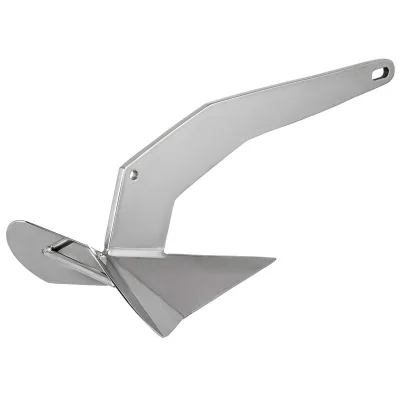
Stainless Steel 316 Marine Anchor Ship Sailboat Anchor Rigging Delta Anchor
$96.00 - $105.00
MOQ: 2 Pieces


Customized Delta Anchoring Stainless Steel 316 Boat Delta Style Plow Wing Docking Anchor
$8.99 - $10.99
MOQ: 1 kg

Precision Casting Stainless Steel 316 Marine Anchor Ship Sailboat Anchor Rigging Delta Anchor
$244.70 - $310.66
MOQ: 1 Pieces

$591.17 - $640.44
MOQ: 1 Pieces

Marine Hardware Delta Anchoring Stainless Steel 316 Boat Delta Style Plow Wing Docking Anchor
$169.41 - $183.52
MOQ: 1 Pieces
Dongying Xinao Marine Hardware Corporation
- Manufacturer, Trading Company
- Shandong, China
- Lead time25 days
- Avg. response≤ 6h
Main productsMarine Hardware,boat fittings,marine anchor,stainless steel hardware
Main marketsDomestic Market(15.00%), Oceania(12.00%), Southeast Asia(11.00%), Northern Europe(8.00%), North America(8.00%), South Asia(7.00%), Southern Europe(6.00%), Central America(6.00%), Western Europe(6.00%), Eastern Asia(6.00%), Eastern Europe(6.00%), South America(6.00%), Africa(2.00%), Mid East(1.00%)

Dongying Zhengda Metal Product Co., Ltd.
- Verified by SGS
- Combined
- China Shandong
- Lead time30 days
- Avg. response≤ 5h
Main productsEquipments Building Marine Hardware
Main marketsSouth America,Southeast Asia/ Mideast,Europe,Australia,North America


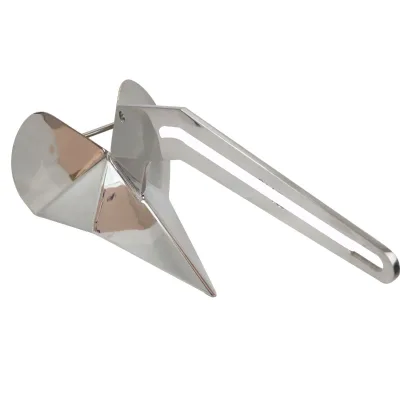
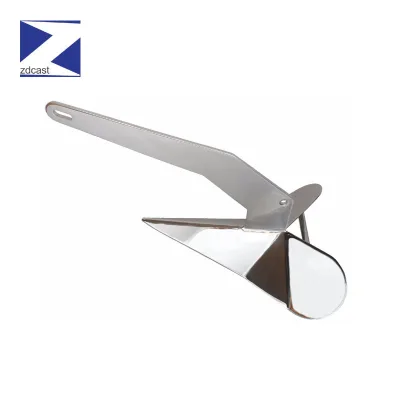
Zd Patent Long Hole Stainless Steel Delta Anchor SS316 Delta Anchor for Boat
$145.00 - $150.00
MOQ: 1 Pieces


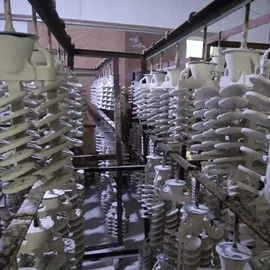
Neosun Architecture & Marine Hardware Manufacturing Ltd.
- Manufacturer, Trading Company
- Shandong, China
- Lead time30 days
- Avg. response≤ 4h
Main productscasting,architecture hardware,marine hardware,precision casting,CNC machining
Main marketsNorth America(50.00%), Eastern Europe(20.00%), Oceania(10.00%), Eastern Asia(10.00%), Southern Europe(5.00%), Mid East(3.00%), Southeast Asia(2.00%)
Nantong Five-Wood Import& Export Co., Ltd.
- Verified by TüVRheinland
- Manufacturer, Trading Company
- Lead time30 days
- Avg. response≤ 2h
Main productsBoat Accessories, Boat Hardware, Bimini Top, Sunshade
Main marketsWestern Europe(30%), Southern Europe(30%), Eastern Europe(20%)
Hubei Decheng Machinery Co., Ltd.
- Trading Company
- Hubei, China
- Lead time15 days
- Avg. response≤ 2h
Main productsShip Anchor,Anchor Chain,Chockss,AC-14H.H.P Anchor,Stockless Anchor
Main marketsNorth America(25.00%), Eastern Asia(25.00%), Domestic Market(25.00%), Mid East(10.00%), South Asia(10.00%), Western Europe(5.00%)
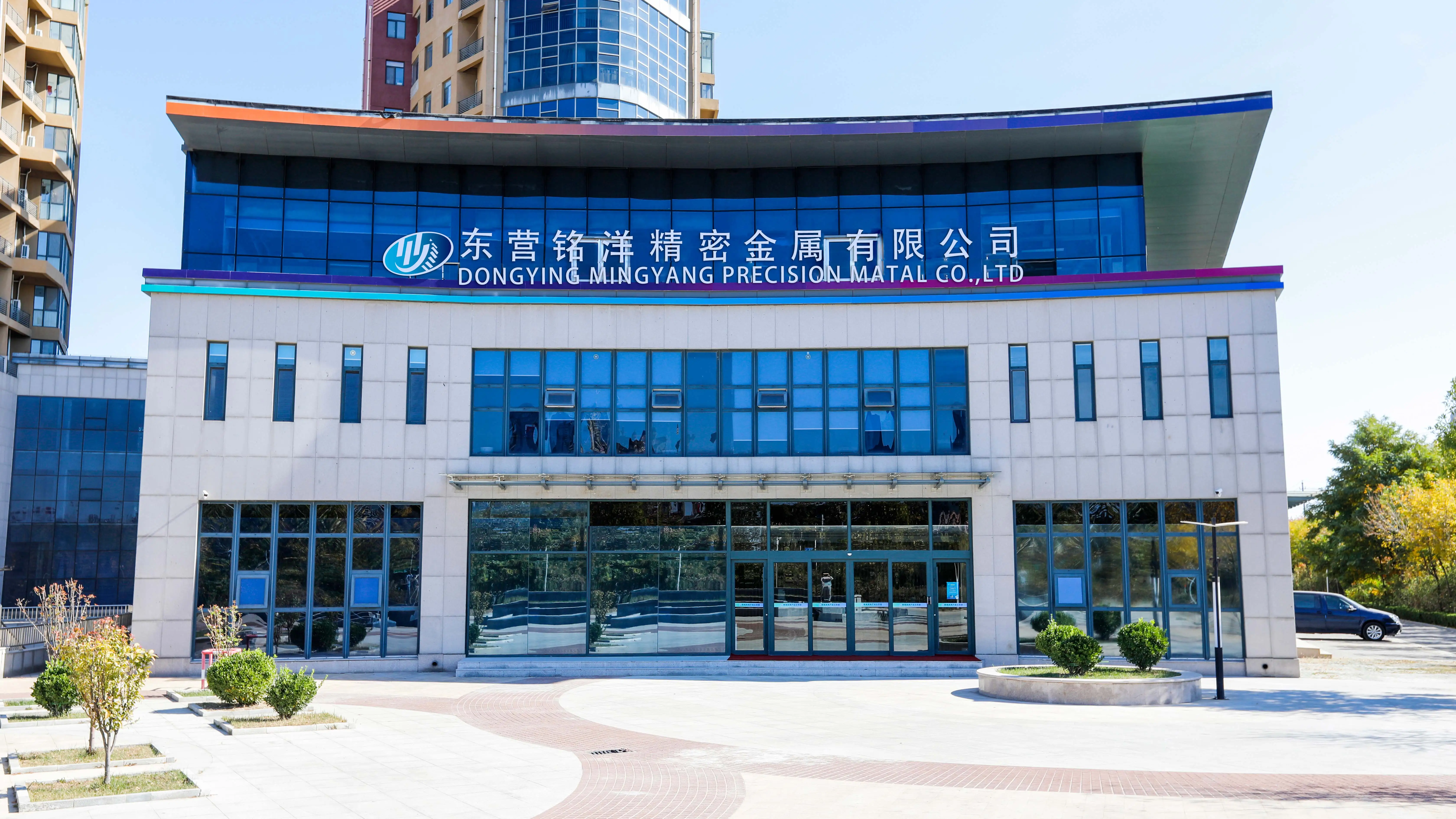
Dongying Mingyang Precision Metal Co., Ltd.
- Manufacturer, Trading Company
- Shandong, China
- Lead time15 days
- Avg. response≤ 1h
Main productsThru Hull Outlets Fittings,Cup Holder Yacht,new Boat Seat Hinge,12v Searchlight,Hatch Slam Latches
Main marketsNorthern Europe(30.00%), North America(20.00%), Southern Europe(10.00%), Mid East(10.00%), Oceania(10.00%), South America(10.00%), Eastern Asia(5.00%), Africa(5.00%)
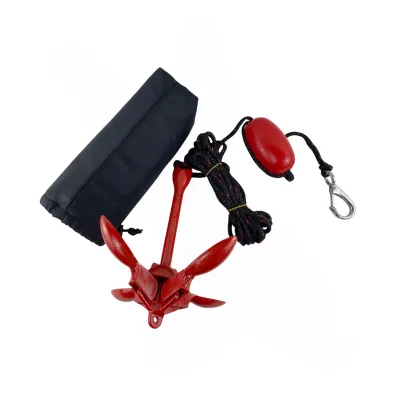
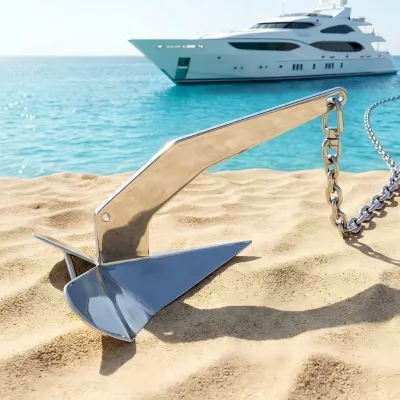
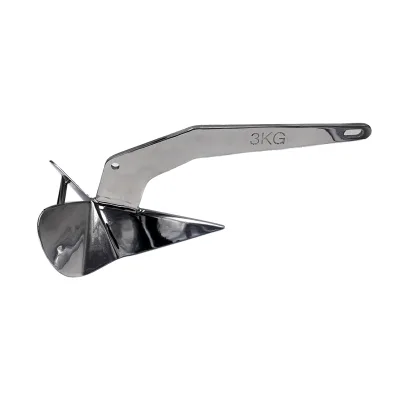
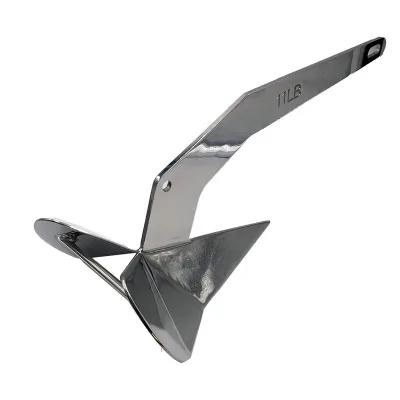
7.5kg SS316 Welded Delta Anchor for Marine Ship and Boat Premium Quality Boat Anchors
$79.361 - $87.2974
MOQ: 1 pieces

- Verified by SGS
- Trading Company,Manufacturer/Factory
- China Shandong
- Lead time45 days
- Avg. response≤ 1h
Main productsHorse Stirrups, Horse Stables, Livestock Panel, Horse Bits, Horse Spurs, Horse Girths, Horse Grooming Tool, Horse Whips, Marine Seats, Marine Portlight
Main marketsSouth America,Eastern Europe,Mid East,North America,Southeast Asia,Eastern Asia,Oceania,Western Europe,Africa


Factory Direct Durable Delta Anchor for Offshore Applications at Wholesale Price
$39.00 - $259.00
MOQ: 1 Pieces

Factory Direct Marine Grade Delta Anchor with High-Holding Capacity at Wholesale Price
$39.00 - $259.00
MOQ: 1 Pieces

China Shipping Anchor Chain (Jiangsu) Co., Ltd.
- Manufacturer, Trading Company
- Jiangsu, China
- Lead time15 days
- Avg. response≤ 7h
Main productsAnchor Chain,Stud Link Anchor Chain,Mooring Chain,Anchor,Mooring Buoy
Main marketsEastern Europe(30.00%), Southeast Asia(20.00%), Mid East(10.00%), Western Europe(10.00%), North America(10.00%), South Asia(8.00%), Northern Europe(5.00%), South America(5.00%), Africa(2.00%)
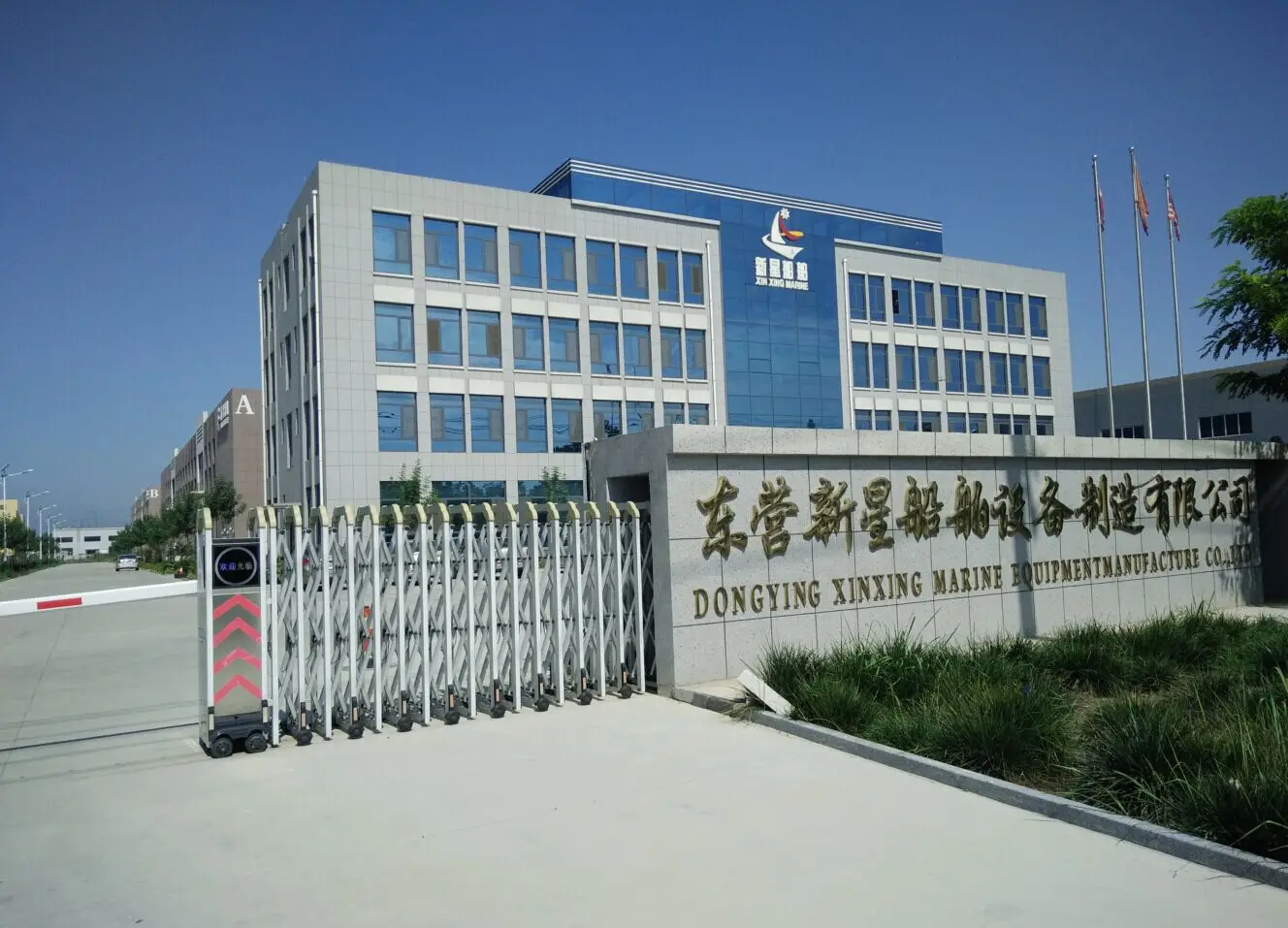
Dongying Xinxing Marine Equipment Manufacture Co.,ltd
- Manufacturer, Trading Company
- Shandong, China
- Lead time30 days
- Avg. response≤ 3h
Main productsBoat Bollard; Marine Cleat; Boat Anchor; Fishing Rod Holder; Boat Latch
Main marketsDomestic Market(30.00%), North America(25.00%), Mid East(16.00%), Western Europe(10.00%), Oceania(5.00%), Eastern Europe(5.00%), Northern Europe(2.00%), South Asia(1.00%), Africa(1.00%), Southern Europe(1.00%), Eastern Asia(1.00%), Central America(1.00%), South America(1.00%), Southeast Asia(1.00%)
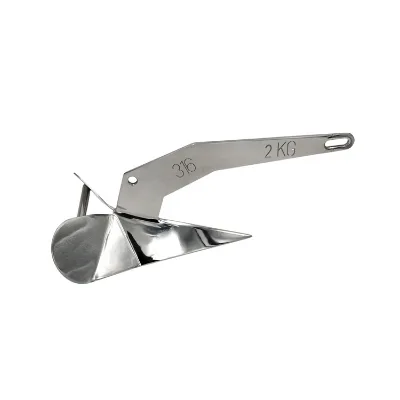
$34.803 - $37.2972
MOQ: 1 pieces
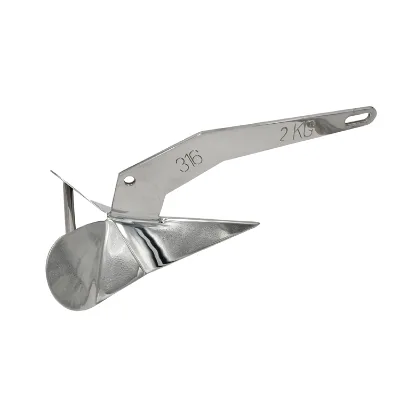
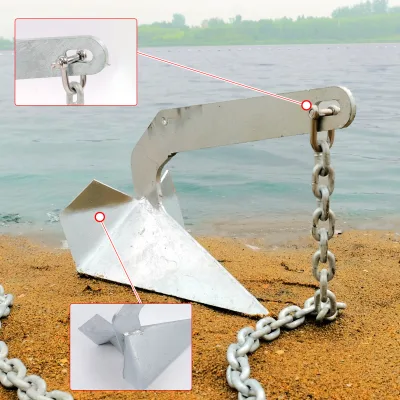
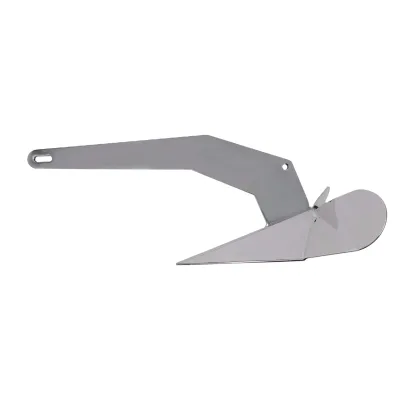
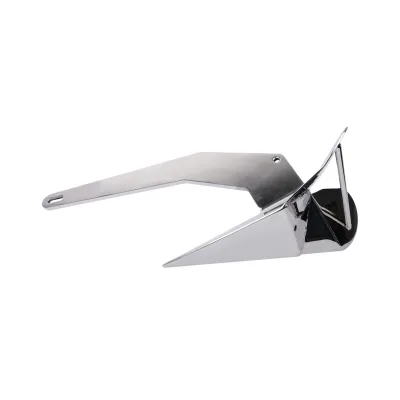
Ali Baba Hot selling Marine supplies stainless steel boat delta anchor with mirror polishing
$71.3977 - $79.2277
MOQ: 1 pieces

Zhenjiang Normanship Co., Ltd.
- Trading Company,Manufacturer/Factory
- China Jiangsu
- Lead time120 days
- Avg. response≤ 4h
Main productsLifeboat&Rescue Boat, Davit&Crane, Outfittings, Lifeboat Replacements, Mooring Fittings, Propeller, Marine Door, Marine Cover, Marine Equipment, Rib Boat
Main marketsSouth America,Eastern Europe,Mid East,North America,Southeast Asia,Eastern Asia,Oceania,Western Europe,Africa
Dongying Zhengda Metal Product CO., LTD.
- Verified by TüVRheinland
- Manufacturer, Trading Company
- Lead time25 days
- Avg. response≤ 2h
Main productsBuilding Hardware, Marine Hardware, Sheet Metal, Precision Casting And Machining Customized Metal Products
Main marketsNorth America(55%), Oceania(22%), Eastern Europe(5%)
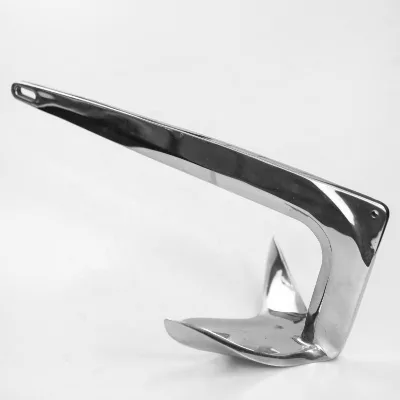
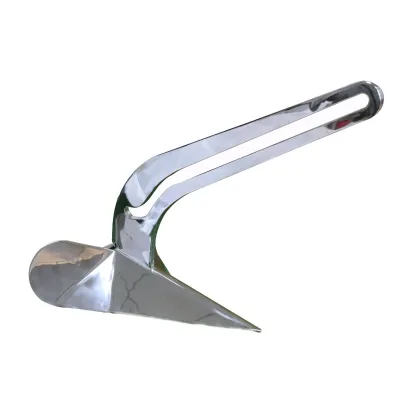
$50.00 - $100.00
MOQ: 1 pieces

Qingdao Alastin Outdoor Products Co., Ltd.
- Manufacturer/Factory
- China Shandong
- Lead time45 days
- Avg. response≤ 7h
Main productsBoat Anchor, Marine Hardware, Marine Buoy, Anchor Chains, Bollard, Cleat, Fishing Rod Holder, Bimini Top Fittings, Handrail Base, Boat Ladder
Main marketsSouth America,Eastern Europe,North America,Oceania


Hot Sale Marine Hardware 316 Stainless Steel Support Custom 4kg Delta Anchors for Yacht
$48.48 - $55.70
MOQ: 1 Pieces

Marine Hardware Heavy Duty 316 Stainless Steel Delta Anchor Used in Boats
$48.48 - $55.70
MOQ: 1 Pieces

Most Popular 316 Stainless Steel Delta Anchor with High Mirror Polished for Boat
$48.48 - $55.70
MOQ: 1 Pieces

Shandong Tonghe Steel Co., Ltd.
- Verified by SGS
- Trading Company
- China Shandong
- Lead time23 days
- Avg. response≤ 2h
Main productsChain, Anchor Chain, Stud Link Chain, Steel Chain, Anchor, Marine Chain, Mooring Chain, Fishing Chain, Shackle, Hardwares
Main marketsNorth America

Guoji Marine Equipment (Jiangsu) Co., Ltd.
- Verified by SGS
- Combined
- China Jiangsu
- Lead time30 days
- Avg. response≤ 5h
Main productsMarine Hardware, Accessories for Boat, Boat Parts, Anchor Chain, Boat Anchor, Marine Parts, Ladder for Marine, Bollards for Boat, Marine Bollard, Deck Hardware
Main marketsDomestic


Heavy Duty Delta High Holding Power Anchor for Marine Vessel Boat Parts
$650.00 - $1000.00
MOQ: 1 Tons
DONGYING ISURE MARINE CO., LTD.
- Verified by TüVRheinland
- Manufacturer, Trading Company
- Lead time25 days
- Avg. response≤ 4h
Main productsMarine Hardware, Building Hardware, Outdoor Goods
Main marketsNorth America(40%), South America(10%), Eastern Europe(10%)
Jingjiang Haisen Machinery Equipment Co., Ltd.
- Manufacturer, Trading Company
- Jiangsu, China
- Lead time35 days
- Avg. response≤ 9h
Main productsAnchor chain,Marine anchor,mooring chain,chain accessories,electric motorcycles
Main marketsSouth America(15.00%), South Asia(10.00%), Southern Europe(10.00%), Northern Europe(10.00%), Western Europe(10.00%), Eastern Asia(10.00%), Southeast Asia(10.00%), Eastern Europe(10.00%), North America(10.00%), Domestic Market(5.00%)
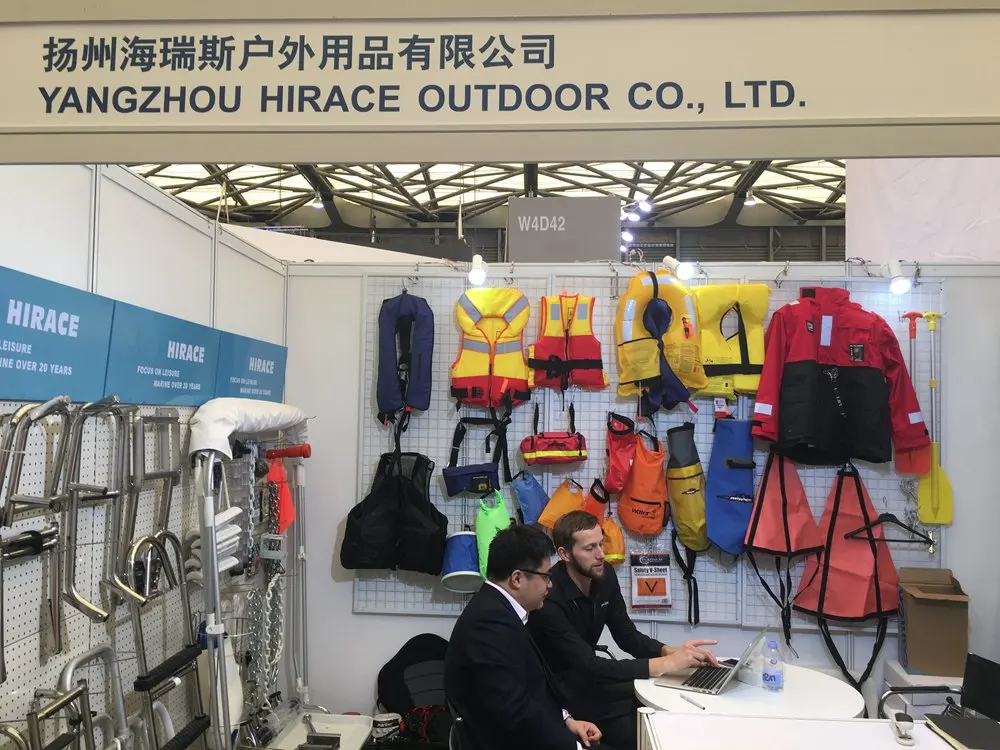
Yangzhou Hirace Outdoor Co., Ltd.
- Trading Company
- Jiangsu, China
- Lead time30 days
- Avg. response≤ 3h
Main productsOutdoor Products,Boat Accessories,Life Jacket,Hardware Fitting,Bimini Top
Main marketsNorth America(40.00%), Oceania(30.00%), Western Europe(10.00%), Eastern Europe(10.00%), Northern Europe(5.00%), Mid East(5.00%)
Hubei Huaxiang Ship Accessories Co., Ltd.
- Manufacturer
- Hubei, China
- Lead time0 days
- Avg. response≤ 1h
Main productsanchor
Main marketsNorth America(20.00%), Eastern Europe(16.00%), Eastern Asia(15.00%), South America(12.00%), Western Europe(12.00%), Oceania(10.00%), Northern Europe(8.00%), Mid East(7.00%)
Qingdao florescence hardware Co., Ltd.
- Verified by TüVRheinland
- Manufacturer, Trading Company
- Lead time10 days
- Avg. response≤ 1h
Main productsShip Anchor Chain, Offshore Mooring Chain, Lashing Chain, Ship Anchor, Rigging Hardware
Main marketsNorth America(30%), Southeast Asia(30%), South America(20%)
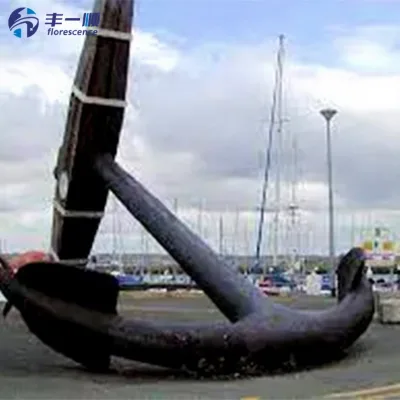
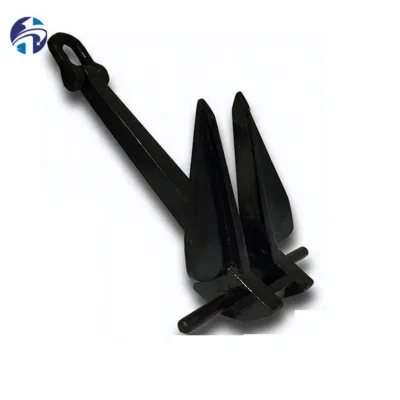
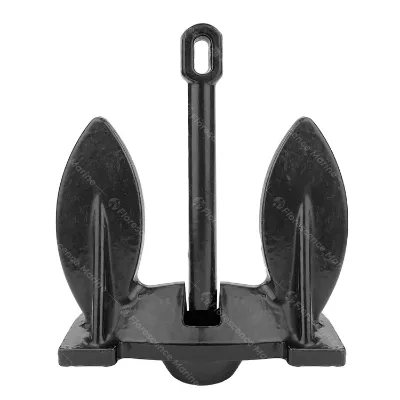
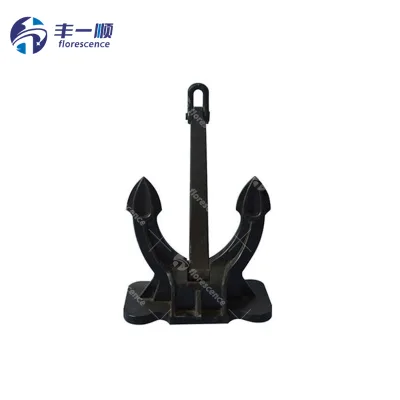
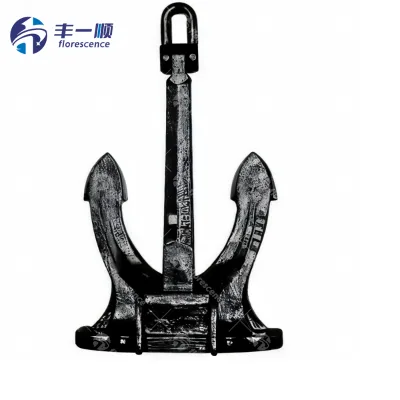
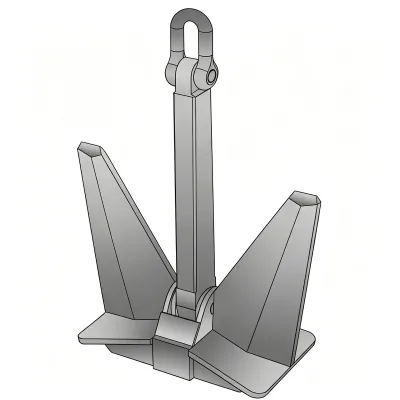
Black Bitument Paint Customization Ship Anchor for Marine Anchorage Ship Building Ports
$12.90 - $18.90
MOQ: 10 pieces
Qingdao Hidea Industrial & Trade Co., Ltd.
- Verified by TüVRheinland
- Trading Company
- Lead time45 days
- Avg. response≤ 2h
Main productsRigging Hardware, Lifting Point, Steel Chains, Lashing & Lifting Straps, Cargo Control Lterm
Main marketsNorth America(30%), South America(20%), Western Europe(20%)
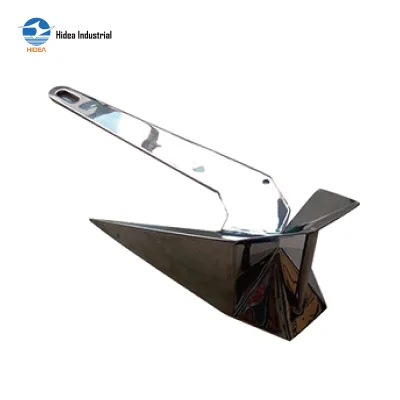
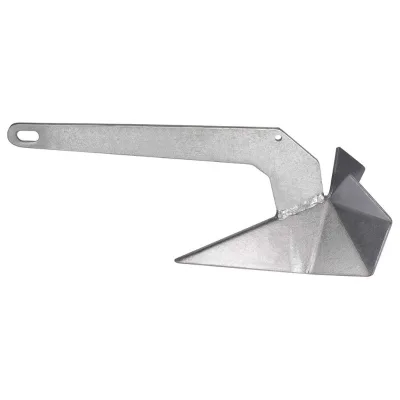
Top China Supplier Hidea High Quality Delta Style Anchor CQR Anchor Non-Hinged Plow Anchor
$1.99 - $3.99
MOQ: 50 pieces
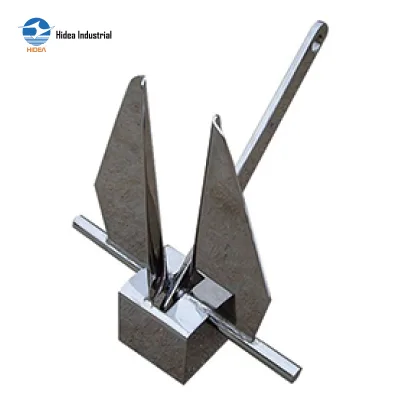
Top Supplier Hidea High Quality Danforth Style Boat Anchor Standard Lightweight Anchors
$1.99 - $3.99
MOQ: 50 pieces
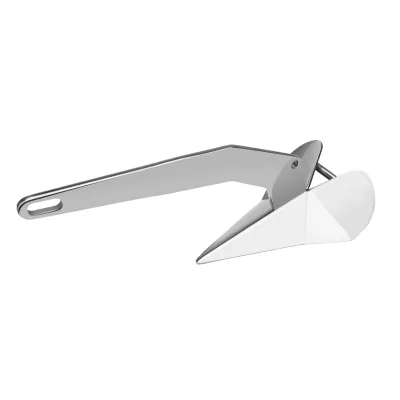
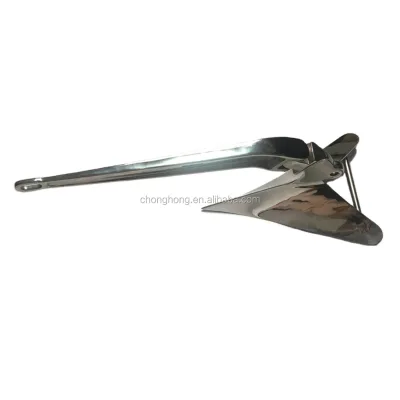


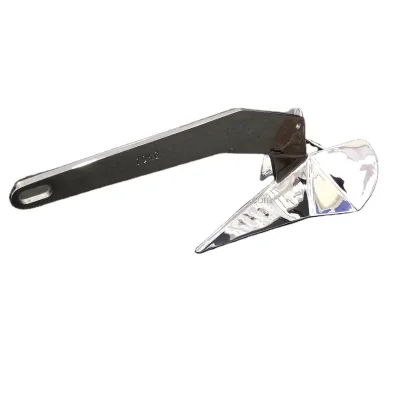
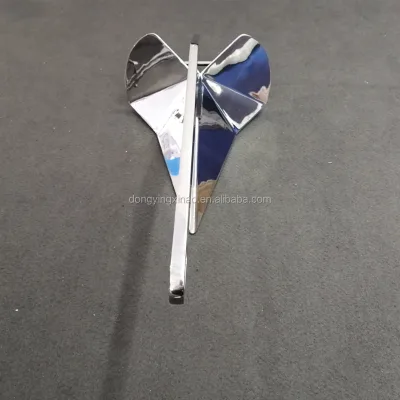
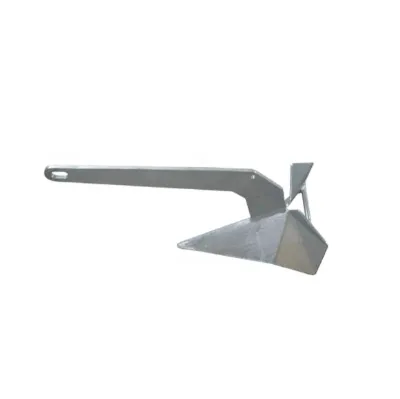
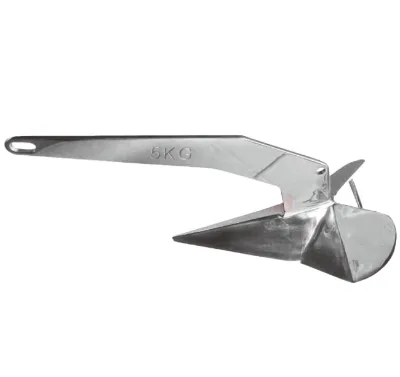
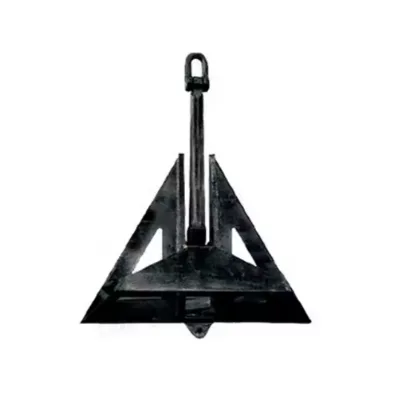


Comprehensive Sourcing Guide
Delta Anchor Supplier Concentration and Factory Types
When evaluating the landscape for Delta Anchor procurement, buyers must first distinguish between the various entity types that populate the market. The available data indicates a mix of Trading Companies, Manufacturer/Factories, and Group Corporations, each offering distinct advantages and potential trade-offs for international buyers. Trading companies often serve as intermediaries, providing a broader catalog of marine accessories and simplifying communication for smaller orders, while manufacturers and factories typically offer more direct control over production processes and customization capabilities. Understanding this structural diversity is crucial for aligning supplier selection with specific project requirements, whether the need is for high-volume standard anchors or specialized, custom-engineered mooring solutions. The presence of Group Corporations suggests a tier of larger entities that may combine manufacturing prowess with extensive distribution networks, potentially offering greater stability and scalability for large-scale maritime projects.
The concentration of suppliers in specific regions can also influence sourcing strategies, although explicit clustering data is limited to certain verified locations. For instance, some results point to origins in Jiangsu, a region known for its industrial manufacturing base, while others indicate origins in Chongqing, which may specialize in different types of metalwork or marine hardware. Buyers should not assume that all suppliers are located in the same industrial hubs; rather, they should verify the actual place of origin for each specific product line. This verification is essential because the location impacts not only shipping logistics and lead times but also the regulatory environment and quality control standards applicable to the manufacturing process. By mapping the supplier types against their geographic origins, buyers can create a more nuanced shortlist that balances cost, quality, and logistical efficiency.
How to Verify Delta Anchor Suppliers
Verification is a critical step in mitigating risk when sourcing Delta Anchors, as the marine industry demands high reliability and safety standards. Buyers should prioritize suppliers who have undergone third-party verification processes, as these provide an independent assessment of the supplier’s business legitimacy and operational capabilities. In the current results, verification badges from reputable agencies such as Intertek and TÜV Rheinland are present, indicating that these suppliers have met specific criteria for business authenticity and potentially quality management systems. These verifications serve as a foundational layer of trust, suggesting that the supplier’s legal status, factory audits, or product testing has been reviewed by an external party. However, buyers should not rely solely on these badges; they must also cross-reference the verification details to understand the scope of the audit, including whether it covers financial stability, production capacity, or specific product certifications.
Beyond basic business verification, buyers must scrutinize the specific certifications held by the supplier, particularly those relevant to marine hardware and environmental standards. The data shows that some suppliers hold ISO 9001 and ISO 14001 certifications, which indicate adherence to quality management and environmental management systems, respectively. Additionally, product-specific certifications such as CS, GL, KR, LR, and RS are mentioned for certain steel anchors, which are crucial for compliance with classification society requirements for ships and offshore vessels. Buyers should request copies of these certificates and verify their validity with the issuing bodies. It is also important to check for RoHS compliance if the anchors involve components that may be subject to hazardous substance restrictions. By rigorously verifying these credentials, buyers can ensure that the Delta Anchors they procure meet the necessary regulatory and safety standards for their intended application, whether for recreational yachts or commercial shipping.
What to Compare Across Delta Anchor Suppliers
When comparing suppliers, buyers should focus on key operational metrics that directly impact project timelines and costs. Response time is a significant indicator of supplier reliability and communication efficiency, with some suppliers demonstrating response times as low as 2.36 hours, while others may take up to 3 hours or more. Faster response times often correlate with better customer service and quicker resolution of technical queries, which is vital when dealing with custom specifications or urgent orders. Lead time is another critical factor, with some suppliers indicating a lead time of 23 days, while others may have different production schedules. Buyers must align these lead times with their project deadlines, considering factors such as production volume, customization requirements, and shipping logistics. It is also important to note that lead times can vary based on the specific product model and material, so buyers should request detailed production schedules for their specific order.
Price and Minimum Order Quantity (MOQ) are equally important considerations when evaluating supplier proposals. The data shows a wide range in pricing, with some stainless steel boat anchors priced between $5.00 and $11.00 per unit, while heavy-duty steel delta anchors for marine use can cost upwards of $218.00 per unit. These price differences reflect variations in material quality, manufacturing complexity, and certification requirements. Buyers should compare prices not just on a per-unit basis but also in the context of the total cost of ownership, including shipping, tariffs, and potential rework costs. MOQs also vary, with some suppliers requiring a minimum of 100 units for smaller anchors, while others may accept orders as low as one unit for larger, heavy-duty anchors. Understanding these MOQs helps buyers determine the feasibility of their order size and negotiate better terms. Additionally, buyers should assess the supplier’s capacity for customization, such as OEM services or specific design modifications, as this can add value but may also impact cost and lead time.
Common Delta Anchor Sourcing Risks
One of the primary risks in sourcing Delta Anchors is the potential for misalignment between product specifications and actual delivery. Buyers must be vigilant about verifying material grades, particularly for stainless steel anchors, where grades like 316 are specified for corrosion resistance in marine environments. If a supplier delivers anchors made from lower-grade stainless steel or carbon steel without proper coating, the product may fail prematurely in saltwater conditions. Similarly, for steel anchors, the presence of certifications from classification societies like GL, KR, LR, and RS is crucial for ensuring that the anchor meets structural integrity standards. Buyers should request material test reports and mill certificates to verify the composition and mechanical properties of the anchors. Failure to do so can result in significant safety hazards and costly replacements, especially for commercial vessels where anchor failure can lead to grounding or loss of vessel.
Another significant risk is the discrepancy between advertised capabilities and actual production capacity. Some suppliers may claim to offer extensive customization options, such as OEM services or specific design modifications, but may lack the necessary tooling or expertise to deliver these changes consistently. Buyers should assess the supplier’s R&D capacity and past performance in handling customized orders. Additionally, the risk of communication breakdowns can lead to errors in order specifications, such as incorrect dimensions, finish requirements, or packaging standards. For example, some anchors are described as having a mirror-polished finish, while others may have a galvanized or painted surface. Buyers must ensure that all specifications are clearly documented in the purchase order and confirmed by the supplier before production begins. Regular communication and milestone checks during the production process can help mitigate these risks, ensuring that the final product meets the buyer’s expectations and quality standards.
Delta Anchor Regional Sourcing and Logistics
The geographic origin of Delta Anchors plays a pivotal role in determining logistics costs and delivery timelines. Suppliers located in regions like Jiangsu and Chongqing in China offer distinct logistical advantages, depending on the buyer’s location and shipping preferences. Jiangsu, being a coastal province with major ports, may offer more efficient shipping options for international buyers, particularly those in Asia or Europe. Chongqing, located inland, may have different logistics channels, potentially involving rail or river transport to coastal ports before ocean freight. Buyers should evaluate the supplier’s location in the context of their own supply chain strategy, considering factors such as transit times, freight rates, and customs clearance procedures. Understanding the regional logistics landscape helps buyers optimize their inventory management and reduce the risk of delays caused by logistical bottlenecks.
Furthermore, the choice of supplier location can impact the availability of local support and after-sales service. Suppliers in industrial hubs may have better access to local testing facilities, repair services, and spare parts, which can be beneficial for long-term maintenance and support. Buyers should also consider the environmental and regulatory conditions of the supplier’s region, as these can affect production costs and compliance requirements. For instance, suppliers in regions with strict environmental regulations may have higher production costs but offer more sustainable and compliant products. By carefully evaluating the regional logistics and support infrastructure, buyers can make informed decisions that balance cost, efficiency, and reliability. This holistic approach to regional sourcing ensures that the buyer’s supply chain is resilient and adaptable to changing market conditions.
Delta Anchor Commercial Terms and Order Planning
Effective order planning requires a thorough understanding of the commercial terms offered by Delta Anchor suppliers. Buyers should pay close attention to payment terms, such as the availability of escrow services, which provide a secure transaction mechanism by holding funds until the buyer confirms receipt and satisfaction with the goods. The presence of escrow options can significantly reduce financial risk, especially for new suppliers or large orders. Additionally, buyers should negotiate clear terms regarding warranties, returns, and dispute resolution processes. These terms should be explicitly stated in the contract to avoid misunderstandings and ensure that both parties are protected in case of issues. By establishing robust commercial terms, buyers can safeguard their interests and maintain a positive relationship with their suppliers.
Packaging and shipping terms are also critical components of order planning. The data indicates that some anchors are packaged in cartons, while others may require export-standard packaging to protect against damage during transit. Buyers should specify their packaging requirements in the purchase order and ensure that the supplier adheres to these standards. Additionally, buyers should consider the impact of packaging on shipping costs and storage efficiency. For large, heavy-duty anchors, specialized packaging may be necessary to facilitate handling and loading. By carefully planning the packaging and shipping logistics, buyers can minimize the risk of damage and ensure that the anchors arrive at their destination in optimal condition. This attention to detail in commercial terms and order planning contributes to a smoother procurement process and higher customer satisfaction.
FAQs
What is the price range for delta anchors?
Delta anchors are available at various price points depending on material and size. Stainless steel options typically range from $5 to $11 per unit, while heavy-duty steel marine anchors start around $218. Buyers should check specific model listings for exact pricing based on quantity and customization needs.
What certifications do delta anchors have?
Manufacturers offer anchors with ISO 9001 and ISO 14001 system certifications. Marine-grade steel anchors may also carry classification society certifications such as CS, GL, KR, LR, and RS. These certifications ensure quality management and environmental compliance for industrial and maritime applications.
What is the minimum order quantity for anchors?
Minimum order quantities vary by product type. Stainless steel boat anchors generally require a minimum order of 100 units. In contrast, heavy-duty steel mooring anchors may have a minimum order quantity of just one unit. Buyers should verify specific MOQs for their desired anchor model.
Where are delta anchors manufactured?
Delta anchors are primarily manufactured in China. Specific production locations include Chongqing for stainless steel boat anchors and Jiangsu for heavy-duty steel marine anchors. Buyers can filter suppliers by these regions to align with logistical preferences or regional sourcing strategies.
How fast do suppliers respond to inquiries?
Supplier response times vary, with some reporting an average response time of approximately 2.36 hours. Other suppliers may have a response time of 3 hours. Buyers seeking quick communication should prioritize suppliers with verified response metrics to ensure efficient project coordination.
What materials are used for delta anchors?
Delta anchors are commonly made from stainless steel or carbon steel. Stainless steel variants often feature mirror polishing for corrosion resistance, suitable for yachts and boats. Heavy-duty steel anchors are designed for mooring ships and offer excellent holding power with customizable finishes.