Jerusalem Artichoke Inulin Suppliers and Manufacturers
Compare 27 suppliers of Jerusalem Artichoke Inulin by location, certifications, and lead times. Review product specifications like HPLC assay methods and food-grade standards to verify quality. Request samples from verified manufacturers to finalize your sourcing decision; review the available evidence before requesting comparable quotations from suitable candidates.
Suppliers List

Anhui Elite Industrial Co., Ltd.
- Verified by TUVRHEINLAND
- Trading Company,Manufacturer/Factory
- China Anhui
- Lead time15 days
- Avg. response≤ 8h
Main productsChemical Resin for Printing Ink, Water Based Lamination Adhesive Glue, Acrylic Resin, Concrete Reinforcing Fiber, Concrete Water Reducing Agent, Synthetic Macrofiber Microfiber, Oligosaccharides, Low Calorie Sweetener, Soluble Dietary Fiber, Food Sweeteners
Main marketsSouth America,Eastern Europe,Mid East,North America,Southeast Asia,Oceania,Western Europe,Africa

- Verified by TUVRHEINLAND
- Trading Company
- China Hunan
- Lead time15 days
- Avg. response≤ 8h
Main productsBotanical Extract Herbal Extract, Herbal Ingredients Artemisia, Elderberry Extract Cranberry Extract, Resveratrol Polydatin Polygonum Extract, Myricetin Dihydromyricetin Phloridzin, Neohesperidin Dihydrochalcone Carnosic Acid, Sea Buckthorn Seed Oil Reishi Spore Oil, Echinacea Purpurea Extract Isatis Extract, Zerumbone Mangiferin Rosmarinic Acid, Olive Leaf Extract Oleuropein Maslinic Acid
Main marketsEurope

Qingdao Vital Nutraceutical Ingredients Bioscience Co., Ltd.
- Trading Company
- China Shandong
- Lead time15 days
- Avg. response≤ 5h
Main productsGarlic Extract, Red Yeast Rice Extract, Mushroom Extract, Phosphatidylserine, Resveratrol, Horse Chestnut Extract, Saw Palmetto Extract, Peptide, Goji Extract, Black Garlic Extract
Main marketsSouth America,Southeast Asia/ Mideast,Europe


Kosher Halal Certified Natural Inulin Jerusalem Artichoke/ Topinambour Extract
$9.00 - $99.00
MOQ: 1 kg


Kosher Halal Certified 100% Natural Powder Inulin 90% Jerusalem Artichoke Extract
$9.00 - $99.00
MOQ: 1 kg
Xi'an Eco Biotech Factory Co., Ltd.
- Verified by Intertek
- Manufacturer, Trading Company
- Lead time10 days
Main productsSoftgels, Drops, Healthcare Products, Gummies, Solid Drink
Main marketsNorth America(30%), Southeast Asia(20%), South America(10%)
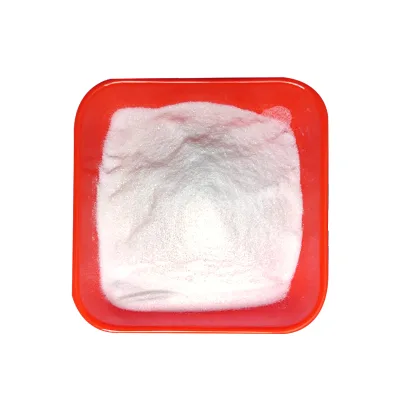
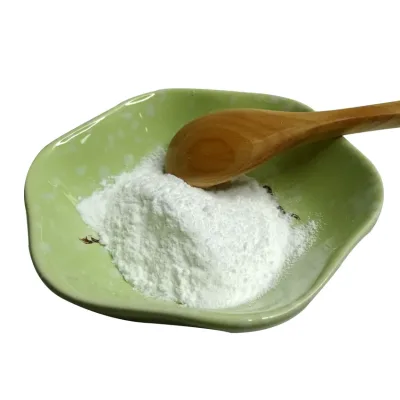
Cosmetic Grade Inulin Powder 90% Jerusalem Artichoke Extract Organic Inulin Powder
$30.00 - $80.00
MOQ: 1 Minimum
Xi'an Haoze Biotechnology Co., Ltd.
- Verified by BV
- Manufacturer/Factory
- China Shaanxi
- Lead time15 days
- Avg. response≤ 9h
Main productsNmn, Pharmaceutical Intermediates, Melatonin, Lidocaine, Coenzyme Q10, L-Carnitine, Plant Extract, Alpha Arbutin, Resveratrol, Quercetin
Main marketsSouth America,Eastern Europe,Mid East,North America,Southeast Asia,Eastern Asia,Oceania,Western Europe,Africa

Bulk Jerusalem Artichoke Extract Organic Inulin Liquid 60%- 90% Liquid Inulin
$6.50 - $9.00
MOQ: 25 kg

Wholesale Inulin Syrup Supplier Jerusalem Artichoke Extract 60% 90% Liquid Inulin
$3.20 - $6.00
MOQ: 1000 kg


Tianjin Chuangjiaguan Biotechnology Co., Ltd.
- Trading Company
- China Tianjin
- Lead time0 days
- Avg. response≤ 6h
Main productsWhey Protein Powder Monohydrate Creatine, Cocoa Butter, Cocoa Powder, Xanthan Gum, Milk Protein, Hydrolyzed Beef Protein, Creatine Anhydrous, Guar Gum, Limonene, Matcha Powder

Hunan New Mstar Biotechnology Co., Ltd.
- Trading Company,Manufacturer/Factory
- China Hunan
- Lead time15 days
- Avg. response≤ 12h
Main productsGreen Tea Extract L-Theanine, Soapberry/Soapnut/Sapindus Extract, Cranberry Extract, Lemon Balm Extract, Saw Palmetto Extract, Balck Garlic Extract, Milk Thistle Extract, Grape Seed Extract, Hibiscus Extract, Stevia Extract
Main marketsSouth America,Eastern Europe,Mid East,North America,Southeast Asia,Eastern Asia,Oceania,Western Europe

Artichoke Root Extract, 90%Inulin Powder, Chicory Root Extract Inulin Free Sample
$1.00 - $10.00
MOQ: 1 kg


Best Sale Jerusalem Artichoke Extract/Jerusalem Artichoke Powder/Chicory Root
$8.00 - $20.00
MOQ: 1 kg


Food Grade 90% Inulin Chicory Extract Powder/ Artichoke Chicory Root Extract
$1.00 - $20.00
MOQ: 25 kg

Qingdao Vista Bio. Tech. Co., Ltd
- Verified by BV
- Trading Company,Manufacturer/Factory
- China Shandong
- Lead time15 days
- Avg. response≤ 6h
Main productsPlant Extract Herbal Extract, Food Additives, Mushroom Extract Mushroom Powder, Green Tea Extract Saw Palmetto Extract, Fruit & Vegetable Powder, Garlic Extract Milk Thistle Extract, Health Raw Meterials, Red Yeast Rice Extract, Stevia Extract Marigold Extract
Main marketsSouth America,Eastern Europe,Mid East,North America,Southeast Asia,Western Europe

ISO Certified Organic Jerusalem Artichoke Root Extract Inulin Powder CAS 9005-80-5
$8.00 - $88.00
MOQ: 1 kg

100% Natural Wholesale Food Grade Jerusalem Artichoke Extract Inulin Synanthrin Powder
$8.00 - $88.00
MOQ: 1 kg

Baoding Faithful Industry Co., Ltd.
- Verified by TUVRHEINLAND
- Trading Company
- China Hebei
- Lead time15 days
- Avg. response≤ 4h
Main productsCollagen Powder, Pullulan Powder, Hyaluronic Acid Powder, Erythritol, Pepsin, Olive Leaf Extract, Plant Extract, Food Additives
Main marketsSoutheast Asia/ Mideast,East Asia(Japan/ South Korea),Europe,North America
- Verified by SGS Group
- Manufacturer, Trading Company
- Lead time3 days
Main productsNMN, PQQ, Ergothioneine, Fisetin, Black Pepper Extract
Main marketsNorth America(30%), Northern Europe(30%), Southeast Asia(20%)

- Verified by BV
- Combined
- China Hunan
- Lead time15 days
- Avg. response≤ 11h
Main productsMonk Fruit Extract, Stevia Leaf Extract, Sweet Tea Extract, Natural Sweeteners Formulation, Resveratrol, Coenzyme Q10, Ginseng Extract, Ginkgo Biloba Extract, Milk Thistle Extract, Lutein Zeaxanthin
Main marketsSoutheast Asia/ Mideast,Europe,North America
Shaanxi Green Bio-Engineering Co., Ltd
- Verified by SGS
- Trading Company
- China Shaanxi
- Lead time15 days
- Avg. response≤ 1h
Main productsFlavonoid, Luteolin, Genistein, Sophora Japonica Extract, Extract Powder, Curcumin, Turmeric Extract, Citrus Aurantium Extract, Apigenin, Ferulic Acid
Main marketsSoutheast Asia/ Mideast,Domestic


Rich in Inulin Natural Prebiotic for Supplements & Foods Jerusalem Artichoke Extract
$12.00 - $15.00
MOQ: 1 kg


Qingyang Interl-Healthcare Factory Co., Ltd.
- Verified by Intertek
- Manufacturer, Trading Company
- Lead time10 days
Main productsSupplements, Solid Drink, Herbal Extract, Compound Anti-wrinkle Powder, Compound Whitening Powder
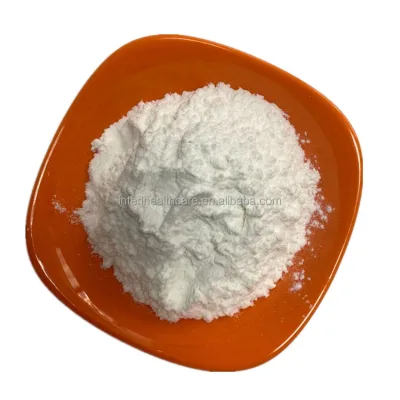
Free Sample Jerusalem Artichoke Extract Liquid Inulin Price Chicory Root Extract Inulin
$8.00 - $20.00
MOQ: 1 kilograms
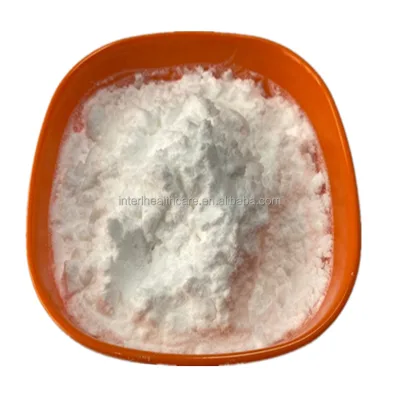
Food Grade Inulinase Chicory Root Jerusalem Cactus Extract Probiotic Bulk Inulin Powder
$25.60 - $66.56
MOQ: 1 Minimum
- Verified by TüVRheinland
- Manufacturer, Trading Company
- Lead time3 days
Main productsPlant Extrat
Main marketsNorth America(30%), Eastern Europe(20%), Oceania(20%)
- Verified by SGS
- Combined
- China Shaanxi
- Lead time15 days
- Avg. response≤ 4h
Main productsYucca Extract
Main marketsSouth America,Others(foreignTradeCapacity.exportBusinessCapacityMarketOther),Europe


High Purity 90% Inulin Powder Chicory Root Extract Inulin Jerusalem Artichoke
$4.99 - $5.99
MOQ: 1000 kg

JINAN BRIGHT SUNSHINE IMP.& EXP. CO., LTD.
- Verified by TUVRHEINLAND
- Trading Company
- China Shandong
- Lead time15 days
- Avg. response≤ 14h
Main productsFresh Garlic, Fresh Ginger, Soy Asparagus, Fuzhu, Soy Sauce, Dehydrated Garlic Flake, Dehydrated Garlic Granules, Dehydrated Garlic Powder, Cinnamon, Chilli
Main marketsSouth America,Southeast Asia/ Mideast,Europe,North America
- Trading Company
- Hebei, China
- Lead time10 days
- Avg. response≤ 2h
Main productsTomato Products,Plant-Based Products,Fruit And Vegetable Juice And Puree,FD/AD Fruit And Vegetables,Food Additives
Main marketsSouth Asia(10.00%), Southern Europe(10.00%), Southeast Asia(10.00%), Central America(10.00%), Mid East(10.00%), North America(10.00%), Domestic Market(5.00%), Oceania(5.00%), Africa(5.00%), Northern Europe(5.00%), Eastern Europe(5.00%), Western Europe(5.00%), Eastern Asia(5.00%), South America(5.00%)

Qingdao LC Commercial & Trade Co., Ltd.
- Trading Company
- China Shandong
- Lead time15 days
- Avg. response≤ 24h
Main productsOnion, Frozen Food
Main marketsSouth America,Africa,Europe

Qingdao Rich Farmer International Trade Co., Ltd.
- Verified by BV
- Trading Company
- China Shandong
- Lead time15 days
- Avg. response≤ 3h
Main productsFresh Garlic, Fresh Peeled Garlic, Fresh Ginger, Fresh Onion, Fresh Carrot, Fresh Potato, Fresh Apple, Fresh Pear, Dried Goji Berry, Fresh Shallot
Main marketsAfrica,Southeast Asia/ Mideast,North America

Laiwu Manhing Vegetables Fruits Corporation
- Verified by TUVRHEINLAND
- Combined
- China Shandong
- Lead time15 days
- Avg. response≤ 14h
Main productsGinger, Sushi Ginger
Main marketsSoutheast Asia/ Mideast
Changchun Golden Seed Agricultural Products Co., Ltd.
- Verified by SGS Group
- Manufacturer, Trading Company
- Lead time10 days
Main productsGinseng, Extract, Pine Nut, Black Fungus, Herbal Tea
Main marketsNorth America(15%), Eastern Europe(15%), Southeast Asia(15%)

- Verified by BV
- Combined
- China Shaanxi
- Lead time15 days
- Avg. response≤ 6h
Main productsBroccli Extract, Yucca Extract, Plant Extract
Main marketsEurope

Chicory Root Inulin 99% Manufacturer China Bulk Price Jerusalem Artichoke 99% Powder Inulin
$5.50 - $7.00
MOQ: 1 kilograms

China Herb Factory Hot Sale Food Grade Jerusalem Artichoke Chicory Root Extract Inulin Powder
$30.00 - $35.00
MOQ: 1 kilogram

Hot Sale Free Sample Artichoke Extract Liver Support Supplement Artichoke Extract Powder
$10.00 - $21.00
MOQ: 1 kg

$8.50 - $12.00
MOQ: 1 kilogram
Qingdao Songwal Biotech Co., Ltd.
- Manufacturer/Factory
- China Shandong
- Lead time23 days
- Avg. response≤ 4h
Main productsAmino Acid, Food Additives, Feed Additives, Chemicals, Pharmaceutical Intermediates, Vitamin, Water Reducing Agent, Pharm Raw Materials
Main marketsSouth America,Eastern Europe,Mid East,North America,Southeast Asia,Eastern Asia,Oceania,Western Europe,Africa


Factory Supply High Quality Bulk Wholesale Artichoke Thistle Extract 4: 1 10: 1 Powder
$25.00 - $30.00
MOQ: 25 kg

Changsha Vigorous-Tech Co., Ltd.
- Verified by SGS
- Combined
- China Hunan
- Lead time15 days
- Avg. response≤ 6h
Main productsMushroom Extract, Tea Powder, Fruit Powder, Natural Sweetener, Natural Pigments, Vegetable Powder, Instant Water Soluble Powder , Botanical Extract
Main marketsSouth America,Africa,Southeast Asia/ Mideast,East Asia(Japan/ South Korea),Europe,Australia,North America

Xi'an Tongze Biotech Co., Ltd.
- Verified by BV
- Manufacturer/Factory
- China Shaanxi
- Lead time15 days
- Avg. response≤ 1h
Main productsPlant Extract, Nutritional Supplements, Ivermectin, Weight Loss, Peptide, Glutathione, Nmn, Chemical Product, Veterinary Medicine, Pharmaceutical
Main marketsSouth America,Eastern Europe,Mid East,North America,Southeast Asia,Eastern Asia,Oceania,Western Europe,Africa

Xi'an Quanao Biotech Co., Ltd.
- Verified by SGS
- Combined
- China Shaanxi
- Lead time15 days
- Avg. response≤ 7h
Main productsPlant Extract, Aniamal Extract, Fruit and Vegetable Powder, Natural Pigment, Natural Active Ingredients, Food Additives, Supplement Materials, Plants Protein and Animal Protein, Apis, Cosmetic Materials
Main marketsSoutheast Asia/ Mideast,Australia

Factory Supply Halal Certificate Artichoke Leaf Extract Pure Artichoke Powder
$8.00 - $15.00
MOQ: 1 kg

Wholesale Food Grade Artichoke Leaf Extract 5% Cynarin Artichoke Extract Powder
$8.90 - $13.50
MOQ: 1 kg
Shaanxi Dongjiang Kangtai Health Industry Co., Ltd.
- Verified by SGS
- Manufacturer
- China Shaanxi
- Lead time15 days
- Avg. response≤ 6h




Comprehensive Sourcing Guide
Jerusalem Artichoke Inulin Supplier Concentration and Factory Types
The supply base for Jerusalem Artichoke Inulin is distributed across specific industrial regions rather than being uniformly spread. Current data indicates a presence in Anhui and Hunan provinces in China, suggesting that buyers should look for clusters in these areas when mapping their sourcing landscape. These locations often host both manufacturing facilities and trading companies, which creates a mixed ecosystem. Understanding this geographic distribution helps buyers identify where the core production capacity lies. It is crucial to distinguish between pure manufacturers and trading entities, as the operational model significantly impacts quality control and cost structures. Manufacturers typically own the extraction lines and raw material processing units, while traders may aggregate products from various smaller factories. This distinction affects the level of direct oversight a buyer can exert over the production process.
When evaluating factory types, consider the primary product focus of each entity. Some suppliers specialize exclusively in botanical extracts, including inulin, while others offer a broader portfolio that includes chemical resins, adhesives, or other food additives. A supplier with a narrow focus on plant extracts may have more specialized expertise in inulin extraction and purification. Conversely, a diversified supplier might offer better logistics flexibility but potentially less technical depth in this specific ingredient. Buyers should verify whether the supplier is a manufacturer or a trading company by checking their company type labels. This information is often available in supplier profiles and helps in assessing the supply chain's transparency. Additionally, look for suppliers who list specific main products related to inulin, such as liquid syrup or powder forms, to ensure they have the relevant production capabilities.
How to Verify Jerusalem Artichoke Inulin Suppliers
Verification is a critical step in ensuring the reliability of Jerusalem Artichoke Inulin suppliers. Start by checking for third-party verification badges, such as those provided by independent inspection agencies. For instance, some suppliers are verified by entities like TUV Rheinland, which adds a layer of credibility to their operational claims. While not all suppliers will have this specific badge, the presence of any reputable third-party verification is a positive indicator. Buyers should also review the supplier’s system certifications. Common certifications in this sector include ISO 9001 for quality management and ISO 14000 for environmental management. These certifications indicate that the supplier adheres to standardized processes for quality and environmental responsibility. However, the absence of these certifications does not automatically disqualify a supplier, but it warrants further investigation into their internal quality control measures.
Beyond formal certifications, buyers should examine the supplier’s response time and communication efficiency. A responsive supplier is often more reliable in handling order inquiries and resolving issues. Look for suppliers who provide detailed product specifications, including assay methods like HPLC or UV, which are standard for verifying inulin content. The availability of samples is another key verification point. Suppliers who offer samples allow buyers to test the product’s quality, purity, and suitability for their specific application before committing to a large order. Additionally, check for any product-specific certifications mentioned in the product details, such as HACCP or FDA compliance, which are relevant for food-grade inulin. These details help confirm that the supplier meets the regulatory requirements for food ingredients. By combining third-party verification, system certifications, and product-specific data, buyers can build a comprehensive picture of a supplier’s reliability.
What to Compare Across Jerusalem Artichoke Inulin Suppliers
When comparing suppliers, focus on key operational metrics that directly impact your procurement strategy. Lead time is a crucial factor, as it determines how quickly you can receive your order. Some suppliers may have a lead time of around 15 days, which is relatively standard for this type of product. However, lead times can vary based on production schedules and inventory levels. Buyers should compare lead times across multiple suppliers to identify those who can meet their delivery deadlines. Another important metric is the Minimum Order Quantity (MOQ). Suppliers may have different MOQs, ranging from 1 kg for small-scale testing to 250 kg for bulk orders. Understanding the MOQ helps buyers plan their inventory and cash flow effectively. A lower MOQ is beneficial for new buyers or those testing the product, while a higher MOQ may offer better pricing for large-scale operations.
Response speed is another dimension to consider when comparing suppliers. A faster response time indicates a more efficient communication process, which can be vital for resolving issues or adjusting orders. Some suppliers may have a response time of around 7.5 to 7.76 hours, which is relatively quick. Buyers should prioritize suppliers who can provide timely responses to their inquiries. Additionally, compare the main products offered by each supplier. Some may specialize in inulin syrup, while others offer inulin powder or other related extracts. This specialization can affect the supplier’s expertise and the quality of the product. By comparing these metrics, buyers can identify suppliers who align with their specific needs and operational requirements. It is essential to gather this data from multiple suppliers to make an informed decision.
Common Jerusalem Artichoke Inulin Sourcing Risks
Sourcing Jerusalem Artichoke Inulin comes with several risks that buyers must be aware of. One significant risk is variability in product quality. Inulin content can vary based on the extraction method and the quality of the raw material. Buyers should ensure that the supplier provides consistent assay results, such as HPLC or UV, to verify the inulin percentage. Inconsistent quality can lead to issues in the final product, affecting its performance and safety. Another risk is supply chain disruption. Dependence on a single supplier or region can increase vulnerability to disruptions, such as natural disasters or logistical issues. Diversifying the supplier base can mitigate this risk. Buyers should consider sourcing from multiple suppliers or regions to ensure a stable supply. Additionally, regulatory compliance is a critical risk. Inulin is a food ingredient, and buyers must ensure that the supplier complies with relevant food safety regulations. Non-compliance can lead to legal issues and product recalls.
Another common risk is price volatility. The price of inulin can fluctuate based on raw material costs, demand, and market conditions. Buyers should monitor price trends and negotiate contracts that include price protection clauses. Additionally, there is a risk of misrepresentation. Some suppliers may exaggerate their capabilities or certifications. Buyers should verify all claims through third-party inspections or sample testing. By understanding these risks, buyers can take proactive steps to mitigate them. This includes conducting thorough due diligence, diversifying suppliers, and maintaining open communication with suppliers. Regular audits and quality checks can also help ensure that the supplier continues to meet the required standards. By addressing these risks, buyers can secure a reliable and high-quality supply of Jerusalem Artichoke Inulin.
Jerusalem Artichoke Inulin Regional Sourcing and Logistics
Regional sourcing plays a significant role in the logistics and cost of Jerusalem Artichoke Inulin. Suppliers located in Anhui and Hunan provinces in China are common sources for this product. These regions have established industrial infrastructure that supports the production and export of botanical extracts. Buyers should consider the proximity of the supplier to their destination when planning logistics. Sourcing from a nearby region can reduce shipping costs and lead times. However, buyers should also consider the supplier’s export capabilities and experience in international shipping. Suppliers with a track record of exporting to various regions are likely to have better logistics processes. Additionally, consider the packaging options available. Inulin is often packed in drums or bags, and the packaging must be suitable for long-distance transport. Buyers should ensure that the packaging meets the requirements for safe and efficient shipping.
Logistics planning also involves understanding the shipping methods and transit times. Sea freight is a common method for bulk orders, while air freight may be used for smaller, urgent orders. Buyers should compare the costs and transit times of different shipping methods to choose the most efficient option. Additionally, consider the customs and import regulations in the destination country. Inulin is a food ingredient, and buyers must ensure that it complies with local import requirements. This includes obtaining the necessary permits and documentation. By planning logistics carefully, buyers can ensure a smooth and cost-effective supply chain. Regular communication with the supplier and logistics provider is essential to address any issues that may arise during transit. By considering regional sourcing and logistics, buyers can optimize their procurement process for Jerusalem Artichoke Inulin.
Jerusalem Artichoke Inulin Commercial Terms and Order Planning
Commercial terms are a critical aspect of sourcing Jerusalem Artichoke Inulin. Buyers should negotiate terms that align with their financial and operational needs. Price is a key factor, and buyers should compare prices across multiple suppliers to ensure they are getting a competitive rate. Prices for inulin can vary based on the form, purity, and quantity. For example, inulin syrup may have a different price range compared to inulin powder. Buyers should also consider the payment terms. Common payment terms include advance payment, letter of credit, or open account. Choosing the right payment term depends on the buyer’s cash flow and the supplier’s creditworthiness. Additionally, consider the delivery terms, such as FOB, CIF, or DDP. These terms determine who is responsible for shipping and insurance. By negotiating favorable commercial terms, buyers can reduce costs and mitigate risks.
Order planning involves determining the quantity and frequency of orders. Buyers should consider their inventory levels and demand forecasts when planning orders. Ordering too much can lead to excess inventory and storage costs, while ordering too little can result in stockouts. Buyers should aim to strike a balance between these two extremes. Additionally, consider the lead time when planning orders. A longer lead time requires more advance planning to ensure that the product is available when needed. Buyers should also consider the flexibility of the supplier. Some suppliers may allow for partial shipments or order adjustments, which can be beneficial for managing inventory. By planning orders carefully, buyers can ensure a steady supply of Jerusalem Artichoke Inulin while minimizing costs and risks. Regular review of order performance and supplier reliability is essential for continuous improvement.
FAQs
What is the minimum order quantity for liquid inulin syrup?
The minimum order quantity for liquid inulin syrup is 1kg. This low threshold allows buyers to test product quality and compatibility with their formulations before committing to larger production runs. Suppliers typically offer this flexibility to support initial sampling and pilot testing phases.
What are the standard packaging options for inulin products?
Standard packaging for inulin products includes 250kg drums for liquid syrup and 25kg drums for powder. These formats are designed for efficient bulk transport and storage. Buyers should verify that the packaging meets their specific facility requirements and regulatory standards for food-grade ingredients.
What is the typical lead time for inulin shipments?
The typical lead time for inulin shipments is 15 days. This duration covers production, quality control, and preparation for export. Buyers should factor in additional time for international logistics and customs clearance to ensure their supply chain remains uninterrupted.
What certifications do inulin suppliers typically hold?
Suppliers often hold ISO 9001 and ISO 14000 certifications, indicating adherence to quality and environmental management standards. Some products may also list HACCP and FDA compliance. Buyers should request current certificates to verify that the supplier maintains these standards consistently.
What is the shelf life of Jerusalem Artichoke Inulin?
The shelf life of Jerusalem Artichoke Inulin is typically 18 months for liquid syrup and up to 3 years for powder. Proper storage in a cool, dry place is essential to maintain product stability. Buyers should check the specific expiration date on each batch to ensure freshness upon arrival.
What are the main applications of inulin in food products?
Inulin is used as a sugar replacer, fat replacer, and dietary fiber source. It improves mouthfeel in low-calorie products and supports blood sugar management. Its natural origin and water-soluble properties make it suitable for beverages, baked goods, and health supplements.
What is the price range for inulin syrup?
The price range for inulin syrup typically falls between $4.50 and $10.00 per unit. Prices vary based on concentration, volume, and specific supplier terms. Buyers should request detailed quotes that include shipping costs and any applicable taxes to compare total landed costs accurately.