Source Wired SAILOR IP Handset for field, marine, and industrial use
Compare 30 Wired SAILOR IP Handset options from verified Chinese suppliers. These rugged units feature IP68 ratings, MIL-PRF-49078 compliance, and compatibility with PRC-70 radios for secure field and marine communications; compare the available evidence and request quotations based on your requirements.
Updated
Key considerations
Products List


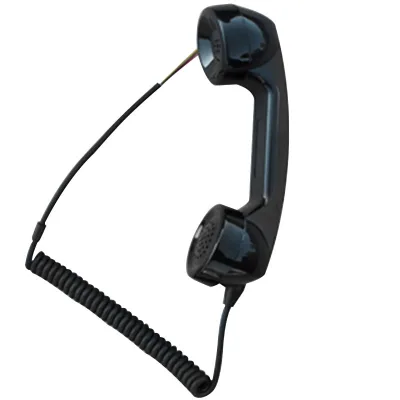
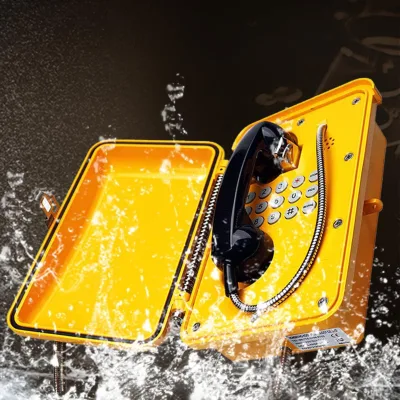
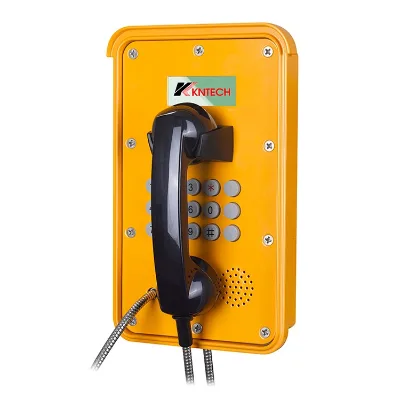
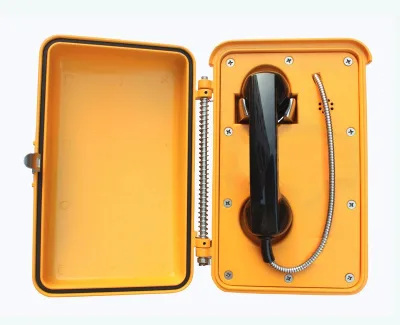
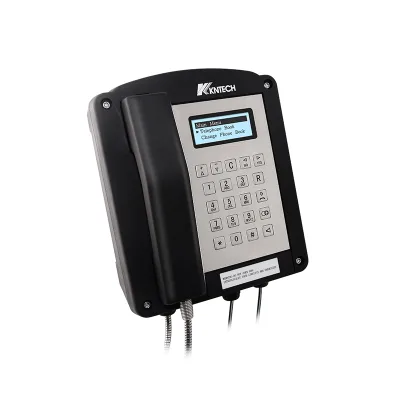
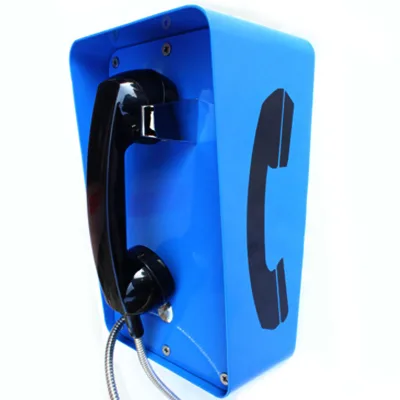


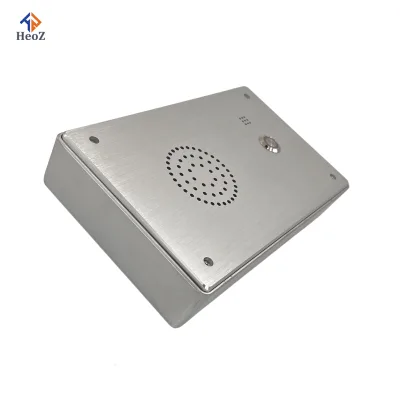
VoIP/ Analogue Wireless Prison Telephone Inmate Intercom Phone with Handset
$239.00 - $339.00
MOQ: 1 Pieces


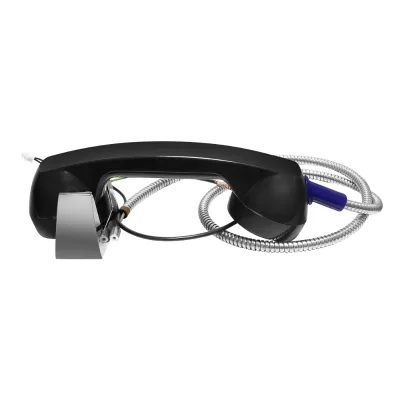
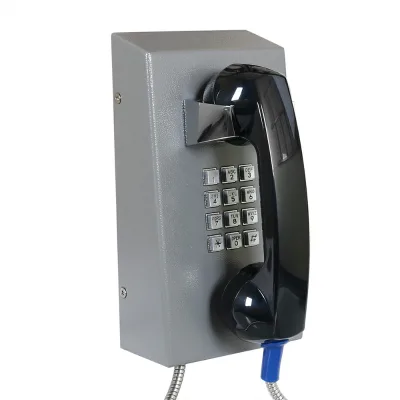
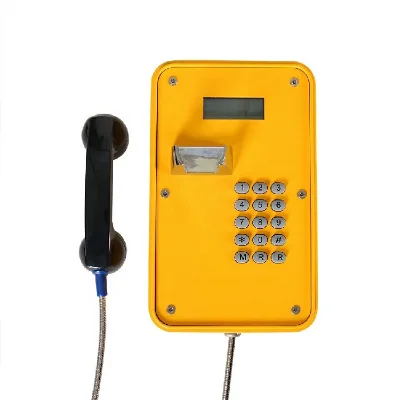
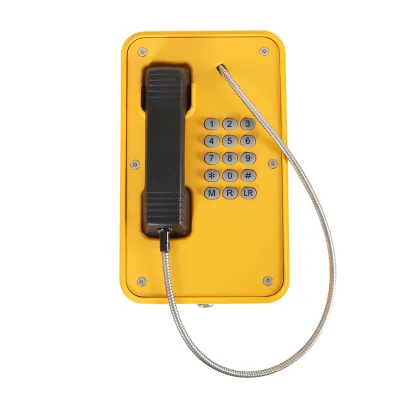
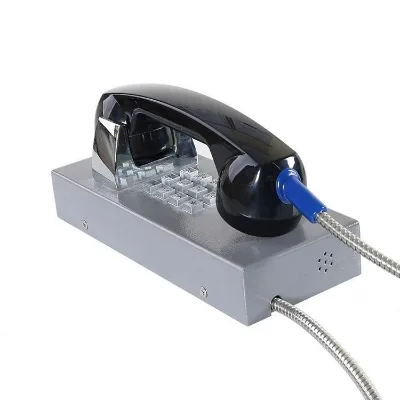
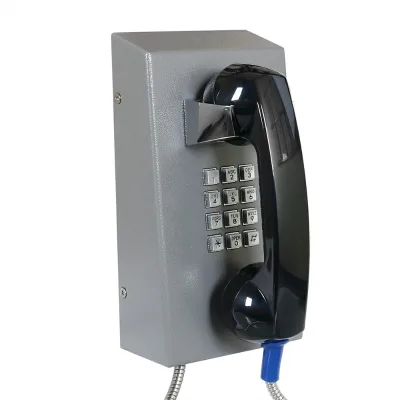


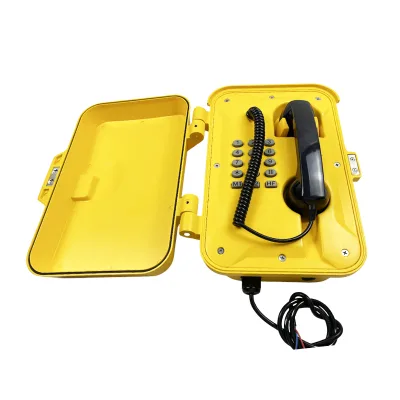
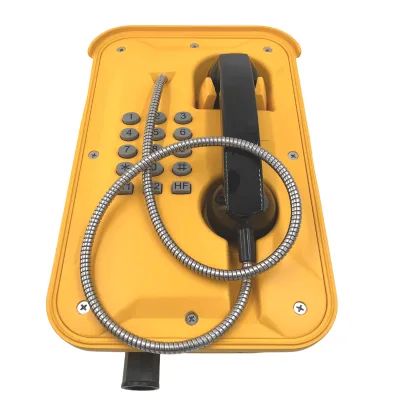
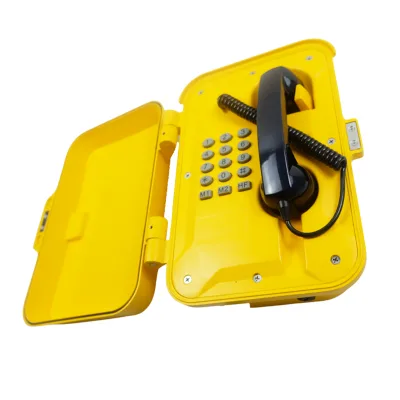
Customized Wall Telephone Handset Roadside Telephone Industrial Phones For Tunnel Marine Oil Gas
$171.7079 - $181.9899
MOQ: 1 units
Comprehensive Sourcing Guide
Wired SAILOR IP Handset Sourcing Guide
Wired sailor IP handsets serve demanding communication roles where wireless devices fail: marine decks, field radio setups, and industrial telephone stations exposed to water, dust, and physical impact. For procurement teams, the core challenge is distinguishing genuinely rugged handsets from ordinary corded phones dressed up with marine terminology. The listings observed in this category cluster around military handset equivalents, weatherproof telephone handsets, and armoured corded phone components, with prices spanning roughly USD 5.95 to 620 and minimum order quantities ranging from a single unit to 3,000 pieces. That spread tells you the market serves both spare-part replacement buyers and volume integrators, so your first decision is defining which buyer you are.
Before contacting suppliers, document your deployment environment, required interface compatibility, and expected duty cycle. A handset replacing an H-250/U military handset for man-pack radios has different requirements than a weatherproof payphone handset for a public installation. Establishing this upfront lets you filter listings efficiently, request comparable quotations, and avoid paying for ruggedness ratings or military interchangeability you will never use in your actual application.
Product Scope and Observed Listing Signals
The observed listings fall into recognizable product families. Military-style handsets appear with original part numbers such as HR-250/U, interchangeability with H-250/U and H-189/GR handsets, and compatibility with AN/PRC-70 and AN/PRC-77 radios, identified by NSN references. Alongside these are weatherproof telephone handsets such as the KNSP-01 and KNTECH's T2 payphone handset, built in PC/ABS with anti-strike construction. Understanding which family a listing belongs to helps you interpret the specifications correctly, because military handset listings emphasize radio compatibility while weatherproof telephone listings emphasize enclosure protection and durability.
Additional listing signals worth noting: several products are marked "Without Touch Screen" and "Without Display," confirming these are voice-only wired devices rather than smart terminals; accessories listed include telephone cords and telephone headsets; customization is marked available on multiple listings; and condition is new. Origin locations cited include Shenzhen and Guangdong, China, and brand names such as KNTECH appear. Use these observations as comparison anchors when evaluating supplier catalogs, but always request confirmation for your specific order.
Technical Specifications to Verify
Two specification areas deserve first attention: audio components and environmental protection. Listings cite a 150 Ohm dynamic, noise-canceling microphone type and 1000 Ohm speaker impedance, alongside insulation specified at DC greater than 500V and PTT switch life rated at 2,000,000 cycles. These figures matter for field phone and man-pack radio applications where ambient noise and switching frequency are high. Verify that any quoted handset matches the impedance your radio or telephone system expects, and confirm whether the noise-canceling microphone specification applies to the exact model you are buying.
Environmental ratings vary across the category: observed listings cite IP68 waterproof standard, IP66 defence grade, and certificates mentioning IP65. These are not interchangeable ratings, so ask the supplier which specific model carries which rating and what test basis supports it. Also confirm physical attributes listed, such as a 320×205×120mm enclosure size for weatherproof telephones, 32×12×20cm single package size for handsets, and approximately 0.5kg unit weight or 1.1kg gross packaged weight, so your mounting plans and freight calculations are accurate.
Compliance and Safety Documentation
Observed certifications in the category include ISO and CE marks on one listing and IP65, EMC, FCC, and RoHS certificates on another, and one military-style listing references Mil-Prf-49078 as a standard. Treat these as attributes of specific listings rather than guarantees across a supplier's whole catalog. Before ordering, request copies of the actual certificates matching your model and production batch, and check that certificate numbers, scope, and validity dates align with what the listing claims. A mismatch between advertised marks and presented documents is a serious red flag.
For military interchangeability handsets, ask specifically how the Mil-Prf-49078 requirement is met or demonstrated, since not every listing claiming interchangeability will hold formal conformance documentation. For public or commercial installations, confirm which of FCC, CE, EMC, or RoHS apply in your destination market and which the supplier can evidence. Buyers should also clarify whether IP-rated enclosures are tested as complete assemblies or as components only, because a handset rated IP66 alone does not make the connected telephone system IP66.
Cost Drivers and Commercial Terms
Observed pricing ranges from USD 5.95 to 620 per unit, and MOQs range from 1 to 3,000 pieces, which reflects the split between simple handset spares and complete weatherproof telephone units. Expect cost to move with environmental rating, military interchangeability requirements, material grade such as PC/ABS versus lighter plastics, and customization level. Items marked "Customized" or with available customization typically carry different pricing and lead-time profiles than catalog-standard units, so request separate quotations for standard and customized configurations.
On commercial terms, note the observed packaging methods: hard kraft carton for one listing and plastic bag plus inner box for another, with single-item selling units. Ask how your chosen packaging affects freight cost and product protection, especially for armoured handsets shipped in volume. Confirm whether the stated 1-year warranty applies to your configuration, what it covers, and how warranty claims are handled internationally. Because MOQ and price tiers vary so widely in this category, obtain at least three quotations on identical specifications before committing.
Supplier Qualification and Quality Control
Qualify suppliers on demonstrated manufacturing depth rather than listing breadth. The observed category is concentrated in Shenzhen and Guangdong, China, with brands like KNTECH producing weatherproof and payphone handsets across multiple models. Request factory information, production capability for your volume, and evidence of consistent quality processes, such as ISO certification coverage relevant to your product. For military-style handsets, ask how the supplier controls interchangeability tolerances and whether they can supply units traceable to the cited NSN numbers and original part numbers.
For quality control, define an inspection plan before ordering. Suggested checkpoints include incoming material verification for PC/ABS housings, PTT life-cycle sampling against the stated 2,000,000 cycles, insulation testing at DC greater than 500V, and impedance verification of speakers and microphones against quoted values. For IP-rated products, request the test method and, where feasible, conduct water-ingress checks on samples from the actual production run. Pre-shipment inspection reports and retained samples from each batch provide accountability across repeat orders.
Long-Term Procurement Checks
Plan for continuity, because handsets in this category are frequently replacement components for installed systems with long service lives. Confirm the supplier's commitment to continued production of your specific model, since listings show multiple model numbers such as T2 and KNSP-01 within a single brand, and older part numbers may be superseded. Ask for a written policy on model phase-out, last-time-buy quantities, and notification periods, so a fleet of field phones or weatherproof telephones never loses its spare-parts source without warning.
Maintain a documented specification baseline for every repeat order: model number, IP rating, impedance figures, microphone type, weight, dimensions, packaging format, and applicable certificates. Re-verify certificates annually, since CE, FCC, RoHS, and EMC statuses can lapse or change scope. Track warranty performance, including any 1-year warranty claim rates, to inform future supplier decisions. Finally, hold safety stock calculated from your failure history and lead times, and periodically retest stored handsets to catch aging in seals, cords, and switches before deployment.
FAQs
How durable is a Wired SAILOR IP Handset in harsh marine environments?
A Wired SAILOR IP Handset is built for harsh conditions, and listed models carry environmental ratings such as IP68 or IP66 for waterproof protection. Some products also reference anti-strike construction and PC/ABS housing material. Durability depends on the specific model, so buyers should confirm the exact rating and housing specification with the supplier before ordering for marine use.
What certifications should I check before sourcing these handsets?
Check for ISO and CE certification, which are listed for certain models, along with IP65, EMC, FCC, and RoHS certificates noted on other products. Military-grade references such as Mil-Prf-49078 also appear for handset lines interchangeable with H-250/U equipment. Always request current certificate copies from the supplier, since certification coverage varies by model and production batch.
Can these handsets support customization for specific vessel systems?
Yes, customization is listed as available, and some products are marked as customized offerings. Buyers can request changes to color, packaging, or compatibility features, though scope depends on the manufacturer and order volume. Because minimum order quantities range widely, confirm customization requirements, tooling costs, and any applicable MOQ adjustments directly with the supplier before placing a trial order.
What warranty and packing options are typically offered?
A one-year warranty is listed for these products, which gives buyers baseline post-delivery protection. Packing options noted include hard kraft carton packaging and plastic bag with inner box arrangements, with a single gross weight around 1.1 kilograms for one model. Confirm warranty scope, spare parts availability, and export-ready packing details in writing before confirming your purchase order.
Which radio systems are the military handset models compatible with?
Listed handset models are compatible with AN/PRC-70 and AN/PRC-77 radios and are interchangeable with H-250/U and H-189/GR handsets. The original part number reference is HR-250/U, with associated NSN codes provided. If your vessel or field equipment uses different radio hardware, verify connector type and electrical specifications such as the 150 ohm dynamic noise-canceling microphone with the supplier.
How do I evaluate a supplier before ordering wired handsets?
Start by verifying the supplier's certifications, such as ISO and CE, and request test documentation for the claimed IP68 waterproof rating. Review stated specifications including microphone type, speaker impedance, and PTT life cycles of around two million operations. Ask about warranty terms, packing methods, origin details in China, and whether customization is genuinely supported for your required configuration and volume.