Desktop Monochrome Screen Printing Machine Suppliers and Manufacturers
Source 24 verified Desktop Monochrome Screen Printing Machine suppliers from China. Compare key dimensions including lead times, MOQs, certifications, and response rates. Review product specs and request quotes to streamline your procurement process; review the available evidence before requesting comparable quotations from suitable candidates.
Suppliers List

Anhui Innovo Bochen Machinery Manufacturing Co., Ltd.
- Verified by TUVRHEINLAND
- Combined
- China Anhui
- Lead time30 days
- Avg. response≤ 5h
Main productsPrinting Machine, Printing Machinery, Stamping Machine, Paper Cutter, Laminater, UV Coater, Book Binding Machine, Stitching Machine, Punching Machine, Die Cutting Machine
Main marketsSoutheast Asia/ Mideast,Domestic,Europe,Australia,North America


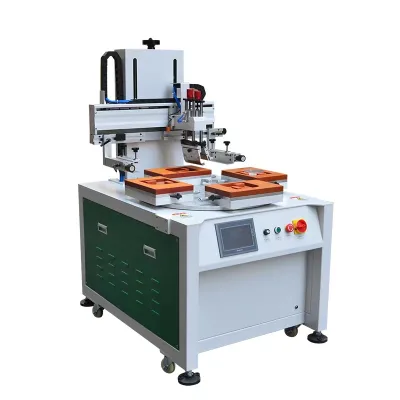
6090 Semi Automatic Screen Printing Machine
MOQ: 1 set/sets

Dongguan Hoystar Machinery Co., Ltd.
- Verified by SGS
- Manufacturer
- China Guangdong
- Lead time15 days
- Avg. response≤ 5h
Main productsScreen Printing Machine, Pad Printing Machine, UV Curing Machine, Infrared Drying Machine, UV Exposure Machine
Main marketsAfrica

- Combined
- China Zhejiang
- Lead time30 days
- Avg. response≤ 10h
Main productsScreen Printing Machine, Flexo Printing Machine, Gravure Printing Machine, Plastic Machine, Packaging Machine, Bag Making Machine, Creasing and Cutting Machine, Slitting Machine, Paper Cup Forming Machine, Paper Convert Machine
Main marketsSouth America,Africa,Southeast Asia/ Mideast

Shijiazhuang Shenghui Machinery Technology Co., Ltd.
- Combined
- China Hebei
- Lead time23 days
- Avg. response≤ 23h
Main productsScreen Printing, Screen Printer, Label Printing Machine, Screen Printing Machine, Printing Machine, Printing Machinery, Hyb Seamless Series, Hya Thick Material Series, Automatic Screen Printing Machine
Main marketsSouth America,Others(foreignTradeCapacity.exportBusinessCapacityMarketOther),Southeast Asia/ Mideast,Domestic

Wenzhou Quanfeng Garment Accessories Co., Ltd.
- Trading Company,Manufacturer/Factory
- China Zhejiang
- Lead time23 days
- Avg. response≤ 9h
Main productsLabel Printing Material, Polyester Satin, Seal Tag, Rubber Label, Plastic Seal Tag, Woven Label, Label Ribbon, TTR Ribbon, Woven Edge Satin Ribbon, Cotton Tape
Main marketsSouth America,Eastern Europe,Mid East,North America,Southeast Asia,Eastern Asia,Oceania,Western Europe,Africa

Wenzhou Hongying Machinery Co., Ltd.
- Verified by CTI
- Combined
- China Zhejiang
- Lead time30 days
- Avg. response≤ 18h
Main productsPaper Bags Machine, Envelope Making Machine, Envelope Machine, Paper Bags Making Machine, Window Patching Machine, Envelope Folding Machine, Die Cuting Machine, Printing Machine, Envelope Gluing Machine
Main marketsSouth America,Africa,Southeast Asia/ Mideast

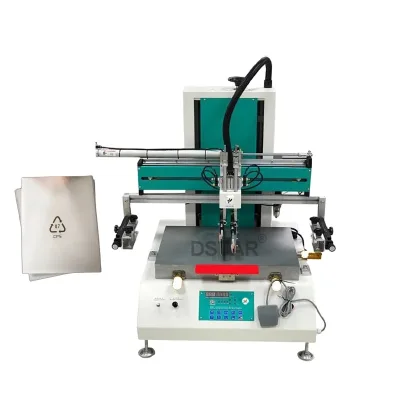
Microcomputer Screen Printing Machine
MOQ: 1 Pieces


Dongguan RealTech Machinery Equipment Co., Ltd.
- Combined
- China Guangdong
- Lead time15 days
- Avg. response≤ 5h
Main productsUV Curing Machine, Automatic Screen Printing Machine
Main marketsSoutheast Asia/ Mideast,Europe,North America
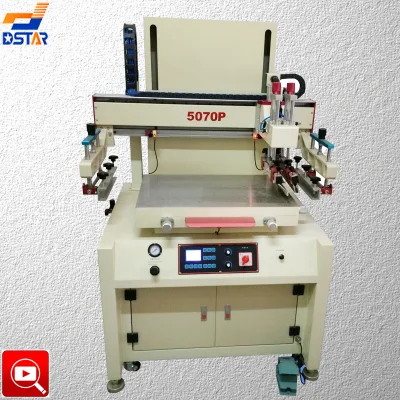
Shenzhen DSTAR Machine Co., ltd.
- Manufacturer
- Guangdong, China
- Lead time15 days
- Avg. response≤ 5h
Main productsautomatic pad printing machine,screen printing machine,foil stamping machine,heat transfer printing machine,printing consumable
Main marketsDomestic Market(40.00%), South Asia(15.00%), North America(12.00%), Southeast Asia(10.00%), Western Europe(8.00%), Africa(5.00%), Southern Europe(5.00%), South America(3.00%), Oceania(1.00%), Eastern Asia(1.00%)

- Verified by BV
- Trading Company
- China Hebei
- Lead time15 days
- Avg. response≤ 3h
Main productsPolyester Screen Printing Mesh, Screen Printing Squeegee, Aluminum Screen Printing Frames, Bolting Cloth, Screen Printing, Screen Printing Machine, Filter Mesh, Filter Bag, Bag Filter Housing
Main marketsAfrica,Others(foreignTradeCapacity.exportBusinessCapacityMarketOther),Southeast Asia/ Mideast,Europe,Australia,North America

Desktop Micro-Adjust Four Color Two Station Single Wheel Overprinting Screen Printing Machine
$274.00 - $296.00
MOQ: 1 Pieces


- Verified by TUVRHEINLAND
- Trading Company,Manufacturer/Factory
- China Zhejiang
- Lead time23 days
- Avg. response≤ 16h
Main productsSoft Cover Book Machines, Hard Cover Book Machines, Exercise Book Machines, Spiral Binding Book Machines, Postpress Machines, Color Boxes Making Machines, Rigid Box Making Machines, Paper Bag Machine Machines
Main marketsSouth America,Eastern Europe,Mid East,North America,Southeast Asia,Eastern Asia,Oceania,Western Europe,Africa

Shenzhen Tamprinter Printing Machin
- Verified by BV
- Combined
- China Guangdong
- Lead time23 days
- Avg. response≤ 3h
Main productsAutomatic Screen Printing Machine, UV Curing Machine, IR Tunnel Dryer, Label Screen Printer, Sheet Tunnel UV Dryer, Printing Tunnel Dryer, Clam Shell Screen Printer, Vertical Screen Printer, Sieve Re-Mesh Table, Exposure Machine
Main marketsEurope,North America


High Accuracy Vertical Screen Printing Machine for Industrial Applications
$5000.00 - $12000.00
MOQ: 1 Pieces

Guangdong Yincai Science & Technology Co., Ltd.
- Verified by SGS
- Manufacturer/Factory
- China Guangdong
- Lead time23 days
- Avg. response≤ 11h
Main productsUV LED Screen Printing Ink, Solvent Screen Printing Ink, Printing Services, Water Transfer Sticker, Screen Printing Machine, LED/UV Curing Machine, Hot Stamping Machine, Pre-Press Equipment, Printing Materials, Foil
Main marketsSouth America,Eastern Europe,Mid East,North America,Southeast Asia,Eastern Asia,Oceania,Western Europe,Africa

Shanghai SHM International Trading Co., Ltd.
- Trading Company
- China Shanghai
- Lead time45 days
- Avg. response≤ 16h
Main productsTray Former, UV Coating Machine, Screen Printing Machine, Round Box Making Machine, Gluing Machine, Vanishing Machine, Roll to Roll Screen Printing Machine, Paper Bag Making Machine, Book Making Machine, Carton Erecting Machine
Main marketsSouth America,Africa,Southeast Asia/ Mideast,East Asia(Japan/ South Korea),Europe,Australia,North America

Printing Speed 750m/H 950m/H Optical Registering Screen Printing Machine
$5000.00 - $200000.00
MOQ: 1 Pieces

Shanghai Gold-Up Screen Printing Facilities Co., Ltd.
- Trading Company
- Shanghai, China
- Lead time5 days
- Avg. response≤ 2h
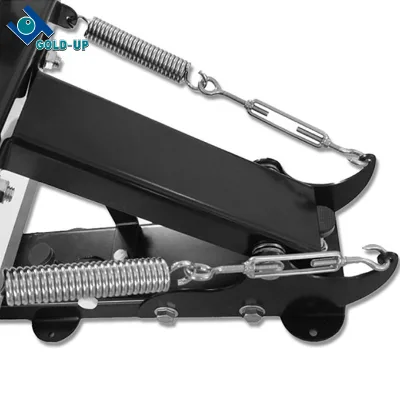
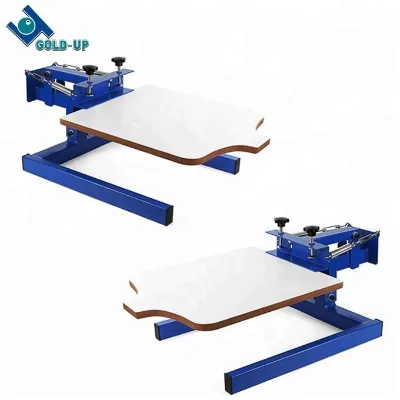
Main productsScreen Aluminumen Printing Frames,Screen Printing Screens,SMT Stencil for PCB printing,Screen Printing Squeegee Blade,Screen Printing Scoop Coater
Main marketsWestern Europe(20.00%), North America(20.00%), Eastern Asia(10.00%), Northern Europe(8.00%), Oceania(7.00%), South America(7.00%), Domestic Market(5.00%), Eastern Europe(5.00%), Central America(5.00%), Southern Europe(4.00%), Mid East(3.00%), Southeast Asia(3.00%), South Asia(2.00%), Africa(1.00%)

WENZHOU FEIBAO SCREEN PRINTING MACHINERY CO., LTD.
- Combined
- China Zhejiang
- Lead time30 days
- Avg. response≤ 25h
Main productsScreen Printing Machine, Screen Printer, Printing Machine, Non-Woven Fabric Printing Machine, Automatic Printing Machine, Face Mask Making Machine, Mask Making Machine, Semi-Auto Screen Printing Machine, Exposure Machine, Textile Printing Machine
Main marketsSouth America,Southeast Asia/ Mideast,Domestic

Xiamen Xinteyin Industry and Trade Co., Ltd.
- Verified by SGS
- Combined
- China Fujian
- Lead time30 days
- Avg. response≤ 5h
Main productsScreen Printing Machine, Pad Printing Consumables, Pad Printing Machine, Gold Stamping Machine, Heat Transfer Machine, Laser Marking Machine, Screen Printing Screen, Pad Plate, Printing Ink, Custom Printing Equipment
Main marketsSoutheast Asia/ Mideast,Europe,North America

LCD Touch Panel Screen Printing Machine with Memory Function Screen Printing Machine
$1150.00
MOQ: 1 Pieces

Commercial Grade Screen Printing Machine with Exposure Unit Screen Printing Machine
$1150.00
MOQ: 1 Pieces


- Verified by SGS
- Trading Company,Manufacturer/Factory
- China Guangdong
- Lead time38 days
- Avg. response≤ 8h
Main productsGlass Machine, Glass Washing Machine, Glass Tempering Machine, Glass Processing Machinery, Glass Edging Machine, Glass Milling Machine, Silk Screen Printing Machine, CNC Working Center
Main marketsSouth America,Eastern Europe,Mid East,North America,Southeast Asia,Eastern Asia,Oceania,Western Europe,Africa

Shenzhen Hejia Automatic Printing Machine Co., Ltd.
- Verified by BV
- Combined
- China Guangdong
- Lead time38 days
- Avg. response≤ 10h
Main productsSilk Printer, Foil Stamping Machine, Printing Machine, Labeling Machine, Flame Treatment Machine, UV Dryer
Main marketsSouth America,Africa,Southeast Asia/ Mideast,East Asia(Japan/ South Korea),Europe,Australia,North America

Shenzhen Shengxin Automation Equipment Co., Ltd.
- Verified by SGS
- Manufacturer
- China Guangdong
- Lead time30 days
- Avg. response≤ 17h
Main productsScreen Printing Machine, Hot Stamping Machine, Assembly Machine, Labeling Machine, Glass Bottle Silk Screen Printing Machine, Bottle Cover Printing, Bottle Cap Hot Stamping, Automatic Caps and Closures Assembly Machine, Plastic/Metallic/Glass Container Screen Printing, Plastic/Metallic/Glass Container Hot Stamping
Main marketsDomestic


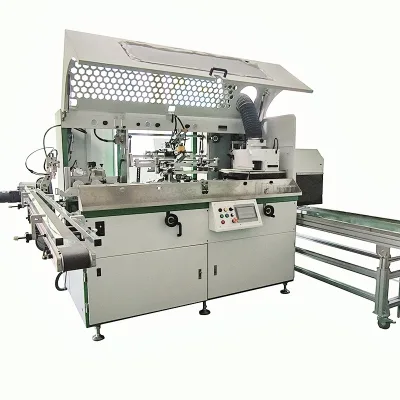
Fully Automatic Chain-Type Multicolor Screen Printing Machine Printing Without Positioning Point
$22000.00 - $25000.00
MOQ: 1 Sets


MOQ: 1 Sets

Dongguan Guantu Machinery Technology Co., Ltd
- Manufacturer, Trading Company
- Guangdong, China
- Lead time15 days
- Avg. response≤ 4h
Main productsscreen printing machine,Pad Printing Machine,gilding press,thermal transfer machine,labelling machine
Main marketsNorth America(25.00%), Mid East(15.00%), Northern Europe(5.00%), Central America(5.00%), Western Europe(5.00%), Southeast Asia(3.00%), Domestic Market(2.00%), South Asia(2.00%), Southern Europe(2.00%), Africa(2.00%), Oceania(2.00%), Eastern Europe(2.00%), Eastern Asia(2.00%), South America(2.00%)

LUEN CHEONG PRINTING EQUIPMENT LTD
- Verified by TUVRHEINLAND
- Combined
- China Guangdong
- Lead time15 days
- Avg. response≤ 1h
Main productsFull Automatic UV Screen Printer, Plane/Cylinder Silk Screen Printer, Hot Foil Stamping Machine, UV Curing Machine, Pens Bottles Printer, Ink Cup/Tray Pad Printing Machine, UV Printing Machine, Bottle Screen Printing Machine, Pad Printing Machine, Automatic Pad Printer
Main marketsNorth America

Shanghai Xinming Electromechanical Equipment Co., Ltd.
- Verified by TUVRHEINLAND
- Combined
- China Jiangsu
- Lead time30 days
- Avg. response≤ 4h
Main productsScreen Printing Machines, Silk Screen Laser Transfer Machine, Ultraviolet Light Curing Machine, Silk Screen Cold Foil Transfer Machine, Printing Auxiliary Equipment
Main marketsDomestic

Automatic Screen Printing Machine Supporting Single & Double Color Overprinting Process
$100.00 - $80000.00
MOQ: 1 Pieces

Easy Maintenance Automatic Screen Printer for General Printing Factory Use
$100.00 - $80000.00
MOQ: 1 Pieces

Lingtie (Xiamen) Machinery Co., Ltd.
- Combined
- China Fujian
- Lead time15 days
- Avg. response≤ 2h
Main productsAutomatic Roll to Roll Screen Printing Machine, Automatic Label Silk Screen Printing Machine, Automatic Roll Silk Screen Printing Machine, Automatic Screen Printing Machine, Screen Printing Machine, Roll to Roll Screen Printing Machine, Automatic Label Rewinding Machine, Automatic Slitting and Rewinding Machine, Letterpress Printing Machine, Automatic Roll to Sheet Cutting Machine
Main marketsSoutheast Asia/ Mideast,Europe,North America

SHEN FA ENG. CO., LTD.(GUANGZHOU)
- Combined
- China Guangdong
- Lead time23 days
- Avg. response≤ 23h
Main productsFully Automatic Screen Printing Machine, Automatic Servo Screen Printer, Automatic Hot Stamping Machine, Automatic Labeling Machine, Pad Printing Machine, Tempo Printing Machine, Digital Inkjet Printing Machine, Silk Screen Printer, Screen Printing Machine for Cosmetic Packaging, Automatic Screen Printer for Plastic Bottle
Main marketsSouth America,Africa,Others(foreignTradeCapacity.exportBusinessCapacityMarketOther),Southeast Asia/ Mideast,East Asia(Japan/ South Korea),Domestic,Europe,Australia,North America








Comprehensive Sourcing Guide
Desktop Monochrome Screen Printing Machine Supplier Concentration and Factory Types
Current data indicates that suppliers for desktop monochrome screen printing machines are concentrated in specific Chinese provinces, with verified results showing presence in Anhui, Guangdong, and Zhejiang. Fact records confirm locations in China Anhui, China Guangdong, and China Zhejiang, suggesting these regions serve as primary manufacturing clusters for this equipment. Buyers should prioritize regions where multiple verified entities operate, as this often correlates with established supply chains and specialized labor pools. The presence of manufacturers in these areas allows for direct factory engagement, potentially reducing intermediary costs and improving communication speed regarding technical specifications.
Company types observed in the results include both combined entities and pure manufacturers, offering different engagement models for buyers. Some suppliers are classified as manufacturers, while others operate as combined entities that may handle trading and production. This distinction is critical when evaluating the depth of technical support and customization capabilities. A manufacturer typically offers direct control over the production line, which can be advantageous for complex customizations like specific print interfaces or structural modifications. Conversely, combined entities might provide broader product ranges, including related machinery like UV curing or drying units, which can streamline the procurement of a complete printing setup.
How to Verify Desktop Monochrome Screen Printing Machine Suppliers
Verification of supplier credibility relies heavily on third-party audit results and system certifications found in the data. Several suppliers in the current results hold TUVRHEINLAND verification status, while others display SGS verification, indicating independent assessments of their operational capabilities. Buyers must explicitly request these verification reports to confirm the authenticity of the supplier's claims regarding their factory size, quality control processes, and financial stability. The presence of ISO9001:2015 and ISO14001:2015 certificates for some entities further validates their adherence to international quality and environmental management standards, which is essential for consistent product output.
Beyond external audits, buyers should scrutinize the specific product attributes and technical specifications provided in the supplier listings. Evidence shows detailed product attributes such as print interfaces, structure types like flat-bed cylinder presses, and system support for Windows XP or Windows 2000. These technical details serve as a proxy for the supplier's engineering competence. A supplier listing a specific model number like Zx2015 or GW-1010 with precise dimensions and output speeds demonstrates a higher level of product maturity. Buyers should cross-reference these technical claims with the supplier's response time, which ranges from 4.41 to 9.20 in the observed data, to gauge their operational responsiveness and reliability in addressing technical queries.
What to Compare Across Desktop Monochrome Screen Printing Machine Suppliers
When evaluating potential partners, buyers must compare lead times and response speeds to ensure alignment with project schedules. The observed data reveals a lead time variance, with some suppliers offering a 15-day turnaround while others require 30 days. Response times also fluctuate, ranging from approximately 4.41 to 9.20, which directly impacts the speed of negotiation and issue resolution. A supplier with a shorter lead time and faster response rate is generally preferable for urgent orders, but buyers must balance this against the complexity of the required customization. For standard desktop monochrome units, a 15-day lead time may be sufficient, whereas complex customizations might necessitate the longer 30-day window.
Pricing structures and minimum order quantities (MOQ) are equally critical comparison points that vary significantly across the supplier base. Current facts show price ranges from as low as $1.00 to over $100,000, depending on the machine's complexity and automation level. Some listings indicate an MOQ of 1, making them accessible for small-scale operations, while others may have higher thresholds for bulk pricing. Buyers should analyze the price-to-specification ratio, ensuring that lower prices do not compromise essential features like the print interface or structural integrity. Comparing the specific attributes of the "Small Desktop Screen Printing Machine" against the "3/4 Automatic Screen Printing Machine" helps clarify the value proposition of each price point.
Common Desktop Monochrome Screen Printing Machine Sourcing Risks
One significant risk involves the discrepancy between advertised specifications and actual product capabilities, particularly regarding system compatibility and structural design. The data shows varying system support, with some machines running on Windows XP and others on Windows 2000, which may pose obsolescence issues for modern IT environments. Additionally, structural differences such as flat-bed cylinder presses versus platen presses affect the machine's suitability for specific applications like packaging or advertising printing. Buyers must verify that the listed structure matches their production needs to avoid purchasing equipment that cannot handle their specific substrate types or print volumes.
Another risk pertains to the reliability of shipping and packaging standards, which can affect the condition of the machinery upon arrival. Product evidence indicates that packing methods vary, with some suppliers using wooden cases while others specify standard wooden packaging or specific dimensions like 180012001300mm. Inconsistent packaging standards can lead to damage during transit, especially for heavy components like the 600kg units observed in the data. Buyers should explicitly confirm the packing details and request photos of the packaging process before finalizing the order. Ensuring that the supplier adheres to robust packing protocols is essential to mitigate the risk of receiving damaged or non-functional equipment.
Desktop Monochrome Screen Printing Machine Regional Sourcing and Logistics
Sourcing from the identified Chinese regions of Anhui, Guangdong, and Zhejiang offers distinct logistical advantages and challenges. These provinces are established manufacturing hubs, which often results in competitive freight rates and efficient port access for international shipping. However, buyers must account for the specific origin details provided, such as "China Zhe Jiang" or "China Guangdong," as these locations influence the final delivery timeline and customs clearance procedures. Understanding the specific port of loading for each supplier is crucial for accurate freight cost estimation and scheduling.
Logistics planning must also consider the physical dimensions and weight of the machines, which vary widely across the product range. For instance, some units are compact desktop models, while others are large automatic machines with dimensions reaching 915035601680mm and weights up to 600kg. These variations necessitate different shipping methods, from standard container loads to specialized heavy-lift arrangements. Buyers should verify the exact dimensions and weight provided in the product attributes to ensure their logistics partners can handle the shipment. Proper planning for oversized cargo is essential to avoid delays and additional costs associated with non-standard shipping requirements.
Desktop Monochrome Screen Printing Machine Commercial Terms and Order Planning
Commercial terms regarding customization and payment structures are pivotal for successful order execution. The data confirms that customization is available across multiple product listings, allowing buyers to tailor machines for specific applications like packaging or advertising printing. However, the extent of customization and the associated costs must be clearly defined in the commercial agreement. Buyers should negotiate specific terms for custom interfaces, structural modifications, and software integration to ensure the final product meets their operational requirements without unexpected price escalations.
Order planning must also account for the diverse price ranges and MOQs observed in the market. With prices ranging from $1.00 to $100,000 and MOQs as low as 1, buyers have flexibility in scaling their orders. However, the wide price variance suggests that buyers must carefully evaluate the total cost of ownership, including potential maintenance and spare parts. Establishing a clear order plan that aligns with the supplier's lead time and response capabilities is essential. Buyers should aim to place orders well in advance of their production schedules to accommodate the 15 to 30-day lead times and ensure timely delivery of the desktop monochrome screen printing machines.
FAQs
What is the lead time for desktop monochrome screen printing machines?
Lead times vary by supplier, with observed ranges from 15 to 30 days. Some manufacturers in Guangdong offer faster delivery within two weeks, while others in Anhui or Zhejiang may require a full month. Buyers should confirm specific timelines based on the selected model and customization needs before placing an order.
What is the minimum order quantity for these machines?
The minimum order quantity is typically one unit for desktop models. Several listings indicate an MOQ of 1, allowing buyers to purchase single units for testing or small-scale operations. This low threshold supports small businesses and startups looking to acquire equipment without committing to large bulk orders immediately.
Are these machines available with customization options?
Yes, customization is available for most desktop monochrome screen printing machines listed. Suppliers offer options to tailor the machine to specific printing requirements, such as adjusting the printing area or interface. Buyers should verify specific customization capabilities with the supplier to ensure the machine meets their unique production needs.
What certifications do these machines and suppliers hold?
Certifications vary, with some suppliers holding ISO9001:2015 and ISO14001:2015 certificates. Product standards often include CE compliance, and verification bodies like TÜV Rheinland or SGS may be involved. Buyers should check individual supplier profiles to confirm specific certifications and ensure the equipment meets required safety and quality standards.
What is the price range for desktop monochrome screen printing machines?
Prices range widely from approximately 1 to 100,000 depending on the model and features. Basic desktop units start around 1, while advanced semi-automatic or multi-color systems can cost significantly more. Buyers should compare specific product listings to find a machine that fits their budget and functional requirements.
Where are these machines manufactured?
Manufacturing locations include China, specifically in provinces like Anhui, Guangdong, and Zhejiang. Some products originate from Zhejiang, while others are produced in Guangdong or Anhui. Buyers should verify the specific origin of the machine they select to understand shipping logistics and potential regional quality differences.
How quickly do suppliers typically respond to inquiries?
Response times vary, with observed averages ranging from 4.41 to 9.20. Faster suppliers in Guangdong may respond within hours, while others might take longer. Buyers should expect a response within a few days and consider contacting multiple suppliers to ensure timely communication regarding their specific sourcing needs.