Desktop Manual Crown Cap Sealer Suppliers and Manufacturers
Source 22 verified suppliers for Desktop Manual Crown Cap Sealer units. Compare key dimensions including lead times, certifications, and response rates to identify suitable partners. Review product specifications and request quotes directly from the listed factories; review the available evidence before requesting comparable quotations from suitable candidates.
Suppliers List

Jiangsu Zhongtai Packing Machinery Co., Ltd.
- Verified by BV
- Combined
- China Jiangsu
- Lead time30 days
- Avg. response≤ 5h
Main productsFilling Machine, Capping Machine, Labeling Machine, Bottle Unscramble, Carton Packing Machine, Bsg Sachet Filling Sealing Machine, Filler, Capper Closure, Label Sticker, Case Packer
Main marketsSoutheast Asia/ Mideast,Domestic,North America

Shanghai Kesi Packaging Machinery Co., Ltd.
- Trading Company,Manufacturer/Factory
- China Shanghai
- Lead time38 days
- Avg. response≤ 15h
Main productsFilling Machine, Labeling Machine, Capping Machine, Liquid Filling Machine, Filling Line, Sealing Machine, Packaging Machine, Folding Machine, Coding Machine, Labeling Machinery
Main marketsSouth America,Eastern Europe,Mid East,North America,Southeast Asia,Eastern Asia,Western Europe,Africa


Automatic Bottle Capping Machine, Cap Sealing Machine, Capper, Cap Sealer
$5000.00 - $20000.00
MOQ: 1 Pieces


Kunshan Xuxin Industrial Equipment Co., Ltd.
- Verified by SGS
- Trading Company
- China Jiangsu
- Lead time15 days
- Avg. response≤ 12h
Main productsWire Stripping Machine, Terminal Crimping Machine, Automatic Tape Dispenser, Wire Winding and Tie Machine, Harness Tape Wrapping Machine, Component Lead Cut Machine, Automatic Tape Cutting Machine, Automatic Label Dispenser, Automatic Labeling Machine, Filling and Capping Machine
Main marketsSouth America,Africa,Others(foreignTradeCapacity.exportBusinessCapacityMarketOther),Southeast Asia/ Mideast,East Asia(Japan/ South Korea),Domestic,Europe,Australia,North America


$50.00 - $80.00
MOQ: 1 Pieces


Wenzhou Furi Packaging Machinery Co., Ltd.
- Combined
- China Zhejiang
- Lead time30 days
- Avg. response≤ 5h
Main productsCap Machine, 5 Gallon Cap Labeling Sealing Machine, Cap Wadding Machine, Paper Pipe Labeling Machine, Cap Assembly Machine, Bottle Cap Processing Equipment, Cap Liner Inserting Machine, Drink Straw Machine, Cap Packing Machine, 5 Gallon Cap Lining Machine
Main marketsDomestic

JIANGXI UNITED CAN EQUIPMENT CO., LTD.
- Trading Company,Manufacturer/Factory
- China Jiangxi
- Lead time45 days
- Avg. response≤ 2h
Main productsTin Can Making Machine, Food Can Machine, Spray Can Making Machine, Paint Can, Food Can, Can Making Component, Can Welding Machine, Can Sealing Machine, Tinplate, Chemical Can Production Line
Main marketsSouth America,Eastern Europe,Mid East,North America,Southeast Asia,Eastern Asia,Oceania,Western Europe,Africa


Automatic Manual Sealing Machine for Paint Olive Oil Can Bottom Sealer
$16000.00 - $18000.00
MOQ: 1 set


Zhejiang Haizhou Packing Machine Co., Ltd.
- Verified by SGS
- Combined
- China Zhejiang
- Lead time30 days
- Avg. response≤ 8h
Main productsFilling Machine, Capping Machine, Labeling Machine, Sealing Machine, Printing Machine, Paging Machine, Vacuum Packing Machine, Tube Filling and Sealing Machine, Shrinking Tunnel
Main marketsSoutheast Asia/ Mideast,East Asia(Japan/ South Korea),Europe,North America

Jiangsu Faygo Union Machinery Co., Ltd.
- Verified by BV
- Combined
- China Jiangsu
- Lead time60 days
- Avg. response≤ 3h
Main productsBlow Molding Machine, Pet Blowing Machine, Plastic Bottle Making Machine, Plastic Pipe Extrusion Line, PVC Pipe Making Machine, Filling Machine, Plastic Profile Extrusion Line, Plastic Extruder, Wooden Plastic Extrusion Line, Air Compressor
Main marketsSouth America,Africa,Others(foreignTradeCapacity.exportBusinessCapacityMarketOther),Southeast Asia/ Mideast,East Asia(Japan/ South Korea),Europe,North America


Professional Glass Wine Bottle Cap Sealer Machine for Efficient Sealing
$7000.00 - $7500.00
MOQ: 1 Pieces


Zhangjiagang King Machine Co., Ltd.
- Verified by SGS
- Combined
- China Jiangsu
- Lead time30 days
- Avg. response≤ 7h
Main productsWater Filling Machine, Juice Filling Machine, CSD Drink Filling Machine, Water Treatment Plants, Label Sleeve Thermal Shrink Machine, PE Film Packing Machine, Wine Filling Machine, Bottle Washing Machine, Cap Sealing Machine, Juice Prepare Plants
Main marketsSouth America,Africa,Southeast Asia/ Mideast,East Asia(Japan/ South Korea),Europe,Australia,North America

ZhangJiaGang City YuFeng Beverage Machinery Co., Ltd.
- Verified by TUVRHEINLAND
- Trading Company,Manufacturer/Factory
- China Jiangsu
- Lead time45 days
- Avg. response≤ 17h
Main productsFilling Machine, Water Treatment, Canning Machine, Juice Mixing Line, Packing Machine, Labeling Machine, Bottle Blowing Machine, Beer Filling Machine, Carbonated Drink Filling Machine, 5 Gallon Filling Line
Main marketsSouth America,Eastern Europe,Mid East,North America,Southeast Asia,Eastern Asia,Oceania,Western Europe,Africa

Guangzhou Sunrry Kitchen Equipment Co., Ltd.
- Verified by CTI
- Trading Company,Manufacturer/Factory
- China Guangdong
- Lead time30 days
- Avg. response≤ 3h
Main productsCommercial Kitchen Solutions, Turnkey Kitchen Solutions, Catering Equipment, Restaurant Equipment, Commercial Refrigeration Equipment, Commercial Bakery Equipment, Commercial Cooking Equipment, Stainless Steel Equipment, Commercial Food Prep Equipment, Commercial Kitchen Equipment
Main marketsSouth America,Eastern Europe,Mid East,North America,Southeast Asia,Eastern Asia,Oceania,Western Europe,Africa
Zhejiang Lianteng Intelligent Equipment Co., Ltd.
- Manufacturer, Trading Company
- Lead time旺季: "1 - 10":15,"> 10":"To be negotiated", 淡季: "1 - 10":15,"> 10":"To be negotiated"
Main productsFilling Machine, Capping Machine, Sealing Machine, Labeling Machine, Packing Machine
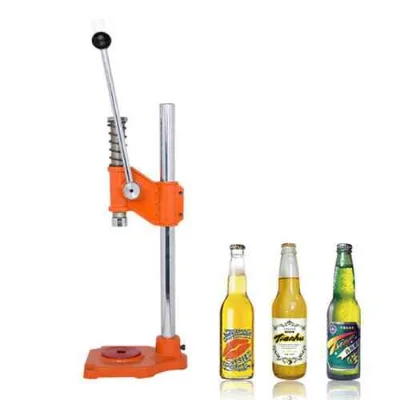
Semi-auto Hand Press Manual Beer Glass Bottle Capping Machine Crown Cap Capping Machine
$65.00 - $75.00
MOQ: 1 pieces
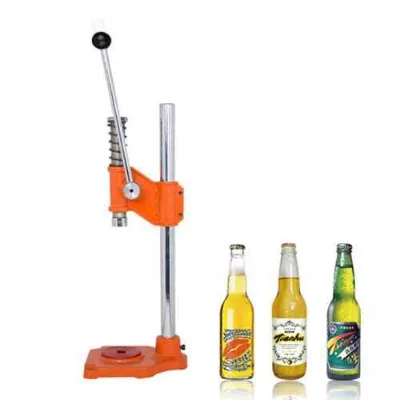
Manual Glass Beer Juice Bottle Crown Cap Crimping Sealing Capping Machine 28mm 29mm
$65.00 - $75.00
MOQ: 1 pieces


Guangzhou Nantian Sources Co., Ltd.
- Manufacturer/Factory
- China Guangdong
- Lead time15 days
- Avg. response≤ 6h
Main productsKitchen Equipment, Kitchenware, Food Machine, Kitchen Appliance, Glassware, Food Machinery, Bakery Equipment, Dinnerware, Kitchen Utensils, Food Processor
Main marketsSouth America,Mid East,Southeast Asia,Eastern Asia,Oceania,Africa


Manual Cup Sealing Machine, Sealing Machine
MOQ: 1 Pieces

JIANGSU SHOUDA PACKING MACHINERY & MATERIAL CO., LTD.
- Verified by BV
- Combined
- China Shanghai
- Lead time30 days
- Avg. response≤ 2h
Main productsFilling Machine, Production Line, Packing Machine, Liquid Filling Machine, Oil Filling Machine, Water Bottling Line, Bottle, Boxes, Jar
Main marketsAfrica,Southeast Asia/ Mideast,Domestic


Automatic Crown Cap Sealing Machine for Food Filling and Packaging Machine Line
$3500.00 - $5500.00
MOQ: 1 Pieces

Henan Vinica Machinery Co., Ltd.
- Trading Company
- Henan, China
- Lead time0 days
- Avg. response≤ 3h
Main productshandheld inkjet printer,digital foil printer,package machine,sealing machine,Laminating machine
Main marketsWestern Europe(18.00%), Eastern Europe(15.00%), Africa(15.00%), Northern Europe(10.00%), North America(10.00%), Mid East(10.00%), South America(10.00%), South Asia(5.00%), Southern Europe(5.00%)
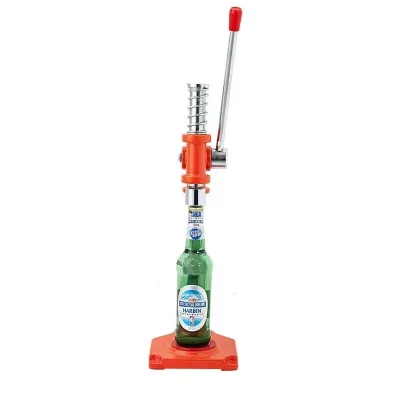
$22.45 - $520.48
MOQ: 1 Minimum

Guangdong Eastern Packaging Machinery Co., Ltd.
- Verified by SGS
- Combined
- China Guangdong
- Lead time15 days
- Avg. response≤ 3h
Main productsAutomatic Pouch Packing Machine, Food Packing Machine, Auger Packaging Machine, Liquid Packaging Machine, Flow Wrapping Machine, Vertical Form Fill Seal Machine, Rotary Packaging Machine, Premade Pouch Packing Machine, Snacks Packing Machine, Sachet Packing Machine
Main marketsSoutheast Asia/ Mideast,Australia

Guangzhou ETON Import & Export Co., Ltd.
- Verified by SGS
- Combined
- China Guangdong
- Lead time30 days
- Avg. response≤ 8h
Main productsCandy Floss Machine, Popcorn Machine, Cup Sealing Machine, BBQ Roaster, Electric Fryer, Hot-Dog Roller, Ice Blender, Ice Crusher, Juice Extrctor, Slush Machine
Main marketsSouth America,Europe

Manual Sealing Machine, Cup Sealer with Counter for Store Carrying Et-D9
$38.00 - $58.00
MOQ: 30 Pieces


Qingzhou Tongda Packaging Machinery Co., Ltd.
- Verified by BV
- Combined
- China Shandong
- Lead time30 days
- Avg. response≤ 3h
Main productsFilling Machine, Capping Machine, Labeling Machine, Bottle Washing Machine, Bottle Drying Machine, Wine Filling Machine, Oil Filling Machine, Glass Bottle Washing Machine, Glass Bottle Filling Machine, Palletizer
Main marketsSoutheast Asia/ Mideast,Europe


$650.00 - $850.00
MOQ: 1 Sets

Jiangxi Blue Eagle Technology Co., Ltd.
- Trading Company
- China Jiangxi
- Lead time23 days
- Avg. response≤ 24h
Main productsTin Can Making Machine, Tin Can Components, Finished Tin Cans, Seam Welding Machine, Spot Welding Machine, Gift Tin Can Production Lines, Tin Can Seamers, Food Can Sealing Machine, Easy Open Lids, Tinplate Slitter
Main marketsSouth America,Africa,Southeast Asia/ Mideast,East Asia(Japan/ South Korea),Domestic,Europe,Australia,North America
Hubei Shangfang Technology Co., Ltd.
- Verified by TUVRHEINLAND
- Trading Company
- China Hubei
- Lead time15 days
- Avg. response≤ 5h
Main productsAutomatic Filling Package Machine, Sealing Capping Machine, Labeling Machine, Printing Machine, Spout Pouch Bag Filling Capping Machine, Semi-Automatic Filling Machine, Liquid Packaging Machinery
Main marketsSoutheast Asia/ Mideast,North America

Full Pneumatic 27mm Beer Bottle Cap Sealing Machine Aluminium Crown Cap Sealer
$299.00 - $320.00
MOQ: 1 sets

Hand Held Screw Capping Machine Manual Plastic Bottle Screw Capper Cap Sealing Machine
$39.00 - $50.00
MOQ: 1 pieces

Customize Electric Manual Handheld Big Cap Sealing Machine 50mm Engine Oil Bottle Sealer
$65.00 - $118.00
MOQ: 1 sets
Henan Cyril Machinery Equipment Co., Ltd
- Trading Company
- He'nan, China
- Lead time10 days
- Avg. response≤ 7h
Main productsFilling Machine, Labeling Machine, Capping Machine, Packaging Machine, Coding Machine
Main marketsDomestic Market(40.00%), South America(15.00%), Mid East(10.00%), North America(5.00%), Western Europe(5.00%), Central America(5.00%), Southeast Asia(5.00%), South Asia(3.00%), Eastern Asia(2.00%), Oceania(2.00%), Southern Europe(2.00%), Northern Europe(2.00%), Africa(2.00%), Eastern Europe(2.00%)


Industrial Single Head Capping System, Premium Quality Cap Sealer with Advanced Gripping
$3735.22 - $3801.74
MOQ: 1 sets

Desktop Semi-Auto Capping Machine, Manual Bottle Sealer for Labs & Small Factories
$562.84
MOQ: 1 Minimum
Luohe Tianheng Machinery Co., Ltd.
- Verified by TUVRHEINLAND
- Combined
- China Henan
- Lead time15 days
- Avg. response≤ 3h
Main productsPackaging Machinery, Grain Machinery, Flour Mill, Oil Press, Food Machinery.
Main marketsSoutheast Asia/ Mideast
Seamax(Xiamen)Technology Co Ltd
- Verified by TUVRHEINLAND
- Trading Company
- China Fujian
- Lead time15 days
- Avg. response≤ 2h
Main productsCan Sealing Machine, Can Seamer, Aluminum Cans and Ends, Food&Beverage Package, Plastic Cans, Can Sealer, Pet PP Cups and Cup Sealer, Canning Machine, Plastic Bottles and Preforms
Main marketsEast Asia(Japan/ South Korea)


Comprehensive Sourcing Guide
Desktop Manual Crown Cap Sealer Supplier Concentration and Factory Types
The current supplier landscape for desktop manual crown cap sealers reveals a distinct concentration of manufacturing and trading entities within specific Chinese industrial hubs. Data indicates that suppliers are primarily located in regions such as Jiangsu and Shanghai, which are well-established centers for packaging machinery production. This geographic clustering suggests that buyers seeking these specific manual sealing devices will likely encounter vendors operating out of these provinces. The presence of suppliers in Jiangsu, for instance, highlights a robust local supply chain for the mechanical components required to build reliable capping equipment. Buyers should recognize that this concentration does not imply uniformity in quality or service, but rather points to a mature ecosystem where specialized knowledge and component sourcing are readily available. Understanding this geographic distribution allows procurement teams to anticipate logistics patterns and potential regional advantages in terms of raw material access and skilled labor availability.
In terms of company structure, the market features a mix of combined entities, trading companies, and manufacturer/factories. This diversity means that a buyer might interact with a direct producer who controls the assembly line or a trading company that aggregates products from multiple workshops. The distinction is critical because it affects communication channels, pricing flexibility, and after-sales support structures. Combined companies often offer a broader range of related machinery, such as filling or labeling units, which might be beneficial for buyers looking to expand their packaging line beyond just capping. Trading companies, on the other hand, may provide a wider selection of models from different factories but might lack the deep technical expertise of a dedicated manufacturer. Buyers must carefully evaluate the supplier type to ensure it aligns with their specific needs for technical support, customization, and direct factory interaction. This structural variety requires due diligence to determine whether the supplier is the actual source of the product or merely an intermediary.
How to Verify Desktop Manual Crown Cap Sealer Suppliers
Verification is a critical step in ensuring that the supplier of a Desktop Manual Crown Cap Sealer is legitimate and capable of delivering quality products. One primary method is to check for third-party verification badges, such as BV (Bureau Veritas), which indicate that an independent agency has assessed the supplier’s business credentials. This verification adds a layer of trust by confirming that the company exists and operates as stated. Additionally, buyers should look for system certifications like ISO 9001:2015 or ISO 9001, which demonstrate that the supplier adheres to standardized quality management processes. These certifications are particularly important for machinery suppliers as they suggest a commitment to consistent manufacturing practices. However, buyers should not rely solely on these badges; they should also verify the specific scope of the certification to ensure it covers the production of the sealing equipment in question. Cross-referencing these credentials with the supplier’s official website or direct communication can help confirm their authenticity.
Beyond certifications, buyers should assess the supplier’s responsiveness and transparency as indicators of reliability. Response time metrics, such as those recorded at 4.63 or 14.37 hours, can provide insight into how quickly a supplier engages with potential clients. A faster response time often correlates with better customer service and more efficient order processing. Buyers should also examine the supplier’s product listings for detailed specifications, such as automatic grade, packaging material compatibility, and application areas. For manual sealers, it is essential to verify that the product attributes match the buyer’s specific requirements, such as the type of cap or bottle material. Suppliers that provide comprehensive product evidence, including model numbers like KF-500 or detailed application lists, are generally more transparent and professional. Buyers should request additional documentation, such as factory audit reports or video demonstrations of the machinery in operation, to further validate the supplier’s capabilities and ensure they can meet the buyer’s operational needs.
What to Compare Across Desktop Manual Crown Cap Sealer Suppliers
When evaluating multiple suppliers for desktop manual crown cap sealers, buyers must compare key operational metrics to determine the best fit for their business. Lead time is a crucial factor, with some suppliers indicating a lead time of 30 days while others may take up to 38 days. This difference can significantly impact production schedules and inventory management, so buyers should align their choice with their urgency and planning horizon. Minimum Order Quantity (MOQ) is another critical comparison point; some suppliers offer an MOQ of just 1 unit, which is ideal for small businesses or testing phases, while others may have higher thresholds. Buyers should also compare the price ranges, which can vary widely from as low as $300 to over $30,000 depending on the machine’s complexity and features. Understanding these financial and temporal variables helps buyers budget accurately and avoid unexpected costs or delays.
In addition to lead times and prices, buyers should compare the main products and customization options offered by each supplier. Some suppliers specialize in a narrow range of sealing machines, while others offer a broader portfolio including filling, labeling, and carton packing machines. This breadth can be advantageous if the buyer plans to expand their packaging line in the future. Customization availability is another key differentiator; suppliers that offer ODM, OEM, or own brand services can tailor machines to specific production needs. Buyers should also compare the technical specifications, such as power requirements, air pressure needs, and machine dimensions, to ensure compatibility with their existing infrastructure. For example, some machines require 220V 50Hz power, while others may need 3kw power and 0.6MPa air pressure. By systematically comparing these attributes, buyers can identify suppliers that not only meet their immediate needs but also offer the flexibility and support required for long-term success.
Common Desktop Manual Crown Cap Sealer Sourcing Risks
Sourcing desktop manual crown cap sealers from international suppliers introduces several risks that buyers must proactively manage. One significant risk is the potential mismatch between the supplier’s claims and the actual product quality. While suppliers may list certifications like CE, ISO, or SGS, these do not guarantee that every unit produced meets the same standard. Buyers should be cautious of suppliers who provide vague product descriptions or lack detailed technical specifications. Another risk is the variability in after-sales service; some suppliers offer free spare parts and field installation, while others may provide limited support. This disparity can lead to operational downtime if the machine requires maintenance or repair. Buyers should clearly define the scope of after-sales support in their contracts to avoid misunderstandings and ensure they have access to necessary technical assistance.
Logistical risks are also prevalent, particularly regarding packaging and shipping. Suppliers may use different packing methods, such as wooden cases or wooden packing suitable for exporting, which can affect the safety of the machinery during transit. Inadequate packaging can lead to damage, resulting in delays and additional costs. Additionally, buyers should be aware of potential communication barriers that can arise when working with suppliers in different time zones or language environments. Miscommunication about technical requirements or delivery terms can lead to errors in production or shipping. To mitigate these risks, buyers should establish clear communication channels and request detailed documentation, including packing lists and shipping instructions. Regular follow-ups and clear confirmation of all terms can help prevent misunderstandings and ensure a smoother sourcing process. Buyers should also consider using escrow services or secure payment methods to protect their financial interests until the goods are received and verified.
Desktop Manual Crown Cap Sealer Regional Sourcing and Logistics
Regional sourcing plays a pivotal role in the logistics and cost structure of desktop manual crown cap sealers. Suppliers located in Jiangsu and Shanghai benefit from established industrial clusters that facilitate efficient production and distribution. These regions are known for their robust infrastructure and access to ports, which can streamline the export process. Buyers should consider the proximity of the supplier to major shipping hubs when evaluating logistics options, as this can impact transit times and freight costs. For instance, suppliers in Shanghai may have easier access to international shipping routes, potentially reducing lead times for overseas deliveries. Understanding the regional advantages allows buyers to make informed decisions about which suppliers to engage with based on their logistical needs and geographic preferences.
Logistics planning also involves considering the packaging standards and export requirements of the supplier. Suppliers often use wooden cases or specialized packing suitable for exporting to protect the machinery during transit. Buyers should verify that the packaging meets international shipping standards to prevent damage. Additionally, buyers should be aware of any specific documentation requirements, such as certificates of origin or compliance certificates, which may be needed for customs clearance. Coordinating with freight forwarders early in the process can help ensure that all logistical aspects are handled efficiently. Buyers should also consider the impact of regional trade policies and tariffs on the final cost of the equipment. By understanding the regional logistics landscape, buyers can optimize their supply chain and reduce the risk of delays or additional costs associated with international shipping.
Desktop Manual Crown Cap Sealer Commercial Terms and Order Planning
Commercial terms and order planning are essential components of a successful sourcing strategy for desktop manual crown cap sealers. Buyers should carefully review the payment terms, delivery conditions, and warranty policies offered by each supplier. Some suppliers may require a deposit before production begins, while others might offer more flexible payment options. It is crucial to negotiate terms that align with the buyer’s cash flow and risk tolerance. Additionally, buyers should clarify the delivery terms, such as FOB or CIF, to understand who is responsible for shipping and insurance costs. Clear commercial terms help avoid disputes and ensure that both parties have a mutual understanding of their obligations. Buyers should also consider the lead time when planning their orders, as delays in production can impact their overall supply chain.
Order planning should also include a thorough assessment of the supplier’s capacity and reliability. Buyers should verify that the supplier can meet their volume requirements within the specified lead time. For example, if a supplier has a lead time of 30 days, buyers should plan their orders accordingly to avoid stockouts. Buyers should also consider the scalability of the supplier; if their business grows, can the supplier increase production to meet higher demand? Additionally, buyers should evaluate the supplier’s product range to ensure they can provide complementary equipment if needed. By integrating commercial terms and order planning into their sourcing strategy, buyers can build a resilient and efficient supply chain. Regular communication with the supplier and periodic performance reviews can help maintain a strong partnership and ensure continuous improvement in service and product quality.
FAQs
What is the price range for manual capping machines?
Manual capping machines are available starting from $300 up to $500 for basic models. Higher-end automatic units range from $6,000 to $30,000. Prices vary based on capacity, material, and customization options. Buyers should verify specific quotes for their production needs.
What certifications do these packaging machines have?
Many suppliers hold ISO 9001:2015 and ISO 9001 certifications. Some machines also carry CE, GMP, and SGS certificates. These standards ensure quality and safety compliance. Buyers should request valid certificates to verify the manufacturer's adherence to international quality management systems.
What is the typical lead time for orders?
Standard lead times range from 30 to 38 days for production and delivery. This duration depends on order volume and machine complexity. Buyers should confirm exact timelines with suppliers before placing orders to ensure alignment with their project schedules and launch dates.
What is the minimum order quantity for these machines?
The minimum order quantity is typically one unit for most packaging machines. This allows buyers to test equipment before scaling up. Suppliers often support OEM and ODM customization for single units. Buyers should confirm MOQ policies directly with the supplier for specific models.
Where are these packaging machines manufactured?
These machines are primarily manufactured in China, specifically in Jiangsu and Shanghai regions. Suppliers in these areas offer combined trading and manufacturing services. Buyers can verify supplier locations and factory audits to ensure quality control and reliable logistics for international shipments.
What applications do these capping machines support?
These machines handle various applications including dairy, cosmetics, oils, and cleaning detergents. They seal plastic, glass, and metal bottles. Some models also process aluminum foil caps. Buyers should match machine specifications to their specific product types and bottle materials for optimal performance.