Diamond Ear Hooks Suppliers and Manufacturers
Source 29 verified suppliers for Diamond Ear Hooks. Compare key dimensions including location, lead time, MOQ, response time, and certifications. Review product specs and pricing to identify suitable partners. Contact suppliers directly to request quotes and samples for your specific requirements.
Suppliers List
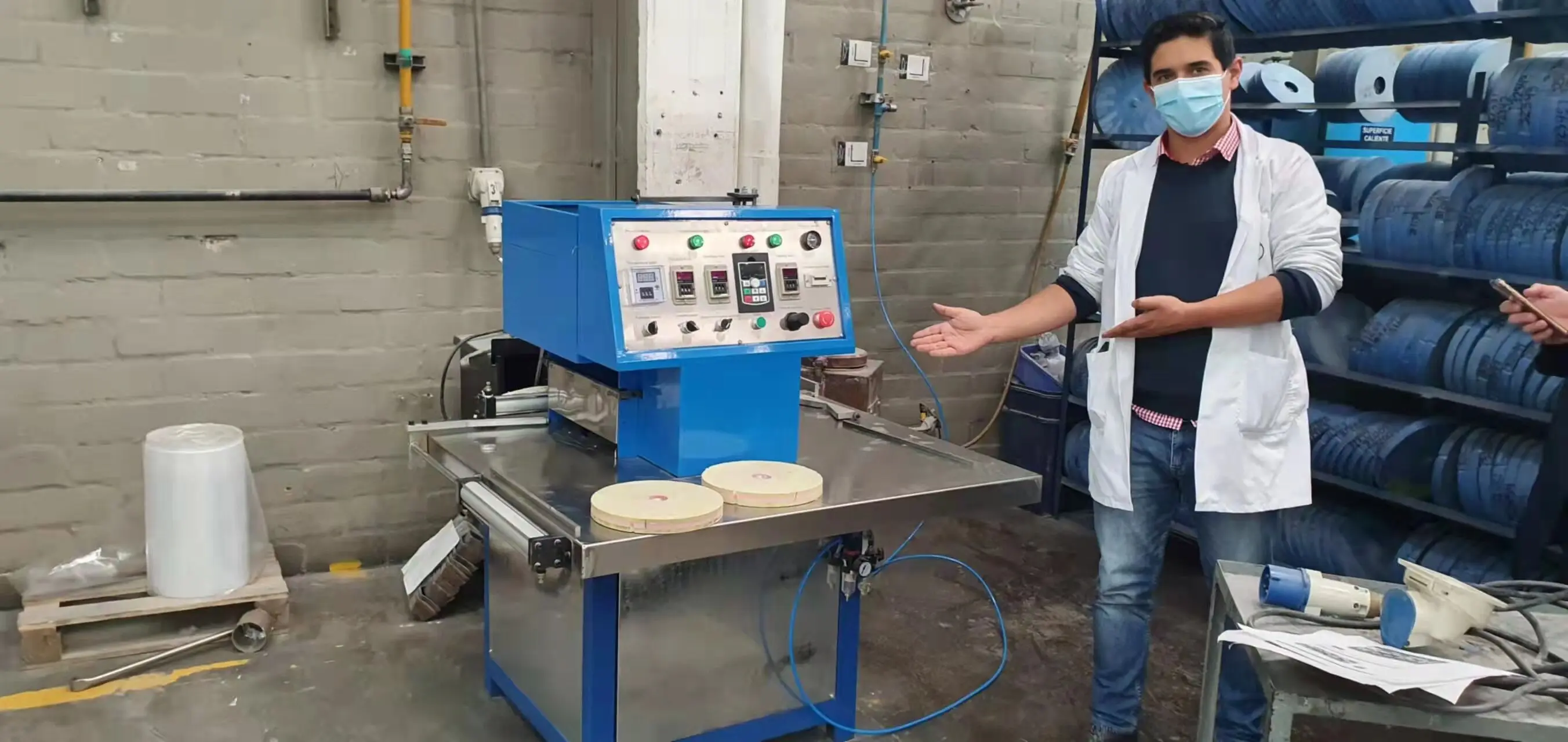
Yiwu Honghao Import And Export Co., Ltd.
- Trading Company
- Zhejiang, China
- Lead time25 days
- Avg. response≤ 7h
Main productsjewelry machines,Automatic centrifugal machine,Die Casting Machine,Centrifugal casting,Vibration polishing machine
Main marketsSouth America(40.0%), North America(20.0%), Southeast Asia(10.0%), Eastern Europe(10.0%), Mid East(8.0%), Africa(3.0%), South Asia(2.0%), Domestic Market(1.0%), Oceania(1.0%), Southern Europe(1.0%), Northern Europe(1.0%), Central America(1.0%), Western Europe(1.0%), Eastern Asia(1.0%)

- Verified by TUVRHEINLAND
- Trading Company,Manufacturer/Factory,Other
- China Guangdong
- Lead time23 days
- Avg. response≤ 9h
Main productsTwo Way Radio Batteries, Two Way Radio Headset, Two Way Radio Earpiece, Two Way Radio Earphone, Two Way Radio Speaker Microphone, Two Way Radio Charger, Two Way Radio Accessories, Two Way Radio, Two Way Radio Antenna, Two Way Radio Programming Cable
Main marketsSouth America,Eastern Europe,Mid East,North America,Southeast Asia,Eastern Asia,Oceania,Western Europe,Africa

Guangzhou Joacii Jewelry Co., Ltd.
- Verified by TUVRHEINLAND
- Combined
- China Guangdong
- Lead time15 days
- Avg. response≤ 20h
Main products925 Sterling Silver Fine Jewelry etc
Main marketsOthers(foreignTradeCapacity.exportBusinessCapacityMarketOther),Southeast Asia/ Mideast,Domestic,Europe,North America


Double Marquise Diamond Cut Stud Earings with 18K Gold Plated for Sensitive Ears
$9.58 - $9.80
MOQ: 30 Pieces

Joacii Brass Gold Plated Wheat Ear Hooks Female Personality Fashion Niche Design Earrings
$3.59 - $3.84
MOQ: 3 Pieces

Dongguan Hongsheng Craft Gifts Co., Ltd.
- Verified by TUVRHEINLAND
- Trading Company
- China Guangdong
- Lead time30 days
- Avg. response≤ 6h
Main productsStainless Steel Ring, Stainless Steel Pendant Charm, Stainless Steel Leather Bracelet, Stainless Steel Bracelet Bangle, Stainless Steel Earring, Stainless Steel Chain, Leather Cord, Clothing Accessories, Key Chains, Rubber Products
Main marketsSouth America,Europe


$0.05 - $0.20
MOQ: 50 Pairs

French Retro High-Grade Ring Ear Hook Female Customized Fashion 18K Stainless Steel Earrings
$2.19 - $2.46
MOQ: 20 Pairs
Shenzhen Guangyufeng Rubber Co., Ltd.
- Verified by SGS
- Trading Company,Manufacturer/Factory
- China Guangdong
- Lead time23 days
- Avg. response≤ 3h
Main productsSilicone Product, Silicone Rubber Product, Baby Product, Silicone Tube, Silicone Rubber Roller, Silicone Sex Toy, Silicone Mold, Silicone Kitchenware, Silicone Case, Silicone Strap
Main marketsSouth America,Eastern Europe,Mid East,North America,Southeast Asia,Eastern Asia,Oceania,Western Europe,Africa

Bluetooth Silicone Ear Hook. New Silicone Ear Hook. Horn-Shaped Silicone Ear Hook
$0.10 - $1.50
MOQ: 500 Pieces

Silicone Earplugs, in-Ear Environmentally Friendly Silicone Eartips, Black Silicone Earplugs
$0.10 - $1.50
MOQ: 500 Pieces
Yiwu City Duyizhao Jewelry Co., Ltd.
- Verified by SGS Group
- Trading Company
- Lead time15 days
- Avg. response≤ 3h
Main productsNugget Earrings, Hip hop Cuban Chain Necklace, Bracelet, Pendant, Rings
Main marketsNorth America(50%), Central America(20%), South America(5%)

- Verified by CTI
- Trading Company
- China Zhejiang
- Lead time23 days
- Avg. response≤ 13h
Main productsEarring, Vase, Scented Candles, Hair Ties, Bags
Main marketsSouth America,Europe,North America


Black Hear Bowknot Earringss925 Silver Irregular Pearl Set Diamond Earrings
$1.49 - $1.69
MOQ: 12 Pieces

Shijiazhuang Deaishangshi Jewelry Trade Co., Ltd.
- Trading Company
- Hebei, China
- Lead time10 days
- Avg. response≤ 4h
Main products14K Gold Filled Findings,925 Sterling Silver Findings,Thread & Cord,Pearls,Tassel
Main marketsNorth America(30.0%), Western Europe(15.0%), Northern Europe(4.0%), Mid East(2.0%)

- Verified by CTI
- Trading Company
- China Zhejiang
- Lead time15 days
- Avg. response≤ 7h
Main productsJewelry, Brooch, Belt, Necklace, Agent, Bracelet, China Trim, China Ring, China Hair Accessory, China Earring
Main marketsSouth America
Hangzhou Fan'ou Jewelry Co., Ltd.
- Trading Company
- Zhejiang, China
- Lead time10 days
- Avg. response≤ 1h
Main productsJewels,Watches,Wedding road lead,Party products
Main marketsNorth America(60.0%), South America(20.0%), Northern Europe(10.0%), Eastern Europe(10.0%)

Longyuan (Guangzhou) Industrial Development Co., Ltd.
- Verified by TUVRHEINLAND
- Manufacturer/Factory
- China Guangdong
- Lead time23 days
- Avg. response≤ 7h
Main productsJewelry, Fashion Watch, Hair Accessories, Men Jewelry, Women Jewelry, Pendants, Brooches, Bracelets, Crowns, Necklaces
Main marketsSouth America,Eastern Europe,Mid East,North America,Western Europe

Unique Design 14K Gold Plated Earring Hooks with Cubic Zircon Earring Jewelry
$5.00 - $8.00
MOQ: 20 Pieces


Creative Ear Hook Female New Product Simple Twisted Geometric Sterling Silver Earrings
$5.80 - $6.50
MOQ: 20 Pieces


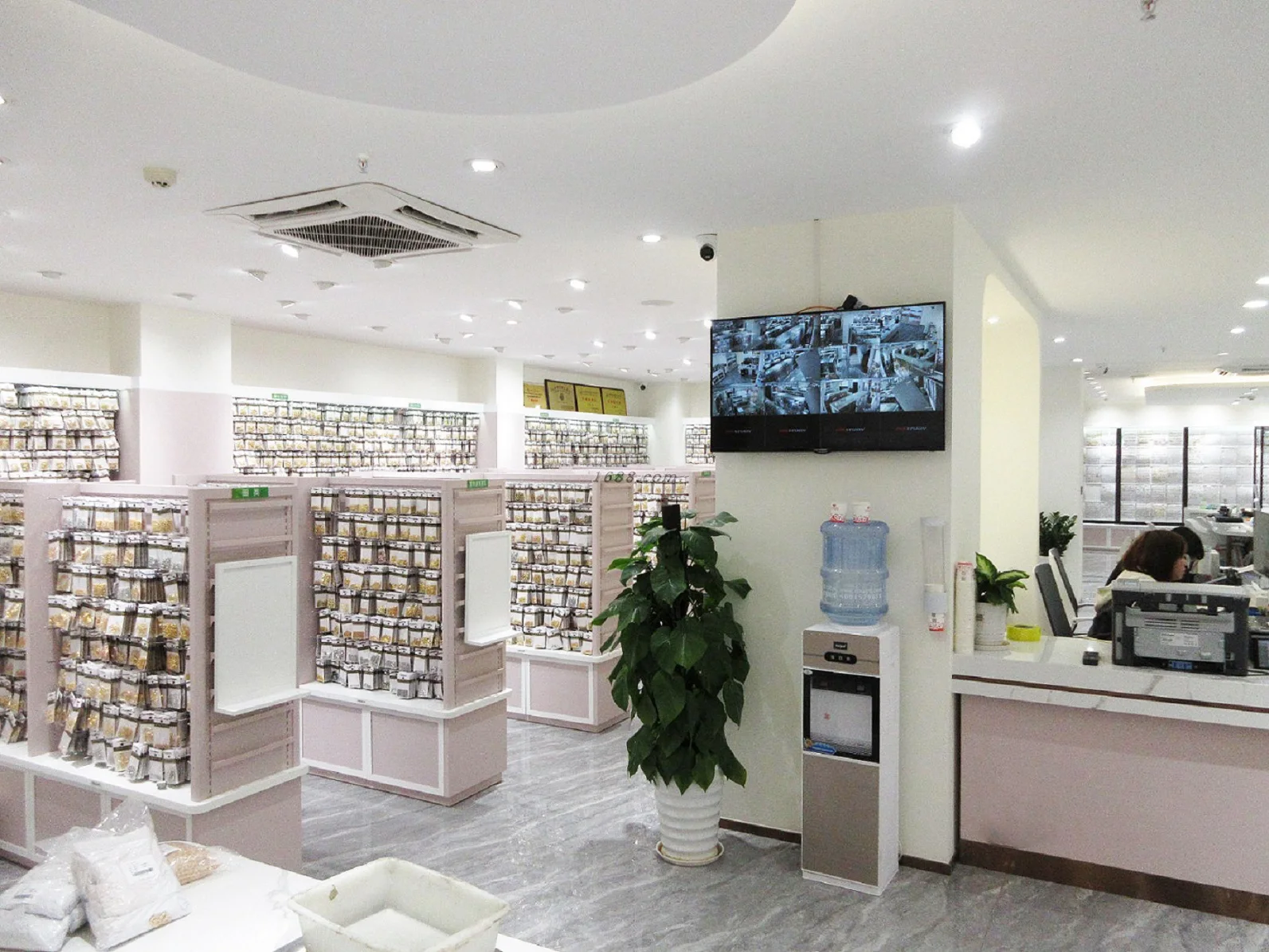
Yiwu Zhongxing Jewelry Fittings Co., Ltd.
- Trading Company
- Zhejiang, China
- Lead time7 days
- Avg. response≤ 8h
Main productsJewelry Fittings,Finish Jewelry,Earring,Pendants,Chains
Main marketsNorth America(32.18%), Western Europe(30.070000000000004%), Domestic Market(18.28%), South America(6.21%), Mid East(5.88%), Eastern Europe(3.25%), Oceania(2.12%), Southeast Asia(1.18%), Africa(0.83%)
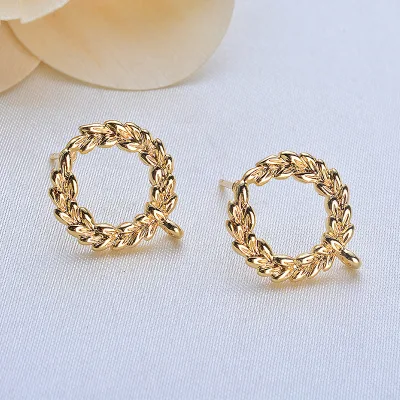
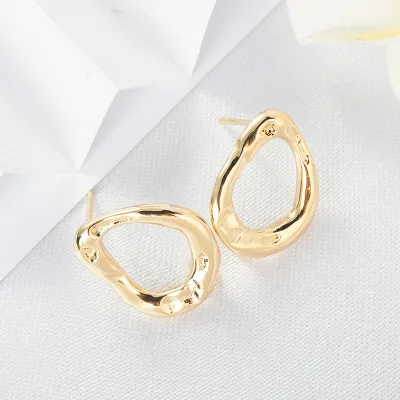
New Design Gold Plate Earrings
$0.65 - $0.69

Jinjiang Jiaxing Supply Management Co., Ltd.
- Verified by TUVRHEINLAND
- Trading Company
- China Fujian
- Lead time30 days
- Avg. response≤ 1h
Main productsEVA Clogs, Flip Flop, Shoe Charms, Shopping Bags, Wristbands, Gifts, Promotional Gifts, Slipper, Sport Cap, Ball
Main marketsNorth America
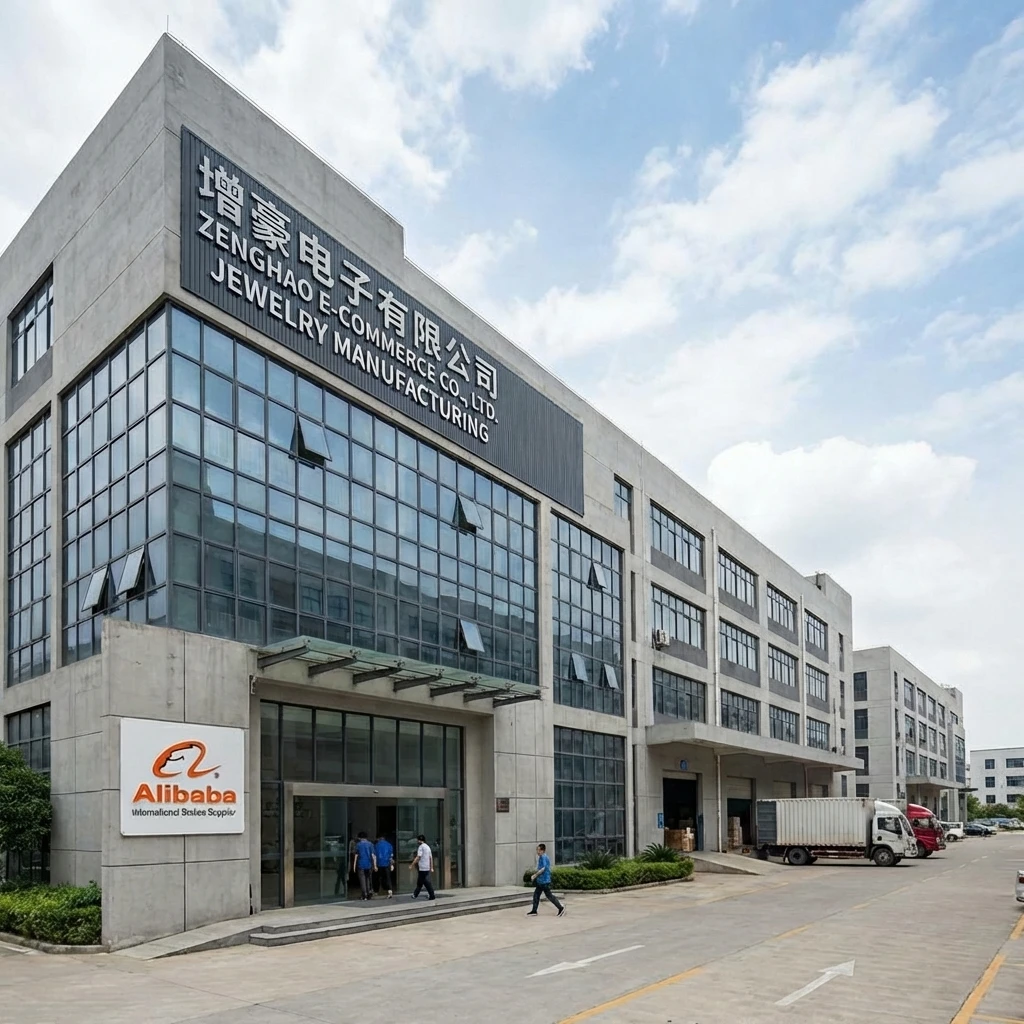
Yiwu Zenghao E Commerce Corporation
- Trading Company
- Zhejiang, China
- Lead time30 days
- Avg. response≤ 5h
Main productsnecklace,earring,bracelet,ring,keychain
Main marketsCentral America(40.0%), Eastern Europe(10.0%), Western Europe(10.0%), North America(5.0%), Domestic Market(5.0%), Mid East(5.0%), Oceania(5.0%), Southern Europe(5.0%), Northern Europe(5.0%), South Asia(3.0%), South America(2.0%), Africa(2.0%), Southeast Asia(2.0%), Eastern Asia(1.0%)

GOODLINESS JEWELLERY CO., LIMITED
- Verified by SGS
- Manufacturer
- China Guangdong
- Lead time23 days
- Avg. response≤ 6h
Main products925 Silver Ring, Brass Jewelry, 925 Silver Earring, 925 Silver Necklace, 925 Silver Set, 925 Silver Bangle, Customer's Design, 925 Silver Bracelet, Silver Accessory, Brass Accessory
Main marketsSoutheast Asia/ Mideast,Europe,North America

- Verified by CTI
- Trading Company
- China Zhejiang
- Lead time15 days
- Avg. response≤ 2h
Main productsWarning Vests, Safety Glasses, Welding Mask, Rain Coat, Work Wear, Gloves, Safety Shoes, Respirator
Main marketsSoutheast Asia/ Mideast,Europe,North America
Chengdu Ocean Pearl Technology Co., Ltd.
- Trading Company
- Sichuan, China
- Lead time5 days
- Avg. response≤ 3h
Main productsFreshwater loose pearl,Freshwater pearl necklace,Freshwater pearl jewelry set,Freshwater pearl bracelet,Freshwater pearl earrings
Main marketsDomestic Market(65.0%), North America(25.0%), Southeast Asia(10.0%)

YIWU JINYE IMPORT AND EXPORT CO., LTD
- Verified by SGS
- Trading Company
- China Zhejiang
- Lead time15 days
- Avg. response≤ 24h
Main productsBangle, Wrist Band, Bracelet, Fashion Jewelry
Main marketsNorth America


European and American Style Diamond Long Chain Five-Pointed Star Hollow Earrings
$0.64 - $1.25
MOQ: 200 Pairs


Putian Chengqiu Hui Trading Co., Ltd.
- Verified by TUVRHEINLAND
- Trading Company
- China Fujian
- Lead time15 days
- Avg. response≤ 4h
Main productsSports Shoes, Watch, Slippers, Bags, Training Clothes, Clothing Design, Hat, Jewel, Sunglasses, Belt
Main marketsDomestic

18K Gold Plated Circle Chain Link Earring New Minimalist Design Stud Earrings
$2.26 - $2.76
MOQ: 3 Pairs

Fashion Simulation Diamond Birthstone Earrings Hoop Huggie Gemstones Stud Earrings
$2.00 - $2.47
MOQ: 3 Pairs

Sterling Silver Gemstone Earrings Rhinestone Jewelry Color Stone Diamond Accessories Jewellery
$2.00 - $2.47
MOQ: 3 Pairs

Hotsale Charm Gold Plated Diamond Zircon Earrings Sparking Butterfly Moon Stud Earrings
$1.00 - $1.53
MOQ: 2 Pairs
Hangzhou Charming Cat Jewelry Co., Ltd.
- Trading Company
- Zhejiang, China
- Lead time15 days
- Avg. response≤ 2h
Main productsnecklace,ring,Earrings,chain bracelet
Main marketsNorth America(30.0%), South America(20.0%), Eastern Europe(10.0%), Western Europe(10.0%), Southern Europe(10.0%), Southeast Asia(5.0%), Mid East(5.0%), Central America(5.0%), Northern Europe(5.0%)

Innovation Plastic Industry Co., Ltd.
- Combined
- China Jiangsu
- Lead time30 days
- Avg. response≤ 11h
Main productsGlasses Case, Eyewear Case, Metal Case, Aluminum Case, Handmade Case, Lens Cleaning Cloth, Glasses Pouch, Plastic Case, Eyewear Cords
Main marketsAfrica,Europe,North America
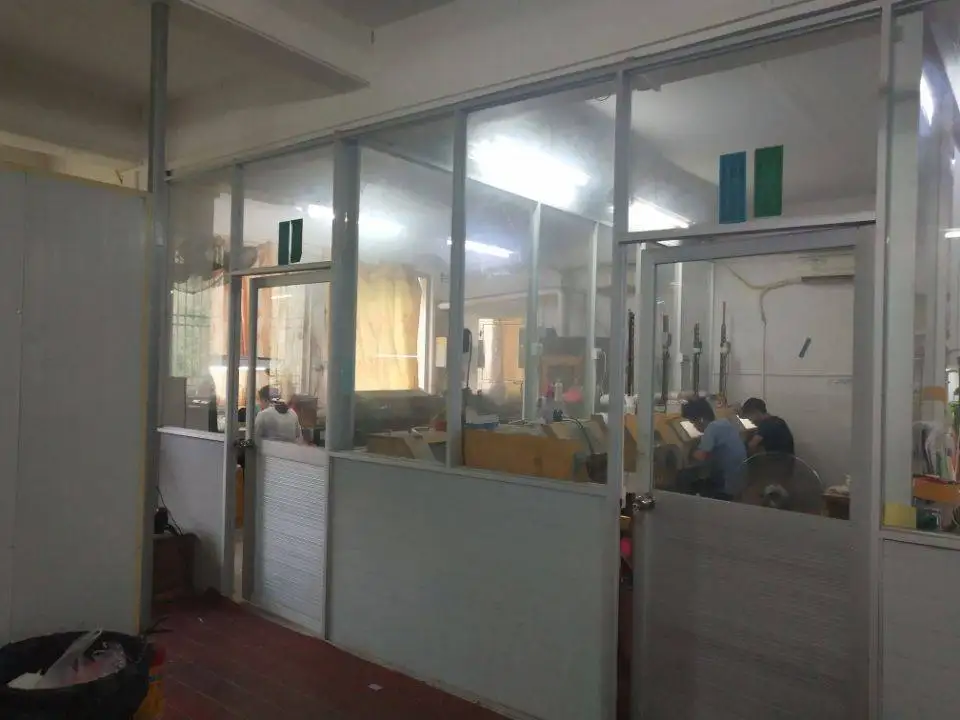
Yiwu Hertiny Jewelry Co., Ltd.
- Trading Company
- Zhejiang, China
- Lead time20 days
- Avg. response≤ 2h
Main productsJewelry,Beads,Charms,Accessories Material,925 sterling silver necklace
Main marketsWestern Europe(30.0%), North America(15.0%), Southern Europe(15.0%), Eastern Europe(10.0%), Northern Europe(10.0%), Oceania(10.0%), South America(5.0%), Mid East(5.0%)
Yiwu Longtai Jewelry Co., Ltd.
- Manufacturer, Trading Company
- Zhejiang, China
- Lead time0 days
- Avg. response≤ 4h
Main productsEar stud,Bracelet,Pendant,Ring,Ear clip
Main marketsEastern Europe(30.0%), South America(20.0%), North America(15.0%), Southeast Asia(10.0%), Eastern Asia(6.0%), Africa(5.0%), Mid East(5.0%), Oceania(5.0%), Western Europe(4.0%)

Shenzhen Hengda Xin Jewelry Co., Ltd.
- Verified by BV
- Combined
- China Guangdong
- Lead time15 days
- Avg. response≤ 2h
Main productsJewelry, Stainless Steel Fittings, Stainless Steel Jewelry, Necklace, Bracelet, Stud Earrings, Ring, Pendant, Fashion Jewelry, Fashion Accessories
Main marketsSoutheast Asia/ Mideast,East Asia(Japan/ South Korea),Domestic,Europe,Australia,North America

Hollow Drop Shaped Stainless Steel Stud Earrings with Diamond Plated 18K Gold Horn Stud Earrings
$2.35 - $2.85
MOQ: 100 Pairs


Foshan Craftwolf Jewelry Factory
- Manufacturer, Trading Company
- Guangdong, China
- Lead time1 days
- Avg. response≤ 1h
Main productsNecklaces,pendants,bracelets,earrings,RING
Main marketsDomestic Market(50.0%), Western Europe(20.0%), North America(15.0%), South America(5.0%), Southeast Asia(5.0%), Mid East(5.0%)

Fujian Junqing Trade Co., Ltd.
- Verified by CTI
- Trading Company
- China Fujian
- Lead time15 days
- Avg. response≤ 4h
Main productsDesign Necklace, Design Earring, Design Bracelet Bangle, Design Hair Accessories, Shoes, Bags, Watches, Sunglasses, Home Decoration
Main marketsSoutheast Asia/ Mideast,Europe,North America

Gold Plated Hollow New Waterdrop Ear Jewelry Chunky Luxury Teardrop Earring
$1.59 - $3.49
MOQ: 10 Pairs

Round Hollow Diamond-Studded Pearl Stud Earrings S925 Silver Needle Earrings
$0.95 - $1.55
MOQ: 10 Pairs

GUANGZHOU ARTS JEWELLERY CO., LTD.
- Verified by SGS
- Combined
- China Guangdong
- Lead time30 days
- Avg. response≤ 8h
Main productsSilver Jewelry, Gold Jewelry, Diamond Jewelry, Silver Ring, Silver Earring, Silver Pendant, Silver Bracelet, Silver Necklace
Main marketsSoutheast Asia/ Mideast

Wuzhou Provence Jewelry Co., Ltd.
- Verified by CTI
- Combined
- China Guangxi
- Lead time23 days
- Avg. response≤ 7h
Main productsMoissanite, Moissanite Jewelry, Cubic Zirconia, Lab Grown Diamond, Gold Jewelry
Main marketsSoutheast Asia/ Mideast,Europe,North America

$345.00 - $398.00
MOQ: 1 Pieces


Dongguan Guanzhiniu Jewelry Co., Ltd.
- Combined
- China Guangdong
- Lead time30 days
- Avg. response≤ 20h
Main productsASTM F136 Titanium Body Piercing Jewelry, Piercing Jewellery, Belly Button Rings, Body Jewelry, Body Piercing Jewelry, Nose Ring, Lip Piercing Labret, Curved Barbell Banana, Titanium Piercing Jewelry, ASTM F136 Titanium
Main marketsSouth America,Europe,North America












Comprehensive Sourcing Guide
Diamond Ear Hooks Supplier Concentration and Factory Types
The available data indicates that suppliers for Diamond Ear Hooks are concentrated in specific Chinese regions, with Zhejiang and Guangdong emerging as key manufacturing hubs. Fact records show locations in Zhejiang, China, and China Guangdong, suggesting these areas host the primary production clusters for this category. Buyers should prioritize verifying the specific factory address within these provinces, as the concentration of machinery and raw materials often dictates the efficiency of production. The presence of trading companies alongside manufacturers in these regions means that a single listing might represent a broker rather than the actual production floor. It is essential to distinguish between a trading company and a manufacturer when evaluating the source, as this distinction impacts pricing structures and communication directness.
Factory types vary significantly among the results, with some entities identified as trading companies, while others operate as combined manufacturers or factories. The main products listed for these suppliers range from jewelry machines and die casting equipment to finished fashion earrings and sterling silver pieces. This diversity suggests that some suppliers may specialize in the machinery used to create the hooks, while others focus on the final assembly and finishing of the jewelry. Buyers must carefully review the company type field to understand the supplier's role in the supply chain. A manufacturer might offer more flexibility for custom molds, whereas a trading company could provide a broader range of finished designs from various factories. Understanding this dynamic is crucial for aligning supplier capabilities with specific project needs.
How to Verify Diamond Ear Hooks Suppliers
Verification of suppliers requires a rigorous check of their credentials and operational history, as the market contains a mix of verified and unverified entities. Some suppliers in the results display verification badges from recognized bodies like TÜV Rheinland, which serves as a strong indicator of operational legitimacy. Additionally, system certifications such as ISO 9001 and QC 080000 are present in the data, signaling adherence to quality management standards. Buyers should request copies of these certificates and verify their validity directly with the issuing organization before proceeding with any order. The presence of these certifications does not guarantee product quality for every item, but it suggests a structured approach to quality control within the facility.
Response times and lead times are critical metrics for assessing supplier reliability and responsiveness. The observed data shows response times ranging from 7 to nearly 20 hours, with lead times varying between 15 and 25 days. A supplier with a response time of 7 hours may be more agile in addressing urgent inquiries than one taking nearly 20 hours. Buyers should test the communication channel by sending specific technical questions about diamond settings and ear hook mechanisms to gauge the speed and depth of the response. Furthermore, verifying the actual production capacity through video calls or third-party audits can confirm if the stated lead times are realistic. Relying solely on listed metrics without direct interaction can lead to misunderstandings regarding production schedules and delivery expectations.
What to Compare Across Diamond Ear Hooks Suppliers
When comparing suppliers, buyers must evaluate a wide array of dimensions including minimum order quantities, pricing structures, and product specifications. The data reveals significant variation in MOQs, with some suppliers requiring as few as 2 pieces while others demand 50 or 100 units. Pricing also fluctuates, with ranges observed from under one dollar to over twenty-five dollars depending on the product complexity and material used. Buyers should create a comparison matrix that lists these variables side-by-side to identify the most cost-effective option that meets their volume requirements. It is important to note that a lower MOQ might come with a higher unit price, while larger orders could unlock better pricing tiers.
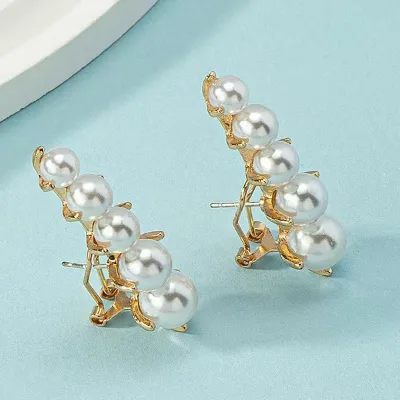
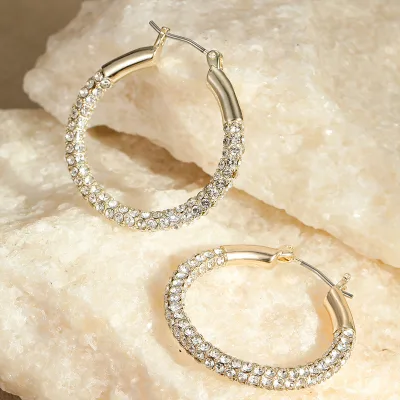
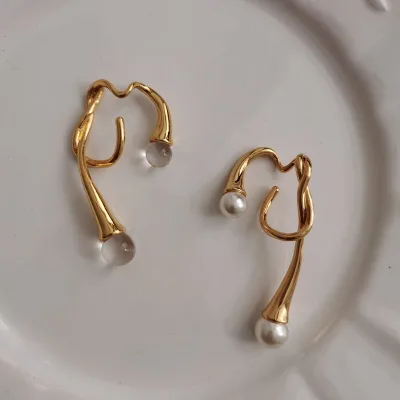
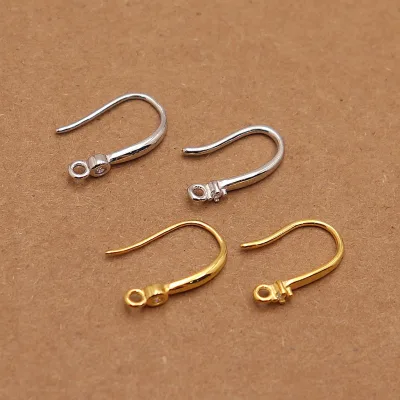
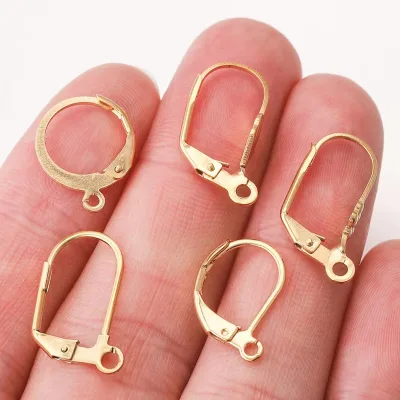
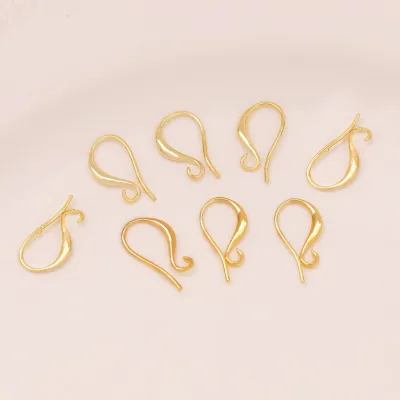
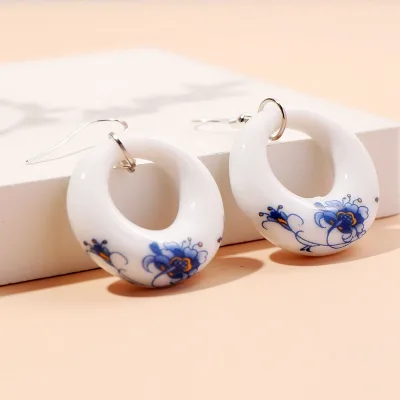
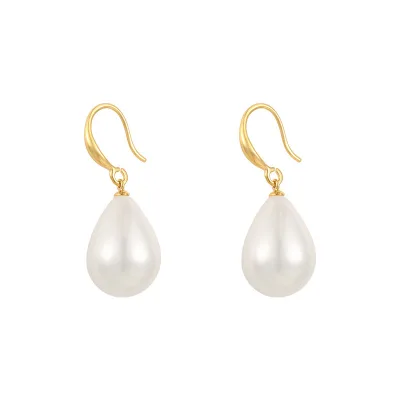
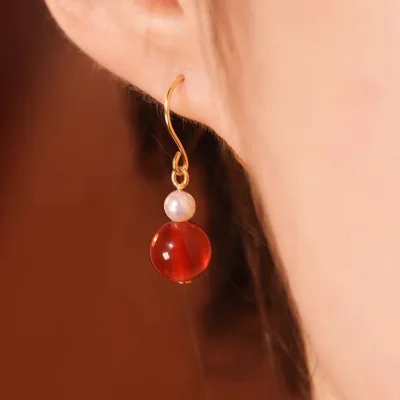
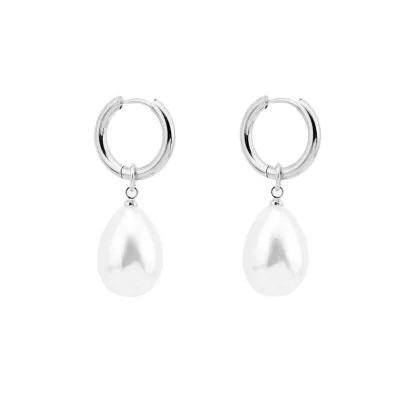
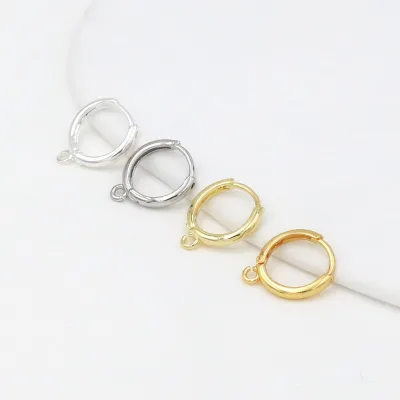
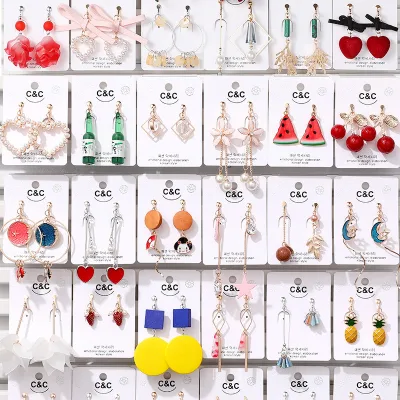
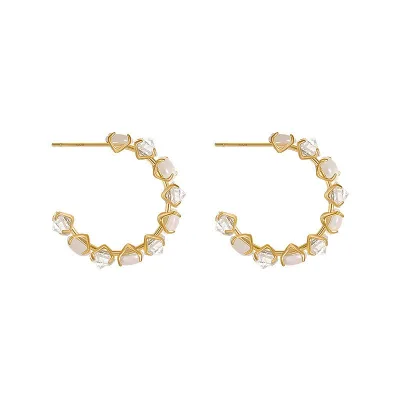
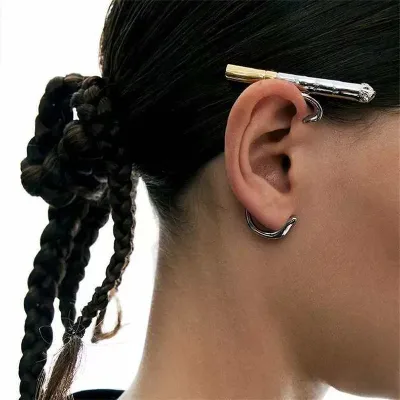
Product attributes and customization capabilities are equally vital factors in the selection process. Some suppliers offer customization for materials, plating, and packaging, while others provide fixed designs with limited flexibility. The main products listed include items like Korean-style minimalist earrings and retro pearl clips, indicating a diverse range of styles available. Buyers should verify if the supplier can accommodate specific design changes, such as altering the hook mechanism or adjusting the diamond cut. Additionally, checking for OEM and ODM capabilities is essential for brands looking to develop unique products. The presence of services like custom logos and private gem customization can add significant value, but these services often require higher order volumes or additional fees.
Common Diamond Ear Hooks Sourcing Risks
One of the primary risks in sourcing Diamond Ear Hooks involves the discrepancy between advertised product attributes and the actual delivered goods. The product evidence shows detailed specifications regarding color, material, and style, but these details may not always reflect the final production batch. For instance, a listing might specify "Champagne color" or "Gold Plated," but the actual plating thickness or color consistency could vary. Buyers should request physical samples before committing to large orders to verify that the materials match the description. Relying on digital images alone is insufficient, as lighting and photography can alter the perception of color and quality.
Another significant risk is the potential for supply chain disruptions due to varying lead times and production capacities. The data indicates lead times ranging from 15 to 25 days, but these estimates can be affected by raw material shortages or factory workload. If a supplier is also handling other product lines, such as two-way radio accessories or jewelry machines, their capacity to prioritize diamond ear hook orders may be compromised. Buyers should establish clear communication channels to monitor production progress and request regular updates. Additionally, verifying the supplier's ability to handle rush orders or expedite shipping is crucial for meeting tight deadlines. Failure to account for these variables can result in delayed shipments and missed market opportunities.
Diamond Ear Hooks Regional Sourcing and Logistics
Sourcing from regions like Zhejiang and Guangdong offers logistical advantages due to the established infrastructure and concentration of suppliers. These provinces are known for their robust manufacturing ecosystems, which facilitate efficient production and shipping processes. However, buyers must consider the specific logistics requirements for each region, as shipping times and costs can vary based on the port of origin. For instance, suppliers in Guangdong may have access to major ports like Shenzhen or Guangzhou, which could offer faster shipping options to international markets. Buyers should inquire about the specific shipping terms and preferred logistics partners to ensure a smooth delivery process.
Logistics planning also involves understanding the packaging and handling requirements for delicate items like Diamond Ear Hooks. The product evidence indicates that items are often packed in plastic bags or OPP bags, which may require additional protection during transit. Buyers should discuss packaging standards with the supplier to ensure that the products arrive in pristine condition. Furthermore, considering the impact of regional regulations on shipping, such as customs duties and import taxes, is essential for accurate cost estimation. Buyers should verify if the supplier offers DDP shipping services or if they are responsible for handling customs clearance. Proper logistics planning can mitigate risks associated with damage, loss, or delays during the shipping process.
Diamond Ear Hooks Commercial Terms and Order Planning
Commercial terms and order planning are critical components of a successful sourcing strategy for Diamond Ear Hooks. The data shows that payment methods vary, with options including T/T, Western Union, and PayPal, and some suppliers accepting trade assurance. Buyers should carefully review the payment terms to ensure they align with their financial policies and risk tolerance. It is advisable to use secure payment methods that offer buyer protection, such as trade assurance, to safeguard against non-delivery or quality issues. Additionally, understanding the deposit requirements and balance payment schedules is essential for effective cash flow management.
Order planning must account for the specific lead times and MOQs associated with each supplier. The observed lead times range from 15 to 25 days, and MOQs vary from 2 to 100 units. Buyers should develop a production schedule that accommodates these timelines, allowing for buffer periods to handle any unforeseen delays. It is also important to plan for potential reorders by establishing a relationship with the supplier that ensures consistent quality and availability. Buyers should discuss the possibility of volume discounts or preferential pricing for repeat orders. By carefully planning the order timeline and commercial terms, buyers can optimize their procurement process and minimize risks associated with supply chain disruptions.
FAQs
What is the minimum order quantity for Diamond Ear Hooks?
Minimum order quantities vary by supplier and product type. Some listings show an MOQ of 2 pieces for specific fashion earrings, while others require 50 or 100 units for specialized radio accessories. Buyers should verify the exact MOQ for their selected item before placing an order.
How long does it take to receive diamond ear hook orders?
Lead times for these products typically range from 15 to 25 days depending on the supplier. Some manufacturers in Guangdong offer faster turnaround times around 15 days, while others may require up to 25 days for production and shipping. Always confirm the specific delivery schedule with the vendor.
Are suppliers for Diamond Ear Hooks located in specific regions?
Yes, suppliers are primarily located in Zhejiang and Guangdong provinces in China. These regions host companies specializing in jewelry machines and fashion accessories. Buyers can filter results by these locations to find manufacturers with established infrastructure for producing high-quality ear hooks.
What certifications do diamond ear hook suppliers hold?
Some suppliers hold ISO 9001 and QC 080000 certifications for quality management. Products may also comply with CE standards for safety. Verification services like TÜV Rheinland are available for certain manufacturers. Buyers should request specific certification documents to ensure compliance with their market requirements.
What is the price range for diamond ear hook products?
Prices for Diamond Ear Hooks generally range from 0.92 to 25.00 USD per unit. Lower prices often apply to basic fashion earrings, while specialized items like radio earpieces with microphones cost more. The final price depends on material, customization, and order volume negotiated with the supplier.
Do suppliers offer customization for diamond ear hook designs?
Many suppliers offer customization options including custom logos, packaging, and specific designs. Some accept OEM and ODM requests for stainless steel or silver products. Buyers can request private gem customization or barcode stickers. Always confirm customization capabilities and associated costs before finalizing the order.
How quickly do suppliers respond to inquiries about ear hooks?
Response times vary, with some suppliers replying within 7 to 9 hours. Others may take up to 20 hours to respond to initial inquiries. Faster response times are often associated with trading companies or manufacturers with dedicated sales teams. Buyers should expect a range of response speeds depending on the vendor.