Digital Motorcycle Speedometer Suppliers and Manufacturers
Explore 21 verified options for Digital Motorcycle Speedometer suppliers and manufacturers in Guangdong, China. Compare response times, lead times, certifications, and pricing to find the right partner. Contact suppliers directly to request quotes and verify product specifications; review the available evidence before requesting comparable quotations from suitable candidates.
Suppliers List

Guangzhou Baiyun District Songzhou Jinshuanglong Motorcycle Parts Store
- Manufacturer, Trading Company, Distributor/Wholesaler
- Guangdong, China
- Lead time29 days
- Avg. response≤ 4h
Main productsmotorcycle engine,Complete motorcycle,Lamps,carburetor,other motorcycle spare parts
Main marketsMid East(35.0%), Africa(33.0%), Domestic Market(10.0%), Southeast Asia(4.0%), South America(3.0%), Eastern Europe(2.0%), South Asia(2.0%), Western Europe(2.0%), Eastern Asia(2.0%), North America(2.0%), Oceania(2.0%), Northern Europe(1.0%), Central America(1.0%), Southern Europe(1.0%)

Langfang Zhouchi Import and Export Co., Ltd
- Trading Company
- China Guangdong
- Lead time0 days
- Avg. response≤ 1h
Main productsMotorcycle Parts, Motorcycle Accessories, Clutch Cable, Motorcycle Sprocket Kit, Motorcycle Crankshaft Assembly, Motorcycle Piston Assy, Motorcycle Clutch Center, Motorcycle Fender, Motorcycle Seat, Thermal Insulation Material


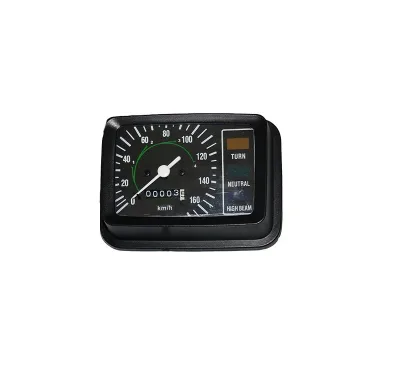
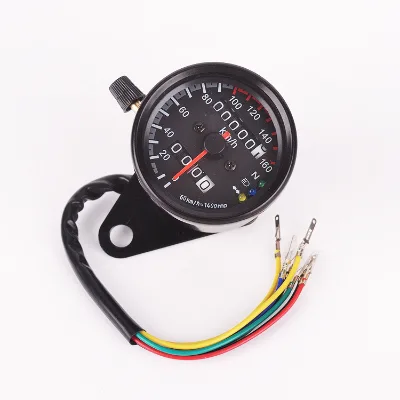
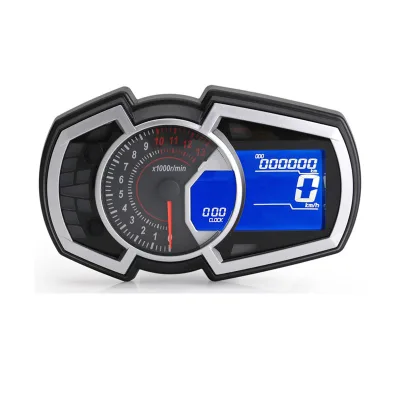
Waterproof and Universal Motorcycle Speedometer with Digital Display and Back Light
$2.82 - $7.60
Moq: 100


Guangzhou Koyu Import And Export Co., Ltd
- Manufacturer, Trading Company
- Guangdong, China
- Lead time15 days
- Avg. response≤ 1h
Main productsengine,Car lights,Motorcycle accessories,Auto accessories,Truck accessories
Main marketsNorth America(30.0%), Southeast Asia(10.0%), Northern Europe(9.69%), Western Europe(8.56%), Africa(8.0%), South America(6.3%), Eastern Europe(5.9%), Domestic Market(5.23%), South Asia(5.0%), Southern Europe(2.85%), Eastern Asia(2.5%), Oceania(2.4%), Mid East(2.0%), Central America(1.2%)
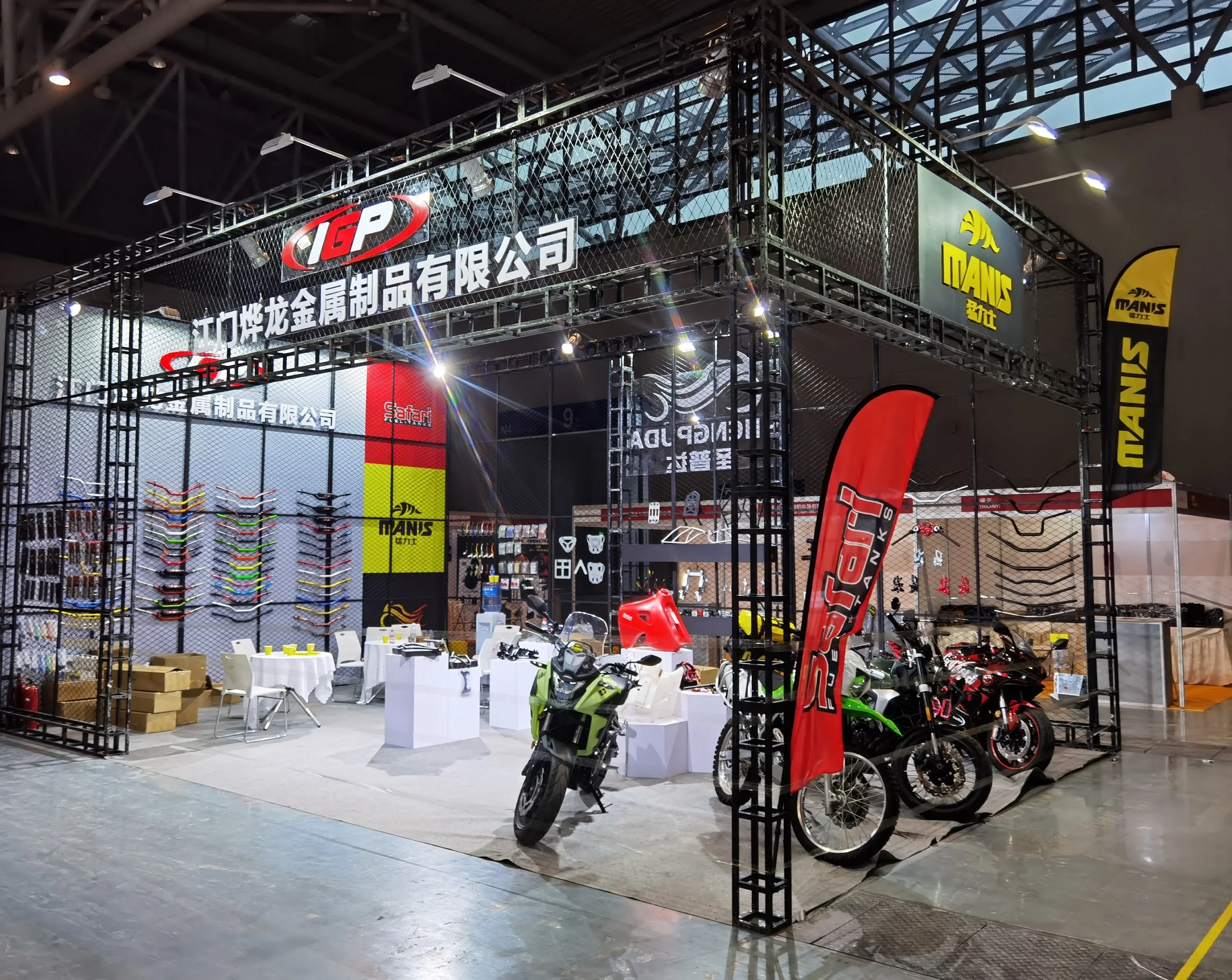
Jiangmen Yelong Metal Products Co., Ltd
- Manufacturer, Trading Company
- Guangdong, China
- Lead time40 days
- Avg. response≤ 6h
Main productsHandle bar,Motorcycle Levers,Risers Clamp,Dirtbike Footpeg,Motorccyle Throttle
Main marketsDomestic Market(60.0%), Eastern Europe(11.0%), Western Europe(8.0%), North America(5.0%), Southeast Asia(5.0%), Northern Europe(4.0%), Southern Europe(3.0%), Central America(3.0%), South America(1.0%)
Hangzhou Gotion Industrial Co., Ltd.
- Trading Company
- Zhejiang, China
- Lead time45 days
- Avg. response≤ 4h
Main productsMotorcycle Parts,Auto Parts,E-bike Parts
Main marketsMid East(45.0%), Eastern Asia(20.0%), Eastern Europe(10.0%), South America(10.0%), South Asia(5.0%), Africa(5.0%), Southeast Asia(5.0%)
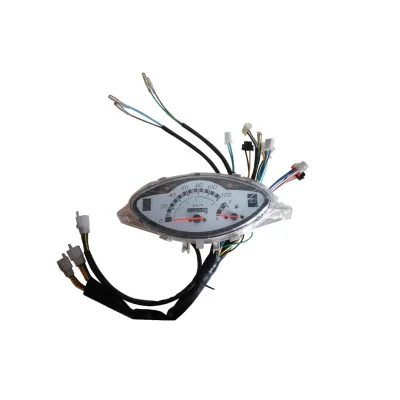
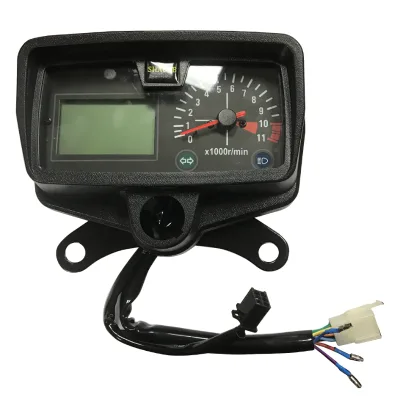
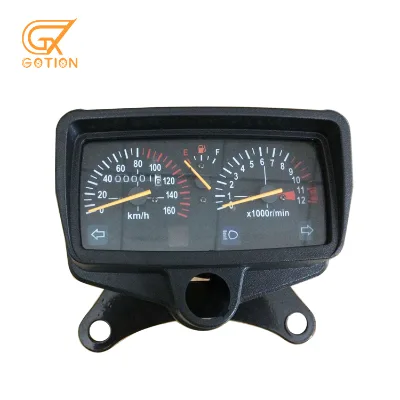
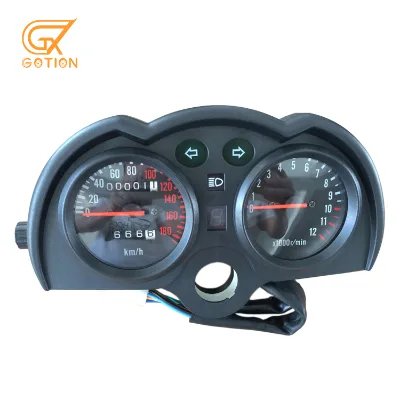
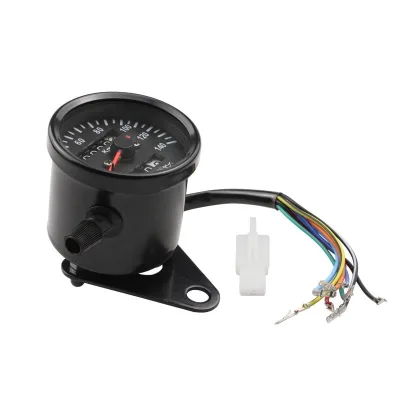
Wholesale Custom XCG Universal Motorcycle Digital Speedometer
Contact supplier
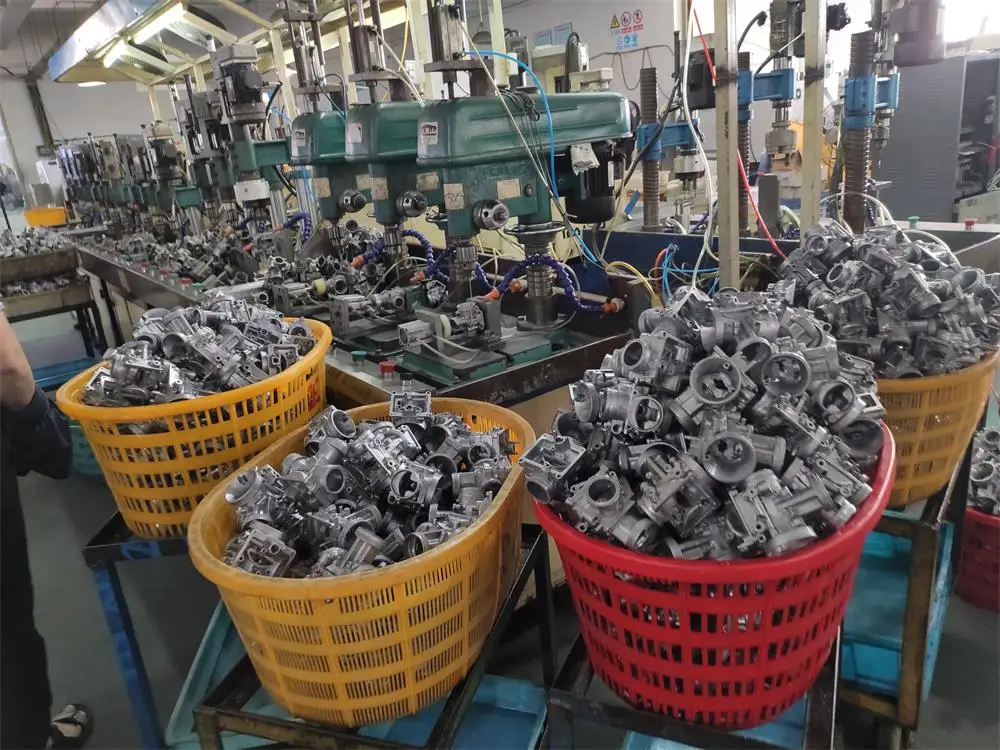
Yiwu Bien Motorcycle Parts Co., Ltd.
- Manufacturer, Trading Company
- Zhejiang, China
- Lead time7 days
- Avg. response≤ 4h
Main productsMotorcycle Meter,Motorcycle modification accessories,motorcycle light,Motorcycle fuel system,Motorcycle mirror
Main marketsSouth America(35.0%), North America(20.0%), South Asia(10.0%), Central America(10.0%), Eastern Europe(10.0%), Western Europe(5.0%), Northern Europe(5.0%), Southeast Asia(5.0%)
Shenzhen Casdony Technology Co., Ltd.
- Manufacturer, Trading Company
- Guangdong, China
- Lead time0 days
- Avg. response≤ 11h
Main productsVideo & Audio,iPhone Accessories,Computer Peripherals,Cameras & Photo Accessories,Smart Device & Safety
Main marketsNorth America(40.0%), Domestic Market(15.0%), Eastern Europe(10.0%), Northern Europe(5.0%), Western Europe(5.0%), Southeast Asia(5.0%), Oceania(3.0%), Central America(3.0%), South Asia(3.0%), Eastern Asia(3.0%), Mid East(3.0%), South America(2.0%), Southern Europe(2.0%), Africa(1.0%)
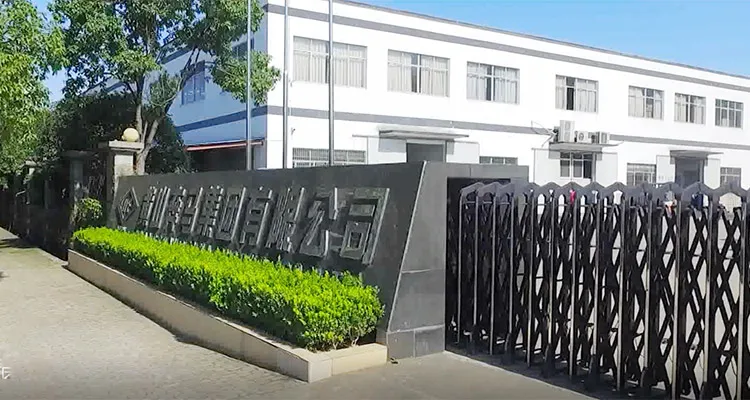
Chongqing Hanfan Technology Co., Ltd.
- Trading Company
- Chongqing, China
- Lead time7 days
- Avg. response≤ 8h
Main productsMotorcycle parts,Electric Motorcycle,Motorcycle Motor,Electronic motorcycle Motor,Hub Motor
Main marketsWestern Europe(20.0%), North America(20.0%), Northern Europe(10.0%), Southern Europe(10.0%), Eastern Europe(10.0%), South America(5.0%), South Asia(5.0%), Central America(5.0%), Southeast Asia(5.0%), Eastern Asia(3.0%), Mid East(3.0%), Africa(2.0%), Oceania(2.0%)
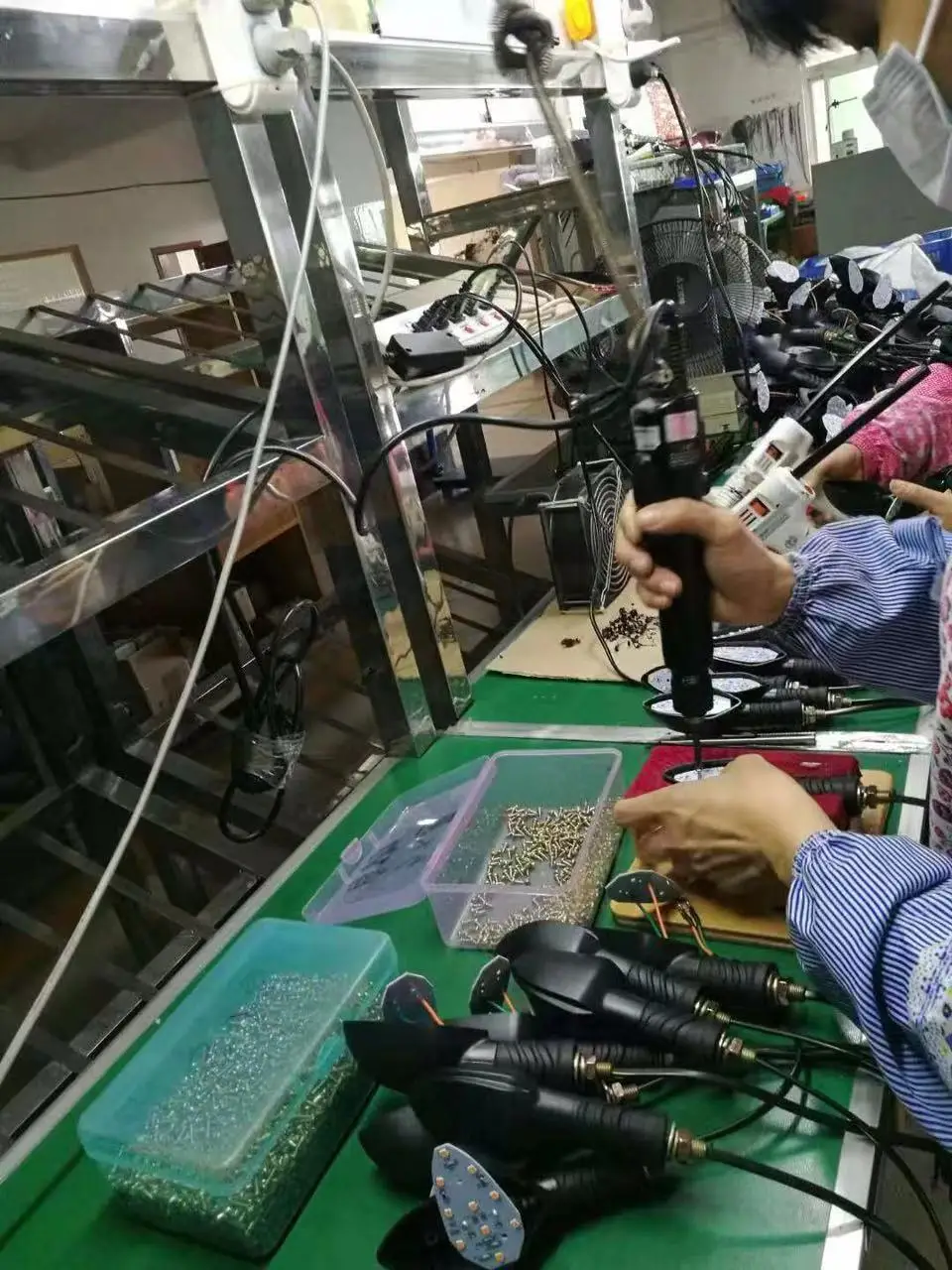
Guangzhou Chenxing Industrail Co., Ltd.
- Manufacturer, Trading Company
- Guangdong, China
- Lead time0 days
- Avg. response≤ 8h
Main productsMotorcycle parts,Motorcycle Accessories,Cart Parts,Car Accessories,Audio
Main marketsWestern Europe(20.0%), Central America(15.0%), South America(15.0%), Southern Europe(10.0%), Eastern Asia(10.0%), South Asia(5.0%), Eastern Europe(5.0%), Northern Europe(5.0%), Mid East(5.0%), North America(5.0%), Southeast Asia(5.0%)
Jinhua Dubang Motorcycle Accessories Co., Ltd.
- Manufacturer, Trading Company
- Zhejiang, China
- Lead time30 days
- Avg. response≤ 6h
Main productsmotorcycle exhaust pipe,Motorcycle carburetor,Motorcycle lights,Motorcycle helmet,Motorcycle modification parts
Main marketsSouth America(20.0%), North America(20.0%), Western Europe(10.0%), Southern Europe(10.0%), Northern Europe(10.0%), Africa(10.0%), Eastern Europe(10.0%), Mid East(5.0%), Southeast Asia(5.0%)

XINGTAI WINWAY IMPORT & EXPORT TRADING CO., LTD.
- Trading Company
- China Hebei
- Lead time23 days
- Avg. response≤ 22h
Main productsMotorcycle Shock Absorber, Motorcycle Brake Shoe, Motorcycle Cable, Motorcycle Sprocket, Motorcycle Mirror, Motorcycle Speedometer, Motorcycle Headlight, Motorcycle Oil Seal, Motorcycle Spark Plug, Motorcycle Kick Staerter
Main marketsSouth America,Africa,Southeast Asia/ Mideast


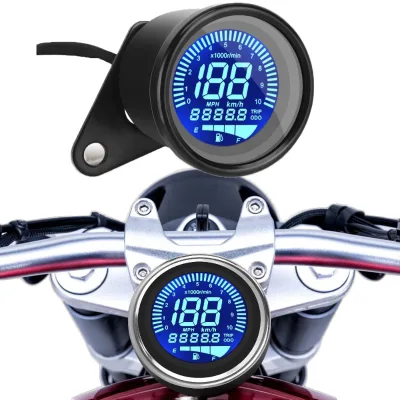
Digital LCD Motorcycle Parts Speedometer Odometer Gauge
Contact supplier

Motorcycle Speedometer Instrument Motorcycle Parts
Contact supplier

Motorcycle Parts Motor Speed Sensor
Contact supplier

Ningbo Jalyn International Trading Co., Ltd.
- Trading Company,Manufacturer/Factory
- China Zhejiang
- Lead time30 days
- Avg. response≤ 21h
Main productsMotorcycle Parts, Motorcycle Accessories, Aftermarket Motorcycle Parts, ATV Parts, Bicycle Parts, Motorcycle Plastic Parts, Motorcycle Mirror, Motorcycle Handle Grips, Motorcycle Engine, Bicycle Accessories
Main marketsSouth America,Eastern Europe,North America,Eastern Asia,Oceania,Western Europe,Africa

Jiangxi Westar Lighting Technology Co., Ltd
- Verified by TUVRHEINLAND
- Manufacturer/Factory
- China Jiangxi
- Lead time15 days
- Avg. response≤ 4h
Main productsAuto LED Lights, LED Strip, LED Warning Light, Car USB Chargers Sockets, Connectors, LED Rock Light, Electronic Products, Car LED Bulbs, Auto LED Headlight, Working LED Light
Main marketsSouth America,Eastern Europe,Mid East,North America,Southeast Asia,Eastern Asia,Oceania,Western Europe,Africa

Chongqing Proud Import & Export Trade Co., Ltd.
- Trading Company
- China Guangdong
- Lead time30 days
- Avg. response≤ 15h
Main productsCylinder Kit, Piston Kit, Magneto Coil, Rocker Arm, Camshaft, Clutch, Motorcycle Engine, Chain, Headlight, Wheel
Main marketsSouth America,Africa,Southeast Asia/ Mideast

- Verified by SGS
- Trading Company
- China Zhejiang
- Lead time15 days
- Avg. response≤ 20h
Main productsCar Mat, Car Air Freshener, Car Seat Cover, Steering Wheel Cover, Car Phone Holder, Car Roof Tent, Car Sunshade, Jerry Can
Main marketsEurope,Australia


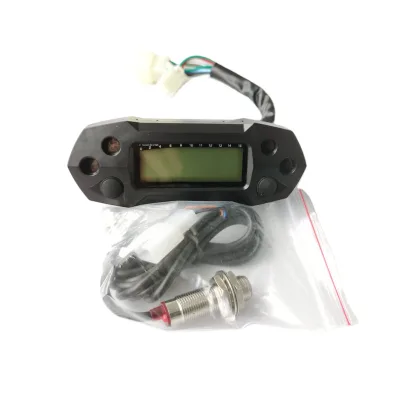
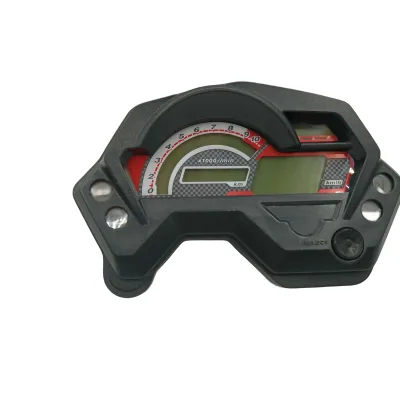
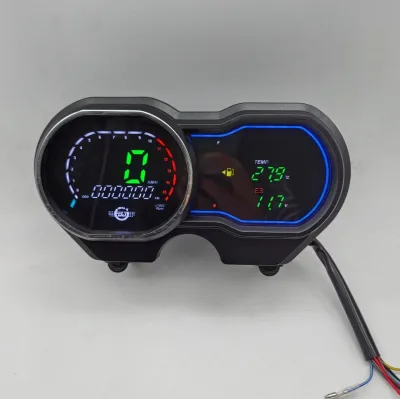
Hot Sale Color LCD Instrument Speed Tachometer Fuel Mileage Motorcycle Speedometer
$13.00 - $15.00
Moq: 70


Ruian Shengyi Automobile & Motorcycle Parts Co., Ltd.
- Manufacturer
- Zhejiang, China
- Lead time30 days
- Avg. response≤ 7h
Main productsWinker Lamp/Rear Lamp/LED Lamp/Head Lamp,CNC Handle
Main marketsSouth America(60.0%), Southeast Asia(20.0%), Northern Europe(10.0%), Western Europe(10.0%)

Ningbo KEDA AUTOMOBILE Meter Co., Ltd.
- Verified by TUVRHEINLAND
- Combined
- China Zhejiang
- Lead time23 days
- Avg. response≤ 14h
Main productsMotorcycle Speedometer, Electric Scooter Speedometer, Tachometer&Movement, USB Charger
Main marketsSoutheast Asia/ Mideast,East Asia(Japan/ South Korea),Domestic
Chongqing Dejia Electric Co., Ltd.
- Manufacturer, Trading Company
- Chongqing, China
- Lead time7 days
- Avg. response≤ 6h
Main productsMotorcycle CDI,Motorcycle Regulator,Motorcycle Ignition Coil,Motorcycle Start Relay,Motorcycle Starter Motor
Main marketsDomestic Market(72.0%), South Asia(8.0%), Southeast Asia(5.0%), South America(5.0%), North America(4.0%), Western Europe(4.0%), Eastern Europe(2.0%)

Jiangmen Xinhui Hongyi Vehicle Accessories Co. Ltd
- Verified by BV
- Manufacturer/Factory
- China Guangdong
- Lead time38 days
- Avg. response≤ 25h
Main productsMotorcycle, Motorcycle Part, Motorcycle Accessory, Lithium Battery, Electric Cargo Tricycle, Electirc Passnage Tricycle, Electric Motorclcle, Electric Moped Scooter Motorcycle
Main marketsSouth America,Mid East,Southeast Asia,Eastern Asia,Oceania,Africa

Ningbo Tofull Motorcycle Parts Co., Ltd.
- Verified by TUVRHEINLAND
- Trading Company
- China Zhejiang
- Lead time30 days
- Avg. response≤ 2h
Main productsMotorcycle Parts, UTV/ATV Parts, Motorcycle Cylinder, Motorcycle Clutch System, Motorcycle Helmet, Motorcycle Carburetor, Motorcycle Shock Absorber, Motorcycle Sprocket & Chain, Motorcycle Speedometer, Motorcycle Electronic Systems
Main marketsDomestic
Taizhou Duolan Trading Co., Ltd.
- Trading Company
- Zhejiang, China
- Lead time10 days
- Avg. response≤ 3h
Main productsMotorcycle speedometer,Motorycle MP3,Motorcycle Face mask,Motorcycle gloves,Motorcycle Voltage Regulator
Main marketsNorth America(30.0%), Eastern Europe(20.0%), South America(20.0%), Northern Europe(10.0%), Western Europe(10.0%), Southeast Asia(10.0%)
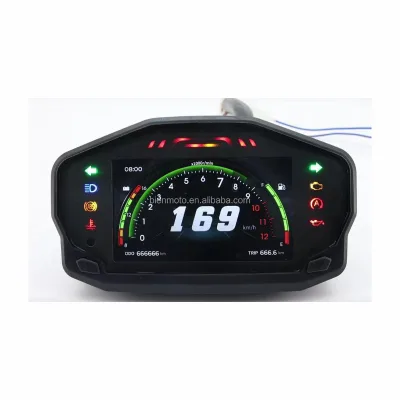
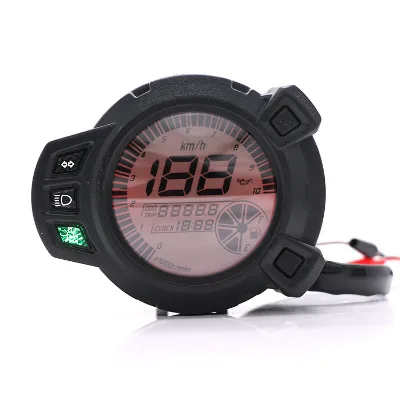
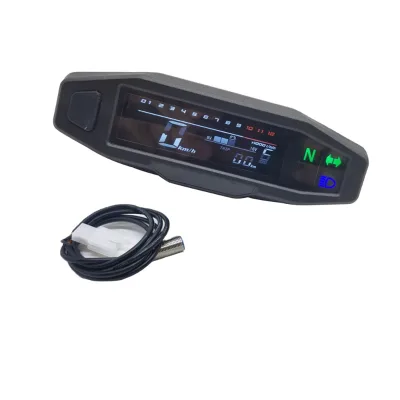
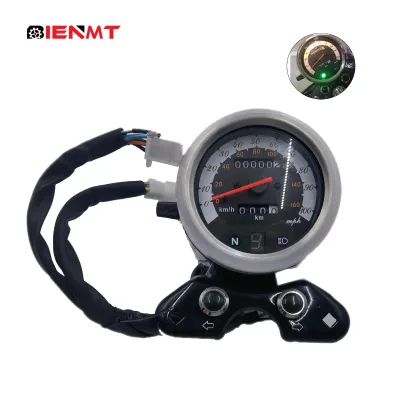






Comprehensive Sourcing Guide
Digital Motorcycle Speedometer Supplier Concentration and Factory Types
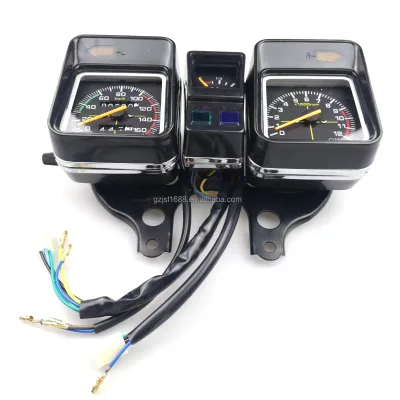
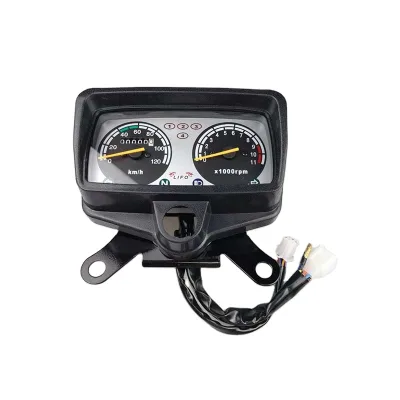
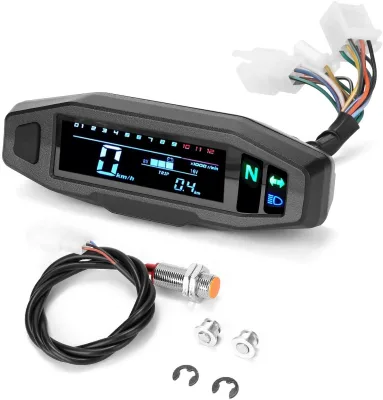
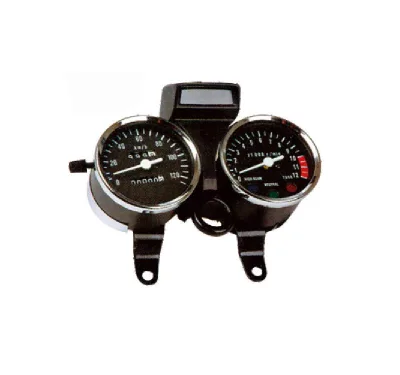
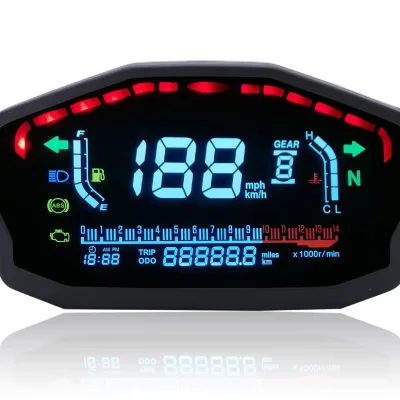
When searching for a Digital Motorcycle Speedometer, the supplier results you see are heavily weighted toward suppliers based in Guangdong, China, which appears as the stated location for multiple listings in this category. This regional signal matters because several of the visible suppliers list motorcycle parts, motorcycle accessories, engines, lamps, carburetors and related spare parts among their main products, and at least one product listing explicitly states "Place of Origin: Guangdong, China" for a digital speedometer with a transmission design. When a location is confirmed in supplier results, you can treat it as evidence of a manufacturing cluster; when it is not, you should identify clusters yourself by checking the declared origin on each product's attribute table, the company profile's registered address, and whether the product listings repeat the same origin consistently across a catalog.
The visible supplier types in this category are not uniform. The results include a combined Manufacturer, Trading Company and Distributor/Wholesaler profile, a pure Trading Company, and a combined Manufacturer and Trading Company. This mix tells you that some speedometers may come directly from an assembly or electronics production line, while others are sourced and resold by intermediaries who aggregate parts from nearby factories. Trading companies can be useful when you want small consolidated shipments across multiple motorcycle components, but for a precision instrument like a digital speedometer, confirming who actually performs final assembly and testing will shape your quality control plan. Before shortlisting, classify each supplier by type and record whether the listing attributes, such as model number, material, and stated quality-testing claims, describe their own production or a sourced item.
How to Verify Digital Motorcycle Speedometer Suppliers
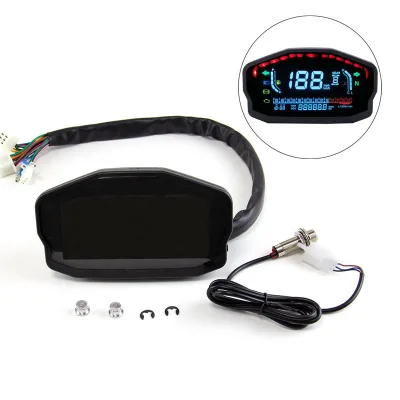
Verification starts with the declared facts on each listing, because they are the only claims you can initially trust. Check the product attribute table for place of origin, condition, material, warranty, and packing details. In this category's results, one digital speedometer lists metal plus plastic construction, a one-year warranty, neutral packing, and a stated quality claim of 100% tested, while another lists ABS housing, ISO9001 and CE certification labels, a DC 12V working voltage, and customization availability. Treat these as claims to be confirmed, not facts. Ask the supplier for the certificate numbers behind any certification label, request photos of the actual production line or assembly area for the instrument, and confirm whether the "100% tested" claim refers to functional testing of every unit or only sampling. A supplier that responds with specific, document-backed answers is materially different from one that repeats marketing language.
Beyond documents, verify the supplier's trading behavior. Use the displayed response time as an initial filter: the results in this category range from under one hour to several hours, and slow responses before you order rarely improve afterward. Ask each supplier to state whether they are the manufacturer or a trader for the specific speedometer model you want, because some profiles combine both roles. Request a sample even at low volumes, since a digital instrument can look correct in photos while having inaccurate speed calibration, dim backlights, or poor waterproofing. Finally, verify that the model number quoted in the proforma invoice matches the listing, because this category includes many distinct models such as AX100, WIN100, MS-110, AD80 and WY125-NEW, and mismatches are an early warning of substitution.
What to Compare Across Digital Motorcycle Speedometer Suppliers
Build a comparison table from the dimensions that are actually displayed on supplier results, and never assume every supplier shows every attribute. Useful labels here include lead time, minimum order quantity, response time, supplier type, location, and main products. In the current results, one supplier shows a lead time of about 29 days, another shows roughly 15 days, and a trading company shows no lead time figure at all, which itself is information: absent data means you must ask. Minimum order quantity appears on only some listings, with one showing an MOQ of 100 units, so record MOQ per model rather than per supplier. Main products also differ meaningfully: one supplier specializes in motorcycle engines, complete motorcycles, lamps, carburetors and spare parts; another lists motorcycle sprocket kits, crankshaft assemblies, clutch cables, fenders and seats; a third covers engines, car lights and general vehicle accessories. A supplier whose catalog centers on instruments or electrical motorcycle parts is more likely to stock replacement boards and assemblies than one listing speedometers among hundreds of unrelated accessories.
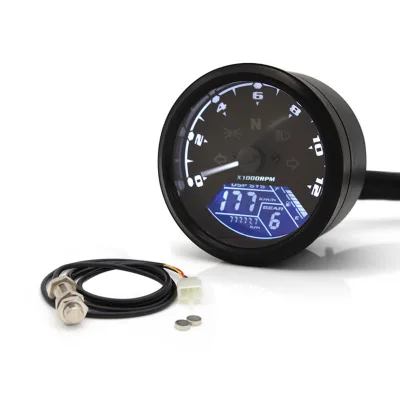
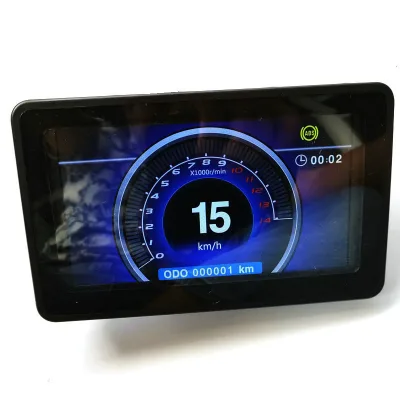
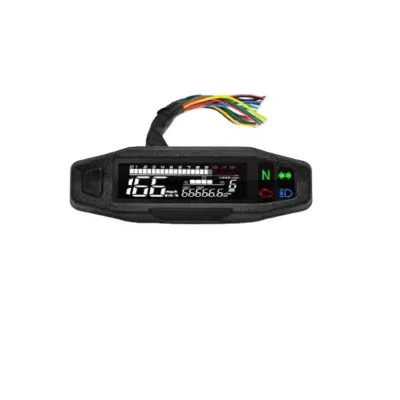
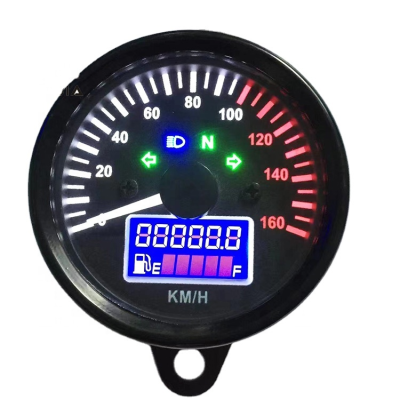
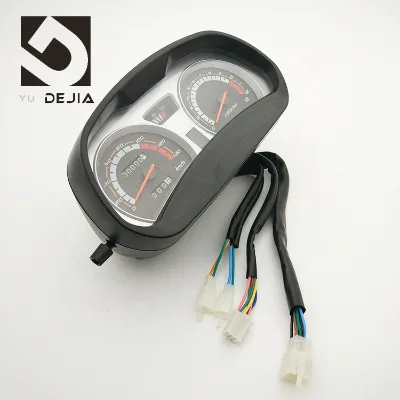
Compare technical fit in the same table. The listings differ in material (ABS versus metal plus plastic), voltage (12V DC appears repeatedly), display type (digital LCD, backlit, GPS-enabled, analog-vintage combos), max rpm readings, and fitment (universal versus model-specific such as WIN100 or AX100). Price ranges on visible listings span roughly from under three dollars per unit to around ten dollars per unit, so ask what configuration each price point includes, since backlight, odometer functions and waterproofing drive cost. Weigh response time together with supplier type: a trading company answering within the hour may still need to relay questions to a factory, adding hidden delay to technical questions about calibration or connector compatibility.
Common Digital Motorcycle Speedometer Sourcing Risks
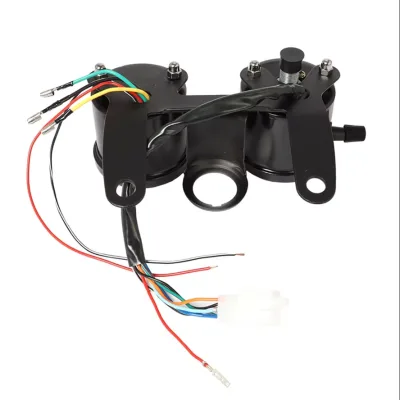
The most frequent risk in this category is model substitution and fitment confusion. The visible listings cover a wide spread of models and mounting specifications, including an inner diameter of 30-33mm for one unit, a 60mm single gauge diameter with 95-100mm mounting hole spacing for another, and universal fitment for a mini LCD meter. If you order by photo alone, you can easily receive a unit whose wiring harness, mounting bracket, or speed signal input does not match the target motorcycle. Mitigate this by sending the supplier your vehicle model, the original instrument's connector photos, and the required speed ratio or sensor type, and by demanding that the quotation state the exact model number, such as WIN100 or AX100, on every document.
Quality and durability risks follow. Digital speedometers combine electronics, LCD panels and housings, so common failure modes include fogging behind the lens, dead pixels, inaccurate readings at higher speeds, and fragile connector tabs. A listing stating ABS plastic housing and neutral packing tells you nothing about waterproof rating or vibration resistance, so ask directly and test samples under realistic conditions. Commercial risks are subtler: several listings show wide price bands rather than fixed prices, meaning the quoted unit price depends on quantity, configuration, and packaging; a warranty of one year appears on some listings but not all, so warranty terms must be written into the contract. Finally, beware of suppliers who claim 100% testing without describing the test method, since unverified testing claims are the weakest form of quality assurance available to a remote buyer.
Digital Motorcycle Speedometer Regional Sourcing and Logistics
The regional picture in this category is clear from the supplied facts: the declared locations cluster in Guangdong, China, and product-level origin attributes repeat "Guangdong, China" or simply "China" across listings. Guangdong's role in motorcycle parts and electronics manufacturing means you can realistically consolidate a digital speedometer order with other components such as lamps, carburetors, sprocket kits or clutch parts from suppliers in the same province, reducing freight complexity. Several suppliers in the results also list broad vehicle-parts catalogs, which supports multi-item sourcing from a small number of counterparties. Where a listing gives no origin, ask for the factory's registered address before planning any visit, since the trading location and the manufacturing site can be in different cities.
Logistics terms visible in the listings include sea transport, air transport, and air express, giving you a normal choice between cost and speed. Package dimensions on the listings are modest, for example 30X20X15 cm at 3.0 kg gross for one digital meter and 15X10X10 cm at 0.25 kg for a mini LCD universal meter, so dimensional weight matters mainly for air shipments and samples. Carton packing with standard export packaging is stated on several listings, and neutral packing is explicitly offered, which matters if you plan to sell under your own brand. Confirm carton counts, palletization, and whether instrument boxes are individually cushioned, because LCD assemblies are among the most damage-prone items in a mixed motorcycle-parts container.
Digital Motorcycle Speedometer Commercial Terms and Order Planning
Commercial terms in the visible listings are consistent enough to plan around: T/T payment is declared, warranty periods of one year appear on multiple listings, OEM acceptance is explicitly stated on at least one product, and customization is marked available on several ABS-housed models. Start negotiations by confirming unit price against quantity tiers, because the displayed price bands are wide, for example roughly 2.82 to 7.60 per unit on one model, 3.65 to 5.08 on another, and 9.00 to 10.00 on a metal-and-plastic unit. Ask which tier applies at your target volume, what the price includes in terms of backlight, functions and packaging, and whether the MOQ shown on a listing, such as 100 units where displayed, is firm or negotiable per model.
Order planning should anchor on the lead times actually displayed. One supplier shows around 29 days, another around 15 days, and one trading company shows none, so treat lead time as a per-supplier, per-model figure to be confirmed in writing. Build in time for sample approval before bulk production, since calibration and connector fit are hard to fix after shipment. Use a staged plan: sample with payment, small trial order, then scale. Put the model number, warranty term, packing specification, and testing method into the proforma invoice and contract, and confirm incoterms and shipping mode, sea or air express, before the deposit is paid so that total landed cost is known in advance.
Word count check: S1 ~232, S2 ~231, S3 ~233, S4 ~232, S5 ~226, S6 ~231 → total ≈ 1385. Within range.
FAQs
What is the price range for digital motorcycle speedometers?
Prices typically range from $2.82 to $10.00 per unit depending on the model and features. Basic plastic units start around $3.65, while metal and plastic combinations with additional testing may cost up to $10.00. Buyers should verify specific pricing for their required quantity and customization needs.
What is the minimum order quantity for these products?
The minimum order quantity is generally 100 units for standard digital speedometer models. Some suppliers may offer different terms, so buyers should confirm the exact MOQ with the supplier before placing an order. Bulk purchases often qualify for better pricing tiers.
How long does shipping take for these speedometers?
Lead times vary by supplier, with some offering production times of 15 to 29 days. Shipping methods include sea transport, air transport, and air express. Buyers should confirm the exact delivery schedule with the supplier to ensure timely arrival for their inventory needs.
What certifications are available for motorcycle speedometers?
Some suppliers offer products certified with ISO9001 and CE standards. These certifications indicate compliance with quality and safety regulations. Buyers should request valid certification documents from the supplier to ensure the products meet the required standards for their target market.
What is the warranty period for digital speedometers?
Most suppliers provide a warranty of 1 year or 12 months for their digital speedometer products. This covers defects in materials and workmanship. Buyers should review the specific warranty terms and conditions provided by the supplier to understand the coverage details.
Where are these speedometers manufactured?
The products are manufactured in Guangdong, China. This region is known for its robust manufacturing capabilities for vehicle parts and accessories. Buyers can verify the specific factory location and production capacity with the supplier to ensure quality control and supply chain reliability.