Double H Valve Suppliers and Manufacturers in China
Compare 16 verified Double H Valve suppliers by location, response time, lead time, and certifications. Review product specs like pressure ratings and materials before contacting factories for quotes to ensure your specific industrial or household needs are met with precision.
Suppliers List
- Verified by SGS
- Manufacturer
- China Zhejiang
- Lead time15 days
- Avg. response≤ 11h
Main productsValve, Ball Valve, Butterfly Valve, Gate Valve, Globe Valve, Plug Valve, Check Valve, Through Conduit Gate Valve, Knife Gate Valve, Bellow Sealed Valve
- Manufacturer/Factory
- China Fujian
- Lead time0 days
- Avg. response≤ 14h
Main productsToilet Bidet, Toilet Bidet Attachment, Toilet Fill Valve, Toilet Flush Valve, Toilet Tank Fittings, Dual Flush Valve, Toilet Parts, Flush Valve, Toilet Fittings, Toilet Flush Sensor

MOQ: 300 Pieces

Cheap and Good Quality Dual Flush Valve
MOQ: 100 Pieces

MOQ: 100

Dual Flush Valve (cable operated) 42461 000
MOQ: 300 Pieces

Shanghai Guorui Hydraulic Technology Co., Ltd.
- Verified by SGS
- Combined
- China Shanghai
- Lead time30 days
- Avg. response≤ 6h
Main productsGear Pump, Gear Motor, Hydraulic Control Valve, Flow Divider, Orbit Motor, Monoblock Valve, Sectional Valve, Power Unit, Air Cooler, Steering Unit
Main marketsSoutheast Asia/ Mideast,Domestic,North America

Shanghai Intelsheng International Trading Co., Ltd.
- Verified by SGS
- Trading Company
- China Shanghai
- Lead time23 days
- Avg. response≤ 9h
Main productsValve, Pipe Fittings, Pump Accessories, Brass Manifolds, Brass Ball Valve, Check Valve, Gate Valve, Stop Valve, Brass Bibcock, Brass Radiator
Main marketsSoutheast Asia/ Mideast
Inner Mongolia Firmaco Import & Export Co., Ltd.
- Verified by SGS Group
- Manufacturer, Trading Company
- Lead time0 days
- Avg. response≤ 4h
Main productsCasting Parts, Railway Wagon, Engineering Machinery, Heavy Duty Truck, Special Vehicle
Main marketsSoutheast Asia(40%), Africa(20%), North America(10%)
Shanxi Jingwei Chemical Fiber Machinery Co.,Ltd
- Verified by BV
- Combined
- China Shanxi
- Lead time15 days
- Avg. response≤ 16h
Main productsgear pump
Main marketsOthers(foreignTradeCapacity.exportBusinessCapacityMarketOther),Domestic
Ningbo Pntek Technology Co., Ltd.
- Verified by TUVRHEINLAND
- Trading Company
- China Zhejiang
- Lead time23 days
- Avg. response≤ 6h
Main productsPVC Valve, PVC Fitting, PVC Pipe, PVC Butterfly Valve, PP Valve, Brass Ball Valve, Water Tap, PVC Ball Valve, CPVC Valve, Faucet
Main marketsOthers(foreignTradeCapacity.exportBusinessCapacityMarketOther)

Wuxi Chengshunda Automobile Technology Co., Ltd.
- Verified by CTI
- Combined
- China Jiangsu
- Lead time30 days
- Avg. response≤ 10h
Main productsTest Bench, Injectors, Pumps, Valve Rod, Valve Plate, Auto Repair Tools, Auto Diagnostic Tools, Test Equipment, Injector Spare Parts, Test Bed
Main marketsSouth America,Africa,Southeast Asia/ Mideast,East Asia(Japan/ South Korea),Domestic,Europe

MOQ: 1 Sets

MOQ: 1 Sets

MOQ: 1 Sets
NINGBO SANHE REFRIGERATION CO., LTD.
- Verified by BV
- Trading Company
- China Zhejiang
- Lead time30 days
- Avg. response≤ 3h
Main productsCompressor, Refrigerant, Copper Tube & Coil, Air Conditioner Parts, Refrigeration Parts, Refrigerator Parts, Service Tools, Buildings Automation, Washing Machine Parts, Car Air Conditioning Parts
Main marketsSouth America,Africa,Southeast Asia/ Mideast,East Asia(Japan/ South Korea),Europe,Australia,North America
Tianjin Dongfanglong Petroleum Equipment Manufacture Co., Ltd.
- Manufacturer/Factory
- China Tianjin
- Lead time15 days
- Avg. response≤ 16h
Main productsAPI 5CT Tubing and Casing Pipe, API 5CT Tubing and Casing Pup Joint, API 5CT Tubing and Casing Coupling, Down Hole Tools Cementing Tools
Main marketsSouth America,Eastern Europe,Mid East,North America,Southeast Asia,Eastern Asia,Oceania,Western Europe,Africa

Martin (Shanghai) Water Technologies Co., Ltd.
- Manufacturer
- China Shanghai
- Lead time0 days
- Avg. response≤ 21h
Main productsWater Purifier, RO System, Water Filter, FRP Tanks, Reverse Osmosis System, Control Valve, Reverse Osmosis, Reverse Osmosis Equipment, Drinking System, Valves

MOQ: 10 Pieces

MOQ: 100 Pieces

MOQ: 1 Pieces

MOQ: 6 Cartons

MOQ: 12 Pieces

Shengzhou City Resour Products Supplying Co., Ltd.
- Verified by SGS
- Trading Company,Manufacturer/Factory
- China Zhejiang
- Lead time23 days
- Avg. response≤ 7h
Main productsRefrigeration Equipment &, Heat Exchanger, Refrigeration Compressor, Pressure Vessel for Condensing Units, Condensing Units, Refrigeration Valves, Compressor Units, Spare Parts, Water-Cooled, Air Cooled &
Main marketsSouth America,Eastern Europe,Mid East,North America,Southeast Asia,Eastern Asia,Western Europe,Africa
Meokon Sensor Technology (Shanghai) Co., Ltd.
- Manufacturer
- China Shanghai
- Lead time15 days
- Avg. response≤ 3h
Main productsDigital Pressure Gauge, Digital Pressure Controller, Digital Pressure Switch, Digital Electric Contact Pressure Gauge, Temperature and Humidity Table, Pressure Transmitters, Pressure Sensor, Lever Sensor
Main marketsSouth America,Southeast Asia/ Mideast,East Asia(Japan/ South Korea),Domestic,Europe,Australia,North America

Guangdong Laswim Water Environment Equipment Co., Ltd.
- Verified by BV
- Combined
- China Guangdong
- Lead time15 days
- Avg. response≤ 5h
Main productsSand Filter, Pool Pump, Pool Underwater Light, Salt Chlorinator, Heat Pump, Pool Ladder, Pool Plastic Fittings, Filtration Unit, Massage Products, Hydrotherapy Equipment
Main marketsSouth America,Africa,Southeast Asia/ Mideast,East Asia(Japan/ South Korea),Europe,Australia,North America
Shanghai Zentif Valve Group Co., Ltd.
- Verified by BV
- Combined
- China Shanghai
- Lead time15 days
- Avg. response≤ 2h
Main productsIndustrial Gate Valve, Industrial Control Valve, Check Valve, Balancing Valve, HVAC Valve, Differential Pressure Valve, Control Valve, Globe Valve
Main marketsDomestic

Ningbo Yinzhou Nord Machinery Co., Ltd.
- Verified by SGS
- Trading Company,Manufacturer/Factory,Group Corporation
- China Zhejiang
- Lead time45 days
- Avg. response≤ 14h
Main productsInvestment Casting, Precision Casting, Steel Casting China, Sand Casting, Lost Wax Casting, Lost Foam Casting, Open Die Forging, Steel Forging, Excavator Buckets, Mini Excavator Buckets
Main marketsSouth America,Eastern Europe,Mid East,North America,Southeast Asia,Western Europe,Africa


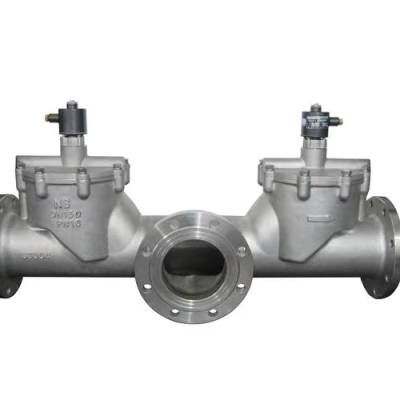
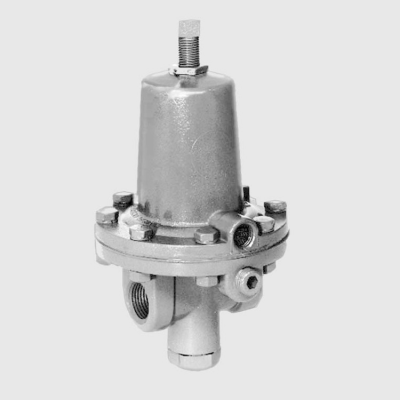


Comprehensive Sourcing Guide
Double H Valve Supplier Concentration and Factory Types
The current supplier landscape for Double H Valve products shows a concentration of manufacturers primarily located in China, with specific clusters identified in Zhejiang and Fujian provinces. These regions host a mix of dedicated factories and combined trading entities that specialize in valve manufacturing. In Zhejiang, suppliers often focus on industrial valve types such as ball, butterfly, and gate valves, while Fujian-based facilities frequently list toilet fittings and dual flush mechanisms alongside industrial components. This geographic distribution suggests that buyers seeking industrial-grade Double H valves should prioritize suppliers in Zhejiang, whereas those needing plumbing-specific variants might find relevant inventory in Fujian. The presence of manufacturers in these areas indicates established supply chains for raw materials and finished goods, which can influence production stability and cost structures.
Factory types vary significantly across the results, ranging from pure manufacturers to combined entities that may blend trading and production capabilities. Verified suppliers in the dataset often hold certifications like SGS, which serves as a baseline indicator of operational legitimacy. However, not all suppliers display the same level of verification or specialization. Some listings explicitly state ODM and OEM capacities, suggesting flexibility for custom orders, while others focus on standard catalog items. Buyers must distinguish between these models because a combined entity might outsource production, potentially affecting quality control consistency. Understanding the specific company type is essential before engaging, as it dictates the level of direct oversight a buyer can exert over the manufacturing process and the potential for customization.
How to Verify Double H Valve Suppliers
Verification of Double H Valve suppliers requires a rigorous check of available credentials and response metrics rather than relying on general reputation. The dataset indicates that some suppliers hold SGS verification, which is a tangible proof point for operational standards. Buyers should prioritize suppliers displaying this specific verification status, as it confirms an external audit of their business practices. Additionally, response times are a critical metric for assessing supplier engagement; results show response times ranging from approximately 5.77 to 13.42 hours. A faster response time often correlates with better communication channels and a more active sales team, which is vital for resolving technical queries regarding valve specifications. Buyers should request proof of these certifications directly, as the presence of a badge alone does not guarantee current validity without supporting documentation.
Beyond certifications, buyers must validate the supplier's product evidence against their specific requirements. The available data includes detailed product attributes such as nominal pressure ratings, connection forms, and material compositions like stainless steel or carbon steel. For Double H valves, verifying that the listed attributes match the intended application is crucial. Suppliers listing specific standards like ISO, CE, API, or ANSI provide a stronger foundation for compliance, but these must be cross-referenced with the actual product documentation. Buyers should ask for test reports or certificates of conformity that align with the claimed standards. If a supplier claims to meet a specific pressure class or temperature range, they must provide evidence that their specific Double H Valve model has been tested to those parameters, ensuring that the product will perform safely in the intended environment.
What to Compare Across Double H Valve Suppliers
When evaluating Double H Valve suppliers, buyers should compare lead times, minimum order quantities, and pricing structures to determine the best fit for their project. The observed data reveals lead times varying from zero to thirty days, with some suppliers indicating immediate availability while others require a month for production. This variance significantly impacts project scheduling, and buyers must align their procurement timeline with the supplier's stated capacity. Minimum order quantities also differ, with some listings showing an MOQ of one unit, while others require bulk orders of 100 or 300 units. Understanding these thresholds is essential for budgeting and inventory planning, especially for smaller projects that cannot accommodate large initial orders. Buyers should calculate the total cost of ownership, including shipping and potential storage fees, rather than focusing solely on the unit price.
Pricing and customization options are another critical comparison point. The dataset shows specific price points for certain valve models, but these figures may not apply to all configurations or custom requests. Suppliers offering customization services, such as specific connection forms or material upgrades, may have different pricing structures than those selling standard items. Buyers should request detailed quotes that break down costs for standard versus custom configurations. Additionally, comparing the main products listed by each supplier helps identify those with the deepest expertise in Double H valves. A supplier whose primary focus is industrial valves may offer better technical support than one that lists valves as a secondary product alongside bathroom fittings. This specialization often translates to higher quality control and more accurate product information.
Common Double H Valve Sourcing Risks
One significant risk in sourcing Double H valves is the potential mismatch between claimed specifications and actual product performance. The dataset includes various product attributes, but inconsistencies can arise if a supplier lists a valve as suitable for high-pressure applications without providing the necessary test data. Buyers must be wary of suppliers who claim broad compatibility without specific evidence for the Double H configuration. For instance, a valve listed with a nominal pressure of ANSI Class 150 may not be suitable for higher pressure systems without re-certification. This discrepancy can lead to system failures, safety hazards, and costly replacements. To mitigate this, buyers should insist on third-party testing reports that specifically validate the Double H Valve's performance under the intended operating conditions.
Another risk involves the reliability of the supply chain and the consistency of the manufacturing process. While some suppliers indicate a lead time of zero, others show a thirty-day production window, which can create bottlenecks if the supplier faces capacity issues. The presence of combined entities that may outsource production adds a layer of uncertainty regarding quality control. If a supplier does not manufacture the valves in-house, they may have less control over the final product's integrity. Buyers should verify the supplier's capacity to handle their order volume and ensure they have the necessary infrastructure to maintain quality standards. Additionally, the lack of detailed establishment years in the data makes it difficult to assess the supplier's long-term stability. Buyers should inquire about the company's history and track record to gauge their reliability in fulfilling long-term contracts.
Double H Valve Regional Sourcing and Logistics
Sourcing Double H valves from China offers access to a robust manufacturing base, but logistics planning must account for regional differences in shipping and customs. The identified clusters in Zhejiang and Fujian provinces provide distinct advantages based on the type of valve required. Zhejiang suppliers often specialize in industrial valves, while Fujian facilities may focus on plumbing components. Buyers should consider the proximity of the supplier to major ports, as this can influence shipping costs and transit times. For instance, suppliers in coastal regions may offer faster shipping options compared to those located inland. Understanding the specific logistics capabilities of each supplier is crucial for ensuring timely delivery and minimizing the risk of delays.
Logistics also involve packaging and handling standards, which can affect the condition of the valves upon arrival. The dataset mentions "Sea Worthy" packing for some products, indicating that these items are prepared for long-distance ocean freight. However, buyers should verify that the packaging meets the specific requirements of their destination, especially if the valves are sensitive to moisture or physical damage. For smaller orders, air freight might be a viable option, but it comes with higher costs. Buyers should discuss packaging details with the supplier to ensure that the Double H valves are protected during transit. Additionally, understanding the customs regulations of the destination country is essential to avoid delays or additional fees. Buyers should work with their logistics partners to navigate these complexities and ensure a smooth import process.
Double H Valve Commercial Terms and Order Planning
Commercial terms for Double H valves often include specific payment structures, warranty periods, and return policies that must be clearly defined before placing an order. The dataset indicates that some suppliers offer a one-year warranty, which provides a baseline level of protection for the buyer. However, the terms of this warranty, such as what constitutes a defect and the process for claims, should be explicitly stated in the contract. Buyers should also clarify the payment terms, including whether escrow services are available to protect funds until the goods are received and verified. This is particularly important for large orders where the financial risk is higher. Understanding these terms helps buyers manage cash flow and mitigate the risk of non-delivery or substandard products.
Order planning for Double H valves requires careful consideration of the supplier's capacity and the buyer's timeline. With lead times ranging from zero to thirty days, buyers must plan their orders well in advance to avoid production bottlenecks. For custom orders, the lead time may be longer, and buyers should confirm the production schedule with the supplier. Additionally, buyers should consider the impact of seasonal demand on lead times and pricing. During peak seasons, suppliers may experience delays, and prices may increase. To mitigate these risks, buyers should establish a long-term relationship with a reliable supplier and negotiate favorable terms that account for potential fluctuations. Clear communication and detailed planning are essential for ensuring a successful procurement process for Double H valves.
FAQs
What is the typical lead time for Double H Valve orders?
The observed lead time for these valve suppliers is 15 days. This duration applies to standard manufacturing and preparation for shipment. Buyers should confirm if custom specifications or large quantities might extend this timeline.
What is the minimum order quantity for double h valves?
The minimum order quantity observed is 1 unit for specific ball valve products. However, other valve types may have higher MOQs, such as 100 or 300 units. Buyers should verify the specific MOQ for their desired valve model.
What certifications do Double H Valve suppliers hold?
Suppliers in this category hold ISO and CE certifications. Some products also list API, ANSI, ASME, BS, DIN, JIS, and GB standards. Buyers should request current certificates to ensure compliance with their specific project requirements.
What is the average response time for supplier inquiries?
The average response time observed is approximately 10.95 hours. Some suppliers respond faster, with times as low as 5.77 hours. Prompt communication is essential for coordinating technical details and shipping schedules.
What materials are available for double h valves?
Stainless steel is a common material for these valves, particularly for plug and ball types. Other materials may be available depending on the specific valve function and pressure requirements. Buyers should specify their media compatibility needs.
What pressure classes do double h valves support?
Valves in this category support nominal pressures ranging from ANSI Class 150 to Class 900. Specific models may also support Class 2500. Buyers must match the valve pressure rating to their system's operating conditions.
What connection types are available for double h valves?
Flanged connections are a standard option for these valves. Other connection forms may include internal threads or specific end connections depending on the valve type. Buyers should confirm the connection type matches their piping system.