Double Layer Kitchen Sink Strainer Suppliers and Manufacturers
Source Double Layer Kitchen Sink Strainer options from 20 verified suppliers in China. Compare key dimensions including ISO certifications, lead times, and MOQs to find the right fit. Review product specs and request quotes directly; review the available evidence before requesting comparable quotations from suitable candidates.
Suppliers List

Shenzhen Vibetop Technology Co., Ltd.
- Verified by SGS
- Manufacturer/Factory
- China Guangdong
- Lead time15 days
- Avg. response≤ 9h
Main productsCNC Machining Precision Part, Bathroom Hardware Fittings, Customized CNC Machine Parts, Aluminium CNC Machining, Casting Parts, Machinery Parts, Car Auto Parts, Pogo Pin, 5 Axis CNC Machining Parts, CNC Machining Service
Main marketsSouth America,Eastern Europe,Mid East,North America,Southeast Asia,Eastern Asia,Oceania,Western Europe,Africa


Top Grade Kitchen 160 mm Sink Drainage Strainer Stainless Steel Sink Drainer
$11.00 - $13.00
MOQ: 20 Pieces

Bulk Price Kitchen 110 mm Stainless Steel Sink Strainer Drain Sink Drainer
$3.00 - $5.00
MOQ: 50 Pieces

Kitchen 110 mm/114 mm Round Stainless Steel Sink Strainer Drain Sink Drainer
$6.00 - $8.00
MOQ: 20 Pieces


ZHONGSHAN JSD KITCHEN & BATH CO., LTD.
- Verified by SGS
- Combined
- China Guangdong
- Lead time30 days
- Avg. response≤ 1h
Main productsKitchen Sink
Main marketsSouth America,East Asia(Japan/ South Korea),Europe


Small Farmhouse Kitchen Sink Stainless Steel Handmade Sink Drain Strainer
$36.76 - $37.50
MOQ: 20 sets

- Trading Company
- China Fujian
- Lead time23 days
- Avg. response≤ 14h
Main productsSanitaryware, Faucet, Shower Mixer, Hardware, Faucet Accessories, Faucet Machine, Bathroom Accessories, Water Pipe, Bathroom Fittings, Kitchen Tap
Main marketsSouth America,Africa,Southeast Asia/ Mideast,Domestic,Europe,North America

Kitchen Sink Strainer with Drain Hose Drainage Waste Pipe for Double Sink
$2.20 - $2.48
MOQ: 200 Pieces

Drain Kitchen Sink Strainer Waste for Kitchen Sink Kit Parts Kitchen Sink Waste
$8.00 - $9.50
MOQ: 500 Pieces

Universal Sink Stopper Stainless Steel Waste Plug Basin Strainer Kitchen Drain
$1.80 - $3.00
MOQ: 200 Pieces

TAIZHOU HARSOUL IMP. & EXP. CO., LTD.
- Trading Company
- China Zhejiang
- Lead time30 days
- Avg. response≤ 15h
Main productsPromotion Gifts, Promotional Bag, Promotional Jewelry, Promotional Toys, Promotional Stationery, Promotional Plastic Goods
Main marketsOthers(foreignTradeCapacity.exportBusinessCapacityMarketOther),Europe,North America

Kitchen Tools Double Layer Multi-Function Sink Strainer Fruit Vegetable Washing Bowl
$0.55 - $1.40
MOQ: 1000 Pieces

Multifunction Plastic Kitchen Drain Basket, Vegetables and Fruit Baskets
$0.55 - $0.85
MOQ: 1000 Pieces
Ningbo Youlong International Trading Co., Ltd.
- Verified by TUVRHEINLAND
- Trading Company
- China Zhejiang
- Lead time30 days
- Avg. response≤ 16h
Main productsFaucet, Tap, Water Mixer, Shower Column, Drain, Siphon, Shower Head, Hand Shower, Bathroom Accessories, Soap Dispenser
Main marketsSouth America,Southeast Asia/ Mideast,Europe,Australia,North America


Wholesale Kitchen Sink Strainer Stainless Steel Drainer Set with Plastic Pipe
$0.76 - $0.88
MOQ: 200 Pieces

Plastic Kitchen Ss Sink Strainer Drainer Dish Drainer Rack Round Basin Drain
$1.22 - $1.27
MOQ: 200 Pieces

114mm Plastic Kitchen Stainless Steel Sink Strainer Drain Dish Drainer Rack Round Basin Drainer
$0.43 - $0.45
MOQ: 200 Pieces

Plastic Kitchen Stainless Steel Sink Strainer Drainer Dish Drainer Rack Round Basin Drain
$1.22 - $1.27
MOQ: 200 Pieces

Zhongshan Mingxin Silicone Manufactory
- Verified by SGS
- Combined
- China Guangdong
- Lead time15 days
- Avg. response≤ 7h
Main productsSilicone Kitchenware, Silicone Keypaid, Silicone Bracelet, Silicone Wristband, Silicone Ashtray, Silicone Tube, Silicone Watch, Silicone Rubber, Silicone Sex Doll, Silicone Mold
Main marketsEurope,North America


Different Sizes Silicone Folding Drain Water Stopper Kitchen Sink Filter
$0.59 - $0.61
MOQ: 500 Pieces


TAIZHOU YINADA SANITARY WARE CO., LTD.
- Trading Company,Manufacturer/Factory
- China Zhejiang
- Lead time45 days
- Avg. response≤ 5h
Main productsPop up Waste, Pop up Drain, Bottle Trap, Bidet Faucet, T Trap, Clic Clac, Plumbing, Kitchen Faucet, Basin Faucet, Floor Drain
Main marketsSouth America,Eastern Europe,North America,Eastern Asia,Oceania,Western Europe

Brushed Stainless Steel Kitchen Sink Filter Drain Sink Bracket Strainer
$2.69 - $2.83
MOQ: 1000 Pieces

114X114mm SUS304 Kitchen Sink Waste Strainer Drain Kitchen Sink Basket Strainer (NS003)
$2.38 - $2.99
MOQ: 1000 Pieces


304 Stainless Steel Kitchen Sink Drain Stopper/Sink Strainer with Basket
$2.95 - $3.95
MOQ: 500 Pieces

Hangzhou Yimei Import and Export Co., Ltd
- Verified by SGS
- Trading Company
- China Zhejiang
- Lead time15 days
- Avg. response≤ 6h
Main productsFaucet, Shower Head, Door Lock, Door Stopper, Floor Drain, Lock Body, Door Hinge, Shower Bracket, Stainless Steel Shower Hose, Bathroom Accessory
Main marketsSouth America

Kitchen Waste Stainless Steel Sink Strainer Plug Drain Filter Dish Drainer Kitchen Sink Strainer
$0.80 - $2.50
MOQ: 500 Pieces

Kitchen Basket Sink Drain Stainless Steel Draining Single Bowl Drain Strainer
$2.50 - $2.80
MOQ: 500 Pieces

Modern Design Style Lifetime Kitchen High Quality Stainless Steel Sink Strainer
$2.50 - $2.80
MOQ: 500 Pieces

$2.50 - $2.80
MOQ: 500 Pieces

Anti-Rust Net Stopper Drain for Kitchen Stainless Steel Kitchen Sink Strainer
$0.80 - $2.50
MOQ: 500 Pieces

Ningbo Sinoflag International Trading Co., Ltd.
- Verified by TUVRHEINLAND
- Trading Company
- China Zhejiang
- Lead time23 days
- Avg. response≤ 21h
Main productsTap, Faucet, Shower, Sink, Valve, Thermostatic Shower, Shower Column
Main marketsEurope

Kitchen Stainless Steel Wire Mesh Bathroom Sink Drain Basket Strainer Filter
$0.01 - $0.29
MOQ: 1 Pieces

Plastic Kitchen Sink Strainer Filter Basketink Dish Drainer Basin Drain with Pipe
$0.10 - $0.45
MOQ: 2 Pieces

Kitchen Sink Drain Strainer Drainage Siphon Waste Pipe Overflow Tube Siphon Set
$0.10 - $1.68
MOQ: 2 Pieces

3.1/2 Stainless Steel Kitchen Drain Plastic Basin Basket Sink Waste Drainer Strainer
$0.10 - $0.39
MOQ: 2 Pieces


Shijiazhuang Amber Metal Products Co., Ltd.
- Verified by BV
- Trading Company
- China Hebei
- Lead time15 days
- Avg. response≤ 6h
Main productsStainless Steel Wire Mesh, Decorative Metal Mesh, Metal Mesh Curtain, Welded Wire Mesh, Wire Mesh Filter, Perforated Metal, Expanded Metal Sheet, Woven Wire Mesh
Main marketsEurope,North America

Different Size Polished Stainless Steel Kitchen Sink Drain Basket Strainer
$4.00 - $5.30
MOQ: 100 Pieces

Rust Free Anti-Clogging Micro Perforation Holes Kitchen Sink Strainer Basket
$4.00 - $5.30
MOQ: 100 Pieces

Taizhou Bolang Kitchenware Co., Ltd.
- Verified by TUVRHEINLAND
- Combined
- China Zhejiang
- Lead time30 days
- Avg. response≤ 21h
Main productsSink, Stainless Steel Sink, Kitchen Sink, Kitchenware, Stainless Steel Basin, Kitchen Basin, Topmount Sink, Double Sink, Undermount Sink, Single Sink
Main marketsSouth America,Southeast Asia/ Mideast,Europe

Double Bowl with Drainer Kitchen Sink
MOQ: 100 Pieces

Double Waste with Two Overflow for Kitchen Sink
MOQ: 100 Pieces

Ningbo Master Building Material Co., Ltd.
- Verified by TUVRHEINLAND
- Trading Company
- China Zhejiang
- Lead time30 days
- Avg. response≤ 3h
Main productsLinear Drain, Basin Drain, Bottle Trap, Faucet, Valve, Shower, Bathroom Accessories, Fittings, Plastic Valve, Floor Drain
Main marketsEurope

Kitchen Sink Basin Strainer Drain Drainer Waste Plug Hole Waste Filter Strainer
$0.99 - $2.99
MOQ: 1000 Pieces


ANPING JUNMING WIRE MESH CO., LTD.
- Verified by SGS
- Trading Company
- China Hebei
- Lead time23 days
- Avg. response≤ 4h
Main productsStainless Steel Wire Mesh, Barbed Wire, Chain Link Fence, Garden Fence, Gabion Basket, Fence Panel, Perforated Metal, Wire Mesh, Filter, Wire
Main marketsAfrica,Southeast Asia/ Mideast,Europe


Stainless Steel Sink Drain Strainer Mesh and Punching for Kitchen 3" -3.8"
$1.58 - $3.25
MOQ: 100 Pieces


- Verified by SGS
- Trading Company,Manufacturer/Factory,Other
- China Zhejiang
- Lead time38 days
- Avg. response≤ 18h
Main productsBath Mat, Cushion, Wooden Toys, Fitness Equipment, Cosmetic Bag, Luggage, Festival Products, Gym Items, Face Mask, Paracord Bracelet
Main marketsSouth America,Eastern Europe,Mid East,North America,Southeast Asia,Eastern Asia,Oceania,Western Europe,Africa


$0.60 - $0.64
MOQ: 500 Pieces
Ningbo Jiaqu Kitchen And Bathroom Technology Co., Ltd.
- Manufacturer
- Zhejiang, China
- Lead time15 days
- Avg. response≤ 1h
Main productsKitchen hardware,Bathroom parts,shelf,Faucet extender,Bathroom shower
Main marketsSouthern Europe(10.00%), Northern Europe(10.00%), Western Europe(10.00%), Eastern Asia(10.00%), Oceania(10.00%), Africa(10.00%), Southeast Asia(10.00%), Eastern Europe(10.00%), South America(10.00%), North America(10.00%)

Shanghai Aquacubic Sanitaryware Co., Ltd.
- Trading Company,Manufacturer/Factory
- China Shanghai
- Lead time45 days
- Avg. response≤ 12h
Main productsFaucet, Handmade Kitchen Sink, Ceramic Basin, Ceramic Toilet, Shower Room, Bathtub, Vanity, Bathroom Accessories, Shower System
Main marketsSouth America,Eastern Europe,Mid East,North America,Oceania,Western Europe,Africa


Cupc Certificate Gold Stainless Steel Kitchen Sink Strainer Canada Sink Drainer, America Sink Waste
$4.00 - $4.80
MOQ: 200 Pieces

$2.80 - $3.20
MOQ: 200 Pieces

- Trading Company
- China Zhejiang
- Lead time0 days
- Avg. response≤ 10h
Main productsHousehold, Personal Care, Kitchenware, Fitness, Car Items, Tools, Health Care, Paint Brush, Magic Mesh, Beauty

- Verified by SGS
- Manufacturer/Factory
- China Shandong
- Lead time30 days
- Avg. response≤ 9h
Main productsStainless Steel Sink, Sink, Water Tap, Kitchen Sink, Sink Accessory, Faucet, Commercial Restaurant Equipment, Portable Sink, Stainless Steel Niche
Main marketsSouth America,Eastern Europe,Mid East,North America,Southeast Asia,Eastern Asia,Oceania,Western Europe,Africa

Sink Accessory Single Double Drain for Kitchen Sink Waste Sink Basin Drainage
$1.12 - $3.00
MOQ: 1000 Pieces


Taizhou Bobao Industry & Trade Co., Ltd.
- Verified by BV
- Combined
- China Zhejiang
- Lead time30 days
- Avg. response≤ 3h
Main productsFaucet, Shower Faucet, Bathroom Pendant, Bathroom Accessory, Floor Drainer, Waste Drainer
Main marketsEurope,North America

Taizhou Jiaxin Metals Co., Ltd.
- Verified by SGS
- Manufacturer/Factory,Group Corporation
- China Zhejiang
- Lead time30 days
- Avg. response≤ 8h
Main productsBathtub Drain Kit, Manifold, Ball Valve, Plumbing Fitting, Check Valve, Brass Valve, Bathtub Drain Stopper, Radiator, Basin Waste, Siphon
Main marketsSouth America,Eastern Europe,Mid East,North America,Eastern Asia,Oceania,Western Europe,Africa
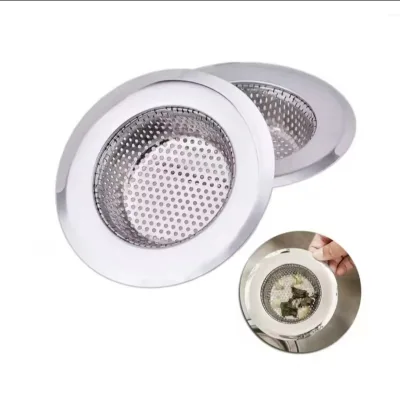
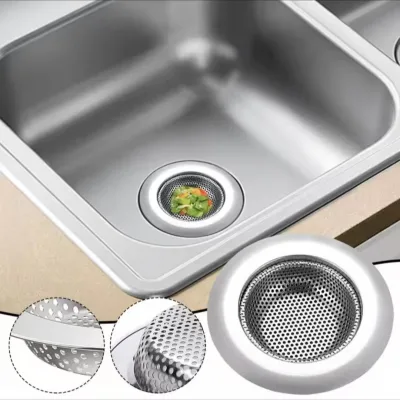


Comprehensive Sourcing Guide
Double Layer Kitchen Sink Strainer Supplier Concentration and Factory Types
The available data indicates a concentration of manufacturing activity in China, specifically within the Guangdong province, which serves as a primary hub for this category. Suppliers listed in this region often operate as manufacturers or factories, offering direct production capabilities for items like stainless steel sink strainers and drainage components. This geographic clustering suggests a mature supply chain where raw materials, such as SUS201, SUS304, and SUS316 stainless steel, are readily accessible to production facilities. Buyers should prioritize verifying the specific factory location within Guangdong, as proximity to ports in Shenzhen can significantly influence logistics efficiency and shipping costs for international orders.
Company types in this sector vary between pure manufacturers and combined entities that may blend trading and production functions. While many suppliers explicitly state their capacity for OEM and ODM services, others operate with their own brands or focus on specific product lines like kitchen sinks and bathroom fittings. It is crucial to distinguish between a factory that owns the machining centers and a trading company that aggregates goods from multiple sources. Buyers must confirm whether the supplier possesses the actual machining equipment, such as CNC lathes or machining centers, to ensure they are dealing with a direct producer capable of handling custom specifications for double layer strainers without relying on third-party subcontractors.
How to Verify Double Layer Kitchen Sink Strainer Suppliers
Verification of supplier credentials requires a careful examination of system certifications and third-party audit reports. The current data shows that some suppliers hold ISO 9001, ISO 14000, and ISO 20000 certifications, alongside specific quality control standards like QC 080000. Additionally, verification status from agencies such as SGS is a critical indicator of reliability. Buyers should request current certification documents to confirm that the supplier's quality management systems are active and relevant to the production of sanitary ware and drainage components. Absence of these certifications or a status marked as NIL should prompt a deeper inquiry into the supplier's internal quality control processes before proceeding with any order.
Beyond certifications, the responsiveness and operational history of the supplier provide essential insights into their reliability. Response times vary significantly, with some suppliers showing a response time of 0.56 while others take 8.53 units of time, which may indicate differences in staffing or operational efficiency. Buyers should also look for evidence of established years, though this specific data point is not always explicitly provided in the current results. Instead, focus on the depth of product evidence, such as detailed specifications for materials and surface treatments like polished or brushed finishes. A supplier that provides comprehensive product attributes, including specific models like v-160 or A 4, demonstrates a higher level of operational transparency and readiness to fulfill orders.
What to Compare Across Double Layer Kitchen Sink Strainer Suppliers
When evaluating potential partners, lead time is a primary metric that directly impacts inventory planning and project timelines. The observed data reveals a range of lead times, with some suppliers offering a 15-day turnaround while others require up to 30 days. This variance can be influenced by the complexity of the order, the availability of raw materials, and the current production load of the factory. Buyers must align their order schedules with these lead times to avoid delays, especially for custom orders that may require additional machining or finishing steps. It is advisable to confirm the specific lead time for the exact model and quantity required, as standard items might ship faster than customized variants.
Minimum Order Quantity (MOQ) and pricing structures are equally critical factors in the comparison process. Current listings show MOQs ranging from as low as 20 pieces to as high as 200 pieces, depending on the supplier and the specific product model. Prices also fluctuate based on material grade and customization, with unit costs observed between 2.80 and 13.00 currency units. Some suppliers indicate that small quantities are acceptable, while others enforce stricter thresholds. Buyers should calculate the total landed cost, including shipping and potential tariffs, rather than focusing solely on the unit price. Comparing the price-to-MOQ ratio across different suppliers will help identify the most cost-effective option that aligns with the buyer's volume requirements and budget constraints.
Common Double Layer Kitchen Sink Strainer Sourcing Risks
One significant risk involves the discrepancy between claimed capabilities and actual production capacity. While many suppliers list OEM and ODM services, the actual ability to handle complex customizations for double layer strainers varies. Some suppliers may lack the specific machinery required for intricate designs, leading to potential quality issues or delays. Buyers should verify the specific machining center capabilities mentioned in the supplier profile, such as 5-axis CNC machining, to ensure they can meet precise engineering requirements. Relying on general claims without verifying the specific equipment available can result in receiving products that do not match the intended specifications or performance standards.
Another risk pertains to the consistency of product standards and material quality. Although some suppliers list standards like SGS or ISO9001, the actual material composition, such as the use of SUS304 versus SUS201, must be strictly verified. Inconsistent material quality can lead to premature corrosion or failure in the field, particularly in environments exposed to domestic wastewater or rain. Buyers should request material test reports or samples to confirm the grade of stainless steel used. Additionally, the absence of specific certifications or a lack of detailed product attributes in the listing can signal a higher risk of non-compliance with international safety and quality standards, necessitating a more rigorous pre-shipment inspection process.
Double Layer Kitchen Sink Strainer Regional Sourcing and Logistics
Sourcing from the Guangdong region in China offers logistical advantages due to the presence of major ports and established shipping infrastructure. Suppliers located in Shenzhen and surrounding areas often have direct access to international shipping routes, facilitating faster delivery times for global markets. The data indicates that suppliers utilize various shipping methods, including DHL, EMS, TNT, FedEx, and UPS, which allows for flexibility in choosing the most suitable transport mode based on urgency and cost. Buyers should confirm the specific shipping terms, such as FOB, CIF, or EXW, to understand who is responsible for freight costs and insurance during transit.
However, regional sourcing also presents challenges related to customs clearance and import regulations in the destination country. Different markets may have specific requirements for sanitary ware and drainage products, which can affect the clearance process. Buyers must ensure that the supplier is familiar with the export requirements of their target market and can provide necessary documentation, such as certificates of origin or material compliance reports. The export market reach of suppliers, noted as global in some cases, suggests experience in handling international logistics, but buyers should still verify the supplier's track record with their specific destination. Understanding the full logistics chain, from factory gate to final delivery, is essential for managing risks and ensuring timely receipt of goods.
Double Layer Kitchen Sink Strainer Commercial Terms and Order Planning
Commercial terms and payment structures play a vital role in securing a successful transaction and managing financial risk. The data shows that suppliers offer various trade terms, including FOB, CIF, and EXW, each carrying different implications for cost and responsibility. Buyers should carefully review these terms to determine the most advantageous arrangement for their specific situation. For instance, EXW terms place the burden of logistics on the buyer, while CIF terms include insurance and freight costs up to the destination port. Understanding these distinctions is crucial for accurate cost estimation and budget planning, especially when dealing with fluctuating shipping rates and fuel surcharges.
Order planning must also account for the specific packaging and labeling requirements to ensure safe transit and compliance with local regulations. Suppliers typically use standard package cartons or brown carton boxes with inner packaging to protect the stainless steel strainers during shipping. Buyers should confirm the packaging dimensions and weight to optimize container loading and reduce shipping costs. Additionally, the availability of customization services allows for branding and labeling tailored to the buyer's market. It is essential to finalize all design and packaging details before production begins to avoid delays or additional costs. Clear communication regarding these commercial and logistical details ensures a smooth procurement process and minimizes the potential for disputes.
FAQs
What is the typical lead time for kitchen sink strainers?
The typical lead time for these products is 15 days based on current supplier data. Some manufacturers may require up to 30 days for custom orders or larger volumes. Buyers should confirm specific timelines with the supplier before placing an order to ensure timely delivery.
What is the minimum order quantity for stainless steel strainers?
Minimum order quantities vary by product model, ranging from 20 pieces to 200 pieces. Some suppliers accept small quantities for specific models like the A4 strainer. Others require a minimum of 200 pieces for bulk kitchen sink accessories. Always check the specific product listing for exact requirements.
Are these kitchen sink strainers available with customization options?
Yes, customization is available for many stainless steel sink strainer models listed. Suppliers offer OEM and ODM services for various designs and specifications. Buyers can request specific materials like SUS304 or custom packaging. Verify the customization details directly with the manufacturer to ensure it meets your needs.
What certifications do the suppliers hold for these products?
Many suppliers hold ISO 9001, ISO 14000, and ISO 20000 certifications for their manufacturing processes. Some products also meet SGS standards for quality assurance. It is important to verify the specific certification status for each supplier and product batch before finalizing any purchase agreement or contract.
Where are the manufacturers of these kitchen sink strainers located?
The manufacturers are primarily located in Guangdong, China, with specific origins in Shenzhen. This region is known for its extensive manufacturing capabilities in metal fittings and sanitary ware. Buyers should confirm the exact factory location to assess shipping logistics and potential import duties for their specific destination.
What is the price range for stainless steel sink strainers?
Prices for these strainers typically range from 2.80 to 13.00 per unit depending on the model and specifications. Basic models like the A4 strainer start around 2.80, while specialized drain strainers can cost up to 13.00. The final price depends on the quantity ordered and any customization requirements requested by the buyer.
How quickly do suppliers respond to inquiries about sink strainers?
Response times vary among suppliers, with some responding within 0.56 hours and others taking up to 8.53 hours. Faster response times are often associated with suppliers offering standard products. Buyers seeking urgent quotes should prioritize suppliers with shorter response times to ensure efficient communication and faster order processing.