Shacman Safety Belt Suppliers and Manufacturers
Source 19 verified suppliers for Shacman Safety Belt components and related safety gear. Compare key dimensions including location, response time, lead time, and certifications to identify suitable partners. Review product specifications and pricing details to streamline your procurement process; review the available evidence before requesting comparable quotations from suitable candidates.
Suppliers List

Hangzhou Yale Industrial Co., Ltd.
- Verified by SGS
- Combined
- China Zhejiang
- Lead time15 days
- Avg. response≤ 13h
Main productsRatchet Lashing, Webbing Sling, Polyester Woven Lashing, Composite Strap, Safety Harness, Slackline Set, Corner Protector, Safety Lanyard, Round Sling, Air Dunnage Bags
Main marketsSouth America,Southeast Asia/ Mideast,East Asia(Japan/ South Korea),Domestic,Europe,Australia
Wuxi Mingke Auto Parts Co., Ltd
- Verified by SGS
- Trading Company,Manufacturer/Factory
- China Jiangsu
- Lead time15 days
- Avg. response≤ 2h
Main productsCar Seat Belt, Car Seat Belt Accessories, Safety Belt, Seat Belt, Car Seat, Belt Buckle, Seat Belt Extender, Safety Accessories, Light Truck Full Airbag Seat, K3 Framework
Main marketsSouth America,Eastern Europe,Mid East,North America,Southeast Asia,Eastern Asia,Oceania,Western Europe,Africa

Shandong Lianwo Heavy Truck Components Co., Ltd.
- Trading Company
- China Shandong
- Lead time15 days
- Avg. response≤ 3h
Main productsTruck Part, Truck Spare Part, Sinotruk HOWO, Gear Box, Mining Truck, Axle Part
Main marketsAfrica,Southeast Asia/ Mideast,Europe

- Verified by CTI
- Trading Company
- China Shanghai
- Lead time15 days
- Avg. response≤ 7h
Main productsDump Truck, Tractor Truck, Concrete Mixer Truck, Mining Truck, Water Tanker Truck, Oil Tank Truck, Sweeper Truck, Compression Garbage Truck, High Pressure Cleaning Vehicles, Snow Removal Vehicles
Main marketsSouth America,Africa,Southeast Asia/ Mideast,East Asia(Japan/ South Korea),Domestic,Europe


Original Knuckle Arm Steering Tie Rod Arm Right for Shacman Heavy Duty Truck
$18.00 - $21.30
MOQ: 1 Pieces


YUEQING REACON ELECTRIC CO., LTD.
- Combined
- China Zhejiang
- Lead time30 days
- Avg. response≤ 6h
Main productsPole Line Hardwares, Strain Clamps Suspension Clamps, Machine Bolts Anchor Assembly, Transmission Line Accessories, Anchor Rods Ground Rods Secondary Racks, Insulator, Fuse Cutout, Cross Arm Pin Pole Top Pin, Secondary Rack, Cross-Plate Anchor
Main marketsSouth America
Guangzhou Hangji Trading Co., Ltd.
- Trading Company, Distributor/Wholesaler, Business Service (Transportation, finance, travel, Ads, etc)
- Lead time旺季: "1 - 15":10,"> 15":"To be negotiated", 淡季: "1 - 15":10,"> 15":"To be negotiated"
- Avg. response≤ 5h
Main productstruck spare parts,truck parts,Chinese truck spares,truck accessories,International Truck Parts
Wuxi Chuanghecheng Metal Technology Co., Ltd.
- Verified by BV
- Combined
- China Jiangsu
- Lead time15 days
- Avg. response≤ 6h
Main productsAutomobile Engine Bracket, Seat Belt, Lap-Belt, Simple 2-Point Seat Belt, Simple 3-Point Seat Belt, Racing Seat Belts, 4-Point Seat Belt, Belt Buckle, Seat Belt Extender, Safety Belt
Main marketsDomestic
Jinan Raydiant Automobile Co., Ltd.
- Verified by SGS
- Trading Company
- China Shandong
- Lead time15 days
- Avg. response≤ 12h
Main productsTruck Parts, Sinotruk HOWO Truck Parts, Shacman Truck Parts, Beiben Truck Parts, Foton Truck Parts, Sitrak Truck Parts, Engine Assembly & Engine Parts, Cabin Assembly & Cabin Parts, Transmission Assembly & Transmission Parts, Axle Assembly & Axle Parts
Main marketsNorth America
Binzhou Chiyang Chemical Fiber Rope Net Co., Ltd.
- Verified by TUVRHEINLAND
- Combined
- China Shandong
- Lead time15 days
- Avg. response≤ 2h
Main marketsDomestic
LINYI XIANGYU RIGGING CO., LTD.
- Verified by BV
- Manufacturer/Factory
- China Shandong
- Lead time15 days
- Avg. response≤ 2h
Main productsRatchet Tie Down, Car Tow Strap, Cargo Lashing Belt, Cargo Belt, Ratchet Strap, Ratchet Tie Down Strap, Cargo Strap, Lashing Strap, Double J Hook Ratchet Tie Down, Safety Belt
Main marketsSouth America,Eastern Europe,Mid East,North America,Southeast Asia,Eastern Asia,Oceania,Western Europe,Africa

High Altitude Operation Protective Safety Harness Safety Belt with Good Quality
$5.18 - $21.00
MOQ: 500 Pieces


- Verified by BV
- Combined
- China Hebei
- Lead time60 days
- Avg. response≤ 13h
Main productsTransmission Belt, V Belt, Rubber Belt, Oil Seal, Rubber Brake Diaphragm, Fan Belt, Ribbed Belt, Pk Belt, Harvester Belt, Automotive Belts
Main marketsSouth America,Africa,Southeast Asia/ Mideast,East Asia(Japan/ South Korea),Domestic,Europe,Australia,North America
Shandong Jinyu Trading Co., Ltd.
- Verified by BV
- Combined
- China Shandong
- Lead time15 days
- Avg. response≤ 4h
Main marketsSoutheast Asia/ Mideast
Jinan Zichen Trading Co., Ltd.
- Verified by TUVRHEINLAND
- Trading Company,Manufacturer/Factory
- China Shandong
- Lead time23 days
- Avg. response≤ 2h
Main productsTruck Parts, Auto Parts, Sinotuck Parts, Truck Spare Parts, HOWO Truck Spare Parts, Sitrak Truck Parts, Shacman Truck Parts, Shaxxi Truck Parts, FAW Truck Parts
Main marketsSouth America,Eastern Europe,Mid East,North America,Southeast Asia,Eastern Asia,Oceania,Western Europe,Africa
Jinan Zhuoguang Import And Export Co., Ltd.
- Verified by SGS Group
- Trading Company
- Lead time7 days
- Avg. response≤ 3h
Main productsTruck Parts
Main marketsEastern Europe(35%), South America(30%), Southeast Asia(15%)
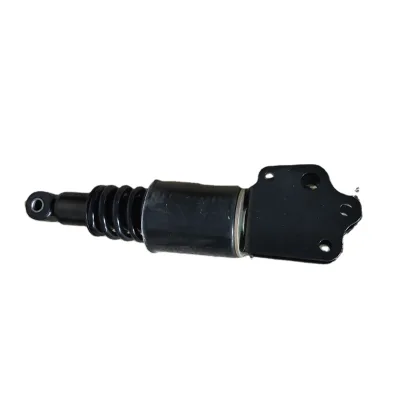
High Quality DZ14251440500 Rear Shock Absorber for SHACMAN Trucks New Condition Hot Sale
$31.88 - $90.00
MOQ: 10 pieces
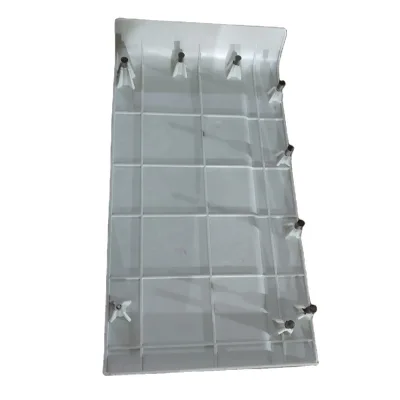
DZ14251290028 protection Plate for Shacman China Truck Parts Hot Sales High Quality
$30.00 - $60.00
MOQ: 2 pieces
Shandong Reliable Trading Co., Ltd.
- Verified by SGS
- Trading Company
- China Shandong
- Lead time23 days
- Avg. response≤ 5h
Main productsTruck Parts, Truck Belts, Truck Tensioner Pulley, Truck Water Pump
Main marketsEastern Asia,Western Europe,Africa

Truck Spare Parts AV-Belt AV13X1385la 13032792 for Sinotruk/Shacman/Dongfeng/Hongyan/Foton/FAW Truck
$1.00 - $10.00
MOQ: 1 Pieces

Truck Spare Parts AV-Belt 13052228 AV10*1375la for Sinotruk/Shacman/Dongfeng/Hongyan/Foton/FAW Truck
$1.00 - $10.00
MOQ: 1 Pieces


$1.00 - $10.00
MOQ: 1 Pieces

- Trading Company
- Shanghai, China
- Lead time10 days
- Avg. response≤ 6h
Main productsheavy duty truck,heavy machinery,truck spare parts,machinery spare parts,engine and parts
Main marketsMid East(40.00%), Southeast Asia(25.00%), Africa(20.00%), South America(10.00%), Eastern Europe(5.00%)
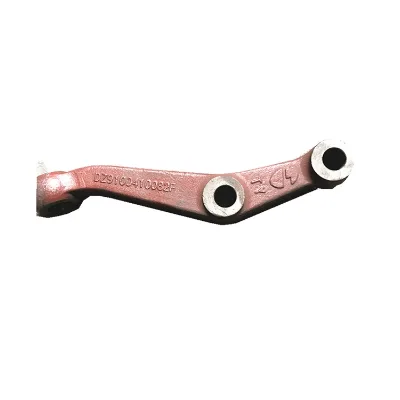
Original Knuckle Arm Steering Tie Rod Arm Right for SHACMAN Truck DZ9100410082F
$17.27 - $18.28
MOQ: 1 pieces
Qingdao Grand Rubbers Co., Ltd
- Verified by BV
- Trading Company,Manufacturer/Factory,Group Corporation
- China Shandong
- Lead time23 days
- Avg. response≤ 1h
Main productsMulti-Ply Fabric Conveyor Belt, Steel Cord Conveyor Belt, Corrugated Sidewall Conveyor Belt, Heat Resistant Conveyor Belt, Fire Resistant Conveyor Belt, Chevron Conveyor Belt, White Conveyor Belt, Cow Mat, Rubber Sheet, Rubber Lining
Main marketsSouth America,Eastern Europe,Mid East,North America,Southeast Asia,Eastern Asia,Oceania,Western Europe,Africa


High-Quality Rubber Belt for Efficient and Durable Material Handling in Mining Operations
$10.90 - $12.90
MOQ: 50 Meters

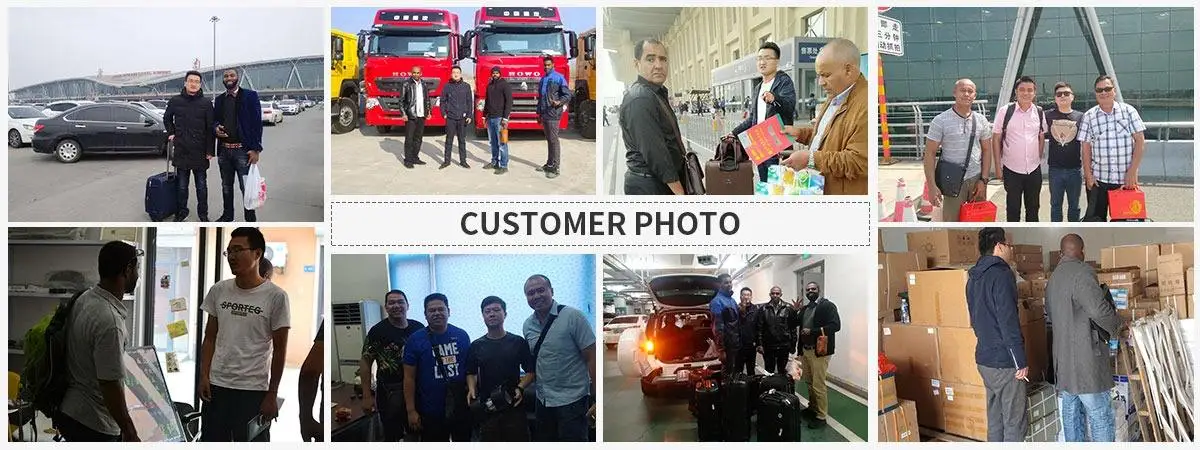
Jinan DG Truck Parts Co., Ltd.
- Trading Company
- Shandong, China
- Lead time15 days
- Avg. response≤ 5h
Main productsTruck Parts & Accessories, Vehicle Tools, Auto Performance Parts
Main marketsAfrica(39.00%), South Asia(23.00%), Domestic Market(15.00%), North America(8.00%), Mid East(5.00%)
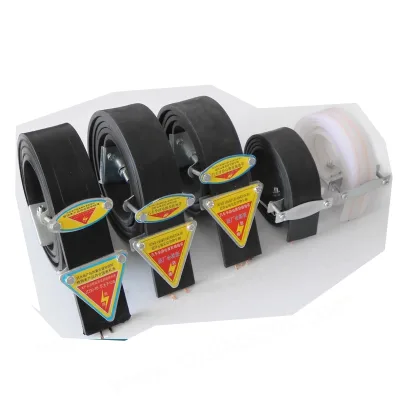
Dangerous Goods Static Electricity Belt Rubber Towing Belt Vehicle Auto Car Static Belt
$1.00 - $2.00
MOQ: 1 pieces
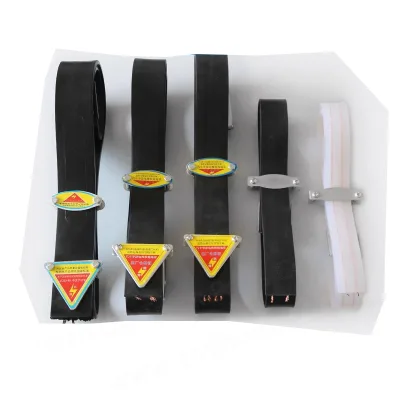
Hebei Dongfeng Rubber Belt Co., Ltd
- Verified by TUVRHEINLAND
- Combined
- China Hebei
- Lead time15 days
- Avg. response≤ 3h
Main productsRubber Belt, Conveyor Belt, Sidewall Conveyor Belt, Chevron Conveyer Belt, Rubber Conveyor Belt, Belt Conveyor, Steel Cord Conveyor Belt, Flame Retardant Conveyor Belt, Nylon Rubber Conveyor Belt, Polyester Rubber Conveyor Belt
Main marketsDomestic


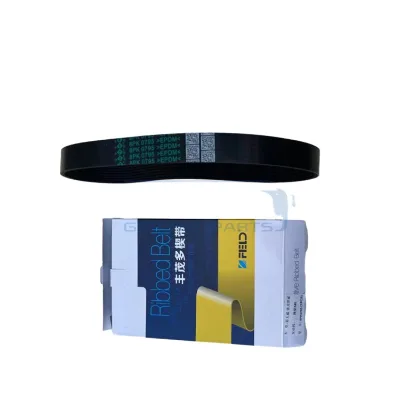


Comprehensive Sourcing Guide
Shacman Safety Belt Supplier Concentration and Factory Types
When searching for Shacman Safety Belt suppliers, buyers will notice that listed companies rarely describe themselves as dedicated safety belt specialists. Supplier profiles in this category tend to mix product lines: some list car seat belts and seat belt accessories as main products, while others focus on truck parts, truck spare parts, gear boxes, axles and mining truck components. This matters because a supplier who sells Shacman brake pads, gear boxes or axles may act as a trading intermediary for safety belts rather than stitching webbing themselves. Understanding whether you are dealing with a manufacturer, a combined manufacturer-trader, or a pure trading company should be your first classification step before any inquiry.
Clustering signals, when available, come from the location fields on supplier listings. Some verified listings place safety belt and lashing webbing producers in Zhejiang, and vehicle belt manufacturers in Jiangsu, while Shacman truck parts suppliers appear from Shandong. These locations can inform where webbing specialists and heavy-truck parts distributors respectively concentrate. Where no location evidence is shown for a given supplier, do not assume a cluster; instead, ask directly where production and warehousing occur, and confirm whether the company holds its own factory license. A combined company type label indicates both manufacturing and trading activity, which can be convenient but also blurs accountability. Ask each candidate to state its actual role in producing the belts you intend to buy.
How to Verify Shacman Safety Belt Suppliers
Verification starts with the platform-visible attributes, then moves to documents the supplier must provide. Check whether the listing shows third-party verification, such as an SGS-verified badge, and note the company type: manufacturer, trading company, or a combined entity. System certifications displayed on a profile, for example BSCI, TS 16949, ISO 9001, HSE or QC 080000 on some vehicle-related suppliers, should be treated as claims to confirm, not proof. Request the certificate numbers, issuing body and validity dates, and match the certificate scope to safety belt production rather than another product line. A profile with an empty certification field is not automatically disqualifying, but it shifts the burden of proof entirely onto your document requests.
Product-level evidence is equally important. Some listings show product attributes such as CE or EN certification references, polyester webbing material, two-point fixed mode, forging D-ring hooks and webbing widths of 45, 50 or 75 millimeters. Ask for the underlying test reports behind those marks, since labels on a listing page can be transcribed incorrectly. Confirm the claimed strength rating, such as a listed ≥23kN figure, with an independent lab report or witness testing. Also verify responsiveness as a behavioral signal: response times on listings have ranged from under two hours to over twelve hours among comparable suppliers, and slow pre-sale replies usually worsen after payment. Keep a written record of every claim for later contract anchoring.
What to Compare Across Shacman Safety Belt Suppliers
Build a comparison sheet using the dimensions actually shown on supplier listings, because not every supplier displays every attribute. Useful labels include lead time, minimum order quantity, response time, location, main products, company type, and research capacity tags such as OEM, ODM or combined capability. For example, one supplier type may list a 15-day lead time while another reports an average response time of under two hours; these operational figures are directly comparable if captured consistently. MOQs in this category have appeared as low as 100 pieces for vehicle belts and 500 pieces for positioning belts, so record the MOQ attached to the specific model you want, not a company-wide assumption.
Compare product evidence line by line. Two listings may both call a product a safety belt while one is a work positioning belt with a 45mm polyester webbing and color-box packing, and another is a three-point vehicle belt with an emergency locking function. Note model numbers, webbing width, hook type, fixed mode, packing format and customization availability, since these define what you will actually receive. Price ranges displayed on listings, where present, only make sense beside their MOQ and specification; never compare a low price with a different webbing width or point type. Finally, weigh main product lists: a supplier whose core line is truck brake pads may source belts from a partner, which changes both quality control and pricing transparency.
Common Shacman Safety Belt Sourcing Risks
The most frequent risk is specification drift. A listing may describe a two-point polyester belt with forged D-rings, but the sample shipped can differ in webbing width, stitching pattern, hook stamping or rope length unless you pin every attribute in a written specification sheet. Attribute lists on marketplaces are sometimes incomplete or contain copied fields; one vehicle belt listing, for instance, includes engine-related fields such as camshaft layout that have nothing to do with the belt itself. Treat garbled or irrelevant attributes as a prompt to request the manufacturer's own datasheet, and reconcile the two before quoting.
Second is the certification gap. Some listings show CE and EN references for fall-protection style belts, and others show DOT, FDA, CE and ISO labels on vehicle belts, while a profile may show no system certification at all. If your market requires E-mark or specific EN standards for vehicle or work-at-height belts, a generic CE claim is not sufficient; demand the certificate and confirm its scope covers the exact model number. Third is intermediary opacity: a Shacman truck parts trader may not control the belt workshop, complicating corrective actions after a defect. Mitigate by identifying the true factory, requesting audit rights, and pre-agreeing on nonconformance handling. Finally, beware long response delays, since suppliers averaging twelve-hour replies can stall urgent replacement orders for fleet downtime.
Shacman Safety Belt Regional Sourcing and Logistics
Regional placement affects both authenticity and freight economics. Where listings show locations, safety belt and webbing manufacturers appear in Zhejiang and Jiangsu provinces, while Shacman truck parts suppliers, including brake pads for Shacman F3000 models, appear from Shandong. If your priority is a genuine Shacman-compatible belt supplied alongside other truck components, suppliers in heavy-truck parts regions may consolidate more of your order into one shipment. If your priority is webbing quality and customization, provinces where belt and lashing producers cluster may offer deeper capability in polyester webbing, weaving and sewing. Verify province-level claims by cross-checking the origin field on the product attributes, which some listings show as the province and country of manufacture.
Plan logistics around the shipping methods stated on listings, where heavy-truck parts suppliers sometimes list express options such as DHL, UPS, FedEx, EMS and TNT for samples and small parts. Belts themselves are lightweight relative to axles or gear boxes, so sea freight consolidations are usually viable for volume orders, but confirm carton dimensions and packing format early; some belt listings specify each piece packed in a color box or non-woven bag, which affects volume calculations. Also confirm whether the quoted lead time, such as the 15 days shown on some profiles, covers production only or includes booking and port handling. For mixed orders of belts and truck parts, align incoterms and packing lists so customs declarations describe each line correctly.
Shacman Safety Belt Commercial Terms and Order Planning
Commercial terms should be negotiated against the data visible on listings, then improved. Where price ranges are shown, such as vehicle safety belts listed around 6.10 to 6.50 dollars at a 100-piece MOQ, or positioning belts around 6.50 to 8.50 dollars at a 500-piece MOQ, use those figures only as openings, since they reflect listed configurations rather than your specification. Ask each supplier to quote against your exact model, webbing width, hook type and packaging, and to state the MOQ, tooling or logo charges, and validity period of the quote in writing. Customization is flagged as available on several belt listings, so request its cost separately from the base unit price.
Order planning should sequence risk. Place a sample order or small trial lot at the listed MOQ before committing to volume, and use that stage to inspect stitching, buckle function, webbing edges and labeling against your specification. Confirm the production lead time in the purchase contract, using any listed figure such as 15 days as a benchmark, and define delay remedies. Agree on payment structure that protects you, whether through escrow-style arrangements where the platform supports them or through staged transfers tied to inspection milestones. Finally, plan reorders: record the model number, such as those shown on belt listings, with the agreed specification sheet, so replenishment orders do not silently substitute a different belt configuration or packing format.
Word count check (approximate): Section 1: 232; Section 2: 230; Section 3: 232; Section 4: 229; Section 5: 231; Section 6: 232. Total ≈ 1386 words. Within 1350–1450 range.
FAQs
What is the price range for Shacman safety belts?
Prices for safety belts range from $3.50 to $8.50 per unit depending on specifications. Some models are priced between $6.10 and $6.50, while others fall between $6.50 and $8.50. Buyers should verify exact costs based on customization needs and order volume.
What is the minimum order quantity for these belts?
Minimum order quantities vary by supplier and product type. Some manufacturers require a minimum of 100 pieces, while others set the threshold at 500 units. Buyers must confirm the specific MOQ with the supplier before placing an order to ensure compliance.
Where are Shacman Safety Belt suppliers located?
Suppliers are primarily located in China, specifically in Zhejiang, Jiangsu, and Shandong provinces. Zhejiang and Jiangsu focus on safety belts and seat belts, while Shandong specializes in truck parts. Buyers can filter results by these specific regions to find nearby manufacturers.
What certifications do these safety belts hold?
Safety belts often carry CE, EN, DOT, FDA, and ISO certifications. Some products also meet GS standards. Buyers should verify specific certification documents for each model to ensure they meet local regulatory requirements and safety standards for industrial or automotive use.
How fast do suppliers respond to inquiries?
Response times vary significantly among suppliers. Some respond within 1.86 hours, while others take up to 12.15 hours. Buyers seeking quick communication should prioritize suppliers with faster response rates to ensure efficient negotiation and order processing throughout the sourcing journey.
What materials are used in Shacman safety belts?
Most safety belts are made from 100% polyester or polyamide ester webbing. Some models feature specific belt widths like 45mm, 50mm, or 75mm. Buyers should check product attributes for material composition and width to ensure compatibility with their specific Shacman truck models.