eco-friendly bamboo rattan trash can Suppliers and Manufacturers
Compare 22 verified suppliers for eco-friendly bamboo rattan trash can based on location, lead time, and response time. Review product specifications like material and capacity to select the right factory for your needs; review the available evidence before requesting comparable quotations from suitable candidates.
Updated
Suppliers List

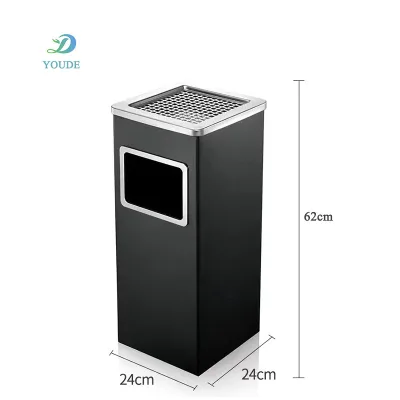
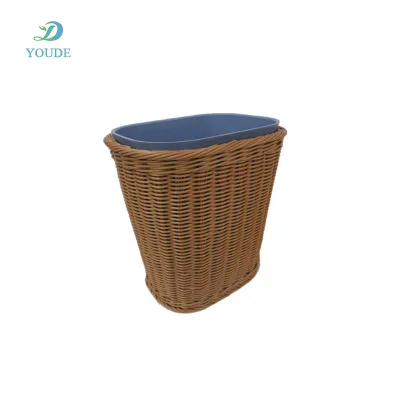
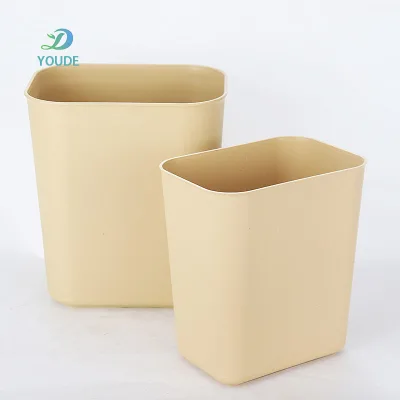
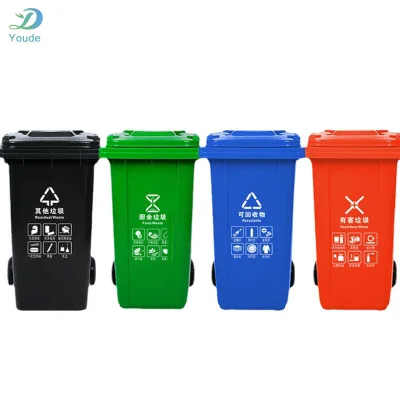
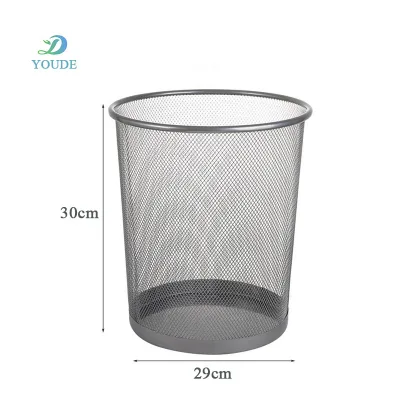
Guangzhou Youde Hotel Supplies Co., Ltd.
- Manufacturer, Trading Company
- Guangdong, China
- Lead time35 days
- Avg. response≤ 6h
Main productsWooden hanger,Luggage rack,Pu products,Trash Bin,Storage basket
Main marketsOceania(10.00%), Mid East(10.00%), Southeast Asia(10.00%), Eastern Asia(10.00%), South America(10.00%), North America(10.00%), Western Europe(6.00%), South Asia(5.00%), Southern Europe(5.00%), Northern Europe(5.00%), Domestic Market(5.00%), Africa(5.00%), Eastern Europe(5.00%), Central America(4.00%)
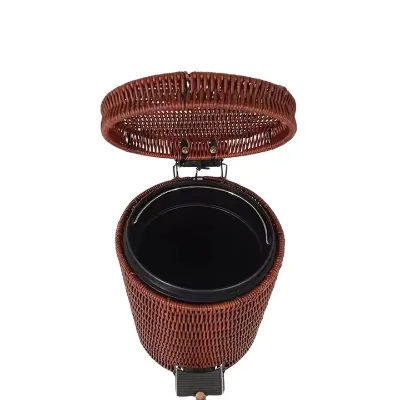
$12.94 - $22.35

NINGBO XUANHENG OUTDOOR & HOME APPLIANCES CO., LTD.
- Trading Company,Manufacturer/Factory
- China Zhejiang
- Lead time45 days
- Avg. response≤ 2h
Main productsWooden Beach Chair, Beach Umbrella, Sling Chair, Wooden Beer Table, Bamboo Home Products, Bamboo Shelf, Canvas Bag, Outdoor Beach Furniture, Art Accessories, Wooden Box
Main marketsSouth America,Eastern Europe,Mid East,North America,Southeast Asia,Eastern Asia,Oceania,Western Europe,Africa


Home or Office Rectangular Wooden Bamboo Rectangular Wastebasket Trash Can
$4.70 - $5.00
MOQ: 1000 Pieces

Cao County Grandview Arts & Crafts Co., Ltd.
- Manufacturer, Trading Company
- Shandong, China
- Lead time20 days
- Avg. response≤ 5h
Main productskitchen knife rack,wooden trash bin,wooden frames,kitchen wall shelf,bathroom storage rack
Main marketsNorth America(35.00%), Western Europe(13.00%), South Asia(10.00%), Eastern Europe(7.00%), Mid East(7.00%), Southern Europe(5.00%), Domestic Market(5.00%), Eastern Asia(5.00%), Southeast Asia(5.00%), Northern Europe(4.00%), Oceania(2.00%), Africa(2.00%)

Xiamen Ebei Import & Export Co., Ltd.
- Verified by CTI
- Trading Company,Manufacturer/Factory
- China Fujian
- Lead time45 days
- Avg. response≤ 2h
Main productsEco-Friendly Products, Bamboo Tableware, Bamboo Furniture, Bamboo Kitchenware, Bamboo Office Supply, Bamboo Fibre Products, Biodegradable Products, Bamboo Towel, Solar Energy Products, Bamboo Garden Products
Main marketsSouth America,Eastern Europe,Mid East,North America,Southeast Asia,Eastern Asia,Oceania,Western Europe,Africa

Guangdong Victory Industry Limited
- Trading Company
- China Guangdong
- Lead time15 days
- Avg. response≤ 2h
Main productsTrash Can, Dustbin, Waste Bin, Toilet Brush, Paper Holder, Compost Bin, Kitchen Paper Towel Holder, Makeup Mirror, Towel Rack, Bathroom Accessories
Main marketsEurope,North America


Newest Trash Can Top Quality Fashion Durable Waste Bin with Thin Bamboo Lid 5L Dustbin
$5.00 - $5.50
MOQ: 500 Pieces

Round Trash Can Roman Pattern and Soft Close Waste Bin with Bamboo Lid Garbage Bin
$4.89 - $6.89
MOQ: 500 Pieces
Henan Zhenghe Environmental Protection Technology Co., Ltd.
- Trading Company
- Henan, China
- Lead time15 days
- Avg. response≤ 4h
Main productsTrash Can,Tray,Storage Supplies,Furniture Supplies,Pet Supplies
Main marketsDomestic Market(45.00%), North America(12.00%), Southeast Asia(8.00%), Mid East(6.00%), Western Europe(5.00%), South America(5.00%), Eastern Asia(5.00%), South Asia(2.00%), Southern Europe(2.00%), Northern Europe(2.00%), Central America(2.00%), Oceania(2.00%), Africa(2.00%), Eastern Europe(2.00%)
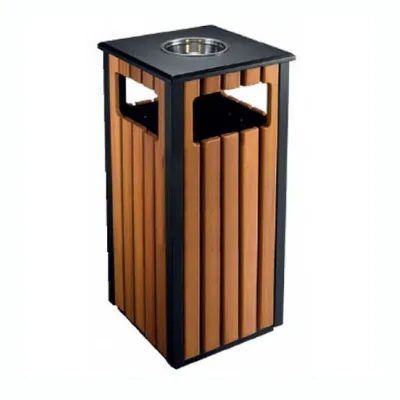
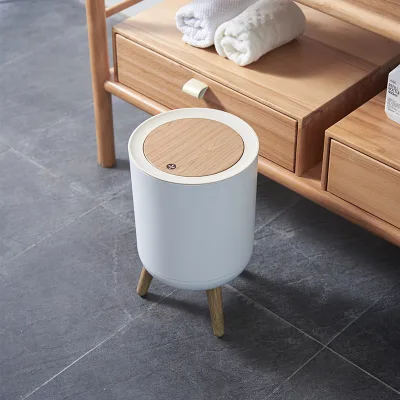
Japanese Wood Grain Creative Standing Eco-Friendly 7L Capacity Trash Can Outdoor Storage Bucket
$2.482 - $7.2575
MOQ: 6 Minimum
$10.2021 - $24.4984
MOQ: 2 pieces
Dongying Hanyu Trading Co., Ltd.
- Verified by TüVRheinland
- Manufacturer, Trading Company
- Lead time10 days
- Avg. response≤ 4h
Main productsTrash Can, Clothing Recycling Bin
Main marketsNorth America(30%), Mid East(30%), South America(20%)
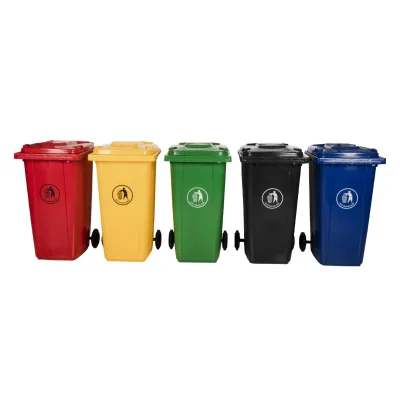
$18.4954 - $22.6047
MOQ: 10 pieces
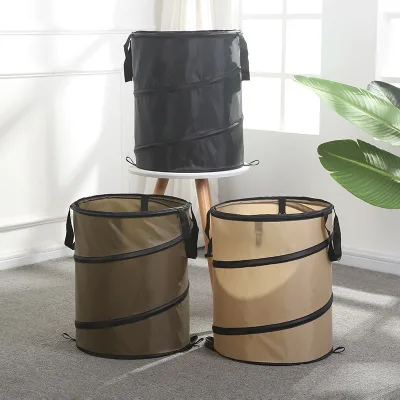
$3.3533 - $6.0763
MOQ: 30 Minimum
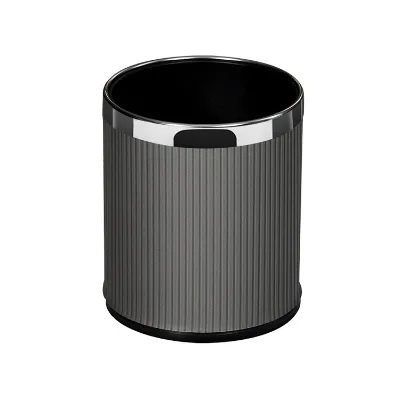

Shandong BONHUE Machinery Equipment Co., Ltd.
- Verified by CTI
- Combined
- China Shandong
- Lead time30 days
- Avg. response≤ 5h
Main productsLoader, Tractor, Sanitation Vehicle, Forklift, Truck, Sanitation Tricycle, Trash Can, Silage Film, Construction Machinery, Road Sweeper
Main marketsDomestic
Xiamen Ehang Household Products Co., Ltd.
- Trading Company
- Fujian, China
- Lead time37 days
- Avg. response≤ 5h
Main productsKitchenware,bamboo and wooden products,Houseware,Kitchen gadgets,Garden
Main marketsSoutheast Asia(20.00%), North America(20.00%), Southern Europe(10.00%), Northern Europe(10.00%), Western Europe(10.00%), South America(10.00%), Eastern Europe(10.00%), Central America(5.00%), Domestic Market(1.00%), Mid East(1.00%), Oceania(1.00%), Eastern Asia(1.00%), Africa(1.00%)

Hebei And Metals & Minerals Co., Ltd.
- Trading Company,Manufacturer/Factory,Group Corporation
- China Hebei
- Lead time30 days
- Avg. response≤ 14h
Main productsBuilding Materials, Decoration Materials, Aluminum Die Castings, Rubber Sheetings, Plastic Products, Cast Ironb Manhole Covers, Iron Catings, Polyurethane Sheet, Cast Iron Surface Box, Stampings
Main marketsSouth America,Eastern Europe,Mid East,North America,Southeast Asia,Eastern Asia,Oceania,Western Europe,Africa

Ningbo General Union Co., Ltd.
- Verified by BV
- Trading Company
- China Zhejiang
- Lead time30 days
- Avg. response≤ 9h
Main productsCleaning Brush, Bottle, Kitchenware, Storage Box, Outdoor, Pet, Fitness Equipment, Digital Devices, Camping, Pet Bottle
Main marketsSouth America,Africa,Southeast Asia/ Mideast,East Asia(Japan/ South Korea),Europe,Australia,North America

Qingdao Double Friend Logistic Equipment Co., Ltd.
- Verified by TUVRHEINLAND
- Combined
- China Shandong
- Lead time15 days
- Avg. response≤ 9h
Main productsShipping Container
Main marketsAustralia

Guangzhou Traust Envir. & Tech. Co., Ltd.
- Verified by TUVRHEINLAND
- Combined
- China Guangdong
- Lead time30 days
- Avg. response≤ 3h
Main productsDustbin, Housekeeping Cart, Cafe Barrier, Retractable Belt Stanchion, Hotel Furniture, Crowd Control Barrier, Queue Barrier, Utility Outdoor Barrier, Post and Rope, Aluminum Barrier
Main marketsSouth America,Africa,Others(foreignTradeCapacity.exportBusinessCapacityMarketOther),Southeast Asia/ Mideast,North America

Enlightening Pallet Industry Co., Ltd.
- Verified by SGS
- Combined
- China Shandong
- Lead time15 days
- Avg. response≤ 5h
Main productsPlastic Pallet, Plastic Pallet Box, Plastic Dustbin, Waste Bin, Shelf Bin, Storage Bin, Collapsible Pallet Box, Plastic Pallet Container, Slip Sheet, Spill Pallet
Main marketsSoutheast Asia/ Mideast,Europe,North America

Shandong Wanrenfu Plastic Products Co., Ltd.
- Trading Company
- China Shandong
- Lead time0 days
- Avg. response≤ 7h
Bobai County Lovely Home Furnishing Co., Ltd.
- Verified by Intertek
- Trading Company
- Lead time0 days
- Avg. response≤ 4h
Main productsHome storage weaving
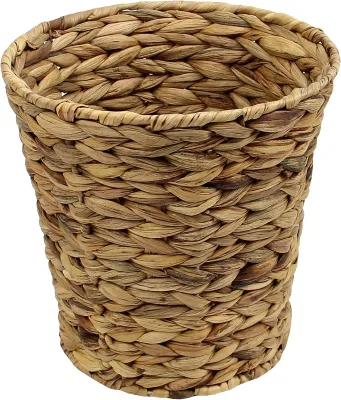
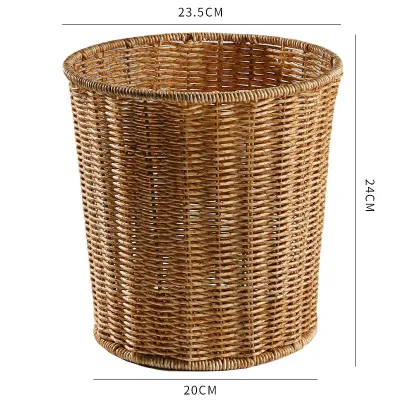
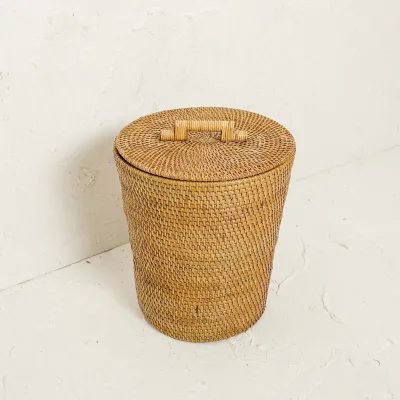
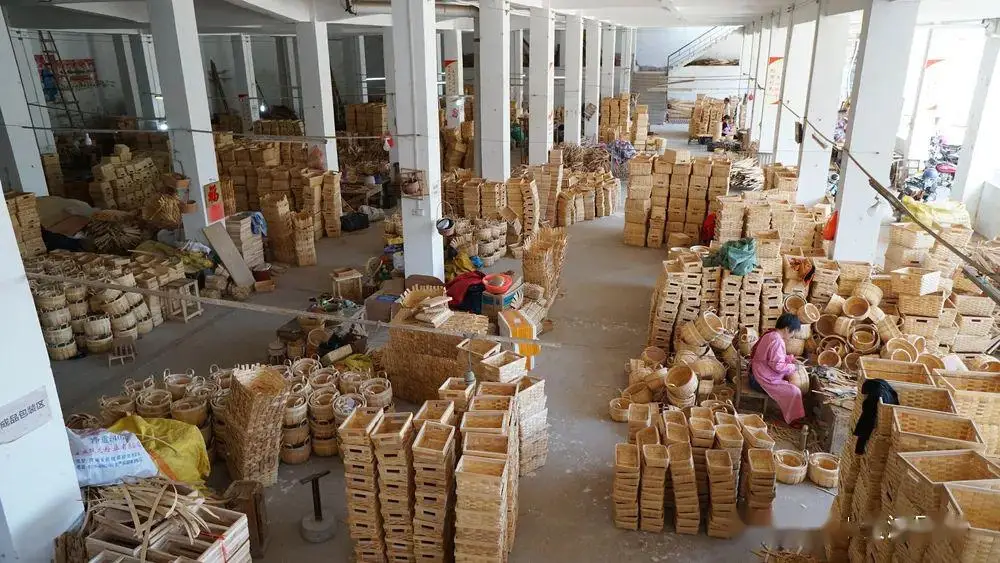
Nordic Household Trash Can Rattan Woven Classified Garbage Basket Plastic Rattan Storage Containers
$7.3233 - $8.3712
MOQ: 300 sets
Nanning Lanshige Home Furnishing Technology Co., Ltd.
- Trading Company
- Guangxi, China
- Lead time7 days
- Avg. response≤ 4h
Main productsStorage Box,seaweed basket,woodchip basket,bamboo basket,storage basket
Main marketsNorth America(35.00%), Western Europe(30.00%), Eastern Europe(20.00%), Domestic Market(5.00%), Mid East(5.00%), South America(2.00%), Southeast Asia(2.00%), Africa(1.00%)

Xiamen Chengfengxin Industry & Trade Co., Ltd.
- Verified by BV
- Trading Company
- China Fujian
- Lead time23 days
- Avg. response≤ 9h
Main productsBamboo Cutting Board, Bamboo Bathtub Rack Caddy, Bamboo Tablet Computer Desk, Bamboo Kitchenwares Holder Organization, Bamboo Home Storage, Home Office Collection, Eco-Friendly Kitchen Products, Bamboo Kitchen Tools, Bamboo Diffuser, Eco-Friendly Green Products
Main marketsSoutheast Asia/ Mideast,Europe,Australia,North America
Heze Long River Wooden Products Co., Ltd.
- Verified by SGS Group
- Manufacturer, Trading Company
- Lead time0 days
- Avg. response≤ 2h
Main productsWood Box, Wood Craft, Wood Shelf, Pet House, Home Decor
Main marketsNorth America(50%), Western Europe(30%), Mid East(10%)
Chongqing Haoyida International Trading Co., Ltd.
- Verified by TüVRheinland
- Trading Company
- Lead time30 days
- Avg. response≤ 2h
Main productsOutdoor Benches, Outdoor Picnic Tables, Outdoor Trash Cans, Clothes Donation Bin, Bike Racks
Main marketsNorth America(30%), South America(10%), Oceania(10%)
Chongqing Xin'an Landscape Facilities Co., Ltd.
- Verified by SGS Group
- Trading Company
- Lead time7 days
- Avg. response≤ 1h
Main productsTrash Bin, Outdoor Bench, Prefab House Products, Flower Pots, Landscape

Guangzhou Nantian Sources Co., Ltd.
- Manufacturer/Factory
- China Guangdong
- Lead time15 days
- Avg. response≤ 6h
Main productsKitchen Equipment, Kitchenware, Food Machine, Kitchen Appliance, Glassware, Food Machinery, Bakery Equipment, Dinnerware, Kitchen Utensils, Food Processor
Main marketsSouth America,Mid East,Southeast Asia,Eastern Asia,Oceania,Africa



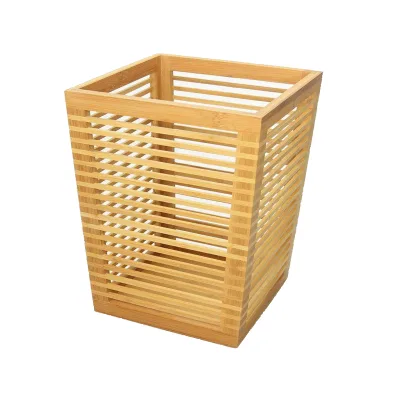
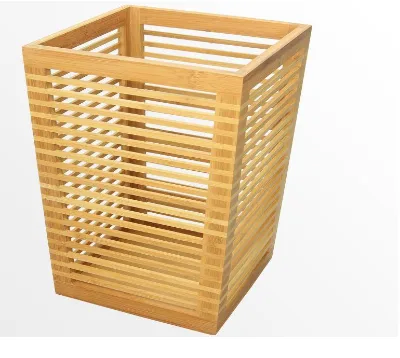


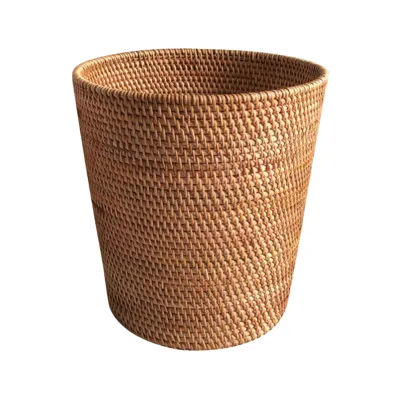
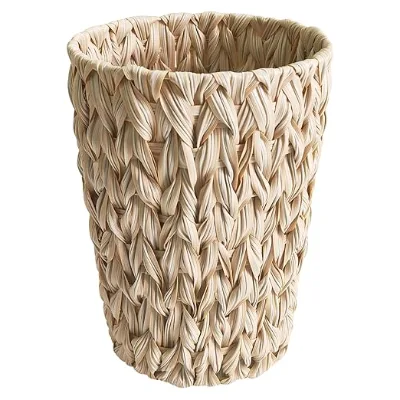


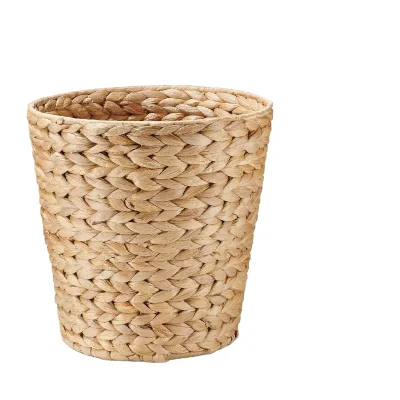
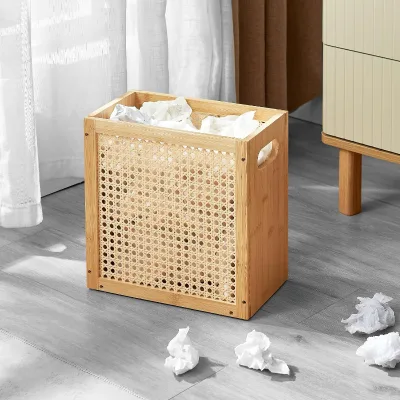
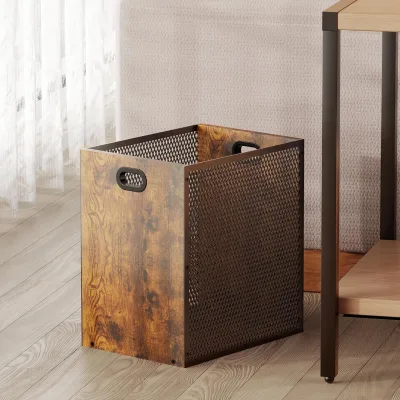
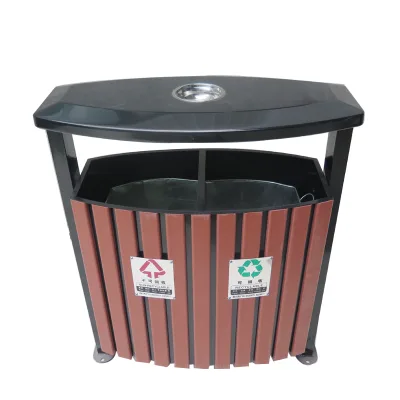


Comprehensive Sourcing Guide
Eco-Friendly Bamboo Rattan Trash Can Supplier Concentration and Factory Types
Current data indicates that verified suppliers for this category are concentrated in Guangdong, China, a region known for its extensive manufacturing infrastructure. This location serves as a primary hub for producers offering items such as rattan trash cans, storage baskets, and various household cleaning tools. When evaluating potential partners, buyers should prioritize facilities located within this specific province to ensure alignment with established supply chains for woven and plastic-based home goods. The presence of multiple manufacturers and trading companies in this area suggests a mature ecosystem capable of handling diverse order volumes and material specifications.
The supplier landscape in this region includes both direct manufacturers and trading companies, each offering distinct advantages for different procurement strategies. Manufacturers typically control the production process, which can be beneficial for customizing materials like PP, iron, or plastic PE rattan to meet specific eco-friendly standards. Trading companies, on the other hand, often aggregate products from various factories, potentially offering a wider range of styles such as pressing types, spinning designs, or modern stainless steel finishes. Buyers must distinguish between these entity types to understand the source of their goods, as the factory type directly influences lead times, customization capabilities, and the ability to verify production claims.
How to Verify Eco-Friendly Bamboo Rattan Trash Can Suppliers
Verification begins with confirming the physical location of the supplier, specifically ensuring they operate within Guangdong, China, as this is the only location confirmed in current results. Buyers should request proof of address and cross-reference it with business registration documents to validate the factory's existence. It is critical to avoid relying on general descriptions of "China" without specific provincial details, as this lack of precision can lead to sourcing from unverified intermediaries. Confirming the origin is the first step in establishing a baseline for quality control and logistical planning, ensuring that the supplier is indeed part of the recognized manufacturing cluster for these specific household items.
Beyond location, buyers must scrutinize the product attributes listed in supplier catalogs to ensure they match the requested eco-friendly specifications. Current evidence shows products described with materials like "Plastic PE Rattan," "PP + iron," and "Stainless Steel," alongside features such as "Eco-Friendly" and "Stocked." Buyers should verify that the specific material composition aligns with their sustainability goals, as terms like "eco-friendly" can be applied broadly. Requesting detailed material certificates or test reports for the specific rattan or plastic components is essential. Additionally, checking the response time, which is noted as 6 in some records, can indicate the supplier's operational efficiency and willingness to engage in the verification process, serving as a proxy for their reliability and communication standards.
What to Compare Across Eco-Friendly Bamboo Rattan Trash Can Suppliers
When comparing suppliers, the primary focus should be on lead times and response speeds, as these metrics directly impact inventory planning and project timelines. Available data suggests a lead time of 35 days for certain products, which serves as a benchmark for buyers to evaluate other potential partners. A supplier offering a significantly shorter lead time without compromising quality may offer a competitive advantage, while those with longer timelines might require earlier order placement. Comparing these figures helps buyers assess the production capacity and logistical efficiency of each supplier, ensuring that the chosen partner can meet delivery deadlines for bulk orders of rattan or plastic waste bins.
Price ranges and minimum order quantities (MOQ) are also critical comparison points that vary significantly across the supplier base. Current product listings show price points ranging from approximately $1.06 to $30.45, depending on the material, size, and design complexity, such as single-item spinning rattan cans versus large 240L wheeled bins. Buyers should analyze these price bands to determine the cost structure for their specific volume needs, noting that lower prices often correlate with smaller capacities or simpler designs like uncovered rectangular bins. Furthermore, comparing the main products offered by each supplier ensures they specialize in the desired category, whether it is wooden hangers, luggage racks, or specific waste management solutions, rather than offering a generic assortment that might dilute their expertise in eco-friendly trash cans.
Common Eco-Friendly Bamboo Rattan Trash Can Sourcing Risks
One significant risk involves the ambiguity of material composition, particularly when products are marketed as "rattan" but are actually made from plastic PE or PP. Current product attributes list materials such as "Plastic PE Rattan" and "PP + iron," which may not meet strict definitions of natural bamboo or rattan sourcing. Buyers face the risk of receiving goods that do not align with their sustainability claims if the supplier fails to provide clear documentation on the source of the raw materials. This discrepancy can lead to compliance issues in markets with strict environmental regulations, making it essential to verify the exact material blend and its environmental impact before finalizing any purchase agreement.
Another risk relates to the variability in product specifications and dimensions, which can affect the final utility and aesthetic of the trash cans. Listings show sizes ranging from 23.5H33CM to 26.520*28CM, with different structures like "Built-In," "Open Top," or "Pressing Type." Inconsistent dimensions or structural designs can lead to integration issues in the buyer's retail or hospitality environments. Additionally, the lack of standardized certifications for "Eco-Friendly" claims means that buyers must independently verify these assertions. Without clear evidence of specific standards or test results, there is a risk that the product's environmental benefits are overstated, potentially damaging the buyer's brand reputation if the claims are not substantiated by third-party verification.
Eco-Friendly Bamboo Rattan Trash Can Regional Sourcing and Logistics
Sourcing from Guangdong, China, offers logistical advantages due to the region's well-developed port infrastructure and proximity to major shipping lanes. However, buyers must account for the specific lead times associated with this region, which are currently observed at 35 days for certain product lines. This duration includes production time and initial processing, meaning that shipping schedules must be planned well in advance to avoid delays. Understanding the local logistics network is crucial, as the efficiency of moving goods from the factory floor to the port can vary between manufacturers and trading companies, directly affecting the overall delivery timeline to international destinations.
Packaging and shipping units also play a vital role in the logistics strategy for this category. Product data indicates that items are typically packed in carton boxes, with specific single package sizes noted, such as 46X38X49 cm for certain rattan models. Buyers should calculate the total volume and weight of these packages to optimize container loading and reduce freight costs. The dimensional tolerance of less than ±1cm and weight tolerances of less than ±1% suggest a need for precise logistics planning to ensure that the cargo fits standard shipping containers without unexpected surcharges. Coordinating with the supplier on packing details ensures that the goods arrive safely and that the buyer can accurately forecast shipping expenses based on the specific dimensions and weights provided in the product attributes.
Eco-Friendly Bamboo Rattan Trash Can Commercial Terms and Order Planning
Commercial terms regarding payment and escrow are essential for mitigating financial risk during the sourcing process. While specific escrow details are not explicitly confirmed in the current data, buyers should insist on using secure payment methods that protect their funds until the goods are verified. The price ranges observed, from $1.06 to $30.45, indicate that order values can vary widely, necessitating clear agreements on currency, payment milestones, and deposit requirements. Establishing these terms early ensures that both parties have a shared understanding of the financial obligations, preventing disputes that could arise from fluctuating material costs or unexpected changes in order volume.
Order planning must also consider the minimum order quantities and the specific product attributes required for the buyer's market. With selling units listed as "Single item" for some products and larger capacities for others, buyers need to determine the optimal order size to balance inventory costs with demand. The response time of 6 days noted in some records suggests that communication should be prompt to finalize these details. Buyers should plan their orders to align with the supplier's production cycle, ensuring that the desired styles, such as modern spinning rattan or stainless steel designs, are available within the specified lead time. Careful planning of these commercial and logistical elements is key to a successful procurement strategy for eco-friendly waste management solutions.
FAQs
Where are these rattan trash cans manufactured?
The rattan trash cans are manufactured in Guangdong, China. This region is a known hub for home and garden products, ensuring efficient supply chains. Buyers can expect consistent production capabilities and access to a wide variety of styles and materials for their sourcing needs.
What is the typical lead time for orders?
The typical lead time for these orders is 35 days. This duration allows for proper manufacturing and quality control processes. Buyers should plan their inventory accordingly to ensure timely delivery, especially for larger orders or custom specifications that may require additional processing time.
How quickly do suppliers respond to inquiries?
Suppliers typically respond to inquiries within 6 hours. This rapid response time helps buyers get quick answers to their questions about product details, pricing, and shipping options. It facilitates efficient communication and helps streamline the sourcing process for international buyers looking for reliable partners.
What materials are used in these trash cans?
These trash cans are made from various materials including PP, iron, stainless steel, and plastic PE rattan. Some models feature eco-friendly designs and modern styles. The variety of materials allows buyers to choose options that best fit their specific functional requirements and aesthetic preferences for indoor or outdoor use.
What is the price range for these products?
The price range for these products varies from approximately $1.06 to $30.45 per unit. Lower prices apply to basic plastic models, while higher prices reflect stainless steel or larger capacity options. Buyers can find cost-effective solutions for different budget levels and volume requirements.
Are these trash cans suitable for indoor use?
Yes, many of these trash cans are designed for indoor use in homes, hotels, and restaurants. Features like eco-friendly materials and modern designs make them suitable for living rooms, kitchens, and bathrooms. Some models also include specific applications for indoor places, ensuring they blend well with interior decor.