Lead Free Crystal Whiskey Glass Suppliers and Manufacturers
Compare 22 verified suppliers offering Lead Free Crystal Whiskey Glass with response times of 2 days and lead times of 25 days. Review certifications like BSCI and FDA CPG, then request samples to verify quality and pricing; review the available evidence before requesting comparable quotations from suitable candidates.
Updated
Suppliers List
Guangzhou Chengfeng Brother Industrial Co., Ltd.
- Verified by Intertek
- Manufacturer, Trading Company
- Lead time25 days
- Avg. response≤ 2h
Main productsWhiskey Glass, Shot Glass, Wine Glass, Champagne Glass, Cocktail Glass
Main marketsNorth America(60%), Eastern Europe(10%), Southeast Asia(10%)
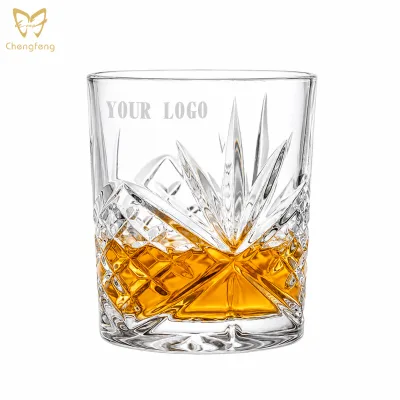
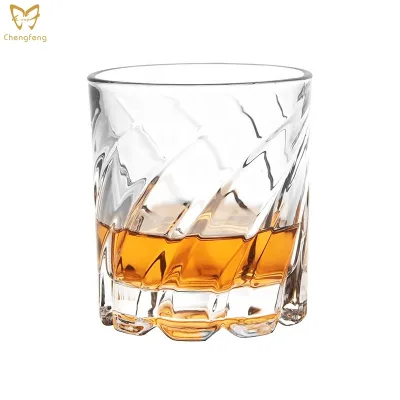
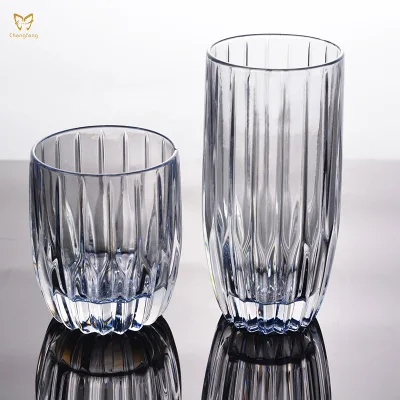
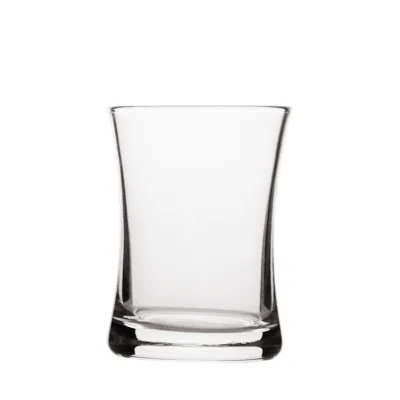
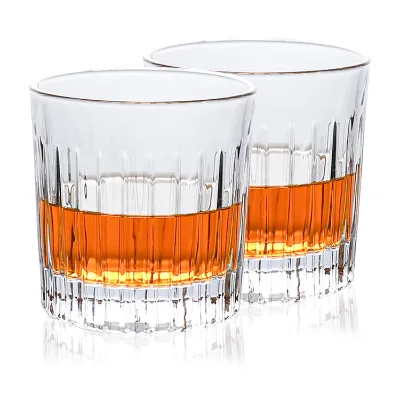
Striped Lead Free Crystal Whiskey Glass 10 Ounce
$0.85 - $0.98
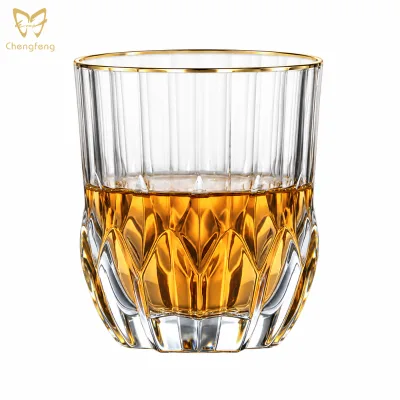
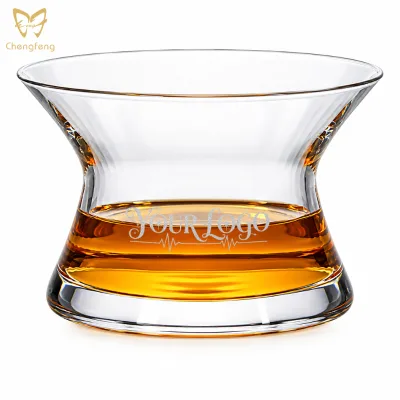
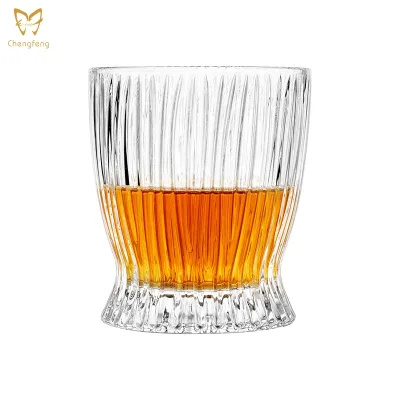
10 Ounce Vertical Stripes Whiskey Glass
$0.65 - $0.75
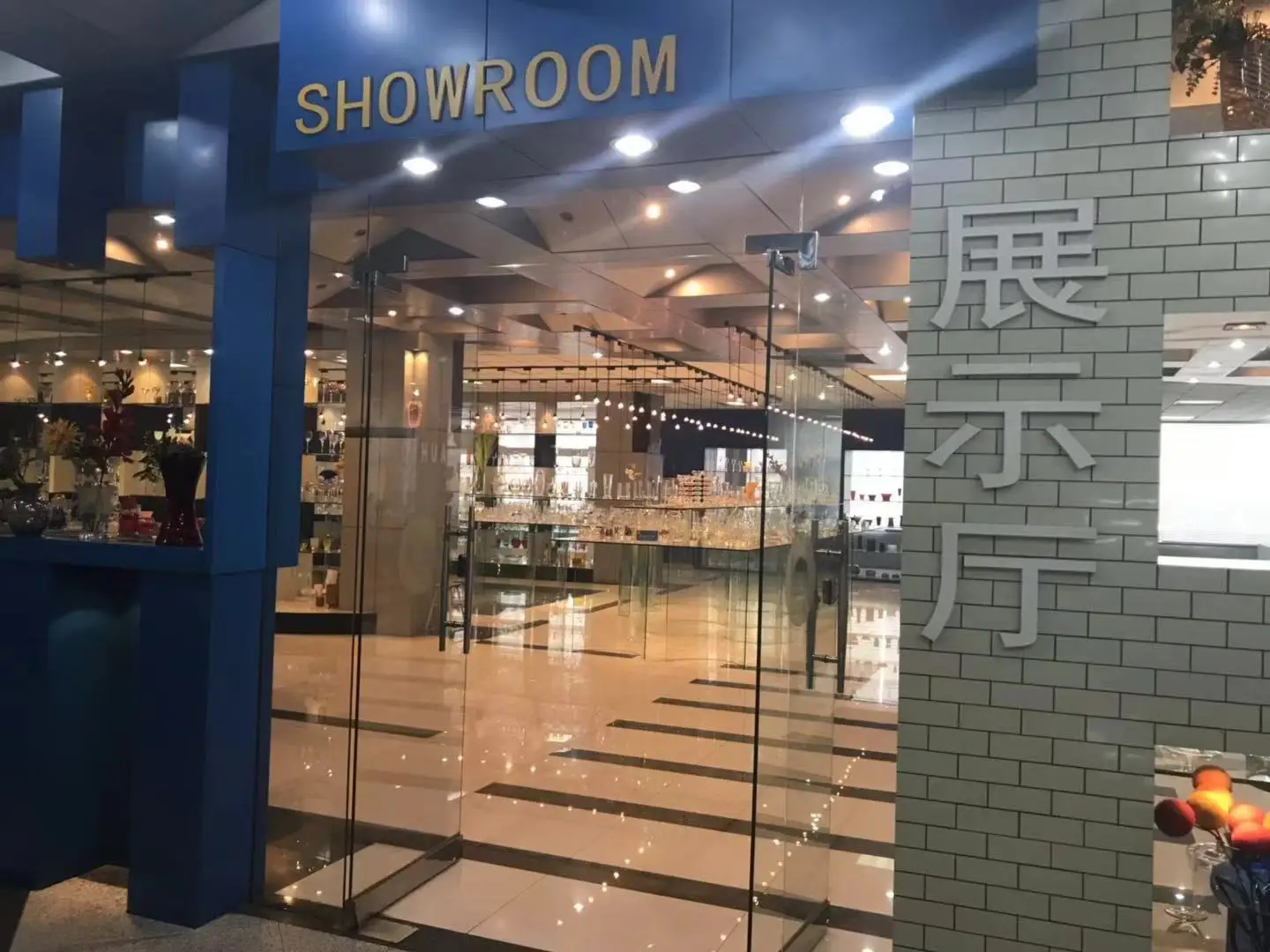
Changsha Aikeyi Homeware Co., Ltd.
- Trading Company
- Hunan, China
- Lead time25 days
- Avg. response≤ 2h
Main productsCustomized Glassware,Glass Tableware,Wine Glass,Glass Bottle,Glass Jar
Main marketsNorth America(33.00%), Oceania(15.00%), South America(12.00%), Western Europe(9.00%), Mid East(8.00%), Central America(4.00%), Northern Europe(4.00%), Africa(3.00%), Eastern Europe(3.00%), Southern Europe(3.00%), South Asia(2.00%), Southeast Asia(2.00%), Eastern Asia(2.00%)
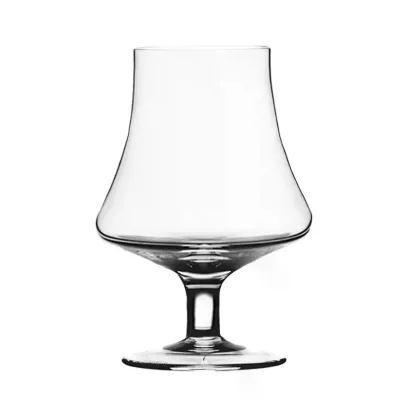
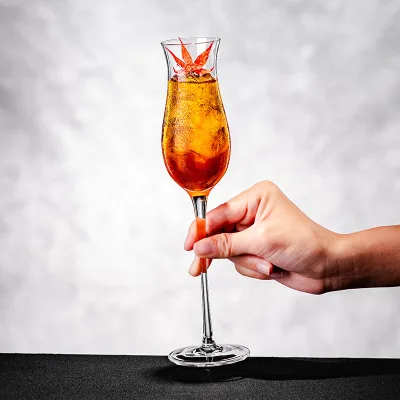
Lead-Free Crystal Tulip Whiskey Smell Glass Tasting Cognac Brandy Wine Glass
$1.5419 - $1.9431
MOQ: 30 pieces
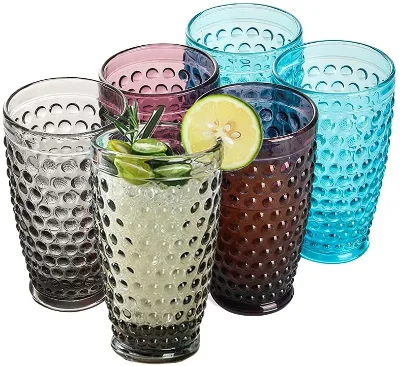
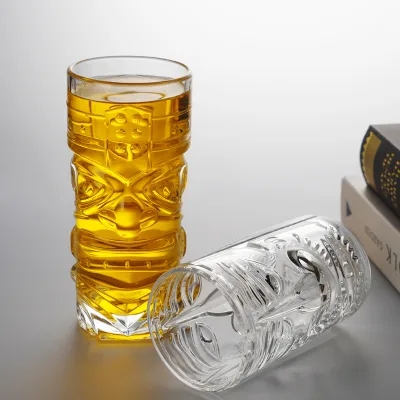
Colorful Lead-Free Crystal Highball Glasses Tall Bar Cup for Whiskey Iced Tea Cocktails Juice
$0.65 - $0.79
MOQ: 500 pieces
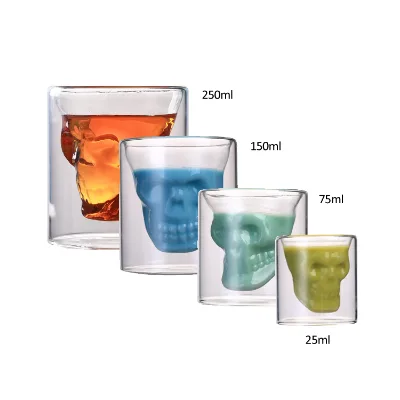
top seller Creative Wholesale special shaped glass cup crystal wine glass whisky glass
$1.1287 - $1.8458
MOQ: 50 pieces

XIAMEN SHUNSTONE HOMEWARE CO., LTD.
- Manufacturer/Factory
- China Fujian
- Lead time23 days
- Avg. response≤ 12h
Main productsWhiskey Box, Wine Box, Wooden Gift Box, Leather Gift Box, Gift Set with Box, Whiskey Decanter, Whiskey Glass, Cigar Box
Main marketsSouth America,Eastern Europe,Mid East,North America,Southeast Asia,Eastern Asia,Oceania,Western Europe,Africa


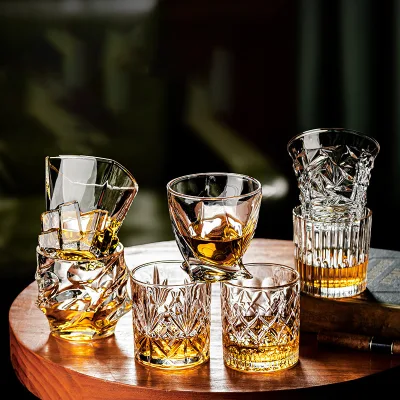
Lead Free Old Fashioned Crystal Rotating Whiskey Glass with Stones Gift Set
$1.79 - $2.49
MOQ: 48 Sets

K9 Crystal Whiskey Glasses Heavy Bottomed Cup Hand Carved Lead Free Whisky Glass
$68.89
MOQ: 100 Pieces

High Quality Luxury Custom Crystal Gold Rim Whiskey Glasses Lead Free Handmade Whiskey Glass
$0.99 - $5.99
MOQ: 36 Pieces


Hemera (Tianjin) Technology Development Limited
- Verified by TUVRHEINLAND
- Manufacturer/Factory
- China Tianjin
- Lead time38 days
- Avg. response≤ 6h
Main productsGlass Cup, Glass Teapot, Glass Jar&Container, Glass Pitcher&Carafe, Water Jug, Coffee Set, Wine Set, Glass Cooking Ware
Main marketsSouth America,Eastern Europe,Mid East,North America,Southeast Asia,Eastern Asia,Oceania,Western Europe,Africa

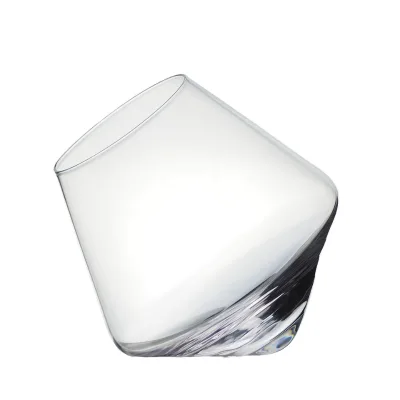
Unique Modern Rocks Lead Free Crystal Glasses for Bourbon Box Twist Nosing Whiskey Glass
$2.30 - $3.25
MOQ: 500 Pieces


European Creative Irregular Shaped Whiskey Cup Lead-Free Crystal Whiskey Glass Cup
$2.50 - $3.25
MOQ: 500 Pieces

Custom Logo Lead Free Luxury Heavy Base Whisky Glasses 260ml Crystal Whiskey Glass
$2.50 - $3.25
MOQ: 500 Pieces

Stocked Custom Wine Glasses Lead Fee Crystal Whiskey Glasses Whiskey Tumbler Wineglass Whiskey Glass
$2.00 - $4.00
MOQ: 500 Pieces

Wuhan Xinhuahang Household Goods Co., Ltd.
- Verified by BV
- Combined
- China Hubei
- Lead time15 days
- Avg. response≤ 5h
Main productsWine Glasses, Beer Glass, Drinking Glass, Decanter, Shot Glass, Coffee Glass, Cocktail Glass, Champagne Glass, Wine Accessories
Main marketsEurope,Australia,North America

300ml Etched Old Fashioned Texture Lead Free Crystal Clear Whiskey Glass for Cocktail Vodka Whisky
$0.44 - $0.56
MOQ: 480 Pieces

12oz Old Fashioned Custom Logo Lead Free Crystal Whiskey Glasses for Whiskey Cocktail Vodka
$0.47 - $0.56
MOQ: 360 Pieces

$0.35 - $0.55
MOQ: 48 Pieces

Whiskey Glass Household Lead-Free Crystal Glass Wine Old Fashioned Glasses Cup
$0.58 - $0.86
MOQ: 480 Pieces


11oz Twist Stylish Design Lead-Free Double Old Fashioned Crystal Whiskey Glass for Bourbon
$0.44 - $0.52
MOQ: 360 Pieces
Guangzhou Tianfu Glass Products Co., Ltd.
- Verified by SGS Group
- Trading Company
- Lead time0 days
- Avg. response≤ 3h
Main productsGlass, Red Wine Glass, Beer Glass, Cocktail Glass, Champagne Glass
Main marketsNorth America(30%), Southeast Asia(20%), Western Europe(10%)
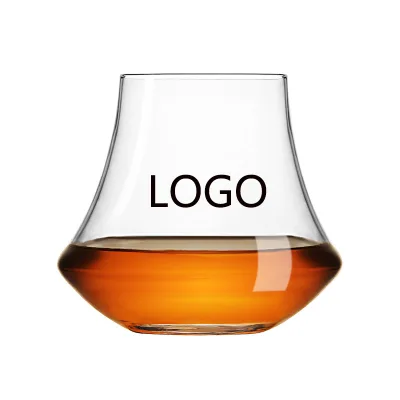
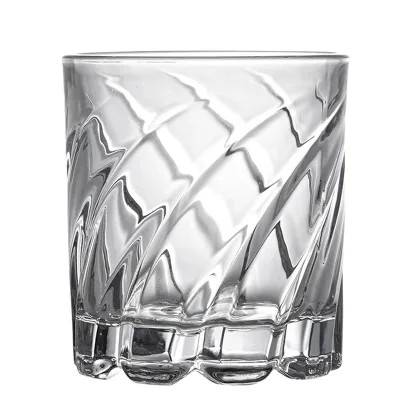
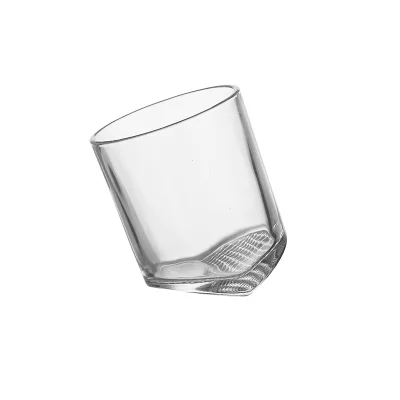
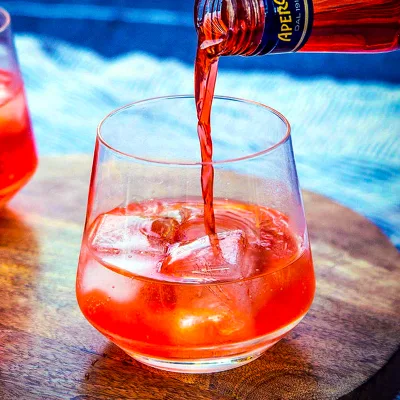
Hot-selling lead-free crystal rocking whisky glass Hexagon glass whiskey
$0.5928 - $0.9805
MOQ: 300 pieces
Shenzhen Sunrise Glassware Co., ltd.
- Trading Company
- Guangdong, China
- Lead time30 days
- Avg. response≤ 6h
Main productscustom crystal wine glass,custom hand cut whiskey glass,custom drinking glass,custom colored glass cup,custom double wall glass cups
Main marketsWestern Europe(20.00%), North America(20.00%), Southern Europe(16.00%), Domestic Market(10.00%), Northern Europe(10.00%), Oceania(7.00%), Mid East(5.00%), Eastern Asia(5.00%), South America(2.00%), Southeast Asia(2.00%), Central America(2.00%), Eastern Europe(1.00%)
Weifang Blotus Trading Co., Ltd.
- Verified by SGS Group
- Manufacturer, Trading Company
- Lead time30 days
- Avg. response≤ 1h
Main productsDecanter, Glass Bottle, Glass Cup, Teapot, Barware
Main marketsNorth America(45%), Western Europe(30%), Domestic Market(10%)
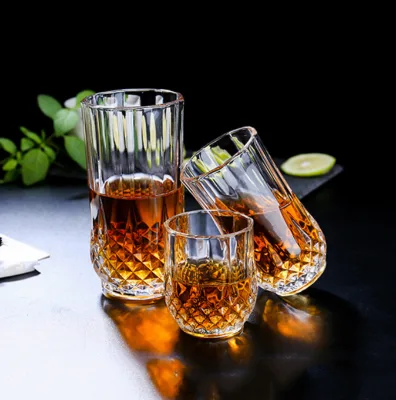
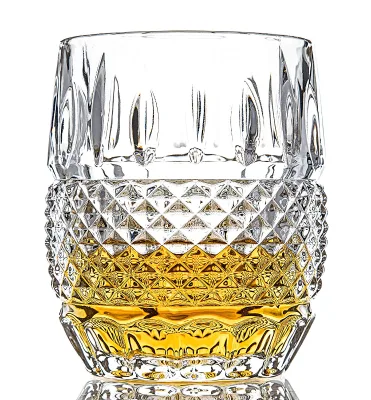
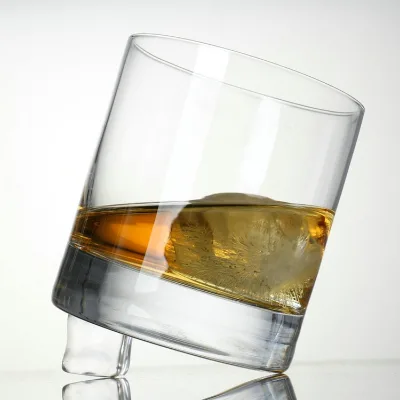
$1.5539 - $1.9745
MOQ: 500 pieces

Xuzhou Honghua Glass Technology Co., Ltd.
- Verified by CTI
- Combined
- China Jiangsu
- Lead time15 days
- Avg. response≤ 4h
Main productsGlass Bottle, Glass Jar, Candle Jar, Lunch Box, Glassware, Class Cup
Main marketsSouth America,Africa,Others(foreignTradeCapacity.exportBusinessCapacityMarketOther),Southeast Asia/ Mideast,East Asia(Japan/ South Korea),Domestic,Europe,Australia,North America


Lead Free Modern Tumbler High Quality 250ml 350ml Wine Glass Cups Beer Whiskey Glasses Crystal Cup
$0.30 - $0.40
MOQ: 1000 Pieces
Guangzhou Yibao International Trading Co., Ltd.
- Verified by Intertek
- Trading Company
- Lead time20 days
- Avg. response≤ 2h
Main productsWhiskey Glasses, Wine Glasses, Shot Glasses, Cocktail Glasses, Beer Glasses
Main marketsNorth America(40%), Western Europe(24%), Oceania(12%)

Xuzhou Xulang Glass Manufacturing Company., Ltd
- Verified by TUVRHEINLAND
- Trading Company,Manufacturer/Factory
- China Jiangsu
- Lead time30 days
- Avg. response≤ 3h
Main productsGlass Bottle, Glass Jar, Spice Grinder, Cup, Milk Bottle
Main marketsSouth America,Eastern Europe,Mid East,North America,Southeast Asia,Eastern Asia,Oceania,Western Europe,Africa

Wholesale Hot Sale Stocked Custom Wine Glasses Lead Free Crystal Whiskey Glasses Whiskey Tumbler
$0.65 - $0.90
MOQ: 2000 Pieces


- Verified by TUVRHEINLAND
- Trading Company
- China Hunan
- Lead time45 days
- Avg. response≤ 1h
Main productsCeramic Mug, Vacuum Flask, Dinner Set, Cup, Mug, Thermal Bottle, Ceramic Dinner Set, Glass Jar, Glass Cup, Wine Cup
Main marketsSoutheast Asia/ Mideast

Wholesale Lead Free Rock Whisky Cup Whiskey Glass Old Fashioned Whisky Glass
$0.20 - $0.40
MOQ: 3000 Pieces

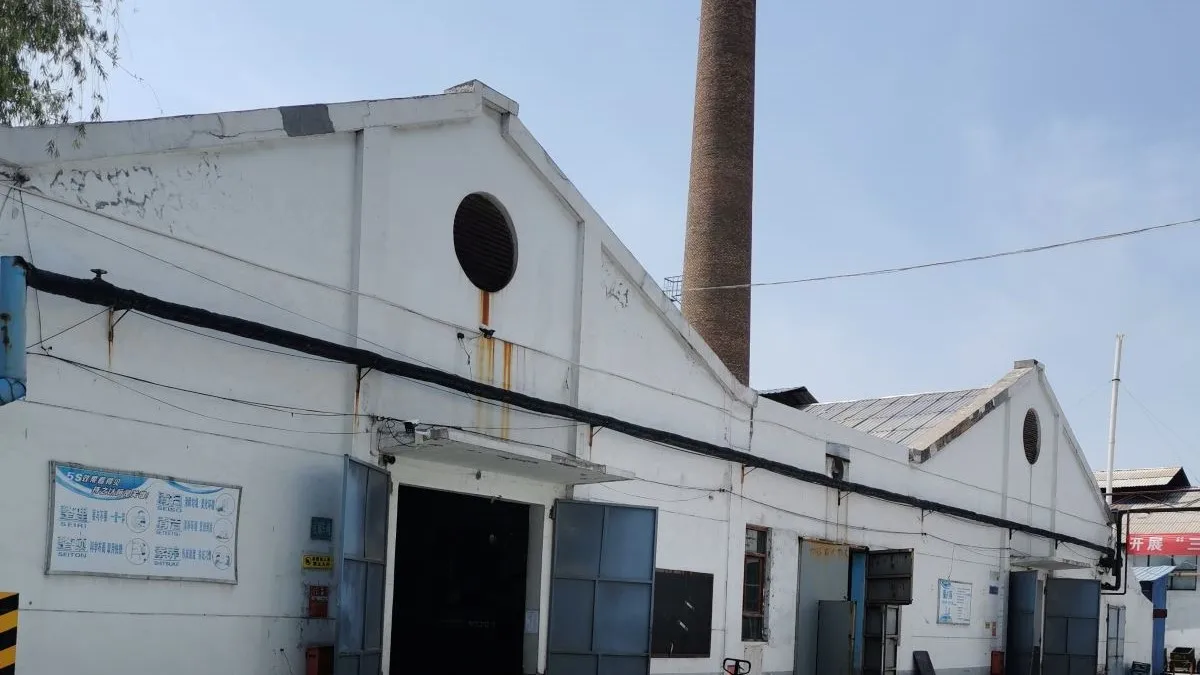
Xiamen Horae Glassware Co., Ltd.
- Manufacturer, Trading Company, Distributor/Wholesaler
- Fujian, China
- Lead time0 days
- Avg. response≤ 4h
Main productsglassware,glass products,glasses,packing,gift and crafts
Main marketsEastern Europe(20.00%), North America(20.00%), Western Europe(15.00%), Southeast Asia(10.00%), Southern Europe(5.00%), Northern Europe(5.00%), Central America(5.00%), South America(5.00%), Eastern Asia(5.00%), Mid East(5.00%), Oceania(5.00%)

- Verified by SGS
- Trading Company
- China Zhejiang
- Lead time15 days
- Avg. response≤ 17h
Main productsMop, Kitchen Knife, Chopping Board, Blanket, Mosquito Net, Cushion, Slipper, Broom, Luggage, Educational Toy
Main marketsEurope,Australia

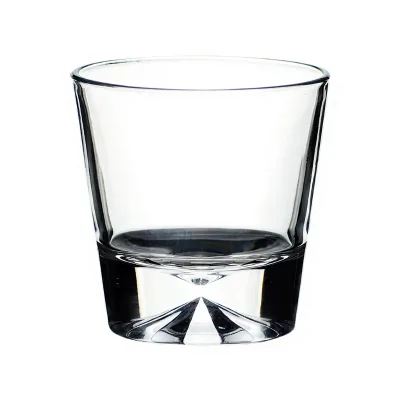
Multi-Style Hand Blown Mountain Bottom Crystal Whiskey Lead-Free Shot Wine Glasses
$1.20 - $1.41
MOQ: 700 Pieces

Dalian Crystal Coast Glass Co., Ltd.
- Verified by TüVRheinland
- Trading Company
- Lead time45 days
- Avg. response≤ 10h
Main productsGlassware
Main marketsNorth America(20%), Mid East(20%), Western Europe(15%)
Qixian Kewantong Glassware Co., Ltd.
- Verified by Intertek
- Manufacturer, Trading Company
- Lead time30 days
- Avg. response≤ 6h
Main productsWine Glasses, Decanter, Whiskey Glasses, Champagne Glasses, Glass Plate
Main marketsDomestic Market(45%), North America(15%), Mid East(10%)

Zibo Melory Import & Export Trade Co., Ltd.
- Trading Company,Manufacturer/Factory
- China Shandong
- Lead time45 days
- Avg. response≤ 17h
Main productsGlass Candle Holder, Glass Jar, Glass Votive, Glass Diffuser, Glass Bottle, Glass Vase, Matches, Ceramic Candle Holder, Ceramic Holder for Incense, Glass Candle Jar
Main marketsSouth America,Eastern Europe,North America,Western Europe
Foshan Haoting Glass Products Co., Ltd.
- Verified by TüVRheinland
- Manufacturer, Trading Company
- Lead time0 days
- Avg. response≤ 1h
Main productsGlass Drinkware
Main marketsDomestic Market(47%), North America(10%), Oceania(10%)

Guangzhou Jingzong Glass Co., Ltd.
- Manufacturer, Trading Company, Distributor/Wholesaler
- Guangdong, China
- Lead time60 days
- Avg. response≤ 22h
Main productsGlass drinking ware,Glass tableware,Glass giftware,glass vase,glass bows
Main marketsNorth America(53.00%), Domestic Market(13.00%), Western Europe(10.00%), South America(8.00%), Mid East(7.00%), Southeast Asia(2.00%), South Asia(1.00%), Southern Europe(1.00%), Northern Europe(1.00%), Eastern Europe(1.00%), Oceania(1.00%), Eastern Asia(1.00%), Africa(1.00%)

Suzhou Tongrang Gift Co., Ltd.
- Verified by CTI
- Trading Company
- China Jiangsu
- Lead time15 days
- Avg. response≤ 4h
Main productsGlasswares, Tablewares, Gift, Wineglasses, Glass Bottles, Tumblers, Glass Plate, Glass Jar, Gift Customs, Bottles
Main marketsNorth America

Engraved Crystal Glass for Spirits Liquor Glass Cup Whiskey Mixing Glasses
$2.20 - $3.10
MOQ: 144 Pieces

Aroma Glasses Crystal Glass Whiskey Cups Liquor Glasses for Bars Special Cocktail Glasses
$0.60 - $2.80
MOQ: 200 Pieces
XIAMEN SHUNSTONE HOMEWARE CO., LTD.
- Verified by TüVRheinland
- Manufacturer, Trading Company
- Lead time10 days
- Avg. response≤ 4h
Main productsWine Accessories, Whiskey Accessories, Glassware, Stone Crafts, Steak Stone Set
Main marketsNorth America(40%), Western Europe(30%), South America(5%)
Shenzhen Alp Ocean Import And Export Co., Ltd.
- Manufacturer, Trading Company, Distributor/Wholesaler
- Guangdong, China
- Lead time0 days
- Avg. response≤ 13h
Main productsglass bowl,glass plate,glass cup,glass vase,glass candy box
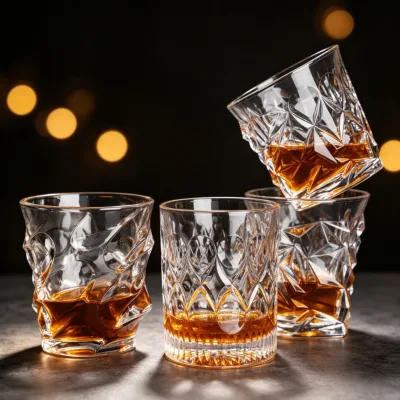
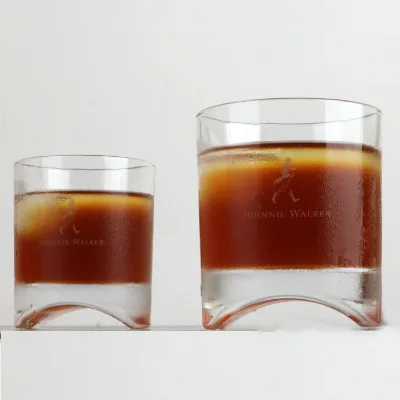
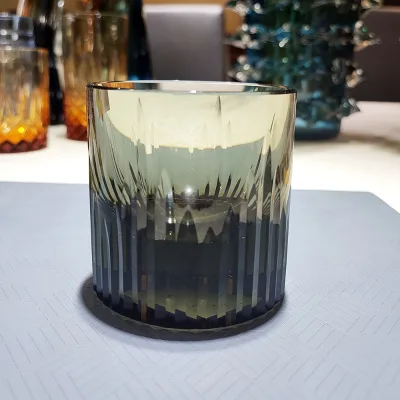
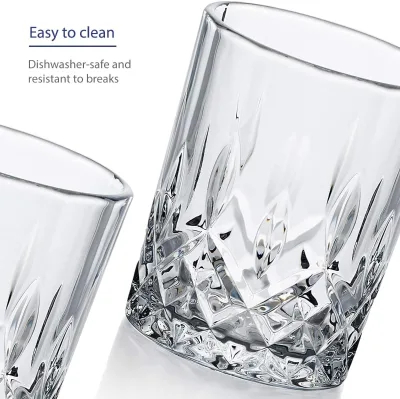
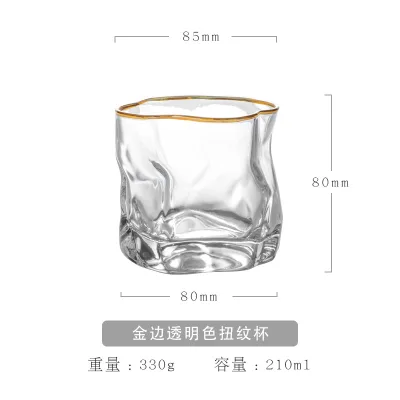


Comprehensive Sourcing Guide
Lead Free Crystal Whiskey Glass Supplier Concentration and Factory Types
The sourcing landscape for lead-free crystal whiskey glassware is defined by a mix of manufacturing capabilities and trading structures, requiring buyers to distinguish between direct production sources and intermediary facilitators. Current data indicates that the primary supplier types available are manufacturers and trading companies, each offering distinct advantages depending on the scale and complexity of the procurement strategy. Manufacturers typically provide greater control over production processes, material sourcing, and customization options, which is critical for products requiring specific technical attributes like lead-free crystal composition. Trading companies, on the other hand, may offer a broader portfolio of styles and faster aggregation of mixed orders, though they may add a layer of margin to the final cost. Understanding this dichotomy is essential for aligning supplier selection with specific business goals, whether prioritizing direct factory relationships for long-term cost efficiency or leveraging trading companies for flexibility and variety.
Geographic concentration plays a significant role in the availability and logistics of these products, with Guangdong, China, emerging as a key production hub for this category. Suppliers listing their place of origin in this region often benefit from established supply chains for raw materials such as silica sand and specialized glass-forming additives, as well as a mature ecosystem of packaging and logistics providers. This concentration allows for efficient scaling of production runs, particularly for items like the classic American style or modern twisted designs that are currently popular in the market. Buyers should verify the specific location claims of suppliers to ensure proximity to major shipping ports, which can significantly impact transit times and freight costs. Additionally, the presence of specialized facilities in this region suggests a higher likelihood of finding suppliers equipped with advanced technologies, such as handmade blowing techniques or precision graphic processing, which are necessary for producing high-quality, lead-free crystal glassware that meets international safety and aesthetic standards.
How to Verify Lead Free Crystal Whiskey Glass Suppliers
Verification is a critical step in mitigating risk when sourcing lead-free crystal whiskey glasses, as the integrity of the material and the reliability of the supplier directly impact product safety and delivery performance. One of the primary verification methods available in the current market is third-party inspection services, with Intertek being a noted verification partner for some suppliers in this category. Engaging with suppliers who have undergone such rigorous third-party assessments can provide an additional layer of confidence regarding their operational standards and compliance with international regulations. Buyers should actively seek out suppliers who display these verification badges or have provided recent inspection reports, as these documents serve as objective evidence of the supplier’s ability to maintain consistent quality control throughout the production process. This is particularly important for glassware, where defects such as bubbles, cracks, or inconsistent wall thickness can lead to product failure and customer dissatisfaction.
Beyond third-party inspections, buyers must rigorously evaluate the certification portfolio of potential suppliers to ensure compliance with global food safety and material standards. The current supplier base includes entities holding certifications such as BSCI, FDA CPG, CP65, LFGB, DGCCRF, and (EC) 1935/2004, which are crucial for products intended for food and beverage contact. BSCI certification indicates adherence to social compliance standards, ensuring ethical labor practices, while FDA and LFGB certifications confirm that the materials used, specifically the lead-free crystal, do not leach harmful substances into beverages. Buyers should request copies of these certificates and verify their validity with the issuing bodies, as certifications can expire or be misused. Additionally, checking for compliance with specific regional standards, such as California’s Proposition 65 (CP65), is vital for suppliers targeting markets with strict regulatory environments. This due diligence ensures that the lead-free crystal whiskey glasses sourced are not only aesthetically pleasing but also legally compliant and safe for end consumers.
What to Compare Across Lead Free Crystal Whiskey Glass Suppliers
When evaluating multiple suppliers for lead-free crystal whiskey glasses, buyers must compare a range of operational and commercial metrics to identify the most suitable partner for their specific needs. Key dimensions for comparison include lead time, minimum order quantity (MOQ), response speed, and production capacity. For instance, some suppliers may offer a lead time of 25 days, which is a critical factor for inventory planning and meeting seasonal demand peaks. Others may have a response time of 2 hours, indicating a high level of customer service engagement and agility in addressing inquiries or resolving issues. Buyers should also assess the MOQ requirements, as some suppliers may require a minimum of 500 units, which could be a barrier for smaller businesses or those testing new product lines. Understanding these operational constraints helps in aligning supplier capabilities with the buyer’s sales volume and cash flow requirements.
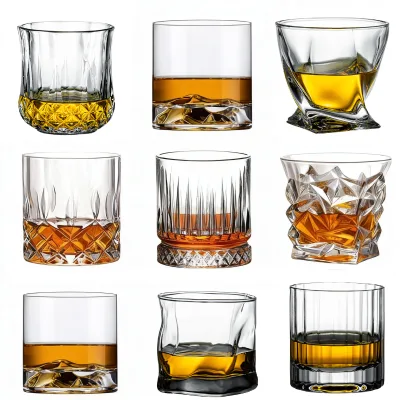
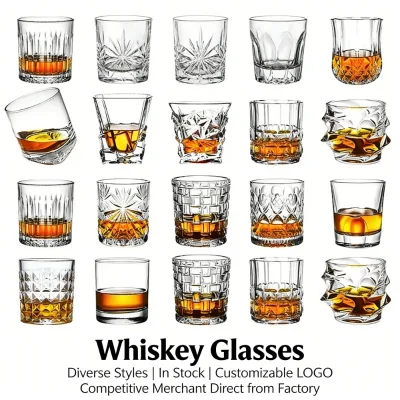
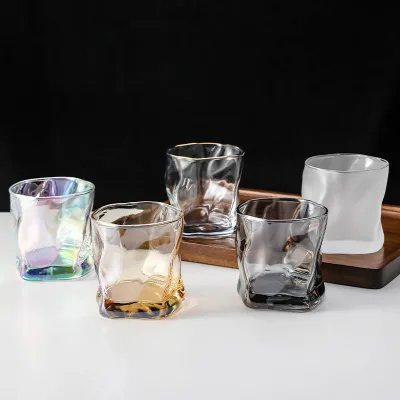
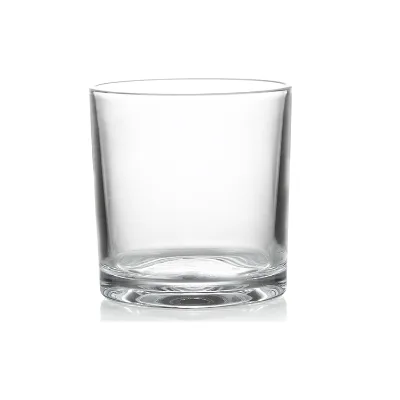
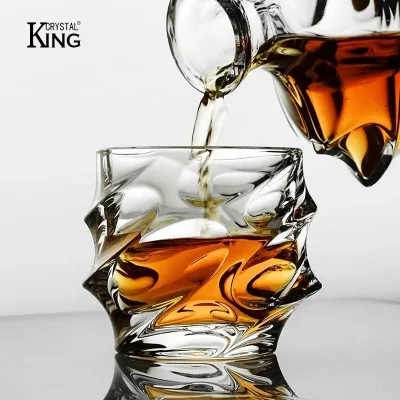
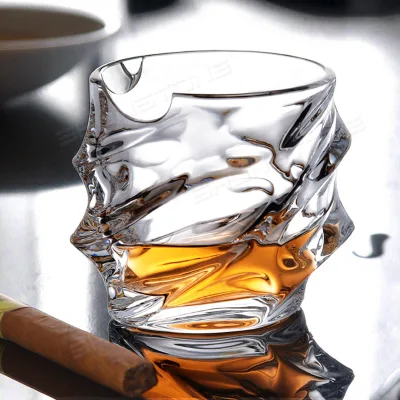
In addition to operational metrics, buyers should compare the specific product attributes and customization options offered by different suppliers. The current market features a variety of styles, including classic American designs, modern twisted patterns, and heavy-base shot glasses, each with distinct specifications such as capacity, weight, and dimensions. For example, some whiskey glasses have a capacity of 282ml with a weight of 353g, while others may offer 300ml capacity with a single gross weight of 4.0 kg for bulk packaging. Buyers should also evaluate the customization capabilities, such as the acceptance of customized logos, specific color options like transparent or blue, and the ability to produce graphic processing or sample processing on demand. Comparing these product details allows buyers to select suppliers who can deliver the exact aesthetic and functional requirements of their target market, ensuring brand consistency and customer satisfaction.
Common Lead Free Crystal Whiskey Glass Sourcing Risks
Sourcing lead-free crystal whiskey glasses involves several inherent risks that buyers must proactively manage to ensure a successful procurement outcome. One significant risk is the variability in material quality, particularly concerning the "lead-free" claim. While many suppliers advertise their products as lead-free crystal, the actual composition can vary, and without proper verification, there is a risk of receiving glassware that does not meet the specified safety standards. This risk is compounded by the potential for inconsistent manufacturing processes, where factors such as temperature control during blowing or cooling can affect the clarity, durability, and thermal shock resistance of the glass. Buyers must mitigate this risk by requesting detailed material specifications and conducting independent laboratory testing on sample units to verify the absence of lead and other heavy metals, ensuring that the product complies with all relevant health and safety regulations.
Another common risk is the discrepancy between sample quality and bulk production output. Suppliers may provide high-quality samples that meet all aesthetic and functional requirements, but the mass-produced items may suffer from defects such as uneven thickness, poor finishing, or packaging damage. This risk is particularly prevalent when dealing with trading companies or suppliers with limited quality control infrastructure. To address this, buyers should implement a robust quality assurance protocol that includes pre-shipment inspections and clear definition of acceptable quality limits in the purchase agreement. Additionally, the risk of logistical damage is heightened due to the fragile nature of glassware, requiring careful selection of packaging methods and transportation partners. Buyers should verify that suppliers use appropriate protective packaging, such as individual dividers and reinforced outer cartons, to minimize the risk of breakage during transit, thereby protecting the investment and maintaining product integrity upon arrival.
Lead Free Crystal Whiskey Glass Regional Sourcing and Logistics
Regional sourcing strategies significantly influence the logistics and cost structure of procuring lead-free crystal whiskey glasses, with Guangdong, China, being a prominent manufacturing hub. Sourcing from this region offers access to a mature supply chain ecosystem, including readily available raw materials, specialized glass-blowing expertise, and efficient packaging solutions. However, buyers must carefully consider the logistical implications of sourcing from this location, including transit times to major global markets and the associated freight costs. The proximity to major shipping ports in Guangdong can facilitate faster export processes, but buyers should still account for potential delays due to port congestion or seasonal shipping peaks. Understanding the specific logistics capabilities of the supplier, such as their experience with export documentation and customs clearance, is essential for ensuring smooth and timely delivery of goods.
Logistics planning also involves evaluating the packaging specifications provided by suppliers, as these directly impact shipping efficiency and product safety. Current product data indicates varying single package sizes, ranging from compact dimensions like 9x9x12.5 cm for individual items to larger bulk packaging sizes such as 40x40x30 cm. Buyers should analyze these dimensions to optimize container loading and minimize shipping costs, as inefficient packaging can lead to wasted space and increased freight expenses. Additionally, the weight of the products, such as a single gross weight of 0.8 kg or 4.0 kg for bulk shipments, must be considered when calculating total shipping costs and handling requirements. Buyers should work closely with suppliers to determine the most cost-effective packaging solutions that balance protection with efficiency, ensuring that the lead-free crystal whiskey glasses arrive in perfect condition while keeping logistics costs within budget.
Lead Free Crystal Whiskey Glass Commercial Terms and Order Planning
Commercial terms and order planning are pivotal in securing favorable conditions for sourcing lead-free crystal whiskey glasses, with pricing and payment structures being primary considerations. The current market data indicates a price range for these products, with some items priced between $0.60 and $0.80 per unit, while others, such as more intricate designs, may range from $0.78 to $0.98 or even up to $1.75 for premium options. Buyers should negotiate based on volume discounts and long-term partnership potential, as larger orders often qualify for reduced unit prices. Additionally, understanding the payment terms, such as the use of escrow services or letters of credit, is crucial for mitigating financial risk. Buyers should ensure that payment terms are aligned with production milestones, such as releasing funds upon sample approval or after pre-shipment inspection, to protect their investment and ensure supplier accountability.
Order planning must also account for the sample processing and customization lead times, which can impact the overall timeline from order placement to delivery. Suppliers may require 7-10 days for sample production, which is a critical phase for validating product quality and design before committing to bulk orders. Buyers should factor this lead time into their overall procurement schedule, allowing sufficient time for sample review, feedback, and potential revisions. Furthermore, the customization options available, such as logo printing or specific color requirements, may extend the production lead time, which is currently cited as 25 days for some suppliers. Buyers should communicate their customization needs clearly and early in the process to avoid delays and ensure that the final product meets their brand specifications. Effective order planning involves balancing these various lead times and commercial terms to achieve a seamless supply chain operation.
FAQs
What is the price range for lead free crystal whiskey glasses?
The price range for these glasses typically falls between $0.60 and $1.75 per unit. This variation depends on specific design features, capacity, and order volume. Buyers should verify exact pricing with suppliers based on their required quantity and customization needs.
What certifications do these glass suppliers hold?
Suppliers often hold certifications such as BSCI, FDA CPG, CP65, LFGB, and DGCCRF. These ensure compliance with international safety and quality standards. Buyers should request valid certificates to confirm that the lead-free crystal glass meets specific regulatory requirements for their target market.
What is the typical lead time for production?
The typical lead time for production is approximately 25 days. This duration allows for manufacturing and quality control processes. Buyers should confirm specific timelines with suppliers, as rush orders or complex customizations may alter the standard production schedule significantly.
What is the minimum order quantity for these glasses?
The minimum order quantity is often set at 500 pieces. This threshold helps suppliers manage production efficiency and costs. Buyers should check individual supplier listings for potential variations in MOQ requirements, especially for custom designs or smaller trial orders.
Where are these lead free crystal whiskey glasses manufactured?
These glasses are primarily manufactured in Guangdong, China. This region is known for its glassware production capabilities and supply chain efficiency. Buyers can verify specific factory locations and logistics options to ensure timely delivery and compliance with import regulations.
Can suppliers provide customized logos on the glasses?
Yes, many suppliers accept customized logos on the glasses. This service allows buyers to brand the products for specific markets or events. Buyers should discuss logo placement, color, and printing methods with suppliers to ensure the final product meets their branding standards.