Eco-Friendly BPA Free Bamboo Thermos Suppliers and Manufacturers
Source 32 verified suppliers for Eco-Friendly BPA Free Bamboo Thermos products. Compare key dimensions including location, lead times, MOQs, and response times to find the right partner. Review product specifications and pricing details to streamline your procurement process; review the available evidence before requesting comparable quotations from suitable candidates.
Suppliers List
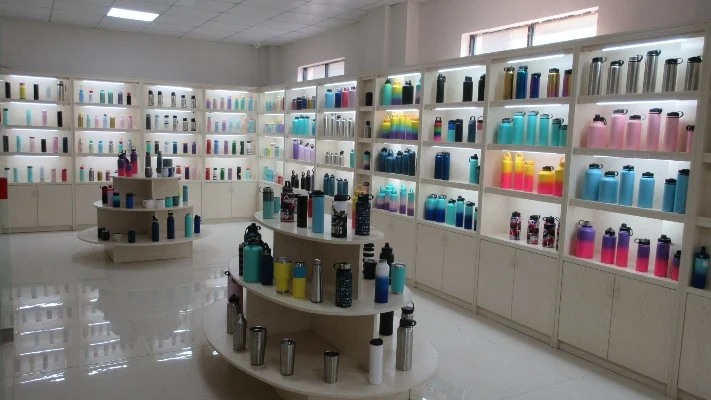
Hefei Caspian Trading Co., Ltd.
- Trading Company
- An'hui, China
- Lead time30 days
- Avg. response≤ 2h
Main productsdrink ware,kitchen ware,decoration product,sport product,outdoor product
Main marketsNorth America(30.00%), Western Europe(15.00%), Southern Europe(10.00%), South America(10.00%), Eastern Europe(10.00%), Northern Europe(9.00%), South Asia(5.00%), Southeast Asia(5.00%), Central America(5.00%), Africa(1.00%)

Ningbo Happy Commodity Co., Ltd.
- Trading Company
- Zhejiang, China
- Lead time0 days
- Avg. response≤ 4h
Main productsglass drinkware,stainless steel drinkware,bamboo drinkware,straws,brushes
Main marketsWestern Europe(60.00%), North America(30.00%), Central America(10.00%)

- Manufacturer/Factory
- China Fujian
- Lead time45 days
- Avg. response≤ 13h
Main productsBamboo Chopping Board, Bamboo Box, Bamboo Tray, Bamboo Bottle, Bamboo Products, Bamboo Cutlery, Bamboo Plywood, Bamboo Furniture, Bamboo Plate, Bamboo Broom
Main marketsSouth America,Eastern Europe,Mid East,North America,Southeast Asia,Oceania,Western Europe,Africa


$6.40 - $6.60
MOQ: 500 Pieces

$6.40 - $6.60
MOQ: 500 Pieces


$6.40 - $6.60
MOQ: 500 Pieces
Hefei Base Environment Protection Technology Co., Ltd.
- Manufacturer, Trading Company
- Anhui, China
- Lead time20 days
- Avg. response≤ 4h
Main productsPlastic Water Bottle,Shaker Bottle,Aluminum Bottle,Stainless Steel Bottle,Glass Bottle
Main marketsSouth America(15.00%), North America(15.00%), Mid East(10.00%), Eastern Europe(10.00%), Domestic Market(5.00%), South Asia(5.00%), Southern Europe(5.00%), Northern Europe(5.00%), Central America(5.00%), Western Europe(5.00%), Eastern Asia(5.00%), Southeast Asia(5.00%), Oceania(5.00%), Africa(5.00%)
Jiujiang Shike Import And Export Co., Ltd.
- Trading Company
- Jiangxi, China
- Lead time0 days
- Avg. response≤ 1h
Main productsStainless Steel Water Bottle,Tumbler,Mugs,Plastic Cup,Water Bottle
Main marketsSouth Asia(30.00%), North America(20.00%), Southeast Asia(20.00%)

$3.63 - $4.01
MOQ: 50 pieces


Anhui YOTO Import & Export Co., Ltd.
- Verified by SGS
- Manufacturer/Factory
- China Anhui
- Lead time23 days
- Avg. response≤ 3h
Main productsWater Bottle, Vacuum Flask, Cup & Mugs, Thermos, Plastic Water Bottles, Kid's Bottles, Tumblers, Sports Bottles
Main marketsSouth America,Eastern Europe,Mid East,North America,Southeast Asia,Eastern Asia,Western Europe,Africa

450/500 Ml Bamboo Shell Temperature Display Lid Stainless Steel Cup Thermos
$1.98 - $3.98
MOQ: 100 Pieces

Smart LED Temperature Display Bamboo Water Bottle Double Wall Stainless Steel Bottle Bamboo Thermos
$1.98 - $3.98
MOQ: 100 Pieces

Straight Body Bamboo Shell Doubel-Layer Stainless Steel Inner Insulation Cup Thermos
$1.98 - $3.98
MOQ: 100 Pieces


Factory Wholesale Stainless Steel BPA Free Water Bottle Thermos with Coffee Tea Cup Lid
$2.98 - $4.18
MOQ: 100 Pieces

Hefei Ciela Houseware Co., Ltd.
- Trading Company
- Anhui, China
- Lead time25 days
- Avg. response≤ 1h
Main productsVacuum flasks double wall stainless steel bottle insulated cups,glass bottle,wooden home decor,Aluminum bottle,Plastic Cup
Main marketsNorth America(12.00%), South America(11.00%), Eastern Europe(10.00%), Northern Europe(9.00%), Southern Europe(8.00%), Western Europe(8.00%), Africa(8.00%), Southeast Asia(7.00%), Oceania(5.00%), South Asia(3.00%), Eastern Asia(3.00%), Central America(3.00%), Mid East(2.00%)


High Quality Custom Travel Customizable Bottles Customized Sport Water Bottle
$2.00 - $3.19
MOQ: 100 pieces

Factory Hot Sale Bottles Eco Friendly Products Flasks Vacuum Thermos Custom Logo
$2.00 - $3.19
MOQ: 100 pieces

Professional Factory Flask Bottle Drink Water Thermos Bottles Stainless Steel
$2.00 - $3.19
MOQ: 100 pieces

Best Price Bpa Free Flask With Custom Color Insulated Water Bottles Stainless Steel
$2.00 - $3.19
MOQ: 100 pieces


Shanghai Touch Industrial Development Co., Ltd.
- Verified by TUVRHEINLAND
- Combined
- China Shanghai
- Lead time15 days
- Avg. response≤ 4h
Main productsInstant Hot Pack, Hot Cold Pack, Gel Eye Mask, Gel Ice Pack, Gel Bottle Cooler, Instant Ice Pack, Hand Warmer, Heat Pack, Cooling Scarf, Gel Beads
Main marketsSouth America,Others(foreignTradeCapacity.exportBusinessCapacityMarketOther),Southeast Asia/ Mideast,East Asia(Japan/ South Korea),Domestic,Europe,Australia,North America

Stainless Steel Lid Material Bamboo Water Bottle Vacuum Thermos with Customized Logo
$3.00 - $3.20
MOQ: 1000 Pieces


Anhui Dream-China Technology Co., Ltd.
- Verified by SGS
- Combined
- China Anhui
- Lead time23 days
- Avg. response≤ 4h
Main productsUHF/VHF/Yagi/TV Antenna, LNB, MMDS Downconverter, Power Supply/Adapter, Cables, Diseqc Swithes/Spliter/Sat-Finder, Travel Mug, Fishing Net, Security Seal, SPD/Thermostat
Main marketsDomestic,Europe

$3.29 - $5.55
MOQ: 50 Pieces

300ml 500ml 750ml 1000ml Rainbow Color Custom Design Logo Double Wall Bottle Thermos
$3.18 - $4.60
MOQ: 1 Pieces


Dongsun Homeware Products Industry and Trade Co., Ltd.
- Verified by SGS
- Trading Company,Manufacturer/Factory
- China Zhejiang
- Lead time15 days
- Avg. response≤ 3h
Main productsVacuum Flask, Sports Water Bottle, Thermos Bottle, Smart Trash Can, Stainless Steel Tumbler, Stainless Steel Cup, Stainless Steel Coffee Mug, Glass Bottle, Thermos Flask, Silicone Bottle
Main marketsSouth America,Eastern Europe,Mid East,North America,Southeast Asia,Eastern Asia,Oceania,Western Europe,Africa

Natural Bamboo Tumbler 380ml 500ml Stainless Steel Thermos Bottle Vacuum Flask
$3.49 - $4.89
MOQ: 50 Pieces

Natural Eco-Friendly Customized Bamboo Shell Stainless Steel Water Bottle Vacuum Flask
$3.71 - $5.19
MOQ: 50 Pieces

Wholesale Vacuum Insulated Bamboo Water Bottles Stainless Steel Thermos Flask with Bamboo Lid
$3.99 - $5.59
MOQ: 50 Pieces

Double Wall Insulated Custom Logo 304 Stainless Steel Thermos Bamboo Vacuum Flask with Cup Lid
$3.71 - $5.19
MOQ: 50 Pieces

Eco Friendly Bamboo Insulated Stainless Steel Water Bottle Vacuum Flask with Sports Lid
$3.49 - $4.89
MOQ: 50 Pieces

600ml New Stainless Steel Handle Thermos Cup Portable Bamboo Sports Outdoor Vacuum Flask
$3.71 - $5.19
MOQ: 50 Pieces
- Verified by TüVRheinland
- Manufacturer, Trading Company
- Lead time7 days
Main productsAluminum Bottle, Stainless Steel Drinkware, Plastic Bottle, Glass Bottle, Sports Bottle
Main marketsNorth America(60%), Western Europe(22%), South America(7%)

- Verified by TUVRHEINLAND
- Trading Company
- China Beijing
- Lead time30 days
- Avg. response≤ 5h
Main productsWater Bottle, Tumbler, Vacuum Flask, Lunch Box/Food Jar, Travel Mug, Water Jug/Pot, Stainless Steel Cup, Thermo
Main marketsEurope
Qingdao Foremost Plastic Industry Co., Ltd.
- Manufacturer, Trading Company
- Shandong, China
- Lead time10 days
- Avg. response≤ 6h
Main productsDrinkware,Kitchenware,Home storage,Packaging printing,Customized Products
Main marketsDomestic Market(20.00%), North America(15.00%), Central America(10.00%), South America(5.00%), South Asia(5.00%), Southern Europe(5.00%), Northern Europe(5.00%), Eastern Europe(5.00%), Western Europe(5.00%), Eastern Asia(5.00%), Mid East(5.00%), Oceania(5.00%), Africa(5.00%), Southeast Asia(5.00%)
- Verified by TüVRheinland
- Trading Company
- Zhejiang, China
- Lead time旺季: "1 - 25":15,"26 - 151":16,"152 - 1101":17,"> 1101":"To be negotiated", 淡季: "1 - 25":15,"26 - 151":16,"152 - 1101":17,"> 1101":"To be negotiated"
Main productsStainless Steel Water Bottle, Double Wall Cup, Vacuum Cup, Studded Tumbler, Bamboo Flask
Main marketsNorth America(60%), Eastern Europe(20%), South America(10%)
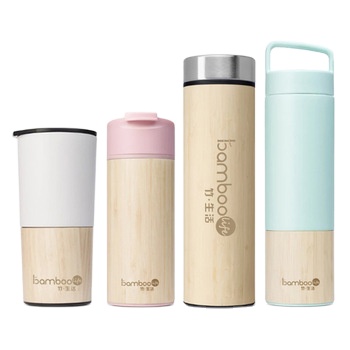
$6.11 - $9.25
MOQ: 2 pieces


Ningbo Eco Drinkware Industry And Trade Co., Ltd.
- Trading Company
- Zhejiang, China
- Lead time20 days
- Avg. response≤ 1h
Main productsStainless Steel Thermos,Sport Water Bottle,Glass Bottle,Bamboo Tumbler,Steel Lunch Box
Main marketsNorth America(25.00%), Western Europe(12.00%), Southern Europe(12.00%), Northern Europe(12.00%), Southeast Asia(8.00%), Oceania(7.00%), Eastern Europe(5.00%), Eastern Asia(5.00%), Mid East(5.00%), South Asia(2.00%), Africa(2.00%), South America(2.00%), Central America(2.00%), Domestic Market(1.00%)

Dropshipping High Quality BPA Free Double Wall Portable Bamboo Coffee Press Thermos with Lid
$3.10 - $6.40
MOQ: 30 pieces


GUANGZHOU SURE UP COMMODITY LIMITED
- Manufacturer/Factory
- China Guangdong
- Lead time30 days
- Avg. response≤ 14h
Main productsVacuum Flask, Coffee Pot, Air Pot, Mug, Water Jar, Thermos, Plastic Water Bottle, Vacuum Bottle, Canister, Dustbin
Main marketsSouth America,Eastern Europe,Mid East,Southeast Asia,Eastern Asia,Western Europe,Africa
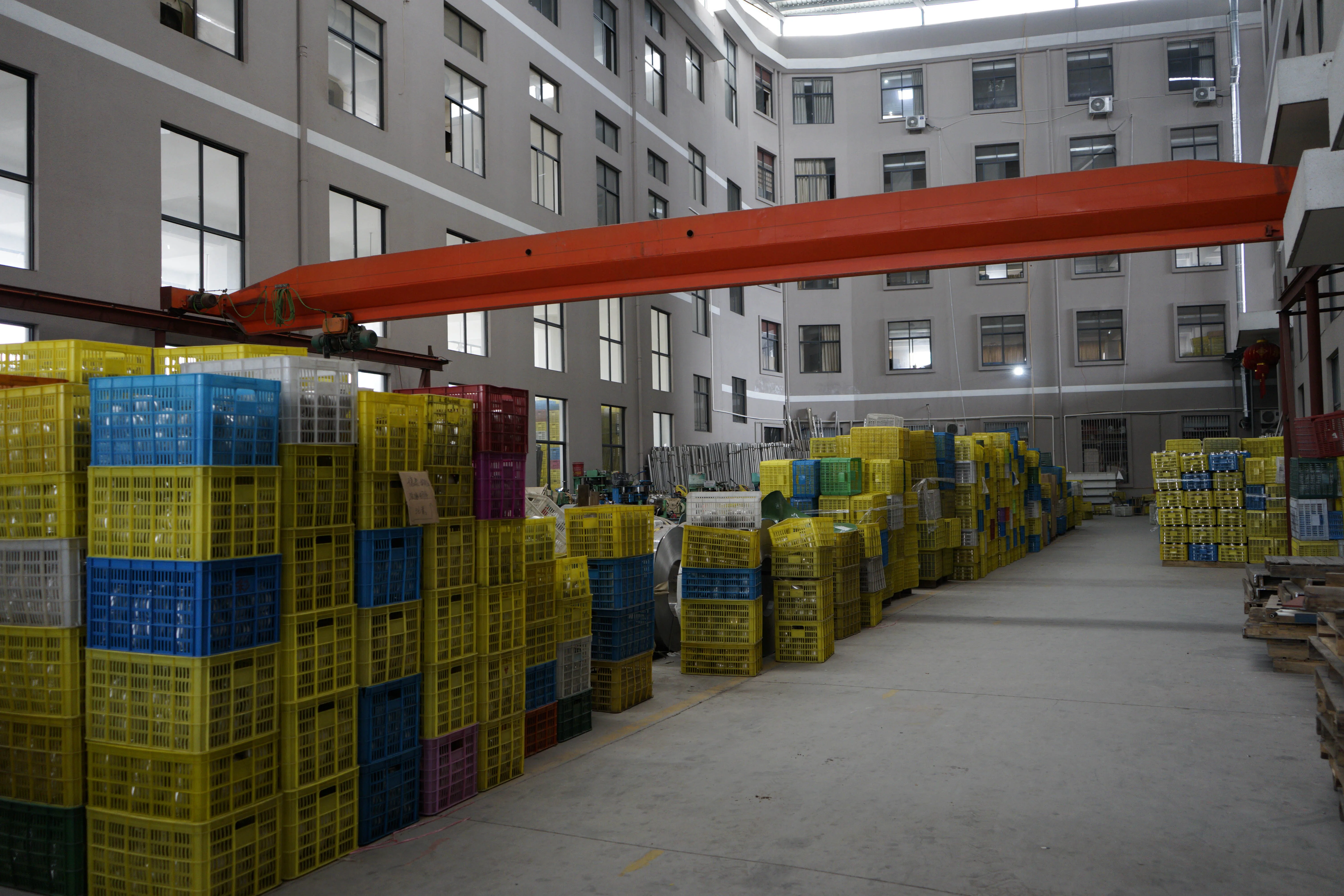
Ningbo Cuplus International Trade Co., Ltd.
- Trading Company
- Zhejiang, China
- Lead time30 days
- Avg. response≤ 1h
Main productsStainless Steel Thermos; Coffee Mug; High Borosilicate Glass Water Bottle; Carafe; Tumbler
Main marketsNorth America(60.00%), Western Europe(35.00%), Oceania(3.00%), Africa(2.00%)
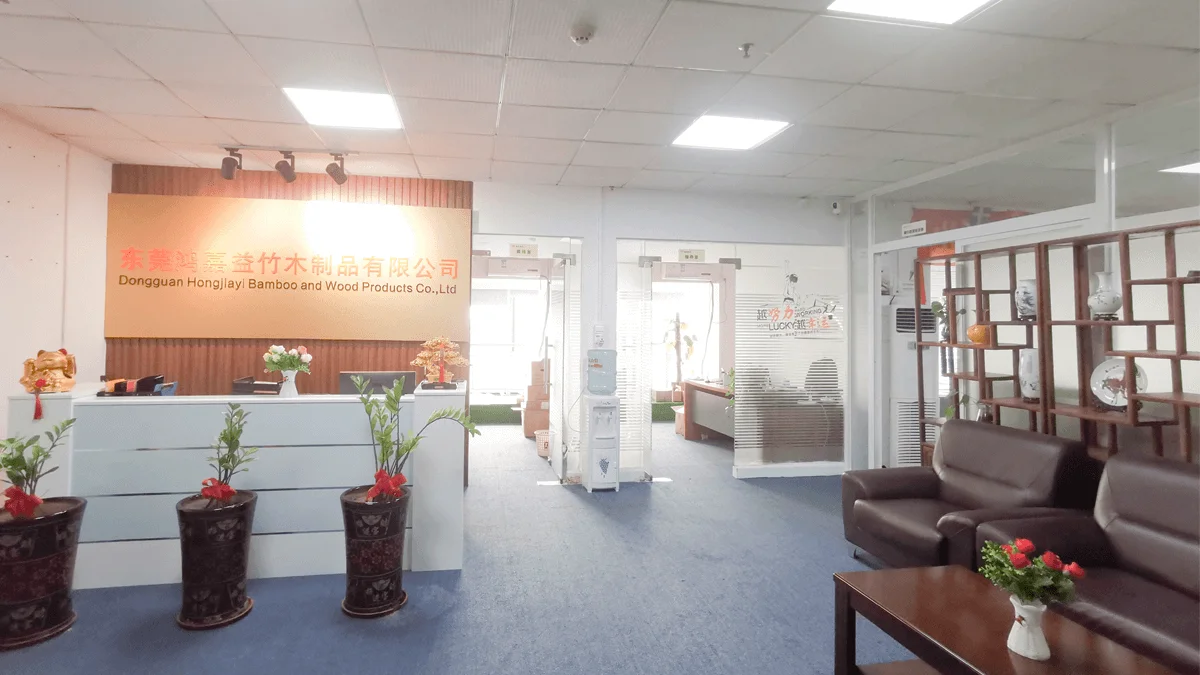
Dongguan Hongjiayi Bamboo And Wood Products Co., Ltd.
- Trading Company
- Guangdong, China
- Lead time30 days
- Avg. response≤ 8h
Main productsCutting Boards,Kitchen Utensils,Shadow Box,Bamboo and Wood Crafts,Promotional Gifts
Main marketsNorth America(60.00%), Southeast Asia(10.00%), South America(10.00%), Western Europe(5.00%), Oceania(5.00%), Eastern Europe(5.00%), Northern Europe(3.00%), Eastern Asia(2.00%)
- Verified by TüVRheinland
- Trading Company
- Lead time30 days
Main productsStainless Steel Sports Water Bottle, Stainless Steel Vacuum Flask, Stainless Steel Insulated Tumbler, Stainless Steel Thermos, Stainless Steel Lunch Box
Main marketsNorthern Europe(40%), North America(30%), Western Europe(20%)
Changsha Yiyi Import And Export Trading Co., Ltd.
- Trading Company
- Hunan, China
- Lead time15 days
- Avg. response≤ 1h
Main productsceramic mug,glass water bottle,stainless steel vacuum tumbler,plastic water bottle,Thermos
Main marketsNorth America(70.00%), Northern Europe(10.00%), Western Europe(10.00%), Eastern Europe(10.00%)

Wuyi Hongtai Stainless Steel Drinkware Co., Ltd.
- Manufacturer, Trading Company
- Zhejiang, China
- Lead time20 days
- Avg. response≤ 5h
Main productsStainless Steel Vacuum Flask,Stainless steel tumbler,Stainless steel food jar,Stainless steel coffee mug,Stainless steel pet bowl
Main marketsNorth America(80.00%), Western Europe(10.00%), Southeast Asia(10.00%)

Shanghai Karry Industrial Co., Ltd.
- Verified by BV
- Combined
- China Zhejiang
- Lead time30 days
- Avg. response≤ 5h
Main productsSports Bottle
Main marketsSoutheast Asia/ Mideast,Europe,North America

Eco Friendly BPA Free Stainless Steel 17oz Hot Cycling Water Bottles with Bamboo Lid
$2.68 - $3.38
MOQ: 500 Pieces

Stainless Steel Eco Friendly Vacuum Insulated Flask Sport Drinking Thermos Water Bottle with Lid
$2.28 - $2.88
MOQ: 500 Pieces

Hot Selling 1000ml 750ml 500ml 350ml Outdoor Thermos Water Bottle with Portable Bamboo Wood Lid
$2.88 - $3.58
MOQ: 500 Pieces

Promotional Gym Sport Water Bottle Insulated Thermos Reusable Stainless Steel Bottle with Bamboo Lid
$2.88 - $3.58
MOQ: 500 Pieces


LIANYUNGANG KAESHING INTERNATIONAL TRADING CO., LTD.
- Verified by TUVRHEINLAND
- Trading Company
- China Jiangsu
- Lead time15 days
- Avg. response≤ 5h
Main productsGlass Bottle, Glass Jar, Glass Cup, Glassware, High Borosilicate Glass Jar Bottle Mug, Glass Perfume Bottle, Glass Mug, Glass Decanter, Storage Jar, Fused Silica
Main marketsNorth America

$3.56 - $6.36
MOQ: 1000 Pieces

$3.69 - $5.63
MOQ: 1000 Pieces
- Verified by SGS Group
- Trading Company
- Lead time30 days
Main productsInsulated Water Bottle, Wine Tumbler, Bamboo Bottle, Sport Water Bottle, Glass Water Bottle
Main marketsNorth America(25%), Western Europe(20%), Eastern Europe(10%)

Xiamen Ebei Import & Export Co., Ltd.
- Verified by CTI
- Trading Company,Manufacturer/Factory
- China Fujian
- Lead time45 days
- Avg. response≤ 2h
Main productsEco-Friendly Products, Bamboo Tableware, Bamboo Furniture, Bamboo Kitchenware, Bamboo Office Supply, Bamboo Fibre Products, Biodegradable Products, Bamboo Towel, Solar Energy Products, Bamboo Garden Products
Main marketsSouth America,Eastern Europe,Mid East,North America,Southeast Asia,Eastern Asia,Oceania,Western Europe,Africa

500ml Custom Acceptable Bamboo Flask Thermoses Cup Bamboo Water Bottle with Stainless Steel
$4.20 - $4.80
MOQ: 500 Pieces

$4.20 - $4.80
MOQ: 500 Pieces

- Verified by SGS
- Trading Company
- China Zhejiang
- Lead time15 days
- Avg. response≤ 11h
Main marketsEurope

Changzhou Sitan Imp. and Exp. Co., Ltd.
- Verified by BV
- Trading Company,Manufacturer/Factory
- China Jiangsu
- Lead time45 days
- Avg. response≤ 10h
Main productsFitness Equipment, Barbell Series, Resistance Bands, Agility & Speed, Yoga Ball, Massage Series, Power Rack, Weight Ball, Charging Notebook, Custom Logo Goods
Main marketsSouth America,Eastern Europe,Mid East,North America,Southeast Asia,Eastern Asia,Oceania,Western Europe,Africa

500ml Bamboo Stainless Steel Thermos Cup Custom Logo for Outdoor Promotion Gifts
$2.50 - $4.50
MOQ: 100 Pieces

Custom Logo 500ml Stainless Steel Bamboo Thermos Cup Outdoor Portable Water Flask
$2.50 - $4.50
MOQ: 100 Pieces

Portable Bamboo Water Flask 500ml Stainless Steel Thermos Cup Custom Logo
$2.50 - $4.50
MOQ: 100 Pieces
Chaozhou Binsly Stainless Steel Manufactory (sole Proprietorship)
- Verified by SGS Group
- Manufacturer, Trading Company
- Lead time0 days
Main productsStainless Steel Water Bottle, Silicone Water Bottle, Tritan Bottle, Plastic Water Bottle, Cups

TAIZHOU RONGYI IMPORT AND EXPORT CO., LTD.
- Trading Company
- China Zhejiang
- Lead time15 days
- Avg. response≤ 2h
Main productsNotebook, Diary, Organiser, Certificate Folder, Journal, Greeting Card, Notepad, Sticky Notes
Main marketsSouth America,Southeast Asia/ Mideast,East Asia(Japan/ South Korea),Europe,North America

Eco Friendly Corporate Gift Bamboo Thermos Stainless Steel Custom Logo Water Bottle
$3.10 - $3.40
MOQ: 100 Pieces


Stainless Steel Bamboo Thermos Natural Mug Outdoor Portable Vacuum Water Cup
$2.85 - $3.30
MOQ: 100 Pieces

Eco Friendly Double Wall Bamboo Thermos Stainless Steel Custom Logo Water Bottle
$2.75 - $3.10
MOQ: 100 Pieces

Eco Friendly Bamboo Thermos Stainless Steel Custom Logo Water Bottle Temperataure Displayer
$3.40 - $3.80
MOQ: 100 Pieces

Suzhou TopRising International Trade Co., Ltd
- Verified by BV
- Trading Company
- China Jiangsu
- Lead time15 days
- Avg. response≤ 2h
Main productsStainless Steel Tumbler, Ceramic Coffee Mug, Pop It Fidget Sensory Toy, Inflatable Mattress, Anti Stress Silicone Toy, Bivy Sack, Water Bottle, Self Stiring Coffee Mug, Vacuum Insulated Tumbler, Non Tipping Suction Mug
Main marketsSouth America,North America

UNIQUE ROYAL INDUSTRIES LIMITED
- Trading Company
- China Jiangsu
- Lead time23 days
- Avg. response≤ 7h
Main productsPet Tennis Balls Pet Toys, Drink Ware Mugs Bottle Opener, Apparel and T Shirt Apron, Children Toys, Backpack Lunch Bag Tote Pouch, Lanyards Keychain Luggage Strap, Advertising Products, Caps Hats Sunglasses, Kitchen Ware Home Products, Promotional Products
Main marketsEurope,North America
Guangzhou Koodee Metal Co., Ltd.
- Verified by CTI
- Combined
- China Guangdong
- Lead time45 days
- Avg. response≤ 11h
Main productsWater Bottle, Stainless Steel Water Bottle, Stainless Steel Tumbler, Coffee Mug, Vacuum Flask, Sport Water Bottle, Drinks Bottle, Stainless Steel Bottle, Doule Wall Water Bottle, Travel Mug
Main marketsSouth America,Southeast Asia/ Mideast,East Asia(Japan/ South Korea),Domestic,Europe,North America
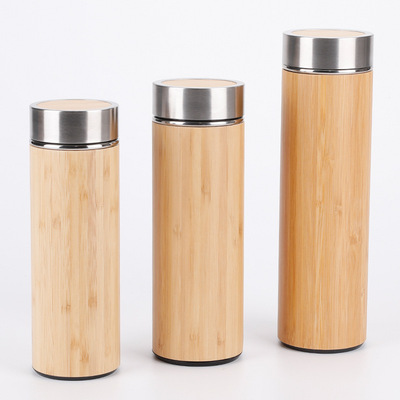
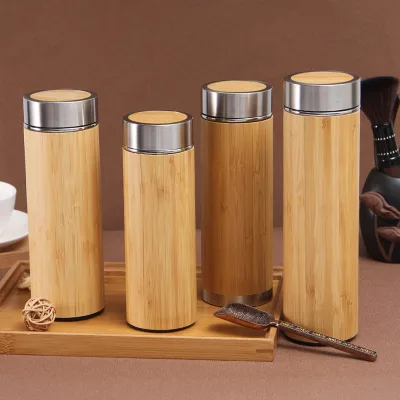


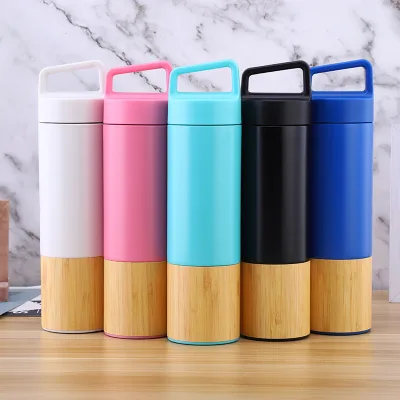
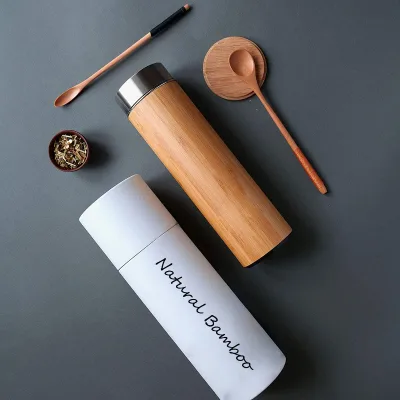


Comprehensive Sourcing Guide
Eco-Friendly BPA Free Bamboo Thermos Supplier Concentration and Factory Types
The sourcing landscape for Eco-Friendly BPA Free Bamboo Thermos reveals distinct patterns in supplier types and geographic concentration that buyers must navigate carefully. Current data indicates that suppliers are primarily located in An'hui and Zhejiang, China, with Zhejiang emerging as a significant manufacturing hub for this specific product category. These regions host a mix of trading companies and potential manufacturing entities, though the predominant company type observed is the Trading Company. This structural reality means that buyers often interact with intermediaries rather than direct factory contacts, which can impact communication efficiency and cost structures. The presence of trading companies does not necessarily indicate a lack of quality, but it does require buyers to verify the actual production capabilities and supply chain transparency of their chosen partners. Understanding this concentration helps buyers target their search efforts more effectively, focusing on regions known for drinkware and kitchen ware production.
Main products listed by these suppliers often extend beyond just thermoses, encompassing a broader range of drink ware, kitchen ware, decoration products, sport products, and outdoor products. This diversification suggests that many suppliers are generalist traders or manufacturers with broad capabilities rather than specialized niche producers. For buyers seeking Eco-Friendly BPA Free Bamboo Thermos, this breadth can be advantageous if they require complementary items like straws, brushes, or other glass and stainless steel drinkware. However, it also necessitates a deeper due diligence process to ensure that the supplier’s primary focus and expertise align with the specific technical requirements of bamboo and stainless steel vacuum insulation. Buyers should assess whether the supplier’s main products indicate a strong supply chain for bamboo materials and stainless steel components, which are critical for the integrity and safety of the final product.
How to Verify Eco-Friendly BPA Free Bamboo Thermos Suppliers
Verifying the legitimacy and capability of suppliers offering Eco-Friendly BPA Free Bamboo Thermos requires a multi-layered approach that goes beyond surface-level profile information. Buyers should start by examining the company type and location details provided in the supplier results. Since many suppliers are identified as Trading Companies, it is crucial to request evidence of their manufacturing partnerships or factory audits. This verification step helps distinguish between pure trading entities and those with direct factory access, which can affect pricing flexibility and quality control. Additionally, buyers should scrutinize the product evidence provided, such as product names, keywords, and attributes, to ensure they match the specific requirements for eco-friendly materials and BPA-free certifications. The presence of detailed product attributes, such as thermal insulation performance and material composition, can serve as an initial indicator of the supplier’s technical knowledge and product transparency.
Response time and lead time are also critical metrics for verification. A supplier’s response time, which can vary from 2 to 4 hours, indicates their operational efficiency and customer service readiness. Faster response times often correlate with better communication channels, which are essential for resolving issues during the sourcing process. Lead times, which may range from 0 to 30 days depending on the product and order size, provide insight into the supplier’s production capacity and inventory management. Buyers should use these metrics to gauge the supplier’s reliability and ability to meet tight deadlines. Furthermore, examining the product attributes, such as the use of 304 stainless steel inner layers and bamboo outer shells, can help verify the supplier’s commitment to quality materials. Buyers should request specific test reports or certifications for BPA-free claims and thermal insulation performance to ensure compliance with international standards and safety regulations.
What to Compare Across Eco-Friendly BPA Free Bamboo Thermos Suppliers
When comparing suppliers for Eco-Friendly BPA Free Bamboo Thermos, buyers should focus on key dimensions such as minimum order quantity (MOQ), pricing, and product specifications. The MOQ for these products can vary significantly, with some suppliers offering as low as 50 pieces, while others may have no MOQ requirements, catering to different business models and order sizes. This flexibility is particularly important for small businesses or those testing the market with new product lines. Pricing is another critical factor, with observed price ranges for similar products varying from approximately $2.02 to $5.23 per unit. Buyers should analyze these price points in conjunction with the product features, such as thermal insulation performance, material quality, and additional features like tea infusers or temperature displays, to determine the value proposition of each supplier.
Product attributes and customization options also play a vital role in the comparison process. Suppliers may offer different styles, such as Classic or American Style, and various capacities, ranging from 350ml to 1000ml. The ability to customize logos through silk printing, laser engraving, or 3D techniques is another important consideration for brands looking to establish their identity. Buyers should compare the available customization options, packaging details, and sample availability to ensure that the supplier can meet their specific branding and quality requirements. Additionally, the response time and lead time should be weighed against the price and MOQ to assess the overall efficiency and cost-effectiveness of each supplier. By systematically comparing these dimensions, buyers can identify suppliers that offer the best balance of quality, cost, and service for their Eco-Friendly BPA Free Bamboo Thermos sourcing needs.
Common Eco-Friendly BPA Free Bamboo Thermos Sourcing Risks
Sourcing Eco-Friendly BPA Free Bamboo Thermos involves several potential risks that buyers must proactively manage to ensure a successful procurement process. One significant risk is the variability in product quality, particularly regarding the durability of the bamboo outer shell and the integrity of the vacuum insulation. Since bamboo is a natural material, it can be susceptible to cracking, warping, or moisture damage if not properly treated or maintained. Buyers should request detailed information on the treatment processes and quality control measures employed by the supplier to mitigate these risks. Additionally, the claim of BPA-free materials must be verified through independent testing, as false claims can lead to regulatory issues and reputational damage. Buyers should insist on seeing test reports or certifications that confirm the absence of harmful chemicals in both the bamboo and stainless steel components.
Another common risk is the discrepancy between sample quality and bulk production quality. Suppliers may provide high-quality samples that do not reflect the standards of mass-produced items. To mitigate this risk, buyers should conduct thorough inspections during the production phase and consider hiring third-party inspection services. The lead time variability, which can range from 0 to 30 days, also poses a risk to supply chain planning. Buyers should establish clear communication channels and regular updates to monitor production progress and address any delays promptly. Furthermore, the reliance on trading companies can introduce communication barriers and potential misunderstandings regarding product specifications. Buyers should ensure that all technical requirements and quality standards are clearly documented in the contract and verified through regular communication with the supplier.
Eco-Friendly BPA Free Bamboo Thermos Regional Sourcing and Logistics
The regional sourcing of Eco-Friendly BPA Free Bamboo Thermos is heavily influenced by the concentration of suppliers in specific Chinese provinces, particularly Zhejiang and An'hui. Zhejiang, in particular, is a major hub for drinkware and kitchen ware manufacturing, offering a robust supply chain for bamboo and stainless steel materials. This geographic concentration can provide buyers with access to a wide variety of suppliers and competitive pricing due to the economies of scale and specialized infrastructure in the region. However, buyers must also consider the logistical implications of sourcing from these regions, including shipping costs, transit times, and customs procedures. Understanding the local logistics landscape can help buyers optimize their supply chain and reduce overall procurement costs.
Logistics planning should also account for the packaging and handling requirements of bamboo thermos products. Given the delicate nature of bamboo and the vacuum insulation technology, proper packaging is essential to prevent damage during transit. Suppliers often use bubble bags, white boxes, and cartons to protect the products, but buyers should verify the packaging standards and ensure they meet the requirements for international shipping. Additionally, buyers should consider the environmental impact of their logistics choices, aligning with the eco-friendly ethos of the product. This may involve selecting suppliers who use sustainable packaging materials or optimizing shipping routes to reduce carbon emissions. By carefully managing regional sourcing and logistics, buyers can ensure the timely and safe delivery of their Eco-Friendly BPA Free Bamboo Thermos orders.
Eco-Friendly BPA Free Bamboo Thermos Commercial Terms and Order Planning
Effective order planning for Eco-Friendly BPA Free Bamboo Thermos requires a clear understanding of commercial terms, including pricing, payment conditions, and delivery schedules. Buyers should negotiate favorable terms that align with their cash flow and inventory management strategies. The observed price ranges, from approximately $2.02 to $5.23 per unit, provide a baseline for negotiations, but buyers should also consider the total cost of ownership, including shipping, taxes, and potential tariffs. Payment terms, such as advance payments or letters of credit, should be structured to balance risk and security for both parties. Buyers should also clarify the sample policies, including costs and lead times, to ensure they can evaluate product quality before committing to large orders.
Delivery schedules and lead times are critical components of order planning, as they impact inventory levels and customer satisfaction. Suppliers may offer varying lead times, from 0 to 30 days, depending on the product complexity and order volume. Buyers should establish realistic timelines and build in buffers for potential delays. Additionally, buyers should discuss post-sale support and warranty terms to ensure they have recourse in case of quality issues. By carefully planning commercial terms and order logistics, buyers can minimize risks and maximize the value of their sourcing investments. This proactive approach ensures a smooth procurement process and supports the long-term success of their Eco-Friendly BPA Free Bamboo Thermos product line.
FAQs
What is the typical lead time for bamboo thermos orders?
The standard production lead time is 30 days for most suppliers. This duration allows for manufacturing and quality checks before shipment. Buyers should confirm specific timelines with their chosen supplier to ensure delivery aligns with their project schedule and inventory needs.
What is the minimum order quantity for these products?
Minimum order quantities vary by supplier, typically starting at 50 pieces. Some manufacturers offer no minimum order quantity requirements for certain models. Buyers should verify the specific MOQ with the supplier to determine the best fit for their initial order volume.
How long does thermal insulation performance last in these bottles?
Thermal insulation performance generally lasts between 6 to 24 hours depending on the model. Some vacuum flasks maintain temperature for up to 24 hours, while others offer 6 to 12 hours of retention. Check product specifications to find the exact duration for your needs.
What is the price range for eco-friendly bamboo thermos bottles?
Prices typically range from $2.02 to $5.23 per unit. The cost depends on capacity, material quality, and customization options like logo printing. Buyers should request quotes for specific quantities to get accurate pricing based on their order volume and design requirements.
Are these bamboo thermos bottles BPA free and eco-friendly?
Yes, these products are explicitly labeled as BPA free and eco-friendly. They often feature bamboo exteriors with stainless steel interiors, combining sustainability with durability. Buyers can trust these materials for safe daily use while supporting environmentally conscious sourcing practices.
What is the supplier response time for inquiries?
Supplier response times are typically 2 to 4 hours. Quick responses help buyers clarify product details and negotiate terms efficiently. Fast communication ensures smoother transactions and timely resolution of any questions regarding product specifications or shipping logistics.