Cute Cat Claw Ceramic Mug Suppliers and Manufacturers
Explore 26 verified options for the Cute Cat Claw Ceramic Mug with details on location, lead times, and MOQ. Buyers can compare response times, certifications, and pricing to select a suitable partner. Contact suppliers directly to request samples and confirm production schedules.
Suppliers List

Xiamen Joinste Arts & Crafts Co., Ltd.
- Trading Company
- Fujian, China
- Lead time45 days
- Avg. response≤ 2h
Main productsCeramic Coffee Mug, Ceramic Cookie Jar, Ceramic Salt and Pepper Shakers, Ceramic Candle Jar, Ceramic Coin Bank
Main marketsNorth America(40.00%), South America(20.00%), Western Europe(10.00%), Eastern Asia(10.00%), Oceania(5.00%), Southern Europe(5.00%), Central America(5.00%), Northern Europe(5.00%)

Xiamen Yoyo Ceramic Trading Co., Ltd.
- Verified by BV
- Combined
- China Fujian
- Lead time23 days
- Avg. response≤ 10h
Main productsCeramic Mugs, Ceramic Plates, Teawares, Ceramic Canisters, Ceramic Vases, Ceramic Flower Planters, Ceramic Coin Bank, Flowerpot, Canisters, Resin Crafts
Main marketsSouth America,Africa,Southeast Asia/ Mideast,East Asia(Japan/ South Korea),Europe,Australia,North America
Xiamen Donghuangming Cultural And Creative Technology Co., Ltd.
- Manufacturer
- Fujian, China
- Lead time30 days
- Avg. response≤ 3h
Main productsMug,Cup Saucer,Jewelry Dish,Tea Cup,Candle Holders
Main marketsNorth America(70.00%), Southeast Asia(10.00%), South America(8.00%), Eastern Europe(5.00%), Mid East(5.00%), Western Europe(2.00%)
Fujian Dehua Best Ceramic Co., Ltd.
- Manufacturer
- Fujian, China
- Lead time40 days
- Avg. response≤ 6h
Main productsceramic mug porcelain mug,ceramic oil burner ceramic neti pot,ceramic follow pot,ceramic jar canister,ceramic cup and saucers
Main marketsSouth America(30.00%), Western Europe(20.00%), North America(20.00%), Northern Europe(15.00%), Southern Europe(5.00%), Southeast Asia(5.00%), Eastern Europe(5.00%)
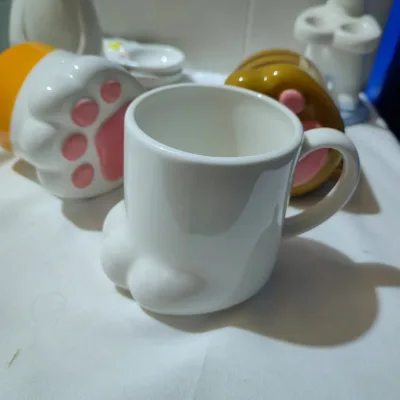
$0.85 - $1.20
MOQ: 2000 pieces
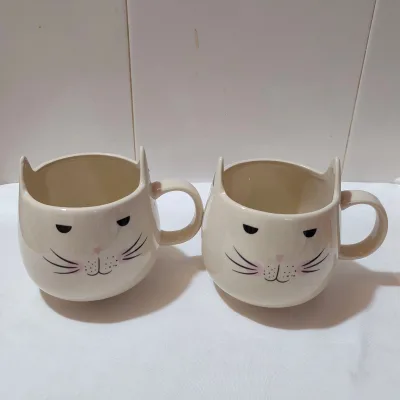
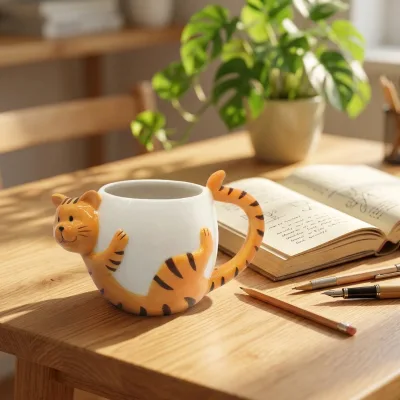
Cat Mug Cute Ceramic Coffee Cup Breakfast Coffee Student Drinking Couple's Large Capacity Cat Cup
$0.72 - $1.12
MOQ: 5 pieces

Chaozhou City Cha'an District Fengtang Town Sai Si Ceramics Factory
- Verified by CTI
- Combined
- China Guangdong
- Lead time30 days
- Avg. response≤ 6h
Main productsMugs, Ceramic Tissue Boxes, Ceramic Pet Bowls, Ceramic Vases
Main marketsDomestic

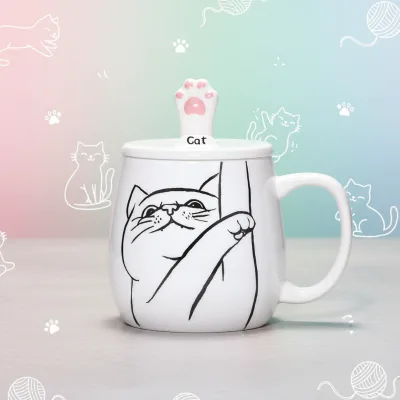
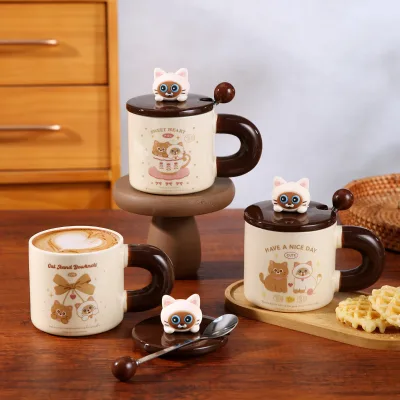
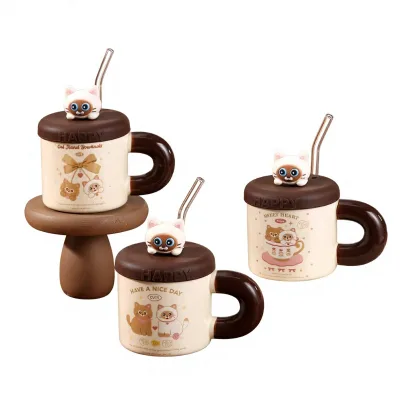
Cute Cat Ceramic Mug with Lovely Kitty Lid and Spoon Ceramic Nordic Cup Milk Cup
$2.00 - $4.00
MOQ: 1000 Pieces

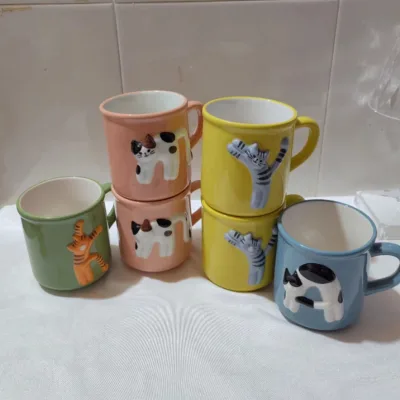
350ml Cute Animal Ceramic Mug Cartoon Coffee Milk Tea Breakfast Mug Cute Ceramic Cups
$2.00 - $4.00
MOQ: 1000 Pieces


$2.00 - $4.00
MOQ: 1000 Pieces

$2.00 - $4.00
MOQ: 1000 Pieces

$2.00 - $4.00
MOQ: 1000 Pieces

- Verified by BV
- Trading Company
- China Guangdong
- Lead time60 days
- Avg. response≤ 5h
Main productsCeramic Decal Mug, Ceramic Dinner Set, Ceramic Aromatherapy Bottle, Ceramic Vase
Main marketsSouth America,Southeast Asia/ Mideast,Europe,North America

- Verified by BV
- Trading Company
- China Shandong
- Lead time30 days
- Avg. response≤ 2h
Main productsCeramic Mugs, Ceramic Dinnerware, Ceramic Tea Set, Ceramic Kitchen Ware, Custom Drum Shape Ceramic Coffee Mug, 24oz Large Capacity 3D Embossed Mug, Porcelain Cappuccino Cup and Saucer, 14oz Custom Souvenirs Ceramic Mug, 12 Sets Vintage Reactive Glazed Tableware, Custom Royal White Ceramic Milk Jar
Main marketsNorth America


Cute Dog Design Porcelain Coffee Mug White Custom Ceramic Tea Mug with Lid
$1.00 - $3.00
MOQ: 5000 Pieces

Guangzhou Chenxuan Technology Co., Ltd.
- Trading Company, Distributor/Wholesaler, Other
- Guangdong, China
- Lead time10 days
- Avg. response≤ 2h
Main productssteel kitchenware,round dinner plate,retro cutlery set,gold dinner plate,korean gold dinner plate
Main marketsWestern Europe(30.00%), North America(30.00%), Mid East(15.00%), Oceania(15.00%), South America(10.00%)
Yiwu Danyi Import And Export Co., Ltd.
- Trading Company
- Zhejiang, China
- Lead time30 days
- Avg. response≤ 4h
Main productsTableware,Coffee Cup
Main marketsCentral America(100.00%), Northern Europe(100.00%), Domestic Market(100.00%), South Asia(100.00%), Africa(100.00%), Eastern Europe(100.00%), Southern Europe(100.00%), North America(40.00%), Western Europe(20.00%), Mid East(15.00%), Oceania(10.00%), Eastern Asia(5.00%), Southeast Asia(5.00%), South America(5.00%)
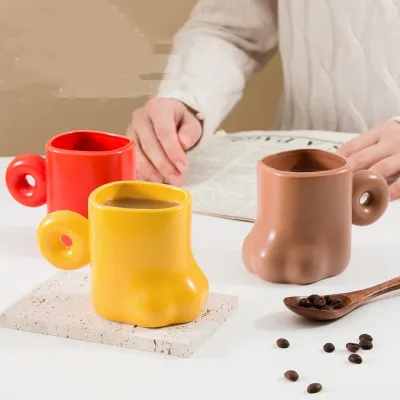
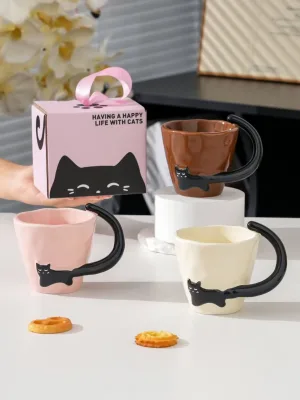
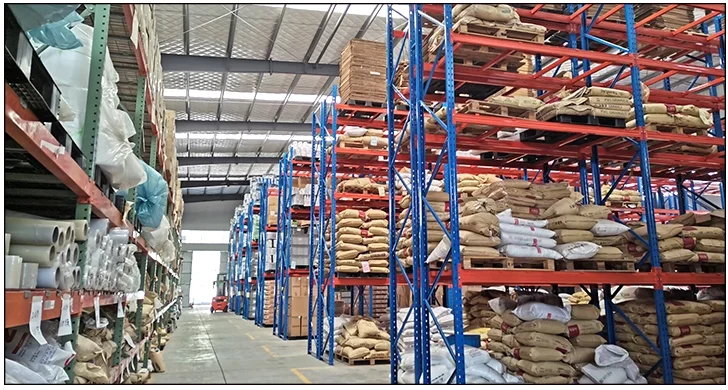
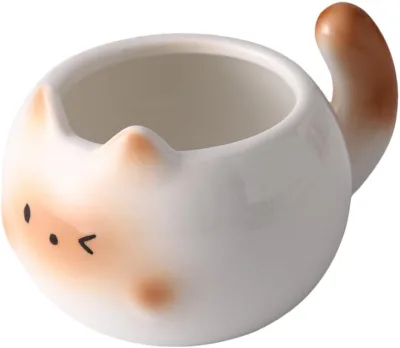
Custom Private Label New Cat Claw Ceramic Cup Cute Gift Animal Colorful Ceramic Mugs
$1.14 - $1.99
MOQ: 500 bags
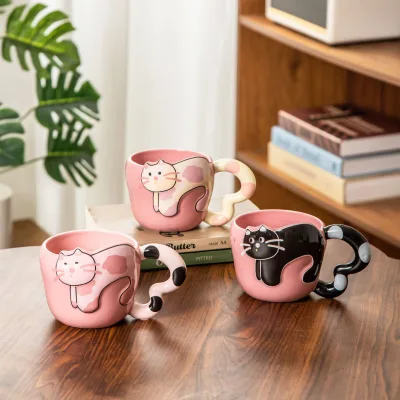
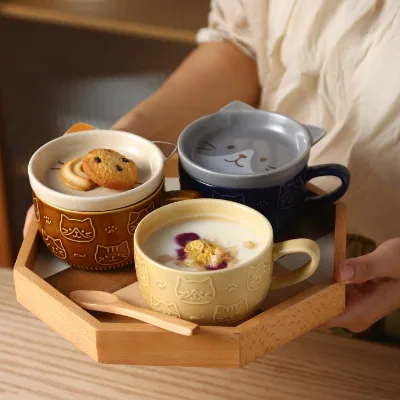
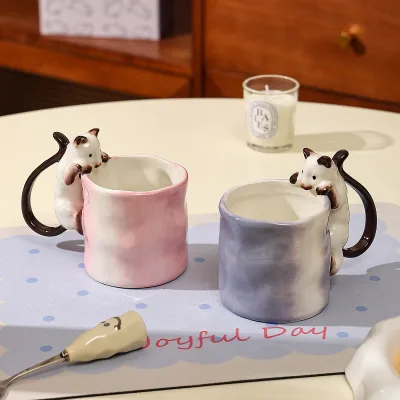
Zhengzhou Estarlink coffee Co., Ltd
- Trading Company
- Henan, China
- Lead time0 days
- Avg. response≤ 4h
Main productsCoffee Grinder,Coffee Pot,Coffee Machine,Coffee Makers,Coffee Tools
Main marketsNorth America(21.00%), Mid East(17.00%), Western Europe(15.00%), Oceania(10.00%), Southeast Asia(10.00%), Domestic Market(7.00%), Northern Europe(5.00%), Eastern Asia(5.00%), South America(4.00%), Eastern Europe(3.00%), Southern Europe(3.00%)

- Verified by BV
- Trading Company,Manufacturer/Factory
- China Zhejiang
- Lead time15 days
- Avg. response≤ 8h
Main productsCeramic Mug, Kitchen Storage, Water Bottle, Cookware Set, Charger Plates, Shaker Set, Storage Rack, Food Container, Kitchen Accessories, Yiwu Agent
Main marketsSouth America,Eastern Europe,Mid East,North America,Southeast Asia,Eastern Asia,Oceania,Western Europe,Africa

Current Season Cat Art Simple Scandinavian Ceramic Mug Small Cute Creative Coffee Cup
$2.60 - $3.20
MOQ: 50 Pieces


Innovation Japanese Style Cute Cat Cartoon Ceramic Cup Coffee Cup with Cover Spoon
$1.40 - $2.00
MOQ: 50 Pieces

Hunan Isub Digital Technology Co., Ltd.
- Trading Company
- Hunan, China
- Lead time0 days
- Avg. response≤ 3h
Main productsCeramic mug,Glass mug,Enamel mug,Vacuum cup,Coffee mug
Main marketsNorth America(50.00%), Mid East(10.00%), Central America(10.00%), South America(10.00%), Southern Europe(5.00%), Northern Europe(5.00%), Eastern Europe(5.00%), Western Europe(5.00%)
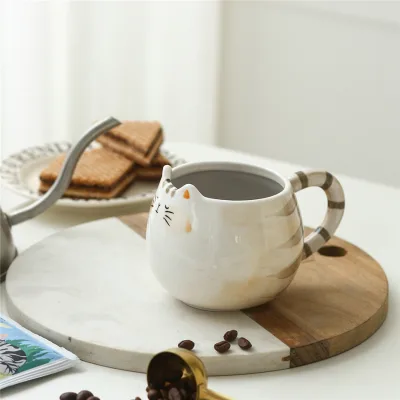
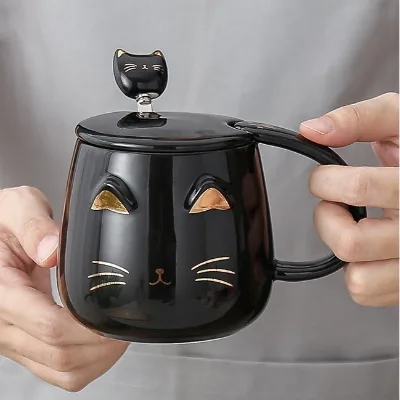
$5.06 - $5.67
MOQ: 20 pieces
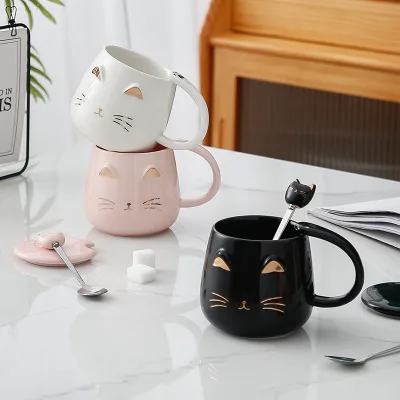

- Verified by BV
- Trading Company,Manufacturer/Factory
- China Guangdong
- Lead time45 days
- Avg. response≤ 10h
Main productsCeramic Mug, Coffee Cup, Promotional Gift, Cup and Saucer, Ceramic Bowl, Ceramic Dinner Set, Porcelain Cup, Staineless Steel Cup, Pet Bowl, Porcelain Dinnerware
Main marketsSouth America,Mid East,North America,Southeast Asia,Eastern Asia,Oceania,Western Europe,Africa


21oz Creative Cat Coffee Mug Individual Large Capacity Ceramic Cups Mug
$1.20 - $2.50
MOQ: 3000 Pieces

Twilight Innovations Co., Limited
- Verified by TUVRHEINLAND
- Trading Company
- China Fujian
- Lead time15 days
- Avg. response≤ 1h
Main productsCosmetic Bags, Sports and Casual Backpack, Socks, Handbags, Cap and Hats, Shopping Bags, Pet Supplies, Mugs, Shoulder Bags, Air Fresheners
Main marketsEurope,Australia


$1.50 - $3.00
MOQ: 100 Pieces
Fujian Dehua Besder Ceramic Co., Ltd.
- Manufacturer, Trading Company
- Fujian, China
- Lead time0 days
- Avg. response≤ 11h
Main productsCERAMIC HOME DECORATION,CERAMIC KITCHENWARE,HOLIDAY DECORATION,CERAMIC PET SUPPLIES,RESIN PRODUCTS
Main marketsNorth America(45.00%), Western Europe(16.00%), South America(11.00%), Mid East(7.00%), Eastern Europe(7.00%), Southern Europe(6.00%), Northern Europe(2.00%), Central America(2.00%), Oceania(1.00%), South Asia(1.00%), Africa(1.00%), Eastern Asia(1.00%)

MSD (Tianjin) Glass Supply Co., Ltd.
- Verified by SGS
- Manufacturer
- China Tianjin
- Lead time30 days
- Avg. response≤ 2h
Main productsDaily-Use Glass, Laboratory Glassware, Pharmaceutical Glass Packaging, Food Glass Packaging, Cosmetic Glass Packaging
Main marketsSoutheast Asia/ Mideast,East Asia(Japan/ South Korea),North America
Shenzhen F.m Technology Co., Limited
- Trading Company
- Guangdong, China
- Lead time15 days
- Avg. response≤ 4h
Main productsBaking tray,Mini washing machine,Blender,Glass cup,Wine glass
Main marketsNorth America(60.00%), Western Europe(10.00%), Southeast Asia(10.00%), Domestic Market(5.00%), Eastern Europe(5.00%), Oceania(5.00%), South America(5.00%)
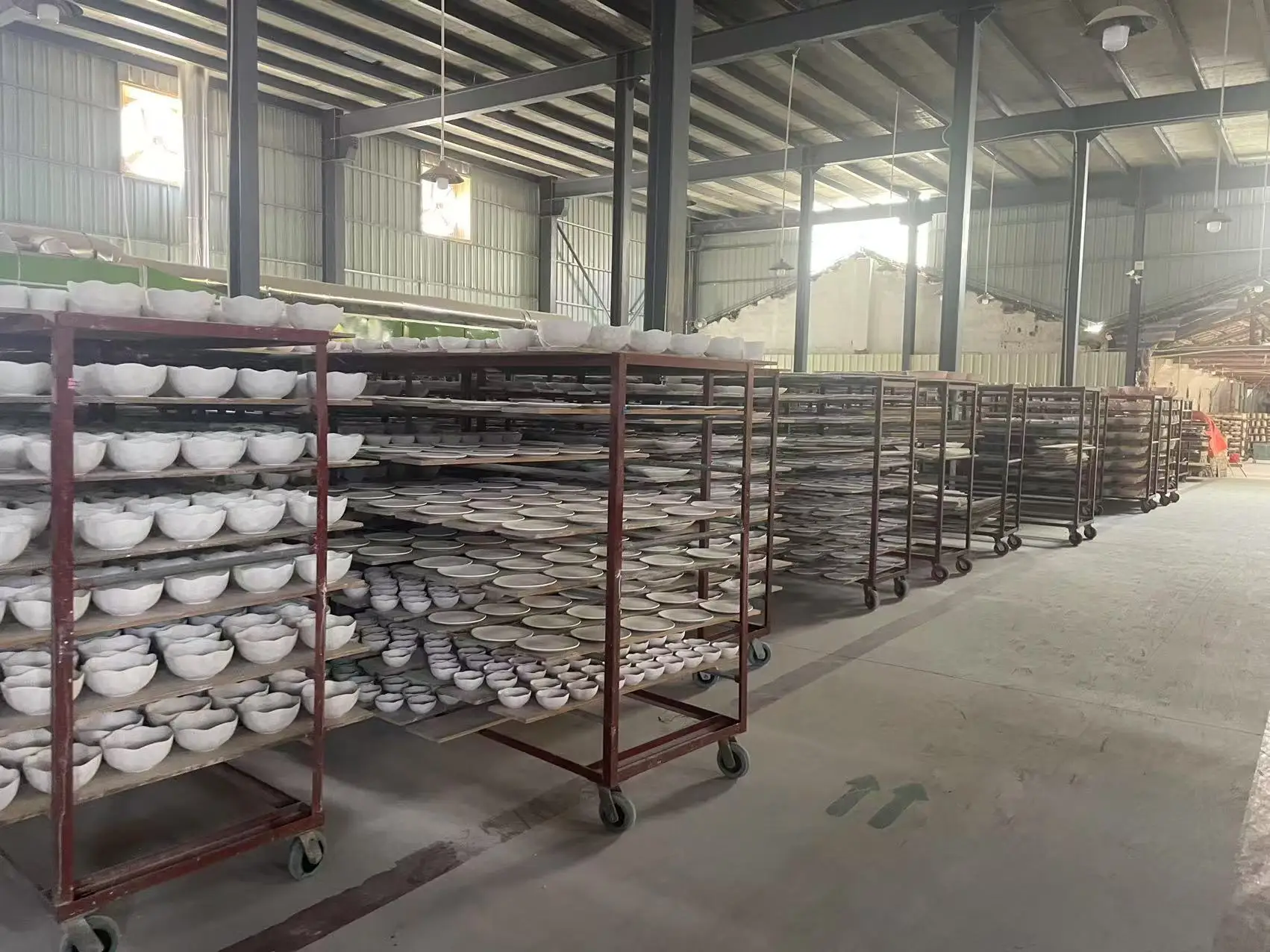
Xiamen Design In Source Trading Co., Ltd.
- Manufacturer, Trading Company, Distributor/Wholesaler
- Fujian, China
- Lead time45 days
- Avg. response≤ 2h
Main productsvase,ceramic mugs,piggy bank,coffee cup,candle jar
Main marketsNorth America(48.00%), Western Europe(21.00%), Oceania(10.00%), Eastern Asia(5.00%), Southeast Asia(4.00%), South America(3.00%), Eastern Europe(2.00%), Northern Europe(2.00%), Southern Europe(2.00%), Mid East(1.00%), Central America(1.00%), South Asia(1.00%)
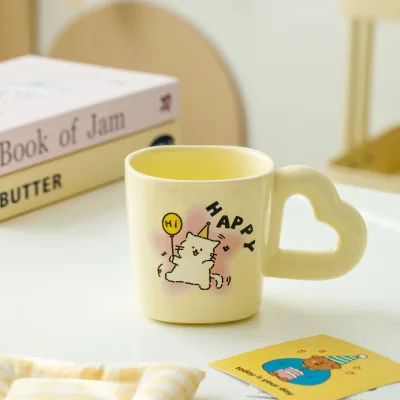
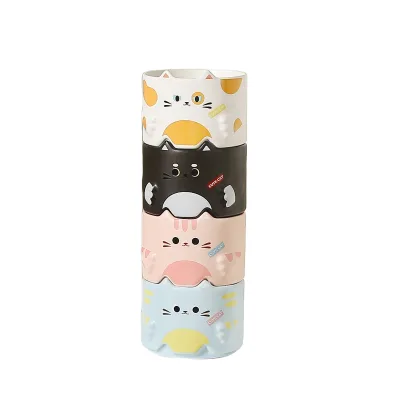
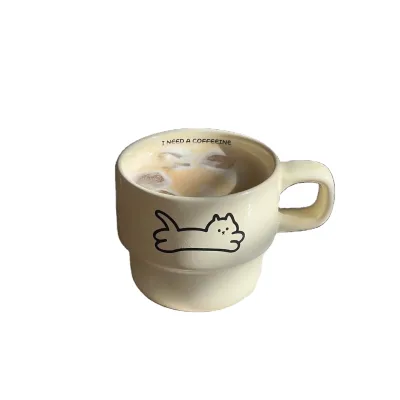
$2.30 - $2.55
MOQ: 1000 pieces
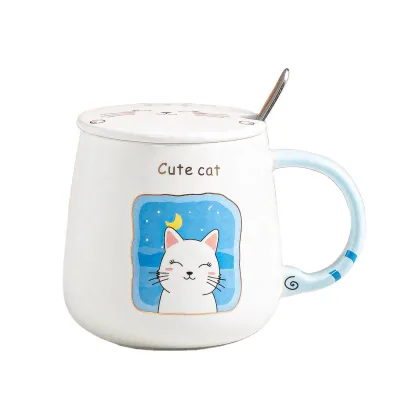
Fujian Dehua Dome Arts&crafts Co., Ltd.
- Verified by TüVRheinland
- Trading Company
- Lead time60 days
- Avg. response≤ 6h
Main productsCeramic Crafts, Resin Crafts
Main marketsWestern Europe(45%), North America(35%), Mid East(10%)
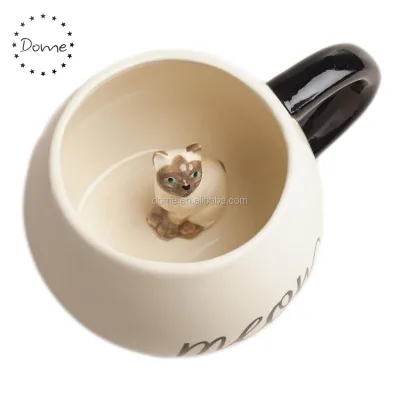
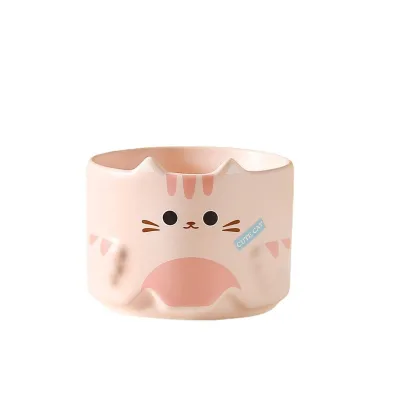
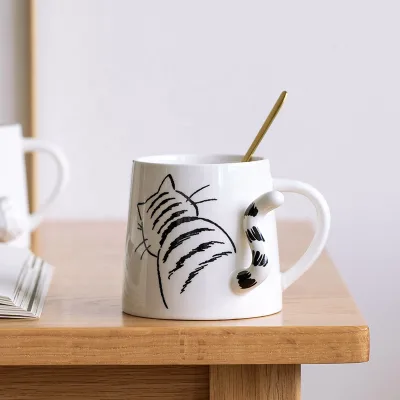
14oz Cute Cat Mug Wholesale Handpainted Ceramic Coffee Mug Custom Logo Coffee Cup Set
$1.77 - $4.41
MOQ: 2 pieces

Hebei Zhuozhongxi Glass Products Co., Ltd.
- Verified by BV
- Manufacturer/Factory
- China Hebei
- Lead time15 days
- Avg. response≤ 5h
Main productsGlass Cup, Glass Teapot, Coffee Appliance, Tea Set, Glass Crafts, Glass Jug, Glass Food Storage Jar, Wine Glass, Candle Holders, Double Wall Glass
Main marketsSouth America,Eastern Europe,Mid East,North America,Southeast Asia,Eastern Asia,Oceania,Western Europe,Africa

Hebei Xingchen Glass Technology Co., Ltd.
- Verified by CTI
- Combined
- China Hebei
- Lead time30 days
- Avg. response≤ 11h
Main productsGlass Cup, French Press, Coffee Pot, Glass Jar, Teapot, Syphon Coffee Maker, Glass Cooking Pot, Glass Pitcher, Glass Straw, Glass Teacup
Main marketsSouth America,Africa,Others(foreignTradeCapacity.exportBusinessCapacityMarketOther),Southeast Asia/ Mideast,East Asia(Japan/ South Korea),Europe,Australia,North America


Customized Cute Cat Shape Glass Coffee Mug Cartoon Cat Cup with Tail Handle Creative Gifts for Girls
$1.23 - $1.80
MOQ: 100 Pieces

Animal Cat Shaped High Borosilicate Double Wall Glass Coffee Cup Water Tea Mug with Handle
$1.08 - $1.68
MOQ: 100 Pieces

The Great Family Industries Co., Ltd.
- Verified by SGS
- Trading Company,Manufacturer/Factory
- China Guangdong
- Lead time45 days
- Avg. response≤ 15h
Main productsDinner Set, Kitchenware, Ceramic Dinnerware, Ceramic, Tableware, Ceramic Mug, Ceramic Plate, Porcelain Dinnerware Set, Gifts, Coffee Cup
Main marketsSouth America,Eastern Europe,Mid East,North America,Southeast Asia,Eastern Asia,Oceania,Western Europe,Africa

Manufacturer Custom Cartoon Embossed Animal Cute Cat Dog Ceramic Coffee Cup with Saucer
$2.29 - $2.65
MOQ: 100 Sets


Wholesale Personality Gift High Quality Cartoon Ceramic Cat Cup with Lid for Breakfast
$0.99 - $2.70
MOQ: 1000 Pieces
Xiamen Dashing Jewelry Co., Ltd.
- Trading Company
- Lead time旺季: "1 - 2000":14,"> 2000":"To be negotiated", 淡季: "1 - 2000":14,"> 2000":"To be negotiated"
- Avg. response≤ 5h
Main productsDrinkware, Party Supplies, Home Decoration, Garden Supplies
Shenzhen Yongbaichuan Technology Co., Ltd.
- Manufacturer
- Guangdong, China
- Lead time7 days
- Avg. response≤ 1h
Main productsDishes&Bowls,Ceramic Cup,Coffee&Tea Tools,Stainless Steel Cutlery,Kitchenware
Main marketsNorth America(25.00%), Northern Europe(20.00%), Mid East(15.00%), Eastern Europe(15.00%), South America(10.00%), Africa(10.00%), Southern Europe(5.00%)
Yongkang Ea-Source Household Products Co., Ltd.
- Trading Company
- Zhejiang, China
- Lead time45 days
- Avg. response≤ 5h
Main productsWater Bottle,Cookware Handles,Cookware Side Handles,Pan knobs,vacuum bottles
Main marketsEastern Europe(20.00%), North America(20.00%), Southern Europe(10.00%), Southeast Asia(10.00%), Mid East(10.00%), South Asia(5.00%), Oceania(5.00%), Northern Europe(5.00%), Central America(5.00%), Western Europe(5.00%), South America(5.00%)

Shenyang Sunfull Industry Co.,Ltd.
- Trading Company
- China Liaoning
- Lead time0 days
- Avg. response≤ 4h
Main productsPaper Bag, Paper Box, Non-Woven Bag

$3.65 - $3.85
MOQ: 1000 Pieces

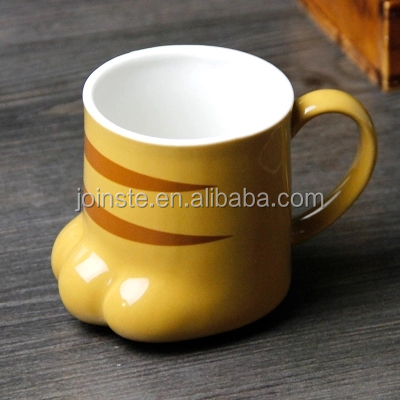
Chinese Style Drinkware Cat Mug Ceramic Tea Cup with Spoon for Cat Lovers
$2.65 - $2.85
MOQ: 1000 Sets
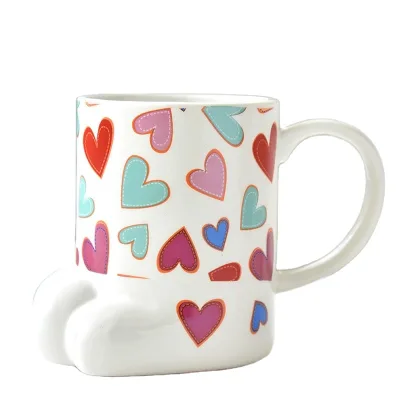


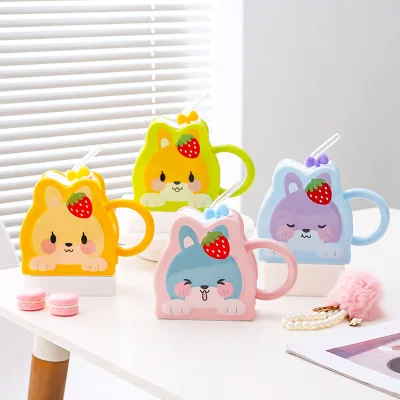
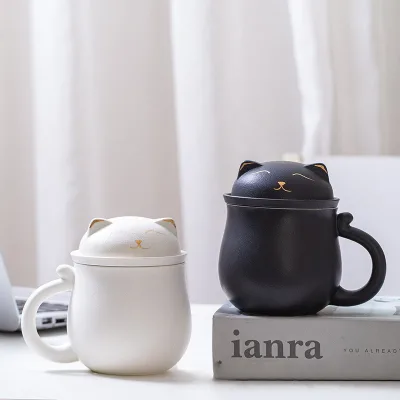
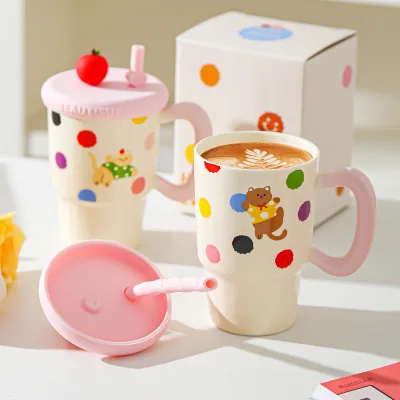
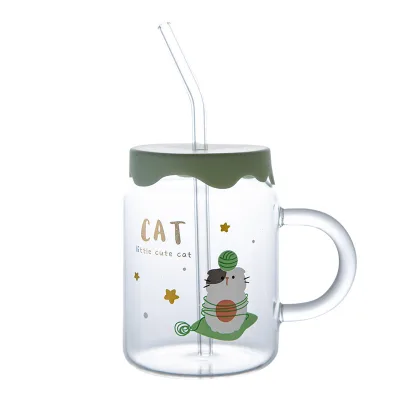
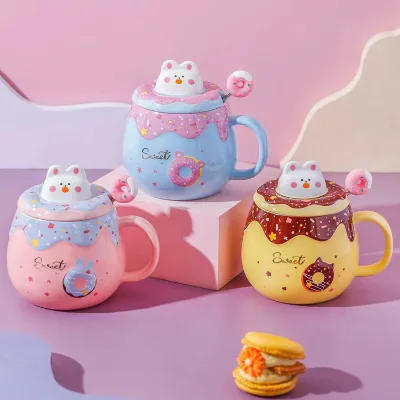


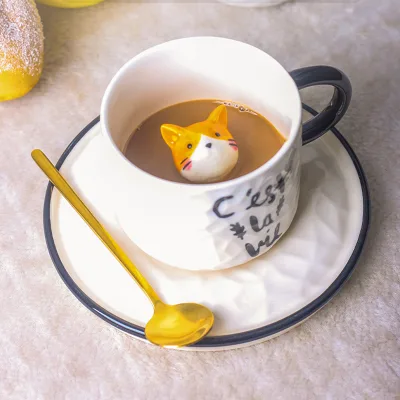
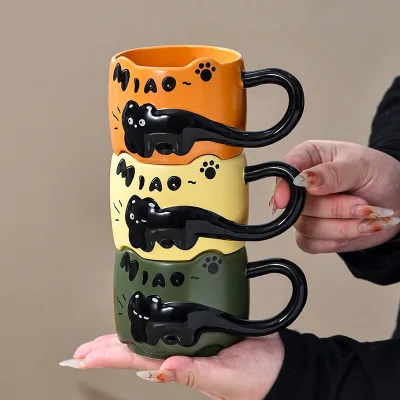
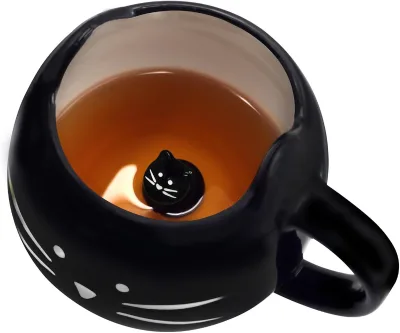
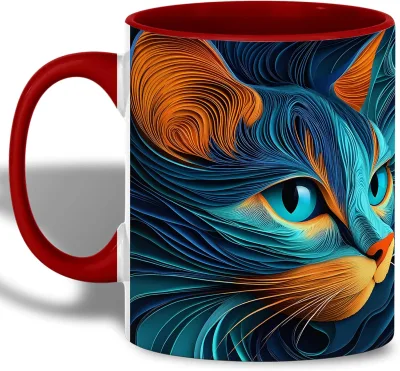
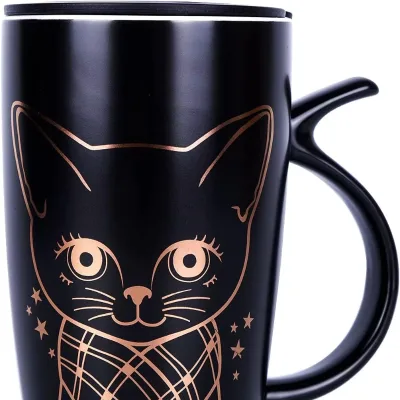


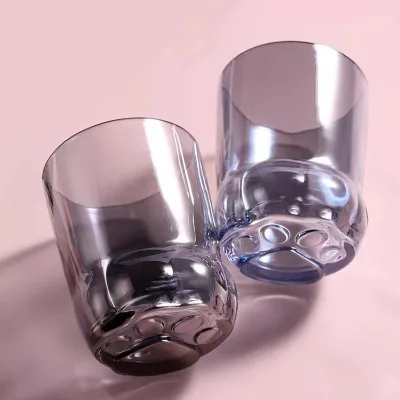
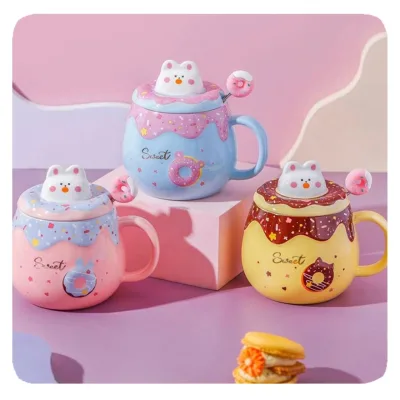


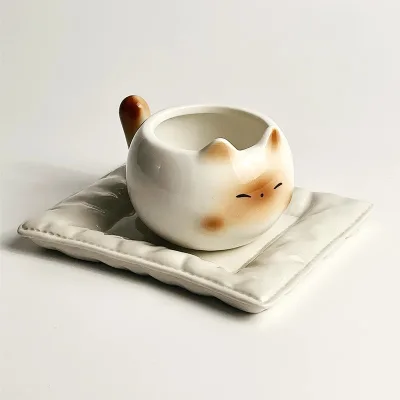
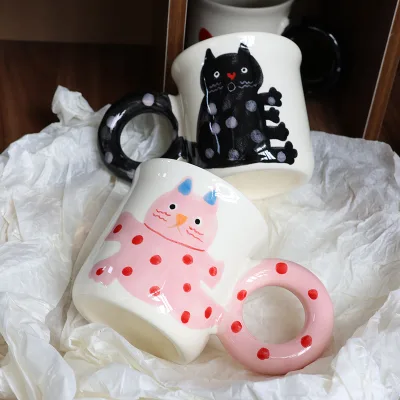
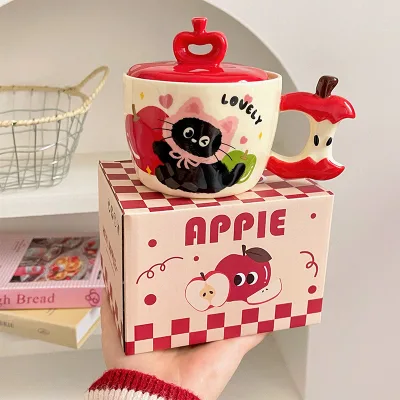
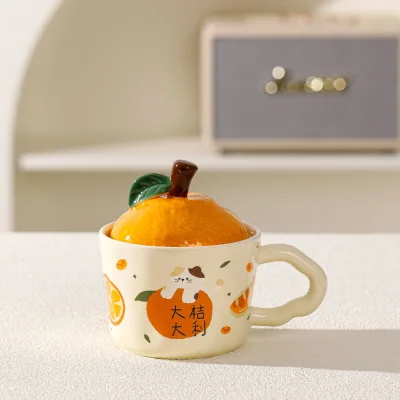
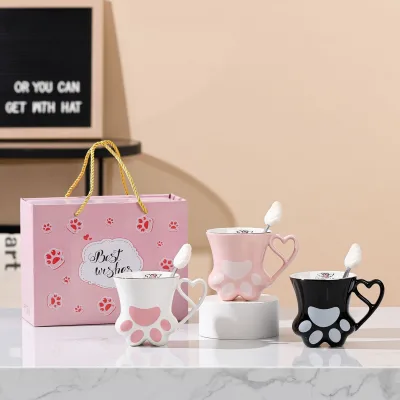
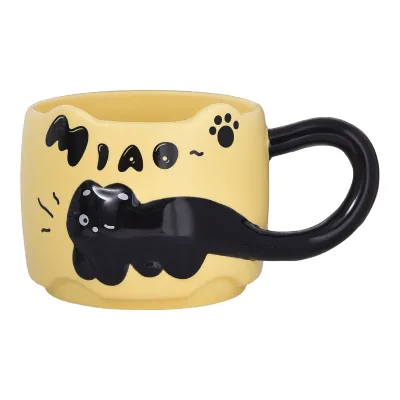
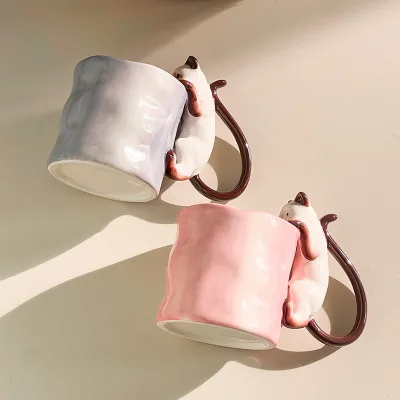
Comprehensive Sourcing Guide
Cute Cat Claw Ceramic Mug Supplier Concentration and Factory Types
When sourcing cute cat claw ceramic mugs, buyers should first map the geographic distribution of potential partners. High-confidence data indicates that Fujian, China, is a primary location for suppliers in this specific niche. This region is known for its robust ceramic manufacturing infrastructure, which supports both mass production and intricate custom designs. Understanding this concentration helps buyers anticipate shipping routes and communication time zones. However, it is crucial to distinguish between pure factories and trading companies, as the supplier type significantly impacts cost structures and customization capabilities. A trading company may offer broader product ranges, including cookie jars and candle holders, while a factory might focus strictly on drinkware.
The distinction between combined entities and specialized manufacturers is vital for assessing production capacity. Some suppliers operate as combined entities, handling both raw material processing and final assembly, which can streamline quality control. Others may be trading companies that aggregate products from multiple smaller workshops. Buyers should verify the actual production site to ensure that the cute cat claw shape, which requires specific mold engineering, is produced in-house. If a supplier lists multiple main products like resin crafts or flower planters, they may lack the specialized kiln settings required for high-quality porcelain mugs. Therefore, evaluating the supplier’s core competency in ceramic drinkware is essential before committing to a large order.
How to Verify Cute Cat Claw Ceramic Mug Suppliers
Verification begins with checking third-party audit reports and system certifications. While some suppliers may list certifications like SGS, FDA, or LFGB, buyers must request the original certificates to confirm validity and scope. A supplier claiming "food safe" features must provide documentation proving compliance with international standards for ceramic glazes. This is particularly important for cute cat claw mugs, which often feature detailed cartoon patterns that may involve additional pigments. If a supplier’s system certification is listed as "NIL" or unavailable, the buyer should conduct a more rigorous due diligence process, including requesting recent test reports for lead and cadmium levels.
Beyond paperwork, buyers should assess the supplier’s response time and verification status. A verified supplier badge, such as BV verification, indicates that a third party has inspected the facility. However, response time metrics also offer insight into operational efficiency. Suppliers with faster response times often have more organized sales teams and better communication protocols. Buyers should also request sample production timelines; for instance, if a supplier quotes a sample time of 15 days, this suggests a structured R&D process. Comparing these metrics against industry averages helps identify suppliers who are likely to meet deadlines. Always cross-reference the supplier’s claimed capabilities with their actual product evidence, such as model numbers and specific material descriptions, to ensure consistency.
What to Compare Across Cute Cat Claw Ceramic Mug Suppliers
When comparing suppliers, lead time is a critical differentiator. Data shows significant variation, with some suppliers quoting lead times as short as 23 days while others require up to 45 days. This difference can impact inventory planning, especially for seasonal promotions or holiday gifts. Buyers should ask for a detailed production schedule that breaks down mold creation, glazing, firing, and packaging phases. A shorter lead time might indicate existing molds, whereas a longer time suggests custom tooling is required. Understanding these nuances helps buyers negotiate better terms and avoid supply chain bottlenecks. Additionally, comparing lead times across multiple suppliers allows for a more accurate assessment of production efficiency.
Minimum Order Quantity (MOQ) is another key comparison point. Some suppliers set MOQs at 1,000 pieces, which is standard for custom ceramic items, while others may offer lower thresholds for stock designs. Buyers should evaluate whether their order volume aligns with the supplier’s MOQ to avoid excess inventory. Price ranges also vary, with some products priced between $0.80 and $2.98 per unit. This variance depends on material quality, such as porcelain versus standard ceramic, and the complexity of the cat claw design. Buyers should request tiered pricing to understand cost savings at higher volumes. Finally, compare the supplier’s main products to ensure they specialize in ceramic mugs rather than offering a broad, unrelated catalog, which may dilute their expertise in this specific category.
Common Cute Cat Claw Ceramic Mug Sourcing Risks
One major risk is the inconsistency in product quality due to the handmade nature of ceramic items. Cute cat claw mugs often feature irregular shapes and detailed cartoon patterns, which can lead to variations in size and color. Buyers should establish clear acceptance criteria for defects, such as chips, cracks, or glaze imperfections. If a supplier does not provide a clear quality control plan, the risk of receiving substandard goods increases. Additionally, the "food safe" claim must be rigorously verified, as improper glazing can release harmful substances. Buyers should insist on pre-shipment inspections to catch any issues before the goods are shipped. This proactive approach minimizes the risk of returns and customer complaints.
Another risk involves communication gaps regarding customization details. If the supplier is a trading company rather than a direct factory, there may be a delay in translating design specifications into production instructions. This can result in mugs that do not match the intended cute cat claw aesthetic. Buyers should use detailed technical drawings and physical samples to minimize misinterpretation. Furthermore, supply chain disruptions can affect lead times, especially if the supplier relies on external raw material suppliers. Buyers should build buffer time into their schedules and maintain relationships with multiple suppliers to mitigate this risk. Regular communication and clear contract terms are essential to manage these potential pitfalls effectively.
Cute Cat Claw Ceramic Mug Regional Sourcing and Logistics
Sourcing from Fujian, China, offers distinct logistical advantages for buyers in Asia and the Pacific. The region’s proximity to major shipping ports reduces transit times and freight costs for regional markets. However, buyers in Europe or North America should account for longer ocean freight durations and potential customs delays. Understanding the regional logistics landscape helps in planning inventory replenishment cycles. Buyers should also consider the impact of seasonal demand on shipping capacity, as peak periods can lead to port congestion. By mapping out the logistics route, buyers can better predict arrival times and manage cash flow. This regional focus also allows for easier coordination with local inspection agencies if needed.
For international buyers, air freight may be necessary for urgent orders, though it significantly increases costs. Buyers should evaluate the trade-off between speed and cost based on their inventory needs. Additionally, packaging requirements must be considered to prevent breakage during transit. Ceramic mugs are fragile, so suppliers must use robust packaging materials, such as double-layer cartons with dividers. Buyers should request photos of the packaging setup to ensure it meets their standards. By understanding the regional logistics dynamics, buyers can optimize their supply chain and reduce the risk of damage or delay. This strategic approach ensures that cute cat claw mugs arrive in perfect condition, ready for sale.
Cute Cat Claw Ceramic Mug Commercial Terms and Order Planning
Negotiating commercial terms requires a clear understanding of payment structures and escrow options. Buyers should prefer suppliers who offer secure payment methods, such as letters of credit or escrow services, to protect against non-delivery. If a supplier does not offer escrow, buyers should consider using a third-party inspection service to verify goods before final payment. Additionally, buyers should clarify the Incoterms, such as FOB or CIF, to understand who bears the risk and cost of shipping. Clear terms prevent disputes and ensure smooth transactions. Buyers should also negotiate penalty clauses for late delivery or quality issues to hold suppliers accountable.
Order planning should align with the supplier’s production capacity and lead times. Buyers should start with a small trial order to test the supplier’s quality and reliability before scaling up. This approach minimizes risk and allows for adjustments to the design or specifications. Buyers should also consider the supplier’s response time when planning communication milestones. A supplier with a fast response time can handle urgent changes more effectively. By integrating these commercial and planning strategies, buyers can build a sustainable sourcing relationship. This disciplined approach ensures that the cute cat claw ceramic mugs meet both quality and commercial expectations, supporting long-term business success.
FAQs
What is the minimum order quantity for custom cat claw mugs?
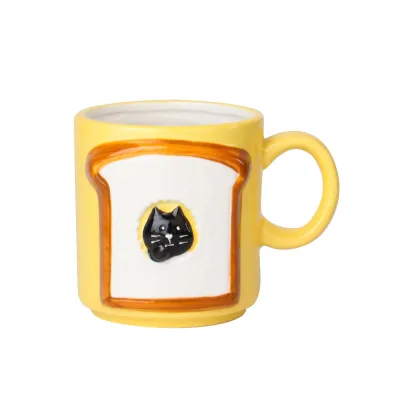
The minimum order quantity is 1000 pieces. This threshold applies to customized designs such as the yellow cat claw ceramic coffee mug. Buyers should confirm this requirement with the supplier before proceeding with production to ensure the order meets the factory's manufacturing standards.
How long does production take for these ceramic mugs?
Production lead times vary by supplier. One trading company reports a lead time of 45 days, while another combined supplier indicates a faster turnaround of 23 days. Buyers should verify the specific timeline with their chosen manufacturer to align with their delivery schedule.
Where are these ceramic cat mugs manufactured?
These ceramic mugs are manufactured in Fujian, China. This region is a known hub for ceramic production. Buyers sourcing from this location can expect products that meet regional manufacturing standards. It is advisable to verify the specific factory location within Fujian for logistics planning.
What is the price range for cute cat ceramic mugs?
Prices range from approximately $0.80 to $2.92 per unit. Specific items like the yellow cat claw mug are priced around $2.92, while other cute cat designs start at $0.80. Costs depend on customization, material, and order volume. Buyers should request quotes for accurate pricing.
Do suppliers offer OEM and ODM services for these mugs?
Yes, many suppliers offer both OEM and ODM services. Some manufacturers also support their own brands. Customization is available for designs, colors, and logos. Buyers seeking unique cat claw mugs can collaborate with suppliers to develop custom products that meet their specific branding requirements.
What certifications do these ceramic mugs have?
Some ceramic mugs comply with standards such as SGS, FDA, PROP65, and LFGB. These certifications ensure the products are food safe and meet international quality requirements. Buyers should request specific certification documents from suppliers to verify compliance with their local market regulations before placing large orders.
How quickly do suppliers respond to inquiries?
Response times vary among suppliers. One trading company responds within 2 hours, while another combined supplier takes approximately 9.67 hours. Faster response times can facilitate quicker negotiations and order processing. Buyers should prioritize suppliers with quicker response rates for efficient communication during the sourcing process.