Carbon Steel Farming Pickaxe Suppliers and Manufacturers
Explore 17 verified suppliers offering Carbon Steel Farming Pickaxe tools with customizable head materials and wooden handles. Compare lead times ranging from 15 to 45 days, minimum order quantities, and certifications like ISO 9001. Contact suppliers directly to request quotes for specific models.
Suppliers List

TANGSHAN MIRACLE IMPORT AND EXPORT CO., LTD.
- Verified by SGS
- Combined
- China Hebei
- Lead time15 days
Main productsShovel, Hoe, Pickaxe, Machete, Fork, Rake, Farming Tools, Garden Tools
Main marketsOthers(foreignTradeCapacity.exportBusinessCapacityMarketOther)


Wholesale Carbon Steel Pick Head Axe Custom Garden Farming Pickaxes Tools Pickaxe with Wooden Handle
$1.85 - $2.35
MOQ: 3000 pc


Farm Tools Railway Steel Pickaxe Head Forged Pickaxe for Farming with Wooden Handle
$1.50 - $1.90
MOQ: 3000 Pieces

Wooden Handle Pickaxe Garden Tools Small Farming Digging Forging 65 Steel Pickaxe
$1.00 - $4.00
MOQ: 3000 Pieces

Best Quality Pickaxe Farming Customized Tools Carbon Steel Pickaxe Hoe for Digging
$1.00 - $4.00
MOQ: 3000 Pieces

Tangshan Las Import & Export Co., Ltd.
- Trading Company,Manufacturer/Factory
- China Hebei
- Lead time45 days
Main productsHandle Shovel, Pick, Hoe, Fork, Axe and Hammer, Shovel Head, Nails, Sickle, Wire Mesh, Machete
Main marketsSouth America,Mid East,Southeast Asia,Eastern Asia,Africa

Hangzhou Happyfull Import & Export Co., Ltd.
- Verified by TUVRHEINLAND
- Trading Company
- China Zhejiang
- Lead time15 days
Main productsDrawer Slide
Main marketsAfrica,Others(foreignTradeCapacity.exportBusinessCapacityMarketOther)
Ningbo Gamry Import & Export Co., Ltd.
- Trading Company
- Zhejiang, China
- Lead time30 days
- Avg. response≤ 7h
Main productsGarden,thermometer,Pet items,Stationary
Main marketsNorth America(20.00%), Eastern Europe(15.00%), Northern Europe(10.00%), Western Europe(10.00%), Southern Europe(10.00%), South America(10.00%), Central America(6.00%), Oceania(5.00%), Mid East(4.00%), Southeast Asia(4.00%), Domestic Market(3.00%), Eastern Asia(2.00%), South Asia(1.00%)

Dingzhou Gemlight Cutting Tools Co., Ltd.
- Verified by SGS
- Combined
- China Hebei
- Lead time30 days
Main productsShovel, Hoe, Sickle, Pickaxe, Farm Fork, Rake, Hand Tools, Wheelbarrows, Farm Tools
Main marketsAfrica,Southeast Asia/ Mideast,Domestic


Agriculture Garden Farming Pickaxe Carbon Steel Customized High Quality Pickaxe
$1.90 - $2.30
MOQ: 1200 Pieces


Pickaxe with Plastic Handle Shovel Farming Tools, Lightweight and Pickaxe
$1.90 - $2.30
MOQ: 1200 Pieces

Agricultural Steel Pickaxe Outdoor Flat Tip Double-Head Pickaxe Farming Tool
$2.10 - $2.50
MOQ: 1200 Pieces

Tianjin Perfect Machinery Co. Ltd.
- Verified by CTI
- Trading Company
- China Tianjin
- Lead time30 days
Main productsHoe, Shovel, Pickaxe, Matchet
Main marketsSoutheast Asia/ Mideast

Guangzhou 247 International Co., Ltd
- Trading Company,Manufacturer/Factory
- China Guangdong
- Lead time23 days
Main productsIron Nails, Screws, Welding Rods, Iron Wire, Welding Wires, Wire Mesh, Safety Products, Welding Gloves, Fastener, Labour Protection Tools
Main marketsSouth America,Eastern Europe,Mid East,North America,Southeast Asia,Eastern Asia,Oceania,Western Europe,Africa

- Verified by BV
- Trading Company
- China Hunan
- Lead time23 days
Main productsPaint Roller, Putty Knife, Caulking Gun, Paint Brush, Trowel, Bricklaying Trowel, Scraper, Float Trowel, Paint Mixer, Wallpaper Roller
Main marketsSouth America,Southeast Asia/ Mideast,Europe

TANGSHAN BIAOWEI TRADE CO., LTD.
- Verified by CTI
- Trading Company,Manufacturer/Factory
- China Hebei
- Lead time45 days
Main productsShovel, Pickaxe, Hoe Head, Fork, Hammer, Rake, Matchet, Wire and Netting, Nails, Building Materials
Main marketsSouth America,Eastern Europe,Mid East,North America,Southeast Asia,Eastern Asia,Oceania,Western Europe,Africa

Forged Steel Garden Farming Digging Garden Farming Mattock Zapapicos Pickaxe
$1.50 - $2.00
MOQ: 1000 Pieces

P404 Machine Forged Steel Garden Digging Farming Zapapicos Mattock Pickaxe
$1.50 - $2.00
MOQ: 1000 Pieces

Forged Steel Metal Digging Garden Farming Construction Zapapico Mattock Pickaxe
$1.50 - $2.00
MOQ: 1000 Pieces

Machine Forged Digging Metal Steel Garden Zapapicos Farming Pickaxe Mattock
$1.50 - $2.00
MOQ: 1000 Pieces

Shandong Best Import and Export Co., Ltd.
- Verified by SGS
- Trading Company
- China Shandong
- Lead time30 days
Main productsPlastering Trowel, Hammer, Axe, Carpenter Pencil, Wrecking Bar, Bricklaying Trowel, Solar Panel, Other Hardware Tools
Main marketsSouth America,Africa,Southeast Asia/ Mideast,East Asia(Japan/ South Korea),Domestic,Europe,North America

Mini Mattock Customized Tools Farming Agricultural Railway Steel Pickaxe
$1.30 - $1.50
MOQ: 1000 Pieces


Tianjin Jinyuan International Ltd
- Verified by TüVRheinland
- Trading Company
- Tianjin, China
- Lead time0 days
- Avg. response≤ 1h
Main productsAgricultural Tools, Gardening Tools, Shovels, Rakes, Lawn mower
Main marketsNorth America(30%), Eastern Europe(30%), Western Europe(20%)
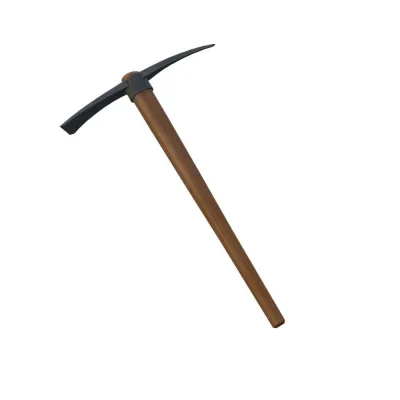
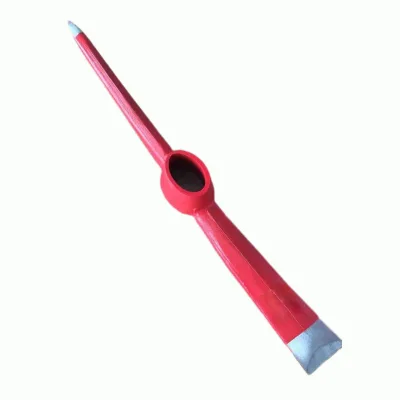
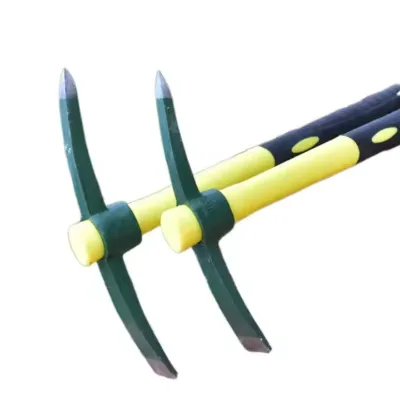
Good Quality Digging Soil Loosening Tools Pickaxe Cast Iron Pickaxe Camping Pickaxes
$2.04 - $2.56
MOQ: 500

Tangshan Renhe Hardware Tools Co., Ltd.
- Verified by SGS
- Combined
- China Hebei
- Lead time45 days
Main productsShovel, Hoe, Fork, Pickaxe, Rake, Garden Tool, Snow Shovel, Plastic Shovel, Hand Tools, Agricultural Tool
Main marketsSouth America,Africa,Others(foreignTradeCapacity.exportBusinessCapacityMarketOther),Southeast Asia/ Mideast,East Asia(Japan/ South Korea),Europe,North America

Factory Direct Produce Farming Agricultural Railway Steel Pickaxe with Wood Handle
$2.95 - $3.15
MOQ: 2000 pieces

Factory Direct Produce Farming Agricultural High Quality Customized Pickaxe with Wood Handle
$2.85 - $3.15
MOQ: 1000 pieces

Versatile Multi-Use Pickaxe for Home Garden and Outdoor Farming Pickaxe
$2.45 - $3.15
MOQ: 1000 pieces


Ningbo Zhixin Metal Product Co., Ltd
- Verified by TUVRHEINLAND
- Trading Company,Manufacturer/Factory
- China Zhejiang
- Lead time0 days
Main productsFastener, Tool Set, Sheet Metal Fabrication, Metal Stamping Part, CNC Machining Parts


Outdoor Multifunctional Pickaxe with Hoe Mn Steel Cross Pickaxe for Digging Soil and Trees
$6.00 - $6.83
MOQ: 100 Pieces


Garden Tool Thickened Double-Headed Small Pickaxe Outdoor Agriculture Hand-Tipped Steel Pick
$2.00 - $3.00
MOQ: 300 Pieces

Huisheng Metal Products Luannan Co., Ltd.
- Verified by SGS
- Trading Company
- China Hebei
- Lead time30 days
Main productsShovels, Pickaxes, Machete, Garden Hoes, Metal Wire Mesh, Steel Axe, Steel Files, Tape Measure, Steel Frame, Induction Heating Furnace
Main marketsAfrica,Others(foreignTradeCapacity.exportBusinessCapacityMarketOther),Southeast Asia/ Mideast
Huamaoji Construction Machinery Trading (beijing) Co., Ltd.
- Trading Company
- Beijing, China
- Lead time10 days
- Avg. response≤ 9h
Main productsshovel,Machete,Undercarriage Part,Rubber track,Diesel Engine Assy
Main marketsAfrica(30.00%), Eastern Asia(20.00%), Domestic Market(10.00%), Southeast Asia(7.00%), Oceania(6.00%), South America(5.00%), Mid East(5.00%), South Asia(5.00%), Eastern Europe(2.00%), North America(2.00%), Southern Europe(2.00%), Northern Europe(2.00%), Central America(2.00%), Western Europe(2.00%)
Dingzhou Gemlight Cutting Tools Co., Ltd.
- Verified by SGS Group
- Manufacturer, Trading Company
- Lead time30 days
- Avg. response≤ 2h
Main productsHoe, Forks, Sickles, Shovels, Pickaxe
Main marketsAfrica(29%), South America(25%), Domestic Market(20%)
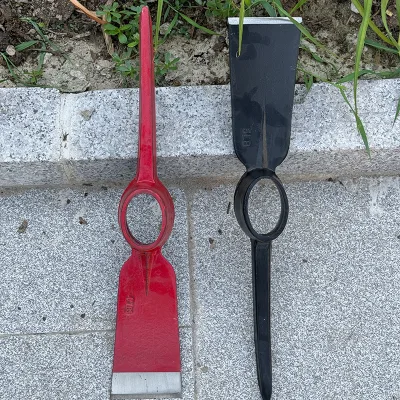
Wholesale Professional Best Steel Farm Tools Pickaxe Fiberglass Pickaxe Head Pickaxe With Handle
$1.98 - $2.63
MOQ: 1200 pieces
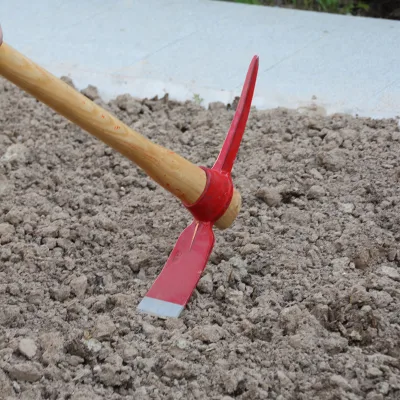
Top Sale Hammer Forging Steel Pickaxe Agriculture Farming Tool P402 Carbon Steel 5lbs Color Painted
$2.34 - $3.75
MOQ: 1200 pieces
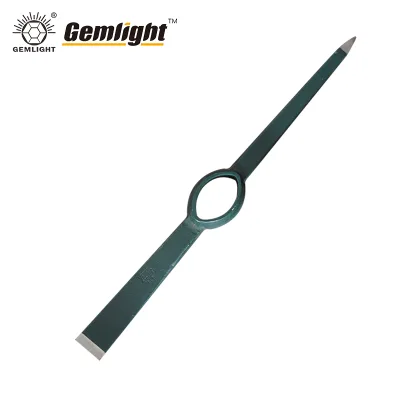
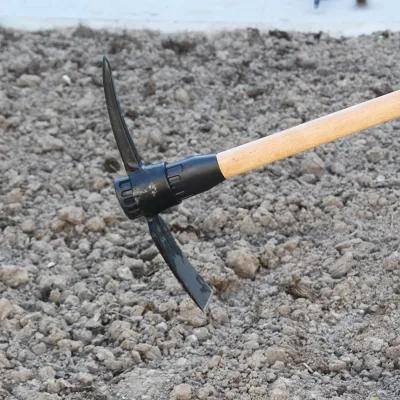
Versatile Pickaxe for Various Outdoor Environments for Different Terrains
$2.83 - $3.85
MOQ: 1200 pieces

Chongqing Bweiser Industry Company Limited
- Verified by CTI
- Trading Company,Manufacturer/Factory,Group Corporation
- China Chongqing
- Lead time45 days
Main productsGarden Tools, Pizza Tools, Roadway Safety, BBQ, Raincoat, Handcrafts, Bait, Grillware, Cleaning Brush, Bar Shaker
Main marketsSouth America,Eastern Europe,Mid East,North America,Southeast Asia,Eastern Asia,Oceania,Western Europe,Africa


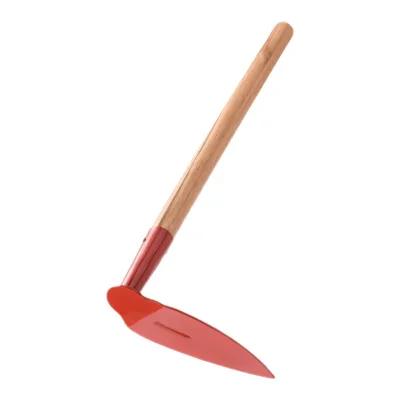
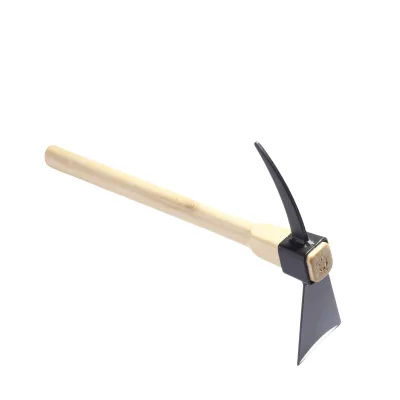
Forged Weeding Garden Double Sided Pickaxe Small Pickaxe Comfortable Non-Slip Steel Pickaxe
$0.50 - $5.00
MOQ: 1200 Pieces




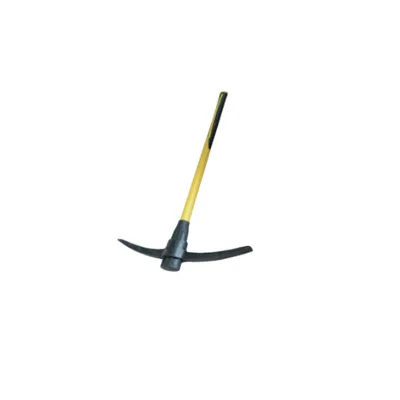
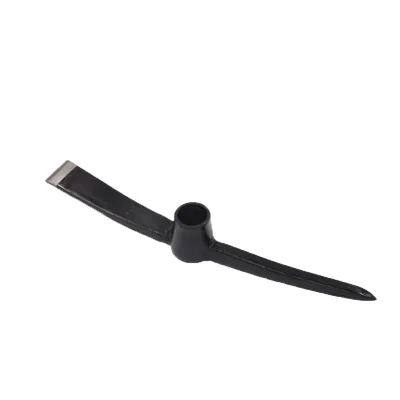
Comprehensive Sourcing Guide
Carbon Steel Farming Pickaxe Supplier Concentration and Factory Types
The available data indicates a significant concentration of manufacturing activity in Hebei, China, where specific product origins and factory locations are explicitly listed as Hebei or Tangshan. This region appears to host a mix of combined entities that function as both trading companies and manufacturers, offering a diverse range of output including shovels, hoes, pickaxes, and other farming tools. Buyers observing these results should note that the supplier types are not limited to pure factories; many listings describe a hybrid model where the entity manages both production and sales operations. This dual role can influence how orders are processed and how customization requests are handled, as the same organization may control the factory floor and the commercial interface.
When evaluating the factory types, it is essential to distinguish between entities that offer Original Design Manufacturing and those providing Original Equipment Manufacturing. The observed data confirms that some suppliers possess ODM and OEM capabilities, allowing for significant customization of product specifications such as head material, handle composition, and overall dimensions. However, not all suppliers in this category may offer the same level of design flexibility. Some listings indicate a focus on standard models with limited customization, while others explicitly state that customization is available for specific attributes like branding or material selection. Buyers must verify the specific capacity of each supplier to ensure their unique requirements can be met without unnecessary delays or additional costs.
How to Verify Carbon Steel Farming Pickaxe Suppliers
Verification of supplier credentials requires a careful examination of the specific certifications and verification statuses provided in the product listings. The data shows that some suppliers hold ISO 9000, TS 16949, ISO 9001, and QC 080000 certifications, while others list ISO standards or specific product certifications like ISOQB or T2095. It is critical to note that some entries display "NIL" for system certification, which necessitates a direct inquiry to the supplier to confirm their quality management processes. Additionally, the presence of SGS verification on certain profiles serves as a third-party validation of the supplier's operational status, but buyers should not assume this applies to all potential partners without explicit confirmation.
Beyond certifications, buyers should scrutinize the verification of product attributes and material claims to ensure authenticity. The listings provide detailed attributes regarding head materials, such as carbon steel, railway steel, and 65mn steel, alongside handle materials like wood and steel. However, the presence of these attributes in a listing does not guarantee that every unit produced meets these specifications. Buyers must request material test reports or certificates of analysis to validate the carbon content and heat treatment processes, especially for tools intended for heavy-duty agricultural use. Relying solely on the text description without independent verification can lead to discrepancies between the ordered specifications and the delivered goods.
What to Compare Across Carbon Steel Farming Pickaxe Suppliers
Comparing suppliers requires a systematic analysis of lead times, minimum order quantities, and pricing structures to determine the best fit for specific procurement needs. The observed data reveals a wide variance in lead times, with some suppliers offering a 15-day turnaround while others require up to 45 days. Similarly, minimum order quantities range significantly, with some listings starting at 1,200 pieces and others requiring 3,000 pieces or more. These differences directly impact inventory planning and cash flow, making it essential for buyers to align their order volume with the supplier's capacity and production schedule. Pricing also fluctuates based on these factors, with unit costs varying from approximately $1.00 to $4.00 depending on the specific model and customization level.
In addition to logistical metrics, buyers should compare the scope of customization and branding options available across different suppliers. Some listings indicate that customization is available for branding, while others specify that the product is non-customized or limited to specific modifications. The ability to offer an own brand or OEM services is a key differentiator, particularly for buyers looking to establish a distinct market presence. Furthermore, the variety of main products offered by a supplier can indicate their versatility and ability to bundle orders. A supplier offering a broad range of farming tools, including shovels, hoes, and forks, may provide better value through consolidated shipping and simplified procurement processes compared to a specialized single-product vendor.
Common Carbon Steel Farming Pickaxe Sourcing Risks
One significant risk in sourcing carbon steel farming pickaxes is the potential inconsistency in material quality and manufacturing standards. While listings specify materials like carbon steel or railway steel, the absence of detailed certification data for some suppliers creates uncertainty regarding the durability and safety of the final product. Buyers must be wary of suppliers who do not provide clear evidence of their quality control measures, as this can lead to receiving tools that fail under stress or do not meet the expected performance standards. The variation in certification statuses, from comprehensive ISO standards to "NIL," highlights the need for rigorous due diligence before committing to a large order.
Another critical risk involves the reliability of delivery timelines and the potential for production bottlenecks. The data shows lead times ranging from 15 to 45 days, but these figures may not account for unforeseen delays such as raw material shortages or logistical disruptions. Suppliers with longer lead times may be operating at full capacity, which could extend delivery windows further if demand spikes. Additionally, the complexity of customization can introduce delays if the supplier lacks the necessary engineering resources or if the design specifications are not clearly defined. Buyers should mitigate these risks by establishing clear communication channels and including penalty clauses for late deliveries in their contracts to protect against schedule slippage.
Carbon Steel Farming Pickaxe Regional Sourcing and Logistics
The regional sourcing landscape for carbon steel farming pickaxes is heavily centered in Hebei, China, where multiple product origins and factory locations are explicitly identified. This concentration offers logistical advantages in terms of supply chain integration, as many suppliers are located in the same industrial cluster, potentially reducing transportation costs for raw materials and finished goods. However, buyers must also consider the specific delivery ports mentioned, such as Xingang in Tianjin, which serves as a key export hub for the region. Understanding the proximity of the factory to the port can help in estimating transit times and freight costs, as closer proximity often results in lower inland transportation expenses.
Logistics planning should also account for the packaging standards and shipping configurations provided by different suppliers. The data indicates various packing methods, including woven bags, PP woven bags, and bundles with iron wire, which can affect the efficiency of container loading and the protection of goods during transit. Some suppliers offer specific packing configurations like 6 pieces per bag or 12 pieces per bag, which influences the total number of units that can be shipped in a single container. Buyers should evaluate these packaging details to optimize space utilization and minimize damage risks. Additionally, the origin location, whether Hebei or Tangshan, may impact the availability of local logistics partners and the ease of coordinating pickup and delivery schedules.
Carbon Steel Farming Pickaxe Commercial Terms and Order Planning
Commercial terms for carbon steel farming pickaxes vary significantly based on the supplier's capacity and the specific product requirements. Minimum order quantities are a primary factor in order planning, with thresholds ranging from 1,200 to 3,000 pieces depending on the supplier and product model. Buyers must align their order volume with these MOQs to avoid additional costs or the need to consolidate orders with other suppliers. Pricing is also dynamic, with unit costs fluctuating between $1.00 and $4.00 based on factors such as material quality, customization, and order volume. Understanding these pricing structures is essential for accurate budgeting and cost analysis.
Order planning should also incorporate the customization capabilities and branding options offered by each supplier. While some suppliers provide extensive customization for branding and specifications, others may have limited options or require higher order volumes for custom runs. Buyers should clearly define their requirements early in the negotiation process to ensure the supplier can meet their needs within the agreed lead time. Additionally, the availability of OEM services and the ability to produce own-brand products can be crucial for buyers looking to differentiate their offerings in the market. By carefully evaluating these commercial terms and aligning them with their strategic goals, buyers can establish a sustainable and efficient sourcing relationship.
FAQs
What is the price range for carbon steel farming pickaxes?
Prices typically range from $1.00 to $4.00 per unit depending on specifications. Some models start at $1.50 while others reach $2.35. Costs vary based on head material, handle type, and customization options available from suppliers.
What is the minimum order quantity for these tools?
Minimum order quantities generally range from 1,000 to 3,000 pieces. Specific models require 1,200 units, while others demand 3,000 units. Buyers should verify exact MOQs with suppliers as requirements differ by product model and customization needs.
Where are these farming pickaxes manufactured?
Most carbon steel farming pickaxes are manufactured in Hebei, China. Some products originate from Tangshan, China. Buyers can expect consistent production quality from these regions, which are known for hardware and agricultural tool manufacturing capabilities.
What certifications do these suppliers hold?
Certifications vary by supplier. Some hold ISO 9001, TS 16949, and QC 080000. Others display ISO or SGS verification. Buyers should request specific certification documents to ensure compliance with their quality standards and regional import requirements.
What is the typical lead time for production?
Lead times range from 15 to 45 days depending on the supplier. Some manufacturers offer faster turnaround times of 15 days, while others require up to 45 days. Buyers should confirm production schedules early to align with delivery deadlines.
Can these pickaxes be customized for branding?
Customization is widely available for branding and specifications. Suppliers offer OEM services and own brand options. Buyers can request custom head materials, handle types, and packaging. Verify customization availability and minimum requirements directly with potential suppliers before ordering.