Eco-Friendly Glass Honey Bottle Suppliers and Manufacturers
Source 17 verified Eco-Friendly Glass Honey Bottle suppliers from China Jiangsu and Shandong. Compare ISO 9001 certified factories with response times under 10 hours, lead times as low as 23 days, and prices starting at $0.25. Request samples to verify quality.
Suppliers List

Xuzhou Boklan Import & Export Trade Co., Ltd.
- Verified by TUVRHEINLAND
- Trading Company,Manufacturer/Factory
- China Jiangsu
- Lead time38 days
- Avg. response≤ 10h
Main productsGlass Jar, Glass Bottle, Liquor Glass Bottle, Lids Caps Corks, Cosmetic Jar, Essential Oil Bottle, Glass Tube, Sauce Bottle, Mason Jar, Plastic Bottle
Main marketsSouth America,Eastern Europe,Mid East,North America,Southeast Asia,Eastern Asia,Oceania,Western Europe,Africa

Glass Bottle Honey Glass Food Jars Honey 250ml Clear Honey Packaging Bottle Glass
$0.28 - $0.48
MOQ: 5000 Pieces

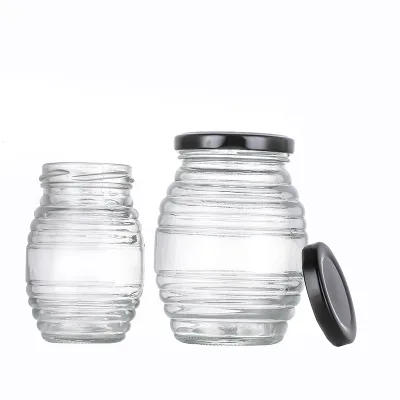
Unique Glass Storage Bottle with Thread Pattern Round 70ml 180ml 380ml 730ml Transparent Honey Jar
$0.25 - $0.39
MOQ: 5000 Pieces


Qingdao Jianhai International Trade Co., Ltd.
- Verified by BV
- Trading Company,Manufacturer/Factory
- China Shandong
- Lead time23 days
- Avg. response≤ 4h
Main productsGlassware, Cosmetic Bottle, Mason Jar, Storage Bottle, Vase, Wine Bottle, High Borosilicate Glass, Glass Bottle, Cup, Glass Craft
Main marketsSouth America,Eastern Europe,Mid East,North America,Southeast Asia,Eastern Asia,Oceania,Western Europe,Africa

Ningbo Beixuan International Trading Co., Ltd.
- Verified by TUVRHEINLAND
- Manufacturer/Factory
- China Zhejiang
- Lead time15 days
- Avg. response≤ 11h
Main productsPlastic Bottle, Plastic Cup, Plastic Honey Jar, Plastic Food Container, Glass Juice/ Beverage Bottle, Glass Jar, Glass Wine Bottle, Glass Essential Oil Bottles, Cosmetic & Perfume Glass Bottles, Paper Cup
Main marketsSouth America,Eastern Europe,Mid East,North America,Southeast Asia,Eastern Asia,Oceania,Western Europe,Africa


200ml, 250ml, 300ml, 400ml, 650ml Clear Food Honey Round Glass Jar Glass Bottle
$0.07 - $0.39
MOQ: 5000 Pieces

- Verified by CTI
- Trading Company
- China Shanghai
- Lead time23 days
- Avg. response≤ 6h
Main productsGlass Bottle, Bottle, Vodka Glass Bottle, Whisky Glass Bottle, Glass Beer Bottle, Glass Wine Bottle, Beer Bottle, Glass Decanter, Glass Jars, Glass
Main marketsSouth America,Africa,Europe,Australia,North America


Honey Jar 25ml 35ml 50ml 100ml 195ml 240ml 350ml 500ml 770ml Cylindrical Glass Jar
$0.25 - $0.50
MOQ: 6000 Pieces
Shandong Jingyuan Glass Co., Ltd.
- Verified by SGS
- Trading Company
- China Shandong
- Lead time30 days
- Avg. response≤ 6h
Main productsGlass Bottle, Glass Jar, Glass Perfume Bottle, Glass Wine Bottle, Glass Beverage Bottles, Glass Dropper Bottle
Main marketsDomestic,Europe

Zibo Chuangxinzhe International Trade Co., Ltd
- Verified by TUVRHEINLAND
- Trading Company
- China Shandong
- Lead time15 days
- Avg. response≤ 3h
Main productsGlass Bottle, Glass Jar, Bottle, Glass Storage Jar, Glass Tube, Mason Jar, Food Jar, Dropper Bottle, Empty Candle Jars, Perfume Bottle
Main marketsSouth America


500ml Square Glass Jar Honey Bottle Square Honey Glass Jar Jam Jar Handmade Dy Glass Bottle
$0.06 - $0.39
MOQ: 5000 Pieces

Hot Sale Honey 450ml Mason Jars Drinking Glass Bottle with Handle and Screw Lids
$0.19 - $0.50
MOQ: 1000 Pieces

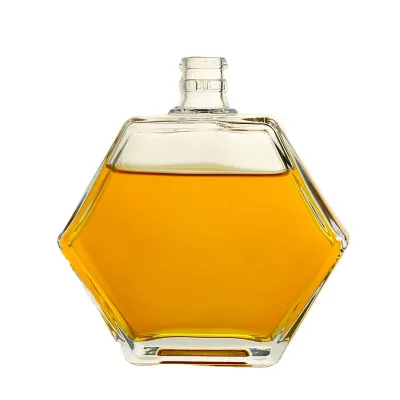
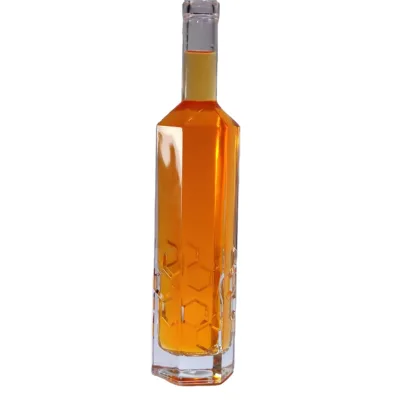
Factory Wholesale and Customized High - Quality Hexagonal Honey and Jam Glass Bottles
$0.06 - $0.39
MOQ: 1000 Sets
Shandong Jingbo Group Co., Ltd.
- Manufacturer, Trading Company
- Lead time旺季: "1 - 6000":15,"6001 - 12000":20,"> 12000":"To be negotiated", 淡季: "1 - 6000":15,"6001 - 12000":20,"> 12000":"To be negotiated"
- Avg. response≤ 3h
Main productsGlass Bottle, Glass Liquor Bottle, Glass Vodka Bottle, Glass Whisky Bottle, Glass Tequila Bottle
Hebei Lingjin Import and Export Co., Ltd.
- Verified by CTI
- Trading Company
- China Hebei
- Lead time30 days
- Avg. response≤ 3h
Main productsBaseball Hats, Trucker Hats, Peforated Hats, Bucket Hats, Snapback Hats, Beanie Hats, 5 Panel Hats, Plastic Bottle, Plastic Tank, Essential Oil Bottle
Main marketsEurope,Australia,North America

Custom 100ml 220ml 380ml Clear Glass Honey Bottle Honey Bottle Container Jar
$0.08 - $0.16
MOQ: 1000 Pieces

ZHENGZHOU ENZHER IMP& EXP CO., LTD
- Verified by CTI
- Trading Company
- China Henan
- Lead time15 days
- Avg. response≤ 14h
Main productsbeekeeping equipment
Main marketsAustralia

Hot Sale Glass Food Storage Containers Bee Honey Bottle Glass Jars for Honey
$2.70 - $4.50
MOQ: 50 Pieces

Wholesale Hexagon-Shaped Clear Glass Storage Honey Jar Hexagonal Glass Bottle
$2.70 - $4.50
MOQ: 50 Pieces

Yantai Changyou Glass Co., Ltd.
- Verified by BV
- Manufacturer/Factory,Group Corporation
- China Shandong
- Lead time38 days
- Avg. response≤ 2h
Main productsSpirits Bottle, Wine Bottle, Cosmetic Bottle, Non-Alcoholic Beverages, Pharmaceutical Bottle, Glass Jar, Olive Oil Bottle, Aluminum Cap, Cork Stopper
Main marketsSouth America,Eastern Europe,North America,Southeast Asia,Eastern Asia,Western Europe,Africa

Wuhan Newray Packaging Solutions Co., Ltd.
- Verified by TUVRHEINLAND
- Manufacturer/Factory
- China Hubei
- Lead time23 days
- Avg. response≤ 3h
Main productsGlass Honey Jars, Glass Spice Jars, Glass Candy Jars, Glass Jam Jars, Glass Bird-Nest Jars, Glass Spirit and Wine Bottles, Glass Beverage Bottles, Glass Perfume and Diffuser Bottles, Glass Roll on Bottle, Glass Storage Bottles
Main marketsSouth America,Eastern Europe,Mid East,North America,Southeast Asia,Eastern Asia,Oceania,Western Europe,Africa


330ml High-Quality Glass Bottle with Screw Lid Eco-Friendly & Leak-Proof
$0.20 - $0.30
MOQ: 5000 Pieces

Hebei Zhuozhongxi Glass Products Co., Ltd.
- Verified by BV
- Manufacturer/Factory
- China Hebei
- Lead time15 days
- Avg. response≤ 4h
Main productsGlass Cup, Glass Teapot, Coffee Appliance, Tea Set, Glass Crafts, Glass Jug, Glass Food Storage Jar, Wine Glass, Candle Holders, Double Wall Glass
Main marketsSouth America,Eastern Europe,Mid East,North America,Southeast Asia,Eastern Asia,Oceania,Western Europe,Africa

ANHUI IDEA TECHNOLOGY CO., LTD
- Verified by TUVRHEINLAND
- Trading Company
- China Anhui
- Lead time23 days
- Avg. response≤ 5h
Main productsGlass Jar, Glass Bottle, Pet Preform, Aluminum Cans, Glass Cup, Bottle Caps Jar Lids, Candle Jars, Perfume Bottle, Cosmetic Bottle
Main marketsSouth America,Africa,Southeast Asia/ Mideast,East Asia(Japan/ South Korea),Europe,Australia,North America

LIANYUNGANG KAESHING INTERNATIONAL TRADING CO., LTD.
- Verified by TUVRHEINLAND
- Trading Company
- China Jiangsu
- Lead time15 days
- Avg. response≤ 3h
Main productsGlass Bottle, Glass Jar, Glass Cup, Glassware, High Borosilicate Glass Jar Bottle Mug, Glass Perfume Bottle, Glass Mug, Glass Decanter, Storage Jar, Fused Silica
Main marketsNorth America


12oz & 8oz Hexagon Honey Glass Jars with Wooden Lids and Honey Dippers
$0.28 - $0.60
MOQ: 20000 Pieces


Hot Clear Jam Sauce Honey Glass Storage Food Grade Bottles Bottle Jar
$0.10 - $0.15
MOQ: 100000 Pieces

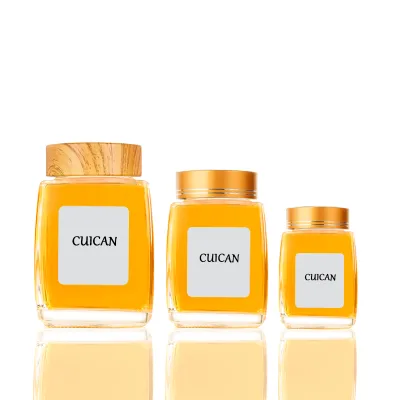
Customized Logo Square Design Crystal Glass Honey Jars with Wooden Cap
$0.20 - $0.69
MOQ: 10000 Pieces

Custom Logo Honey Jar Honey Glass Jar 50ml 80ml 100ml 200ml 280ml 380ml 500ml 730ml Storage Jar
$0.12 - $0.37
MOQ: 5000 Pieces

Xuzhou Selead Packaging Material Co., Ltd.
- Verified by SGS
- Trading Company
- China Jiangsu
- Lead time15 days
- Avg. response≤ 6h
Main productsGlass Bottle, Plastic Bottle, Water Bottle, Glass Jar, Mason Jar, Wine Bottle, Cosmetic Bottle, Beverage Bottle, Glass, Candle Holder
Main marketsAfrica,Southeast Asia/ Mideast,Europe,North America


Wholesale 100ml 150ml 180ml 220ml 280ml 380ml 500ml 750ml Glass Storage Jar Empty Glass Honey Jar
$0.10 - $0.80
MOQ: 5000 Pieces


Xuzhou Crystal Glass Products Co., Ltd.
- Verified by SGS
- Trading Company
- China Jiangsu
- Lead time30 days
- Avg. response≤ 5h
Main productsGlass Bottle, Beverage Bottle, Wine Bottle, Mason Jar, Food Storage Jar, Spice Bottle, Spice Grinder, Table Glassware, Cosmetic Bottle, Cup
Main marketsOthers(foreignTradeCapacity.exportBusinessCapacityMarketOther),Europe
Xuzhou Cuican Glass Products Co., Ltd.
- Verified by TüVRheinland
- Manufacturer, Trading Company
- Lead time35 days
- Avg. response≤ 2h
Main productsGlass Bottle, Glass Jar, Bottle Cap
Main marketsMid East(32%), North America(16%), Eastern Asia(16%)




Comprehensive Sourcing Guide
Eco-Friendly Glass Honey Bottle Supplier Concentration and Factory Types
Suppliers of eco friendly glass honey bottles in the available results cluster in eastern China, with companies based in Jiangsu and Shandong provinces appearing as active exporters. Jiangsu-based listings include trading companies that also operate as manufacturers or factories, meaning the buyer may be dealing with a hybrid entity that both produces glass and sources complementary items such as lids, caps and corks from nearby workshops. Shandong results emphasize broad glassware portfolios that span cosmetic bottles, mason jars, vases, wine bottles and high borosilicate products, which indicates large-scale glass melting operations rather than niche honey-packaging specialists.
Both factory types matter for this category. A manufacturer with OEM and ODM capability, as claimed in Jiangsu supplier data, can adjust jar geometry, thread patterns and capacity formats such as 100ml, 180ml, 250ml, 380ml and 730ml. A trading company with a glass factory background may offer wider accessory coordination, including wood honey spoons or screw caps shown alongside hexagonal honey bottles. When screening candidates, ask whether the entity owns furnaces or subcontracts forming, since this affects mold fees, color consistency across batches and the feasibility of eco friendly claims such as lead-free, recyclable food-grade glass. Request the factory address and business license scope to confirm whether glass production is a registered activity, and check the main products list to judge whether honey bottles are core output or a sideline.
How to Verify Eco-Friendly Glass Honey Bottle Suppliers
Verification should begin with the credentials displayed on supplier profiles and continue with documents the buyer requests directly. In the current results, one Jiangsu supplier holds ISO 9001 system certification with TÜV Rheinland verification, while a Shandong supplier shows ISO 9000 and ISO 9001 with Bureau Veritas verification. These third-party verified flags indicate the profile data was audited, but they do not certify the glass itself. Product-level claims must be checked separately: listings reference CE marks on honey jars, and one Shandong listing cites FDA alongside ISO in its attributes, so ask for the actual certificate numbers and issuing bodies covering food-contact glass.
Beyond paperwork, validate capability through samples and audit trails. Several listings state samples are available, and one explicitly describes them as free, which lowers the cost of testing wall thickness, thread fit with the cap, and clarity before committing. Confirm the production address matches the registered location, since Jiangsu and Shandong origins are claimed on the listings themselves. Ask the supplier to state which items are produced in-house versus traded, and request recent food-contact test reports for the specific bottle model rather than a generic family certificate. Finally, test communication discipline: response times shown on profiles range from under four hours to over nine, so send a technical question and measure how precisely the reply addresses lead-free content, Eco-Friendly claims and capacity tolerances.
What to Compare Across Eco-Friendly Glass Honey Bottle Suppliers
Build a comparison sheet using the dimensions suppliers actually display. Lead time is a strong differentiator in the current data: the Shandong supplier reports roughly 23 days while the Jiangsu supplier reports about 38 days, a gap that directly affects replenishment planning for seasonal honey packing. Response speed also varies, with one supplier averaging around 3.8 hours and another around 9.2 hours, which predicts how quickly sampling issues and shipment questions get resolved. MOQ and pricing must be compared at the product level rather than supplier level: one listing series shows a 5,000-piece minimum at roughly $0.25 to $0.48 per unit depending on size, while another Shandong honey jar line lists a 1,000-piece minimum with prices up to about $5.00 on larger or accessory-included items.
Also compare scope of products, since a supplier listing mason jars, cosmetic bottles, essential oil bottles and liquor bottles alongside honey jars likely runs flexible furnaces. Check customization flags: both clusters show customization as available, with ODM/OEM and logo printing claimed on Shandong listings, so confirm whether printed logos carry separate plate fees. Verify certifications per model, not per company. Weigh verification status such as TÜV Rheinland or Bureau Veritas auditing as a trust signal, and note whether the supplier is a trading company, factory, or both. Rank candidates on a weighted score combining lead time, MOQ fit, price per target capacity, customization depth and communication quality rather than on any single displayed attribute.
Common Eco-Friendly Glass Honey Bottle Sourcing Risks
The most frequent risk is conflating profile-level credentials with product-level compliance. An ISO 9001 certificate verifies a quality management system, not that a specific honey bottle meets food-contact rules in the destination market. Listings in this category display CE marks and, in one case, an FDA reference within product attributes, but certificates should be matched to the exact model number, capacity and glass composition the buyer intends to order. A related risk is the eco friendly label itself: terms like Eco-Friendly, Recyclable and lead-free appear as listing attributes, yet none of these claims substitutes for a test report on heavy metals and food-contact safety.
Operational risks center on packaging breakage and minimum-order mismatch. Honey jars of 100ml to 730ml are heavy, and listings show carton or pallet packing, with one series specifying egg-carton style dividers, so weak inner packaging can turn a competitive unit price into a loss through transit breakage. MOQs differ sharply between suppliers in the available data, from 1,000 to 5,000 pieces, and a buyer ordering mixed capacities may face separate minimums per size. Other pitfalls include assuming the displayed lead time applies to customized or printed orders, treating a hybrid trading company as a factory without confirmation, and skipping sample approval of thread fit, which causes cap leakage on filled honey. Mitigate each risk contractually with approved samples, packing specifications, and staged payments tied to inspection.
Eco-Friendly Glass Honey Bottle Regional Sourcing and Logistics
The evidence places active suppliers in Jiangsu and Shandong, two coastal Chinese provinces with established glass production bases, and both are credible origins for honey bottle programs. Listings themselves state origins of Jiangsu, China, which helps buyers align shipping plans with northern and eastern Chinese ports. Shandong's reported lead time of about 23 days versus Jiangsu's roughly 38 days may reflect factory scheduling and order queue rather than distance, so buyers should confirm production windows for their specific capacity mix before planning sea freight. For food-grade glass, container selection matters: request palletized loading with dividers, and ask for the loading plan and gross weight per pallet to calculate container utilization.
Logistics comparisons should also cover trade terms and inspection points. Shandong listings show EXW, FOB and CIF availability, giving buyers flexibility between self-managed freight and supplier-arranged delivery. Glass is fragile and dense, so the cost per usable unit, not per unit ordered, is the meaningful metric; a slightly higher price with superior egg-carton or cell-divider packing can beat a cheaper quote after breakage. Schedule pre-shipment inspection at the factory before container sealing, checking capacity fill lines, thread gauges, color, and absence of chips. Confirm whether lids, corks or wood spoons ship together from the same origin or as separate consignments, since mixed-origin accessories change customs paperwork. Finally, verify the supplier's export documentation experience for food-contact glassware in the destination market.
Eco-Friendly Glass Honey Bottle Commercial Terms and Order Planning
Structure commercial terms around the confirmed product data rather than assumptions. Price ranges in the results span roughly $0.25 to $0.48 for honey jar series in the 100ml to 730ml band at 5,000-piece MOQs, and up to about $5.00 on a larger borosilicate honey jar line with a 1,000-piece minimum, so always normalize quotes to the same capacity, packing style and accessory set before comparing. Payment terms shown include T/T, PayPal and Western Union on one Shandong listing; for larger orders, negotiate a deposit-with-balance structure tied to passed inspection, and confirm which currency and incoterm apply. Free samples are claimed on at least one listing, so sample cost is rarely the barrier, but clarify who pays freight and whether sample fees credit the first order.
Plan orders against verified lead times and stated MOQs rather than optimistic targets. With lead times reported between roughly 23 and 38 days, a seasonal honey packer should place orders well ahead of harvest and holiday cycles, and should ask whether lead time excludes mold-making for custom shapes or printed logos. Confirm customization terms in writing, since listings show customization available, ODM/OEM support and logo printing, each of which can carry tooling or plate charges. Reserve capacity for repeat orders, document the approved sample as the quality reference, and agree on breakage allowances, packing specifications and inspection rights before deposit payment to keep subsequent reorders predictable.
FAQs
What sizes are typically available for eco friendly glass honey bottles?
Listed honey glass products commonly range from small 100ml jars up to 730ml storage bottles, with standard size sets including 150ml, 200ml, 250ml, 300ml, 380ml and 500ml. Confirm with the supplier whether your target volume sits within their existing mold range, since requesting a non-standard size may require new tooling and affect pricing.
What is the typical minimum order quantity for glass honey bottles?
Observed product listings show minimum order quantities ranging from 1,000 pieces for borosilicate honey jars to 5,000 pieces for smaller packaging bottles. MOQ often varies by size, decoration method and whether custom molds are needed. Ask each supplier to confirm the MOQ for your exact specification before requesting samples.
How much do eco friendly glass honey bottles cost?
Published price ranges for glass honey jars and bottles run roughly from 0.25 to 0.48 per piece on smaller packaging formats, with some premium borosilicate jars quoted up to 5.00. Final pricing depends on volume, finish, lids and printing, so request quotations against your exact size and decoration requirements.
Can suppliers print a custom logo on glass honey bottles?
Yes, customization is generally available. Product listings show screen printing and hot stamping as surface handling options, with logo printing and OEM/ODM services offered by both manufacturers and trading companies. Provide your artwork early, since printing affects unit cost, lead time and the minimum quantity per design.
What certifications should I verify when sourcing glass honey bottles?
Listings reference CE and FDA certifications, and some suppliers hold ISO 9001 quality management system certification verified by third-party inspection bodies. For food-contact honey packaging, request current food-grade test reports for the glass and any coatings, and confirm certificate validity directly with the issuing body rather than relying on listing claims.
How long does production take for glass honey bottle orders?
Observed lead times among listed suppliers range from about 23 days to 38 days for standard orders. Custom molds, printing or unusual colors will extend this timeline. Confirm the lead time in writing before placing a deposit, and factor in additional days for sample approval and quality inspection before shipment.
Where are most glass honey bottle suppliers located?
Suppliers in the current results are located in Jiangsu and Shandong provinces in China, both regions with established glass manufacturing industries. Shandong listings emphasize borosilicate glassware and mason jars, while Jiangsu listings cover honey bottles, lids and cosmetic packaging, so location can hint at product specialization when comparing options.
How should glass honey bottles be packed for shipping?
Listings commonly specify carton and pallet packing, with some suppliers offering egg carton dividers or box packing for glassware. Ask how dividers, layer pads and pallet wrapping are configured for your jar shape, since hexagonal and thread-pattern bottles need more protection. Confirm whether export-strength packaging is included in the quoted price.