Eco-Friendly Glass Roller Ball Bottle Suppliers and Manufacturers
Compare 20 verified suppliers of Eco-Friendly Glass Roller Ball Bottle based on location, lead time, and certifications. Review product attributes like material and customization options to select the right factory for your needs; review the available evidence before requesting comparable quotations from suitable candidates.
Suppliers List

JINAN SNAIL INTERNATIONAL CO., LTD.
- Verified by BV
- Trading Company,Manufacturer/Factory,Group Corporation
- China Shandong
- Lead time23 days
- Avg. response≤ 6h
Main productsGlass Ampoule, Glass Vial, Glass Syringe and Cartridge, Neutral Borosilicate Glass Tubing
Main marketsMid East,North America,Southeast Asia,Eastern Asia,Africa

Hebei Shengjin Package Co., Ltd.
- Verified by TUVRHEINLAND
- Manufacturer/Factory
- China Hebei
- Lead time0 days
- Avg. response≤ 2h
Main productsGlass Bottle, Cosmetic Bottle, Perfume Bottle, Dropper Bottle, Pill Bottle
Main marketsSouth America,Eastern Europe,Mid East,North America,Southeast Asia,Eastern Asia,Oceania,Western Europe,Africa


Clear Frosted Glass Roll-on Bottle with Plastic Roller Ball Wooden Lid
$0.10 - $0.18
MOQ: 10000 Pieces

Empty Glass Gradient Blue Bottle with Steel Plastic Roller Ball for Essential Oil
$0.16 - $0.23
MOQ: 10000 Pieces

8ml Glass Roll-on Bottle Essential Oil Bottle with Plastic Roller Ball for Skin Care
$0.06 - $0.16
MOQ: 10000 Pieces

Wuhan Newray Packaging Solutions Co., Ltd.
- Verified by TUVRHEINLAND
- Manufacturer/Factory
- China Hubei
- Lead time23 days
- Avg. response≤ 3h
Main productsGlass Honey Jars, Glass Spice Jars, Glass Candy Jars, Glass Jam Jars, Glass Bird-Nest Jars, Glass Spirit and Wine Bottles, Glass Beverage Bottles, Glass Perfume and Diffuser Bottles, Glass Roll on Bottle, Glass Storage Bottles
Main marketsSouth America,Eastern Europe,Mid East,North America,Southeast Asia,Eastern Asia,Oceania,Western Europe,Africa

- Verified by CTI
- Trading Company
- China Zhejiang
- Lead time30 days
- Avg. response≤ 2h
Main productsAirless Bottle, Glass Bottle, Comb, Cosmetic Packaging, Food Packaging, Sprayer, Lotion Pump Machine, Gift, Roll on Ball
Main marketsAfrica,Southeast Asia/ Mideast


Durable Plastic Roller Ball Bottle for Smooth and Effortless Application Experience
$0.10 - $0.11
MOQ: 5000 Pieces

Customized Natural Bamboo Roller Ball Bottles with Windows for Empty Packaging Bottles
$0.10 - $0.11
MOQ: 5000 Pieces


Xuzhou Honghua Glass Technology Co., Ltd.
- Verified by CTI
- Combined
- China Jiangsu
- Lead time15 days
- Avg. response≤ 3h
Main productsGlass Bottle, Glass Jar, Candle Jar, Lunch Box, Glassware, Class Cup
Main marketsSouth America,Africa,Others(foreignTradeCapacity.exportBusinessCapacityMarketOther),Southeast Asia/ Mideast,East Asia(Japan/ South Korea),Domestic,Europe,Australia,North America


Frosted and Clear Glass Bottles 50ml with Roller Ball Applicators for Essential Oil Packaging
$0.30 - $0.50
MOQ: 1000 Pieces

Multi Capacity Glass Roller Bottles From 6ml to 15ml with Detailed Size Specifications
$0.30 - $0.50
MOQ: 1000 Pieces

Empty Transparent Glass Roller Bottles 50ml with Secure Fit Caps for DIY Cosmetic Packaging
$0.30 - $0.50
MOQ: 1000 Pieces
Nanning Yuebo Packaging Solutions Co., Ltd.
- Verified by Intertek
- Trading Company
- Lead time30 days
- Avg. response≤ 2h
Main productsGlass Bottle, Glass Jar, Perfume Bottle, Medicine Bottle, Cosmetic Bottle
Main marketsNorth America(20%), Southeast Asia(20%), South America(8%)

OLILA (GUANGZHOU) COSMETIC PACKAGE CO., LTD.
- Trading Company,Manufacturer/Factory
- China Guangdong
- Lead time45 days
- Avg. response≤ 10h
Main productsCosmetic Packaging, Perfume Bottles, Perfume Cap, Spray Cap, Aerosol Can, Aerosol Valve, Cream Jars, Cosmetic Packages, Perfume Bottle Caps, Olila Cosmetic Containers
Main marketsSouth America,Eastern Europe,Mid East,North America,Southeast Asia,Eastern Asia,Oceania,Western Europe,Africa

10ml Glass Essential Oil Roller Bottle with Plastic Stainless Steel Ball
$0.10 - $0.50
MOQ: 20000 Pieces

Hot Sale Matte Black Glass Roll on Bottle with Stainless Steel Roller Ball Popular Roller Bottles
$0.10 - $0.50
MOQ: 20000 Pieces


Clear Frosted Glass Essential Oil Bottles Glass Lip Oil Glass Roller Bottle with Cap
$0.10 - $0.50
MOQ: 20000 Pieces

$0.10 - $0.50
MOQ: 20000 Pieces

$0.15 - $0.48
MOQ: 10000 Pieces

- Verified by BV
- Manufacturer/Factory
- China Fujian
- Lead time15 days
- Avg. response≤ 25h
Main productsWater Bottle, Kitchen Ware, Shoes, Plastic Product, Bag, Toy
Main marketsSouth America,Eastern Europe,Mid East,North America,Southeast Asia,Eastern Asia,Oceania,Western Europe,Africa

Shenzhen Bright Glassware Co., Ltd.
- Verified by SGS
- Trading Company
- China Guangdong
- Lead time30 days
- Avg. response≤ 7h
Main productsGlassware, Candle Jar, Glass Candle Holder, Reed Diffuser Bottle, Glass Perfume Bottle, Drinkware, Food Storage Jar, Candle Lid, Packaging Gift Box

10ml Glass Essential Oil Roller Bottle with Plastic Stainless Steel Ball
$0.15 - $0.32
MOQ: 3000 Pieces

Bubble Glass Roller Bottle 30ml Clear Glass Roller Bottle for Body Fluid
$0.40 - $0.60
MOQ: 3000 Pieces


HANG ZHOU KOSMETEK INDUSTRY CO., LTD.
- Verified by CTI
- Trading Company,Manufacturer/Factory
- China Zhejiang
- Lead time23 days
- Avg. response≤ 25h
Main productsTrigger Sprayer, Lotion Pump, Mist Sprayer, Foam Pump, Nail Polish Bottle, Perfume Sprayer, Pet Preforms, Nail Polish Pump, Plastic Cap, Pet Bottles
Main marketsSouth America,Eastern Europe,Mid East,North America,Southeast Asia,Eastern Asia,Oceania,Western Europe,Africa

Hot Selling 45ml Clear Glass Roller Ball Essential Oil Packaging Bottles
$0.08 - $0.30
MOQ: 10000 Pieces


Plastic Packaging 75ml Essential Oil Roller Ball Bottles with Pink Lid
$0.09 - $0.30
MOQ: 10000 Pieces


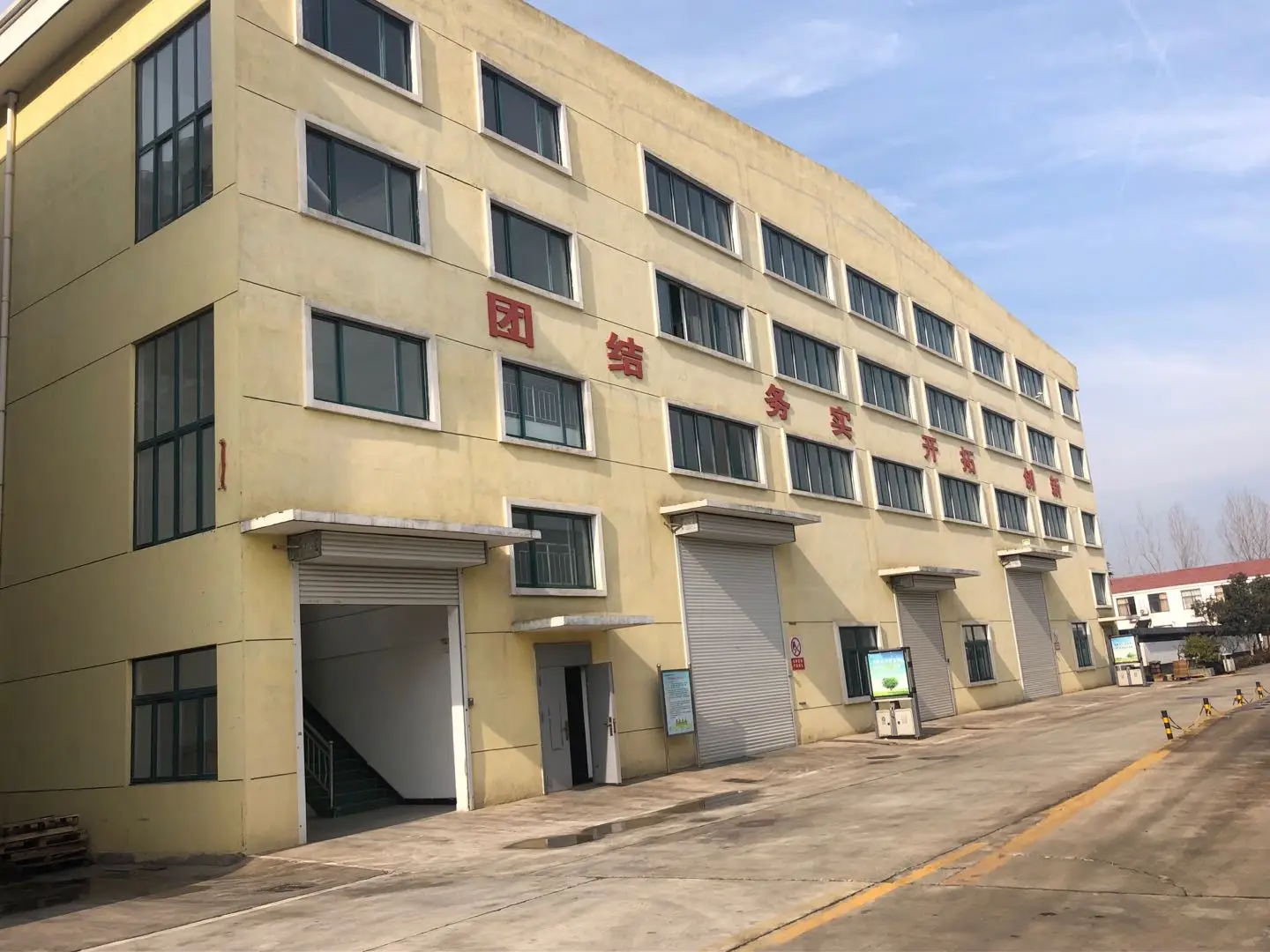
Xuzhou Iguest International Co., Ltd.
- Trading Company
- Jiangsu, China
- Lead time0 days
- Avg. response≤ 4h
Main productsglass bottle,cosmetics bottle,essential oil bottle,car bottle,pet products
Main marketsNorth America(20.00%), Eastern Europe(15.00%), Southeast Asia(15.00%), Mid East(15.00%), Northern Europe(15.00%), Oceania(10.00%), South Asia(5.00%), Domestic Market(5.00%)

Xuzhou Boklan Import & Export Trade Co., Ltd.
- Verified by TUVRHEINLAND
- Trading Company,Manufacturer/Factory
- China Jiangsu
- Lead time38 days
- Avg. response≤ 10h
Main productsGlass Jar, Glass Bottle, Liquor Glass Bottle, Lids Caps Corks, Cosmetic Jar, Essential Oil Bottle, Glass Tube, Sauce Bottle, Mason Jar, Plastic Bottle
Main marketsSouth America,Eastern Europe,Mid East,North America,Southeast Asia,Eastern Asia,Oceania,Western Europe,Africa

Wholesale 5ml 10ml Colorful Glass Stainless Roller Ball Bottle with Cap
$0.23 - $0.31
MOQ: 5000 Pieces

$0.35 - $0.45
MOQ: 5000 Pieces

High Quality Cobalt Blue 10ml Glass Roll on Bottle with Black Stainless Steel Roller Ball
$0.35 - $0.45
MOQ: 5000 Pieces

Shangyu Shengruisi Packaging Co., Ltd.
- Verified by CTI
- Combined
- China Zhejiang
- Lead time60 days
- Avg. response≤ 8h
Main productsRoll on Bottle, Roller Bottle, Airless Bottle, Perfume Bottle, Essential Oil Bottle, Cosmetic Packaging, Plastic Bottle, Make up Series, Pet Bottle, Cosmetic Jar
Main marketsSouth America,Southeast Asia/ Mideast,East Asia(Japan/ South Korea),Europe,Australia,North America

Xuzhou Xulang Glass Manufacturing Company., Ltd
- Verified by BV
- Trading Company,Manufacturer/Factory
- China Jiangsu
- Lead time30 days
- Avg. response≤ 3h
Main productsGlass Bottle, Glass Jar, Spice Grinder, Cup, Milk Bottle
Main marketsSouth America,Eastern Europe,Mid East,North America,Southeast Asia,Eastern Asia,Oceania,Western Europe,Africa

$0.18 - $0.35
MOQ: 5000 Pieces


Zibo Chuangxinzhe International Trade Co., Ltd
- Verified by TUVRHEINLAND
- Trading Company
- China Shandong
- Lead time15 days
- Avg. response≤ 3h
Main productsGlass Bottle, Glass Jar, Bottle, Glass Storage Jar, Glass Tube, Mason Jar, Food Jar, Dropper Bottle, Empty Candle Jars, Perfume Bottle
Main marketsSouth America

3ml/6ml Color Roller Ball Bottles 10ml/12ml Glass Octagonal Bottles/Cosmetics Travel Bottles
$0.02 - $0.39
MOQ: 10000 Pieces

$0.03 - $0.34
MOQ: 100000 Pieces

Xuzhou Huajing Glass Products Co., Ltd.
- Verified by BV
- Combined
- China Jiangsu
- Lead time23 days
- Avg. response≤ 13h
Main productsGlass Bottle, Glass Jar, Water Bottle, Perfume Bottle, Mason Jars, Candle Jar, Plastic Bottles, Lids Bottle Caps Closures, Wine Bottle, Juice Bottle
Main marketsSouth America,Africa,Southeast Asia/ Mideast,East Asia(Japan/ South Korea),Domestic,Europe,Australia,North America

5ml 10ml 15ml 20ml 30ml 50ml Black Glass Roll on Bottle Black Glass Roller Ball Oil Bottle
$0.16 - $0.35
MOQ: 10000 Pieces


Lianyungang China-Mex Trade Co., Ltd.
- Verified by TUVRHEINLAND
- Manufacturer/Factory
- China Jiangsu
- Lead time38 days
- Avg. response≤ 4h
Main productsGlass Bottle, Glass Jar, Glass Cap
Main marketsSouth America,Eastern Europe,Mid East,North America,Southeast Asia,Eastern Asia,Oceania,Western Europe,Africa

30ml 50ml Transparent Frosted Glass Essential Oil Bottle with Roller Ball
$0.15 - $0.35
MOQ: 5000 Pieces


10ml Round Square Thickened Glass Essential Oil Bottle with Roller Ball
$0.20 - $0.25
MOQ: 5000 Pieces


5ml 10ml Frosted Glass Essential Oil Bottle Mini Empty Bottle with Roller Ball
$0.10 - $0.25
MOQ: 5000 Pieces


Xuzhou Sheenland Glass Products Co., Ltd.
- Verified by CTI
- Trading Company
- China Jiangsu
- Lead time45 days
- Avg. response≤ 5h
Main productsGlass Bottle, Glass Jar, Glass Container
Main marketsSouth America,Africa,Southeast Asia/ Mideast,East Asia(Japan/ South Korea),Domestic,Europe,Australia,North America


Wholesale 12ml High-End Glass Rollerball Essence Bottle Portable Individual Packaging
$0.50 - $0.69
MOQ: 500 Pieces

Luxury High-Durability Glass Roller Bottle with Natural Bamboo Cap Refillable for Skincare Oils
$0.12 - $0.25
MOQ: 1000 Pieces
Shandong Jingyuan Glass Co., Ltd.
- Verified by SGS
- Trading Company
- China Shandong
- Lead time30 days
- Avg. response≤ 7h
Main productsGlass Bottle, Glass Jar, Glass Perfume Bottle, Glass Wine Bottle, Glass Beverage Bottles, Glass Dropper Bottle
Main marketsDomestic,Europe

Wuxi Sunmart Science and Technology Co., Ltd.
- Verified by BV
- Combined
- China Jiangsu
- Lead time15 days
- Avg. response≤ 3h
Main productsFoam Pump, Fine Mist Spray Pump, Lotion Pump, Pen Atomizers, Cream Spray Pump, Perfume Atomizers, Foam(Soap) Pump Trigger Spray Pump, Regular Spray Pumps Nasal Sprayers Oral, Droppers and Glass Pipettes, Plastic Caps
Main marketsDomestic,Europe,Australia,North America




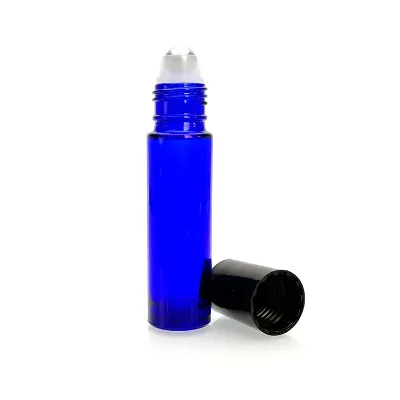


Comprehensive Sourcing Guide
Eco-Friendly Glass Roller Ball Bottle Supplier Concentration and Factory Types
Current data indicates a concentration of manufacturing activity in China, specifically within the Shandong and Hebei provinces. Suppliers in these regions list core capabilities including glass ampoules, vials, syringes, and neutral borosilicate glass tubing alongside finished roller bottles. The supplier base comprises a mix of trading companies, manufacturers, and group corporations, offering varying degrees of direct factory access. Some entities explicitly state OEM and ODM capacities, suggesting they can handle custom molds and branding requirements for eco-friendly glass products. This diversity allows buyers to select between pure manufacturing partners or trading firms that aggregate supply chains.
When evaluating factory types, buyers should distinguish between entities that produce the glass tubing and those that focus solely on assembly and finishing. The presence of ISO 9001 certification among some suppliers suggests established quality management systems, while others may rely on third-party verification like BV or TÜV Rheinland. It is critical to verify if the supplier's primary output includes the specific glass roller ball bottles required, as some may list them as secondary products. Understanding the company type helps in predicting communication flow and production control, with manufacturers often offering more direct oversight on material sourcing and environmental compliance than trading companies.
How to Verify Eco-Friendly Glass Roller Ball Bottle Suppliers
Verification processes should prioritize checking for recognized third-party audits and system certifications rather than relying solely on self-declared claims. Available data shows suppliers holding ISO 9001 system certification, while others display verification badges from BV or TÜV Rheinland. These credentials provide a baseline for assessing operational stability and quality control adherence. Buyers must confirm that these certifications are current and specifically cover the production lines for glass packaging. Relying on a single badge is insufficient; cross-referencing the supplier's profile for multiple verification layers ensures a more robust assessment of their reliability and ethical manufacturing standards.
Beyond certifications, response times and verification status offer immediate indicators of supplier engagement and legitimacy. Some suppliers demonstrate rapid response capabilities with metrics around 1.62, while others may take longer, such as 5.22 units of time. A faster response often correlates with better communication channels and more active account management. Buyers should also scrutinize the "is_verified" status to ensure the platform has conducted a physical or document-based check. For eco-friendly claims, requesting specific documentation on glass sourcing and recycling practices is essential, as general verification does not automatically confirm environmental sustainability claims without explicit evidence in the product attributes.
What to Compare Across Eco-Friendly Glass Roller Ball Bottle Suppliers
Comparative analysis must focus on quantifiable metrics such as lead times, minimum order quantities, and pricing structures to determine the best fit for specific project needs. Lead times vary significantly, with some suppliers listing zero days while others indicate 23 days or specific ranges like 7-15 days. Minimum order quantities also differ, ranging from 5,000 units to 10,000 units, which directly impacts inventory planning and cash flow. Pricing data shows a wide spectrum, with some items listed at 0.02 per unit and others reaching 0.23 per unit. Buyers should create a matrix to weigh these factors against their volume requirements and urgency, ensuring the selected supplier aligns with their budget and timeline constraints.
Product attributes and customization options provide another critical layer for comparison. Key differentiators include material specifications, sealing types, and decoration options like frosted or gradient finishes. Some suppliers offer free samples, which is a valuable asset for quality testing before committing to large orders. Customization availability for logos and printing is standard, but the specific capabilities regarding eco-friendly materials or sustainable packaging should be verified. Buyers should also compare shipping methods, noting that options like air or sea freight affect both cost and delivery speed. A detailed side-by-side review of these attributes ensures the final selection meets both functional and sustainability goals without compromising on quality or delivery schedules.
Common Eco-Friendly Glass Roller Ball Bottle Sourcing Risks
One significant risk involves the discrepancy between claimed eco-friendly attributes and actual material composition or manufacturing processes. While many suppliers list glass as the primary material, the sustainability of the entire product lifecycle depends on energy usage in melting and the recyclability of components like plastic roller balls or caps. Buyers must verify if the "eco-friendly" label refers to the glass itself or the entire assembly, including the metal or plastic parts. Without explicit evidence of sustainable sourcing or carbon footprint data, these claims remain unverified. Relying on general product descriptions without demanding specific environmental certifications can lead to receiving products that do not meet the buyer's sustainability standards.
Another risk lies in the variability of lead times and the potential for production delays. Data shows lead times ranging from immediate availability to 23 days, with some suppliers indicating delivery windows of 7-15 days. Inconsistent lead times can disrupt supply chains, especially for time-sensitive cosmetic or pharmaceutical launches. Additionally, the minimum order quantities of 5,000 to 10,000 units may pose a financial risk for smaller buyers or those testing new markets. If a supplier fails to meet the agreed-upon delivery date, the buyer may face stockouts or increased storage costs. Mitigating these risks requires clear contractual terms regarding penalties for delays and a thorough understanding of the supplier's current production capacity and order backlog.
Eco-Friendly Glass Roller Ball Bottle Regional Sourcing and Logistics
Regional sourcing in China, particularly in Shandong and Hebei, offers access to established glass manufacturing clusters with specialized expertise in packaging. These regions benefit from a dense network of raw material suppliers and logistics infrastructure, which can streamline the production and shipping process. However, buyers must account for the distance and associated freight costs when calculating the total landed cost of the products. Shipping options typically include air and sea freight, with sea freight being more cost-effective for large volumes but slower in transit. Understanding the specific logistics capabilities of the supplier in these regions is crucial for planning inventory replenishment and managing delivery timelines effectively.
Logistics planning should also consider the packaging standards used by suppliers to protect glass items during transit. Data indicates that products are often packed in cartons or on pallets, which helps prevent breakage. However, the specific packing methods can vary, and buyers should confirm that the packaging is robust enough to withstand international shipping conditions. For eco-friendly initiatives, the sustainability of the packaging materials themselves, such as the use of recycled cardboard or reduced plastic, should be evaluated. Buyers should also verify if the supplier offers consolidated shipping options to reduce carbon emissions and costs. A detailed logistics strategy ensures that the environmental benefits of the product are not negated by inefficient or wasteful shipping practices.
Eco-Friendly Glass Roller Ball Bottle Commercial Terms and Order Planning
Commercial terms and payment structures play a vital role in securing a successful partnership with glass bottle suppliers. Available data suggests that payment terms like TT (Telegraphic Transfer) are common, but buyers should negotiate terms that align with their cash flow and risk tolerance. Escrow services or other secure payment methods can provide an additional layer of protection, ensuring funds are only released upon satisfactory delivery. It is essential to clarify all costs upfront, including unit prices, tooling fees for custom molds, and shipping charges. Ambiguities in commercial terms can lead to unexpected expenses and disputes, so a clear, written agreement is necessary to define the financial obligations of both parties.
Order planning must account for the minimum order quantities and production lead times to avoid stockouts or overstocking. With MOQs ranging from 5,000 to 10,000 units, buyers need to forecast demand accurately to justify the investment. For new product launches, starting with a smaller trial order or negotiating a lower MOQ for the first batch can be a strategic approach. Additionally, planning for lead times of up to 23 days or specific delivery windows of 7-15 days is critical for maintaining inventory levels. Buyers should also consider the customization process, as adding logos or specific designs may extend the production timeline. A well-structured order plan ensures a smooth transition from sourcing to market launch while managing financial and operational risks effectively.
FAQs
Where are these glass roller ball bottles manufactured?
Manufacturers are located in China, specifically in Shandong and Hebei provinces. These regions host both trading companies and factories capable of producing neutral borosilicate glass tubing and various bottle types for cosmetics and medicine.
What is the minimum order quantity for glass roller bottles?
Minimum order quantities vary by supplier and product model. Some listings require 5,000 units, while others set the threshold at 10,000 units. Buyers should verify specific MOQs for their chosen capacity and customization needs before placing orders.
How long does it take to receive these glass bottles?
Lead times differ significantly among suppliers. Some manufacturers report a standard lead time of 23 days, while others indicate a faster delivery window of 7 to 15 days. Shipping methods include air or sea freight depending on urgency.
Are these glass bottles certified for safety and quality?
Many suppliers hold ISO 9001 system certifications to ensure quality management standards. Some products also carry ISO and FDA certifications, confirming compliance with safety regulations for use in cosmetics, medicine, and personal care products.
Can I get custom logos printed on these glass bottles?
Customization is available for most glass roller ball bottles. Suppliers offer customized logo printing and various sealing types like screw caps or roller balls. Buyers can request specific designs for their branding needs on clear or amber glass.
What is the price range for empty glass roller bottles?
Prices for empty glass roller bottles range from 0.02 to 0.23 per unit depending on capacity and features. Specific models like 10ml bottles may cost around 0.15, while larger or specialized gradient bottles can reach higher price points.
Do suppliers offer free samples for testing these bottles?
Several suppliers indicate that free samples are available for potential buyers to test quality and fit. This allows verification of materials like glass and plastic roller balls before committing to larger orders for essential oil or cosmetic packaging.