eco-friendly gold decoration serving dishes Suppliers and Manufacturers
Find 34 verified suppliers offering eco-friendly gold decoration serving dishes with customizable options and specific material standards. Compare response times, lead times, and certifications to select the right partner for your needs; review the available evidence before requesting comparable quotations from suitable candidates.
Updated
Suppliers List

Nan'an Brightpath International E-Commerce Co., Ltd.
- Verified by CTI
- Trading Company
- China Fujian
- Lead time0 days
- Avg. response≤ 4h
Main productsPromotion Gift, Stationery, Gift Set, Packaging Bag & Box, Keychain, Promotion Drinkware, Shoulder Bag, Backpack

Elegant Gold Marble Restaurant Dinnerware Irregular Shape Plates Wedding Hotel Serving Dishes
$0.50 - $1.20
MOQ: 20 Pieces

High-End Gold Marble Wedding Dinnerware Pasta Round Deep Plate Restaurant Serving Dishes
$1.30 - $2.85
MOQ: 20 Pieces

TAIAN TOPPOUND INTERNATIONAL TRADING CO., LTD.
- Verified by TUVRHEINLAND
- Combined
- China Shandong
- Lead time45 days
- Avg. response≤ 4h
Main productsChair, Side Table, Flower Planter Stand, Home Decoration, Candle Holders and Lantern, Shelves, Mirror, Planter Pot, Christmas Decoration, Natural Baskets and Storage
Main marketsSouth America,Europe,North America
Chaozhou Chaoan District Fenghui Stainless Steel Industry Co., Ltd.
- Manufacturer, Trading Company
- Guangdong, China
- Lead time0 days
- Avg. response≤ 13h
Main productsStainless Steel Kitchenware,Stainless Steel Dinnerware
Main marketsDomestic Market(76.00%), Southeast Asia(16.00%), Eastern Asia(4.00%), Mid East(2.00%), Africa(2.00%)
Chaozhou Chaoan Yunfan Stainless Steel Product Co., Ltd.
- Trading Company
- Guangdong, China
- Lead time30 days
- Avg. response≤ 4h
Main productsStainless Steel Cookware Sets, Stainless Steel Stock Pot, Stainless Steel Lunch Box, Stainless Steel Chafing Dishes, Stainless Steel Tray
Main marketsMid East(36.00%), Eastern Asia(20.00%), Southeast Asia(20.00%), North America(15.00%), Africa(5.00%), South America(4.00%)
Chaozhou Chaoan District Anbu Town Yale Stainless Steel Products Factory
- Manufacturer, Trading Company
- Guangdong, China
- Lead time7 days
- Avg. response≤ 4h
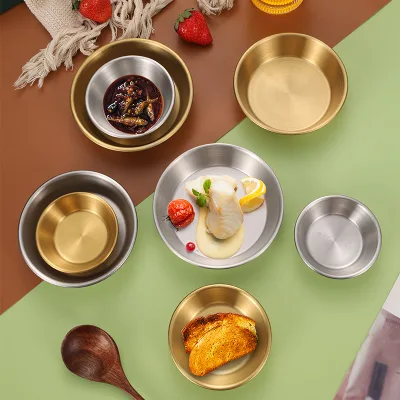
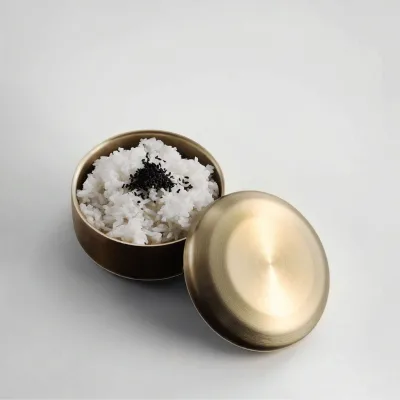
Main productsStainless steel cup,stainless steel plate,stainless steel bowl,stainless steel plate,Korean tableware
Main marketsAfrica(50.00%), South Asia(30.00%), Mid East(20.00%)
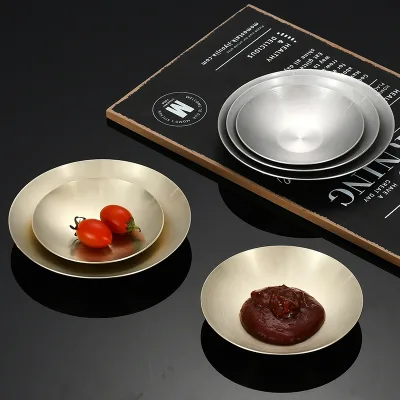
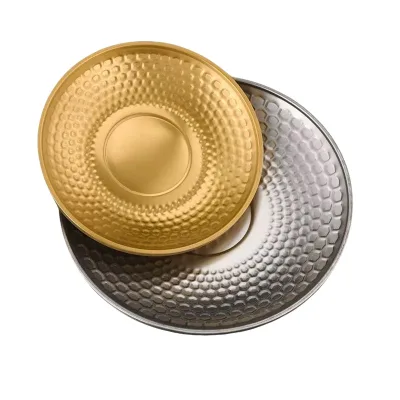
$1.4356 - $3.241
MOQ: 20 Minimum
Guangdong Qunfa Ceramics Co., Ltd.
- Manufacturer, Trading Company
- Guangdong Province, China
- Lead time55 days
- Avg. response≤ 2h
Main productsMug,Pet Bowls,Bakeware,Tableware,Flower Pot
Main marketsSouth America(42.50%), North America(42.50%), Southeast Asia(5.00%), Central America(5.00%), Northern Europe(2.50%), Eastern Europe(2.50%)

Henan Qingchengzhilian Wedding Props Co., Ltd.
- Verified by BV
- Trading Company
- China Henan
- Lead time15 days
- Avg. response≤ 21h
Main productsWedding Arch
Main marketsDomestic

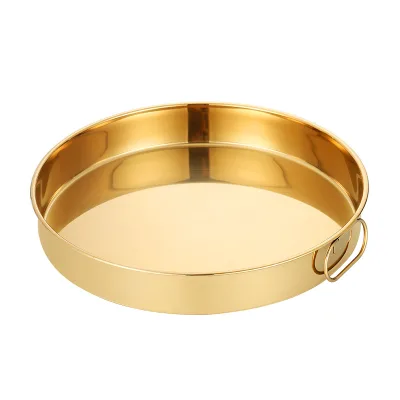
Golden Plates Are Used to Hold Food, Party, and Large Metal Trays for Decoration
$20.00
MOQ: 50 Pieces


Uniflow International Trade Co., Ltd.
- Verified by SGS
- Trading Company
- China Guangdong
- Lead time15 days
- Avg. response≤ 2h
Main productsDisposable Tableware, Disposable Plate, Lunch Box, Disposable Cup, Sustainable Disposable Tableware, Sugarcane Fiber Tableware, Compostable Sugarcane Dinnerware, Renewable Resource Kitchenware, Eco-Friendly Plant-Based Cutlery, Disposable Pizza Pan
Main marketsSoutheast Asia/ Mideast

Chaozhou Chao'an Yusheng Hardware Products Co., Ltd
- Verified by SGS
- Manufacturer
- China Guangdong
- Lead time15 days
- Avg. response≤ 5h
Main productsStainless Steel Gn Pan, Stainless Steel Buffet Dish, Stainless Steel Chafing Dish, Stainless Steel Juice Dispenser, Stainless Steel Milk Can, Stainlese Steel Barral, PC Gn Pan, Stainless Steel Deep Tray, Stainless Steel Soup Kettle, Stainless Steel Food Warmer
Main marketsDomestic


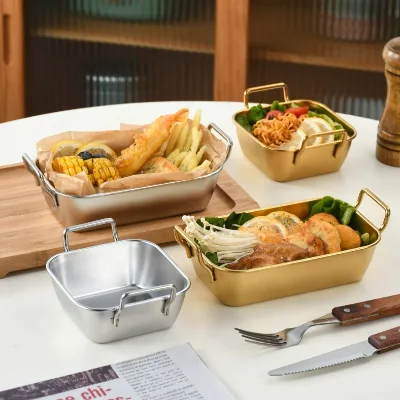
Good Quality Stainless Steel Square Bracket Gold Plated Hydraulic Chafing Dishes Catering Dish
$55.50 - $61.50
MOQ: 20 Pieces
LINYI GUANGFA PORCELAIN CO., LTD.
- Verified by TüVRheinland
- Manufacturer, Trading Company
- Lead time30 days
- Avg. response≤ 3h
Main productsCeramic Tableware
Main marketsDomestic Market(58%), South Asia(10%), Southeast Asia(8%)
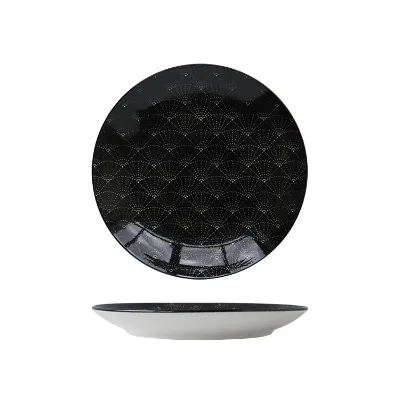
Serving Dishes Plates Black Plates Sets Dinnerware Wholesale Black and Gold Porcelain Plates
$0.25 - $0.30
MOQ: 3000 pieces
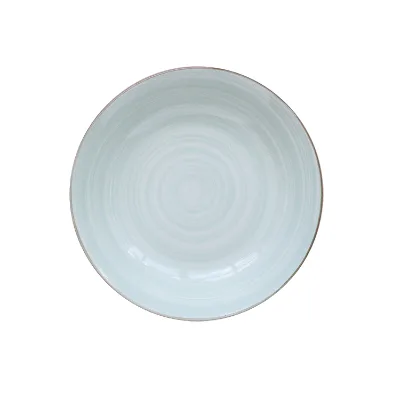
Dishes & Plates Sleek Light Green Ceramic Plate with Gentle Spiral Pattern and Thin Gold Edge
$0.25 - $0.30
MOQ: 3000 pieces

Jinjiang Jiaxing Import and Export Co., Ltd.
- Verified by CTI
- Manufacturer/Factory
- China Fujian
- Lead time120 days
- Avg. response≤ 1h
Main productsShoes, Slipper, Clothes, Promotion Gifts, Silicone Products, Outdoor Sports Products, Bags, Fashion Accessories, Consumer Electronics
Main marketsSouth America,Eastern Europe,Mid East,North America,Southeast Asia,Eastern Asia,Oceania,Western Europe,Africa
Chaozhou City Chaoan Dist. Caitang Town Xinyuan Stainless Steel Factory
- Verified by Intertek
- Manufacturer, Trading Company
- Lead time30 days
- Avg. response≤ 4h
Main productsCooking Pot Set, Kitchen Ware, Cookware Set, Cooking Pot, Steamer Pot
Main marketsDomestic Market(25%), Western Europe(15%), South America(14%)
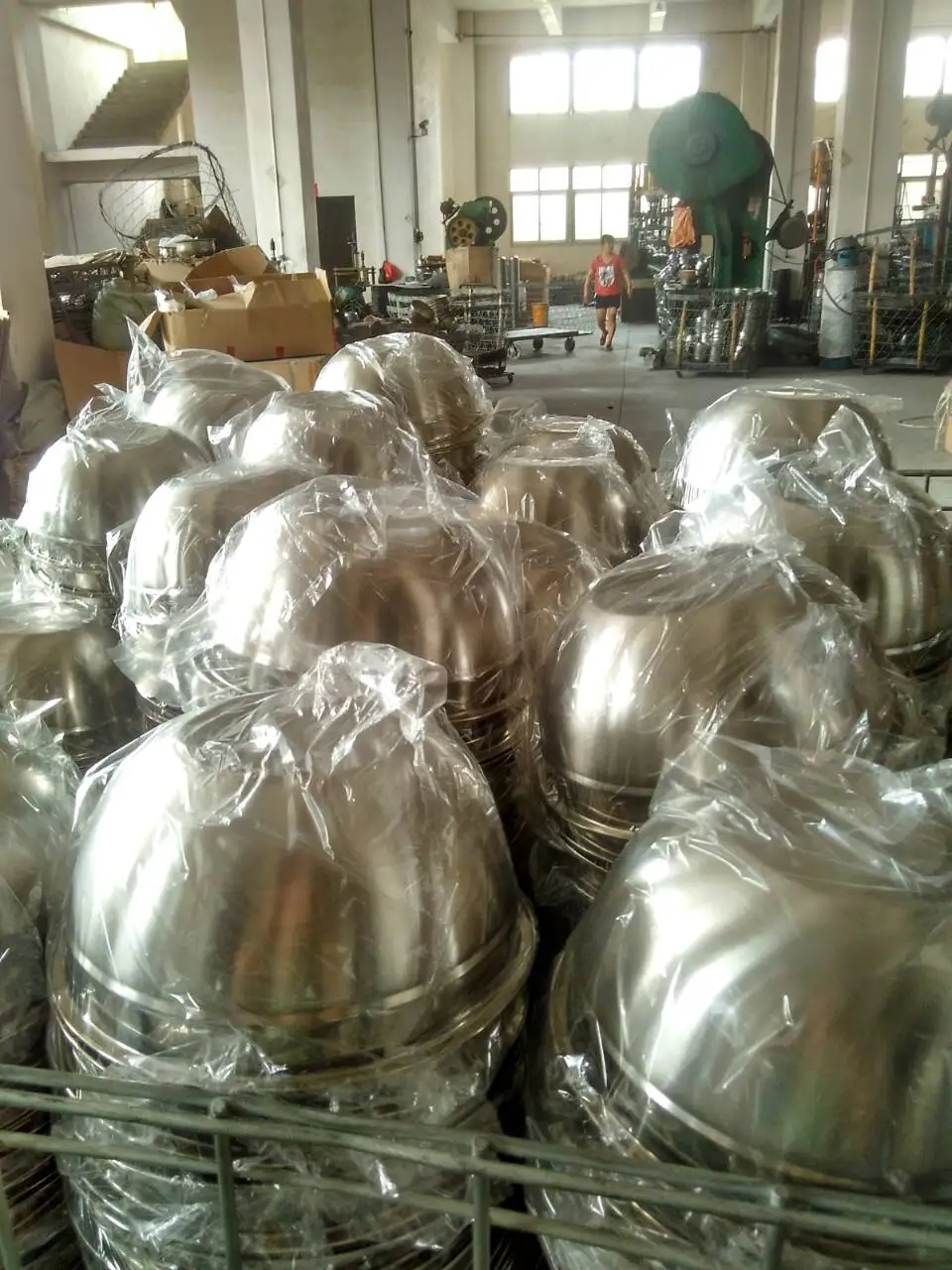
Chaozhou Chaoan Caitang Happy Cooking Hardware Factory
- Manufacturer, Trading Company
- Guangdong Province, China
- Lead time45 days
- Avg. response≤ 5h
Main productsCookware Set,Lunch Box,Kettle,Hotel Supplies,Bowl
Main marketsDomestic Market(100.00%), South Asia(100.00%), Eastern Europe(100.00%), Southern Europe(100.00%), Northern Europe(100.00%), Central America(100.00%), Eastern Asia(100.00%), Mid East(100.00%), Oceania(100.00%), Western Europe(30.00%), Southeast Asia(20.00%), North America(20.00%), South America(20.00%), Africa(10.00%)

- Verified by TUVRHEINLAND
- Trading Company,Manufacturer/Factory
- China Guangdong
- Lead time45 days
- Avg. response≤ 5h
Main productsStainless Steel Cookware, Stainless Steel Untensil, Stainless Steel Kitchenware, Stainless Steel Colander Bowl, Stainless Steel G. N Pan, Stainless Steel Pressure Cooker, Stainless Steel Buckets, Stainless Steel Dishes Rack, Stainless Steel Chafing Dishes, Stainless Steel Fittings
Main marketsSouth America,Eastern Europe,Mid East,North America,Southeast Asia,Eastern Asia,Oceania,Western Europe,Africa


Kitchenware, Stainless Steel Golden Plates and Dishes Competitve Price Plate Metal Dishes
$1.00 - $5.00
MOQ: 2000 Pieces


CHAOZHOU DIWELL STAINLESS STEEL KITCHENWARE CO., LTD.
- Verified by TUVRHEINLAND
- Trading Company,Manufacturer/Factory
- China Guangdong
- Lead time23 days
- Avg. response≤ 4h
Main productsChafing Dish, Gn Pan, Food Warmer, Tray, Mixing Bowl, Coffee Warmer, Juice Dispenser
Main marketsSouth America,Eastern Europe,Mid East,North America,Southeast Asia,Eastern Asia,Western Europe,Africa

Hotel Ware Gold Light Luxury Mirror Polished Dishes Set Metal Serving Trays with Lid
$8.73 - $16.40
MOQ: 20 Pieces


Hotel Restaurant Supplies Full Series Stainless Steel Serving Dishes with Lid
$5.52 - $16.50
MOQ: 50 Pieces
Chaozhou Chaoan Caitang Guangcheng Stainless Steel Product Factory
- Verified by SGS Group
- Manufacturer, Trading Company
- Lead time20 days
- Avg. response≤ 5h
Main productsSteam Pot, Storage Boxes & Bins; Food Container, Kettle, Soup Pot, Food Container
Main marketsEastern Asia(30%), Southeast Asia(15%), North America(10%)
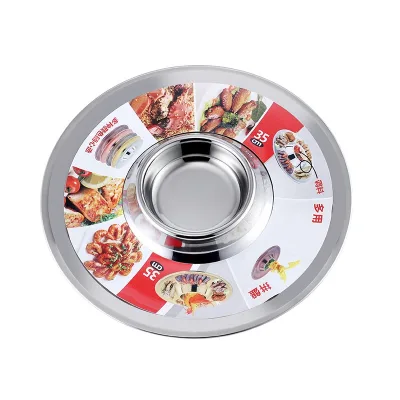
$2.4925 - $4.1422
MOQ: 20 pieces
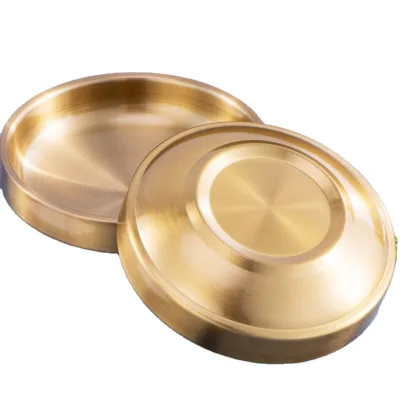
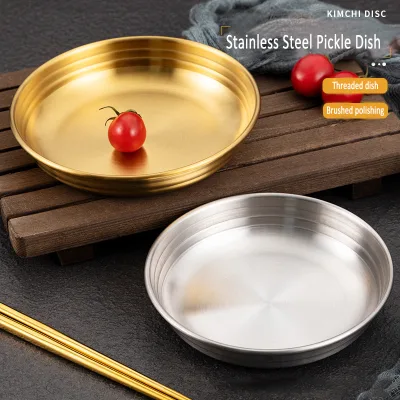
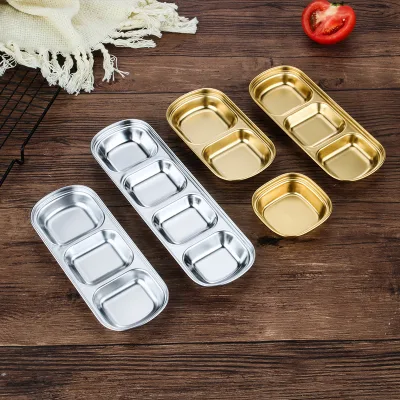
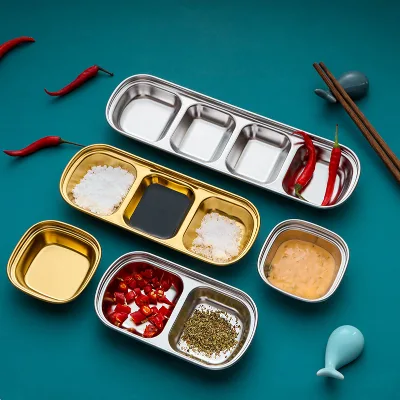
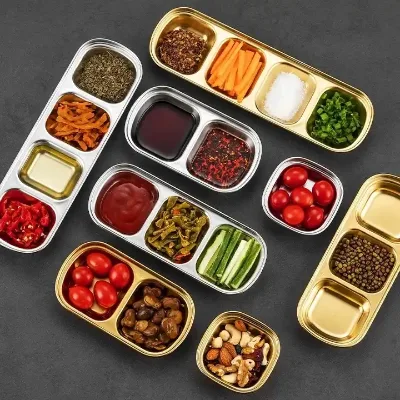
High Quality Serving Stainless Dish Soy Sauce Stainless Steel Soup Korean Double Layer Dish
$0.768 - $1.4506
MOQ: 100 pieces

Dongguan ShunTa Melamine Products Co., Ltd.
- Verified by CTI
- Combined
- China Guangdong
- Lead time15 days
- Avg. response≤ 8h
Main productsMelamine, Table Ware, Tableware, Household, Kitchen Ware, Pets Accessories, Chopsticks, Ashtray, Cushions, Bowls
Main marketsSoutheast Asia/ Mideast,East Asia(Japan/ South Korea),Domestic,Europe,Australia,North America

201 Stainless Steel Gold Color Plate Dish Korean Bulgogi Meat Pork Beef Restaurant Serving Dishes
$0.55 - $0.68
MOQ: 300 Pieces

Melamine 6/7/9/10 Inch Round White Plate Platter Dessert Salad Unbreakable Serving Dishes
$2.42 - $2.77
MOQ: 500 Pieces
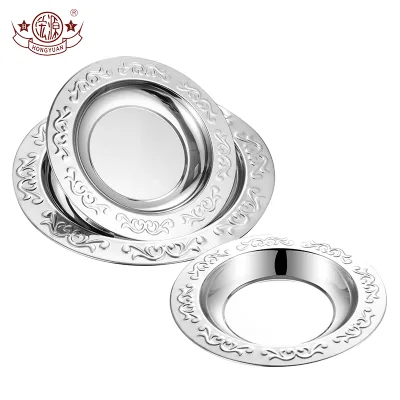
Chaozhou City Chaoan District Caitang Town Hongyuan Hardware Products Factory
- Verified by SGS Group
- Manufacturer, Trading Company
- Guangdong, China
- Lead time6 days
- Avg. response≤ 3h
Main productsStainless Steel Plate, Stainless Steel Basin, Stainless Steel Pot, Stainless Steel Square Plate, Stainless Steel Bowl
Main marketsNorth America(25%), Southeast Asia(20%), Western Europe(20%)

Zensun Stainless Steel Products Co. , Ltd.
- Verified by SGS
- Trading Company
- China Guangdong
- Lead time30 days
- Avg. response≤ 12h
Main productsGn Pan, Chafing Dish, Food Tray, Stock Pot, Kettle, Cutlery, Kitchenware, Cookware, Restraurant and Hotel Supplies, Milk Pot
Main marketsDomestic

Guangzhou Garbo International Trading Co., Ltd.
- Verified by TUVRHEINLAND
- Trading Company,Manufacturer/Factory
- China Guangdong
- Lead time45 days
- Avg. response≤ 6h
Main productsGlassware, Glass Cup, Glass Mug, Glass Bowl, Glass Candy Jar, Glass Pitcher, Glass Ice Cream Cup and Ice Bucket, Opal Glassware, Stainless Steel Cutlery, Ceramic Dinnerware
Main marketsSouth America,Eastern Europe,Mid East,North America,Southeast Asia,Eastern Asia,Oceania,Western Europe,Africa
Shandong Boao Package Co., Ltd.
- Verified by TüVRheinland
- Manufacturer, Trading Company
- Lead time15 days
- Avg. response≤ 6h
Main productsCake Board, Cake Box, Sandwich Box, Paper Plate, Cake Drum
Main marketsNorth America(30%), Oceania(20%), Western Europe(15%)
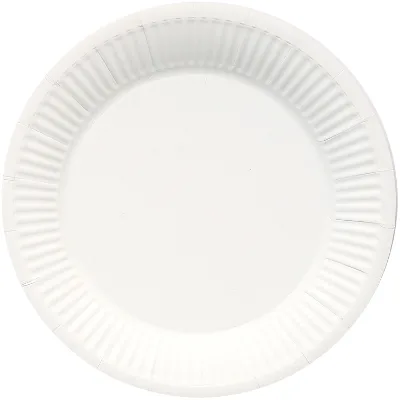
Factory Direct Eco-friendly Paper Plate dish for decorations Dinnerware Set
$0.01 - $0.02
MOQ: 8000 pieces
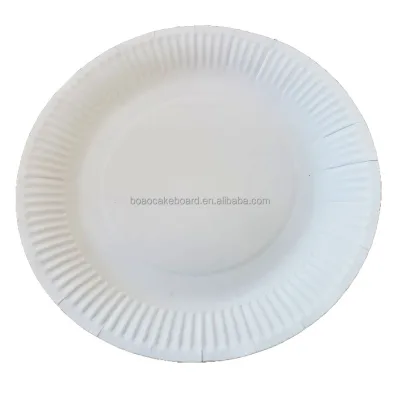
$0.02 - $0.03
MOQ: 5000 pieces
Chaozhou Chaoan Caitang Xingsheng Hardware Accessories Factory
- Manufacturer, Trading Company
- Guangdong, China
- Lead time20 days
- Avg. response≤ 2h
Main productsStock pot,Lunch box,Tea pot,Casserole,cookware set
Main marketsEastern Asia(30.00%), Mid East(30.00%), Eastern Europe(30.00%), North America(30.00%)
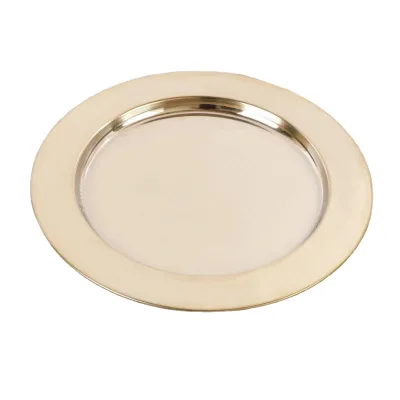
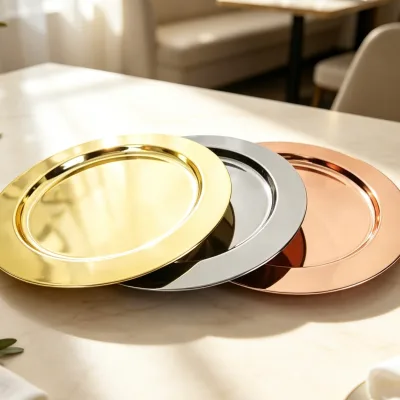
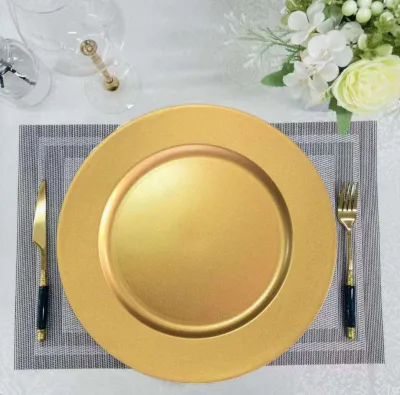
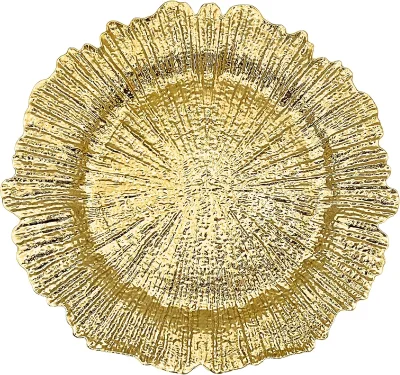
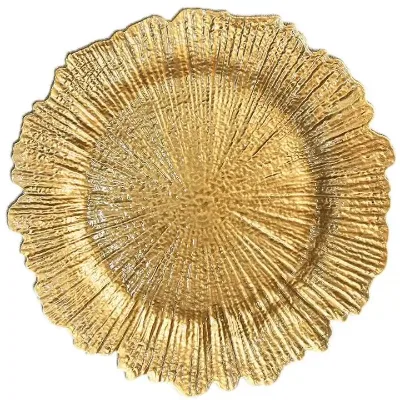
13 Inch Gold Charger Plates Round Hard Plastic Gold Under Plates for Wedding Decoration
$0.75 - $1.09
MOQ: 36 sets
Guangzhou Chenfan International Trade Co., Ltd.
- Verified by SGS Group
- Manufacturer, Trading Company
- Lead time21 days
- Avg. response≤ 2h
Main productsStainless Steel Cup, Stainless Steel Bowl, Stainless Steel Plate, Stainless Steel Cutlery, Stainless Steel Dish
Main marketsNorth America(25%), Southeast Asia(25%), Eastern Europe(10%)

Danyang Liou Kitchenware Co., Ltd.
- Verified by CTI
- Combined
- China Jiangsu
- Lead time23 days
- Avg. response≤ 7h
Main productsCutlery, Flatware, Charger Plate, Wine Glass, Bone China Plate, Glass Plate
Main marketsDomestic,North America


High Quality Round Bone China Plate Restaurant Ceramic Dishes for Wedding
$15.25 - $22.75
MOQ: 200 pieces
Fujian Crony Electronics Co., Ltd.
- Verified by Intertek
- Manufacturer, Trading Company
- Lead time45 days
- Avg. response≤ 2h
Main productsMelamine Plate, Melamine Bowl, Melamine Dinnerware Set, Service Tray, Plastic Plate
Main marketsNorth America(35%), Northern Europe(20%), Southeast Asia(13%)
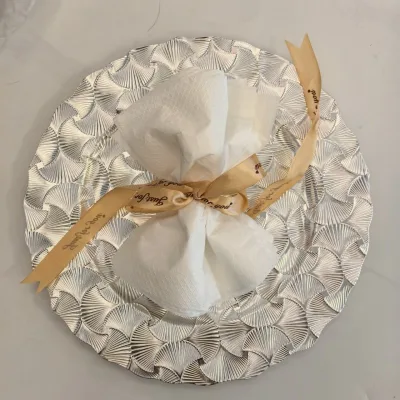
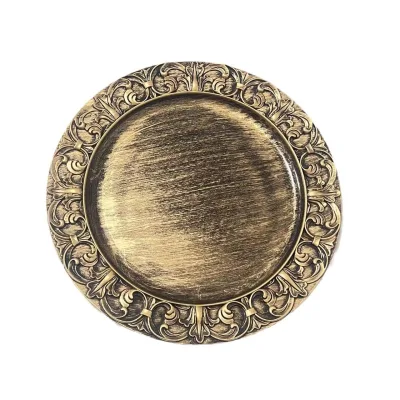
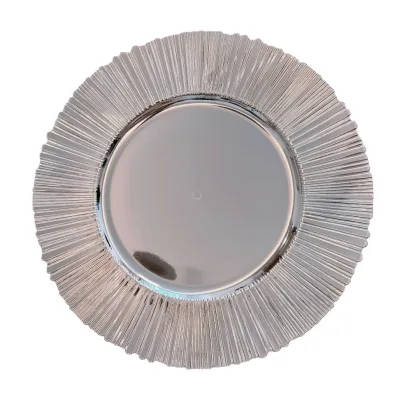
$0.9147 - $1.1946
MOQ: 100 pieces

Jiangmen Xinxin Houseware Co., Ltd.
- Verified by BV
- Trading Company,Manufacturer/Factory
- China Guangdong
- Lead time30 days
- Avg. response≤ 5h
Main productsLunch Box, Coffeeware, Kitchenware, Chafing Dishes, Gn Pan, Juice Dispenser, Trolley, Stock Pot, Bar Sets, Storages Box
Main marketsEastern Europe,Mid East,North America,Southeast Asia,Eastern Asia,Oceania,Western Europe

$35.00 - $45.00
MOQ: 1 pieces


Eagle Catering Equipment Co., Ltd.
- Manufacturer/Factory
- China Guangdong
- Lead time30 days
- Avg. response≤ 10h
Main productsTrolleys, Gastronorm Containers, Table, Shelves, Sink, Barrier Post, Cookware, Buffetware, Barware, Kitchen Utensils
Main marketsSouth America,Eastern Europe,Mid East,North America,Southeast Asia,Eastern Asia,Oceania,Western Europe,Africa

Chaozhou Fengxi District Warm Home Products Ceramic Factory
- Verified by SGS
- Combined
- China Guangdong
- Lead time30 days
- Avg. response≤ 17h
Main productsCeramic Tableware
Main marketsDomestic

Contemporary Square Porcelain Dipping Bowls - Stackable White Serving Dishes for Sauces/Snacks
$1.00 - $1.25
MOQ: 100 Pieces

Contemporary Curved Sauce Dish - Hand-Friendly Thickened Ceramic DIP Bowls
$1.00 - $1.25
MOQ: 100 Pieces
Foshan Cheng Fan Technology Co., Ltd.
- Manufacturer, Trading Company, Distributor/Wholesaler
- Guangdong, China
- Lead time9 days
- Avg. response≤ 3h
Main productsTableware,Housewear & Furnishings,Kitchenware,Gifts,Stationery
Main marketsNorth America(30.00%), Central America(5.00%), South Asia(5.00%), Mid East(3.00%), Southeast Asia(2.00%)
Hangzhou Daile Enamelware Co., Ltd.
- Manufacturer, Trading Company
- Zhejiang, China
- Lead time30 days
- Avg. response≤ 5h
Main productsEnamelware
Main marketsAfrica(45.00%), Eastern Europe(30.00%), Eastern Asia(15.00%), Domestic Market(10.00%)

Shenzhen Hua Mei Industry Development Ltd.
- Verified by TUVRHEINLAND
- Trading Company
- China Guangdong
- Lead time60 days
- Avg. response≤ 3h
Main productsDinnerware, Porcelain Dinnerware, Ceramic Dinnerware, Ceramic Bowl, Ceramic Mug, Porcelain Bowl
Main marketsSoutheast Asia/ Mideast,Europe,Australia,North America


Best Selling Gold Beads China White Porcelain Dishes Sets for Restaurants
$3.69 - $3.99
MOQ: 1000 Pieces

Manufacturer Hot Sale Eco-Friendly China Porcelain Dishes Sets for Festivals
$3.69 - $3.99
MOQ: 1000 Pieces

Good Price Green Eco-Friendly China Porcelain Dishes Sets for Coffee Stores
$3.69 - $3.99
MOQ: 1000 Pieces
Chaozhou Chaoan Jinjiayu Stainless Steel Products Co.,ltd.
- Trading Company
- Guangdong, China
- Lead time90 days
- Avg. response≤ 7h
Main productscookpot,kettle,bowl,cutlery set,food container
Main marketsEastern Asia(50.00%), Domestic Market(20.00%), South America(10.00%), Central America(10.00%), Western Europe(10.00%)
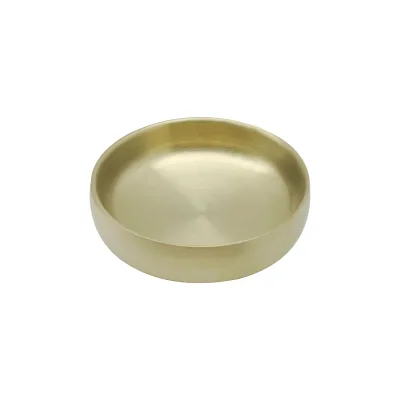
Modern Kitchen Gold Dipping Plates - Elegant Appetizer Dishes for Soy Sauce, Wasabi, Snacks
$1.0374 - $2.6931
MOQ: 1000 Minimum
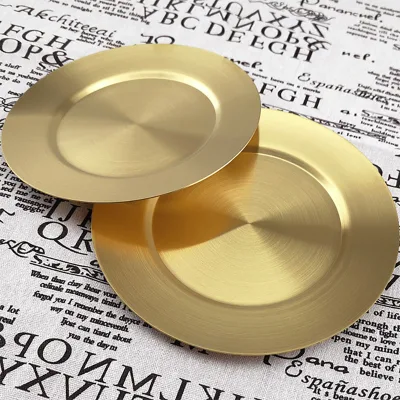
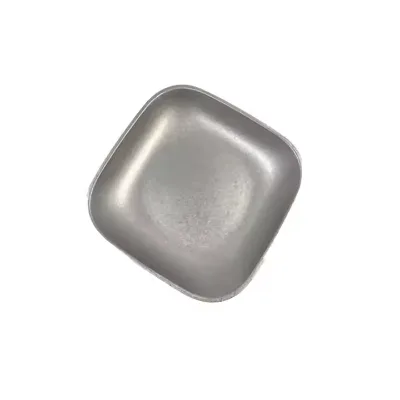
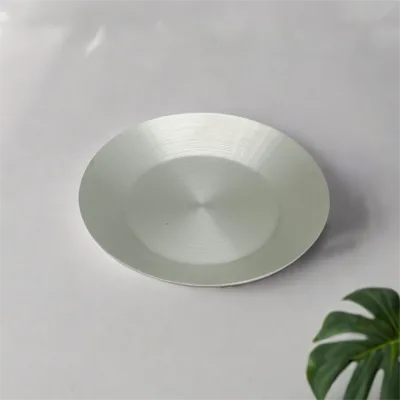
High Quality Stainless Steel Durable and Elegant Plate for Home, Restaurant & Wedding
$0.7335 - $1.5614
MOQ: 1000 Minimum
Guangzhou Lemo Technology Co., Ltd.,
- Manufacturer, Trading Company
- Guangdong, China
- Lead time0 days
- Avg. response≤ 5h
Main productsStainless steel pressure cooker, Set soup pot, Stainless steel bowl, Stainless steel hot pot, Stainless steel plate
Main marketsNorth America(25.00%), Eastern Europe(20.00%), Southeast Asia(18.00%), Western Europe(10.00%), Eastern Asia(10.00%), Central America(4.00%), South Asia(3.00%), South America(3.00%), Northern Europe(3.00%), Africa(3.00%), Oceania(1.00%)

Shanxi Midas Industrial Co., Ltd.
- Verified by TUVRHEINLAND
- Trading Company
- China Shanxi
- Lead time15 days
- Avg. response≤ 4h
Main productsWine Glass, Glass Plate, Wooden Tray, Scented Candle, Plastic Water Bottle, Stainless Steel Water Bottle, Dinnerware Set, Beer Glass
Main marketsEurope,North America












Comprehensive Sourcing Guide
Eco-Friendly Gold Decoration Serving Dishes Supplier Concentration and Factory Types
Current data indicates a concentration of suppliers in China, specifically within the Fujian and Shandong provinces, alongside facilities in Guangdong. These regions host a mix of company types, including trading companies, manufacturers, and combined entities that offer both production and trading services. For instance, some suppliers in Fujian operate primarily as trading companies, while others in Shandong present as combined entities with specific capabilities in home decoration and furniture. The Guangdong cluster features suppliers that function as both manufacturers and trading companies, often specializing in stainless steel kitchenware and dinnerware. This diversity in company structure means buyers must distinguish between pure manufacturers and intermediaries to understand the supply chain depth.
When evaluating these clusters, buyers should look for specific product evidence that aligns with their sourcing needs. In Fujian, suppliers may offer melamine-based dinnerware with eco-friendly features and customization options, whereas Shandong-based combined entities might focus on metal serving trays and decorative items. The presence of manufacturers in Guangdong suggests a potential for direct production of stainless steel serving dishes, which often carry different certification requirements compared to melamine products. Buyers should verify if the supplier's main products match the specific material and style required, such as gold marble finishes or stainless steel grids, rather than assuming all suppliers in a region offer the same range.
How to Verify Eco-Friendly Gold Decoration Serving Dishes Suppliers
Verification processes vary significantly across the supplier base, with some holding third-party certifications like CTI or TÜV Rheinland, while others may have no listed system certifications. A supplier verified by CTI provides a baseline of trust regarding their business operations, whereas those with TÜV Rheinland certification often indicate adherence to stricter safety or quality standards, particularly for products intended for food contact. Buyers must check the specific verification status listed for each supplier, as the absence of a certification label does not necessarily imply a lack of quality but requires further due diligence. It is crucial to confirm that the verification covers the specific product category, such as dinnerware or serving trays, rather than just general company registration.
Beyond verification badges, buyers should examine product attributes and material specifications to ensure the eco-friendly claims are substantiated. Evidence shows that some melamine products are explicitly labeled as eco-friendly and non-disposable, with temperature resistance ranging from -20ºC to 120ºC, which is a critical safety metric for serving dishes. For metal products, certifications like CE/EU and food-safe declarations are essential indicators of compliance with international safety standards. Buyers should request documentation or test reports that confirm the material composition, such as the use of stainless steel 304 or specific melamine formulations, to validate that the "eco-friendly" and "gold decoration" claims are accurate and safe for commercial use.
What to Compare Across Eco-Friendly Gold Decoration Serving Dishes Suppliers
Comparing suppliers requires a detailed analysis of key operational metrics, including response times, lead times, and minimum order quantities (MOQ). Response times can vary widely, with some suppliers responding within a few hours while others may take significantly longer, impacting the speed of the sourcing process. Lead times are another critical factor; while some suppliers may have zero lead time for stock items, others might require up to 45 days for production, especially for customized orders. Buyers should create a comparison matrix that lists these operational parameters alongside the specific MOQs, which can range from as low as 20 pieces for melamine plates to 500 pieces for metal serving trays, to determine which supplier aligns with their volume requirements.
Price and customization capabilities also form a vital part of the comparison framework. Product evidence indicates price ranges that differ based on material and design complexity, with melamine plates starting around $0.50 and metal trays reaching up to $8.50 per unit. Customization options, such as color, size, and branding, are available across many suppliers, but the specific terms and costs vary. Buyers should compare the available customization features, such as the ability to customize colors to bicolor schemes or the availability of specific model numbers, to ensure the final product meets their design specifications. Additionally, comparing the packing standards, such as carton or bubble plastic packaging, helps assess the logistics readiness and potential for product damage during transit.
Common Eco-Friendly Gold Decoration Serving Dishes Sourcing Risks
One significant risk involves the discrepancy between claimed eco-friendly attributes and actual material safety, particularly regarding temperature resistance and food safety. While some melamine products are marketed as eco-friendly, they must withstand specific temperature ranges, such as -20ºC to 120ºC, to be safe for serving hot or cold foods. If a supplier fails to provide clear evidence of these temperature limits or food-safe certifications, the product could pose health risks or fail under real-world usage conditions. Buyers should be wary of suppliers who do not explicitly state the material type or fail to provide test results for food contact safety, as this can lead to product recalls or customer dissatisfaction.
Another risk lies in the variability of lead times and the potential for delays in customized orders. Suppliers with longer lead times, such as 45 days, may struggle to meet urgent deadlines, especially if the order involves complex customization like specific gold finishes or unique shapes. Furthermore, the lack of standardized certifications across different suppliers can lead to compliance issues in target markets. For instance, a supplier in Shandong might offer CE/EU certified metal trays, while a supplier in Fujian might not list any system certifications for their melamine dishes. Buyers must verify that the supplier's certifications match the regulatory requirements of their destination market to avoid customs delays or legal complications.
Eco-Friendly Gold Decoration Serving Dishes Regional Sourcing and Logistics
Regional sourcing strategies should account for the specific logistics advantages offered by different Chinese provinces. Suppliers in Fujian and Guangdong often benefit from proximity to major ports, which can streamline the export process for smaller, high-volume orders like melamine dinnerware. In contrast, suppliers in Shandong, particularly those in Qingdao, may offer distinct logistical benefits for metal products, with FOB terms explicitly listed as Qingdao. This regional specificity allows buyers to optimize shipping costs and transit times by selecting suppliers based on their port of origin and the nature of the product being shipped. Understanding these regional nuances helps in planning the supply chain more effectively.
Logistics planning must also consider the packaging standards provided by each supplier to ensure product integrity during transit. Evidence shows that some suppliers use bubble plastic combined with cartons for metal trays, while others may use simple carton packing or OPP bags for stainless steel items. The choice of packaging directly impacts the risk of damage and the overall shipping volume, which affects freight costs. Buyers should verify the packing details, such as the dimensions and weight of the single package, to calculate accurate shipping estimates. Additionally, understanding the origin of the product, whether it is China or a specific province, helps in determining the applicable tariffs and import regulations in the buyer's home country.
Eco-Friendly Gold Decoration Serving Dishes Commercial Terms and Order Planning
Commercial terms, including pricing structures and payment conditions, vary significantly based on the product type and order volume. For melamine dinnerware, prices can start as low as $0.50 per unit, while metal serving trays may range from $4.50 to $8.50, depending on the design and customization level. Buyers should carefully review the price ranges provided for each product model to ensure they fit within their budget constraints. It is also essential to clarify whether the quoted prices include shipping costs or if they are based on FOB terms, as this affects the total landed cost of the goods. Understanding these financial details is crucial for accurate budgeting and cost control.
Order planning must align with the specific MOQs and lead times associated with each supplier to avoid production bottlenecks. Some suppliers require a minimum order of 20 pieces for melamine plates, while others may demand 300 or 500 pieces for metal trays. Buyers should plan their inventory levels and sales forecasts to match these MOQs, ensuring they do not overstock or understock. Additionally, the response time of the supplier, which can range from a few hours to several days, should be factored into the timeline for order placement and follow-up. By aligning commercial terms with realistic order planning, buyers can mitigate risks and ensure a smooth procurement process for eco-friendly gold decoration serving dishes.
FAQs
What is the minimum order quantity for gold marble serving dishes?
The minimum order quantity varies by material and design. Melamine irregular plates typically require a minimum of 20 units. Metal serving trays generally have higher thresholds, starting at 300 units for single-tier options and 500 units for two-tier designs. Stainless steel plates often require 80 to 100 pieces. Buyers should verify specific product listings for exact MOQ requirements before placing orders.
Are these serving dishes safe for food contact?
Yes, many options are explicitly certified as food safe. Metal serving trays often carry CE/EU certifications and are marked as food safe. Melamine dinnerware is designed for non-disposable use and can withstand temperatures between -20ºC and 120ºC. Stainless steel plates are made from eco-friendly 304 steel. Always check the specific product attributes to confirm food safety standards for your intended use.
What is the typical lead time for manufacturing these items?
Lead times depend on the supplier and product type. Some metal furniture and tray suppliers indicate a lead time of 45 days. Other melamine dinnerware listings show a lead time of zero, which may indicate stock availability or require further verification. Buyers should confirm production schedules directly with suppliers to ensure timely delivery for events or restaurant openings.
What materials are used for gold marble style serving dishes?
Common materials include melamine, metal, and stainless steel. Melamine plates offer an elegant gold marble look with eco-friendly features and bicolor options. Metal trays provide a durable golden finish for serving food or home decor. Stainless steel plates are available in silver and gold grids, offering a vintage style. Each material offers distinct durability and aesthetic qualities for different dining environments.
Where are these suppliers located?
Suppliers are located in key manufacturing regions in China. Locations include Fujian, Shandong, and Guangdong provinces. Fujian suppliers specialize in melamine dinnerware and stationery. Shandong suppliers focus on metal trays and home decorations. Guangdong suppliers manufacture stainless steel kitchenware and dinnerware. Buyers can filter results by these specific locations to align with logistics preferences or regional sourcing strategies.
What is the price range for these serving dishes?
Prices vary significantly based on material and design. Melamine plates range from $0.50 to $2.85 per unit. Metal serving trays are priced between $4.50 and $8.50 per unit. Stainless steel plates have specific pricing based on grid configurations and sizes. Buyers should request detailed quotations for their specific quantity and customization needs to get accurate pricing for their budget.