Eco Friendly Gel Urinal Screen Suppliers and Manufacturers
Compare 24 verified suppliers offering eco friendly gel urinal screens with varying lead times, certifications, and response speeds. Review product specifications like material and packaging to select the right partner for your sourcing needs; review the available evidence before requesting comparable quotations from suitable candidates.
Suppliers List
Shanghai Setbest Products Co., Ltd.
- Verified by SGS
- Combined
- China Shanghai
- Lead time23 days
- Avg. response≤ 1h
Main productsCleaning Mop, Squeegee, Dustpan, Hardware Products, Plastic Products, Dust Mop, Duster, Brush, PVA Mop, Floor Sign
Main marketsSouth America,Africa,Southeast Asia/ Mideast,East Asia(Japan/ South Korea),Domestic,Europe,Australia,North America


Disposable Plastic Urinal Screen with Non-Para Block Toilet Deodorizing Cleaner
$0.46 - $0.51
Moq: 10000
Shenzhen Pingdi Aolq Bathroom Supply Co., Ltd.
- Verified by Intertek
- Manufacturer, Trading Company
- Lead time15 days
- Avg. response≤ 2h
Main productsSoap Dispenser, Paper Dispenser, Air Freshener Dispenser, Shampoo Bracket, Waste Bin

Shanghai Qimian Industrial Co., Ltd.
- Trading Company
- China Shanghai
- Lead time15 days
- Avg. response≤ 3h
Main productsCleaning Sponge, Aluminum Bun Pan, BBQ Grill, Sponge Material, Aluminum Bun Pan Rack, Yoga Mat, Kitchen Cleaning Tools, Brush
Main marketsSouth America,Africa,Southeast Asia/ Mideast,East Asia(Japan/ South Korea),Europe,North America
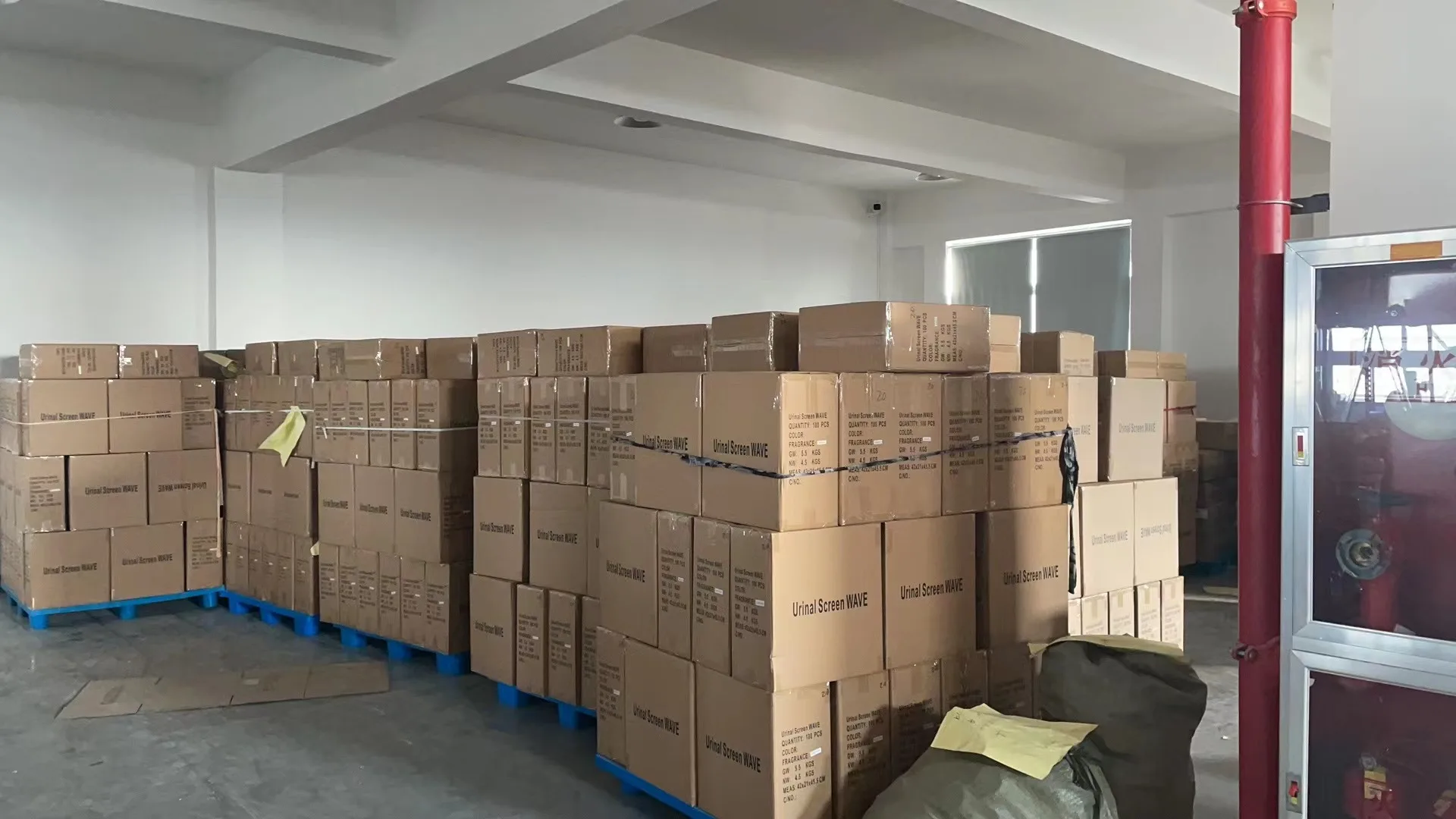
Taizhou Bige Cleaning Products Co., Ltd.
- Manufacturer, Trading Company
- Zhejiang, China
- Lead time30 days
- Avg. response≤ 6h
Main productsUrinal Screen,Solid Dodorizer,Toilt Clip,Car Air Freshener,Bio Block
Main marketsOceania(30.0%), Western Europe(20.0%), Eastern Europe(15.0%), Southern Europe(10.0%), North America(5.0%), Central America(5.0%), Southeast Asia(3.0%), South Asia(3.0%), Eastern Asia(3.0%), Africa(2.0%), South America(2.0%), Northern Europe(2.0%)
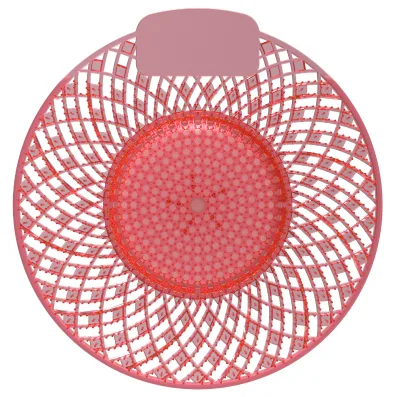
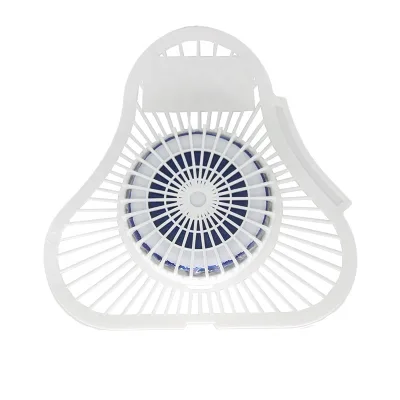
Classic 30days Enzymatic Biological Urinal Block with PE Plastic Screen URINAL SCREEN
$0.53 - $0.60
Moq: 4800
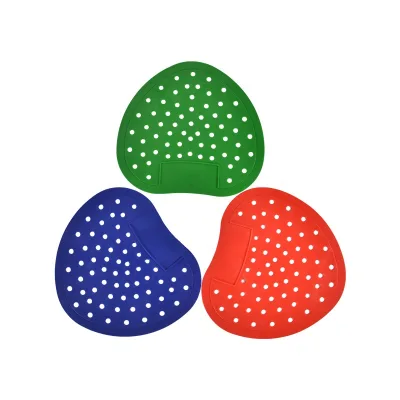
Customized Photo Urinal Screen Classic Deodorizer for Commercial/residential Bathrooms
$0.33 - $0.40
Moq: 5000
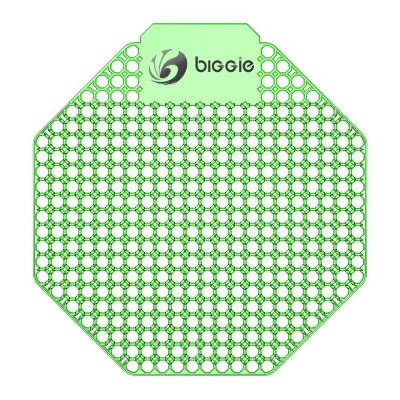
New Factory Design 3D Urinal Screen Anti-splash Disposable Solid Mat air Freshener
$0.80 - $0.96
Moq: 3800
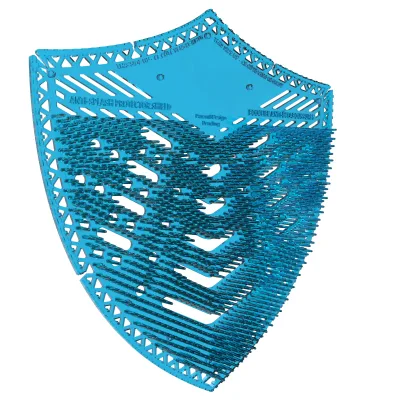
Latest Patented Design Shield EVA Urinal Screen Solid Mat Deoderizer Factory Supply
$0.85 - $0.90
Moq: 3800
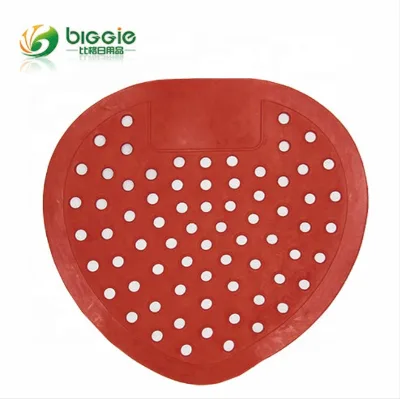
Cheap Classic PVC Urinal Screen Clog-free Urinal Mat
$0.36 - $0.38

Shenzhen Fumeihua Decorative Materials Co., Ltd.
- Verified by BV
- Combined
- China Guangdong
- Lead time23 days
- Avg. response≤ 4h
Main productsCompact Laminate, HPL Laminate, Toilet Partition, HPL Locker, HPL Wall Cladding, HPL Table Top, Chemical Resistant Board, Cabinet, Bench, Countertop
Main marketsSoutheast Asia/ Mideast,Europe,Australia,North America

Science Medical Equipment Co., Ltd.
- Manufacturer/Factory
- China Guangdong
- Lead time60 days
- Avg. response≤ 4h
Main productsWheelchair, Handicapped Scooters, Rehabilitation Therapy Supplies, Clinical Analytical Instruments, Hospital Furniture, Ward Nursing Equipments, Hospital Bed, Operating Table, Examination Therapy Equipments
Main marketsSouth America,Eastern Europe,Mid East,North America,Southeast Asia,Eastern Asia,Western Europe,Africa
Guangzhou Saige Smart Household Products Co., Ltd.
- Verified by TüVRheinland
- Manufacturer, Trading Company
- Lead time15 days
- Avg. response≤ 2h
Main productsSoap Dispenser, Paper Dispenser, Aerosol Dispenser, Urinal Screen
Main marketsNorth America(20%), South America(10%), Eastern Europe(10%)
Guangdong Huaxia Ceramic Technology Co., Ltd.
- Verified by TUVRHEINLAND
- Manufacturer/Factory
- China Guangdong
- Lead time23 days
- Avg. response≤ 3h
Main productsToilet, Mirror, Basin, Urinal, Faucet, Shower, Cabinet, Bathtub, Hardware, Bathroom Accessories
Main marketsSouth America,Eastern Europe,Mid East,North America,Southeast Asia,Eastern Asia,Oceania,Western Europe,Africa
Chuangxing Stainless Steel Products Co., Ltd.
- Manufacturer, Trading Company
- Lead time旺季: "1 - 500":25,"> 500":"To be negotiated", 淡季: "1 - 500":25,"> 500":"To be negotiated"
Main productsStainless Steel Squat Pan, Stainless Steel Toilet, Stainless Steel Kitchen Cabinet, Stainless Steel Drinking Fountain, Dog Wash Station
Shanghai Excelite Industrial Co., Ltd.
- Trading Company
- Shanghai, China
- Lead time25 days
- Avg. response≤ 8h
Main productshotel supplies,Ironing board,flashlight,safe box,urinal screen
Main marketsDomestic Market(20.0%), North America(15.0%), South America(10.0%), Eastern Asia(10.0%), Mid East(10.0%), Southeast Asia(10.0%), Southern Europe(10.0%), Western Europe(5.0%), Eastern Europe(5.0%), Northern Europe(5.0%)
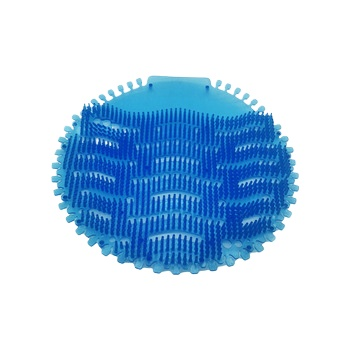
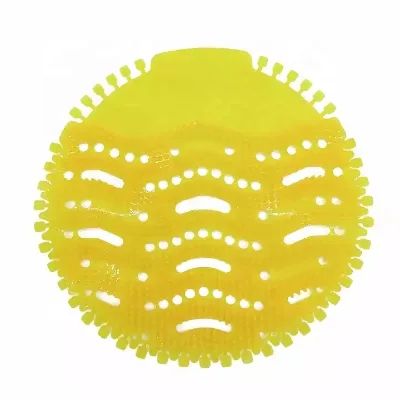
Sustainable Custom Personalized Urinal Screen Splash
$0.38 - $0.45

Hangzhou Huiji Biotechnology Co., Ltd.
- Verified by BV
- Combined
- China Zhejiang
- Lead time30 days
- Avg. response≤ 6h
Main productsShampoo, Detergent, Dish Washing, Hand Liquid Soap, Air Freshener, Conditioner, Urinal Block, Shower Gel, Glass Cleaner, Floor Cleaner
Main marketsSouth America,Africa,Southeast Asia/ Mideast,East Asia(Japan/ South Korea),Domestic,Europe,Australia,North America

Yangzhou Goldenwell Import&Export Co., Ltd.
- Verified by BV
- Trading Company,Manufacturer/Factory
- China Jiangsu
- Lead time23 days
- Avg. response≤ 5h
Main productsMedical Devices, Syringe, Medical Tape, Medical Bandage
Main marketsSouth America,Eastern Europe,Mid East,North America,Southeast Asia,Eastern Asia,Oceania,Western Europe,Africa
Jinhua Feng Chuang Technology Co., Ltd.
- Manufacturer, Trading Company
- Zhejiang, China
- Lead time30 days
- Avg. response≤ 7h
Main productsPlastic Disposable Bedpan,Plastic Disposable Male Urinal,Medicine Cup,Plastic sand toy,Plastic stationery
Main marketsNorth America(55.00000000000001%), Domestic Market(20.0%), South America(10.0%), Eastern Europe(10.0%), Mid East(5.0%)

Ningbo Finer Medical Instruments Co., Limited
- Trading Company,Manufacturer/Factory
- China Zhejiang
- Lead time23 days
- Avg. response≤ 21h
Main productsMedical Consumables, Medical Equipment, Hospital Furniture, Mobility Safety Aid, Daily Living Aid
Main marketsSouth America,Eastern Europe,Mid East,North America,Southeast Asia,Eastern Asia,Oceania,Western Europe,Africa
Quanzhou Xintezi Sanitary Ware Industry Co., Ltd.
- Verified by SGS
- Combined
- China Fujian
- Lead time15 days
- Avg. response≤ 13h
Main productsShower Set, Faucet, Bathroom Accessories, Toilet, Bathroom Vanity
Main marketsSouth America,Southeast Asia/ Mideast,Europe,Australia,North America

Hangzhou Wehere Medical Technology Co., Ltd.
- Verified by BV
- Trading Company
- China Zhejiang
- Lead time30 days
- Avg. response≤ 2h
Main productsProtective Gown, Face Mask, Thermometer, Dust Mask, Respirator, Pulse Oximeter, Forehead Thermometer, Cadaver Bag, Isolation Gown, Surgical Drape
Main marketsSouth America,Africa,East Asia(Japan/ South Korea),Europe

Foshan ZOOKV Kitchen-Bath Co., Ltd.
- Verified by TUVRHEINLAND
- Combined
- China Guangdong
- Lead time23 days
- Avg. response≤ 7h
Main productsFaucet, Showers, Bathroom Accessories, Floor Drain, Public Bathroom Fittings, Kitchen Faucet, Kitchen Sink, Angle Valve, Flush Valve, Stainless Steel Sanitary Ware
Main marketsDomestic,North America
Ningbo Jingjiang Metal Products Co., Ltd.
- Verified by CTI
- Manufacturer/Factory
- China Zhejiang
- Lead time0 days
- Avg. response≤ 3h
Main productsDeep Drawing Deep Drawn, Metal Enclosure, Stainless Steel Milk Barrel, Commercial Sink, Dental Autoclave Chamber, Stainless Steel Beer Keg, Wheel Hubcaps, Stainless Steel Wc Toilet, Stainless Steel Wash Basin, Stainless Steel Hopper
Shenzhen Siyijiu Industry Co., Ltd.
- Trading Company, Business Service (Transportation, finance, travel, Ads, etc)
- Guangdong, China
- Lead time0 days
- Avg. response≤ 2h
Main productsCustom gifts,household items,kitchen
Main marketsNorth America(80.0%), Western Europe(20.0%)
Fujian Jiayue Sanitary Products Co., Ltd.
- Verified by SGS
- Combined
- China Fujian
- Lead time30 days
- Avg. response≤ 3h
Main productsBaby Diaper
Main marketsAfrica,Southeast Asia/ Mideast,Europe

- Combined
- China Fujian
- Lead time15 days
- Avg. response≤ 4h
Main productsSensor Faucet, Flush Valve, Automatic Faucet, Sensor Tap, Automatic Hand Dryer, Electronic Faucet, Automatic Urinal Flusher, Liquid Soap Dispenser, Automatic Toilet Flusher, Automatic Sanitary Ware
Main marketsSouth America,Africa,Southeast Asia/ Mideast,Europe,Australia,North America

Weifang Keepbetter Healthcare Co., Ltd.
- Verified by CTI
- Manufacturer/Factory
- China Shandong
- Lead time23 days
- Avg. response≤ 7h
Main productsIncontinence Products, Disposable Diapers, Disposable Underpads, Pet Puppy Training Pads, Baby Diapers, Adult Diapers, Pull up Diapers, Disposable Underwears, Booster Pad, Face Mask
Main marketsSouth America,Eastern Europe,Mid East,North America,Southeast Asia,Eastern Asia,Oceania,Western Europe,Africa

Tianjin Utuo Business Co., Ltd.
- Verified by BV
- Trading Company,Manufacturer/Factory
- China Tianjin
- Lead time23 days
- Avg. response≤ 6h
Main productsAdult Diaper, Under Pads, Pet Pads, Pet Diaper, Baby Diaper, Adult Pull up, Baby Pull up, Incontinence Pad, Adult Insert Pad, Underpad
Main marketsSouth America,Eastern Europe,Mid East,North America,Southeast Asia,Eastern Asia,Oceania,Western Europe,Africa
- Verified by SGS
- Trading Company
- China Shandong
- Lead time15 days
- Avg. response≤ 9h
Main productsAdult Diaper, Baby Diaper, Disposable Diaper, Disposable Underpad, Adult Pant Diaper, Baby Pant Diaper, Pat Pad, Pet Diaper, Mask, Medical Underpad
Main marketsSoutheast Asia/ Mideast


Waterproof Medical Underpads Premium Disposable Urine Absorbent Pad for Adults
$0.01 - $0.03
Moq: 10000
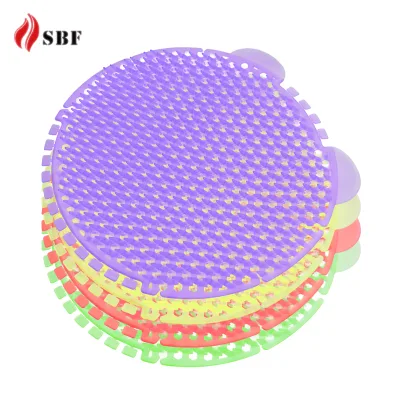
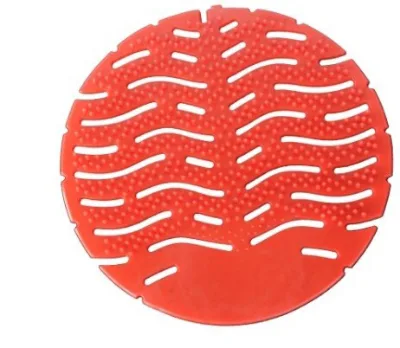
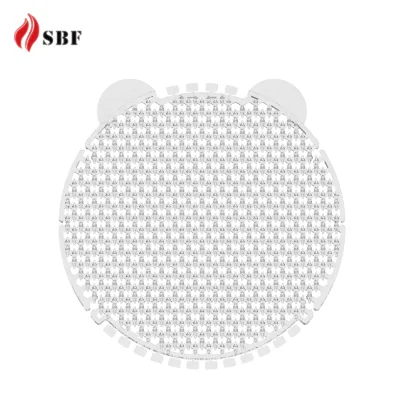
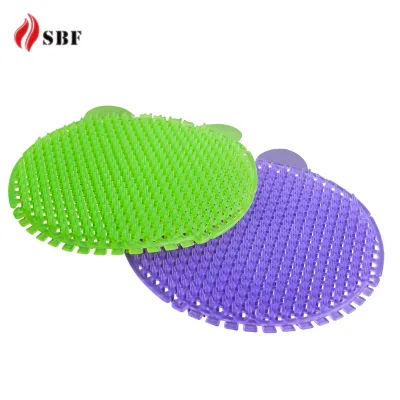
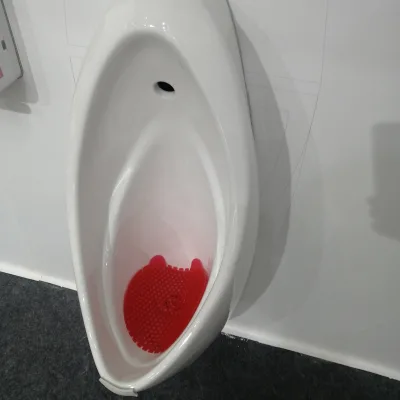
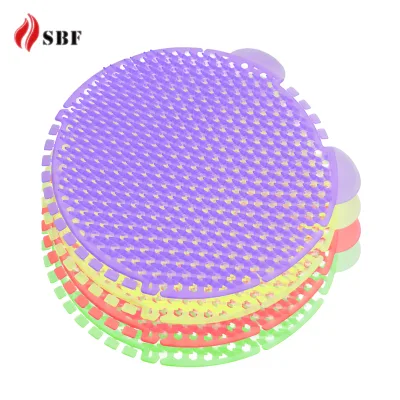


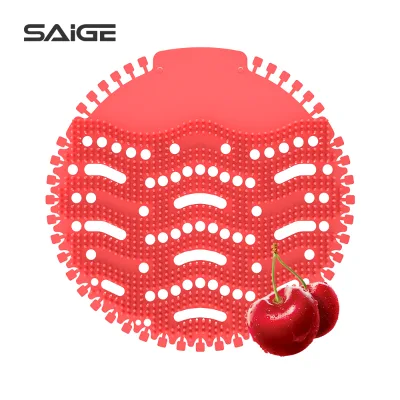
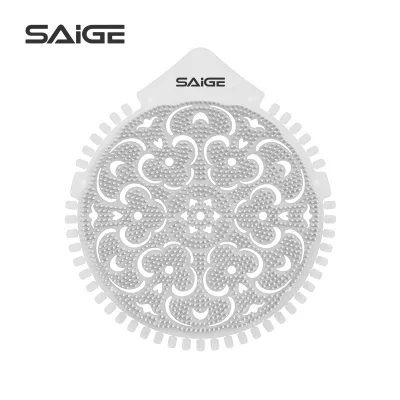
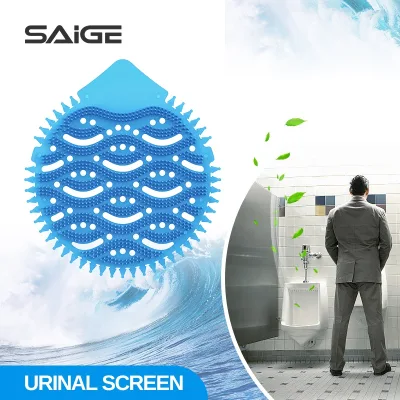
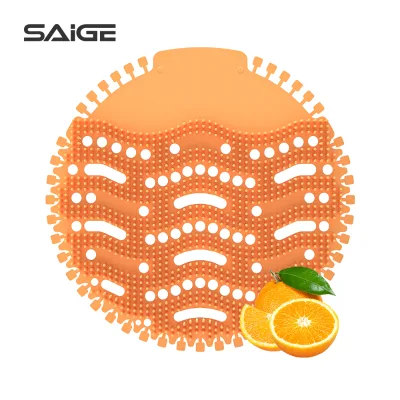
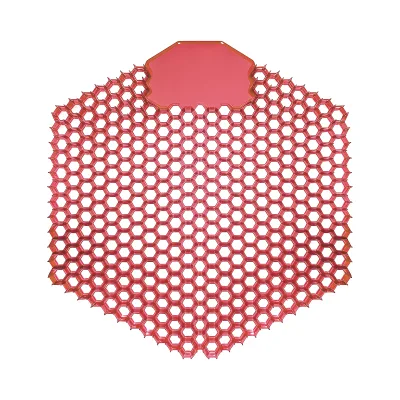
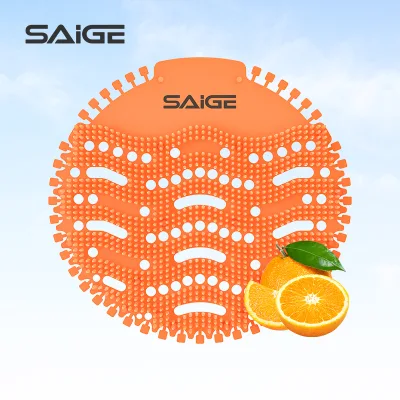








Comprehensive Sourcing Guide
Eco Friendly Gel Urinal Screen Supplier Concentration and Factory Types
When searching for an Eco Friendly Gel Urinal Screen, buyers will notice that a meaningful share of listed suppliers in this category is concentrated in Shanghai, China, according to the product origin data shown on current listings. Several of the visible products carry explicit origin notes such as "Shanghai, China," which suggests that this city functions as a recognizable sourcing point for urinal screens, deodorizing mats, and related washroom consumables. However, origin data is only displayed where a listing provides it, so buyers should treat Shanghai as an observed cluster rather than an assumption about every supplier on the page.
The supplier mix in this category is varied. Some companies present themselves as combined manufacturers and traders, offering a broad cleaning line-up such as mops, squeegees, dustpans, dusters, brushes, and floor signs alongside urinal screens. Others identify as manufacturer-and-trading-company hybrids focused on washroom fixtures, including soap dispensers, paper dispensers, air freshener dispensers, and waste bins, with urinal screens as an adjacent item. This distinction matters: a combined cleaning-products house may offer consolidation across a wider hygiene basket, while a washroom-fixture specialist may have deeper product-level experience. Research and development capacity labels also differ, with some listings showing ODM, OEM, and own-brand capability, and others showing light customization, sample processing, and graphic processing. Buyers should therefore classify each supplier's type from the displayed profile before drafting a shortlist.
How to Verify Eco Friendly Gel Urinal Screen Suppliers
Verification should start with the credentials actually displayed on each profile rather than with assumptions. In current results, one supplier shows SGS verification while another shows Intertek verification, which demonstrates that third-party verification is present in this category but is not uniform across all listings. System certification data likewise varies: one visible profile lists RoHS and CE, while another explicitly shows no system certification recorded. Buyers should read the certification field on every shortlisted profile and, where the field is empty, request documentation directly and confirm its validity with the issuing body.
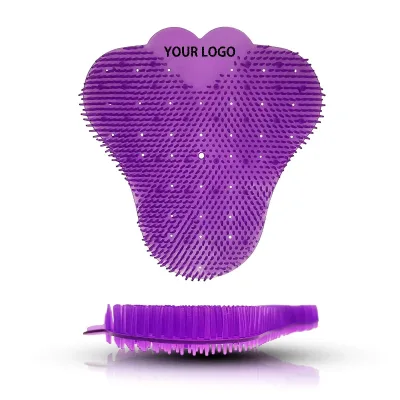
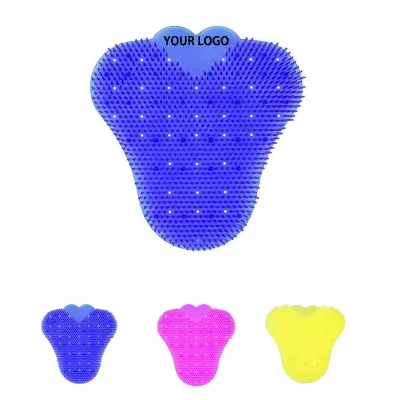
Beyond profile labels, verification should test the product evidence itself. Listings in this category provide concrete details worth cross-checking: product models such as U416.1, U414.1, U402, and U501.1; stated materials including EVA and PVC; a gel form with floral scent on one deodorizing screen; and attributes such as biodegradable packaging, standard sizes like 1461.6 cm or 16.5X16.5CM, carton packing at 200PCS/CTN, and a 58g unit weight. Ask the supplier to confirm that the sample matches the listed specification sheet, and request material safety documentation for any fragrance or gel block claims. Where a listing says customization is available, verify what that means in practice—logo printing, color, or fragrance—by requesting a pre-production sample. Finally, confirm that the displayed response behavior, such as the very fast response time of roughly 0.11 hours shown for one supplier versus about 2 hours for another, holds up during your own inquiry exchange.
What to Compare Across Eco Friendly Gel Urinal Screen Suppliers
Build a comparison table from the attributes suppliers actually display, and leave cells blank rather than guessing where data is missing. Useful dimensions in the current results include lead time, MOQ, response speed, verification body, system certification, company type, main products, and location. On lead time, one Shanghai-based cleaning-products supplier lists around 23 days while a washroom-fixture supplier lists around 15 days, a gap that directly affects replenishment planning. On responsiveness, one profile records a response time of roughly 0.11 hours and another about 2 hours, both fast by general standards but different enough to matter for urgent sampling rounds.
MOQs shown on product listings span a wide range, from 500 pieces stated on one wall-mounted screen with block, to 1,000 pieces, 2,000 pieces, 3,000 pieces, and up to 10,000 pieces on other deodorizing screen models. This spread makes MOQ one of the most decisive comparison points for smaller buyers. Also compare product breadth: the mops-and-dusters supplier and the dispensers-and-waste-bin supplier serve different hygiene assortments, which matters if you want consolidated shipping. R&D capacity labels—ODM, OEM, and own brand on one side; light customization, sample processing, graphic processing, and customized-on-demand on the other—indicate how much product development support to expect. Finally, compare packaging economics visible in the listings, such as carton packing at 200 pieces per carton or individual polybag packing, because packing format drives freight volume and unit landed cost.
Common Eco Friendly Gel Urinal Screen Sourcing Risks
The most common risk in this category is confusing screen types. Listings alternate between EVA screens, PVC screens with deodorizing mats, gel-form screens with an Eco-Block, and disposable screens with non-para blocks. A buyer quoting "eco friendly gel" may receive an EVA screen without any gel block, or a PVC mat product that does not match the intended formulation. Mitigate this by specifying material, form (gel versus solid block), fragrance, dimensions, and model number—such as the U-series model numbers shown on listings—in the purchase contract, not just in the inquiry email.
Fragrance and "eco" claims are the second risk area. Attributes like floral scent, biodegradable packaging, and non-para blocks appear on listings, but the underlying formulation is rarely certified on the page itself. Insist on ingredient disclosure and, if biodegradability is central to your brand, ask for independent test evidence before committing. A third risk is quantity and price mismatch: observed unit prices range from roughly $0.46–$0.51 up to $1.21 and $1.87–$1.95, with MOQs from 500 to 10,000 pieces, so a low headline price usually comes with a much higher volume commitment. Confirm the exact price tier tied to your order quantity in writing. Finally, beware of over-reading profile signals: an empty system-certification field does not prove a bad factory, and a verification badge does not cover product-level compliance. Validate both through samples and third-party inspection before first shipment.
Eco Friendly Gel Urinal Screen Regional Sourcing and Logistics
The clearest regional signal in the current data is Shanghai: multiple product listings state their origin as Shanghai, China, covering the urinal screen models described on this page. This concentration offers practical logistics advantages—proximity to one of China's largest container ports simplifies consolidation, inspection visits, and freight booking for washroom consumables. However, one product listing also shows a place of origin recorded as ZHE (Zhejiang province) for a wall-mounted screen with block, which indicates that manufacturing is not exclusively confined to Shanghai. Buyers should therefore record the stated origin of every shortlisted model rather than assuming a single cluster covers the whole category.
For logistics planning, use the displayed lead times as a baseline: roughly 15 days from one supplier and roughly 23 days from another, to which you must add production confirmation, sampling, quality inspection, and ocean transit to your destination port. Packing format strongly affects freight economics. Listings show carton packing at 200 pieces per carton for several models, while others specify individual polybag packing or a single-piece bag format; the 200-piece cartons compress well into containers, whereas individually bagged units may add volume. Note also the size variance—standard sizes of 1461.6 cm, 16.5X16.5CM, 1616.8 cm, and a larger mat around 19.818.3 cm—because dimension differences change carton cube calculations. Request carton dimensions and gross weights for your chosen models, then calculate container utilization before comparing quotations on price alone.
Eco Friendly Gel Urinal Screen Commercial Terms and Order Planning
Commercial terms in this category reward careful sequencing. Start with the MOQ data already displayed: 500 pieces on one screen with block, 1,000 pieces on a wave-style EVA model, 2,000 pieces on a fragrant urinal pad, 3,000 pieces on a regular EVA screen, and 10,000 pieces on a disposable non-para block model. Match your first order to a model whose MOQ fits your trial volume, and negotiate tiered pricing for follow-on orders. Observed price bands—approximately $0.69–$0.71, $0.75–$0.79, $0.81, $1.21, and $1.87–$1.95—show that features such as gel blocks and fragrance substantially move unit cost, so define the feature set before comparing quotes.
Order planning should respect the lead times on the page: around 15 days from one supplier and around 23 days from another, plus sampling and shipping. Because customization is marked as available on nearly every relevant listing, budget extra time for logo approval and pre-production samples; one profile also documents after-sale services including online technical support, onsite installation, onsite training, onsite inspection, and free spare parts, which can be leveraged in contract discussions for larger accounts. Confirm packing details—200 pieces per carton, carton packaging, or polybagged singles—in the proforma invoice, since these determine both freight cost and shelf presentation. Finally, use secure payment or escrow-style arrangements where the platform supports them, verify the verification badge (SGS or Intertek) on your chosen profile, and stage payments against inspection milestones rather than paying fully in advance on a first order.
FAQs
What is the price range for eco friendly gel urinal screens?
Prices for these screens typically range from $0.46 to $1.95 per unit depending on the specific model and material composition. Buyers should note that lower price points often correspond to higher minimum order quantities, while specialized gel formulations may carry a premium. Always verify the final cost against the selected quantity tier.
What are the minimum order quantities for these products?
Minimum order quantities vary significantly by supplier and product type, ranging from 500 pieces to 10,000 pieces. Standard plastic or EVA screens often require orders of 1,000 to 3,000 units, while specialized gel blocks may have lower entry thresholds. Confirm the exact MOQ with the supplier before finalizing your purchase agreement.
Where are these urinal screens manufactured?
Manufacturing locations for these products are primarily in Shanghai, China, with some origins listed as ZHE. Suppliers in these regions offer combined manufacturing and trading capabilities. Buyers should verify the specific place of origin for each product listing to ensure alignment with their sourcing preferences and logistics requirements.
What certifications do these suppliers hold?
Certifications vary by supplier, with some holding RoHS and CE marks for compliance. Verification services include SGS and Intertek for quality assurance. System certifications may be listed as NIL for certain entities. Buyers should request current certification documents to ensure the products meet their specific regulatory standards and market requirements.
How quickly do suppliers respond to inquiries?
Response times differ among suppliers, with some responding within 0.11 hours and others taking up to 2 hours. Faster response times often indicate higher availability and dedicated support teams. Buyers should prioritize suppliers with quicker response rates to ensure efficient communication throughout the sourcing and negotiation process.
What customization options are available for urinal screens?
Customization is widely available, including logo printing, color selection, and packaging adjustments. Suppliers offer OEM and ODM services for branded products. Buyers can request specific fragrances, sizes, or eco-friendly packaging options. Confirm customization capabilities and associated costs with the supplier to ensure the final product meets your brand requirements.
What is the typical lead time for orders?
Lead times generally range from 15 to 23 days after order confirmation. This duration allows for production, quality control, and packaging preparation. Buyers should factor in this lead time when planning inventory replenishment. Expedited shipping options may be available for urgent orders, subject to supplier capacity and agreement.