eco-friendly handbag hardware Suppliers and Manufacturers
Source eco-friendly handbag hardware from 26 verified suppliers. Compare dimensions like REACH certification, zinc and bamboo materials, and lead times. Request samples to verify quality and compliance for your specific bag accessories needs; review the available evidence before requesting comparable quotations from suitable candidates.
Updated
Suppliers List
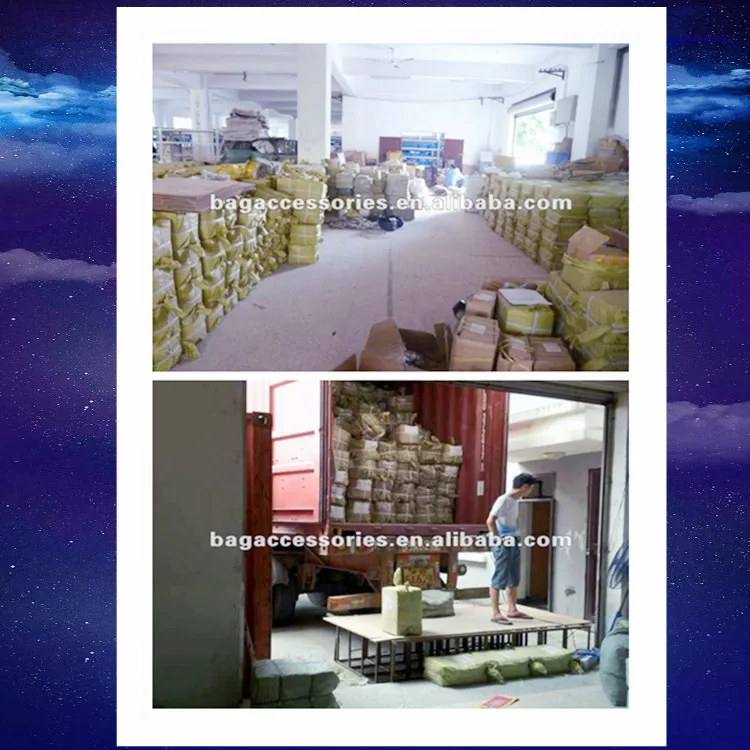
Yiwu Zuohua Bag Accessories Trade Co., Limited
- Trading Company
- Zhejiang, China
- Lead time20 days
- Avg. response≤ 14h
Main productsbag accessories,handbag fitting,lock hook buckle ring,rivet eyelet button slider chain manget,purse frame
Main marketsSouth Asia(7.69%), Southern Europe(7.69%), Northern Europe(7.69%), Central America(7.69%), Western Europe(7.69%), Eastern Asia(7.69%), Mid East(7.69%), Oceania(7.69%), Africa(7.69%), Southeast Asia(7.69%), Eastern Europe(7.69%), South America(7.69%), North America(7.69%)
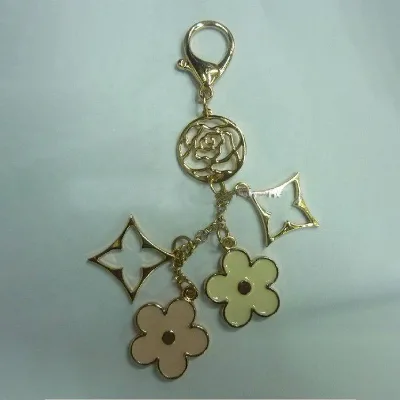
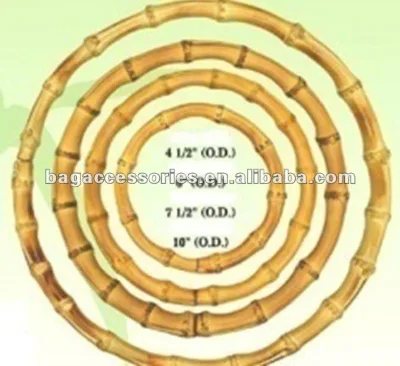
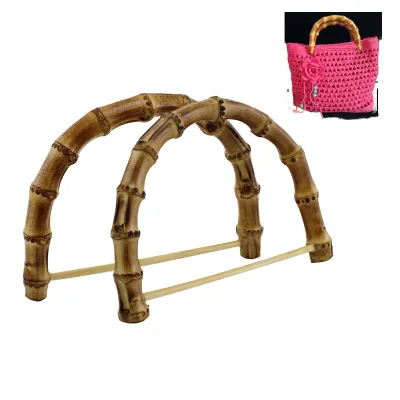
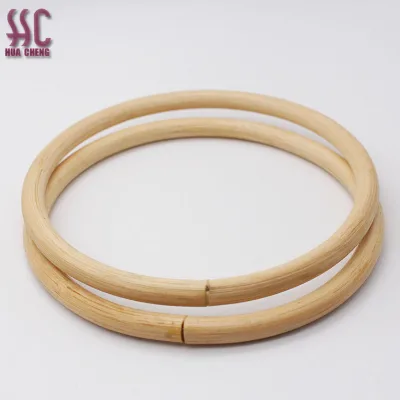
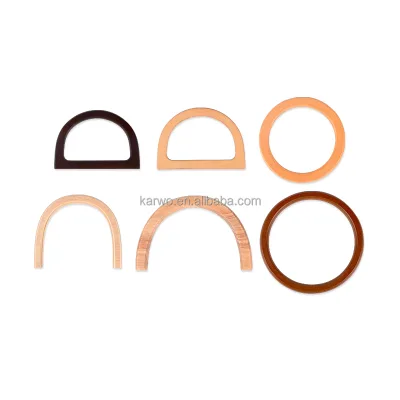
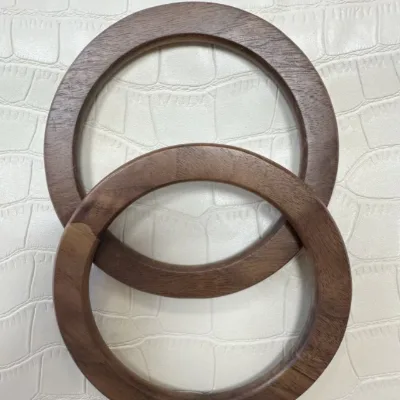
Bamboo Handle for Purse Bag Wooden Handle for Handbags
$0.0592 - $0.0739
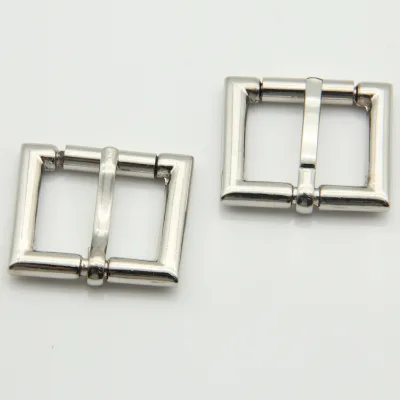
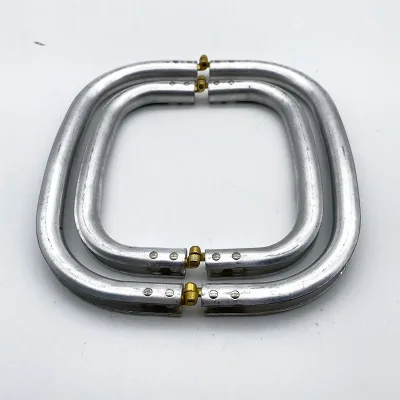
Aluminum Handles for Women's Hand Bags
$0.95 - $0.99
Guangzhou Kz Leather Goods Manufacturing Co., Ltd.
- Verified by TüVRheinland
- Manufacturer, Trading Company
- Lead time20 days
- Avg. response≤ 2h
Main productsWatch Strap, Handbag, Belt, Wallet, Bag Accessories
Main marketsNorth America(40%), Domestic Market(40%), Western Europe(10%)
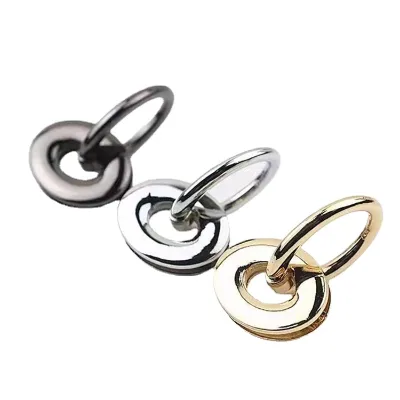
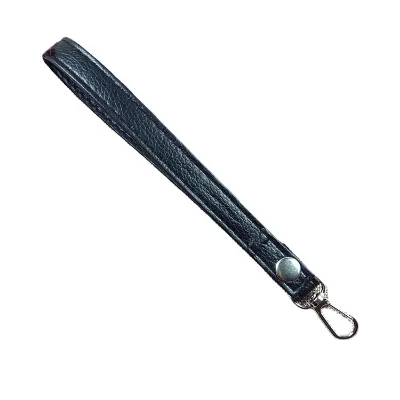
The Handbag Metalware Oval Shape Wrist Handle Buckle Bag Handle Hardware Accessories
$0.35 - $0.40
MOQ: 100
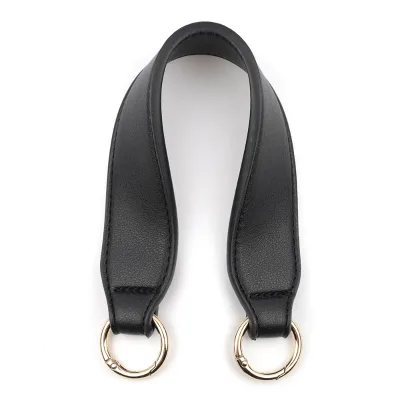
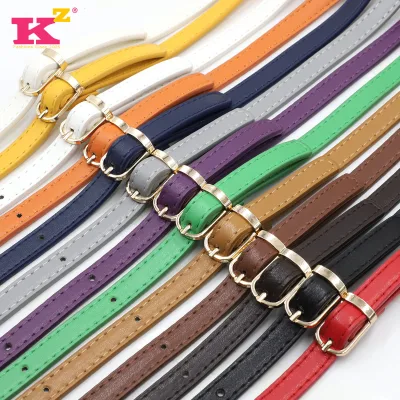
Guangzhou Alaram Metal Products Co., Ltd.
- Verified by SGS Group
- Manufacturer, Trading Company
- Lead time0 days
Main productsLuggage Metal Accessories, Shoes Metal Accessories, Clothing Metal Accessories
Main marketsNorth America(30%), Mid East(30%), Western Europe(20%)

Guangzhou Haocheng Metal Products Co., Ltd
- Verified by BV
- Combined
- China Guangdong
- Lead time30 days
- Avg. response≤ 1h
Main productsZinc Alloy Clasp, Dog Buckle, Key Chain, Lobster Buckle, Spring Coil, Luggage Hardware, Zipper Head, D-Ring, Metal Eye Buckle
Main marketsSoutheast Asia/ Mideast

GUANGZHOU ATI HARDWARE CO., LTD.
- Manufacturer
- China Guangdong
- Lead time15 days
- Avg. response≤ 1h
Main productsMetal Logo and Label, Bag Lock, Metal Zip Puller, Function Buckle, Bag Handle, Adjustable Buckle, Perfume Bottle Cap, Shoes Buckle, Decorative Buckle for Garment, Ornamentation and Artware
Main marketsSoutheast Asia/ Mideast,Europe

Bags Wallet Handle Lock Accessory Purse Frame Bag Locks Clip Buckle Handbag Hardware Lock
$1.28 - $1.31
MOQ: 1000 Pieces

Bag Hardware Accessories Lock Purse Decoration Clasp Lock Handbag Lock Buckle
$1.60 - $2.30
MOQ: 1000 Pieces

Handbag Hardware Accessories Bag Other Parts Lock Clasp Closure Bag Locks
$0.60 - $0.78
MOQ: 1000 Pieces

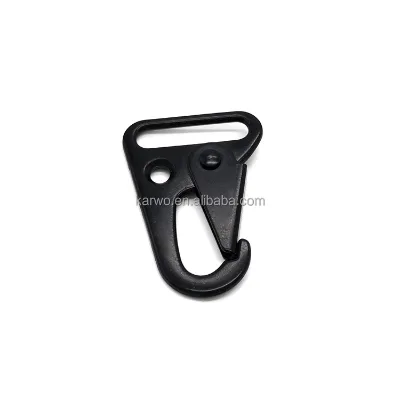
25mm Handbag Hardware Accessories Belt Handbags Snap Hook Bag Adjust Chain Pin Buckle
$0.20 - $0.28
MOQ: 1000 Pieces


Handbag Hardware Other Bag Accessories Purse Clasp Closure Bag Round Locks
$0.99 - $1.13
MOQ: 1000 Pieces

Xiamen Xinziyang Industry and Trade Co., Ltd.
- Verified by CTI
- Trading Company
- China Fujian
- Lead time15 days
- Avg. response≤ 25h
Main marketsSoutheast Asia/ Mideast,Domestic,North America

Guangzhou Desheng Hardwares And Leathers Co., Limited
- Manufacturer, Trading Company, Distributor/Wholesaler
- Guangdong, China
- Lead time0 days
- Avg. response≤ 6h
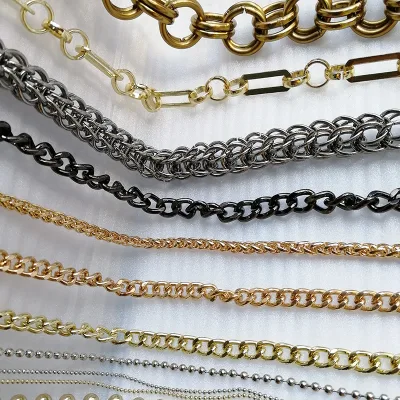
Main productsBag Hardwares,Bag Chain,Bag Accessories,Keyring Decoration,Fashion Accessories
Main marketsNorth America(25.00%), Northern Europe(15.00%), Western Europe(15.00%), South Asia(15.00%), Eastern Europe(8.00%), Southeast Asia(5.00%), Southern Europe(5.00%), Oceania(5.00%), Africa(2.00%), Eastern Asia(1.50%), Mid East(1.50%), South America(1.00%), Central America(1.00%)
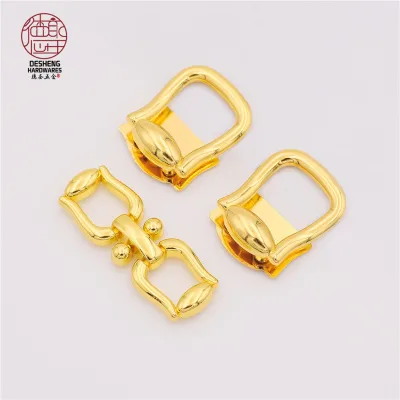
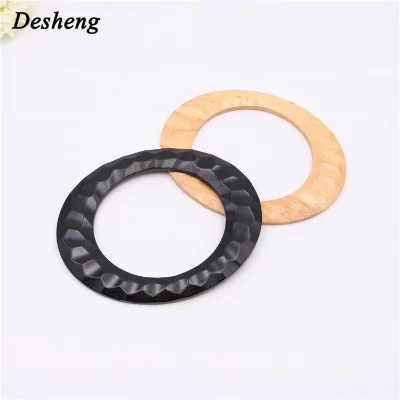

Metal Stainless Steel Handbag Accessories Bag End Connector Clip Tassel Hardware
$0.94 - $1.17
MOQ: 50

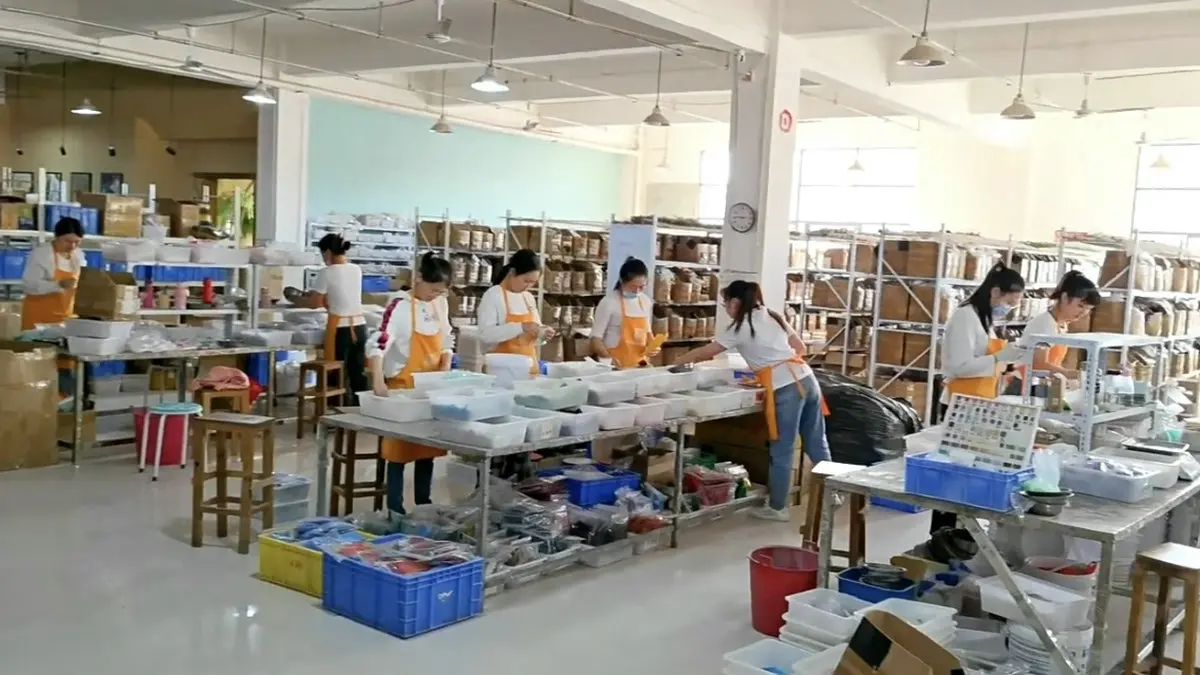
Ningbo Hongdao E-Commerce Ltd.
- Trading Company
- Zhejiang, China
- Lead time20 days
- Avg. response≤ 3h
Main productsCraft &Gift,crochet kit,Personal Care,sewing product,smoking product
Main marketsNorth America(55.00%), Southern Europe(5.00%), Northern Europe(5.00%), Central America(5.00%), Western Europe(5.00%), Eastern Asia(5.00%), Mid East(5.00%), Oceania(5.00%), Eastern Europe(5.00%), South America(5.00%)
Guangzhou Junshang Trading Co., Ltd.
- Verified by SGS Group
- Trading Company
- Lead time15 days
- Avg. response≤ 3h
Main productsPVC Leather, PU Leather, Semi PU Leather
Main marketsAfrica(25%), Southeast Asia(20%), Mid East(20%)
Guangzhou Huacheng Hardware Co., Ltd.
- Manufacturer, Trading Company, Distributor/Wholesaler
- Guangdong, China
- Lead time10 days
- Avg. response≤ 3h
Main productsPurse Frame,Magnetic Button,Snap Hook,Handbag Lock,Metal Ring
Main marketsDomestic Market(9.98%), North America(9.82%), Eastern Asia(9.76%), Northern Europe(9.53%), Western Europe(8.92%), South America(8.29%), Southern Europe(8.15%), Eastern Europe(7.85%), South Asia(6.85%), Mid East(6.12%), Central America(5.89%), Southeast Asia(5.18%), Africa(2.34%), Oceania(1.32%)
Shenzhen Jiawo Industrial Co., Ltd.
- Manufacturer, Trading Company
- Guagndong, China
- Lead time0 days
- Avg. response≤ 7h
Main productsBag Part,Garment Accessories
Main marketsWestern Europe(40.00%), North America(40.00%)
Guangzhou Topwin Metal Accessories Ltd.
- Verified by SGS Group
- Trading Company
- Lead time10 days
- Avg. response≤ 2h
Main productsMetal Logo Label, Metal Buckle, Zip Puller, Metal Button, Leather Label
Main marketsNorth America(15%), Western Europe(15%), Southeast Asia(10%)
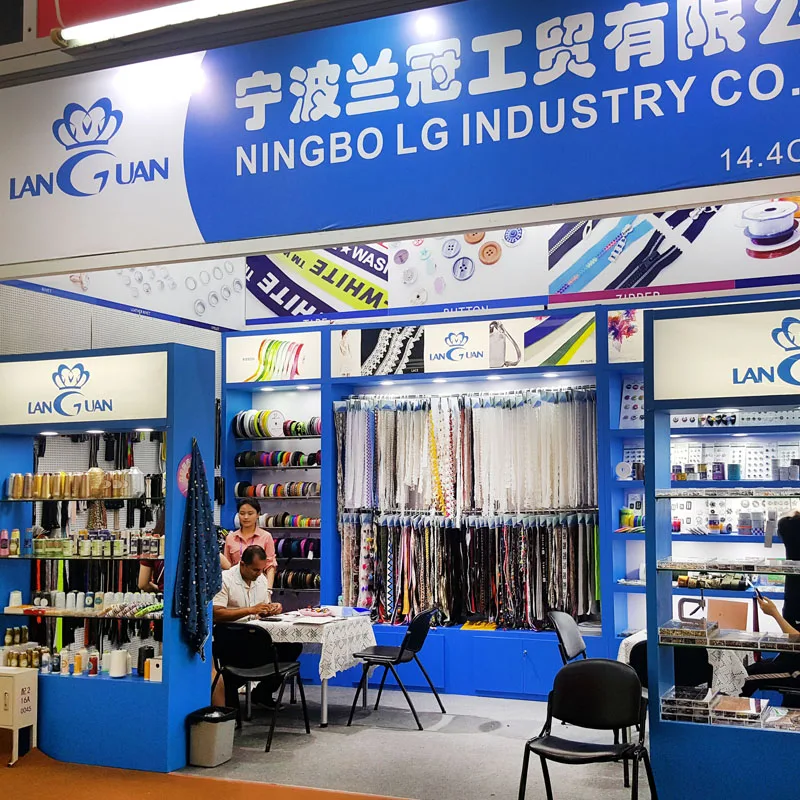
- Trading Company
- Zhejiang, China
- Lead time0 days
- Avg. response≤ 4h
Main productsSnap Hook,Zipper,Metal Buckle,Bag Chain,Bag Strap
Main marketsSouth America(40.00%), Africa(30.00%), Mid East(10.00%), Central America(5.00%), North America(5.00%), Eastern Europe(5.00%), Southeast Asia(5.00%)


Factory Supply Various Zinc Alloy Bag Accessories Handbag Hardware Accessories
$0.03 - $0.05
MOQ: 5000


Wholesale High Quality Handbag Hardware Custom Lock Bag Metal Adjust Buckle Ring Buckle
$0.06 - $0.15
MOQ: 3000 pieces
Guangzhou Qifeng Hardware Products Co., Ltd.
- Manufacturer, Trading Company
- Guangzhou, China
- Lead time10 days
- Avg. response≤ 6h
Main productssnap hook,bag lock,metal tag,belt buckle,zipper puller
Main marketsEastern Asia(20.00%), Southeast Asia(15.00%), Central America(10.00%), South Asia(10.00%), Mid East(8.00%), Southern Europe(5.00%), South America(5.00%), Western Europe(5.00%), North America(5.00%), Domestic Market(5.00%), Eastern Europe(5.00%), Northern Europe(4.00%), Oceania(2.00%), Africa(1.00%)
Guangzhou Fodi Metal Co., Ltd.
- Manufacturer
- Guangdong, China
- Lead time14 days
- Avg. response≤ 4h
Main productsPet collars,Pet leashes,Pet harnesses,Pet belt,Pet tag
Main marketsWestern Europe(30.00%), Eastern Europe(30.00%), North America(30.00%), Mid East(10.00%)
Dongguan Baoshuo Hardware Products Co., Ltd.
- Verified by TüVRheinland
- Manufacturer, Trading Company
- Lead time15 days
- Avg. response≤ 4h
Main productsLuggage Accessories, Badge, Buckle, Keychain, Medal
Main marketsDomestic Market(30%), North America(10%), Eastern Asia(10%)
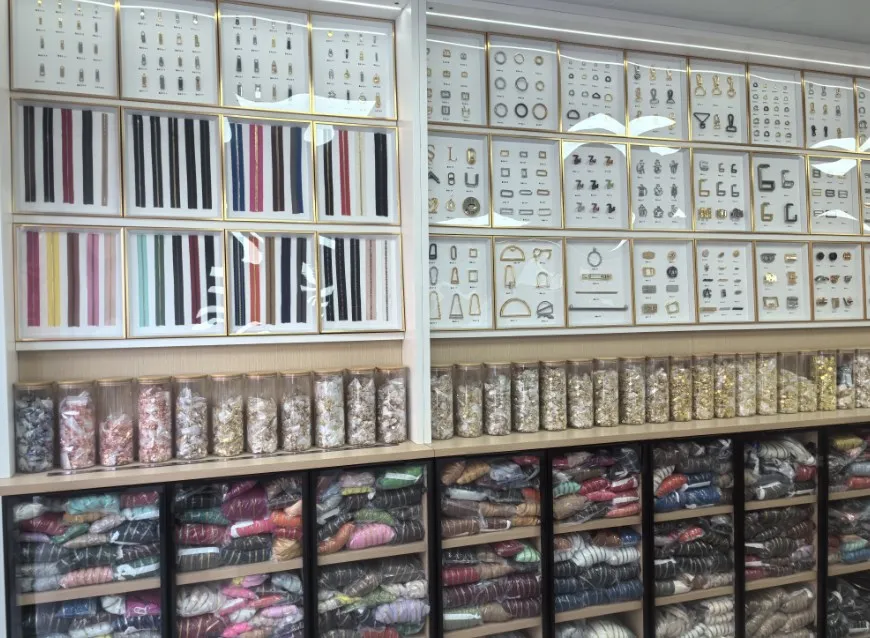
Dongguan Geyi Hardware Manufacture Co., Ltd.
- Manufacturer
- Guangdong, China
- Lead time18 days
- Avg. response≤ 2h
Main productsMetal logo label,Metal zipper,Metal lock,Metal crafts,Metal hook
Main marketsNorth America(30.00%), Southeast Asia(20.00%), Domestic Market(20.00%), Eastern Europe(10.00%), South America(5.00%), South Asia(5.00%), Southern Europe(5.00%), Mid East(5.00%)

- Manufacturer, Trading Company
- Guangdong, China
- Lead time0 days
- Avg. response≤ 5h
Main productsHeart Shaped Lock,Key Fob Hardware,Suspender Clip,Badge Clip,Wire Buckle
Main marketsNorth America(17.00%), Western Europe(12.00%), Southeast Asia(12.00%), South America(12.00%), Eastern Europe(11.00%), Africa(11.00%), Northern Europe(8.00%), South Asia(5.00%), Southern Europe(4.00%), Mid East(2.00%), Eastern Asia(2.00%), Central America(2.00%), Domestic Market(1.00%), Oceania(1.00%)
Guangzhou Bolian Clothing Co., Ltd.
- Manufacturer, Trading Company, Distributor/Wholesaler
- Guangdong, China
- Lead time0 days
- Avg. response≤ 2h
Main productsBags & Gift Boxes,Garment Acchandicraftessories,Handicraft Article,Hardware tools,Daily necessities for light industry
Main marketsNorth America(50.00%), South America(20.00%), Western Europe(15.00%), Southeast Asia(5.00%), Mid East(2.00%), Domestic Market(1.00%), South Asia(1.00%), Northern Europe(1.00%), Central America(1.00%), Eastern Europe(1.00%), Eastern Asia(1.00%), Africa(1.00%), Oceania(1.00%)
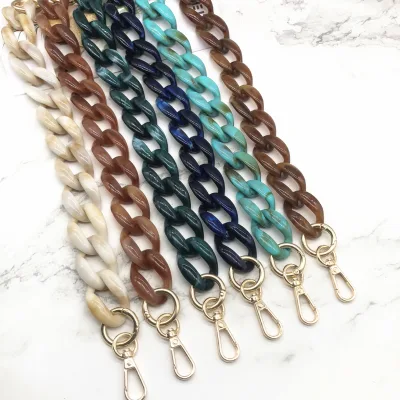
$1.30 - $2.37
MOQ: 10 Minimum
Guangzhou Sanrui Hardware Co., Ltd.
- Manufacturer, Trading Company
- Guangdong, China
- Lead time0 days
- Avg. response≤ 10h
Main productsAcrylic chain,Resin arm,Wooden clamps,Acrylic Japanese button,Resin chain
Main marketsDomestic Market(20.00%), South Asia(15.00%), North America(10.00%), Southeast Asia(10.00%), Eastern Asia(10.00%), Central America(5.00%), Eastern Europe(5.00%), Mid East(5.00%), Oceania(3.00%), Northern Europe(2.00%), South America(2.00%), Southern Europe(2.00%)

DSC Xiamen Enterprise Pte Ltd.
- Trading Company
- China Fujian
- Lead time23 days
- Avg. response≤ 3h
Main productsHardware, Accessories, Plastic Buckle, Ribbons, Metal Stamping, Bag Accessories, Promotion Gift, Bag Hardware
Main marketsSouth America,Southeast Asia/ Mideast,East Asia(Japan/ South Korea),Europe,Australia,North America

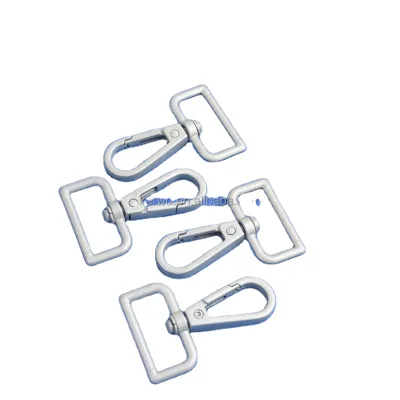
Swivel Snap Hook for Handbag Lanyard Swivel Clasps Lobster Clasp Purse Hardware
$0.30 - $0.33
MOQ: 5000 Pieces

Handbag Hardware Pin Through Buckle Shoulder Strap Adjustment Cylindrical Pin Buckle
$0.043 - $0.065
MOQ: 10000 Pieces


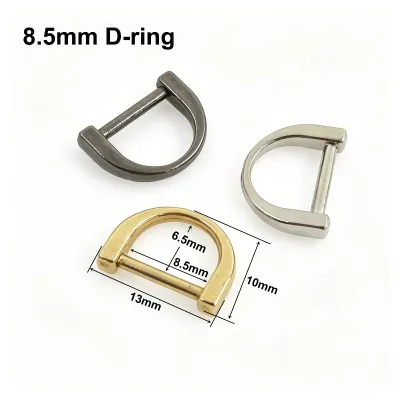
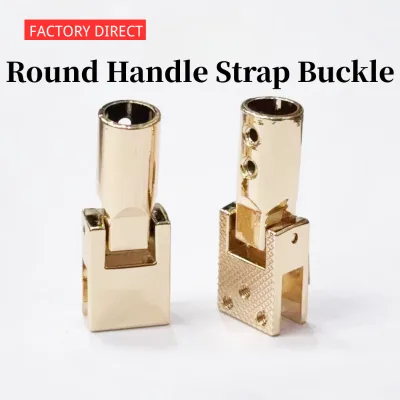
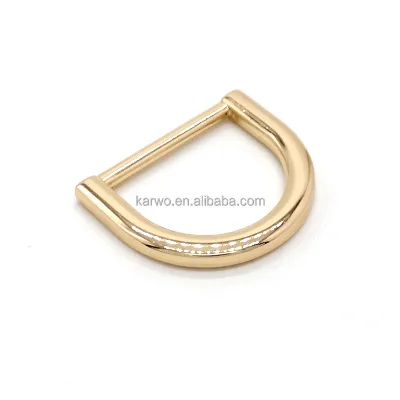
Handles Frame D-Ring Bag Handles Simple DIY Purse Handles Bag Replacement Handles
$0.82 - $0.90
MOQ: 5000 Pieces
- Manufacturer, Trading Company
- Guangdong, China
- Lead time20 days
- Avg. response≤ 1h
Main productsBox Accessories, Bag Accessories, Purse Frame, Box Hinge, Bag Handle
Main marketsSouth America(10.00%), Western Europe(9.00%), Southern Europe(9.00%), Africa(9.00%), Mid East(9.00%), Eastern Asia(8.00%), North America(8.00%), Central America(8.00%), Northern Europe(8.00%), Eastern Europe(8.00%), Southeast Asia(8.00%), South Asia(2.00%), Oceania(2.00%), Domestic Market(2.00%)

Dongguan Gioriun trading Co., Ltd.
- Trading Company
- Guangdong, China
- Lead time15 days
- Avg. response≤ 4h
Main productsSports & Entertainment,Gifts & Crafts,Home & Garden
Main marketsNorth America(37.00%), Western Europe(25.00%), Northern Europe(10.00%), South America(10.00%), Mid East(8.00%), Domestic Market(5.00%), Eastern Asia(5.00%)

Ningbo Inunion Import and Export Co., Ltd.
- Verified by SGS
- Trading Company
- China Zhejiang
- Lead time30 days
- Avg. response≤ 3h
Main productsBag Chain, Buckle, Hooks, Ring, Key Chain, Tags, Carabiner, Bag Lock, Puller
Main marketsSoutheast Asia/ Mideast,East Asia(Japan/ South Korea),Europe,Australia,North America


Multi-Color Zinc Alloy Handbag Backpack Hardware Reach Certified Spring Ring Clasp
$0.13 - $0.142
MOQ: 2000 Pieces

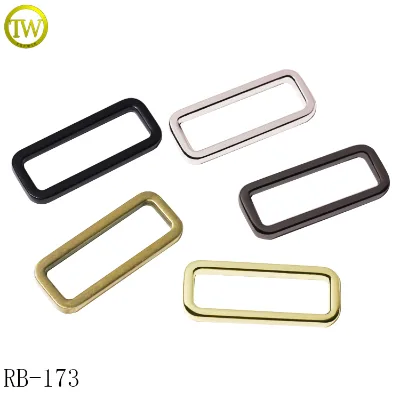
High Quality 38mm Rectangle Handbag Accessories Hardware Square Rings
$0.057 - $0.095
MOQ: 1000 Pieces

Dongguan Chongshang Technology Ltd.
- Verified by TüVRheinland
- Manufacturer, Trading Company
- Lead time7 days
- Avg. response≤ 3h
Main productsBuckles, Hooks, Carabiner, Tags, Crafts
Main marketsEastern Europe(20%), Southeast Asia(20%), Western Europe(15%)
Guangzhou Huadu Shiling Huaxiu Luggage and Garment Accessories Department
- Manufacturer, Trading Company, Buying Office
- Guangdong, China
- Lead time0 days
- Avg. response≤ 8h
Main productshardware,Luggage accessories,pull head,hook,zipper
Main marketsSoutheast Asia(30.00%), Africa(30.00%), Eastern Europe(10.00%)
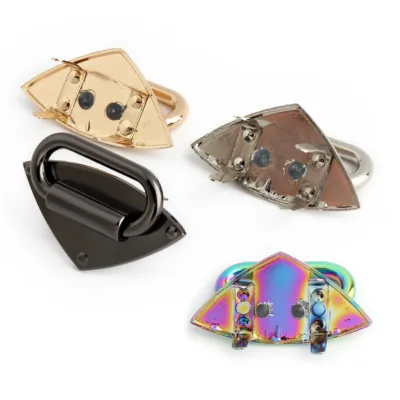


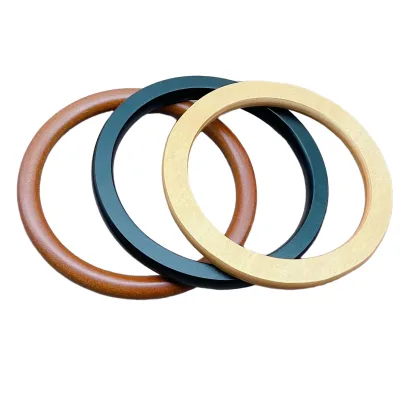


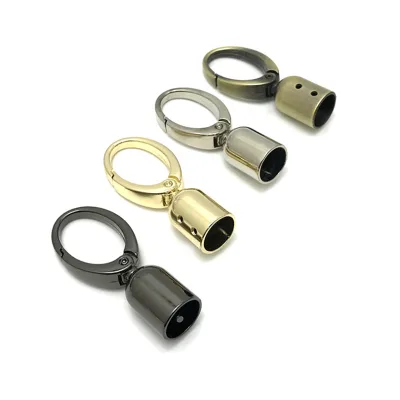
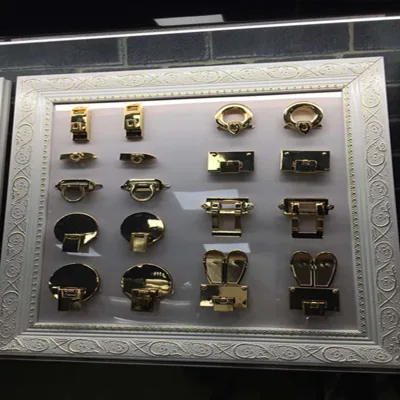





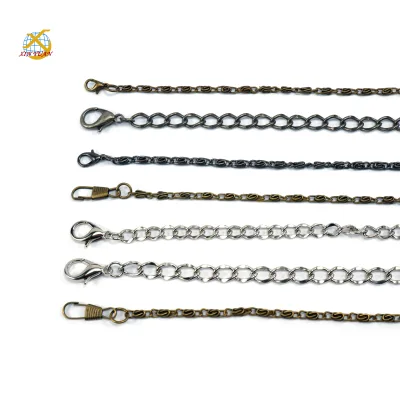
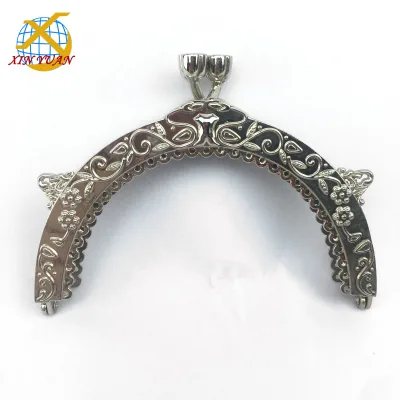
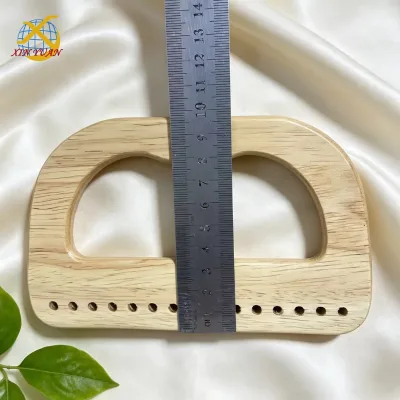
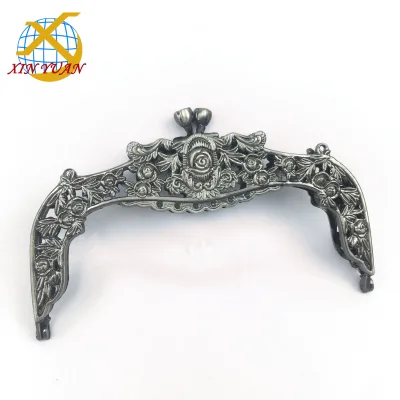
Comprehensive Sourcing Guide
Eco-Friendly Handbag Hardware Supplier Concentration and Factory Types
The current supplier landscape for eco-friendly handbag hardware reveals a concentration of activity within Zhejiang and Guangdong provinces in China. Specific product evidence indicates origins in Guangdong, while general company profiles list Zhejiang as a primary location. This geographic clustering suggests established industrial zones for bag accessories, including locks, hooks, buckles, rings, rivets, eyelets, buttons, sliders, chains, magnets, and purse frames. Buyers should verify the specific factory address against the listed province, as some listings may indicate a trading company base in one province while the actual manufacturing occurs in another. The distinction between a pure manufacturer and a trading company is critical, as the data shows a mix of both entity types offering these components.
Factory types vary significantly in their capacity to deliver specialized eco-friendly solutions. Some suppliers are identified as manufacturers with capabilities in sample processing, graphic processing, and customized on-demand production, which is essential for unique hardware designs. Others operate strictly as trading companies, potentially sourcing from multiple factories to fulfill orders. The presence of specific product attributes like zinc material or bamboo handles indicates that suppliers may specialize in different material categories within the broader hardware spectrum. Buyers must confirm whether the supplier is the direct producer of the specific eco-friendly material or a reseller, as this impacts quality control and customization flexibility.
How to Verify Eco-Friendly Handbag Hardware Suppliers
Verification of supplier credibility relies heavily on third-party audit reports and specific certification documentation. Evidence shows that some suppliers hold TüV Rheinland verification status, which serves as a robust indicator of operational legitimacy. Furthermore, compliance with international standards such as REACH, CE, RoHS, and specific EU regulations like (EC) 1907/2006 and (EU) 2019/1021 is a strong signal of adherence to environmental and safety protocols. Buyers should request current certificates for these specific standards rather than accepting generic claims, as the presence of these documents confirms the supplier's ability to meet strict regulatory requirements for eco-friendly materials.
Beyond certifications, response time and communication speed are practical metrics for assessing supplier reliability. Data indicates response times can vary, with some suppliers responding within two days while others may take up to fourteen days. A faster response time often correlates with a more active sales team and better project management capabilities. Buyers should test communication channels before placing orders to gauge the actual speed of interaction. Additionally, checking for Trade Assurance or escrow payment options provides a layer of financial security, ensuring that funds are protected until the order meets the agreed-upon specifications and delivery timelines.
What to Compare Across Eco-Friendly Handbag Hardware Suppliers
When evaluating potential partners, buyers must compare key operational metrics such as lead time, minimum order quantity, and supply ability. The available data shows lead times ranging from ten to fifteen days for specific items, while other general listings suggest a twenty-day window. Minimum order quantities also vary, with some products requiring as few as one hundred pieces and others demanding five hundred. Supply ability figures, such as one thousand pieces per day, help buyers assess whether a supplier can scale production to meet large volume demands without causing delays. These quantitative differences directly impact inventory planning and cash flow management for the buyer.
Product specifications and material composition are equally critical comparison points for eco-friendly hardware. Suppliers offer a diverse range of materials, including zinc, bamboo, and faux leather, each with distinct environmental profiles and durability characteristics. Buyers should compare attributes like color options, packaging details, and specific product features such as being nickel-free or eco-friendly. The brand name associated with the product, whether it is a specific manufacturer brand or listed as "to be advised," also influences the perceived value and traceability of the goods. Comparing these detailed product attributes ensures the selected supplier can meet the exact technical and aesthetic requirements of the final handbag design.
Common Eco-Friendly Handbag Hardware Sourcing Risks
One significant risk in sourcing eco-friendly hardware involves the discrepancy between claimed materials and actual product composition. While some listings specify bamboo or zinc, others may use generic terms that obscure the true material source. Buyers must verify that the "eco-friendly" claim is backed by specific material certifications rather than marketing language. The presence of "to be advised" for brand names or unspecified origins can indicate a lack of transparency regarding the supply chain. Without clear documentation, there is a risk that the hardware may not meet the intended environmental standards or durability expectations required for the final product.
Another major risk relates to logistics and port of dispatch inconsistencies. Product evidence lists various ports, including Ningbo, Shanghai, and Nongbo, which can affect shipping costs and delivery schedules. If a supplier claims a location in Zhejiang but dispatches from a different port, it may indicate a complex supply chain that introduces potential delays. Additionally, packaging details vary from simple poly bags to protective packing, which impacts the safety of the hardware during transit. Buyers should confirm the exact port and packaging method to avoid unexpected freight charges or damaged goods upon arrival, ensuring the logistics plan aligns with the project timeline.
Eco-Friendly Handbag Hardware Regional Sourcing and Logistics
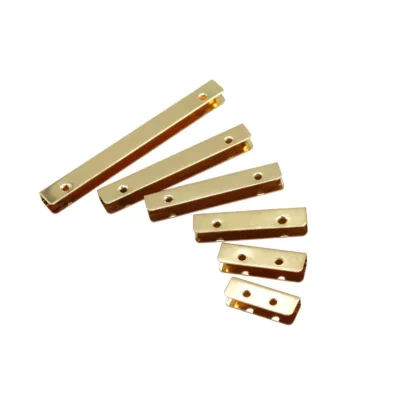
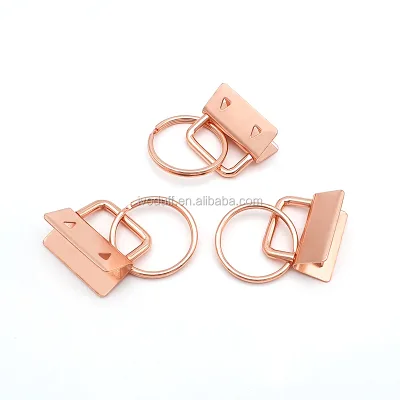
Regional sourcing strategies must account for the specific manufacturing hubs identified in the supplier data, primarily Guangdong and Zhejiang. These provinces host a dense network of factories producing bag accessories, from metal hardware to wooden handles. Buyers should prioritize suppliers located within these clusters to benefit from established logistics infrastructure and specialized labor. However, the specific port of dispatch listed for each product, such as Ningbo or Shanghai, must be verified to ensure it aligns with the supplier's actual location. Discrepancies between the factory address and the dispatch port can lead to confusion and increased shipping costs.
Logistics planning should also consider the specific packaging requirements for different hardware types. Some products are packaged in simple poly bags, while others require protective packing or paper packaging to prevent damage. The single package size and gross weight provided in the product attributes are essential for calculating accurate freight costs. Buyers need to ensure that the packaging method is sufficient to protect delicate items like metal rings or bamboo handles during long-distance shipping. Coordinating with the supplier to optimize packaging can reduce volumetric weight charges and ensure that the eco-friendly hardware arrives in pristine condition for assembly.
Eco-Friendly Handbag Hardware Commercial Terms and Order Planning
Commercial terms for eco-friendly handbag hardware often include specific payment structures and order planning requirements. Evidence indicates that Trade Assurance orders are a common payment method, offering protection for both buyers and sellers. Buyers should confirm the specific payment terms and ensure they align with their internal financial policies. Additionally, the minimum order quantity (MOQ) varies significantly, ranging from one hundred to five hundred pieces depending on the product. Understanding these thresholds is crucial for planning initial orders and managing inventory levels effectively without overstocking or underutilizing production capacity.
Order planning must also factor in the lead time and sample availability. Some suppliers offer sample availability, which allows buyers to verify quality before committing to a large order. Lead times can range from ten to twenty days, and this variability must be incorporated into the production schedule. Buyers should plan for potential delays by ordering samples early and confirming the exact lead time for the specific product variant. Furthermore, customization options like OEM services and logo printing should be discussed early in the process to ensure they fit within the overall timeline. Proper planning ensures that the supply chain remains efficient and that the final products are delivered on time for market launch.
FAQs
What is the minimum order quantity for eco-friendly handbag hardware?
The minimum order quantity varies by product type. For metal accessories like zinc hardware, the MOQ is typically 500 pieces. However, for specialized items such as metal O-rings, the MOQ can be as low as 100 pieces. Buyers should verify the specific MOQ for each item before placing an order.
How long does it take to produce and ship orders?
Lead times generally range from 10 to 20 days depending on the supplier and product complexity. Some suppliers offer a lead time of 10-15 days for specific metal hardware items. Standard production cycles may extend to 20 days. Buyers should confirm the exact lead time with the supplier before finalizing the purchase agreement.
Are these suppliers certified for environmental compliance?
Yes, several suppliers hold relevant environmental certifications. Certifications include REACH, RoHS, CE, and specific EU regulations such as (EC) 1907/2006 and (EU) 2015/863. These certifications ensure that the materials used, such as zinc and bamboo, meet strict environmental and safety standards for international trade.
What materials are used for eco-friendly handbag hardware?
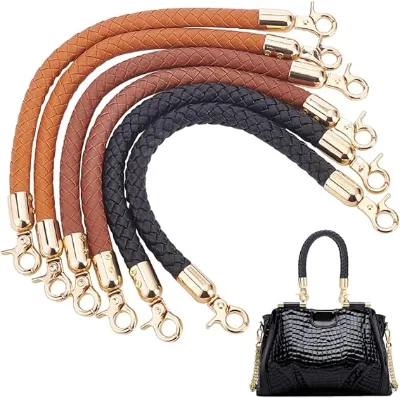
Common materials include zinc for metal hardware and bamboo for handles. Some products also use faux leather for straps. Zinc hardware is often nickel-free to enhance safety and environmental compliance. Bamboo handles provide a natural, sustainable alternative to synthetic materials. Buyers can choose materials based on their specific design and sustainability requirements.
Where are these suppliers located?
Suppliers are primarily located in Zhejiang and Guangdong, China. These regions are known for their manufacturing capabilities in bag accessories and hardware. The port of dispatch is often Ningbo or Shanghai, facilitating efficient logistics for international shipments. Buyers can expect reliable supply chain infrastructure from these established manufacturing hubs.
What is the price range for handbag hardware?
Prices vary significantly based on material and design. Metal hardware ranges from approximately $0.15 to $1.05 per piece. Bamboo handles are priced between $0.06 and $0.07 per unit. Aluminum handles cost around $0.95 to $0.99. Buyers should request detailed quotes to understand the final cost including packaging and shipping.