Eco Friendly Toilet Paper Dispenser Suppliers and Manufacturers
Compare 14 verified suppliers offering Eco Friendly Toilet Paper Dispenser options with varying lead times, certifications, and customization capabilities. Review response times and MOQs to select the right partner for your project needs; review the available evidence before requesting comparable quotations from suitable candidates.
Suppliers List

Shenzhen Telling Commodity Co., Ltd.
- Verified by TUVRHEINLAND
- Trading Company
- China Guangdong
- Lead time15 days
- Avg. response≤ 8h
Main productsPaper Bag, Paper Box, Paper Straw, Paper Cup, Paper Doilly, Toilet Paper, Paper Towel, Paper Napkin, Facial Tissue, Jumbo Roll Toilet Paper
Main marketsAfrica,Southeast Asia/ Mideast,Europe,Australia,North America

Toilet Paper Seat Cover Dispenser
Contact supplier

Multifold Paper Towel Dispenser
Contact supplier

Shenzhen Smarlean Hygiene Co., Ltd.
- Trading Company,Manufacturer/Factory,Group Corporation
- China Guangdong
- Lead time23 days
- Avg. response≤ 16h
Main productsAutomatic Soap Dispenser, Hand Soap Dispenser, Paper Towel Dispenser, Toilet Tissue Dispenser, Commercial Automatic Soap Dispenser, Commercial Hand Soap Dispenser, Commercial Paper Towel Dispenser, Commercial Toilet Tissue Dispenser, Commercial Paper Towel, Commercial Toilet Paper
Main marketsSouth America,Eastern Europe,Mid East,North America,Southeast Asia,Eastern Asia,Oceania,Western Europe,Africa


High Quality Auto Paper Towel Dispenser Toilet Paper Handsfree Toilet Paper Dispenser
$39.00 - $41.00
Moq: 100


Guangzhou Newmade Cleaning Products Co., Ltd
- Verified by TUVRHEINLAND
- Combined
- China Guangdong
- Lead time15 days
- Avg. response≤ 6h
Main productsVacuum Cleaner, Wringer Trolley, Janitor Cart, Warning Sign, Gabage Can, Floor Dryer, Window Squeegee, Dust Mop, Paper Dispenser, Floor Squeegee
Main marketsSouth America,Domestic,Australia,North America

Jiangmen Xinwei Cosmetics Co., Ltd.
- Manufacturer/Factory
- China Guangdong
- Lead time45 days
- Avg. response≤ 5h
Main productsParaffin Wax, Depilatory Wax, Hard Wax, Wet Wipes, Neck Paper, Waxing Paper Roll, Cosmetics Products
Main marketsEastern Europe,Mid East,North America,Southeast Asia,Eastern Asia,Africa

GUANGZHOU ATGET DECORATION & HARDWARE CO., LTD.
- Verified by SGS
- Combined
- China Guangdong
- Lead time15 days
- Avg. response≤ 11h
Main productsSoap Dispenser, Paper Towel Dispenser, Paper Holder, Bathroom Grab Bar, Floor Drain, Handrail for The Disabled, Bathroom Shower Shelf, Cosmetic Mirror, Bathroom Accessories, Miscellaneous Hardware
Main marketsSouth America,Southeast Asia/ Mideast,Europe


Modern Toilet Paper Dispenser Waterproof Multifunctional Tissue Box Paper Holder
Contact supplier
Moq: 50

Guangdong Victory Industry Limited
- Trading Company
- China Guangdong
- Lead time15 days
- Avg. response≤ 2h
Main productsTrash Can, Dustbin, Waste Bin, Toilet Brush, Paper Holder, Compost Bin, Kitchen Paper Towel Holder, Makeup Mirror, Towel Rack, Bathroom Accessories
Main marketsEurope,North America
Guangzhou Saige Smart Household Products Co., Ltd.
- Verified by TüVRheinland
- Manufacturer, Trading Company
- Lead time15 days
- Avg. response≤ 2h
Main productsSoap Dispenser, Paper Dispenser, Aerosol Dispenser, Urinal Screen
Main marketsNorth America(20%), South America(10%), Eastern Europe(10%)
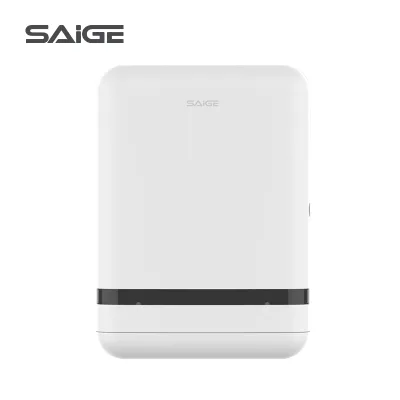
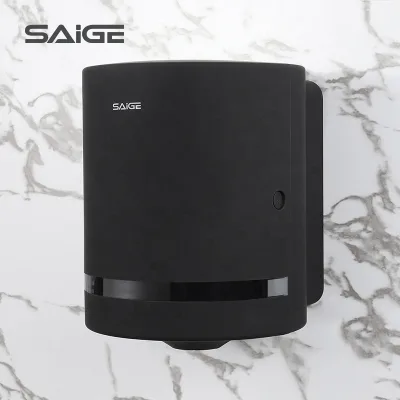
ABS Plastic Dispenser of Paper Towel Black Wall Mount Hand Paper Dispenser Private Label
$8.33 - $14.90
Moq: 100

Jiangsu Hewbonn Paper Industrial Co., Ltd.
- Verified by TUVRHEINLAND
- Combined
- China Jiangsu
- Lead time15 days
- Avg. response≤ 1h
Main productsToilet Paper, Facial Tissue, Paper Towel, Paper Napkin, Kitchen Paper, Wet Wipes, Adult Diaper, Tissue Material, Jumbo Roll Tissue, Couch Roll
Main marketsEurope,Australia,North America


Plastic-Free Toilet Paper with Compostable Packaging Designed for Eco-Retailers
$0.10 - $0.15
Moq: 30000


Zhucheng Lizhou Paper Co., Ltd.
- Verified by SGS
- Combined
- China Shandong
- Lead time30 days
- Avg. response≤ 3h
Main productsTissue Paper, Toilet Paper, Toilet Tissue, Jumbo Roll, Kitchen Towel Paper, Napkin
Main marketsAfrica,Domestic,Australia,North America


Eco-Friendly Disposable Biodegradable Toilet Paper Brings Health to You and Your Family
$0.10 - $0.29
Moq: 10000


Qingdao Credit Insurance Imp & Exp Co., Ltd.
- Verified by TUVRHEINLAND
- Trading Company
- China Shandong
- Lead time15 days
- Avg. response≤ 8h
Main productsBamboo Toilet Paper, Eco-Friendly Toilet Paper, Bamboo Kitchen Paper, Recycled Toilet Paper, Kitchen Paper, Fish Ruler, Biodegradable Packaging, Tissue Paper, Toilet Paper
Main marketsEast Asia(Japan/ South Korea)

Shandong Fenite New Material Co., Ltd.
- Verified by BV
- Manufacturer
- China Shandong
- Lead time15 days
- Avg. response≤ 3h
Main productsToilet Paper, Facial Tissue, Hand Towel

Jiangxi Zhangshi Paper Co., Ltd.
- Verified by SGS
- Combined
- China Jiangxi
- Lead time30 days
- Avg. response≤ 5h
Main productsHousehold Tissue
Main marketsDomestic

Lianyungang Eternity International Trading Co., Ltd.
- Verified by TUVRHEINLAND
- Trading Company
- China Jiangsu
- Lead time15 days
- Avg. response≤ 7h
Main productsToilet Paper, Facial Tissue, Paper Kitchen Towel, Hand Paper Towel, Toilet Seat Cover, Wet Tissue, Paper Napkins, Paper Bag/Box, Jumbo Roll, Wrapping Paper
Main marketsEurope,Australia,North America

Baoding Baohe International Trade Co., Ltd.
- Verified by TUVRHEINLAND
- Trading Company,Manufacturer/Factory
- China Hebei
- Lead time15 days
- Avg. response≤ 4h
Main productsToilet Paper, Jumbo Roll Tissue, Adult Diaper, Under Pad, Wet Wipes, Facial Tissue, Parent Roll, Disponsable Toilet Seat Cover, Slate, Baby Diaper
Main marketsSouth America,Eastern Europe,Mid East,North America,Southeast Asia,Eastern Asia,Oceania,Western Europe,Africa


Comprehensive Sourcing Guide
Eco Friendly Toilet Paper Dispenser Supplier Concentration and Factory Types
Buyers searching for an Eco Friendly Toilet Paper Dispenser will encounter a supplier base that is heavily oriented toward China, with Guangdong province appearing as a listed location for suppliers in this category. Guangdong's role matters because it combines access to plastics processing, paper product manufacturing, and export infrastructure, which is relevant when a dispenser combines an ABS plastic housing with tissue or roll paper consumption. When a province is not confirmed in the listing data you are reviewing, avoid assuming a cluster; instead, ask shortlisted suppliers where their factory or subcontractor sits and whether the region has related bathroom accessory or paper product industries that can support tooling and spare parts.
The company types on this page are instructive: many listings identify as trading companies, while others combine trading, manufacturer/factory, and group corporation roles. This distinction changes what you verify. A trading company may offer breadth across paper products—paper bags, cups, straws, napkins, and tissue—plus dispensers, but you should confirm who actually molds the plastic housing and who holds any factory-level quality system. A factory-type listing that also offers OEM and ODM capability is a better fit if you need custom colors, logos, or modified roll sizes. Product evidence on this page includes wall-mounted double-roll and jumbo-roll plastic dispensers, seat cover dispensers, and multifold towel dispensers, so clarify which dispensing format your eco friendly specification actually requires before comparing companies.
How to Verify Eco Friendly Toilet Paper Dispenser Suppliers
Verification starts with the attributes a listing displays and ends with evidence you request directly. On this page, one supplier carries a TÜV Rheinland verification badge, which indicates third-party business verification rather than product testing—do not read it as a product certification. Other listings show ISO 9001 and ISO 14001 system certifications, which speak to quality management and environmental management respectively; the latter is particularly relevant for an eco friendly positioning. A plastic roll dispenser listing cites an "ISOCE" certification attribute and another cites CE and FCC certificates for a twin-roll model. Ask for the actual certificate numbers and scope documents, because displayed labels can reference expired or narrowly scoped certificates.
Beyond paperwork, verify the product itself. Request material declarations for the housing—several listings specify 100% ABS plastic—and confirm whether recycled content, recyclability, or FSC-type paper claims behind any "eco friendly" marketing are documented, since none of the visible attributes prove those claims. Ask for dimensional drawings: one listing gives H160×L264×D142 mm for a double-roll model, another H307×L295×D227 mm for an automatic unit, and a jumbo-roll model at 280×270×120 mm sized for 9-inch rolls. Confirm customization availability, which is marked as available across the listed products, and whether the supplier supports logo and color customization explicitly. Finally, request references or transaction history for commercial washroom installations, because hotel and bathroom suitability is claimed in the product attributes and should be validated with real deployments.
What to Compare Across Eco Friendly Toilet Paper Dispenser Suppliers
Build a comparison table from the dimensions the listings expose, but treat missing values as information gaps rather than weaknesses. Comparable labels on this page include lead time, MOQ, response time, location, company type, verification, and main products. Lead times differ meaningfully here: one supplier shows a 15-day figure while another shows 23 days, which affects your replenishment cycle. Response times also diverge—one around 7.4 hours and another around 15.6—so factor communication speed into your evaluation if you run iterative sampling. MOQs on specific products range from 100 pieces for an automatic hands-free dispenser to 500 pieces for twin-roll and jumbo-roll plastic models, so match order size to the dispensing format you select.
Compare the product portfolio and capability labels alongside price. Main product lines on this page range from paper consumables (bags, cups, napkins, tissue) through to commercial dispenser families covering soap, towel, and toilet tissue. Capability labels such as Own Brand, OEM, and ODM indicate whether a supplier can execute your customization, and ISO 9001/14001 system certifications suggest mature process controls. Price ranges visible on listed products span roughly 5.80–7.50 USD for plastic roll and twin-roll dispensers and 39–41 USD for an automatic battery-powered model, but verify current quotations directly. Also compare packaging and shipping density: carton quantities of 8, 12, or 1 piece per carton and container loads such as 3,288 pieces per 20gp change your landed cost materially per unit.
Common Eco Friendly Toilet Paper Dispenser Sourcing Risks
The most frequent risk in this category is conflating "eco friendly" marketing with verified sustainability attributes. None of the visible product attributes on this page documents recycled plastic content, certified paper sourcing, or end-of-life recyclability, even though the housings are described as 100% ABS plastic. ABS is a virgin-oriented engineering plastic, so an environmental claim needs a material declaration or test report behind it. A second risk is certification confusion: labels such as ISOCE, CE, FCC, and ISO 9001/14001 appear in the data, but these cover different scopes—electromagnetic compliance for the automatic model, management systems for the factory—and none certifies environmental performance of the product itself. Request scope documents before relying on any badge.
Operational risks are equally concrete. Automatic dispensers run on 4 D-size alkaline batteries or an AC adaptor with battery life stated as up to 60,000 cycles—confirm how that figure was measured and what happens when batteries fail in a public washroom. Mechanical risks include lock types (key or button per one listing) and compatibility: a double-roll model accepts rolls under 110 mm width, and jumbo models are built for 9-inch rolls, so mismatched paper rolls cause jamming claims after installation. Trading-company intermediation adds a traceability risk—know which factory molds and assembles. Finally, MOQ and packaging structures (8 or 12 pieces per carton, 0.6 kg per piece, 9 kg gross per carton) can inflate sample costs and small-trial freight if not planned in advance.
Eco Friendly Toilet Paper Dispenser Regional Sourcing and Logistics
Guangdong, China is the listed origin for suppliers on this page, and it is a practical base for this category because dispenser production overlaps with plastics molding, bathroom accessories, and paper converting industries. One product listing explicitly states an origin of Guangdong, China, and the category sits under bathroom accessories and paper holders, which reinforces the regional fit. When your search results show suppliers without a confirmed location, ask directly for the manufacturing address and confirm whether the factory is in a recognized cluster for bathroom hardware or paper products—proximity to molders and packaging suppliers shortens tooling iterations for customized colors and logos.
Logistics planning should start from the packing data in the listings. A double-roll dispenser ships 8 pieces per carton in a 570×320×375 mm carton at 9 kg gross, with a stated 20gp load of 3,288 pieces and 40gp of 7,640 pieces. A larger automatic model ships 1 piece per carton at 385×355×285 mm, loading only 700 pieces per 20gp and 1,625 per 40gp—a sixfold density difference that dominates freight cost per unit. A jumbo-roll model at 570×435×600 mm, 12 per carton, sits in between. Confirm whether poly bag plus carton packing is sufficient for sea freight or whether inner boxes are needed. Stated lead times of 15–20 days production for some models, and 15 or 23 days supplier-level figures, should anchor your order calendar against vessel schedules.
Eco Friendly Toilet Paper Dispenser Commercial Terms and Order Planning
Commercial terms on this page give you realistic anchors but must be reconfirmed in writing. Visible price bands run from 5.80–6.50 USD for a jumbo-roll plastic dispenser, 6.00–7.50 USD for a coreless roll model, and 6.50 USD for a twin double-roll holder, up to 39–41 USD for an automatic hands-free unit. MOQs are 200 pieces on the coreless model, 500 pieces on twin-roll and jumbo-roll models, and 100 pieces on the automatic dispenser, which makes the automatic format viable for smaller pilot orders despite its higher unit price. Ask whether quoted prices include customization, since logo and color customization is offered as an attribute but its cost impact is not displayed.
Order planning should reconcile the different lead-time signals: supplier-level figures of 15 and 23 days coexist with a product-level statement of 15–20 days production, so confirm which applies to your specific configuration and quantity. Payment terms, escrow arrangements, and trade assurance mechanisms are not shown in the visible data—raise them explicitly in negotiation rather than assuming platform protection exists. For repeat purchasing, lock the model numbers (A7, A4, G2 appear in listings) and carton specifications to prevent drift between orders. If your eco friendly requirement includes recycled or certified paper, add a contractual specification for the consumable rolls, including the sub-110 mm width limit or 9-inch jumbo format, so the dispensers and paper you source remain compatible across successive orders.
FAQs
What is the typical lead time for these dispensers?
Manufacturers in Guangdong, China, generally require 15 to 23 days for production. Some suppliers offer a standard 15-day turnaround, while others may need up to 23 days. Buyers should confirm specific timelines based on order volume and customization requirements before placing a purchase order.
What are the minimum order quantities for plastic dispensers?
Minimum order quantities vary by model, typically ranging from 100 to 500 pieces. Specific models may require a minimum of 100 units, while others start at 200 or 500 pieces. Buyers must check the specific product listing to determine the exact MOQ applicable to their selected dispenser type.
Are these dispensers customizable for branding purposes?
Yes, customization is widely available for logos and colors. Suppliers offer OEM and ODM services, allowing buyers to tailor the appearance of the dispensers. This service is explicitly listed as available for various models, ensuring that brands can maintain their visual identity across bathroom fixtures.
What certifications do these products typically hold?
Products often carry ISO 9001 and ISO 14001 system certifications. Individual items may also display CE and FCC marks. Buyers should verify specific certification documents for each model, as compliance standards can vary between different manufacturers and product lines within the same supplier catalog.
What is the price range for wall-mounted dispensers?
Prices generally range from $5.80 to $41.00 per unit. Basic plastic models start around $5.80 to $7.50, while automatic sensor dispensers can cost between $39.00 and $41.00. The final price depends on the material, functionality, and order quantity negotiated with the supplier.
How quickly do suppliers respond to inquiries?
Response times vary, with some suppliers replying within 7.43 hours and others taking up to 15.62 hours. Buyers seeking urgent quotes should prioritize suppliers with faster response metrics. Checking the response time indicator on the supplier profile helps gauge communication efficiency before initiating contact.