Eco-Friendly Velvet Challah Cover Suppliers and Manufacturers
Compare 26 verified suppliers offering eco friendly velvet challah covers with details on location, lead times, and MOQ. Review product attributes like material and customization options before contacting vendors for quotes; review the available evidence before requesting comparable quotations from suitable candidates.
Suppliers List
GRAND RESOURCES HOME CO., LTD.
- Trading Company
- Beijing, China
- Lead time40 days
- Avg. response≤ 13h
Main productstablecloth,table runner,placemat,doily,curtain
Main marketsSouth America(40.00%), Western Europe(20.00%), Eastern Europe(20.00%), Southeast Asia(10.00%), Mid East(10.00%)
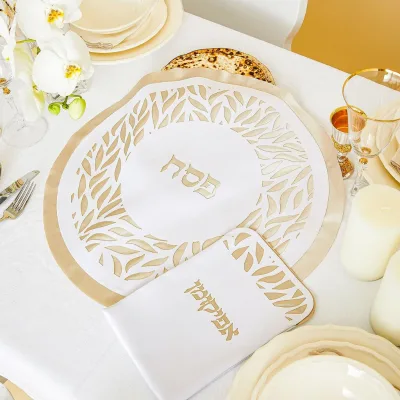
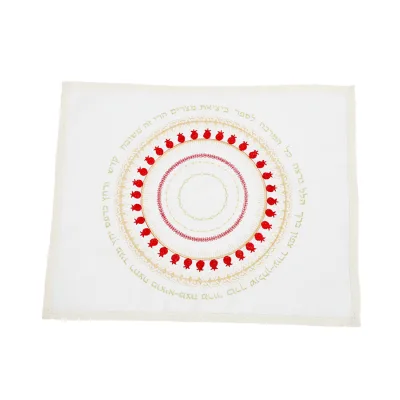
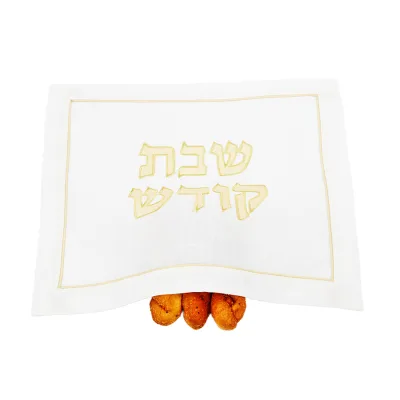
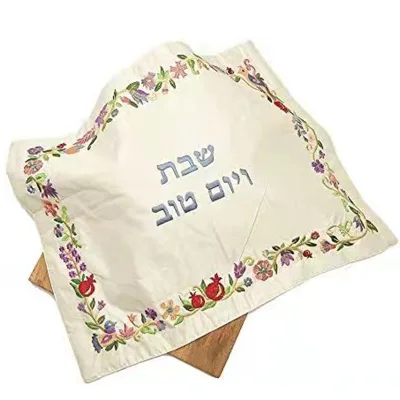
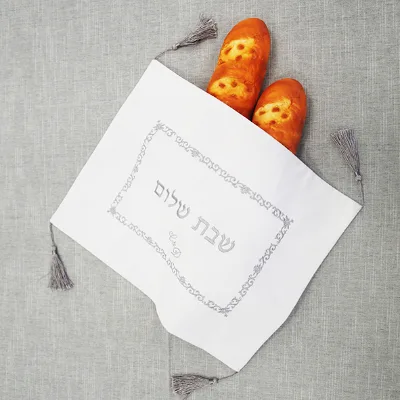
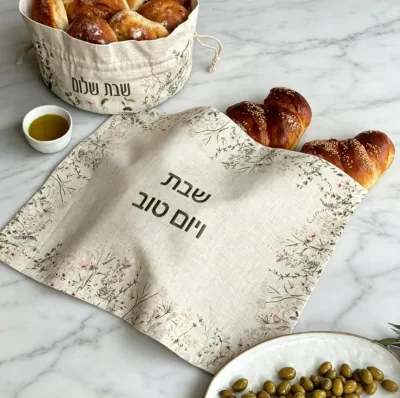
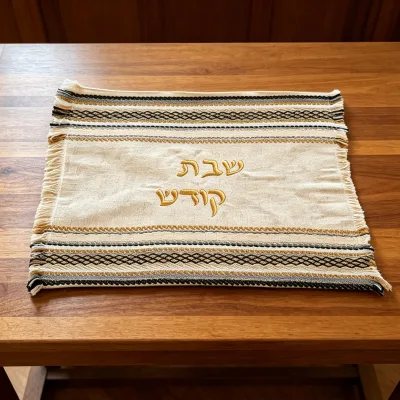
Popular 20*16 Inch Passover Vintage Embroidered Shabbat White Challah Bread Cover
$1.00 - $2.00
MOQ: 300 pieces
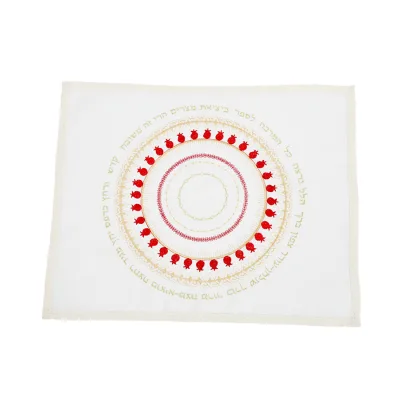
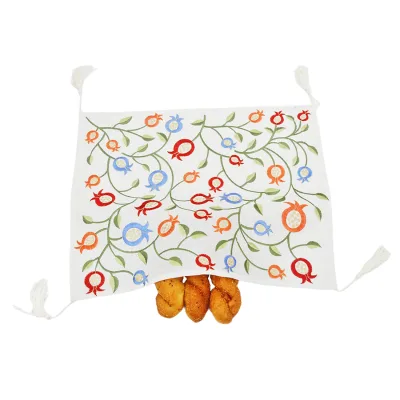
Integrity Designs White Linen Altar Cloth White Embroidery Seder Square Matzo Cover
$1.02 - $2.04
MOQ: 300 pieces
Glamon Industry (shenzhen) Co., Ltd.
- Manufacturer, Trading Company
- Lead time旺季: "1 - 100":15,"101 - 1000":20,"1001 - 2000":30,"> 2000":"To be negotiated", 淡季: "1 - 100":15,"101 - 1000":20,"1001 - 2000":30,"> 2000":"To be negotiated"
- Avg. response≤ 4h
Main productsAcrylic Products, Leather Items, Office Supplies, Resin Crafts, Plastic Package
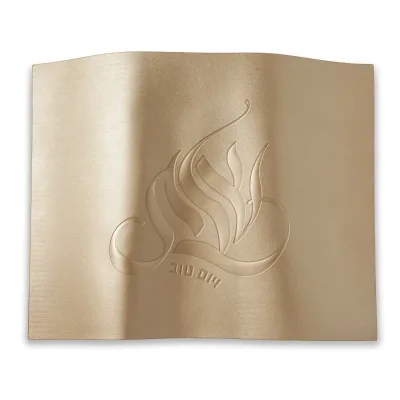
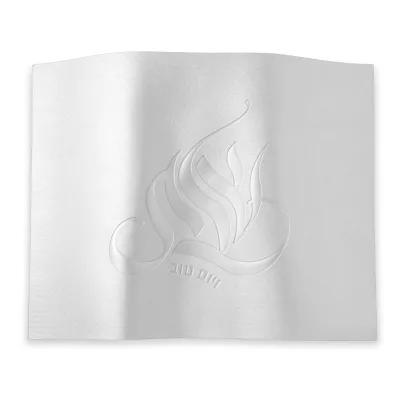
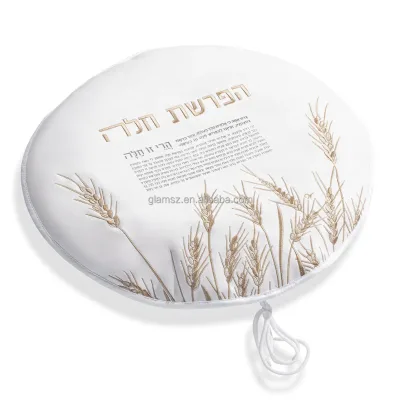
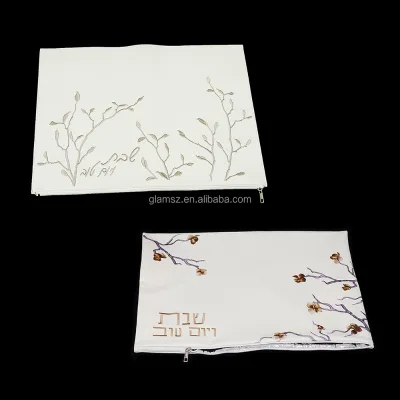
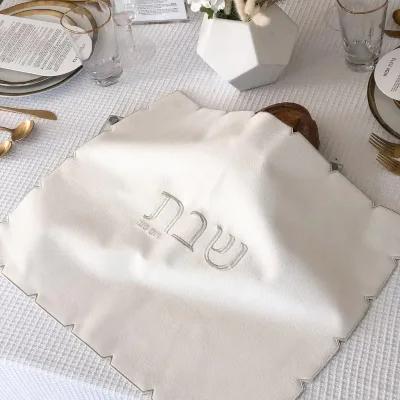
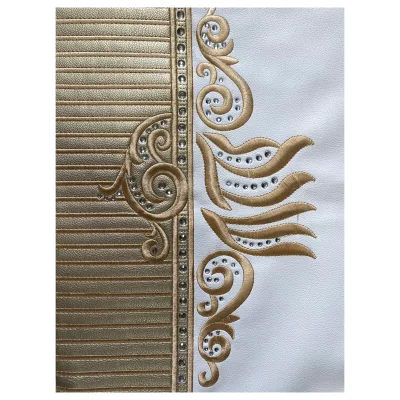
Jewish Judaica Gold Embroidery Gorgeous Leather Hafrashas Challah Cover
$9.90 - $13.90
MOQ: 100 Minimum
Changxing Clothing Mfg. Co., Ltd.
- Verified by SGS Group
- Manufacturer, Trading Company
- Lead time40 days
- Avg. response≤ 2h
Main productsKippot, Kippah, Yarmuke
Main marketsDomestic Market(100%)

Anhui Better Advertising Production Co., Ltd.
- Manufacturer
- Anhui, China
- Lead time7 days
- Avg. response≤ 8h
Main productsbeach flags,printing sevice,mesh banners,pop up tents,pop up displays
Main marketsNorth America(30.00%), Western Europe(15.00%), Domestic Market(14.00%), Eastern Europe(10.00%), Southern Europe(10.00%), South Asia(5.00%), Africa(5.00%), Central America(5.00%), South America(5.00%), Southeast Asia(1.00%)
- Verified by SGS Group
- Trading Company
- Lead time7 days
- Avg. response≤ 3h
Main productsBaseball cap, Trucker hat, Bucket hat, Kippah, Yashmagh
Main marketsNorth America(30%), Mid East(15%), Oceania(10%)

Yiwu Desheng Home Textile Co., Ltd
- Verified by SGS
- Combined
- China Zhejiang
- Lead time23 days
- Avg. response≤ 6h
Main productsCushion, Hug Pillow, Pillow, Seat Cushion, Floor Cushion, Cushion Cover, Pillow Case, Bay Window Seat Chushion, Chair Cushion, Leather Cushion
Main marketsOthers(foreignTradeCapacity.exportBusinessCapacityMarketOther)
Glam Industry (Guangzhou) Co., Ltd.
- Verified by TüVRheinland
- Manufacturer, Trading Company
- Lead time15 days
- Avg. response≤ 5h
Main productsAcrylic Box, Acrylic Display, Acrylic Photo Frame, Acrylic Tray, Acrylic Block
Main marketsNorth America(30%), Oceania(20%), Western Europe(10%)
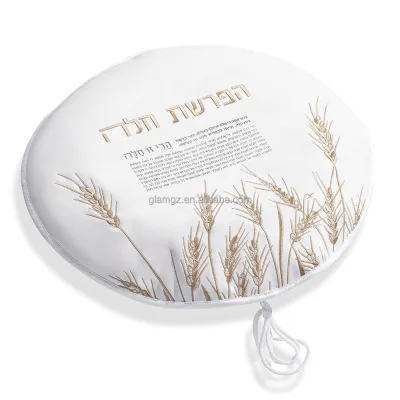
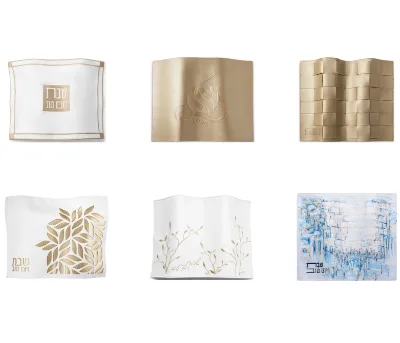
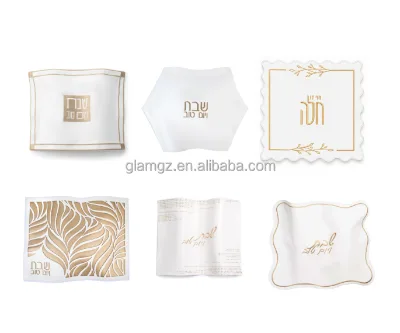
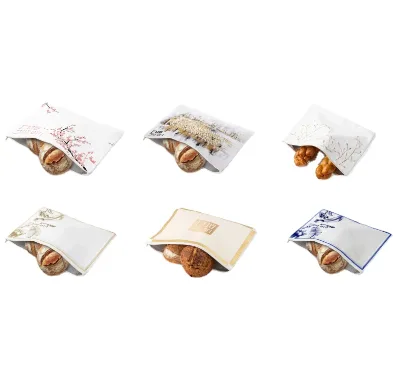
Jewish Gift Judaica Bat Mitzvah Presents Shabbat Shabbos Table Leather Challah Cover
$6.90 - $8.90
MOQ: 100
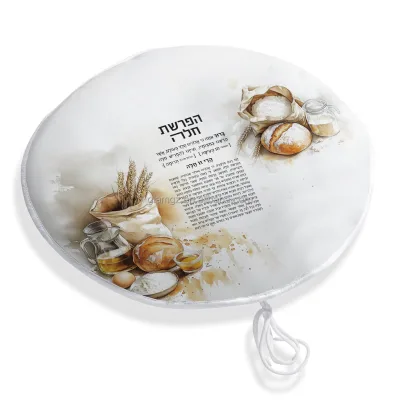
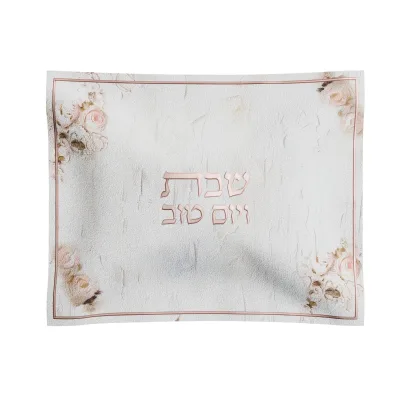
- Verified by SGS
- Combined
- China Fujian
- Lead time15 days
- Avg. response≤ 3h
Main marketsEurope

Dongguan DND Display Products Co., Ltd.
- Verified by SGS
- Combined
- China Guangdong
- Lead time23 days
- Avg. response≤ 2h
Main productsAcrylic Household Products, Acrylic Display Products, Acrylic Furniture
Main marketsSoutheast Asia/ Mideast,Domestic,Europe,North America
Fuzhou Jiushang Promotions Co., Ltd.
- Verified by SGS Group
- Trading Company
- Lead time10 days
- Avg. response≤ 4h
Main productsBaseball Caps, Snapbacks, Fitted Caps, Dad Hats, Beanies

Fuzhou Yuanyang Future Import and Export Co., Ltd.
- Verified by SGS
- Combined
- China Fujian
- Lead time15 days
- Avg. response≤ 4h
Main productsPackaging Bag, Bag, Travel Bag, Shopping Bag, Tote Bag, Paper Bag, Sports Bag, Backpack, Gift Bag, Promotioan Bag
Main marketsAustralia

Shaoxing City Xinlan Textile CO., LTD.
- Verified by TUVRHEINLAND
- Combined
- China Zhejiang
- Lead time23 days
- Avg. response≤ 2h
Main productsHome Textile, Curtain, Cushion Cover, Shower Curtain, Macrame Handmade Products, Curtain Fabric, Tablecloth, Placemat, Blankets, Bedding
Main marketsNorth America


$3.85 - $4.20
MOQ: 100 Pieces


$0.76 - $0.93
MOQ: 200 pieces


Hangzhou Zhigeng Silk Co., Ltd.
- Verified by BV
- Trading Company,Manufacturer/Factory
- China Zhejiang
- Lead time45 days
- Avg. response≤ 14h
Main productsSilk Scarf, Silk Tie, Wool Scarf, Silk Sleepmask, Silk Pillowcase, Silk Scrunchies, Silk Sleepwear, Cotton Linen Tote Bag
Main marketsSouth America,Eastern Europe,North America,Western Europe

Eco-Friendly 100% Pure Silk 50*70cm Pillow Covers Soft Envelope Pillowcase
$18.50 - $22.00
MOQ: 50 Pieces


Wuhan Eco Faith Packing Co., Ltd.
- Manufacturer/Factory
- China Hubei
- Lead time23 days
- Avg. response≤ 8h
Main productsFabrics Drawstring Bag, Cotton Bags, Satin Bag, Velvet Bag, Organza Bag, Jute Bag, Jewelry Bag, Non-Woven Bag, Thermal Bag, Gift Box
Main marketsSouth America,Eastern Europe,Mid East,North America,Southeast Asia,Eastern Asia,Oceania,Western Europe,Africa

Pujiang Damai Household Products Co., Ltd.
- Verified by SGS
- Combined
- China Zhejiang
- Lead time15 days
- Avg. response≤ 3h
Main marketsDomestic
- Verified by SGS Group
- Manufacturer, Trading Company
- Lead time10 days
- Avg. response≤ 2h
Main productsBamboo Bedding Sets, Cotton Bedding Sets, Linen Bedding Sets, Different Kinds Fabric, Homewearing
Main marketsNorth America(32%), Oceania(25%), Southeast Asia(20%)

Shenzhen Daohua Industrial Co., Ltd.
- Verified by TUVRHEINLAND
- Manufacturer/Factory
- China Guangdong
- Lead time15 days
- Avg. response≤ 4h
Main productsPackaging Material, Gift Box, Paper Box, Wooden Box, Watch Box, Jewelry Box, Carton, Packing Box
Main marketsEastern Europe,North America,Southeast Asia,Eastern Asia,Oceania,Western Europe

Quanzhou Changyi Crafts Gifts Limited
- Verified by TUVRHEINLAND
- Manufacturer/Factory
- China Fujian
- Lead time23 days
- Avg. response≤ 7h
Main productsBallpoint Pen, Silicone Bracelet, Name Card Holder, Luggage Tag, Gift Set, Mobile Phone Accessory, Passport Cover, Ceramic Coaster, Gift Bag, Gift Box
Main marketsSouth America,Mid East,North America,Southeast Asia,Eastern Asia,Oceania,Western Europe,Africa
Wuxi Tongyi Home Textile Co., Ltd.
- Verified by SGS
- Combined
- China Jiangsu
- Lead time30 days
- Avg. response≤ 2h
Main productsBedding Set, Bed Sheet, Cover
Main marketsDomestic

Qingdao Best Ever Handcrafts Co., Ltd.
- Trading Company
- China Shandong
- Lead time30 days
- Avg. response≤ 5h
Main productsStorage Basket, Cotton Rope Basket, Laundry Basket, Fabric Storage Basket, Place Mats, Rope Bags, Diaper Caddy, Bag
Main marketsAfrica,Europe,Australia,North America

Shanghai Easun Group Imp & Exp Co., Ltd.
- Verified by TUVRHEINLAND
- Trading Company
- China Shanghai
- Lead time15 days
- Avg. response≤ 22h
Main productsBlankets, Home Slippers, Bedding Sets, Towel, Amenity Kits, Airline Supply, Hospital Supply, Hotel Supply, Railway Supply, Pillow&Case
Main marketsAfrica,Southeast Asia/ Mideast,Europe
Guangzhou Forest Packaging Co., Ltd.
- Verified by SGS Group
- Trading Company
- Lead time5 days
- Avg. response≤ 3h
Main productsPaper Bags, Corrugated Boxes, Paper Boxes, Non-woven Bag, Canvas Bag
Main marketsNorth America(22%), Western Europe(18%), Mid East(13%)

- Verified by TUVRHEINLAND
- Combined
- China Guangdong
- Lead time15 days
- Avg. response≤ 4h
Main productsPatches, Badges, Woven Labels, Hang Tag, Lanyard, Gift Pouch, Promotional Caps, Promotonal Bracelet, Keychain, Bracelet
Main marketsSoutheast Asia/ Mideast,East Asia(Japan/ South Korea),North America
Tongcheng Wuchuang Household Products Co., Ltd.
- Verified by SGS Group
- Manufacturer, Trading Company
- Lead time15 days
- Avg. response≤ 2h
Main productsBedding Bag, Closet Storage Bags, Garment Bag & Suit Bag, Shopping Bag, Fabric Storage Box (Cube)
Main marketsNorth America(50%), Western Europe(20%), Southern Europe(20%)
Foshan Dasi Metal Technology Co., Ltd.
- Verified by SGS
- Combined
- China Guangdong
- Lead time15 days
- Avg. response≤ 2h
Main productsFlag & Banner, Beach Flags, Backdrop, Tents, Promotion Table, Pop up Wall, a Frame Banner, Beach Flagpole, Beach Flagbase, Display Accessories
Main marketsDomestic,Europe

- Trading Company
- China Zhejiang
- Lead time30 days
- Avg. response≤ 7h
Main productsFishing Products, Hand Dryer, Soap Dispenser, Paper Dispenser
Main marketsSouth America,Europe,North America

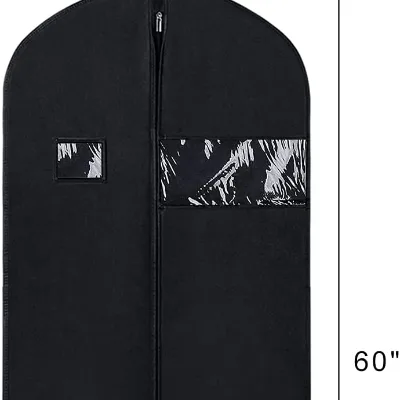
Storage Bag Garment Cover Storage Organizer Closet Organizer Package Bag
$2.00 - $2.80
MOQ: 100 Pieces











Comprehensive Sourcing Guide
Eco-Friendly Velvet Challah Cover Supplier Concentration and Factory Types
Current data indicates a concentration of suppliers in Beijing, China, offering a mix of trading companies and manufacturers. These entities list main products ranging from table linens to acrylic and leather items, suggesting a diverse manufacturing base capable of handling varied textile requests. Some suppliers explicitly state a company type of Trading Company, while others operate as both Manufacturer and Trading Company, which can influence direct factory access and pricing structures. The presence of Beijing-based origins for specific product attributes like embroidery and satin materials provides a tangible anchor for locating potential partners in this region.
When evaluating factory types, buyers should distinguish between pure trading firms and those with direct production capabilities. A supplier listing both manufacturer and trading company status may offer more flexibility in customization and volume scaling compared to a pure trader. However, the specific factory floor location is not always explicitly detailed beyond the city level in general listings. Buyers must verify if the Beijing location represents the headquarters or the actual production facility, as this distinction impacts quality control and communication efficiency. Understanding the operational model is essential before proceeding with sample requests or large orders.
How to Verify Eco-Friendly Velvet Challah Cover Suppliers
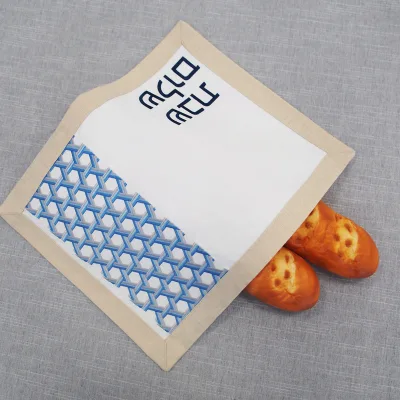
Verification begins with scrutinizing the specific product attributes provided in the listing, such as material composition and production techniques. Evidence shows suppliers offering items described as polyester, PU leather, or satin with embroidery techniques, which buyers must cross-reference against their specific "velvet" and "eco-friendly" requirements. The presence of terms like "Eco-Friendly" in product features requires confirmation of the actual fabric source and dyeing processes, as these claims are not universally standardized without third-party documentation. Buyers should request detailed material specifications to ensure the velvet texture and environmental claims align with their brand standards.
Response time and sample availability serve as critical indicators of supplier reliability and operational readiness. Data points reveal response times ranging from 4 to 13 hours, with sample times often cited between 7 to 10 days. A faster response time suggests a more active sales team, while a consistent sample turnaround indicates efficient internal logistics. Buyers should test these metrics by initiating contact and requesting samples to gauge actual performance against the stated averages. Verifying the ability to provide custom logos and specific sizes within the quoted sample window is a practical step to confirm the supplier's capacity to meet unique project needs.
What to Compare Across Eco-Friendly Velvet Challah Cover Suppliers
Comparative analysis should focus on Minimum Order Quantities (MOQ) and lead time variations across different supplier profiles. Listings show MOQs starting at 100 pieces for some items, while others require 300 pieces, creating a significant variance for buyers with different volume needs. Lead times also fluctuate, with some suppliers citing a standard 40-day window, while others provide tiered schedules based on order volume, such as 15 days for small batches and up to 30 days for larger quantities. Understanding these thresholds is vital for inventory planning and cash flow management, as exceeding a supplier's capacity can delay delivery significantly.
Price ranges and payment terms offer another layer of comparison essential for budgeting and risk assessment. Product data indicates price points ranging from approximately $0.59 to $5.59 per unit, depending on material, size, and customization level. Payment terms often include a 30% deposit structure, which is standard but requires careful review to ensure it aligns with the buyer's financial policies. Buyers must compare the total landed cost, including shipping and potential customs duties, rather than focusing solely on the unit price. Evaluating the correlation between price, MOQ, and material quality helps identify suppliers offering the best value proposition for specific order sizes.
Common Eco-Friendly Velvet Challah Cover Sourcing Risks
One primary risk involves the discrepancy between marketing claims and actual product specifications, particularly regarding material composition. Listings frequently mention "Eco-Friendly" features alongside materials like polyester or PU leather, which may not inherently meet strict environmental standards without specific certification. Buyers face the risk of receiving goods that do not match their sustainability expectations if they rely solely on product keywords without verifying the underlying supply chain. It is crucial to demand proof of material sourcing and processing methods to mitigate the risk of non-compliance with corporate sustainability goals.
Logistical and communication risks are heightened by the variability in lead times and the potential for production delays during peak seasons. Some suppliers indicate that lead times extend significantly during busy periods, with specific tiers for orders exceeding 1,000 or 2,000 pieces. This variability can disrupt supply chains if not accounted for in the initial planning phase. Additionally, the reliance on third-party logistics for dispatch from ports like Qingdao or Shanghai introduces potential delays in transit. Buyers must establish clear communication channels and contingency plans to manage these uncertainties effectively.
Eco-Friendly Velvet Challah Cover Regional Sourcing and Logistics
Sourcing from Beijing, China, offers access to a concentrated hub of textile and leather manufacturers, yet logistics planning must account for specific port options. Suppliers list dispatch ports including Qingdao, Tianjin, Ningbo, Shenzhen, and Shanghai, providing flexibility but also requiring buyers to calculate shipping costs and transit times from the nearest port to their destination. The distance between the factory location and the chosen port can impact the overall lead time and cost efficiency of the shipment. Buyers should coordinate with freight forwarders to determine the most cost-effective port based on their specific location and shipping schedule.
Packaging and single package dimensions are critical factors in optimizing shipping costs and ensuring product safety during transit. Product attributes indicate single package sizes around 30x20x20 cm with weights near 2 kg, though these figures can vary based on customization and order volume. Proper packaging details, such as poly bags, cartons, or customized labels, must be confirmed to prevent damage and ensure compliance with import regulations. Buyers should verify if the supplier offers protective packaging that meets their specific requirements, especially for delicate items like embroidered velvet covers, to avoid damage during the long-haul journey from China.
Eco-Friendly Velvet Challah Cover Commercial Terms and Order Planning
Order planning must align with the supplier's specific production capabilities and supply ability metrics. Some suppliers claim a supply ability of up to 1,000,000 pieces per year, which suggests robust capacity for large-scale orders, while others may have more limited throughput. Buyers should confirm that the supplier can meet their projected annual demand without compromising quality or delivery schedules. Understanding the production cycle and any seasonal constraints, such as peak season delays, is essential for maintaining a consistent supply of eco-friendly velvet challah covers to the market.
Commercial terms extend beyond unit pricing to include customization options and branding capabilities. Suppliers frequently offer logo customization and color variations, which are vital for creating a unique brand identity. However, these customizations often come with specific MOQs and may affect the unit price. Buyers need to negotiate clear terms regarding design approvals, sample costs, and the timeline for finalizing custom specifications before mass production begins. Establishing a detailed agreement on these terms ensures that the final product meets all brand requirements and that the commercial relationship remains transparent and mutually beneficial.
FAQs
What materials are commonly used for eco friendly velvet challah covers?
The most common options are velvet or velour exteriors, polyester satin or twill linings, and PU leather bases. Some listings describe eco-friendly and stocked features alongside embroidered technics, so material composition varies by model. Buyers should confirm whether the velvet is a woven pile fabric or a velour blend, and verify any eco-friendly certification directly with the supplier before ordering samples.
What is a typical MOQ for embroidered challah covers?
Observed listings show MOQs starting at 100 pieces for some embroidered challah covers, while other styles set 300 pieces per order. MOQ often depends on customization level, fabric choice, and embroidery complexity. If your first order is small, ask whether sample quantities or mixed-color orders can be accepted, and confirm the exact MOQ in writing before confirming a purchase contract.
How long does production take for customized challah covers?
Production lead times observed range from 15 to 30 days depending on order quantity, with some suppliers listing around 40 days overall. Larger volumes above 2,000 pieces may require negotiated timelines. Sample production is often quoted at 7 to 10 days. Confirm the schedule for your specific quantity and customization before placing a deposit, since embroidery detail can extend production time.
Can challah cover suppliers add custom logos or embroidered designs?
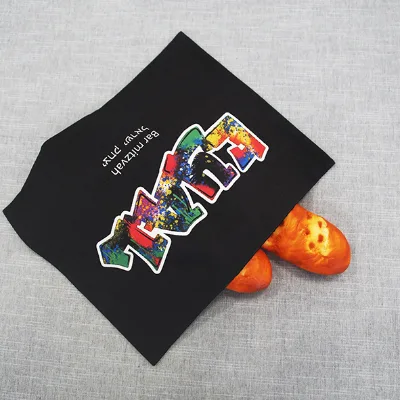
Yes, customization is widely offered. Observed listings explicitly state customized logos and colors are accepted, with machine or handmade embroidery options and plain dyed or embroidered patterns. Provide artwork files, thread colors, and size specifications early, then request a pre-production sample. Confirm who owns the design artwork and whether custom tooling or embroidery setup adds cost to the first order.
What price range should buyers expect for embroidered challah covers?
Observed unit prices for embroidered challah and matzah covers range roughly from under one dollar to a few dollars per piece, depending on material, size, and embroidery density. Polyester or satin versions sit at the lower end, while leather or detailed handmade work costs more. Request quotes for your exact size and design, and confirm whether packaging and freight are included.
Where are challah cover suppliers mainly located?
Observed supplier results are based in Beijing, with some related products originating from Guangdong. Product listings note main export markets across America, Europe, and Asia, and dispatch ports may include Qingdao, Tianjin, Ningbo, Shenzhen, and Shanghai. Verify the exact shipping origin and nearest port for your order, since inland locations can add domestic transport time and cost to delivery.
How quickly do challah cover suppliers typically respond to inquiries?
Response times observed among matching suppliers range from about 4 hours to 13 hours, so expect replies within half a day in most cases. Send detailed inquiries covering quantity, sizes, materials, and customization to get accurate quotes faster. If a supplier responds slowly during sourcing, that pace often continues through production, so factor responsiveness into your supplier comparison.