Eco-Friendly Thermal Bonded Polyester Padding Suppliers and Manufacturers
Find 12 verified suppliers offering Eco-Friendly Thermal Bonded Polyester Padding with varying weights, widths, and certifications. Compare response times, lead times, and MOQs to select the right factory for your garment or home textile needs; review the available evidence before requesting comparable quotations from suitable candidates.
Suppliers List

Dongguan Yuexin Industrial Co., Ltd.
- Manufacturer
- China Guangdong
- Lead time15 days
- Avg. response≤ 6h
Main productsFelt, Wadding/Padding/Batting, Fiber Fillings, Pillow Insert, Christmas Decoration, Non Woven Fabric, Non Slip Rug Pad, Moving Blanket, Filter Medium, Fire Barrier
Main marketsSouth America,Europe,North America


Cal117 Fireproof Thermal Bonded Polyester Padding/Wadding for Sofa
$0.46 - $0.80
MOQ: 1000 Square Meters

Fire Resistant High Density Mattress Thermal Bond Polyester Hard Padding
$0.70 - $7.00
MOQ: 1000 Square Meters
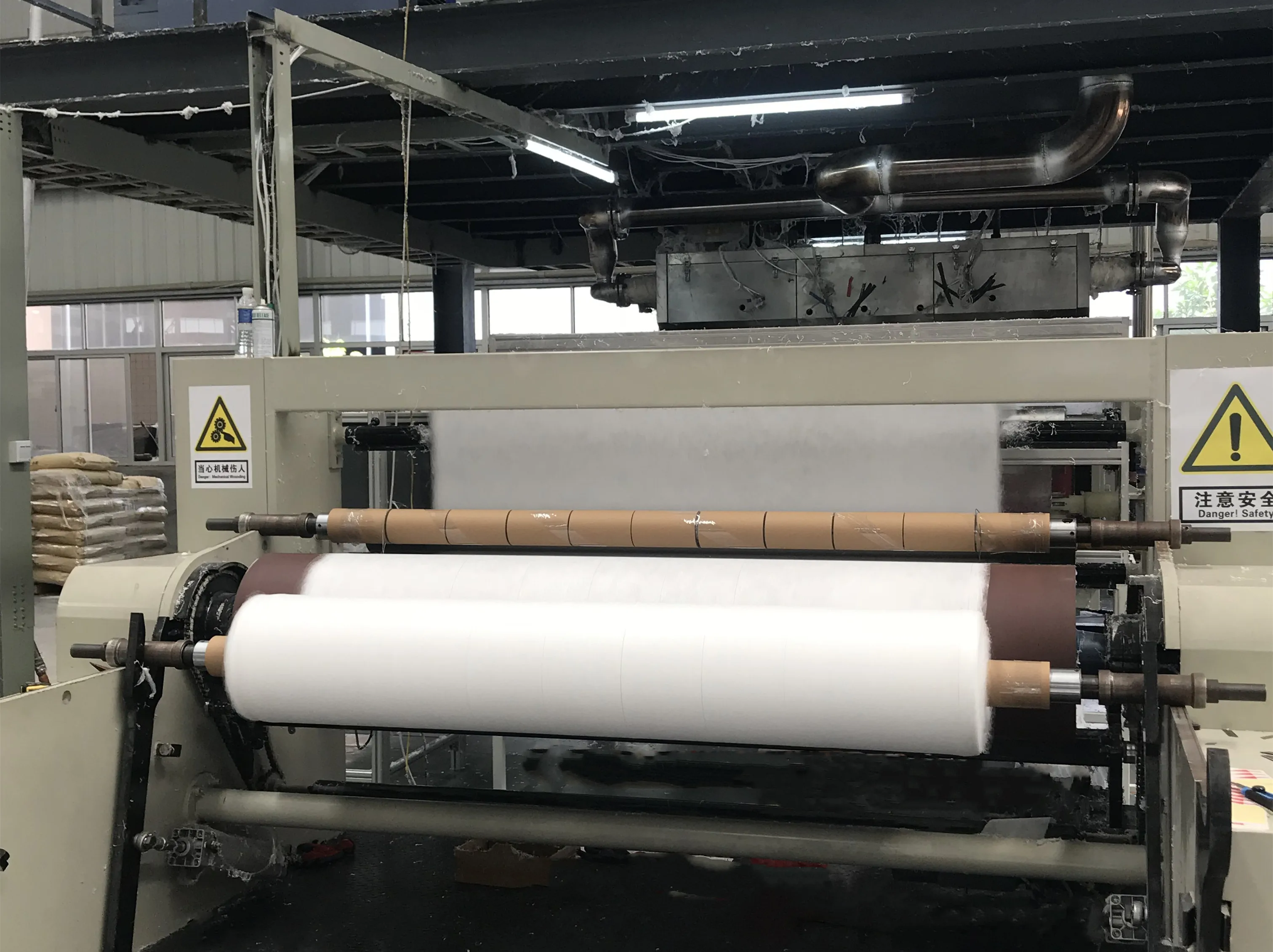
Fujian Angel Nonwoven Fabric Tech Co., Ltd.
- Manufacturer
- Fujian, China
- Lead time7 days
- Avg. response≤ 5h
Main productsNonwoven Fabric,Weed Control/Landscape Cover,Disposable Tablecloth,Disposable Bedsheet,Nonwoven Bag
Main marketsNorth America(16.00%), Southeast Asia(15.00%), Central America(10.00%), Africa(9.00%), Oceania(8.00%), Eastern Europe(7.00%), Western Europe(7.00%), Mid East(6.00%), Northern Europe(6.00%), South America(6.00%), Domestic Market(5.00%), South Asia(3.00%), Eastern Asia(2.00%)
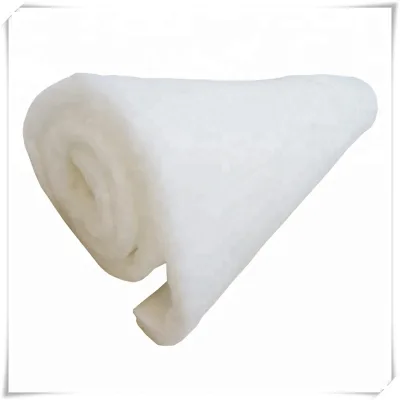
High Loft Washable Thermal Bonded Polyester Wadding/Fiber Padding for Garment Interlining
$1.53 - $1.94
MOQ: 1 kilograms
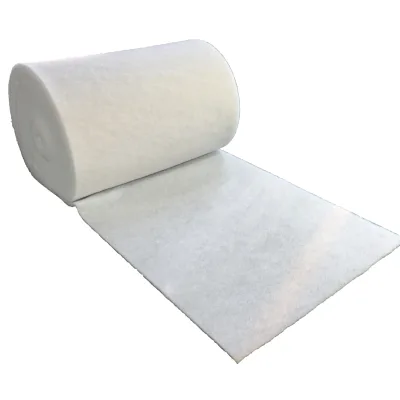
Hot Sale Factory Eco-friendly Thermal Bonded Polyester Fiber Padding / Batting for Mattress
$1.52 - $1.93
MOQ: 1 kilograms

Shaoxing Dalian Imp. & Exp. Co., Ltd.
- Trading Company,Manufacturer/Factory
- China Zhejiang
- Lead time23 days
- Avg. response≤ 5h
Main productsFleece Fabric, Soft Shell Fabric, Stretch Fabric, Scrubs Fabric, Spandex Fabric, Outdoor Fabric
Main marketsSouth America,Eastern Europe,Mid East,North America,Southeast Asia,Eastern Asia,Oceania,Western Europe,Africa

Shandong Aobo Environmental Protection Technology Co., Ltd.
- Combined
- China Shandong
- Lead time23 days
- Avg. response≤ 8h
Main productsNonwoven Insulation, Batting, Wadding
Main marketsSouth America,Africa,Southeast Asia/ Mideast,East Asia(Japan/ South Korea),Domestic,Europe,Australia,North America

Manufacturer Thermal Bonded Soft 100% Grs Recycled Polyester Fiber Padding Wadding for Quilts
$0.75 - $0.80
MOQ: 500 Meters


Thermally Bonded Organic Cotton Batting/ Padding/ Wadding Felt for Mattress
$3.40 - $3.50
MOQ: 500 Meters


Qingdao Yuanquan Machinery Co., Ltd.
- Combined
- China Shandong
- Lead time30 days
- Avg. response≤ 4h
Main productsSpinning Machine
Main marketsSouth America,Africa,Others(foreignTradeCapacity.exportBusinessCapacityMarketOther),Southeast Asia/ Mideast,Domestic,Australia


Non-Woven Thermal Bonded Soft and Hard Polyester Fiber Mattress Garment Wadding Production
$165000.00
MOQ: 1 Pieces
Huizhou Jinhaocheng Nonwovens Co., Ltd.
- Verified by TüVRheinland
- Manufacturer, Trading Company
- Lead time3 days
- Avg. response≤ 6h
Main productsNonwoven Fabric, Felt, Household Cleaning Cloth, Polyester Wadding, Laminated Foam
Main marketsDomestic Market(60%), North America(16%), Western Europe(12%)
Shandong Aobo Environmental Protection Technology Co., Ltd.
- Manufacturer, Trading Company
- Lead time旺季: "1 - 2000":7,"> 2000":"To be negotiated", 淡季: "1 - 2000":7,"> 2000":"To be negotiated"
- Avg. response≤ 14h
Main productsFilter bags,dust filter bag,filter bag cage,hepa filters,Filter Sleeves

Guangdong Kaidun New Materials Co., Ltd
- Verified by SGS
- Combined
- China Guangdong
- Lead time15 days
- Avg. response≤ 2h
Main productsKevlar Fabric, Panof, Pre-Oxidized Fiber, Acrylic Fiber, Carbon Fiber, Aramid Yarn, Pbo, PE, Nomex Fabric, Basalt Fabric
Main marketsDomestic

150g Thermal Bonded Polyimide Fiber Filling Wadding/ Batting for Garment Quilt Mattress
$4.70 - $5.70
MOQ: 300 Square Meters

$3.50 - $4.50
MOQ: 300 Square Meters

Shandong Xuzheng Textile Co., Ltd
- Verified by SGS
- Trading Company
- China Shandong
- Lead time15 days
- Avg. response≤ 1h
Main productsCotton Wadding, Wool Fiber Wadding, Bamboo Wadding, Polyester Polydown Wadding, Wool Insulation, Flame Retardant Insulation
Main marketsEast Asia(Japan/ South Korea)

Shenzhen Mulan Technology Co., Ltd.
- Verified by SGS
- Trading Company
- China Guangdong
- Lead time15 days
- Avg. response≤ 1h
Main productsNon Woven Fabric, Spunbond Nonwoven Fabric, Spunlace Nonwoven Fabrics, Weed Mat, Disposable Bed Sheet, Nonwoven Products
Main marketsSouth America,Eastern Europe,Mid East,North America,Southeast Asia,Eastern Asia,Oceania,Western Europe,Africa

Nantong Glory Medical Material Co., Ltd.
- Trading Company
- China Jiangsu
- Lead time30 days
- Avg. response≤ 7h
Main productsGauze Swab, Medical Bandage, Non-Woven Products, Wet Wipe, Medical Tapes, Absorbent Cotton, Ostomy Bags, Syringes, First Aid Kit Accessories, Infusion Sets
Main marketsSoutheast Asia/ Mideast,Europe,North America

ANJI HONGDE MEDICAL PRODUCTS CO., LTD.
- Combined
- China Zhejiang
- Lead time30 days
- Avg. response≤ 5h
Main productsFlocked Swab, Bandage, Tape, Gauze Roll/Swab/Ponge Swab, Cotton Roll/Cotton Ball/ Dental Cotton, Face Mask, Tongue Depressor, Vasline/Paraffin Gauze
Main marketsDomestic




Comprehensive Sourcing Guide
Eco-Friendly Thermal Bonded Polyester Padding Supplier Concentration and Factory Types
The current supplier landscape for Eco-Friendly Thermal Bonded Polyester Padding reveals a distinct concentration of manufacturing capabilities within specific industrial regions. Evidence indicates that a significant portion of these suppliers are located in China, with Guangdong Province emerging as a primary hub for production. This geographic clustering suggests a mature supply chain ecosystem where raw material sourcing, processing infrastructure, and logistics networks are optimized for textile manufacturing. Buyers evaluating potential partners should recognize that this concentration often correlates with competitive pricing and established production workflows, as the region has developed specialized expertise in nonwoven fabric technologies. The presence of manufacturers in Dongguan City further highlights the density of capable facilities in this area, offering buyers access to a diverse pool of vendors who understand the nuances of thermal bonding processes.
Regarding company types, the available data confirms that the majority of these suppliers operate as manufacturers rather than trading companies. This distinction is critical for buyers seeking direct control over production quality and customization options. As manufacturers, these entities typically possess the necessary machinery for ODM and OEM services, allowing for tailored solutions that meet specific client requirements. The ability to offer both Original Design Manufacturing and Original Equipment Manufacturing indicates a flexible production environment capable of adapting to varying order specifications. This manufacturing focus ensures that the core competencies lie in the actual creation of the padding materials, from fiber selection to the final thermal bonding stage. Consequently, buyers can expect a more direct line of communication regarding technical specifications and production timelines, reducing the layers of intermediation that often complicate sourcing relationships with trading entities.
How to Verify Eco-Friendly Thermal Bonded Polyester Padding Suppliers
Verifying the legitimacy and capability of suppliers requires a systematic approach to assessing their operational metrics and product evidence. One of the primary indicators of supplier reliability is their response time, which serves as a proxy for operational efficiency and customer service quality. In the current market, response times can vary, with some suppliers demonstrating an average response time of approximately 5.75 hours. While this metric alone does not guarantee quality, it provides a baseline for evaluating how quickly a supplier can address inquiries and resolve potential issues. Buyers should prioritize suppliers who demonstrate consistent and prompt communication, as this often reflects a well-organized internal management structure. Additionally, examining the main products listed by a supplier can help confirm their specialization. Suppliers focusing on felt, wadding, padding, and nonwoven fabrics are more likely to possess the specific expertise required for thermal bonded polyester products compared to generalist traders.
Another crucial aspect of verification involves scrutinizing the detailed product attributes and certifications provided. For instance, specific product listings may highlight certifications such as ISO9001-2008 or compliance with standards like Ca117 for fireproof materials. These certifications are vital for buyers in industries with strict regulatory requirements, such as furniture or automotive upholstery. Buyers should request documentation to verify these claims, ensuring that the supplier’s stated credentials are current and valid. Furthermore, examining the product origin details, such as Dongguan City or Guangdong Province, can help validate the supplier’s manufacturing base. It is also important to check for evidence of customization capabilities, as many suppliers offer available customization options for weight, width, and thickness. By cross-referencing these product-specific details with the supplier’s general company profile, buyers can build a more comprehensive picture of their technical proficiency and reliability.
What to Compare Across Eco-Friendly Thermal Bonded Polyester Padding Suppliers
When evaluating multiple suppliers, it is essential to compare key operational metrics that directly impact project feasibility and cost efficiency. Lead time is a critical factor, with some suppliers indicating a standard lead time of around 15 days, while others may offer delivery times ranging from 10 to 20 days or even 7 to 15 days for specific items. Understanding these variations allows buyers to plan their inventory and production schedules more effectively. Additionally, Minimum Order Quantity (MOQ) requirements vary significantly across the market. Some suppliers may require an MOQ of 1000 square meters, while others might set the threshold at 2000 units or specific weight ranges. Buyers with smaller initial orders need to identify suppliers with flexible MOQ policies to avoid excessive inventory costs. Comparing these logistical constraints helps in selecting a partner that aligns with the buyer’s volume capabilities and cash flow requirements.
Price and production capacity are also vital comparison points. The price range for thermal bonded polyester padding can fluctuate based on material composition, weight, and customization levels. For example, prices may range from as low as $0.25 to over $2.25 per unit, depending on the specific product attributes such as recycled content or fire retardancy. Buyers should analyze these price points in conjunction with the supplier’s production capacity, which may be listed as 1000 tons per year for certain facilities. A higher production capacity often indicates the ability to handle larger orders without compromising quality or delivery schedules. Furthermore, comparing the specific features offered, such as eco-friendly certifications, breathability, or anti-bacterial properties, allows buyers to assess the value proposition of each supplier. By systematically comparing these dimensions, buyers can identify the most suitable partners that balance cost, quality, and logistical efficiency.
Common Eco-Friendly Thermal Bonded Polyester Padding Sourcing Risks
One of the primary risks in sourcing thermal bonded polyester padding is the potential discrepancy between advertised product specifications and the actual delivered goods. Suppliers may list a wide range of weights, such as 40-300 GSM, but the actual product received might fall outside the desired tolerance. This risk is exacerbated when customization is involved, as variations in thickness or width can impact the final application, particularly in garment or quilt filling. Buyers must ensure that detailed technical specifications are clearly defined in the purchase agreement to mitigate this risk. Additionally, the claim of eco-friendly attributes requires careful verification. While some products are labeled as eco-friendly or made from recycled polyester, buyers should request third-party test reports or certifications to substantiate these claims. Without proper verification, there is a risk of mislabeling, which can lead to compliance issues in regulated markets.
Another significant risk involves the reliability of supply chain logistics and quality consistency across batches. Suppliers may indicate various packing methods, such as vacuum packing in knitted bags or polybag inner and woven bag outer packaging, but the actual condition of the goods upon arrival can vary. Damage during transit or improper storage can compromise the integrity of the padding, affecting its breathability and structural stability. Furthermore, the reliance on specific production techniques, such as thermo-bonded processes, means that any deviation in manufacturing parameters can alter the final product’s performance. Buyers should establish clear quality control protocols and consider requesting samples before committing to large orders. It is also important to be aware of potential delays in delivery times, which can range from 7 to 20 days depending on the supplier and order complexity. Proactive communication and regular follow-ups are essential to manage these logistical risks effectively.
Eco-Friendly Thermal Bonded Polyester Padding Regional Sourcing and Logistics
Sourcing from regional hubs like Guangdong Province offers distinct logistical advantages, primarily due to the area’s well-developed infrastructure and proximity to major shipping ports. Suppliers in this region often utilize ports such as Shenzhen Port for shipment, which facilitates efficient export processes and reduces transit times to international destinations. This geographic advantage can lead to lower freight costs and faster delivery schedules, making it an attractive option for buyers seeking timely replenishment of inventory. The concentration of manufacturers in cities like Dongguan further enhances logistical efficiency, as it allows for consolidated shipments and streamlined customs clearance procedures. Buyers should leverage this regional knowledge to negotiate better shipping terms and optimize their supply chain strategies. Understanding the specific port of shipment and local logistics capabilities can help in predicting potential delays and planning accordingly.
However, buyers must also consider the implications of regional sourcing on communication and cultural nuances. While many suppliers in Guangdong are experienced in international trade, language barriers and time zone differences can still pose challenges. Establishing clear communication channels and utilizing digital tools for real-time updates can help mitigate these issues. Additionally, the regional focus on specific product types, such as nonwoven fabrics and padding, means that buyers have access to a wide variety of options but must carefully evaluate each supplier’s specific expertise. It is advisable to verify the supplier’s experience with similar international clients to ensure they understand global quality standards and packaging requirements. By understanding the logistical landscape of the sourcing region, buyers can make more informed decisions and build stronger, more resilient supply chain relationships.
Eco-Friendly Thermal Bonded Polyester Padding Commercial Terms and Order Planning
Effective order planning requires a thorough understanding of the commercial terms offered by suppliers, including payment structures, warranty policies, and after-sales support. While specific payment terms may vary, buyers should seek clarity on deposit requirements and balance payment schedules to manage cash flow effectively. Additionally, the availability of samples is a crucial commercial term that allows buyers to test product quality before committing to large orders. Some suppliers explicitly state that samples are available, which is a positive indicator of their confidence in their products. Buyers should utilize this opportunity to verify attributes such as weight, thickness, and feature performance. Furthermore, understanding the customization options available, such as any shape or special size acceptance, can help in tailoring orders to specific client needs. Clear communication of these terms ensures that both parties have aligned expectations regarding the order process.
Another critical aspect of commercial terms is the handling of disputes and quality guarantees. Buyers should inquire about the supplier’s policy for handling defective goods or non-conforming products. While specific warranty details may not always be explicitly stated, establishing a clear protocol for returns or replacements is essential for risk management. Additionally, buyers should consider the long-term relationship potential with suppliers who demonstrate flexibility in order planning and responsiveness to changing market demands. Suppliers with established production capacities and consistent lead times are better positioned to support ongoing business needs. By carefully negotiating and documenting commercial terms, buyers can protect their interests and ensure a smooth procurement process. This proactive approach to order planning helps in building a sustainable supply chain that can adapt to future challenges and opportunities.
FAQs
What is the typical lead time for thermal bonded polyester padding?
The typical lead time for thermal bonded polyester padding is 15 days. Some specific products may have a delivery window of 10 to 20 days depending on order volume. Buyers should confirm exact dates with the manufacturer before placing an order to ensure timely delivery.
What is the minimum order quantity for eco friendly padding?
The minimum order quantity varies by product, often starting at 1000 square meters or 1000 units. Some listings require a minimum of 2000 units for specific models. Buyers must check the specific product page to verify the exact MOQ required for their purchase.
Are these thermal bonded pads available in eco friendly versions?
Yes, Eco-Friendly Thermal Bonded Polyester Padding is available with features like being breathable and washable. Some products are made from 100% recycled polyester and are certified as eco friendly. These options are suitable for garments, quilts, and home textile applications requiring sustainable materials.
What is the price range for thermal bonded polyester wadding?
The price range for thermal bonded polyester wadding typically falls between 0.25 and 2.25 per unit. Specific products like fire barrier padding may have different pricing structures. Buyers should review individual product listings to find the exact cost based on weight, thickness, and customization requirements.
Can suppliers customize the size and thickness of the padding?
Suppliers offer customization for size and thickness, with options ranging from 1 to 3 centimeters in thickness. Custom shapes and special sizes are accepted for fire barrier wadding. Buyers can request specific dimensions to match their garment or furniture manufacturing needs directly with the manufacturer.
Where are these thermal bonded polyester products manufactured?
These thermal bonded polyester products are manufactured in Guangdong, China, specifically in Dongguan City. The place of origin is listed as Guangdong, China Mainland for most items. Buyers should verify the specific factory location if shipping logistics or local sourcing preferences are a priority.
What certifications do the fire barrier wadding products hold?
Fire barrier wadding products hold certifications such as ISO9001-2008 and Ca117 standards. These certifications ensure the material meets specific fire safety and quality requirements. Buyers looking for flame retardant solutions should verify the specific certification details on the product page before purchasing.