Eco Friendly Sushi Plate Suppliers and Manufacturers
Compare 23 verified suppliers offering eco friendly sushi plates with varying lead times, MOQs, and certifications. Review response times and product attributes like material and size before contacting factories in Fujian or Hubei for quotes; review the available evidence before requesting comparable quotations from suitable candidates.
Suppliers List
Nanping Jianyang Eagle Bamboo And Wood Products Co., Ltd.
- Manufacturer
- Fujian, China
- Lead time30 days
- Avg. response≤ 2h
Main productsBamboo and wooden skewer,bamboo and wooden product,bamboo basket,bamboo and wooden chopstick,willow/rattan/grass picnic box
Main marketsWestern Europe(11.11%), Eastern Asia(11.11%), Mid East(11.11%), Oceania(11.11%), Africa(11.11%), Southeast Asia(11.11%), Eastern Europe(11.11%), South America(11.11%), North America(11.11%)
Wuhan Huiyou Wood Products Co., Ltd.
- Verified by TüVRheinland
- Manufacturer, Trading Company
- Lead time15 days
Main productsBamboo Wooden Ice Cream Sticks, Bamboo Wooden Skewers Sticks, Bamboo Wooden Cutlery Plates, Bamboo Wooden Tableware Food Package, Drinking Straws
Main marketsEastern Europe(25%), Northern Europe(25%), North America(10%)
Ningbo Hifel Commodity Co., Ltd
- Verified by SGS
- Trading Company
- China Zhejiang
- Lead time30 days
- Avg. response≤ 5h
Main productsWater Bottle, Food Container, Cooler Bag, Card, Sport Bottle, Stainless Steel Tumbler, Outdoor Product, Pet Product, Organizer, Food Serve Tray
Main marketsSouth America,Southeast Asia/ Mideast,Europe,Australia,North America
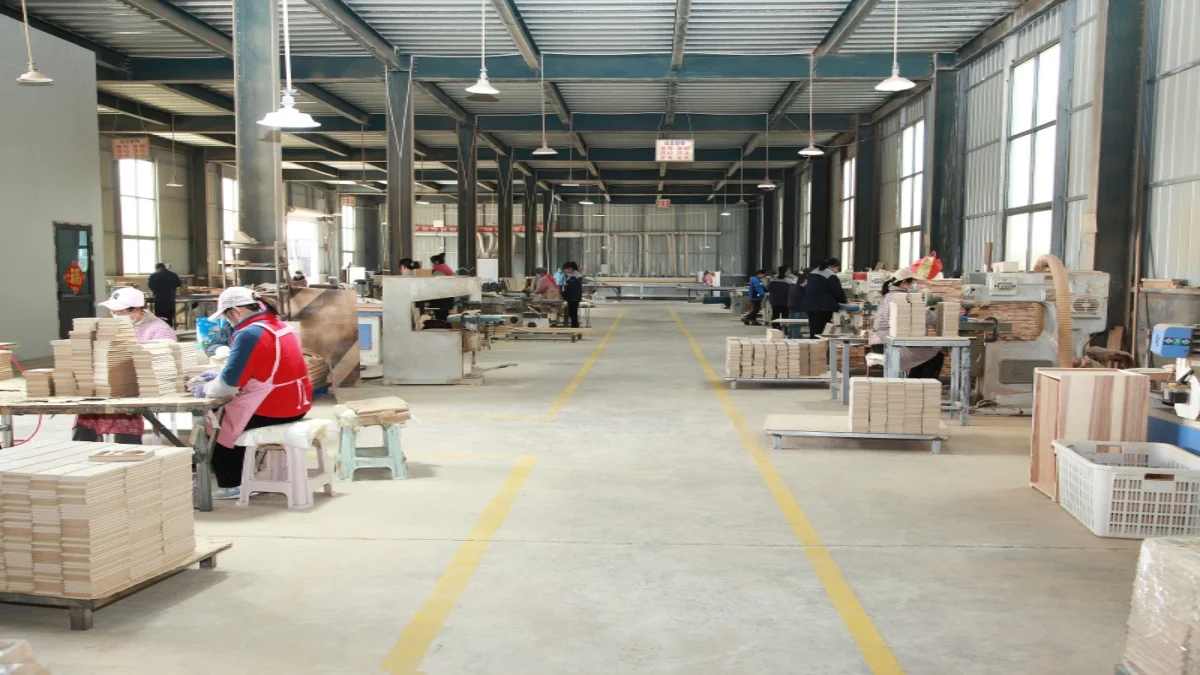
Caoxian Dongxing Arts And Crafts Co., Ltd.
- Manufacturer, Trading Company
- Shandong, China
- Lead time30 days
- Avg. response≤ 5h
Main productswooden craft,wooden tray,wooden box,wooden home decor,wooden shelf
Main marketsNorth America(50.00%), Eastern Asia(30.00%), Western Europe(20.00%)

Dongguan ShunTa Melamine Products Co., Ltd.
- Verified by CTI
- Combined
- China Guangdong
- Lead time15 days
- Avg. response≤ 9h
Main productsMelamine, Table Ware, Tableware, Household, Kitchen Ware, Pets Accessories, Chopsticks, Ashtray, Cushions, Bowls
Main marketsSoutheast Asia/ Mideast,East Asia(Japan/ South Korea),Domestic,Europe,Australia,North America


Fresh Bamboo Pattern Style Melamine Plates Rectangle Sashimi Sushi Serving Plate
$1.17 - $1.61
MOQ: 96 Pieces


Melamine Round 6 Inch Plates Sushi Serving Plates Japanese Cuisine Sashimi Plate
$1.01 - $1.50
MOQ: 96 Pieces

Ningbo Greenhome International Trade Co., Ltd.
- Verified by SGS
- Trading Company
- China Zhejiang
- Lead time30 days
- Avg. response≤ 6h
Main productsDisposable Plastic Tableware, Disposable Woodentableware, Disposable Bamboo Tableware, Disposable Paper Tableware, Disposable Biobased Tableware, Disposable Biodearadable Tableware
Main marketsAfrica,Southeast Asia/ Mideast,Europe,North America
- Verified by SGS Group
- Trading Company
- Lead time20 days
Main productsKitchenware, Coffee French Maker, Plastic Bento Box, Bamboo Wooden Kitchen Items, Ceramic & Glass Products
Main marketsNorthern Europe(20%), South Asia(20%), North America(10%)

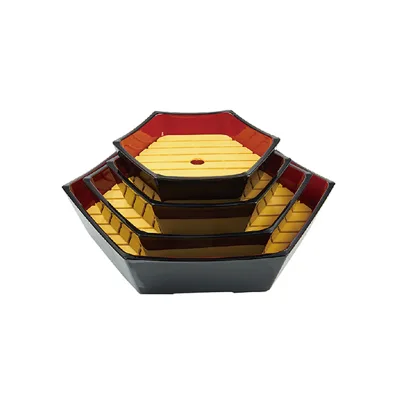
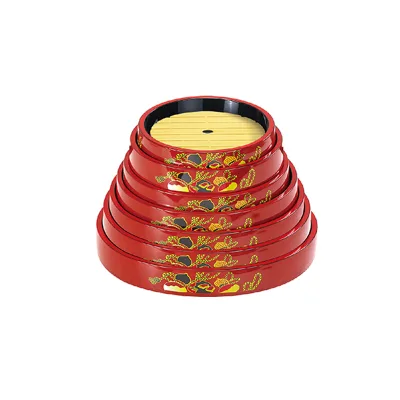
$2.00 - $5.00
MOQ: 2000 units

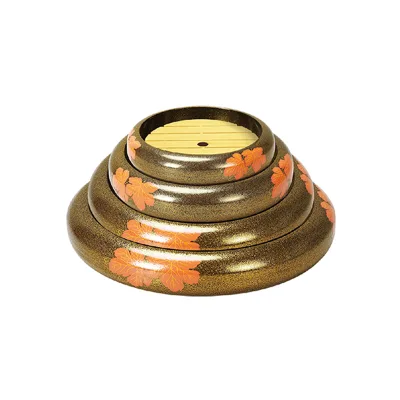

Shuifu Huiyang Agricultural Technology Co., Ltd.
- Verified by SGS
- Trading Company
- China Yunnan
- Lead time23 days
- Avg. response≤ 3h
Main productsBamboo Products, Bamboo Crafts, Bamboo Chopsticks, Bamboo Skewers, Bamboo Weaving, Bamboo Tray, Bamboo Box, Bamboo Placemat, Bamboo Fruit Bowl, Lamp Shades
Main marketsDomestic
Dongguan Yelui Packaging Products Company Limited
- Verified by CTI
- Combined
- China Guangdong
- Lead time30 days
- Avg. response≤ 1h
Main marketsAfrica,Southeast Asia/ Mideast,Domestic,Europe,Australia,North America

Qingdao LAFU Packaging Technology Co., Ltd
- Verified by CTI
- Manufacturer/Factory
- China Shandong
- Lead time15 days
- Avg. response≤ 5h
Main productsSugarcane Tableware, Paper Tableware, Paper Cup, Soup Cup, Salad Bowl, Paper Lunch Box, Sugarcane Palte, Sugarcane Box, Sugarcane Tray, Disposable Cutlery
Main marketsSouth America,Eastern Europe,Mid East,North America,Western Europe

$0.01 - $0.05
MOQ: 10000 Pieces

Eco-Friendly Takeaway Food Container Food Packaging Bagasse Sushi Tray
$0.02 - $0.03
MOQ: 10000 Pieces

Compostable Bagasse Rectangular Trays – Disposable Seafood & Sushi Plates
$0.04 - $0.05
MOQ: 10000 Pieces

$0.01 - $0.03
MOQ: 10000 Pieces

Fujian Longyi Plastic Products Co., Ltd.
- Verified by SGS
- Combined
- China Fujian
- Lead time30 days
- Avg. response≤ 5h
Main productsPlastic Food Container
Main marketsDomestic

Sushi Tray Japanese Style Boxes Sushi Tray Disposable Food Grade Pet Sushi Plate
$0.03 - $0.15
MOQ: 10000 Sets


Globalink International Limited
- Verified by SGS
- Trading Company,Manufacturer/Factory,Other
- China Shandong
- Lead time45 days
- Avg. response≤ 13h
Main productsPlastic Packaging, Food Container, Fruit packaging, Paper Bags, Paper Packaging, Plastic Bags, Plastic Tape, Egg Tray, Aluminum Foil, Sushi Container
Main marketsSouth America,Eastern Europe,Mid East,North America,Southeast Asia,Eastern Asia,Oceania,Western Europe,Africa


Disposable Environment-Friendly Meal Box/Sushi Tray with Lid Pollution-Free
$0.05 - $0.06
MOQ: 100000 Pieces

Eco-Friendly Disposable Sushi Container and Paper Sushi Packing Tray
MOQ: 30000 Pieces

Guangzhou Tiptop New Material Technology Co., Ltd.
- Verified by SGS
- Trading Company
- China Guangdong
- Lead time30 days
- Avg. response≤ 5h
Main productsPaper Cups, Paper Bowls, Paper Food Containers, Paper Boxes, Pha Paper Cups, Paper Trays, Paper Bags, Paper Lids
Main marketsDomestic


Food Grade Disposable Food Box Paper Packaging Sushi Box Takeaway Paper Sushi Pulp Tray
$0.03
MOQ: 50000 Pieces
Quanzhou Bestowal Trading Co., Ltd.
- Trading Company
- Lead time旺季: "1 - 10":7,"> 10":"To be negotiated", 淡季: "1 - 10":7,"> 10":"To be negotiated"
Main productsBamboo Rack/Shelf, Bamboo Furniture, Bamboo Kitchenware Accessories

Changzhou Bio Hotel Supplies Co., Ltd.
- Verified by TUVRHEINLAND
- Trading Company
- China Jiangsu
- Lead time15 days
- Avg. response≤ 7h
Main productsWick Chafing Fuel, Disposable Compostable Cutlery, Disposable Paper Straw, Disposable Biodegradable Tableware, PLA Cutlery, Wooden Cutlery
Main marketsSoutheast Asia/ Mideast,Europe,Australia,North America

Hefei Hyde Environment Protection Technology Co., Ltd.
- Verified by TUVRHEINLAND
- Trading Company,Manufacturer/Factory
- China Anhui
- Lead time23 days
- Avg. response≤ 2h
Main productsPaper Cups, Ice Cream Paper Cup, Kraft Shopping Paper Bags, Ripple Wall Cup, Paper Bread Bags, Double Wall Cups, Paper Salad Bowl, Paper Pizza Box, Paper Soup Cup, Paper Plates
Main marketsSouth America,Eastern Europe,Mid East,North America,Southeast Asia,Eastern Asia,Oceania,Western Europe,Africa

Rollin Porcelain Industrial Co., Ltd.
- Verified by BV
- Manufacturer/Factory
- China Guangdong
- Lead time45 days
- Avg. response≤ 7h
Main productsPorcelain Dinnerware, Tableware, Dinner Set, Dinner Plate, Hotel and Restaurant Tableware, Bone China, Cutlery, Glassware, Ceramic Plate, Porcelain
Main marketsEastern Europe,Mid East,North America,Southeast Asia,Eastern Asia,Oceania,Western Europe

Japanese Style Sushi Plates Porcelain Rectangular Plates Grey Porcelain Plates
$2.09 - $2.36
MOQ: 200 Pieces


High Quality Japan Sushi Plate Rectangular Plate Flat Plate High Temperature
$2.60 - $2.83
MOQ: 100 Pieces

Anhui Taicheng Paper & Plastic Technology Co., Ltd.
- Verified by SGS
- Trading Company
- China Anhui
- Lead time30 days
- Avg. response≤ 5h
Main productsDisposable Paper Cups, Compostable Lids, Disposable Cutlery, Biodegradable Tableware, Disposable Food Box, Disposable Plate, Disposable Tableware, Kraft Paper Food Container, Sugarcane Tableware, Cornstarch Tableware
Main marketsSouth America,Africa,Southeast Asia/ Mideast,Europe,North America

- Verified by TUVRHEINLAND
- Trading Company
- China Jiangsu
- Lead time30 days
- Avg. response≤ 5h
Main productsSugarcane Bagasse Tableware, Cornstarch Tableware, Cpla Tableware, Wooden/Bamboo Cutlery, Paper Food Container, Kraft Paper Box, Plastic Dinnerware Sets, Plastic Plates/Bowls, Plastic Cutlery/Silverware, Plastic Cups/Tumblers
Main marketsSoutheast Asia/ Mideast
Qingdao Smart Wooden Products Co., Ltd.
- Trading Company,Manufacturer/Factory
- China Shandong
- Lead time45 days
- Avg. response≤ 2h
Main productsDisposable Wooden Cutlery, Disposable Wooden Cutlery Set, Wooden Cones, Wooden Coffee Stirrer, Wooden Fruit Skewer, Wooden Ice Cream Spoon, Wooden Boats, Wooden Plate, Wooden BBQ Stick, Bamboo Skewer
Main marketsSouth America,Eastern Europe,Mid East,North America,Southeast Asia,Eastern Asia,Oceania,Western Europe,Africa


Eco-Friendly Disposable Food Tableware Food Serving Container Wooden Sushi Boat
$0.01 - $0.03
MOQ: 200000 Pieces

$0.01 - $0.03
MOQ: 200000 Pieces

Custom Size Natural Wooden Sushi Serving Tray Plates Single-Use Boat-Display Boat
$0.01 - $0.03
MOQ: 200000 Pieces

Dongguan Sunyo Plastic Co., Ltd.
- Verified by TUVRHEINLAND
- Manufacturer/Factory
- China Guangdong
- Lead time15 days
- Avg. response≤ 2h
Main productsSushi Tray, Food Container, Pet Sheet, PVC Sheet, PETG Sheet, PP Sheet, PS Sheet
Main marketsSouth America,Mid East,North America,Southeast Asia,Eastern Asia,Western Europe,Africa

Eco-Friendly Packaging Customized Sushi Container Plastic Plate Plastic Tray
$0.08 - $0.11
MOQ: 5000 Sets


Shaowu City Nafu Bamboo and Wood Industry Co., Ltd.
- Manufacturer
- China Fujian
- Lead time15 days
- Avg. response≤ 18h
Main productsBamboo and Wood Cutting Board Cheese Board, Bamboo and Wood Storage Box, Bamboo and Wood Plate, Bamboo and Wood Tray, Marble Wood Cheese Board, Bamboo and Wood Table, Bamboo and Wood Bathroom Products, Bamboo and Wood Shelf, Bamboo and Wood Kitchen Utensil, Bamboo and Wood Bowl
Main marketsEast Asia(Japan/ South Korea),Domestic,Europe,Australia,North America

Nan'an Brightpath International E-Commerce Co., Ltd.
- Verified by CTI
- Trading Company
- China Fujian
- Lead time0 days
- Avg. response≤ 3h
Main productsPromotion Gift, Stationery, Gift Set, Packaging Bag & Box, Keychain, Promotion Drinkware, Shoulder Bag, Backpack

White Rectangle Dishes Sushi Serving Platters Melamine Long Fish Plates for Restaurant
$2.38 - $3.58
MOQ: 20 Pieces

Custom Melamine Dishes Restaurant Plates with Chip Mini Round Japanese Sushi Plate
$0.80 - $1.25
MOQ: 20 Pieces




Comprehensive Sourcing Guide
Eco Friendly Sushi Plate Supplier Concentration and Factory Types
Current data indicates a concentration of manufacturers in Fujian, China, specializing in bamboo and wooden products like skewers, baskets, and chopsticks. These facilities often list main products including bamboo and wooden skewers, bamboo and wooden products, bamboo baskets, bamboo and wooden chopsticks, and willow, rattan, or grass picnic boxes. Some suppliers in this region operate as both manufacturers and trading companies, offering a broader range of items such as bamboo wooden ice cream sticks, cutlery plates, and drinking straws. This dual role allows for flexible sourcing of eco-friendly tableware, though buyers must distinguish between pure production capabilities and trading arrangements.
Other sourcing clusters may exist in regions like Zhejiang, where trading companies dominate the landscape with diverse product lines including water bottles, food containers, and outdoor products. While specific factory counts vary, the presence of verified entities like those holding TüVRheinland or SGS verification suggests a need to confirm the actual manufacturing base. Buyers should look for suppliers explicitly stating "Manufacturer" in their company type to ensure direct factory access. If a supplier lists "Trading Company" alongside "Manufacturer," verify whether they control the production line or simply resell goods from other factories. This distinction is critical for quality control and pricing stability in the eco-friendly sushi plate market.
How to Verify Eco Friendly Sushi Plate Suppliers
Verification of supplier credentials is essential when sourcing eco-friendly sushi plates, as not all claims are equally reliable. Some suppliers display system certifications such as ISO 9001, while others may hold specific product certifications like BRC or ISO9001 for their wooden and bamboo items. Third-party verification badges, such as TüVRheinland or SGS, provide an additional layer of trust regarding the supplier's operational integrity. Buyers should request current certification documents directly from the supplier rather than relying solely on platform badges, as these documents confirm the scope of compliance and validity dates.
Beyond certifications, response time and lead time serve as practical indicators of supplier reliability. Data shows response times ranging from 2 hours to nearly 5 hours, with lead times varying between 15 and 30 days depending on the product complexity and order volume. A supplier with a 2-hour response time may indicate a dedicated sales team, whereas a 4.87-hour response might suggest a larger, less agile operation. Buyers should also check for sample processing capabilities and graphic processing services, which indicate a supplier's ability to handle customization requests. Confirming these operational metrics ensures the supplier can meet specific project timelines and quality expectations without unnecessary delays.
What to Compare Across Eco Friendly Sushi Plate Suppliers
When evaluating potential partners, buyers must compare key operational dimensions such as minimum order quantity (MOQ), pricing structures, and production capacity. MOQs for eco-friendly sushi plates can vary significantly, with some suppliers requiring 1,000 units while others demand 50,000 units or more. Pricing also fluctuates based on material and design, with ranges observed from $0.01 to $2.50 per unit depending on the specific product attributes like size, shape, and finish. Buyers should analyze these figures against their own volume requirements to avoid overpaying for small batches or facing prohibitive costs for large orders.
Additional comparison points include product attributes such as material composition, color options, and customization features. Some suppliers offer natural bamboo plates in various diameters, while others provide customized sizes or specific shapes like square, round, or flower designs. Features like being eco-friendly, biodegradable, heat-resistant, and food-grade are common selling points that must be verified against actual product specifications. Buyers should also consider the supplier's main product focus; those specializing in bamboo and wooden products may offer superior quality compared to general trading companies. Aligning these attributes with project needs ensures the final product meets both aesthetic and functional requirements.
Common Eco Friendly Sushi Plate Sourcing Risks
One significant risk in sourcing eco-friendly sushi plates is the discrepancy between claimed materials and actual product composition. While many suppliers advertise 100% natural wood and bamboo, some products may contain adhesives or treatments that compromise biodegradability. Buyers must verify material claims through third-party testing or by requesting detailed material safety data sheets. Additionally, the "eco-friendly" label can be misleading if the production process involves excessive energy consumption or non-sustainable harvesting practices. Ensuring that the entire supply chain adheres to sustainable standards is crucial for maintaining the integrity of the product's environmental claims.
Another risk involves the variability in lead times and response capabilities, which can disrupt supply chain planning. Suppliers with longer lead times, such as 30 days, may struggle to meet urgent order requirements, while those with shorter lead times might face capacity constraints during peak seasons. Inconsistent response times can also lead to communication gaps, delaying critical decisions regarding design changes or quality issues. Buyers should establish clear communication protocols and set realistic expectations for delivery schedules. Furthermore, the lack of standardized sizing or packaging can result in logistical challenges, making it essential to confirm all product dimensions and packaging details before placing an order.
Eco Friendly Sushi Plate Regional Sourcing and Logistics
Regional sourcing plays a pivotal role in determining logistics efficiency and cost structures for eco-friendly sushi plates. Suppliers located in Fujian, China, often benefit from established infrastructure for bamboo and wooden product manufacturing, facilitating smoother production and export processes. However, buyers must account for potential shipping delays and customs complexities when importing from this region. Understanding the specific logistics capabilities of each supplier, including their experience with international shipping and packaging standards, is vital for minimizing transit risks.
In contrast, suppliers in other regions like Zhejiang may offer different logistical advantages, particularly for trading companies that aggregate products from multiple sources. These entities might provide more flexible shipping options but could introduce additional layers of complexity in tracking and quality assurance. Buyers should evaluate the supplier's ability to handle large-volume shipments, such as those requiring 50,000 units, and their experience with specific packaging requirements like carton sizes and weight limits. Ensuring that the supplier has a robust logistics network can significantly reduce the risk of damage or loss during transit, ultimately protecting the buyer's investment and timeline.
Eco Friendly Sushi Plate Commercial Terms and Order Planning
Commercial terms for eco-friendly sushi plates often include specific conditions regarding payment, delivery, and customization. Buyers should carefully review the minimum order quantities, which can range from 1,000 to 50,000 units, and ensure these align with their inventory and sales projections. Pricing structures may vary based on order volume, with some suppliers offering tiered discounts for larger purchases. It is also important to clarify the terms for customization, including any additional costs for logo printing, unique shapes, or special packaging. Clear communication of these terms prevents misunderstandings and ensures a smooth transaction process.
Order planning requires a strategic approach to manage lead times and production schedules effectively. Suppliers with lead times of 15 to 30 days necessitate advance planning to avoid stockouts or production bottlenecks. Buyers should factor in potential delays due to holidays, raw material shortages, or logistical issues when setting their order timelines. Additionally, establishing a buffer stock or maintaining a relationship with multiple suppliers can mitigate the risk of supply chain disruptions. By carefully planning orders and maintaining open communication with suppliers, buyers can ensure a steady supply of high-quality eco-friendly sushi plates that meet their business needs.
FAQs
What is the typical lead time for bamboo sushi plates?
Lead times vary by supplier, with observed ranges from 15 to 30 days. Some manufacturers offer faster 15-day turnaround for standard orders, while others require up to 30 days for customized production runs. Buyers should confirm specific timelines based on order volume and customization needs before placing an order.
What are the minimum order quantities for eco-friendly plates?
Minimum order quantities differ significantly across suppliers. Some listings require 1,000 units for specific bamboo boat plates, while others set the threshold at 50,000 units for disposable party supplies. Buyers must check individual product pages to determine the exact MOQ applicable to their specific order requirements.
Are these bamboo plates certified for food safety?
Yes, many suppliers provide plates certified under ISO 9001 and BRC standards. Products are often described as food grade, BPA free, and heat resistant. Buyers should verify specific certification documents for each supplier to ensure compliance with local food safety regulations before finalizing any purchase agreement.
Where are the main manufacturers of these plates located?
Manufacturers are primarily located in Fujian and Hubei provinces in China. Some trading companies operate from Zhejiang province. Buyers should verify the specific place of origin listed on product pages to ensure the location matches their logistical preferences and supply chain requirements.
What is the price range for wholesale bamboo sushi plates?
Prices range from $0.01 to $2.50 per unit depending on material and design. Disposable options start as low as $0.01, while customized or larger boat plates may cost up to $2.50. Buyers should compare specific product listings to find pricing that fits their budget and quality expectations.
How quickly do suppliers typically respond to inquiries?
Response times vary, with some suppliers replying within 2 hours and others taking up to 5 hours. Fast response times are common among manufacturers in Fujian. Buyers should expect prompt communication but should verify current response metrics on the supplier profile before initiating a detailed negotiation.
Can buyers request custom sizes and logos for these plates?
Yes, many suppliers offer customized sizes and logo printing services. Options include square, round, or flower shapes with natural or light yellow colors. Buyers should confirm customization capabilities and associated costs with the supplier to ensure the final product meets their specific branding and design requirements.