Electronic Lock Smart Cabinet Suppliers and Manufacturers
Source 21 verified suppliers for Electronic Lock Smart Cabinet solutions. Compare key dimensions including ISO certifications, CE standards, lead times, and pricing. Review product specifications and request quotes directly from manufacturers in China; review the available evidence before requesting comparable quotations from suitable candidates.
Suppliers List

Hangzhou Dongcheng Electronics Co., Ltd.
- Verified by BV
- Combined
- China Zhejiang
- Lead time30 days
- Avg. response≤ 3h
Main productsLocker, Electronic Locker, Electronic Cabinet, Cabinet, Steel Locker, Parcel Locker, Mail Box, Office Furniture, Supermarket Locker, Delivery Locker
Main marketsSouth America,Africa,Southeast Asia/ Mideast,East Asia(Japan/ South Korea),Domestic,Europe,Australia,North America

Techcrepower Technologies Limited
- Trading Company,Manufacturer/Factory
- China Guangdong
- Lead time15 days
- Avg. response≤ 8h
Main productsSoft Magnetic Eyelashes, Hard Magnetic Eyelashes, Beauty Makeup, Eyelashes Extension, Self Adhesive Lashes, Strip Lashes Glue, Full Lashes, Half Lashes, Cluster Lashes, Eyelashes Tool
Main marketsSouth America,Eastern Europe,Mid East,North America,Southeast Asia,Eastern Asia,Oceania,Western Europe,Africa

Ningbo Rayonics Technology Co., Ltd.
- Manufacturer
- China Zhejiang
- Lead time15 days
- Avg. response≤ 20h
Main productsElectronic Lock, Electronic Cylinder, Hotel Lock, Electronic Key & E-Industry Lock, Smart Lock, Iot Lock, Home/Office Lock, Cyber Lock, Key Pad Lock, Card Lock
Main marketsAfrica,Southeast Asia/ Mideast,Domestic,Europe,Australia
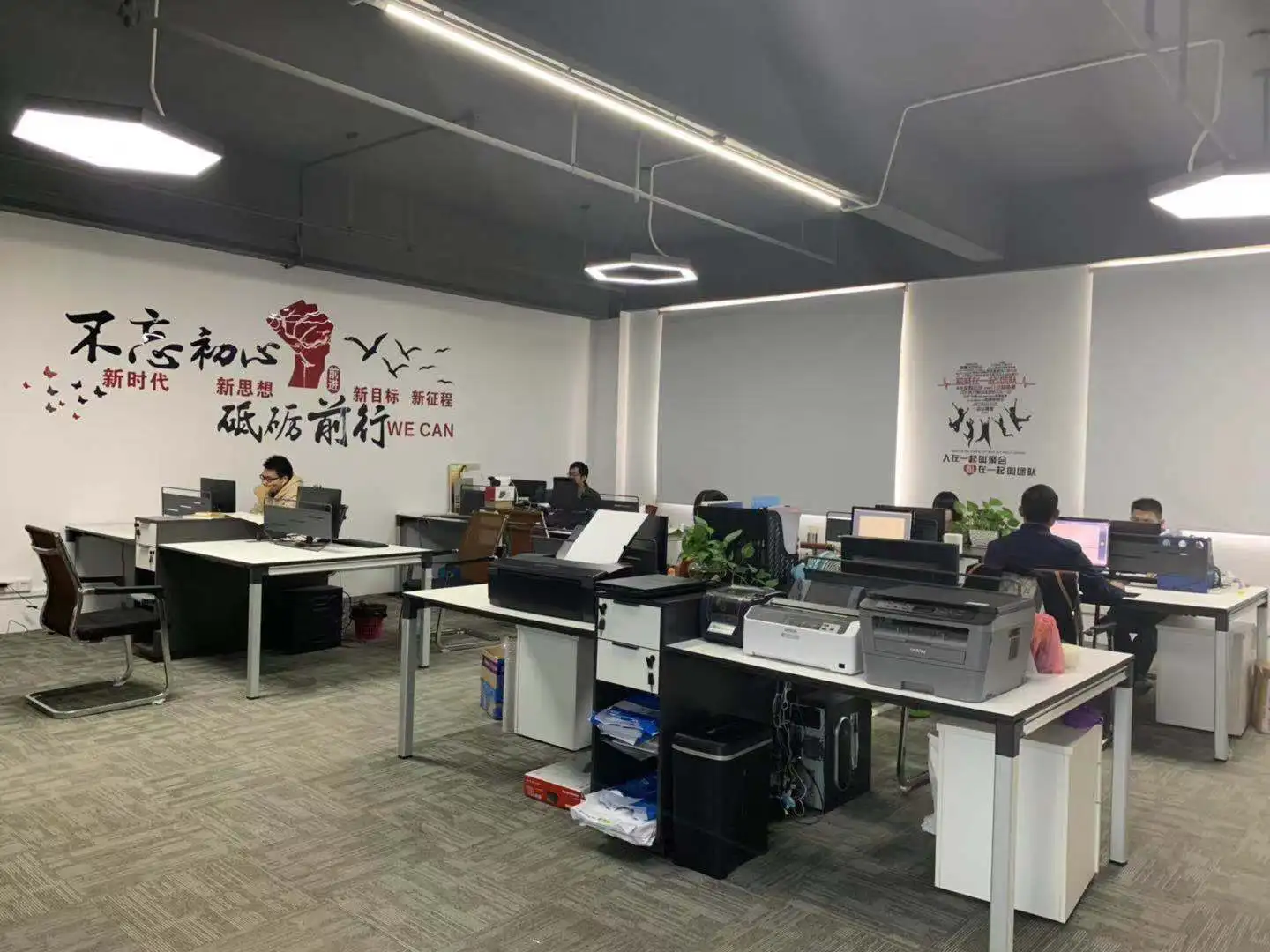
Guangdong Zhongshun Intelligent Technology Co., Ltd.
- Manufacturer, Trading Company, Distributor/Wholesaler
- Guangdong, China
- Lead time14 days
- Avg. response≤ 2h
Main productsExpress cabinet,Smart locker,Self service express cabinet,smart cabinet,freezer locker
Main marketsAfrica(20.00%), Mid East(10.00%), North America(10.00%), Southeast Asia(10.00%), Eastern Europe(10.00%), South America(10.00%), South Asia(5.00%), Northern Europe(5.00%), Central America(5.00%), Western Europe(5.00%), Eastern Asia(5.00%), Oceania(5.00%)
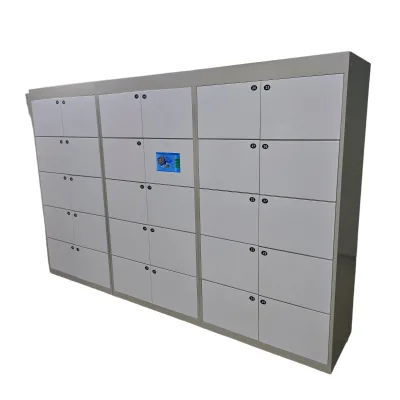
$453.00 - $563.00
MOQ: 1 pieces
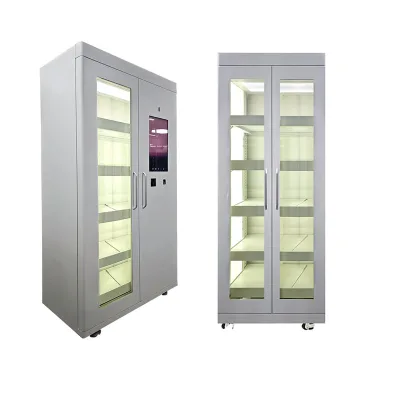
Management Locker Secure Smart Cabinet for Employee Personal Belongings Storage
$608.00 - $638.00
MOQ: 10 pieces


Luoyang Orpheus Industrial Limited Company
- Manufacturer/Factory
- China Henan
- Lead time23 days
- Avg. response≤ 5h
Main productsSteel Furniture, Steel Locker, Steel Cabinet, Office Furniture, Home Furniture, School Furniture, Mailbox, Smart Locker, Bunk Beds, Filing Cabinet
Main marketsSouth America,Eastern Europe,Mid East,North America,Southeast Asia,Eastern Asia,Oceania,Western Europe,Africa

Secure Electronic Lock Parcel Cabinet Smart Parcel Delivery Cabinet with Electronic Lock System
$200.00 - $280.00
MOQ: 10 Pieces

$119.00 - $159.00
MOQ: 10 Pieces

Shanghai Shengyu Technology Co., Ltd.
- Verified by BV
- Trading Company
- China Shanghai
- Lead time30 days
- Avg. response≤ 4h
Main marketsDomestic

Smart Electronic Locker Cabinet with Key Lock for Inventory Management
$1800.00 - $2800.00
MOQ: 2 Pieces

$188.00 - $300.00
MOQ: 200 Pieces

$240.00 - $450.00
MOQ: 20 Pieces

- Trading Company,Manufacturer/Factory
- China Jiangsu
- Lead time38 days
- Avg. response≤ 1h
Main productsParcel Delivery Lockers, Laundry Locker, Flower Vending Machine, Refrigerated Locker, Cell Phone Charging Stations, Shared Power Bank, Vending Machine, Vending Lockers, Luggage Lockers, LCD Digital Signage
Main marketsSouth America,Eastern Europe,Mid East,North America,Southeast Asia,Eastern Asia,Oceania,Western Europe,Africa

Smart Metal Cabinet Pin Code Digital Lock Electronic Smart Storage Parcel Locker
$900.00 - $1800.00
MOQ: 1 Pieces


Best Price Electronic Locker Smart Locker Intelligent Logistic Locker
$1700.00 - $2300.00
MOQ: 1 Pieces

Facial Recognition Smart Electronic Touch Screen Metal Intelligent Steel Cabinet Locker
$2000.00 - $5000.00
MOQ: 1 Pieces

Smart Electronic Touch Screen Storage Locker with Fingerprint Recognition
$2000.00 - $5000.00
MOQ: 1 Pieces

Luoyang Qianming Office Technology Co., Ltd.
- Verified by CTI
- Combined
- China Henan
- Lead time30 days
- Avg. response≤ 5h
Main productsCompact Shelving, Racks, Cabinets, Bookshelf, Lockers, Intelligent Cabinets
Main marketsDomestic


Smart Key Management Cabinet Durable Key Safe Box Smart Key Management Cabinet
$640.00 - $645.00
MOQ: 20 Pieces


Smart Locker Manufacturer Smart Steel Cabinet with Smart Locker System Face Recognition
$80.00 - $85.00
MOQ: 20 Pieces

Customized Intelligent Electronic Key Cabinet Key Storage Box Digital Key Cabinet Locker
$640.00 - $645.00
MOQ: 20 Pieces

$640.00 - $645.00
MOQ: 20 Pieces

Luoyang Jieken Commercial Trading Co., Ltd.
- Verified by TUVRHEINLAND
- Manufacturer/Factory
- China Henan
- Lead time23 days
- Avg. response≤ 2h
Main productsOffice Furniture, Filing Cabinet, Storage Cabinet, Locker, Shoe Cabinet, Metal Shelves, Office Tables, Wardrobe, Cupboard, Bookshelf
Main marketsSouth America,Eastern Europe,Mid East,North America,Southeast Asia,Eastern Asia,Oceania,Western Europe,Africa

Luoyang Mas Younger Export and Import Company (Ltd.)
- Verified by BV
- Combined
- China Henan
- Lead time15 days
- Avg. response≤ 6h
Main productsMetal Locker, Office Cupboard, Filing Cabinet, Mobile Pedestal, Filing Storage Cabinet, Mobile Shelving System, Metal Office Furniture, Offie Desk / Table, Metal Bed, Safe Box
Main marketsAfrica,Europe

Intelligent Electronic Safe Locker Digital Key Electronic Storage Locker
$290.00 - $320.00
MOQ: 10 Sets

Hui Zhenfeng Technology (Shenzhen) Co., Ltd.
- Verified by TUVRHEINLAND
- Trading Company,Manufacturer/Factory
- China Guangdong
- Lead time0 days
- Avg. response≤ 4h
Main productsSmart Door Lock, Keyless Entry Lock, Digital Door Lock, Fingerprint Door Lock, Electronic Smart Lock, Security Lock, Keyless WiFi Lock, WiFi Lock, Fingerprint WiFi Lock, Fingerprint Entry Lock
Main marketsSouth America,Eastern Europe,Mid East,North America,Southeast Asia,Eastern Asia,Oceania,Western Europe,Africa
Hangzhou Jinhong Yuanchuang Import and Export Co., Ltd.
- Verified by SGS
- Combined
- China Zhejiang
- Lead time15 days
- Avg. response≤ 7h
Main productsLocker, Smart Locker, Smart Parcel Locker, Storage Locker, Luggage Locker, Key Locker, Metal Locker, Phone Locker, Asset Locker, Laundry Locker
Main marketsDomestic

Smart Keyless Digital Security Smart Cabinet for Secure Storage Solutions Smart Locker
$1000.00 - $2000.00
MOQ: 10 Pieces

Smart Storage Locker Steel Digital Locker Cabinet for Apartment Package Storage
$1000.00 - $2000.00
MOQ: 10 Pieces

Secure Smart Metal Smart Locker for Package Delivery and Storage Solutions
$500.00 - $1500.00
MOQ: 10 Pieces
Luoyang Belivio Furniture Co., Ltd.
- Verified by CTI
- Manufacturer/Factory
- China Henan
- Lead time23 days
- Avg. response≤ 5h
Main productsSchool Furniture, Office Furniture, Government Furniture, Hotel Furniture, Home Furniture, Hospital Furniture, Outdoor Furniture, Public Furniture, Salon Furniture, Steel Furniture
Main marketsSouth America,Eastern Europe,Mid East,North America,Southeast Asia,Eastern Asia,Oceania,Western Europe,Africa


$11.80 - $16.60
MOQ: 50 Pieces

Custom Locker Pin Code Electronic Locker Small Smart Self Storage Locker Cabinet
$390.00 - $399.00
MOQ: 2 Pieces


Ningbo Yosec Industrial Co., Ltd.
- Trading Company
- China Zhejiang
- Lead time30 days
- Avg. response≤ 8h
Main productsSafe Box, Safe Lock, Hotel Safe, Fireproof Safe, Gun Safe, Deposit Safe, Free Standing Safe, in-Floor Safe, Office File Cabinets, Biometric Fingerprint Safes
Main marketsSouth America,Africa,Europe,North America

Zhonghai Tianhong Intelligent Technology Limited
- Trading Company,Manufacturer/Factory
- China Guangdong
- Lead time15 days
- Avg. response≤ 2h
Main productsTurnstile, Intelligent Key Locker, Automatic Door Operator, Speed Gate, Flap Barrier Gate, Swing Barrier Gate, Full Height Turnstile, Intellgent Logistic Locker, Tripod Turnstiles, Traffic LED Light
Main marketsSouth America,Eastern Europe,Mid East,North America,Southeast Asia,Eastern Asia,Oceania,Western Europe,Africa

GUANGDONG DONGJI INTELLIGENT DEVICE CO.,LTD.
- Verified by BV
- Combined
- China Guangdong
- Lead time15 days
- Avg. response≤ 4h
Main productsFresh Orange Juice Vending Mach, OEM ODM Jdm Smart Machine, Sheet Metal Fabrication, Metal Fabrication, Sheet Metal Machine Housing Assembly Fabrication, Stainless Steel Laser Cutting Service, Metal Display; Stand; Rack; Shelf, Sheet Metal Bending and Welding, Metal Enclosure, Vending Machine
Main marketsSoutheast Asia/ Mideast,East Asia(Japan/ South Korea),Europe,Australia,North America
Fujian Chainfun Electronic Technology Co., Ltd.
- Verified by TUVRHEINLAND
- Trading Company
- China Fujian
- Lead time15 days
- Avg. response≤ 5h
Main productsDoor Lock, Smart Door Lock, Electronic Door Lock, Digital Lock, Fingerprint Door Lock, Keyless Door Lock, Hotel Lock, WiFi Lock, Bluetooth Door Lock, Smart Lock
Main marketsDomestic

Jiangsu Create Intelligent Technology Co., Ltd.
- Verified by BV
- Combined
- China Jiangsu
- Lead time15 days
- Avg. response≤ 3h
Main productsPassive Smart Lock, Electronic Wireless Intelligent Lock, Base- Station Cabinet Lock, Passive Padlock, Bluetooth Padlock, Nb Intelligent Optical Box Lock, Intelligent Manhole Cover Lock, Public Passage Smart Lock
Main marketsDomestic,North America
Beijing Jia'an Weishi Technology Development Co., Ltd.
- Verified by SGS
- Trading Company
- China Beijing
- Lead time15 days
- Avg. response≤ 1h
Main productsCellphone Jammer, Jammer, Signal Jammer, Nonlinear Node Detector, Camera Detector, Environmental Safety Detection, Uav Detection Category, Cellphone Compliance Testing Equipment, Omnidirectional Signal Jammers, Anti-Spy Detector
Main marketsDomestic

Jiangmen Huazhi Technology Co., Ltd.
- Verified by BV
- Manufacturer/Factory
- China Guangdong
- Lead time15 days
- Avg. response≤ 8h
Main productsSheet Metal Fabrication Laser Cutting Services, Custom Metal Cabinets, Electrical Cabinets Cases Boxes, Telecommunication Cabinets Shelf Racks, Industrial Device Enclosures, Smart Equipment Cabinets, Stainless Steel Workbench, Tool Cabinets, EV Chargeing Cabinets, Self-Service Kiosk Enclosures
Main marketsNorth America,Western Europe

Hot Sale 24 Electronic Safe Storage Intelligent Iron Cabinet RFID Electric Lock Locker
$99.00 - $100.00
MOQ: 10 Sets

Intelligent Smart Key Cabinet Fabrication with High Security Electronic Key Management
$887.00 - $888.00
MOQ: 20 Pieces

Key Cabinet Fabrication with Electronic Control Top Quality Product Wholesale Smart Lockers
$887.00 - $888.00
MOQ: 20 Pieces
Guangdong Dingling Intelligent Technology Co., Ltd.
- Verified by CTI
- Combined
- China Guangdong
- Lead time23 days
- Avg. response≤ 1h
Main productsSheet Metal, Network Cabinet, Sheet Metal Fabrication, Metal Enclosure
Main marketsDomestic


Comprehensive Sourcing Guide
Electronic Lock Smart Cabinet Supplier Concentration and Factory Types
The current supplier landscape for Electronic Lock Smart Cabinet solutions reveals a distinct concentration of manufacturing capabilities within specific Chinese provinces, primarily Zhejiang and Guangdong. These regions serve as critical hubs for producing both complete storage units and specialized locking components, offering buyers access to diverse supply chain structures. In Zhejiang, suppliers are predominantly classified as combined entities, indicating a hybrid operational model that integrates manufacturing with trading functions. This structure allows for greater flexibility in handling large orders while maintaining direct control over production quality. The main products listed for these Zhejiang-based entities include a wide array of storage furniture such as steel lockers, electronic cabinets, and parcel delivery systems. This suggests that the local industrial ecosystem is well-equipped to handle complex assembly requirements for smart storage solutions. The presence of ISO9001:2015 and ISO14001:2015 certificates among these suppliers indicates a baseline commitment to quality management and environmental standards, which is crucial for buyers seeking reliable long-term partners. Furthermore, the availability of ODM and OEM capabilities highlights the region's strength in customizing Electronic Lock Smart Cabinet designs to meet specific client needs. Buyers should recognize that these combined companies often bridge the gap between factory output and international market demands, providing a single point of contact for complex procurement tasks.
In contrast, suppliers located in Guangdong exhibit a different operational profile, often categorized as trading companies or manufacturer/factory hybrids. These entities frequently focus on the component level of the Electronic Lock Smart Cabinet supply chain, such as producing electronic metal hidden smart cabinet locks and RFID access control systems. The main products for these Guangdong suppliers include soft magnetic eyelashes and beauty makeup items alongside electronic locks, which may indicate a diversified manufacturing portfolio or a trading company that sources from multiple factories. However, the specific focus on electronic locks, including hotel locks and IoT locks, demonstrates a specialized technical capability in the security hardware sector. The presence of ISO 9000 and ISO 9001 certifications among these suppliers further reinforces the importance of quality verification in this region. Buyers evaluating these suppliers should note that while they may not always produce the final cabinet assembly, their expertise in the locking mechanism is vital for the overall functionality of the Electronic Lock Smart Cabinet. The distinction between these regional factory types helps buyers decide whether they need a complete unit manufacturer or a specialized component supplier, depending on their assembly capabilities and product strategy.
How to Verify Electronic Lock Smart Cabinet Suppliers
Verifying the legitimacy and capability of Electronic Lock Smart Cabinet suppliers requires a multi-layered approach that goes beyond simple profile reviews. One of the most critical steps is to check for third-party verification badges, such as the BV verification status observed in some supplier results. This verification provides an additional layer of confidence regarding the supplier's business license and operational reality. Buyers should prioritize suppliers who display such verification marks, as they have undergone external audits that confirm their existence and basic operational standards. Additionally, examining the system certifications listed on supplier profiles is essential for ensuring compliance with international quality and environmental standards. The presence of ISO9001:2015 and ISO14001:2015 certificates, for instance, indicates that the supplier has implemented robust quality management systems. For buyers in regulated industries, these certifications are often non-negotiable prerequisites. It is also important to verify the specific product certifications, such as CE or UL marks, which are frequently listed in product attributes. These certifications ensure that the electronic components and electrical systems within the smart cabinet meet safety standards for the target market. Buyers should request copies of these certificates and verify their validity through the issuing bodies to avoid fraudulent documentation.
Beyond certifications, assessing the supplier's response time and communication efficiency is a practical method for verification. The response time metric, such as the 2.29 hours observed for some suppliers, serves as an indicator of their operational responsiveness and customer service quality. A faster response time often correlates with a more organized internal process and a higher likelihood of successful project execution. Buyers should also look for evidence of past performance, such as detailed product attributes and specifications. For example, the detailed listing of product models like DKC or DBS, along with specific attributes like weight, structure, and customization options, demonstrates a level of transparency and professionalism. Suppliers that provide comprehensive product data are more likely to be reliable partners. Furthermore, checking the company type, whether it is a manufacturer, trading company, or combined entity, helps buyers understand the supply chain dynamics. A combined entity might offer better pricing and flexibility, while a pure manufacturer might provide more direct control over production. Buyers should align their verification criteria with their specific needs, ensuring that the supplier's verified attributes match their quality and service expectations.
What to Compare Across Electronic Lock Smart Cabinet Suppliers
When evaluating multiple suppliers for Electronic Lock Smart Cabinet solutions, buyers must systematically compare key operational metrics to identify the most suitable partner. One of the primary dimensions for comparison is the lead time, which directly impacts inventory management and project timelines. The observed lead times vary, with some suppliers offering a 30-day turnaround while others provide a 15-day lead time. This difference can be significant for buyers with urgent requirements or tight delivery schedules. Buyers should assess whether the lead time includes production, testing, and packaging, or if it is an estimate that excludes logistics. Additionally, comparing the minimum order quantity (MOQ) is crucial for determining the feasibility of initial orders. Some suppliers list an MOQ of 1, which is ideal for sampling or small-scale projects, while others may have higher thresholds. This flexibility allows buyers to test the product quality before committing to larger volumes. The response time is another critical factor, as it reflects the supplier's ability to address inquiries and resolve issues promptly. A supplier with a response time of 2.29 hours is likely more accessible than one with a 7.48-hour response time, which can delay decision-making processes.
Price and customization capabilities are also essential comparison points. The price range for electronic lock smart cabinets varies significantly, from as low as $2.50 for individual lock components to over $5,000 for complete high-security units. Buyers should analyze these prices in the context of the product specifications, such as the number of doors, locking mechanisms, and material quality. For instance, a sleek modern storage cabinet with a smart electronic lock system is priced between $800 and $1,200, while an advanced smart lock electronic storage locker can cost up to $5,000. This price disparity highlights the importance of matching the product features with the budget. Customization options, such as available ODM and OEM services, allow buyers to tailor the Electronic Lock Smart Cabinet to their specific brand and functional requirements. Suppliers that offer customizable colors, sizes, and locking types provide greater value for unique projects. Buyers should also compare the main products offered by each supplier to ensure they align with their core needs. A supplier focusing on complete lockers may be better suited for large-scale deployments, while one specializing in electronic locks may be ideal for retrofitting existing furniture. By systematically comparing these dimensions, buyers can make informed decisions that balance cost, quality, and service.
Common Electronic Lock Smart Cabinet Sourcing Risks
Sourcing Electronic Lock Smart Cabinet solutions from international suppliers involves several inherent risks that buyers must proactively manage. One significant risk is the potential mismatch between product specifications and actual delivery. The detailed product attributes, such as weight, structure, and locking type, must be strictly verified against the final product. For example, a supplier listing a product with a weight of 200kg and a combined type structure must deliver a unit that matches these exact specifications. Any deviation can lead to installation issues or functional failures. Another risk is the variability in quality control standards across different suppliers. While some suppliers display ISO certifications, the actual implementation of these standards may vary. Buyers should request sample units to test the durability and functionality of the electronic locks and cabinet structures. The risk of receiving defective or substandard products is heightened when dealing with trading companies that may not have direct oversight of the manufacturing process. Therefore, buyers should prioritize suppliers with direct manufacturing capabilities or those with strong quality assurance protocols.
Logistics and packaging risks are also prevalent in the sourcing of heavy electronic lock smart cabinets. The product packing methods, such as plywood cases or shipment packaging, must be robust enough to protect the units during transit. Damage during shipping can result in costly repairs or replacements, delaying project timelines. Buyers should verify the packaging standards with the supplier and consider purchasing additional insurance for high-value shipments. Additionally, the risk of communication barriers cannot be overlooked. Differences in language and time zones can lead to misunderstandings regarding technical specifications and delivery terms. Suppliers with faster response times, such as those with a 2.29-hour response rate, may mitigate this risk by providing quicker clarifications. However, buyers should still maintain clear and documented communication channels to ensure all agreements are recorded. Another risk is the potential for hidden costs, such as customs duties or additional shipping fees. Buyers should clarify the Incoterms and ensure that the quoted prices include all necessary charges. By identifying and addressing these risks early in the sourcing process, buyers can minimize disruptions and ensure a smoother procurement experience for their Electronic Lock Smart Cabinet projects.
Electronic Lock Smart Cabinet Regional Sourcing and Logistics
The regional distribution of Electronic Lock Smart Cabinet suppliers significantly influences logistics strategies and supply chain efficiency. Suppliers located in Zhejiang and Guangdong offer distinct advantages based on their proximity to major ports and industrial clusters. Zhejiang, known for its manufacturing prowess, provides access to a wide range of complete Electronic Lock Smart Cabinet units, including steel lockers and parcel delivery systems. The concentration of combined entities in this region facilitates efficient coordination between production and export logistics. Buyers sourcing from Zhejiang should consider the lead times associated with local manufacturing, which can be optimized through direct factory communication. The availability of ODM and OEM services in Zhejiang allows for customized solutions that can be produced and shipped efficiently. Additionally, the region's established infrastructure supports reliable packaging and handling of heavy items, reducing the risk of damage during transit. Buyers should leverage this regional strength by engaging with suppliers who have proven track records in international shipping and compliance.
In contrast, suppliers in Guangdong often focus on specialized components, such as electronic locks and RFID access control systems. This regional specialization allows buyers to source high-quality locking mechanisms that can be integrated into various cabinet designs. The presence of trading companies and manufacturer/factory hybrids in Guangdong provides flexibility in sourcing multiple components from a single supplier. Buyers should consider the logistics implications of sourcing components from different regions, as this may increase coordination complexity. However, it also offers the opportunity to optimize costs by selecting the best suppliers for each component. The lead times for component sourcing in Guangdong are generally shorter, with some suppliers offering a 15-day turnaround. This efficiency can be beneficial for buyers who need to assemble final products locally or in a third country. Buyers should also evaluate the shipping options available from both regions, considering factors such as freight costs, transit times, and customs procedures. By understanding the logistical advantages of each region, buyers can design a supply chain that balances cost, speed, and reliability for their Electronic Lock Smart Cabinet projects.
Electronic Lock Smart Cabinet Commercial Terms and Order Planning
Effective commercial terms and order planning are essential for successful procurement of Electronic Lock Smart Cabinet solutions. Buyers must carefully negotiate pricing structures that align with their budget and volume requirements. The observed price ranges, from $2.50 for individual locks to $5,000 for complete units, highlight the importance of detailed cost analysis. Buyers should request itemized quotes that break down the costs of materials, labor, and technology components. This transparency helps in identifying potential areas for cost reduction and ensures that the quoted price reflects the true value
FAQs
What is the price range for smart electronic lockers?
Smart electronic lockers typically range from $800 to $5,000 per unit depending on features and capacity. Basic models start around $800, while advanced high-security units with thermal insulation or complex access systems can reach $5,000. Prices vary based on customization options and specific electronic lock configurations required for your facility.
What certifications do these smart cabinets hold?
Manufacturers generally provide ISO9001:2015 and ISO14001:2015 system certifications for quality and environmental management. Products often carry CE and ISO standards for safety compliance. Some advanced models also include UL certification for enhanced electrical safety. Buyers should verify specific certificate validity with suppliers before placing orders to ensure regulatory compliance.
What is the typical lead time for production?
Production lead times vary by supplier location and complexity. Suppliers in Zhejiang typically require around 30 days for manufacturing and preparation. Other manufacturers in Guangdong may offer faster turnaround times of approximately 15 days. These estimates depend on order volume, customization requirements, and current production schedules at the factory.
Is customization available for electronic lockers?
Yes, customization is widely available for smart electronic lockers. Suppliers offer OEM and ODM services to tailor designs, colors, and sizes. Buyers can request specific electronic lock types, such as IC/ID card, QR code, or keypad access. Custom packaging and structural modifications are also supported to meet unique storage or security needs.
What is the minimum order quantity for lockers?
The minimum order quantity for smart electronic lockers is typically one unit. This allows buyers to test quality and functionality before committing to larger volumes. Suppliers accept single-unit orders for both standard and customized configurations, making it accessible for small businesses or pilot projects requiring specific electronic access solutions.
Where are these smart cabinets manufactured?
Smart electronic cabinets are primarily manufactured in China, with key production hubs in Zhejiang and Guangdong provinces. Zhejiang suppliers often focus on combined-type lockers with advanced electronic systems. Guangdong manufacturers specialize in electronic components and cabinet locks. Both regions offer robust supply chains for steel furniture and smart access technology.