Modern Mobile Phone Display Showcase Suppliers and Manufacturers
Browse 23 suppliers of the Modern Mobile Phone Display Showcase and compare verified credentials, Guangdong location, response times, lead times, ODM and OEM capability, MOQ, and pricing. Shortlist candidates and request quotes to confirm customization options before ordering; review the available evidence before requesting comparable quotations from suitable candidates.
Updated
Suppliers List

Ownway Display Equipment (Guangzhou) Co., Ltd.
- Verified by TUVRHEINLAND
- Trading Company
- China Guangdong
- Lead time23 days
- Avg. response≤ 9h
Main productsDisplay Showcase, Retail Display Cabinet, Store Fixtures, Shop Furniture, Jewelry Display Cabinet, Cosmetic Display Cabinet, Optical Store Furniture, Retail Store Design, Display Rack, Mannequin
Main marketsOthers(foreignTradeCapacity.exportBusinessCapacityMarketOther),Southeast Asia/ Mideast,Domestic,North America

$609.00 - $898.00
MOQ: 1 Pieces


$188.00 - $388.00
MOQ: 1 Pieces

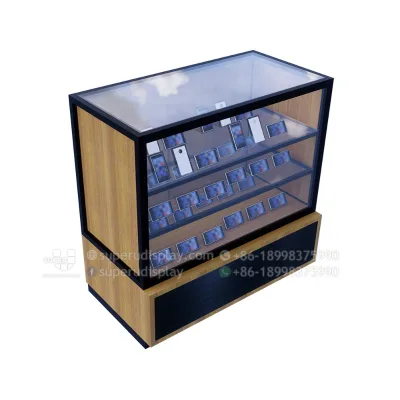
Factory Direct Sales Mobile Phone Counter Display Cabinet Store Mobile Phone Display Showcase
$609.00 - $898.00
MOQ: 1 Pieces

$609.00 - $898.00
MOQ: 1 Pieces

$188.00 - $388.00
MOQ: 1 Pieces

Dongguan Xinfuying Decoration Display Technology Co., Ltd.
- Verified by CTI
- Combined
- China Guangdong
- Lead time30 days
- Avg. response≤ 4h
Main productsbuilding decoration materials
Main marketsEast Asia(Japan/ South Korea),Domestic,Europe,Australia,North America


LED Lighting Glass Showcase Kiosk Display Stand Mobile Phone Showcase for Sal
$140.00 - $155.00
MOQ: 1 sets


- Verified by Intertek
- Trading Company
- Lead time25 days
- Avg. response≤ 2h
Main productsRetail Shop Display Showcases, 3C Goods Mall Kiosk Showcase, Optical Mall Kiosk Showcase, Sunglasses Store Showcases, Phone Accessories Displays
Main marketsNorth America(60%), Western Europe(20%), Oceania(10%)
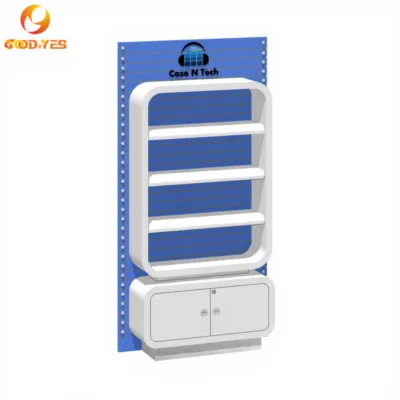
$414.681 - $622.0215
MOQ: 10 Minimum
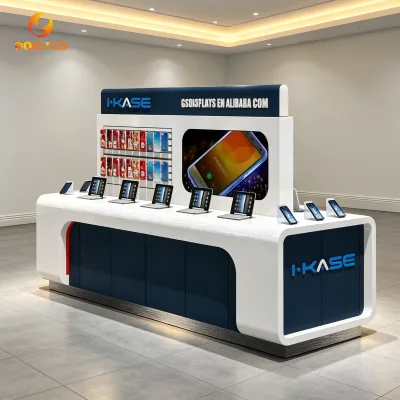
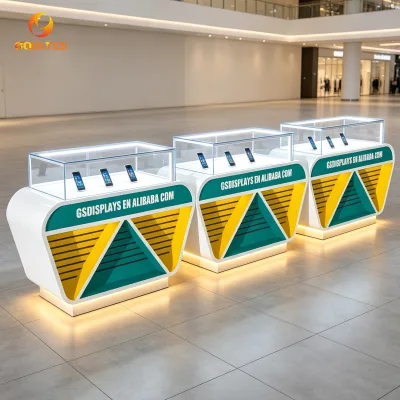
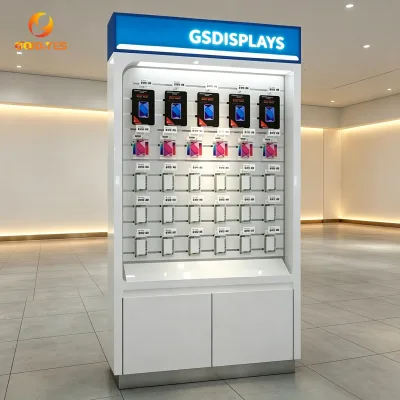
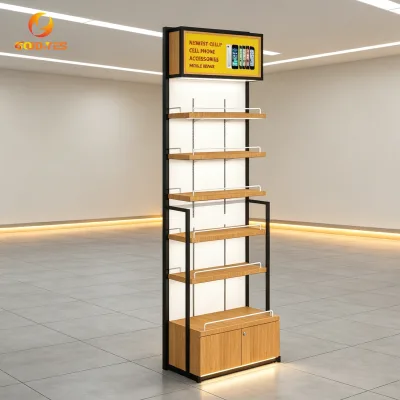
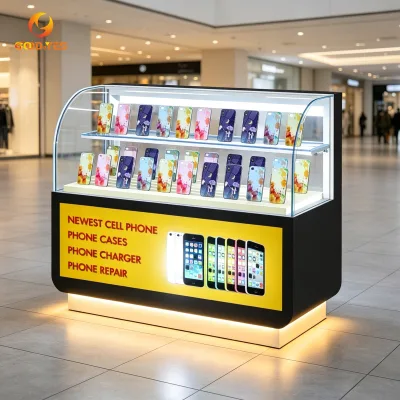

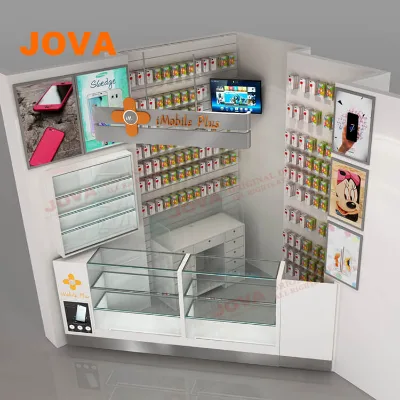
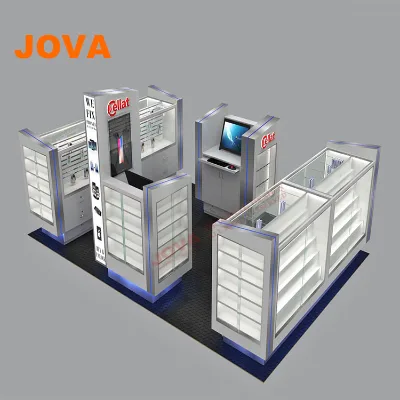
Guangzhou Jova Display Furniture Co., Ltd.
- Manufacturer, Trading Company
- Guangdong, China
- Lead time25 days
- Avg. response≤ 7h
Main productsCustom Shop Furniture,Store Displays,Jewelry Showcase,Mall Kiosk,Commercial Furniture
Main marketsDomestic Market(40.00%), North America(20.00%), Mid East(13.00%), Western Europe(5.00%), Oceania(5.00%), Northern Europe(3.00%), Southeast Asia(3.00%), South Asia(2.00%), Africa(2.00%), Southern Europe(2.00%), Eastern Europe(2.00%), South America(1.00%), Central America(1.00%), Eastern Asia(1.00%)

Quanzhou Hongyi Technology Co., Ltd.
- Verified by BV
- Trading Company
- China Fujian
- Lead time30 days
- Avg. response≤ 15h
Main productsDigital Display, LED Display, LCD Display, Signage Display, Monitor, 3D Polarized Display 2K/4K Monitor, Nake-Eye 3D Screen, Smart TV, Computer, Laptop
Main marketsEurope

Suzhou Sigmetal Business Equipment Co., Ltd.
- Verified by SGS
- Trading Company
- China Jiangsu
- Lead time30 days
- Avg. response≤ 4h
Main productsDisplay Rack, Gondola Shelving, Store Fixtures, Shop Fitting, Checkout Counter, Shopping Trolley, Display Hook, Shopping Basket, Furniture Accessories, Supermarket Supporting Facilities
Main marketsEurope,Australia
Foshan Kaierda Display Furniture Co., Ltd.
- Manufacturer, Trading Company
- Lead time旺季: "1 - 10":20,"> 10":"To be negotiated", 淡季: "1 - 10":20,"> 10":"To be negotiated"
- Avg. response≤ 8h
Main productsDisplay Rack,display showcase,display table,display shelf,display counter
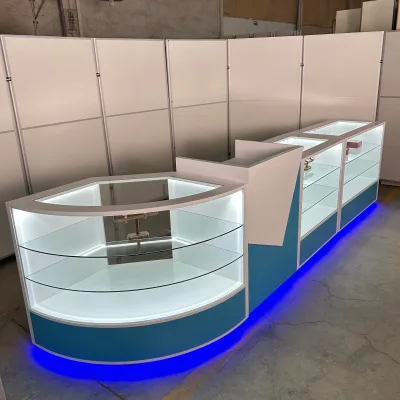
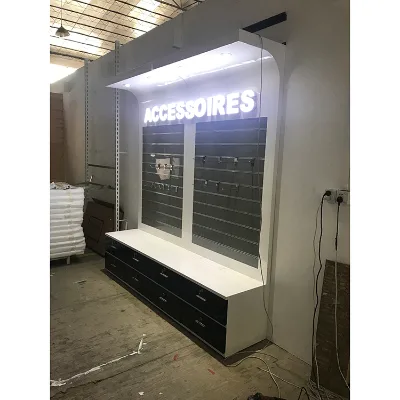
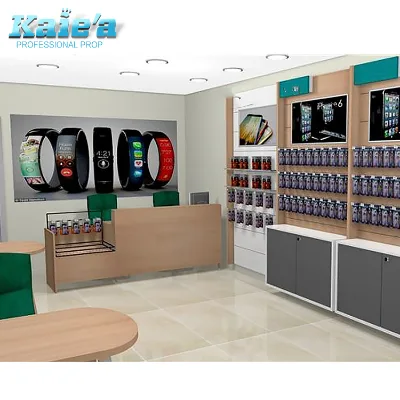
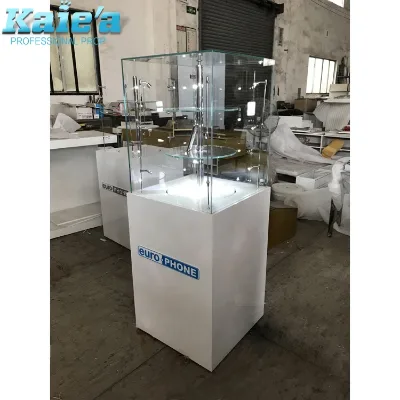
High End Display Rotating Glass showcase for Phone Shop Display
$250.00 - $450.00
Foshan Kaierda Display Furniture Co., Ltd.
- Manufacturer, Trading Company
- Lead time旺季: "1 - 30":15,"> 30":"To be negotiated", 淡季: "1 - 30":15,"> 30":"To be negotiated"
- Avg. response≤ 1h
Main productsJewelry showcase, Clothes display rack, Makeup display cabinet, Mobile phone display cabinet, Eyeglass displayshocase
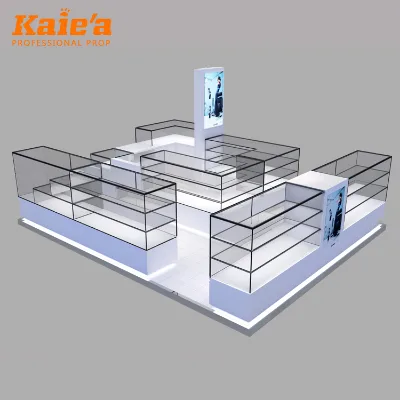
Wholesale Cell Phone Display Counter showcase Display Cabinet for Mobile Accessories
$205.068 - $410.1361
MOQ: 5 Minimum
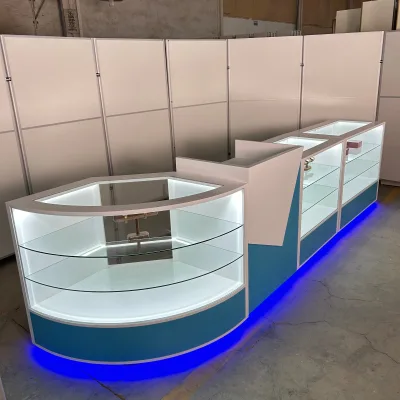
$205.4902 - $513.7255
MOQ: 10 Minimum

Kunshan Deco POP Display Co., Ltd.
- Verified by TUVRHEINLAND
- Trading Company,Manufacturer/Factory
- China Shanghai
- Lead time15 days
- Avg. response≤ 2h
Main productsDisplay Stand, Cardboard Display Stand, Floor Display, Counter Display, Cardboard Display Box, Paper Display, Pop Display, Pallet Display, Acrylic Display, Display Rack Shelf
Main marketsSouth America,Eastern Europe,Mid East,North America,Southeast Asia,Eastern Asia,Oceania,Western Europe,Africa

Mobile Phone Display Table for Cell Phone Showcase Mobile Accessories Display
$3.99 - $12.99
MOQ: 100 Pieces

Guangzhou Ouyee Industrial Co., Ltd.
- Verified by TüVRheinland
- Manufacturer, Trading Company
- Lead time20 days
- Avg. response≤ 2h
Main productsDisplay Racks
Main marketsNorth America(72%), Oceania(10%), South Asia(4%)
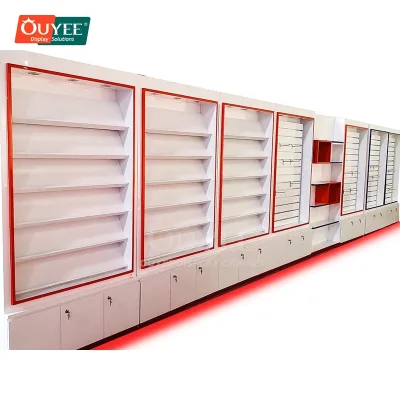
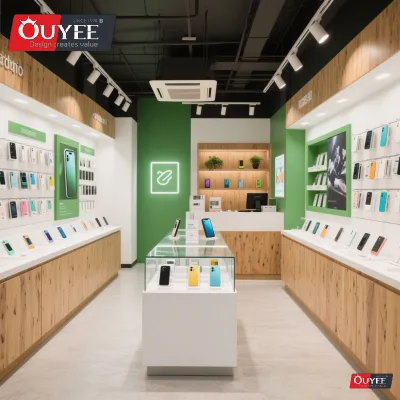
$163.6071 - $184.0576
MOQ: 5 Minimum
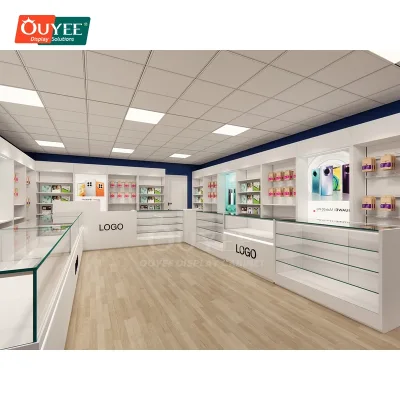
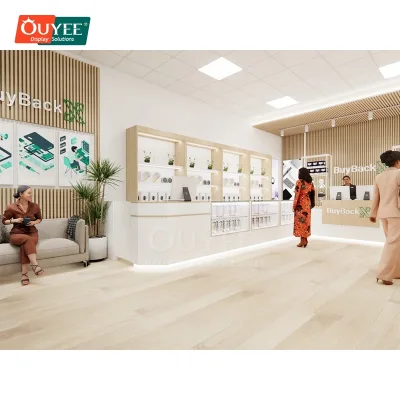
Guangzhou Beile Industry And Trade Co., Ltd.
- Verified by SGS Group
- Trading Company
- Lead time15 days
- Avg. response≤ 1h
Main productsJewelry displays , Jewelry box , Display showcase, Showcase
Main marketsNorth America(40%), South America(15%), Eastern Europe(10%)
$398.1062 - $705.9193
MOQ: 1 sets
$619.7026 - $930.0711
MOQ: 1 sets

Guangdong Benson Excellent Furniture Technology Co., Ltd
- Manufacturer, Trading Company, Distributor/Wholesaler
- Guangdong, China
- Lead time20 days
- Avg. response≤ 4h
Main productsDisplay Showcase,Display Stand,Display Counter
Main marketsOceania(20.00%), Mid East(15.00%), Central America(13.00%), Western Europe(11.00%), North America(10.00%), Domestic Market(10.00%), Southern Europe(5.00%), Northern Europe(5.00%), South America(5.00%), Eastern Europe(2.00%), Africa(1.00%), South Asia(1.00%), Eastern Asia(1.00%), Southeast Asia(1.00%)
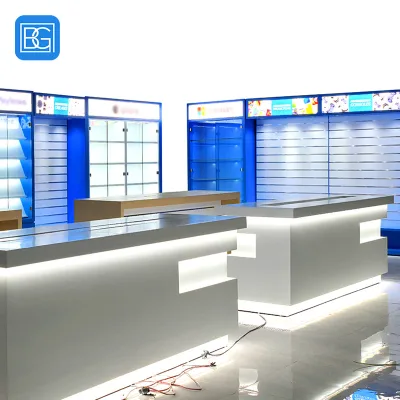
$150.00 - $250.00
MOQ: 1 Minimum
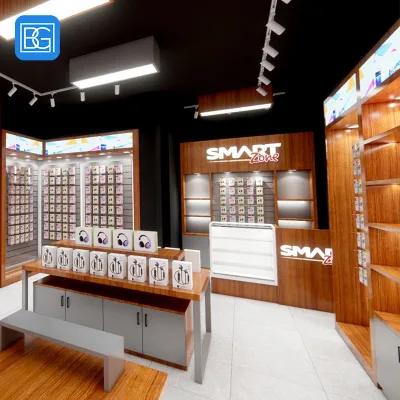
$150.00 - $250.00
MOQ: 1 Minimum

Ownway Display Equipment (Guangzhou) Co., Ltd.
- Verified by TUVRHEINLAND
- Trading Company
- China Guangdong
- Lead time23 days
- Avg. response≤ 10h
Main productsMannequin, Display Hook, Display Rack, Coat Hanger, Tube Connector, Bracket, Clothes Racks, Slatwall Hook, Pegboard Hook, Mannequin Head
Main marketsOthers(foreignTradeCapacity.exportBusinessCapacityMarketOther),Southeast Asia/ Mideast,Domestic,North America

Gondo Displays (Xiamen) Industry & Trade Co., Ltd.
- Verified by TUVRHEINLAND
- Trading Company
- China Fujian
- Lead time23 days
- Avg. response≤ 3h
Main productsAcrylic Display, Wood Display, Metal Display, Display Stand, Store Fixture, Jewelry Display, Cosmetic Display, Clothes Rack, Supermarket Rack, Furniture
Main marketsEurope,Australia,North America


Modern Shop Counter Design Glass and Wood Mobile Phone Display Table
$159.99 - $199.99
MOQ: 100 Pieces

Modern Shop Counter Design MDF and Glass Display Showcase for Mobile Phone
$39.99 - $59.99
MOQ: 100 Pieces


China Factory of Custom Retail Mobile Phone Display Stand with Lights
$159.99 - $199.99
MOQ: 100 Pieces


Kunshan Caamatech Displays Co., Ltd.
- Verified by TUVRHEINLAND
- Combined
- China Jiangsu
- Lead time15 days
- Avg. response≤ 4h
Main productsOptical Shop Display, Cosmetic Display, Sign, Window Display, Interactive Display, Paper Display, Wood Display, Metal Display, Acrylic Display
Main marketsSoutheast Asia/ Mideast,Europe,Australia,North America

Product Display Showcase Floor Standing Laptop Cellphone Counter Display Cabinet
$150.00 - $500.00
MOQ: 1 pieces


Foshan Kai Shine Loong Decoration Design Engineering Co., Ltd.
- Trading Company
- Lead time旺季: "1 - 1":25,"> 1":"To be negotiated", 淡季: "1 - 1":25,"> 1":"To be negotiated"
- Avg. response≤ 2h
Main productsDisplay Stand, Commercial Shelf
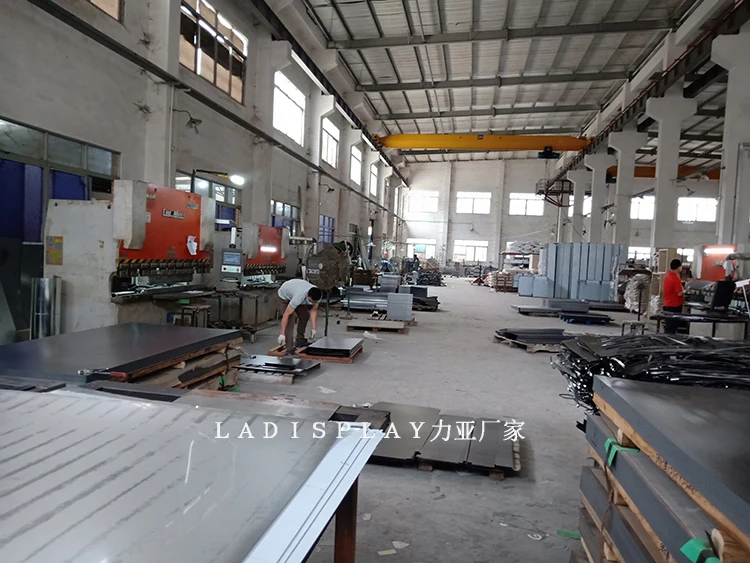
Zhongshan L.A Display Products Co., Ltd.
- Trading Company
- Guangdong, China
- Lead time15 days
- Avg. response≤ 5h
Main productsshowcase,display racks,tables,metal products,wood products
Main marketsEastern Asia(30.00%), Domestic Market(10.00%), South America(5.00%), South Asia(5.00%), Southern Europe(5.00%), Northern Europe(5.00%), Central America(5.00%), Western Europe(5.00%), North America(5.00%), Mid East(5.00%), Oceania(5.00%), Africa(5.00%), Southeast Asia(5.00%), Eastern Europe(5.00%)
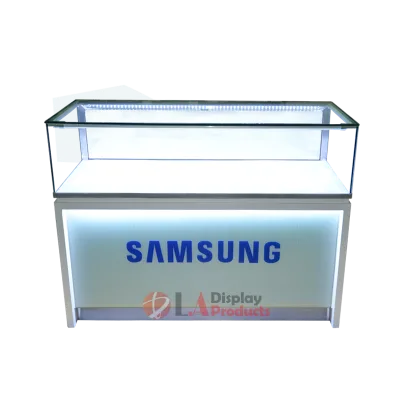
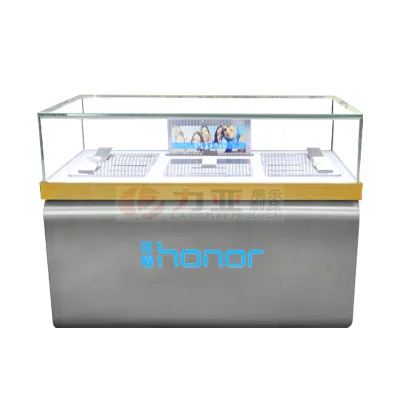
$317.4194 - $347.1139
MOQ: 15 pieces
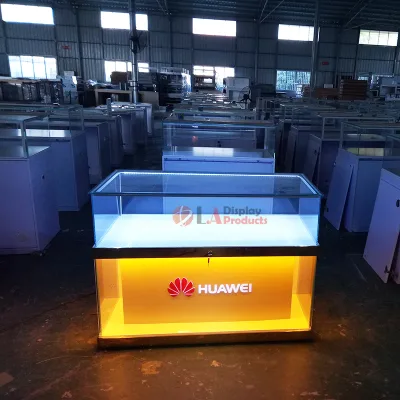

Foshan Yueyueyue Intelligent Technology Co., Ltd.
- Verified by SGS
- Combined
- China Guangdong
- Lead time30 days
- Avg. response≤ 1h
Main productsCommercial Refrigerator, Commercial Freezer, Display Freezer, Display Cooler, Ice Maker, Icecream Maker, Mini Fridge, Beef Cabinet, Air Dryer, Blast Freezer
Main marketsDomestic
Zhongshan Keyi Display Products Ltd.
- Trading Company
- Guangdong, China
- Lead time20 days
- Avg. response≤ 3h
Main productsDisplay Stand rack,Supermarket Shelves,furniture,display cabinet,display case
Main marketsNorth America(30.00%), Oceania(20.00%), Domestic Market(15.00%), Eastern Europe(15.00%), Western Europe(10.00%), Northern Europe(5.00%), Southern Europe(5.00%)
Guangzhou Super U Shop Fitting Ltd.
- Verified by SGS Group
- Manufacturer, Trading Company
- Lead time25 days
- Avg. response≤ 2h
Main productsRetail Store Fixtures, Retail Display Cabinets, Retail Display Racks, Custom Retail Displays, Commercial Cabinetry
Main marketsOceania(20%), Mid East(20%), North America(15%)

Adidea (Xiamen) Industry And Trade Co., Ltd.
- Trading Company
- China Fujian
- Lead time30 days
- Avg. response≤ 13h
Main productsMetal Display Shelf, Display Stand, Metal Display Rack, MDF Display Showcase, Solid Wood Display Stand, Acrylic Display Stand, Supermarket Display Shelves, Wine Beverage Food Display Rack, Garment Bag Shoe Jewelry Display Stand, Tile Stone Granite Quartz Mosaic Display Stand
Main marketsSoutheast Asia/ Mideast,Europe,North America


Wooden Desktop Storage Box Mobile Phone Management Storage Multi Cell Phone Display
$30.00 - $35.00
MOQ: 100 Pieces

$15.00 - $20.00
MOQ: 100 Pieces

Guangzhou Lome Display Products Co. , Ltd
- Manufacturer/Factory
- China Guangdong
- Lead time23 days
- Avg. response≤ 2h
Main productsShowcase, Cabinet, Cosmetics Display Cabinet, Display Case, Jewelry Display Case, Watch Showcase, Makeup Showcase, Supermarket Rack, Interior Design, Jewelry Showcase
Main marketsSouth America,Eastern Europe,Mid East,North America,Southeast Asia,Eastern Asia,Oceania,Western Europe,Africa
Foshan HonTay Showcase Industrial Co.,LTD
- Verified by SGS Group
- Manufacturer, Trading Company
- Lead time7 days
- Avg. response≤ 1h
Main productsJewelry Showcase, Glass Display Cabinet, Smoke Shop Display, Perfume Showcase, Mall Kiosk
Main marketsNorth America(80%), Southeast Asia(10%), Oceania(5%)


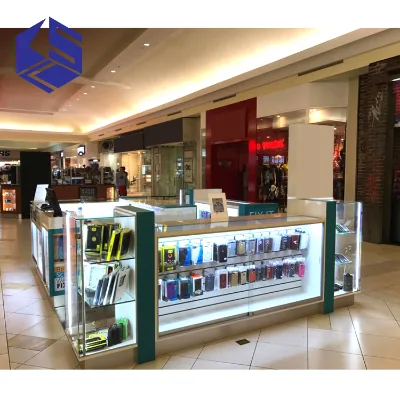
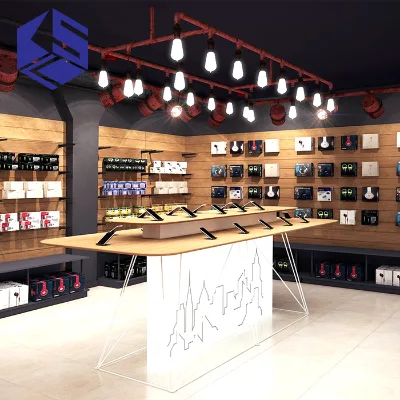
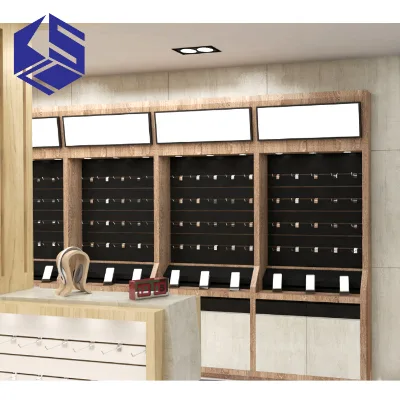
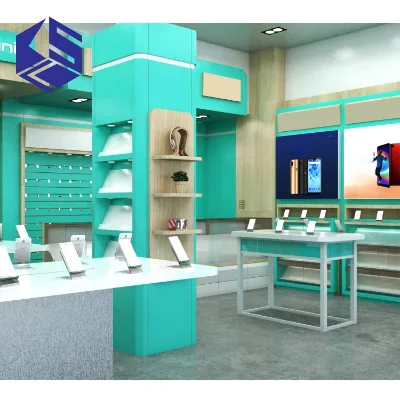




Comprehensive Sourcing Guide
Modern Mobile Phone Display Showcase Supplier Concentration and Factory Types
Buyers searching for a Modern Mobile Phone Display Showcase will encounter two broad supplier archetypes on B2B platforms: manufacturers with in-house carpentry, metalwork and glass fabrication, and trading companies that consolidate production from multiple workshops. In the current supplier results, at least one company identifies itself explicitly as a trading company with a product range spanning display showcases, retail display cabinets, store fixtures, jewelry display cabinets, cosmetic display cabinets, optical store furniture and mannequins. Another result is labeled as a combined-type company whose main products include building decoration materials. A trading or combined profile is not automatically a weakness; such firms often coordinate multi-material projects well, but it does change what the buyer must verify, because the workshop performing the final assembly may not be the entity signing the contract.
Concentration is easiest to confirm rather than assume. The supplier results do place both featured entities in Guangdong, China, and one product record lists an origin of Guangdong, China while another lists China generally. Guangdong is a documented base for retail fixture production, so buyers can reasonably treat it as a cluster to probe. When a search result gives no location, buyers should identify clusters by checking each supplier profile's registered address, the "place of origin" field on individual product pages, and whether product descriptions consistently reference the same province. Cross-checking these three signals reveals whether a supplier genuinely sits inside a manufacturing cluster or merely markets through it.
How to Verify Modern Mobile Phone Display Showcase Suppliers
Verification starts with third-party inspection status. The current results show one supplier carrying a TUVRheinland verification mark and another carrying a CTI verification mark, which are the kinds of independent credentials that reduce basic counterparty risk. However, a platform badge verifies that a company exists and was audited at a point in time; it does not verify workshop capability for custom showcase work. Buyers should therefore request the scope of any audit, the date it was conducted, and whether it covered the specific factory that would produce their order rather than only the sales office.
The second layer of verification is direct evidence tied to this category. Ask for photographs and measurements of recently completed mobile phone display counters, confirm which materials and lighting systems the workshop handles internally, and request the business license details that show how long the entity has operated, since establishment year is not displayed in every supplier result and should never be assumed. Sample orders are the strongest test: several showcase products in the current results list a minimum order quantity of one set, which makes a paid pilot order practical and low-commitment. During the sample cycle, evaluate finish quality, LED wiring, glass edging and paint consistency against the product attributes the supplier advertises, such as customization availability and OEM service. Finally, confirm that the legal name on the quotation, the bank account and the verification record all match before releasing any deposit.
What to Compare Across Modern Mobile Phone Display Showcase Suppliers
Build a comparison sheet using the attributes suppliers actually display, and leave blank any field a supplier has not published. Useful dimensions from the current results include location, company type, verification mark, average response time, typical lead time, research-and-development capabilities and main product lines. One verified supplier shows a response time of roughly 3 hours and a lead time of about 30 days, while another shows a response time of roughly 8 hours with a lead time of about 23 days. These numbers are snapshots, not guarantees, but comparing them side by side reveals which suppliers communicate quickly and which deliver faster on standard production. R&D capacity labels such as ODM, OEM and own-brand capability also matter for bespoke phone store fit-outs, because ODM suppliers can develop designs from a concept brief while OEM suppliers mainly execute supplied drawings.
Product-level data deserves equal weight. Current listings show showcase products ranging from about 140 to 155 dollars, 188 to 388 dollars, 299 to 499 dollars and 609 to 898 dollars, with minimum orders as low as one set and quoted delivery windows of 10 to 20 days on some items. Compare material specification, LED inclusion, shelf dimensions and packing method rather than price alone, since a lower unit price often reflects lighter gauge metal or thinner glass.
Common Modern Mobile Phone Display Showcase Sourcing Risks
The most frequent risk in this category is specification drift between the quoted sample and volume production. Showcase products in the results advertise heavily customizable attributes — shape, finish, shelf type and recommended use are all listed as customizable on at least one listing — which means the factory has wide latitude unless the buyer locks every dimension in writing. A signed specification sheet with paint codes, glass thickness, LED color temperature and hardware brands prevents a supplier from substituting cheaper components on the production run. Closely related is the risk of ambiguous product categories: the current listings sit under categories as different as warehousing showcases, supermarket shelves and advertising display racks, so a supplier optimizing for grocery shelving may lack the cabinet-making precision a phone store needs.
Quality and logistics risks follow. Glass-fronted showcases are fragile freight; one listing specifies standard carton packing with one piece per carton while another lists LCL packing, and inadequate internal bracing leads to high damage rates on long ocean routes. Buyers should specify foam corner protection, wooden crating for glass panels and insurance coverage before shipment. Another common trap is assuming that displayed attributes apply to all products from a supplier — MOQ, delivery and customization fields vary item by item even within one store. Finally, beware of quotes that omit installation drawings and power wiring details for lit showcases, since retrofitting electrical work after delivery is costly and can delay a store opening.
Modern Mobile Phone Display Showcase Regional Sourcing and Logistics
Regional strategy in this category benefits from the documented concentration of the featured suppliers in Guangdong, China. A Guangdong base shortens the distance between the fixture workshop and major export ports, which reduces inland haulage cost and transit variability for bulky showcase shipments. It also makes factory visits practical for buyers already traveling to the region's broader electronics and retail-fixture supply base, allowing same-trip audits of both the showcase workshop and the phone accessories that will populate the displays. Buyers should still confirm the specific city and district of the production site, since a company registered in Guangdong may subcontract fabrication to workshops elsewhere, and freight quotes should be obtained from the true factory address.
For logistics planning, use the displayed lead times as a starting benchmark rather than a commitment. The current results show lead times of roughly 23 and 30 days at supplier level, and product-level delivery windows of 10 to 20 days on certain items; custom finishes and bespoke layouts typically consume the upper end or beyond. Build a schedule that reserves time for sample approval, production, third-party inspection and ocean freight, and ask each supplier to state their current production queue before committing to a store-opening date. Buyers sourcing from regions with no location data should request port of loading, FOB terms and container-loading calculations for their showcase quantities in writing.
Modern Mobile Phone Display Showcase Commercial Terms and Order Planning
Commercial terms should be negotiated with the category's low entry thresholds in mind. Several listings in the current results advertise a minimum order quantity of one set, which allows buyers to validate a supplier with a small paid order before committing to a full store fit-out. That said, unit prices fall meaningfully at volume — the same listings show ranges from roughly 140 to 898 dollars depending on model and specification — so buyers planning multi-store rollouts should request tiered quotations at one, five and ten set quantities. Clarify whether the quoted price includes LED lighting, glass, logos and custom paint, since customization is advertised as available across many listings but is frequently priced separately. Payment terms should protect the buyer during first-time orders; ask about platform escrow or trade assurance options, which are visible on some supplier profiles but not all, and never assume a supplier offers escrow without checking.
Order planning should sequence commitments against verifiable milestones: approve drawings, approve a sample, inspect before balance payment, then release shipment. Use the displayed response times — roughly 3 hours versus 8 hours among the current results — as an early indicator of how smoothly production communication will run, and set an expectation for replies within one working day in the contract. Finally, confirm packing specifications, insurance and the exact production lead time in the purchase order rather than relying on listing-level figures.
FAQs
What is the typical lead time for modern mobile phone display showcases?
Manufacturers in Guangdong, China, generally require 23 to 30 days to produce and ship these units. This timeframe accounts for custom fabrication and quality checks. Buyers should confirm specific delivery windows with suppliers before placing orders to ensure alignment with store opening schedules.
What is the minimum order quantity for custom mobile phone display cabinets?
Many suppliers offer a minimum order quantity of just one set for customized mobile phone display showcases. This low MOQ allows retailers to test designs or order single units for flagship stores. It is advisable to verify if bulk pricing applies for larger orders.
How quickly do suppliers typically respond to sourcing inquiries?
Response times vary, with some suppliers replying within approximately three hours and others taking up to eight hours. Faster response rates often indicate higher availability and dedicated sales teams. Prompt communication helps clarify customization details and pricing structures efficiently during the initial sourcing phase.
What price range can buyers expect for mobile phone display showcases?
Prices for these units typically range from $140 to $898 per set, depending on materials and features. Basic metal or acrylic models start lower, while LED-lit glass showcases cost more. Buyers should compare specifications against prices to ensure value matches their retail display requirements.
Are these display showcases customizable for specific brand identities?
Yes, most suppliers offer customization options including logos, colors, and dimensions. Buyers can request specific shelf sizes, LED lighting types, and finish materials like chrome or polished metal. Customization is usually available for both OEM and ODM projects to match unique store aesthetics.
What certifications verify the quality of these display suppliers?
Reputable suppliers often hold verification from recognized bodies like TÜV Rheinland or CTI. These certifications indicate adherence to quality management and safety standards. Buyers should request current verification reports to ensure the manufacturer meets international compliance requirements for commercial retail equipment.