Electrical Insulation Helmet Test Instrument Suppliers and Manufacturers
Source 25 verified suppliers for Electrical Insulation Helmet Test Instrument equipment. Compare grounded dimensions including ISO9001:2015 certification, China Guangdong and Shandong locations, lead times, and pricing. Review specifications and request quotes directly from manufacturers; review the available evidence before requesting comparable quotations from suitable candidates.
Suppliers List

Dongguan Hong Tu Instrument Co., Ltd.
- Combined
- China Guangdong
- Lead time30 days
- Avg. response≤ 5h
Main productsHeadform, Helmet Impact Testing Machine, PV Modules, Equipment, Instrument, Footwear Tester, Laboratory, Tester, Test Machine, Helmet Testing Machine
Main marketsDomestic


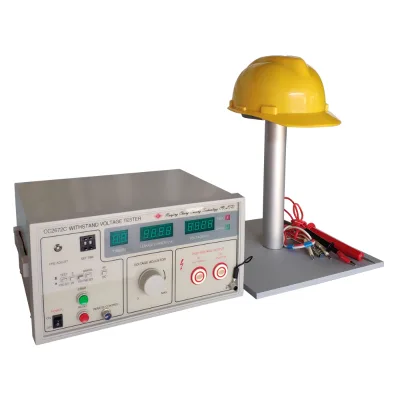
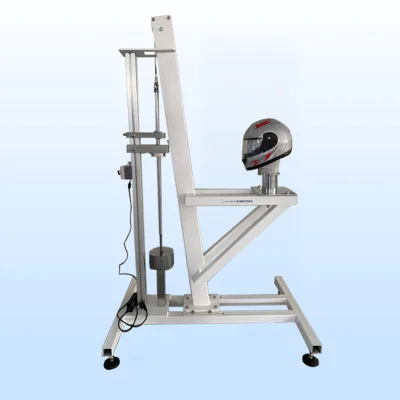
Safety Helmet Electrical Insulation Testing Euqipment Quality Control Testing Device
$3000.00
MOQ: 1 Pieces

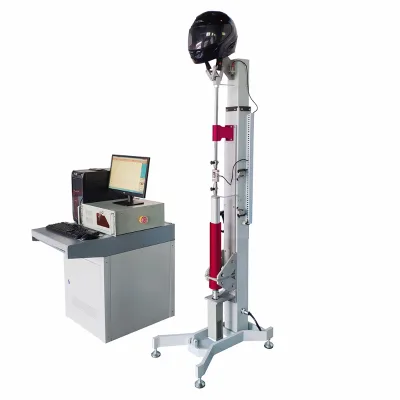
High Velocity Impact Tester Helmet Test Instrument for Helmet Safety Evaluation
$5000.00
MOQ: 1 Pieces


ANSI Z89.1 Safety Helmet Test Machine Electrical Insulation Performance Tester
$2000.00 - $3000.00
MOQ: 1 Pieces


Jinan Xinghua Instruments Co., Ltd.
- Trading Company,Manufacturer/Factory
- China Shandong
- Lead time23 days
- Avg. response≤ 8h
Main productsTextile Testing Equipments, Yarn Testing Equipments, Leather and Footwear Testing Equipment, Plastic Testing Equipment, Paper and Package Testing Equipment, Paint Testing Equipment, Metallographic Testing Equipment, Mask Testing Equipment, Protective Clothing Testing Equipment, Tensile Testing Machine
Main marketsSouth America,Eastern Europe,Mid East,North America,Southeast Asia,Eastern Asia,Western Europe,Africa


Xhf-128 Electrical Insulation Tester for ANSI/Isea Z89.1-2014 Safety Helmet Test
$5200.00 - $7000.00
MOQ: 1 Pieces

ANSI/Isea Z89.1-2014 Xhf-128 Electrical Insulation Tester for Safety Helmet Production
$5200.00 - $7000.00
MOQ: 1 Pieces
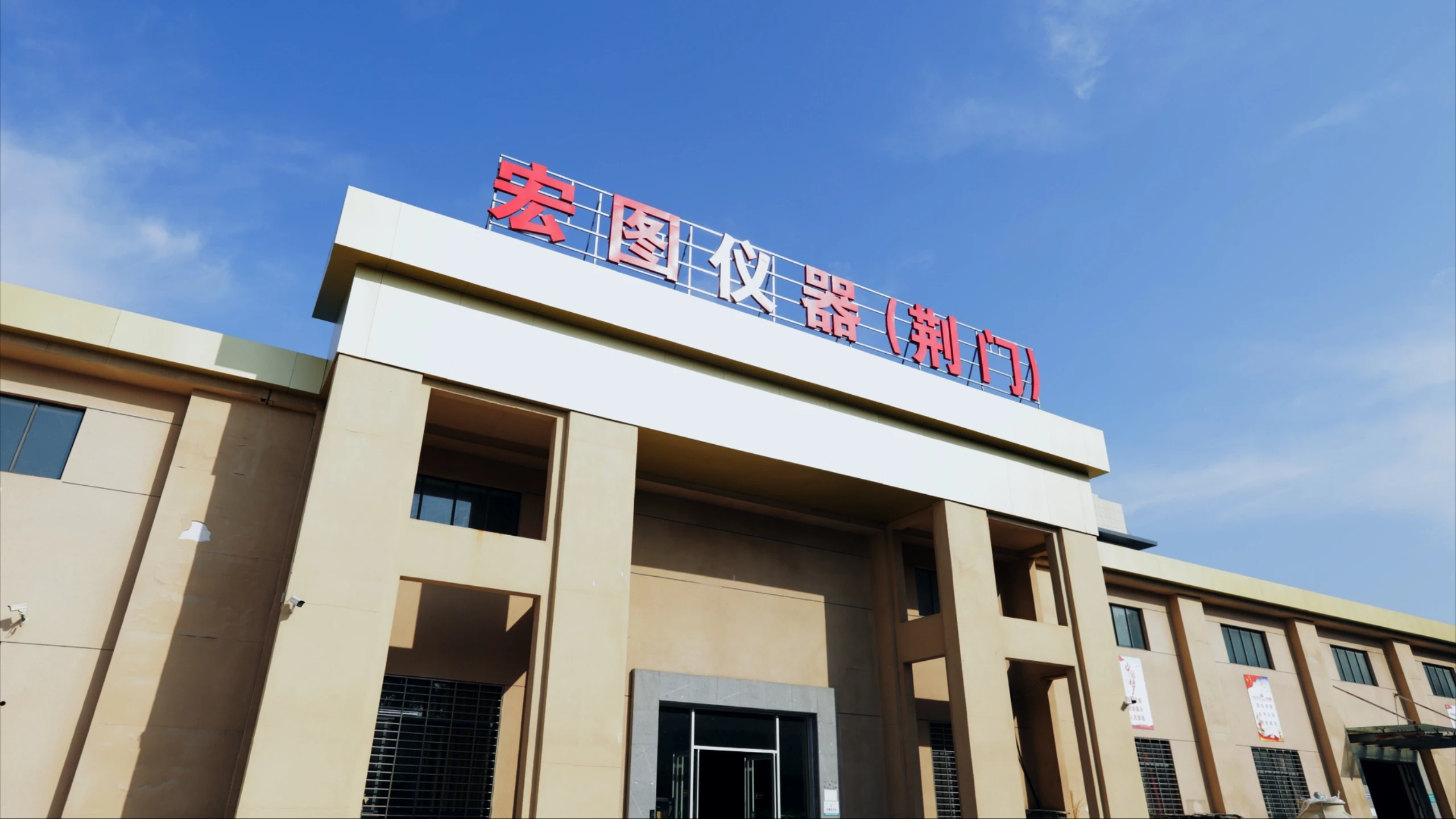
Dongguan Hong Tu Instrumentco., Ltd.
- Trading Company
- Gunagdong, China
- Lead time30 days
- Avg. response≤ 2h
Main productsHelmet testing machine,Helmet impact testing machine,PV Module testing machine,Mechanical Load Tester,Hail impact tester
Main marketsSouth Asia(12.5%), Southern Europe(12.5%), Western Europe(12.5%), Eastern Asia(12.5%), Mid East(12.5%), Oceania(12.5%), Africa(12.5%), Southeast Asia(12.5%)
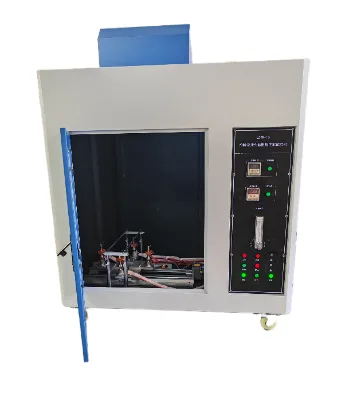
Rescue Helmet Flame Resistance Tester Fireproof Safety Helmet Testing Equipment
$9999.00
MOQ: 1 Minimum
$9999.00 - $19999.00
MOQ: 1 Minimum
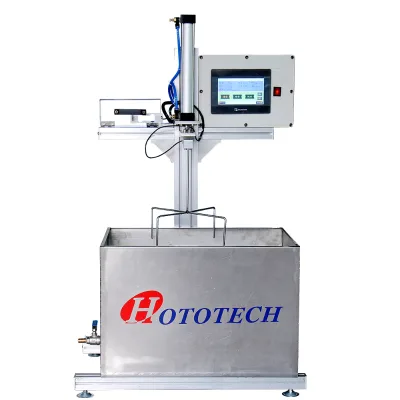
Helmet Testing Equipment Helmet Testing Machine EPS Density Testing Machine
$1999.00 - $5999.00
MOQ: 1 Minimum
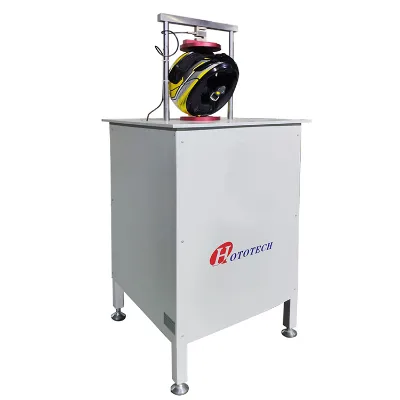
$2042.46 - $4084.92
MOQ: 1 Minimum
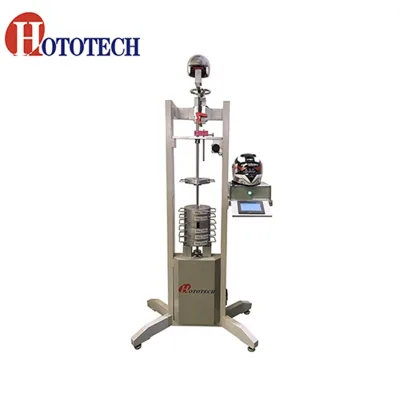
DOT SNELL Static Helmet Chin Strap Retention Tester with Weight Apply the Force
$2044.24 - $10225.30
MOQ: 1 Minimum

Weshine Electric Manufacturing Co., Ltd.
- Verified by SGS
- Combined
- China Hebei
- Lead time15 days
- Avg. response≤ 5h
Main productsTransformer Tester, Insulating Oil Tester, Hipot Tester, Insulating Tester, Circuit Breaker Tester, Relay and Protection Tester, Sf6 Gas Tester, Partial Discharge Tester, Battery Tester, Power Quality Analyzer
Main marketsSouth America,Southeast Asia/ Mideast

Electrical Equipment Maintenance Prevention Insulation Resistance Measuring Instrument
$890.00 - $1700.00
MOQ: 1 Pieces

Electrical 15kv Digital Insulation Tester High Voltage Insulation Resistance Test Equipment
$800.00 - $1250.00
MOQ: 1 Pieces


Dongguan Zhongli Instrument Technology Co., Ltd
- Verified by CTI
- Trading Company
- China Guangdong
- Lead time23 days
- Avg. response≤ 3h
Main productsEnvironmental Chamber, Universal Testing Machine, Test Machine, Lab Two Roll Mill, Banbury Mixer, Lab Hydraulic Press, Textile Testing Machine, Packaging/Carton/Paper Test Machine, Leather/Shoes Testing Machine, Rubber and Plastic Testing Machine
Main marketsSouth America,Africa,Southeast Asia/ Mideast,East Asia(Japan/ South Korea),Domestic,Europe,Australia,North America


$2800.00 - $3500.00
MOQ: 1 Pieces

Helmet Strength of Retention System Tester Helmet Wearing Device Strength Tester
$2500.00 - $3500.00
MOQ: 1 Pieces

Dongguan Zhongli Instrument Technology Co., Ltd.
- Trading Company
- Lead time旺季: "1 - 1":14,"> 1":"To be negotiated", 淡季: "1 - 1":14,"> 1":"To be negotiated"
- Avg. response≤ 2h
Main productsRheometer Machine For Rubber, Tensile Strength Tester, Banbury Mixer, Roll Open Mixing Mill, Climatic Temperature Humidity Tester
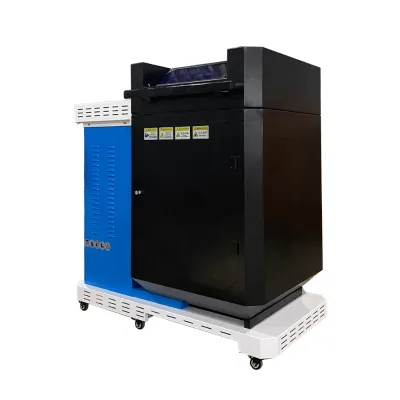
EN 397 Helmet Electrical Insulation Testing Machine Helmet Testing Machine
$3000.00 - $4500.00
MOQ: 1 Minimum
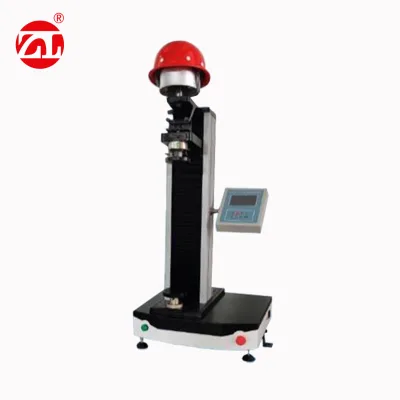
$2046.67 - $3070.00
MOQ: 1 Minimum
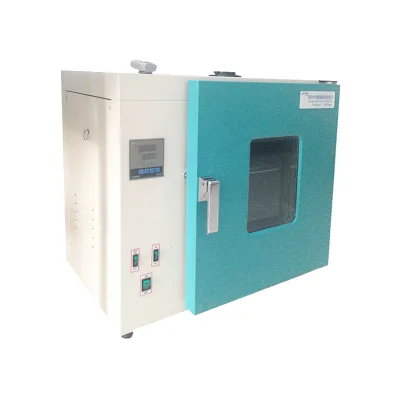
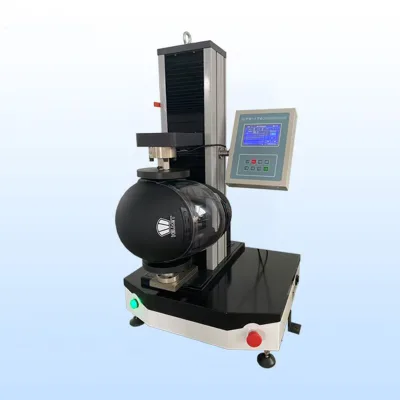
$2046.67 - $5116.66
MOQ: 1 Minimum
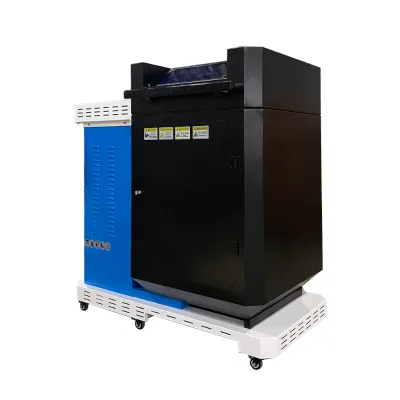
SNELLM2015 AS/NZS 2063 Helmet Splash Tester for Molten Metal Resistance
$2558.33 - $4093.33
MOQ: 1 Minimum

Sailham Equipment (Dongguan) Co., Ltd.
- Verified by TUVRHEINLAND
- Trading Company,Manufacturer/Factory
- China Guangdong
- Lead time23 days
- Avg. response≤ 7h
Main productsClimatic Test Chamber, Temperature Humidity Test Chamber, Wak-in Climatic Chamber, Salt Spray Test Chamber, Rain Spray Test Chamber, Universal Testing Machine, Thermal Shock Chamber, Heat Damp Changing Test Chamber, Vibration Table, Drop Test Machine
Main marketsSouth America,Eastern Europe,Mid East,North America,Southeast Asia,Eastern Asia,Oceania,Western Europe,Africa

Wuhan Goldhome Hipot Electrical Co., Ltd.
- Verified by TUVRHEINLAND
- Combined
- China Hubei
- Lead time15 days
- Avg. response≤ 5h
Main productsAC Resonant Test System, AC/DC Hipot Tester, Circuit Breaker Analyzer, Hv Test Set, Power Frequency Hipot Tester, Transformer Tester, AC Dielectric Test Set, Partial Discharge Test Set, High Voltage Test Set, Primary Current Injection Test Set
Main marketsSouth America,Southeast Asia/ Mideast,Europe,North America

- Verified by SGS
- Combined
- China Hubei
- Lead time15 days
- Avg. response≤ 8h
Main productsOil Transformer, Impulse Voltage Generator, Vlf Hipot Test Equipment, Loop Resistance Tester, Relay Protection Tester, Pd Test System, Cable Fault Tester, Tuning Resonance Test Device, DC Hv Generator, Lightning Arrester
Main marketsDomestic,Europe,North America

Electrical Insulation Bracket Hot Stick Testing Equipment Insulation Tools Test
$500.00 - $1000.00
MOQ: 1 Pieces

Insulating Gloves Test Electric Leakage Protection Tester Electrical Glove Dielectric Testing
$1000.00 - $2000.00
MOQ: 1 Pieces

Electric Insulating Oil Dielectric Strength Tester/Dielectric Oil Test Equipment
$500.00 - $1500.00
MOQ: 1 Pieces

Electrical Insulating Tools Testing Machine Dielectric Boots and Gloves Insulation Tester
$800.00 - $2500.00
MOQ: 1 Pieces


Hubei Hong Tu Instrument Co., Ltd.
- Manufacturer, Trading Company
- Hubei, China
- Lead time30 days
- Avg. response≤ 3h
Main productsPV Module Testing Machine,Helmet Testing machine,Battery testing machine,Solar module testing equipment,Customized testing equipment
Main marketsSouth Asia(40.0%), Eastern Europe(20.0%), Mid East(10.0%), North America(5.0%)
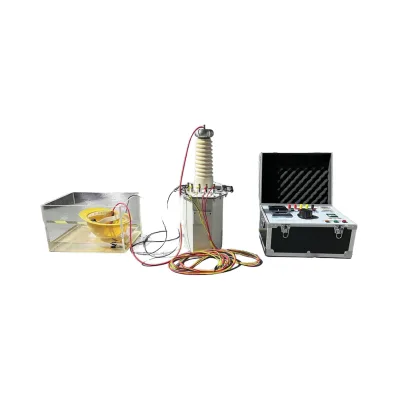
$1000.00 - $3000.00
MOQ: 1 Minimum

- Verified by TUVRHEINLAND
- Combined
- China Hubei
- Lead time15 days
- Avg. response≤ 2h
Main productsTransformer Test Equipment, Circuit Breaker Testing Equipment, High Voltage Test System, CT PT Testing and Calibrating, High Voltage Insulation Testing, DC System and Battery Testing, Cable Faults, Test and Diagnostics, Arrester and Insulator Testing
Main marketsSouth America,Europe,Australia

Wuhan Kaidi Zhengda Electric Co., Ltd.
- Verified by BV
- Combined
- China Hubei
- Lead time15 days
- Avg. response≤ 2h
Main productsSeries Resonance, Hipot Tester, High Voltage Test Equipment, Cable Fault Locator, Electric Power Analyser
Main marketsSoutheast Asia/ Mideast,Australia,North America

KDJS-QM Insulating Safety Helmet Power Frequency Withstand Voltage Dielectric Strength Tester
$3999.00 - $5699.00
MOQ: 1 sets

High Voltage Insulating Glove Electrical Safety Tester Dielectric Withstand Test Equipment
$2200.00 - $2285.00
MOQ: 1 sets

Electrical PPE Test Equipment Dielectric Strength Tester for Rubber Insulating Gloves Boots
$5399.00 - $5499.00
MOQ: 1 Sets

Withstand Voltage Tester for Insulating Gloves and Insulating Boots Dielectric Strength Test
$3199.00 - $8399.00
MOQ: 1 Sets

High Voltage Withstand Dielectric Test Equipment for Insulating Gloves and Boots
$5399.00 - $5499.00
MOQ: 1 Sets

Insulating Rubber Gloves Voltage Withstand Dielectric Strength Tester in Power Utilities
$5399.00 - $5499.00
MOQ: 1 Sets
Qingdao Lubo Environmental Protection Group Co., Ltd.
- Verified by TUVRHEINLAND
- Manufacturer
- China Shandong
- Lead time15 days
- Avg. response≤ 8h
Main productsGas Detector, Water Quality Tester

Changchun Intelligent Instrument Equipment Co.,Ltd.
- Verified by TUVRHEINLAND
- Combined
- China Jilin
- Lead time30 days
- Avg. response≤ 2h
Main productsMaterial Testing Machine, Torque Rheometer, Voltage Breakdown Tester, Capillary Rheometer, Melt Flow Index Tester
Main marketsDomestic

Reliable Electrical Insulation Tester for Innovative Material Testing
$6500.00 - $10000.00
MOQ: 1 Sets

Versatile Computer Controlled Voltage Breakdown Testing Instrument for Insulation
$8500.00 - $15000.00
MOQ: 1 Sets

Efficient Voltage Breakdown Tester for Comprehensive Insulating Material Testing
$8500.00 - $15000.00
MOQ: 1 Sets

Reliable Voltage Breakdown Tester for Comprehensive Insulating Material Testing
$8500.00 - $15000.00
MOQ: 1 Sets

High Precision Voltage Breakdown Tester for Insulating Material Testing
$8500.00 - $15000.00
MOQ: 1 Sets


- Combined
- China Hubei
- Lead time30 days
- Avg. response≤ 4h
Main productsTransformer Tester, Insulation Tester, Vacuum Bottle Tester, Partial Discharge System, High Voltage Test Set, Hipot Tester, Vlf Test Equipment, Fault Locating Primary Cable Systems, Proof Testing, Hipotential Test Equipment
Main marketsSouth America,Africa,Southeast Asia/ Mideast,East Asia(Japan/ South Korea),Australia,North America

GDJS-15A Insulation High Voltage Test for Safety Insulated Helmet High Voltage Test Kit 50kV
$2500.00 - $3900.00
MOQ: 1 Pieces


Guangzhou Zhilitong Electromechanical Co., Ltd.
- Verified by TUVRHEINLAND
- Combined
- China Guangdong
- Lead time15 days
- Avg. response≤ 1h
Main productsTesting Equipment, Test Finger Probe Pin, Spring Imapct Test Hammer, Power Cord Tester, Lab Test Machine, Electrical Appliance Test Equipment, Glow Wire Tester, Plug Socket Tester, Security Testing Equipment, Testing Gauge
Main marketsOthers(foreignTradeCapacity.exportBusinessCapacityMarketOther),Domestic


Dielectric Strength Test Instrument for IEC60065 Figure 6 Test Equipment
$490.00 - $500.00
MOQ: 1 Pieces


Wuhan Huayi Electric Power Technology Co., Ltd.
- Verified by TUVRHEINLAND
- Combined
- China Hubei
- Lead time15 days
- Avg. response≤ 2h
Main productsAC DC Hipot Tester, Transformer Tester, Relay Protection Tester, Tan Delta Tester, Turn Ratio Tester, Pd Detector, Contact Resistance Tester, CT PT Analyzer, Oil Bdv Tester, Insulation Resistance Tester
Main marketsSouth America,Africa
Shanghai Demiks Electric Power Technology Co., Ltd.
- Verified by SGS
- Trading Company
- China Shanghai
- Lead time30 days
- Avg. response≤ 5h
Main productsPower Transformer, Dry Type Transformer, Oil Immersed Transformer, High Voltage Electrict Testing Equipment, Transformer Testing Equipment, High Voltage Testing Transformer, HVAC Resonant System, Lighting Impulse High Voltage Generator, Power Frequency High Voltage Withstand System, Pd Partial Discharge Test System
Main marketsAfrica


Safety Tools Test Equipment Auto Insulating Boots Gloves Withstand Voltage Tester
$1500.00 - $3000.00
MOQ: 1 Sets

Oil Immersed Voltage Withstand Tester with Manual Console Voltage Withstand Testing Equipment
$3891.00 - $4135.00
MOQ: 1 Sets

Huazheng Electric Manufacturing (Baoding) Co., Ltd.
- Verified by SGS
- Manufacturer
- China Hebei
- Lead time15 days
- Avg. response≤ 1h
Main productsHipot Tester, Insulation Resistance Tester, Oil Tester, Circuit Breaker, Relay Protection Tester, Capacitor, High Voltage Generator, Testing Transformer, Power Quality Analyzer, Clamp Meter
Main marketsSouth America


Automatic Insulating Material Test System Dielectric Testing Equipment for Rubber Electrical Gloves
$2000.00 - $13065.00
MOQ: 1 Pieces

Electrical Boots Inspection Dielectric Testing Insulated Gloves High Voltage Tester
$2000.00 - $13065.00
MOQ: 1 Pieces

100A Circuit Breaker Contact Resistance Testing Instrument Loop Resistance Test Kit
$1210.00
MOQ: 1 Pieces

Hunan Gonoava Instrument Co Ltd
- Verified by TUVRHEINLAND
- Trading Company
- China Hunan
- Lead time15 days
- Avg. response≤ 6h
Main productsThermal Gravimetric Analyzer, Differential Scanning Calorimeter, Helium Mass Spectrometer, Xrf Portable Analyzer, Fluorescence Spectrometer, RoHS Environmental Analyzer, Contact Angle Testers, Universal Tensile Compression Testing Machine, Climatic Test Chambers, Plastic Testing Machine
Main marketsSoutheast Asia/ Mideast,East Asia(Japan/ South Korea),North America

$3000.00 - $5000.00
MOQ: 1 Pieces


Shanghai Shinegil Trading Co., Ltd.
- Verified by TUVRHEINLAND
- Trading Company
- China Shanghai
- Lead time0 days
- Avg. response≤ 10h
Main productsEMC Test Equipment, ESD Simulator, Surge Generator, Eft/ Burst Generator, Voltage Dips Generator, Ring Wave Generator, Automotive EMC Test Equipment, Power Frequency Magnetic Field Generator, Impulse Voltage Tester, IEC/ En 61000-4 EMS Testing Instruments
Main marketsSouth America,Africa,Southeast Asia/ Mideast,East Asia(Japan/ South Korea),Europe,North America

Chongqing TOP Oil Purifier Co., Ltd.
- Verified by TUVRHEINLAND
- Combined
- China Chongqing
- Lead time15 days
- Avg. response≤ 10h
Main productsOil Purifier, Oil Purification, Oil Filtration, Oil Recycling, Oil Treatment, Oil Regeneration, Oil Restoration, Oil Filtering, Waste Oil Disposal, Reclaimation
Main marketsSouth America,Africa,Southeast Asia/ Mideast,East Asia(Japan/ South Korea),Domestic,Europe,Australia,North America

Wuhan Jiuhua Jingce Power Equipment Co., Ltd.
- Combined
- China Hubei
- Lead time30 days
- Avg. response≤ 13h
Main productsMeter for Electricity, Resistance Meter, Other Meters for Electricity, Cable Tester, Other Test Instrument, Other Instruments & Meters, Electronic Instrument, Clamp Meter, Other Electronic Instruments, Multimeter
Main marketsDomestic
Hebei Dual Canopy Mechanic Electrical Engineering Co., Ltd.
- Verified by SGS
- Combined
- China Hebei
- Lead time30 days
- Avg. response≤ 1h
Main marketsOthers(foreignTradeCapacity.exportBusinessCapacityMarketOther),Europe,Australia,North America

$90.00 - $199.00
MOQ: 1 Pieces

$90.00 - $199.00
MOQ: 1 Pieces
Shanghai Demiks Electric Power Technology Co., Ltd.
- Verified by Intertek
- Trading Company
- Shanghai, China
- Lead time15 days
- Avg. response≤ 2h
Main productsTransformer Testing Equipment, Oil Immersed Transformer, Dry Type Transformer, High Voltage Testing Equipment, Partial Discharge Tester
Main marketsSouth America(40%), North America(30%), Southeast Asia(20%)


Comprehensive Sourcing Guide
Electrical Insulation Helmet Test Instrument Supplier Concentration and Factory Types
Current data indicates that suppliers for electrical insulation helmet test instruments are concentrated in specific Chinese provinces, with Guangdong and Shandong emerging as primary manufacturing hubs. Fact records show multiple entities operating from Guangdong, including those listing combined company types that blend manufacturing and trading functions. Another cluster is identified in Shandong, where suppliers often present as a mix of trading companies and manufacturers. These regions host facilities producing specialized equipment such as helmet impact testers, electrical insulation devices, and various laboratory instruments. The presence of these clusters suggests a mature supply chain for testing machinery, though buyers must verify if a specific facility is a direct factory or a trading intermediary.
The company types observed in the search results vary significantly, ranging from combined entities to pure trading companies and manufacturers. Some suppliers explicitly state they possess their own brands and offer OEM or ODM support, indicating in-house research and development capabilities. Others are classified strictly as trading companies, which may source products from various factories before selling to international buyers. This distinction is critical because a combined or manufacturer-type supplier might offer more direct technical support and customization options for electrical insulation testers. Buyers should examine the "main_products" field to confirm if the supplier specializes in helmet testing equipment or if it is a minor part of a broader portfolio.
How to Verify Electrical Insulation Helmet Test Instrument Suppliers
Verification begins with checking for recognized system certifications, as the available data confirms that some suppliers hold ISO9001:2015 or ISO 9001 certificates. These certifications are essential indicators of a supplier's commitment to quality management systems, which is particularly important for precision instruments like electrical insulation testers. Buyers should request valid certificate copies and verify the scope of certification to ensure it covers the specific manufacturing or trading activities related to helmet testing equipment. The absence of a displayed certification in search results does not prove non-compliance, but it necessitates a direct request for documentation before proceeding with any order.
Beyond certifications, buyers must validate the supplier's response time and lead time capabilities to ensure they can meet project deadlines. The observed data shows response times varying between approximately 4.76 and 7.10 hours, which reflects the efficiency of the supplier's communication channels. Lead times also differ, with some suppliers indicating a 30-day window while others suggest 23 days. These metrics are vital for planning production schedules and inventory management. Additionally, verifying the "rd_capacity" field helps determine if a supplier has the internal resources to handle custom requests or if they rely entirely on standard models. A supplier claiming "Own Brand" or "OEM/ODM" support should be able to demonstrate past projects or technical specifications that align with these claims.
What to Compare Across Electrical Insulation Helmet Test Instrument Suppliers
When comparing suppliers, the primary focus should be on the technical specifications and pricing structures of their electrical insulation helmet test instruments. The data reveals specific models like the HT-6029 and XHF-128, which offer varying voltage outputs, accuracy grades, and power requirements. Prices for these instruments range from approximately 2,000 to 7,000 units, depending on the model and features such as digital displays or PLC touch screens. Buyers must carefully compare the "prod_attributes" to ensure the equipment meets their specific testing standards, such as ANSI Z89.1 or ECE R22.05, as not all models support every international regulation.
Another critical comparison point is the Minimum Order Quantity (MOQ) and packaging standards. While some suppliers list an MOQ of just one unit, others may have different thresholds that affect the total cost of ownership. Packaging is also a significant factor, with options ranging from wooden boxes to plywood cases, which impacts shipping costs and product safety during transit. The "prod_packing" field in the data shows variations like "Wooden Box Package" or "Wooden Case," which buyers should evaluate based on their logistics requirements. Furthermore, comparing the "main_products" of each supplier helps identify those with a dedicated focus on helmet testing versus those offering a broad range of unrelated laboratory equipment, ensuring the supplier has the necessary expertise for this specific instrument.
Common Electrical Insulation Helmet Test Instrument Sourcing Risks
One significant risk involves the potential mismatch between a supplier's claimed capabilities and their actual product offerings. The search results show a mix of suppliers listing "Helmet Electrical Insulation Tester" alongside other unrelated products like PV modules or footwear testers. This diversification can sometimes indicate a trading company that aggregates products from various sources rather than a specialized manufacturer. Buyers must verify if the specific model they are interested in is a core product of the supplier or a secondary item. Relying on a supplier with a broad, unfocused product line may lead to delays in technical support or difficulties in obtaining spare parts and maintenance services.
Another risk is the variability in compliance with international safety standards. While some product data explicitly lists compliance with standards like CSA Z94.1, ANSI Z89.1, and En397, others may lack this specific information in their public profiles. Electrical insulation testers are critical for ensuring helmet safety, and using equipment that does not accurately reflect these standards could compromise the validity of test results. Buyers should not assume that a supplier's general ISO certification guarantees their specific testing machines meet the required electrical safety norms. It is essential to request detailed test reports or calibration certificates for the specific model to confirm its adherence to the necessary regulatory frameworks before finalizing a purchase.
Electrical Insulation Helmet Test Instrument Regional Sourcing and Logistics
Sourcing from the identified regions of Guangdong and Shandong offers distinct logistical advantages, primarily due to their proximity to major shipping ports in China. Suppliers in these locations typically have established export channels, which can streamline the shipping process for heavy machinery like electrical insulation testers. The data indicates that products originate from China, and the packaging methods, such as wooden cases, are designed to protect the equipment during long-distance transport. Buyers should consider the lead times associated with these regions, which range from 23 to 30 days, to plan their inventory replenishment effectively. Understanding the specific location of the factory helps in estimating transit times and potential customs clearance delays.
Logistics planning must also account for the weight and dimensions of the equipment, as some models weigh between 100 and 500 kilograms. The "Weight" attribute in the product data highlights that these are substantial pieces of machinery requiring specialized freight handling. Buyers should verify the exact dimensions and weight of the specific model they intend to purchase to calculate accurate shipping costs. Additionally, the "prod_packing" details, such as "Plywood Case" or "Wooden Box," are crucial for determining if the packaging meets international shipping regulations. Proper packaging ensures the equipment arrives in pristine condition, minimizing the risk of damage during transit and reducing the likelihood of costly returns or replacements.
Electrical Insulation Helmet Test Instrument Commercial Terms and Order Planning
Commercial terms for electrical insulation helmet test instruments often include specific payment structures and warranty conditions that vary by supplier. The observed price ranges, from 2,000 to 7,000 units, suggest that buyers should negotiate based on volume and specific customization needs. Some suppliers offer customization options for size and program, which may affect the final price and lead time. Buyers must clarify whether the quoted price includes shipping, insurance, and taxes, as these costs can significantly impact the total expenditure. It is also important to confirm the payment terms, such as whether an escrow service is available to protect the buyer's funds until the goods are delivered and verified.
Order planning should be aligned with the supplier's response time and lead time to ensure timely delivery. With response times ranging from 4.76 to 7.10 hours, buyers can expect relatively quick communication, but this does not guarantee immediate production availability. The lead times of 23 to 30 days indicate that production scheduling should begin well in advance of the required delivery date. Buyers should also consider the "Customized Support" options, such as OEM or ODM, which may extend the lead time. Planning for these variables ensures that the procurement process remains smooth and that the electrical insulation testers are available when needed for quality control operations.
FAQs
What is the price range for helmet electrical insulation testers?
Prices for helmet electrical insulation testers typically range from $2,000 to $7,000. Specific models like the HT-6029 are listed between $3,000 and $6,000, while the XHF-128 ranges from $5,200 to $7,000. Buyers should verify exact pricing with suppliers as costs vary by configuration and order volume.
What standards do these testing machines comply with?
These machines comply with various international safety standards including ANSI Z89.1, CSA Z94.1, EN397, and ECE R22.05. Some equipment also supports EN1077 and DOT standard testing. Buyers must confirm specific standard compliance for their region before purchasing to ensure regulatory adherence for helmet safety evaluations.
What is the minimum order quantity for these testers?
The minimum order quantity for helmet electrical insulation testers is generally one unit. This allows buyers to purchase single units for laboratory testing or quality control purposes without needing to meet bulk purchase requirements. Suppliers typically support small orders to accommodate diverse testing needs.
How long does delivery take for these testing instruments?
Lead times for these testing instruments typically range from 23 to 30 days. This duration depends on the specific supplier location and production schedule. Buyers should confirm exact delivery timelines with the supplier to plan their procurement and testing schedules effectively.
What voltage specifications do these testers support?
Most testers support an input power of 220V 50Hz. Output voltage capabilities vary, with some models offering 0-40kv ranges for comprehensive insulation testing. Buyers should verify power requirements match their facility infrastructure to ensure safe and effective operation of the testing equipment.
Are these machines customizable for specific testing needs?
Yes, many suppliers offer customization support including OEM and ODM services. Buyers can often customize size, programs, and colors to fit specific laboratory requirements. This flexibility allows organizations to tailor the testing equipment to their exact operational standards and branding preferences.