Restaurant Kitchen Undercounter Refrigerator Suppliers and Manufacturers
Find and compare 24 Restaurant Kitchen Undercounter Refrigerator suppliers on SourcingX. Buyers can compare location, lead time, response time, customization options, specifications, and pricing in one place. Shortlist suppliers and send a request for quotation today; review the available evidence before requesting comparable quotations from suitable candidates.
Suppliers List
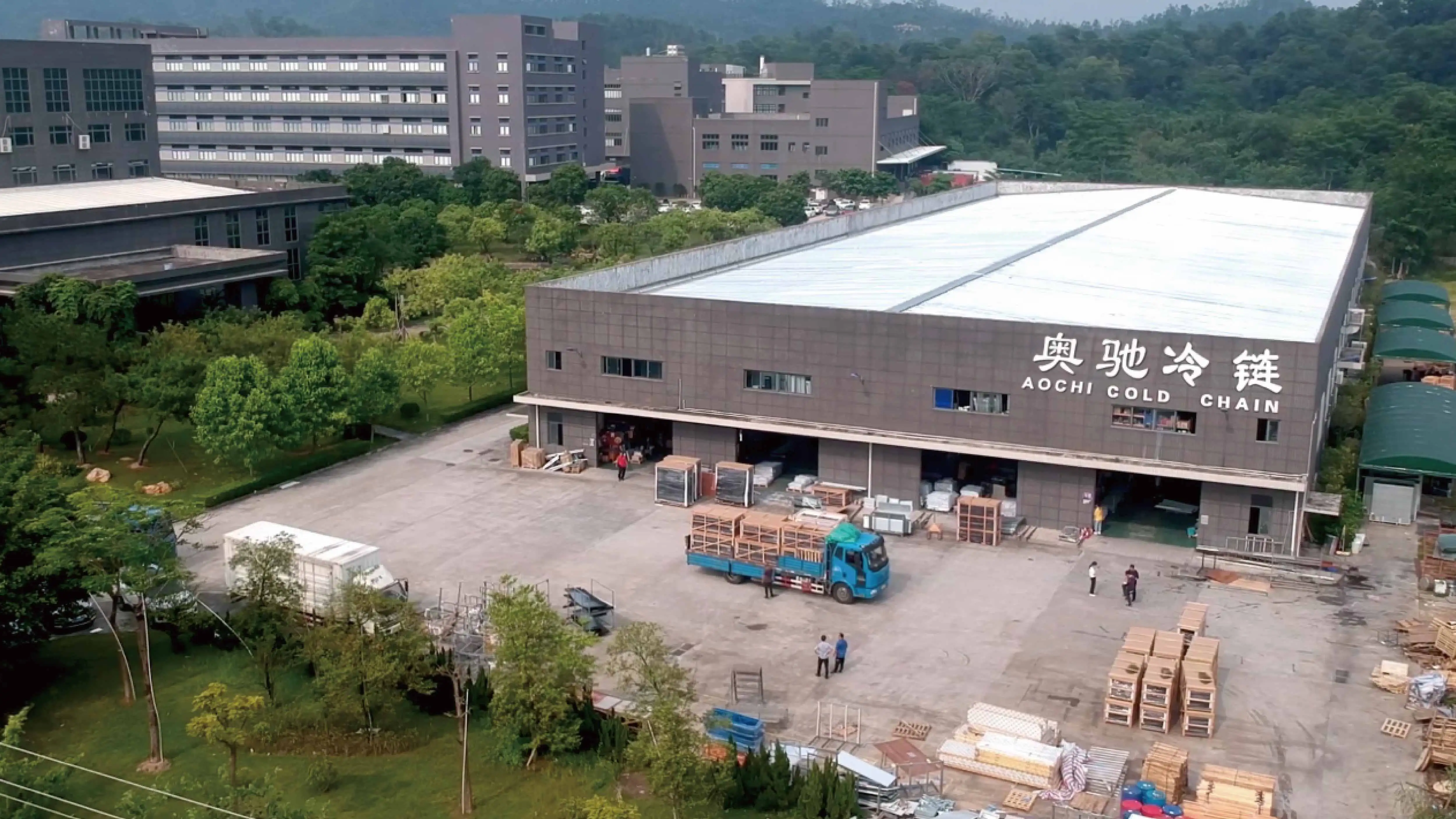
Zhongshan Aochi Refrigeration Equipment Co., Ltd.
- Manufacturer, Trading Company
- Guandong, China
- Lead time25 days
- Avg. response≤ 2h
Main productsShowcase refrigeration,Display chiller,Island freezer,Ice cream freezer,Supermarket refrigerator
Main marketsSouth America(22.00%), Domestic Market(20.00%), Southeast Asia(20.00%), Southern Europe(10.00%), Oceania(8.00%), Mid East(8.00%), Eastern Asia(3.00%), South Asia(2.00%), Africa(2.00%), Eastern Europe(1.00%), Western Europe(1.00%), Northern Europe(1.00%), Central America(1.00%), North America(1.00%)

Guangzhou Bakestar Machinery Co.,Ltd
- Combined
- China Guangdong
- Lead time15 days
- Avg. response≤ 24h
Main productsBaking Ovens, Bakery Equipments, Bakery Machines, Rotary Ovens, Moulders, Bread Machine, Pizza Oven, Pita Bread Machine, Tunnel Ovens, Baking Oven
Main marketsDomestic

Zibo Ruilang International Trade Co., Ltd.
- Verified by SGS
- Combined
- China Shandong
- Lead time15 days
- Avg. response≤ 4h
Main productsCommercial Induction Cooktop, Induction Pot Cooker, Induction Large-Pot Cooker, Induction Fryer, Induction Noodle Boiler, Induction Griddle, Induction Steam Cabinet, Refrigerator, Display Refrigerator, Freezer
Main marketsDomestic

Restaurant Kitchen Refrigerated Prep Worktable Commercial Undercounter Fridge
$289.00 - $378.00
MOQ: 1 Pieces

Commercial Kitchen Refrigerated Worktable Stainless Steel Undercounter Fridge
$289.00 - $378.00
MOQ: 1 Pieces

Qingdao Byron Refrigeration Co., Ltd.
- Trading Company
- Shandong, China
- Lead time15 days
- Avg. response≤ 2h
Main productsCOMPRESSOR,kitchen supplies,air conditione,Commercial refrigeration equipment,microwave oven
Main marketsNorth America(20.00%), South America(20.00%), Mid East(20.00%), Central America(20.00%), Southeast Asia(8.00%), Western Europe(5.00%), Northern Europe(5.00%), Eastern Europe(1.00%), South Asia(1.00%)
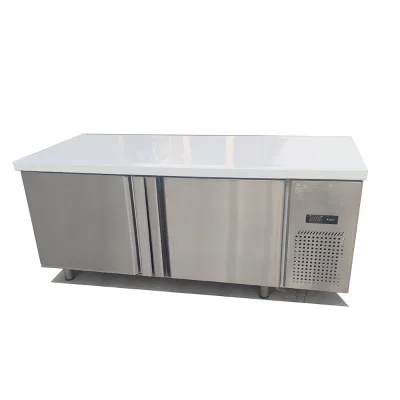
Kitchen Fridge Refrigerator Undercounter Refrigerator for Outdoor Kitchen
$165.00 - $215.00
MOQ: 1 Minimum
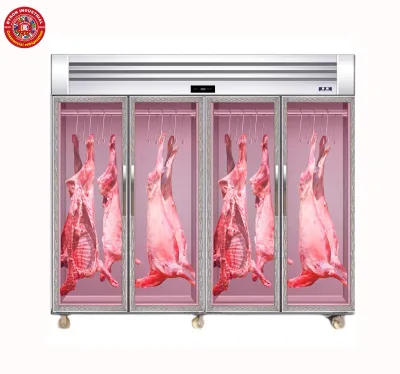
Commercial Hanging Meat Cabinet Fresh Meat Refrigeration Vertical Cold Fresh Meat
$380.00 - $870.00
MOQ: 1 Minimum

Beijing Weilan Technology Development Co., Ltd.
- Verified by SGS
- Trading Company
- China Beijing
- Lead time15 days
- Avg. response≤ 3h
Main productsCombination Island Freezer, Vertival Refrigerator/Freezer, Multi-Deck Display Refrigerator, Fresh Meat Refrigerator, Deli Refrigerator, Ice Makers, Cake Showcase, Flower Showcase, Kitchen Refrigeration Series Equipment, Cold Storage Units
Main marketsDomestic

Commercial Worktable Dual Temp Refrigerator with Undercounter Refrigerator
$271.40 - $600.00
MOQ: 1 Pieces

Kitchen Display Commercial Undercounter Refrigerator for Workbench and Chilling
$271.40 - $600.00
MOQ: 1 Pieces

Commercial Stainless Steel Kitchen Worktable Workbench Undercounter Fridge Chiller Refrigerator
$271.40 - $600.00
MOQ: 1 Pieces


Commercial Work Bench Chiller Stainless Steel Fridge Undercounter Display Refrigerator
$271.40 - $600.00
MOQ: 1 Pieces

Workbench Freezer Commercial Refrigerator Flat Cold Preservation Freezer Undercounter Fridge
$271.40 - $600.00
MOQ: 1 Pieces

Foshan Shunde Ruibei Refrigeration Equipment Co., Ltd.
- Verified by SGS
- Combined
- China Guangdong
- Lead time60 days
- Avg. response≤ 3h
Main productsUpright Cooler, Upright Freezer, Display Refrigerator, Refrigerator Showcase, Ice Merchandisers, Back Bar Cooler, Multi-Door Display Cooler, Open Chiller, Island Freezer, Fresh Meat Display Refrigerator
Main marketsDomestic

- Verified by SGS
- Combined
- China Guangdong
- Lead time30 days
- Avg. response≤ 7h
Main productsBakery Equipment, Catering Equipment, Fryer, Griddle, Oven, Dough Mixer, Grill, Food Display Cabinet, Freezer, Refrigerator
Main marketsDomestic,Europe,North America

GGMGASTRO (QINGDAO) INTERNATIONAL CO., LTD.
- Verified by BV
- Trading Company,Manufacturer/Factory
- China Shandong
- Lead time23 days
- Avg. response≤ 4h
Main productsCommercial Refrigerator, Kitchen Equipment, Catering Equipment, Bakery Eqipment, Ice Maker, Stainless Steel Sink, Meat Slicer, Fryer, Induction Cooker, Contact Grill
Main marketsSouth America,Eastern Europe,Mid East,Southeast Asia,Western Europe

Commercial Counter Commercial Refrigerator Freezer Commercial for Kitchen Undercounter Fridge
$688.00 - $733.00
MOQ: 5 Pieces

$230.00 - $230.40
MOQ: 10 Pieces

Yichu (Qingdao) Kitchen Equipment Co., Ltd
- Verified by SGS
- Trading Company
- China Shandong
- Lead time45 days
- Avg. response≤ 4h
Main productsShowcase, Commercial Refrigerator, Neutral Stainless Steel, Gn Pan, Gas Range, Ice Maker, Meat Ager, Working Table, Wine Cooler, Bottle Cooler
Main marketsSoutheast Asia/ Mideast,Europe,North America

Guangdong Green & Health Intelligence Cold Chain Technology Co., Ltd.
- Verified by BV
- Manufacturer/Factory
- China Guangdong
- Lead time15 days
- Avg. response≤ 12h
Main productsDisplay Freezer, Cold Storage Room, Commercial Refrigerator, Supermarket Island Freezer, Ice Cream Display Freezer, Glass Door Freezer, Hotel Mini Bars, Ice Cream Making Machine, Display Cooler, Multi Deck Open Chiller
Main marketsSouth America,Eastern Europe,Mid East,North America,Southeast Asia,Eastern Asia,Oceania,Western Europe,Africa

Stainless Steel Workbench Freezer Kitchen Undercounter Cooler Refrigerator for Restaurant
$300.00 - $800.00
MOQ: 1 Pieces

3 Door Undercounter Chiller/Freezer for Hotel/Restaurant Kitchen Equipment
$500.00 - $800.00
MOQ: 1 Pieces

Freezer Refrigerator Hotel Kitchen Supermarket Refrigerator and Freezer
$400.00 - $1500.00
MOQ: 1 Pieces

Guangzhou Junjian Kitchen Appliances & Refrigeration Equipment Co., Ltd.
- Verified by BV
- Combined
- China Guangdong
- Lead time15 days
- Avg. response≤ 4h
Main productsKitchen Refrigerator, Commercial Freezer, Cake Showcase, Ice Maker, Ice Cream Machine, Salad Bar, Beverage Cooler, Working Table, Juice Dispenser, Stainless Steel Kitchen Equipment
Main marketsOthers(foreignTradeCapacity.exportBusinessCapacityMarketOther)

Commercial Worktable Refrigerator Stainless Still Refrigerator Undercounter Chiller
$500.00 - $1000.00
MOQ: 1 Pieces


Commercial Undercounter Refrigerator Double Doors Worktable Chiller Kt1
$600.00 - $1000.00
MOQ: 1 Pieces

Zhongshan Aruide Refrigeration Equipment Co., Ltd.
- Verified by BV
- Combined
- China Guangdong
- Lead time30 days
- Avg. response≤ 7h
Main productsBlast Freezer, Upright Chiller&Freezer, Cold Room, Counter Chiller &Freezer, Salad Cabinet
Main marketsDomestic

3 Door Chiller Stainless Steel Kitchen Commercial Undercounter Work Top Refrigerator
$700.00 - $750.00
MOQ: 1 Pieces

Restuarant Equipment Under Counter Chiller/Kitchen Under Counter Freezer/Refrigerator
$705.00 - $805.00
MOQ: 1 Pieces

Commercial Under Counter Chiller Refrigerator 3 Stainless Steel Doors Counter Top Refrigerator
$1000.00 - $1100.00
MOQ: 1 Pieces

Kitchen Work Bench Commercial Freezer Worktable Commercial Refrigerator
$750.00 - $850.00
MOQ: 1 Pieces


Qingdao Yunlei Electric Applicance Co., Ltd.
- Verified by TUVRHEINLAND
- Manufacturer/Factory
- China Shandong
- Lead time45 days
- Avg. response≤ 4h
Main productsShowcase, Freezer, Refrigerator, Ice Maker Microwave, Oven Air-Cooled Glass Cabinet, Kitchen Equipment, Kitchen Fridge, Air-Cooled Glass Cabinet, Cooling Workbench, Stainless Steel Stove
Main marketsSouth America,Eastern Europe,Mid East,North America,Southeast Asia,Eastern Asia,Oceania,Western Europe,Africa

Commercial Restaurant Undercounter Fridge Freezer Under Counter Refrigerators Fridge Table
$323.00 - $399.00
MOQ: 15 Pieces

Commercial Stainless Steel Under Counter Refrigerator for Restaurants
$323.00 - $399.00
MOQ: 15 Pieces


Foshan Nanhai Xiaotang Baonan Kitchen Equipment Factory
- Manufacturer, Trading Company
- Lead time旺季: "1 - 500":35,"> 500":"To be negotiated", 淡季: "1 - 500":35,"> 500":"To be negotiated"
- Avg. response≤ 2h
Main productsCharcoal Barbecue Oven, Commercial Refrigerator, Pizza Oven, Worktable
Shandong Wilk Kitchen Equipment Co., Ltd
- Verified by SGS
- Trading Company
- China Shandong
- Lead time15 days
- Avg. response≤ 2h
Main productsStainless Steel Worktable, Stainless Steel Sink, Stainless Steel Shelf, Commercial Rice Steamer, Commercial Gas Stove, Refrigeration Equipment, Western Kitchen Equipment, Bakery Equipment, Cleaning&Sterilizing Equipment, Changing Room Equipment
Main marketsSoutheast Asia/ Mideast

Energy Saving Counter Horizontal Freezer Stainless Steel Commercial Undercounter Fridge
$200.00 - $255.00
MOQ: 10 Sets


Refrigerator Undercounter Freezer Kitchen Work Table Fridge Refrigeration Equipment
$200.00 - $255.00
MOQ: 10 Sets

Undercounter Prep Work Under Counter Top Chiller Refrigerated Fridges Refrigerator Table Freezer
$200.00 - $255.00
MOQ: 10 Sets

Shandong Haibor Commercial Kitchenware Co., Ltd.
- Verified by TüVRheinland
- Trading Company
- Lead time15 days
- Avg. response≤ 3h
Main productsReach-in Refrigerator & Freezer, Under Counter Refrigerator, Chest Freezer, Display Refrigerator, Stainless Steel Preparation Equipment
Main marketsNorth America(20%), Mid East(18%), Eastern Europe(15%)

Guangdong Songpeng Electrical Technology Co., Ltd
- Verified by BV
- Combined
- China Guangdong
- Lead time15 days
- Avg. response≤ 5h
Main productsAir Conditioner, Washing Machine, Vrf, Vrf Air Conditioner, Inverter Air Conditioner, Non-Inverter Air Conditioner, Cassette Air Conditioner, Duct Air Conditioner, Floor Standing Air Conditioner
Main marketsSouth America,Africa,Southeast Asia/ Mideast,Europe,Australia

Shangdong Boxing Changtai Environmental Protection Technology Co., Ltd.
- Verified by SGS
- Combined
- China Shandong
- Lead time15 days
- Avg. response≤ 3h
Main marketsSouth America,Africa,Southeast Asia/ Mideast,Europe,Australia,North America


Restaurant Stainless Steel Refrigerator 6 Door Kitchen Fridge High Efficiency
$350.36 - $394.16
MOQ: 1 Pieces


Guangzhou Lanyue Electric Appliance Co., Ltd
- Verified by TUVRHEINLAND
- Manufacturer/Factory
- China Guangdong
- Lead time23 days
- Avg. response≤ 25h
Main productsKitchen Fridge and Freezer, Cake Showcase, Ice Maker, Back Bar Cooler, Upright Glass Door Fridge Freezer, Food Processing Machine, Supermarket Refrigeration Equipment, Walk in Cooler and Freezer, Ice Cream Display Freezer, Western Kitchen Equipment
Main marketsSouth America,Eastern Europe,Mid East,North America,Southeast Asia,Eastern Asia,Oceania,Western Europe,Africa

4 Drawers 1.5m Length Commercial Undercounter Refrigerator with Backsplash
$550.00 - $1100.00
MOQ: 1 set


- Verified by BV
- Combined
- China Guangdong
- Lead time15 days
- Avg. response≤ 2h
Main productsHood Type Dishwasher, Conveyor Type Dishwasher, Ultrasonic Dishwasher, Undercounter Dishwasher, Bakery Equipment, Food Processor
Main marketsSouth America,Africa,Others(foreignTradeCapacity.exportBusinessCapacityMarketOther),North America


Undercounter 4 Drawers Refrigerator Kitchen Cabinet Freezer Commercial Workbench Fridge Cooler
$175.00 - $350.00
MOQ: 1 Pieces

Undercounter 6 Drawers Refrigerator Commercial Workbench Fridge Cooler Kitchen Cabinet Freezer
$275.00 - $450.00
MOQ: 1 Pieces
Foshan Xuepai Refrigeration Equipment Co., Ltd.
- Verified by Intertek
- Manufacturer, Trading Company
- Lead time10 days
- Avg. response≤ 2h
Main productsKitchen Stainless Steel Refrigerators, Cake Display Refrigerators, Glass Display Refrigerators, Slush Machine
Main marketsSoutheast Asia(35%), Mid East(15%), Western Europe(15%)

Qingdao Vestar International Industry Co., Ltd.
- Verified by BV
- Trading Company
- China Shandong
- Lead time30 days
- Avg. response≤ 3h
Main productsRefrigerator, Air Conditioner, Range Hood, Gas Hobs, Oven, Washing Machine, Microwave, Dishwasher, Showcase, Chest Freezer
Main marketsSouth America,Africa,Southeast Asia/ Mideast,Domestic,Europe,Australia,North America

Anhui Hualing Kitchen Equipment Co., Ltd.
- Verified by SGS
- Combined
- China Anhui
- Lead time30 days
- Avg. response≤ 7h
Main productsMeat Slicer, Meat Mincer, Vegetable Cutter, Refrigerator, Ice Maker
Main marketsSouth America

European Style Commercial Counter Refrigerator Showcase Compact Under-Counter Display Fridge
$426.00 - $436.00
MOQ: 20 Pieces

Qingdao Geling Electric Appliance Co., Ltd.
- Verified by SGS Group
- Manufacturer, Trading Company
- Lead time0 days
- Avg. response≤ 2h
Main productsIce Cream Freezer, Vertical Freezer, Salad Bar, Island Freezer, Display Refrigerator
Main marketsWestern Europe(30%), Mid East(30%), North America(20%)
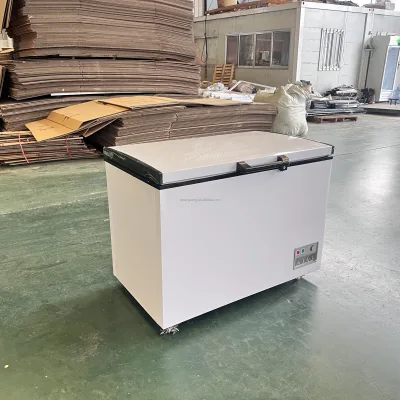
Small Horizontal Freezer,Small High-quality Refrigeration Freezer Freezers for Home
$115.00 - $160.00
MOQ: 1 pieces


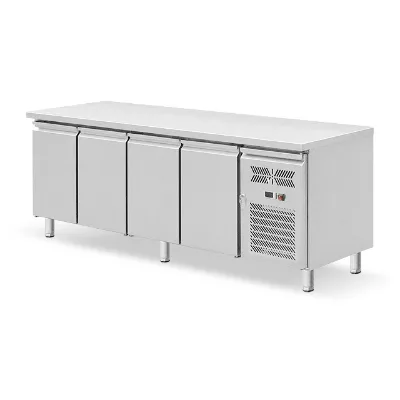
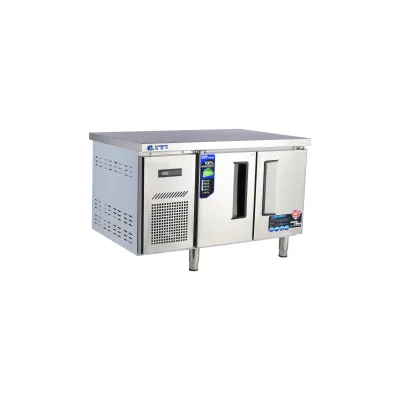
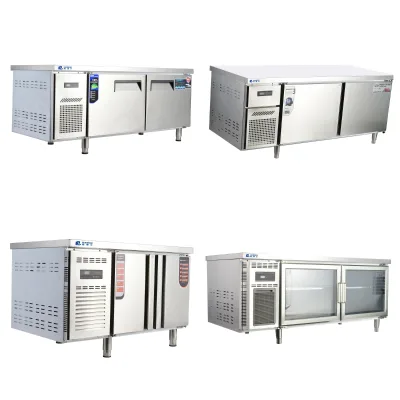
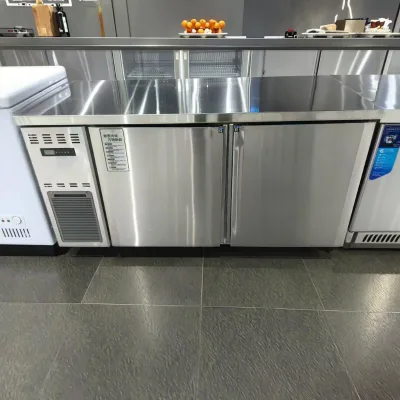




Comprehensive Sourcing Guide
Restaurant Kitchen Undercounter Refrigerator Supplier Concentration and Factory Types
When buyers search for a Restaurant Kitchen Undercounter Refrigerator, the supplier list that returns is typically weighted toward manufacturers and hybrid manufacturer-trading companies rather than pure resellers. In the current results, suppliers listing this category are concentrated in Guangdong, China, and the region's firms describe themselves as Manufacturer, Trading Company, or Combined entities. This mix matters because a combined company may manufacture some product lines in-house while sourcing refrigeration units from partner factories, so the same catalog page can carry different production realities. Guangdong's supplier profiles also show refrigeration-focused main product lines—showcase refrigeration, display chillers, island freezers, ice cream freezers, and supermarket refrigerators—indicating commercial cooling is a core competency rather than a side catalog item.
A second cluster signal comes from Shandong, where a verified supplier lists refrigerators, display refrigerators, and freezers alongside commercial induction cooking equipment, suggesting diversified kitchen-equipment manufacturing. Buyers should not assume every listing is a factory: trading companies can still deliver value through consolidation and export experience, but they add a margin layer. To identify true factory types, check whether the company type field says Manufacturer or Combined, whether main products align with undercounter refrigeration specifically, and whether the supplier offers ODM or OEM capacity, which implies in-house engineering. Cross-check product attribute pages—if a single model page carries detailed specifications such as voltage, temperature range, and dimensions, the listing likely reflects a supplier with direct product knowledge.
How to Verify Restaurant Kitchen Undercounter Refrigerator Suppliers
Verification starts with the platform-visible credentials and then moves to claims only a supplier can substantiate. In the current results, one Shandong-based supplier carries SGS verification, which is an independently audited credential worth prioritizing in shortlisting. Response time is another verifiable signal: the listed suppliers show measured response speeds ranging from roughly two hours to nearly twenty-four hours, and a buyer can test this directly by sending the same technical inquiry to several suppliers and comparing how quickly, and how specifically, each replies. A supplier who answers with compressor brand, temperature range, and dimension details is more likely to control its own production than one who replies with a generic catalog.
Beyond platform badges, verification means requesting factory evidence: a live video walkthrough of the refrigeration assembly line, photos of foaming and testing stations, and a business license whose scope covers refrigeration equipment manufacturing. Ask which certifications the units hold for your destination market and verify any certificate number against the issuing body's database—never accept a PDF alone. For the Guangdong suppliers in these results, note that detailed product pages exist with brand names, model numbers, and full attribute sets; use those attribute pages as a consistency test by asking the salesperson to confirm the same values verbally. If a supplier cannot confirm its own published specifications, or the product attributes shift between messages, treat that as a disqualifying inconsistency and move to the next candidate.
What to Compare Across Restaurant Kitchen Undercounter Refrigerator Suppliers
Build a comparison sheet using the dimensions the platform actually displays, because not every supplier publishes every attribute. Lead time is the clearest example: the current results show one supplier quoting a 25-day lead time and another quoting 15 days, a ten-day difference that directly affects restaurant opening schedules. Response time varies from about two hours to nearly twenty-four hours across these listings, which predicts how smoothly a project will run when problems emerge mid-production. Location matters for shipping consolidation—Guangdong and Shandong suppliers serve different port routings—and main products tell you whether undercounter refrigeration is the supplier's core or an adjacent line.
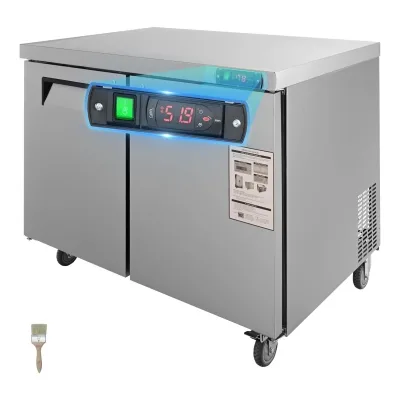
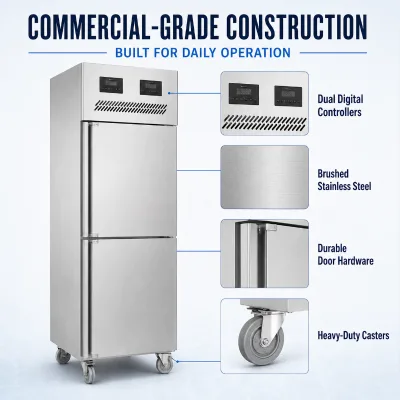
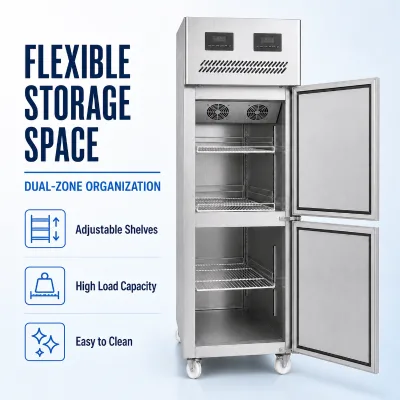
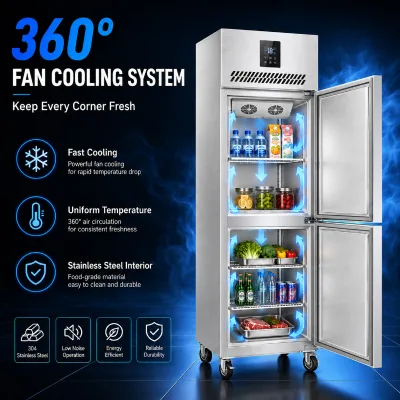
Compare technical published attributes side by side. One listed 48-inch worktop undercounter model shows a 35.6°F–46.4°F temperature range, digital temperature control, stainless steel doors, 12.85 cubic feet capacity, 110V operation, and frost-free defrosting; a 60-inch double-door unit from the same supplier lists 0.5°C–5°C, a fan cooling system, and an Embraco compressor. A second supplier's four-door and triple-door undercounter units list 380V, plywood packing, and customization as available, with model series like TGV. Note the voltage differences immediately: 110V suits North American kitchens while 380V suits other markets, so filter on this before comparing prices. Pricing in the results spans roughly $922 to $2,500 across comparable undercounter units, and MOQs start at one piece for at least one listing. Also weigh ODM/OEM capability, since a supplier advertising own-brand and OEM capacity can adapt door counts, dimensions, or branding to your specification.
Common Restaurant Kitchen Undercounter Refrigerator Sourcing Risks
The most common risk in this category is specification drift: the quoted unit differs from the unit shipped in door count, refrigerant, or temperature range. The results show suppliers listing products under multiple keywords—shock freezer, blast chiller, workbench freezer, prep table—sometimes with an "Oven" type field on a refrigerator listing. That inconsistency signals that a supplier reuses templates across product lines, so a buyer must pin the exact model number, temperature range, and dimensions in a written specification sheet before paying a deposit. Model number 219 or series TGV/TGVB, for example, should appear identically on the invoice, the nameplate, and the packing list.
A second risk cluster involves electrical and dimensional mismatch. Listings in these results include both 110V and 380V units, and dimension formats vary—29.9"D x 48"W x 35.4"H on one unit, 60"D x 30"W x 42.5"H on another—so an undercounter unit bought without checking depth against a standard 24-25 inch counter will not fit. Confirm compressor brand in writing (one listing names Embraco), confirm whether defrost is automatic or frost-free, and require a run-test video at your specified voltage before shipment. Third, watch for attribute typos that hide real capacity issues—one listing shows capacity in cubic inches where cubic feet is clearly intended. Finally, remember that a Manufacturer-plus-Trading designation means parts of your order may be outsourced; ask directly which items ship from the supplier's own facility and which do not.
Restaurant Kitchen Undercounter Refrigerator Regional Sourcing and Logistics
The confirmed sourcing locations in the current results are Guangdong and Shandong, China, and each presents a different logistics profile. Guangdong suppliers cluster near southern export infrastructure and list refrigeration as their core product family, which can simplify consolidation if you are also ordering display chillers or island freezers from the same region. Shandong suppliers, positioned for northern shipping routes, combine refrigeration with commercial cooking equipment, which suits buyers assembling full kitchen packages. Because undercounter refrigerators are bulky, foam-filled, and contain refrigerant circuits, freight cost per unit is significant, and container utilization becomes a real design variable: a 48-inch unit and a 60-inch unit pack into a container very differently.
Packing is worth negotiating explicitly. One supplier in these results specifies plywood packing for its undercounter and bakery-equipment lines, which is the expected standard for commercial refrigeration export; confirm crating, corner protection, and whether units ship upright with the compressor secured. Request the gross and net weights and the packed dimensions for each model rather than relying on catalog approximations, since some listings leave weight fields at zero. Ask how the refrigerant circuit is prepared for ocean transit and whether the supplier has experience shipping to your port, including any destination-market refrigerant or energy documentation. Lead times of 15 to 25 days in the current listings cover production, not ocean transit, so build your inbound schedule from the port-to-door leg separately. If ordering mixed equipment, ask whether all items can ship in one container from one origin to reduce handling.
Restaurant Kitchen Undercounter Refrigerator Commercial Terms and Order Planning
Commercial terms should be settled in writing before any deposit changes hands. The current results show MOQs as low as one piece on at least one 48-inch undercounter unit, which is favorable for restaurants testing a single-kitchen fit-out, but low MOQ often comes with a higher unit price—the listed prices for single units run from roughly $1,217 to $1,899 for comparable configurations, while multi-door units in a supplier's range start near $922 and extend to $2,500 for larger kitchen refrigeration equipment. Always request a quotation against your exact specification rather than accepting the listing price, since voltage, compressor brand, and door configuration all move the number.
Lead times of 15 and 25 days appear in the current results, so anchor your project timeline on the longer figure and add transit and customs time. Tie payment milestones to verifiable events: a deposit on order confirmation, a balance after a pre-shipment inspection or run-test video at your voltage, ideally structured so the platform's own escrow or trade-assurance mechanism holds the funds rather than a direct transfer. Ask whether customization is genuinely available—the results explicitly show "Customization: Available" from at least one supplier—because adapting door counts or dimensions affects both price and lead time. Clarify warranty terms for the compressor and sealed system, what spare parts ship with the order, and who handles freight claims. Finally, confirm response-time expectations contractually if the supplier advertises fast replies, since a two-hour quoted response is only useful if it continues after payment.
Word count check: Section 1 ≈ 228, Section 2 ≈ 230, Section 3 ≈ 234, Section 4 ≈ 232, Section 5 ≈ 227, Section 6 ≈ 232. Total ≈ 1383 words. ✔
FAQs
What is the typical lead time for undercounter refrigerators?
The typical lead time for these units is 25 days based on current supplier data. Some suppliers offer faster delivery with a 15-day lead time. Buyers should confirm specific timelines with the manufacturer before placing an order to ensure timely delivery.
What is the minimum order quantity for commercial units?
The minimum order quantity for these commercial units is one single item. This allows buyers to purchase individual pieces without needing to meet a bulk threshold. It is ideal for small restaurants or testing new equipment before scaling up orders significantly.
Where are these refrigerators manufactured?
These refrigerators are manufactured in Guangdong, China, and Shandong, China. The products originate from these specific regions in China. Buyers should verify the exact place of origin on the product specification sheet to ensure it matches their sourcing requirements.
What voltage options are available for these units?
Available voltage options include 110V and 380V for different models. Some units operate on 110V while others require 380V power sources. Buyers must check the specific product attributes to ensure compatibility with their local electrical infrastructure before purchasing.
What is the price range for these undercounter refrigerators?
Prices range from approximately 922 to 2500 US dollars depending on the model. Specific units like the 48-inch workbench freezer are priced around 1457 dollars. Buyers should review the current price list for the exact cost of the specific model they require.
Do suppliers offer customization for these refrigerators?
Yes, customization is available for many of these commercial units. Buyers can request specific modifications to meet their operational needs. It is recommended to discuss custom requirements directly with the supplier to confirm feasibility and any additional costs involved.
What is the response time for supplier inquiries?
Supplier response times vary, with some responding within 2 hours and others taking up to 24 hours. Most suppliers aim for quick communication to assist buyers efficiently. Buyers should expect a response within a few hours for urgent inquiries regarding product availability.