Electropolished ESD Lab Chair Suppliers and Manufacturers
Compare 22 verified suppliers offering Electropolished ESD Lab Chair with details on location, lead times, and certifications. Review product specs like system resistance and customization options before requesting quotes; review the available evidence before requesting comparable quotations from suitable candidates.
Updated
Suppliers List

Shanghai Leenol Industrial Co., Ltd.
- Verified by SGS
- Trading Company,Manufacturer/Factory
- China Shanghai
- Lead time15 days
- Avg. response≤ 11h
Main productsSMT PCB Magazine Rack, ESD Workbench, ESD Box/Tray/Trolley, ESD Packing Bags, Cleanroom Products, ESD Testers, ESD PCB Trolley, Sticky Mat, ESD PVC Flooring/Tile, ESD Chairs
Main marketsSouth America,Eastern Europe,Mid East,North America,Southeast Asia,Eastern Asia,Oceania,Western Europe,Africa

MAC Chairs And Components Co., Ltd.
- Combined
- China Guangdong
- Lead time30 days
- Avg. response≤ 7h
Main productsOffice Chair, Office Chair Components, Laboratory Chair, Office Chair Parts, Chair Armrest, Chair Base, Chair Back, Mesh Chair, Chair Caster, Leather Chair
Main marketsSouth America,Africa,Domestic,Europe,Australia,North America
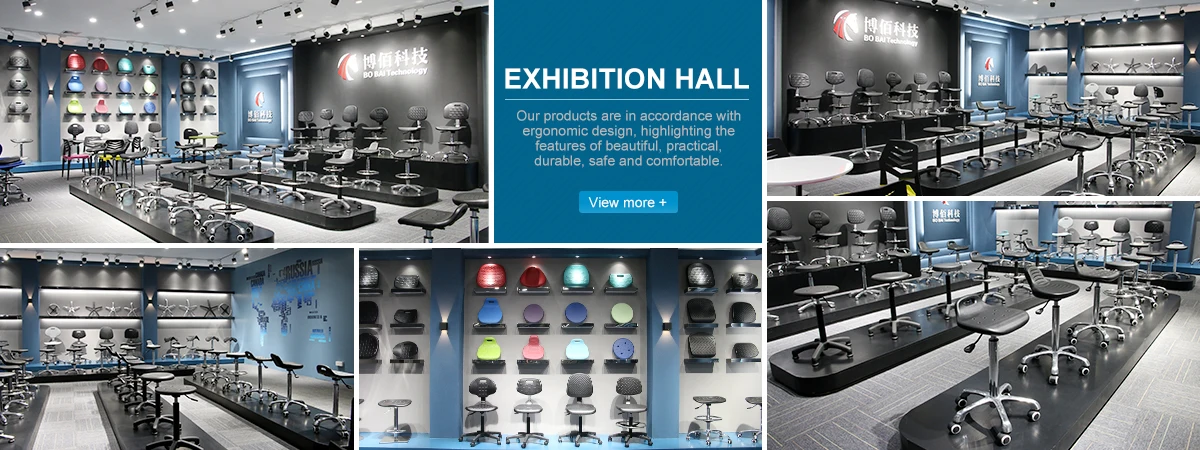
Foshan Bobai Metal Products Co., Ltd.
- Manufacturer
- Guangdong, China
- Lead time15 days
- Avg. response≤ 4h
Main productsLaboratory Chair,Industrial Chair,Office Chair,Lab Stool,Airport Chair Pu Parts
Main marketsDomestic Market(30.00%), Northern Europe(30.00%), Southeast Asia(15.00%), North America(10.00%), Oceania(10.00%), Africa(5.00%)
Shenzhen Eles Technology Co., Ltd.
- Verified by TüVRheinland
- Trading Company
- Lead time7 days
- Avg. response≤ 1h
Main productsESD Antistatic And Cleanroom Products, ESD Rubber Mat, ESD Bag, Sticky Mats, ESD Chair
Main marketsSoutheast Asia(20%), Domestic Market(20%), North America(15%)
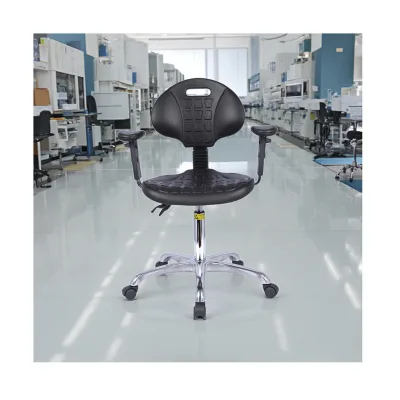
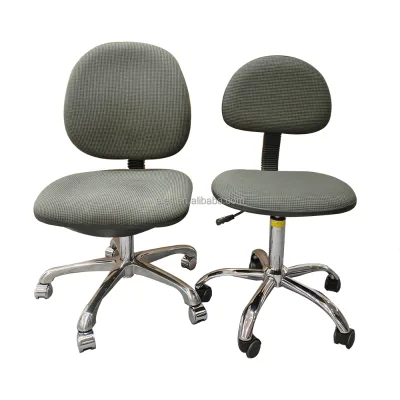
$38.7588 - $82.0281
MOQ: 2 pieces
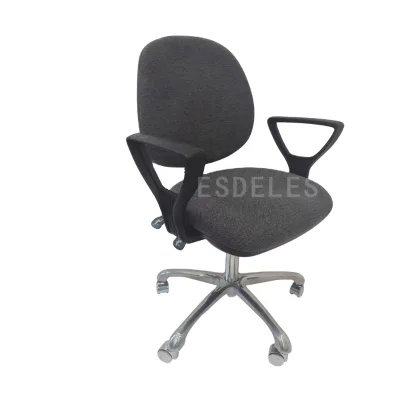
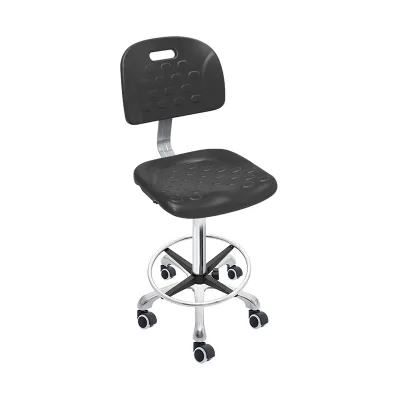
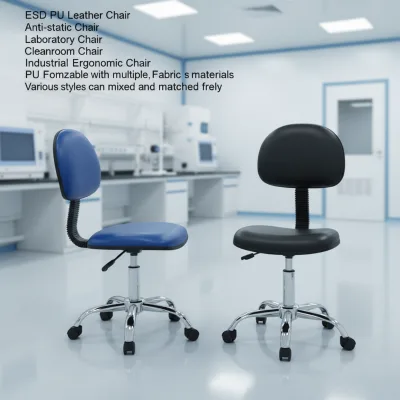
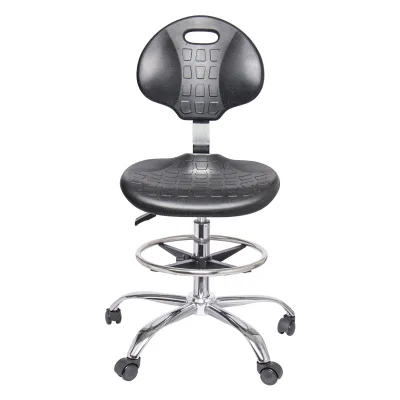
Modern Breathable Anti Static Dental Chair ESD Anti Slip Swivel Laboratory Anti Static Seating
$39.9894 - $56.395
MOQ: 1 sets
Shanghai Detall Electronics Technology Ltd.
- Manufacturer, Trading Company
- Shanghai, China
- Lead time10 days
- Avg. response≤ 3h
Main productsworkbench,working chair,Storage shelves,trolley,ESD furniture
Main marketsEastern Asia(15.00%), North America(15.00%), Southern Europe(10.00%), Northern Europe(10.00%), Oceania(10.00%), Western Europe(10.00%), Eastern Europe(10.00%), South Asia(5.00%), South America(5.00%), Mid East(5.00%), Southeast Asia(5.00%)

Guangdong Oshujian Furniture Co., Ltd.
- Verified by TUVRHEINLAND
- Combined
- China Guangdong
- Lead time15 days
- Avg. response≤ 5h
Main productsWaiting Chair, Airport Chair, Auditorium Chair, Office Sofa
Main marketsDomestic


PU ESD Chair Computer Lab Chair Price Antistatic School Laboratory Chair
$45.00 - $58.00
MOQ: 10 Pieces

Electronics Laboratory Furniture ESD Chair Cleanroom Adjustable Height Lab Stool
$20.00 - $25.00
MOQ: 10 Pieces

ESD Lab Chair with Stool Dental Stool Computer ESD Furniture Biology Ergonomic Lab Anti-Static Chair
$20.00 - $23.00
MOQ: 10 Pieces

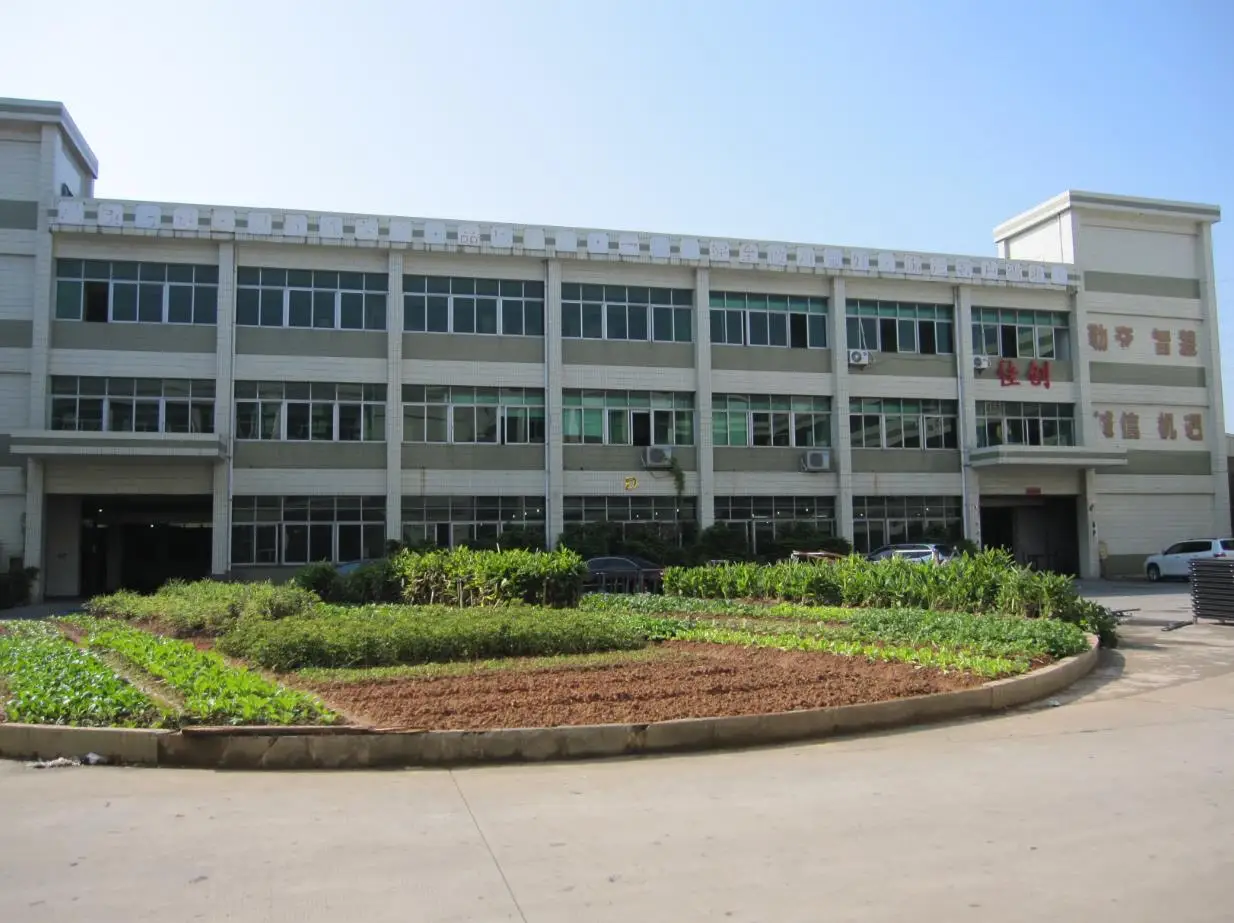
Dongguan Jiachuang Purification Technology Co., Ltd.
- Manufacturer, Trading Company
- Guangdong, China
- Lead time10 days
- Avg. response≤ 1h
Main productsFACE MASK,CLEAN ROOM WIPERS,NON-WOVEN WIPERS,PE GLOVES,NITRILE GLOVES
Main marketsDomestic Market(60.00%), North America(5.00%), Southeast Asia(5.00%), South Asia(5.00%), Central America(5.00%), Mid East(3.00%), South America(3.00%), Africa(2.00%), Eastern Europe(2.00%), Southern Europe(2.00%), Northern Europe(2.00%), Oceania(2.00%), Western Europe(2.00%), Eastern Asia(2.00%)

Guangzhou Monchi Lab Technology Co., Limited
- Manufacturer/Factory
- China Guangdong
- Lead time38 days
- Avg. response≤ 2h
Main productsLab Furniture, Fume Hood, Island Bench, Lab Bench, Laminar Flow Hood, Biosafety Cabinet, Lab Workstation, Exhuast Hood, Emergency Shower and Eye Wash, Air Shower
Main marketsSouth America,Eastern Europe,Mid East,North America,Southeast Asia,Eastern Asia,Oceania,Western Europe,Africa

Suzhou Jiekon Puri-Tech Co., Ltd.
- Verified by TUVRHEINLAND
- Trading Company
- China Jiangsu
- Lead time15 days
- Avg. response≤ 25h
Main productsMicrofiber Cleanroom Wiper, Cleanroom Wiper, Sticky Mat, Finger Cot, Anti Static Clothes, Anti Static Fabric
Main marketsDomestic
Shanghai Detall Electronics Technology Co., Ltd.
- Manufacturer, Trading Company
- Lead time旺季: "1 - 50":7,"> 50":"To be negotiated", 淡季: "1 - 50":7,"> 50":"To be negotiated"
- Avg. response≤ 1h
Main productsESD workbench,ESD cabinet,ESD trolley,ESD chair,ESD storage rack
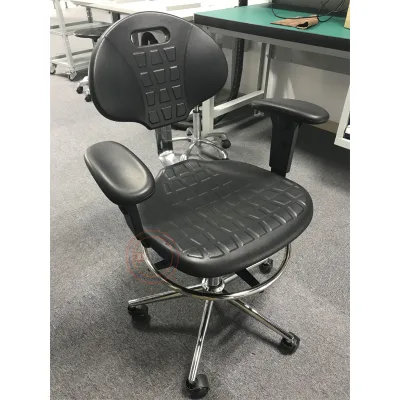
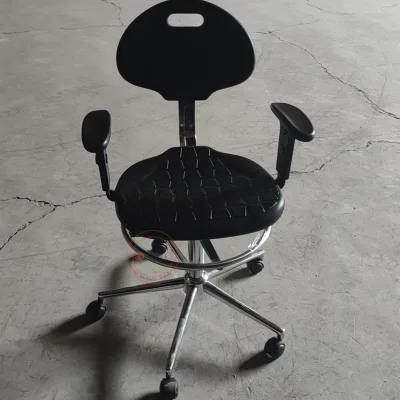
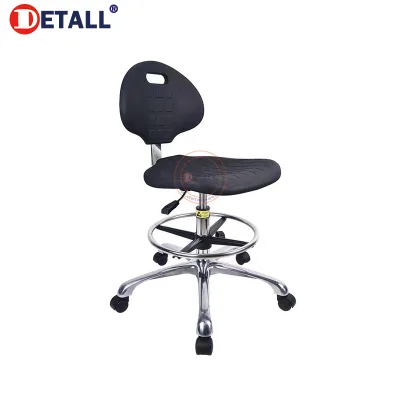
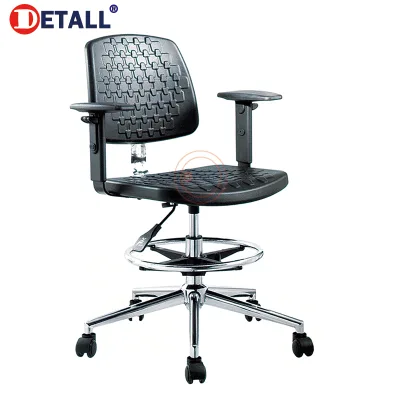
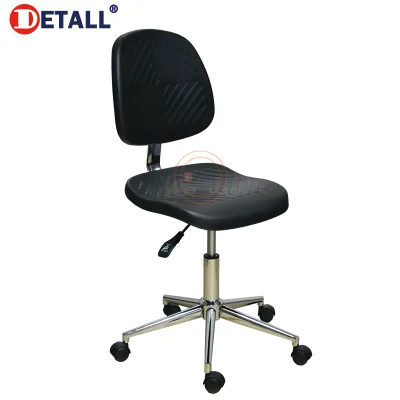
ESD Sit Stand Chair Anti Static PU Foam Chair Cleanroom Lab Stool Chair with Wheels
$60.00 - $68.00
MOQ: 1
Guangdong Ever Great Laboratory Equipment Co., Ltd
- Verified by SGS Group
- Manufacturer, Trading Company
- Lead time25 days
- Avg. response≤ 2h
Main productsLaboratory Workbench, Fume Hood Cupboard, Reagent Cabinet, Laboratory Cabinet
Main marketsDomestic Market(50%), Southeast Asia(20%), North America(10%)
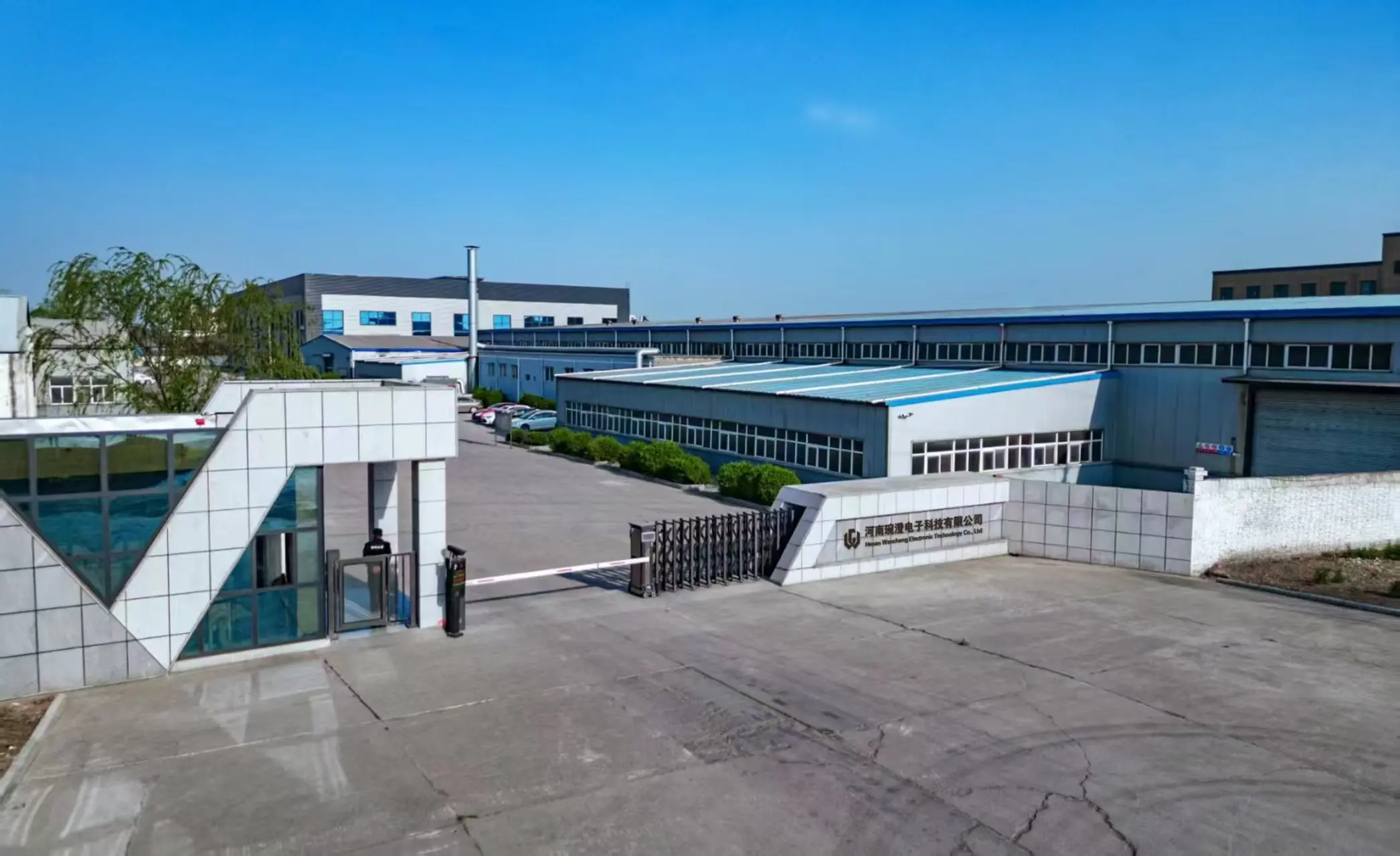
Henan Wancheng Electronic Technology Co., Ltd.
- Trading Company
- Henan, China
- Lead time0 days
- Avg. response≤ 1h
Main productsESD Antistatic And Cleanroom Products,ESD Rubber Mat,SMT Stencil roll wipe,Clean Swabs,Cleanroom Wipers
Main marketsSouth America(90.00%)
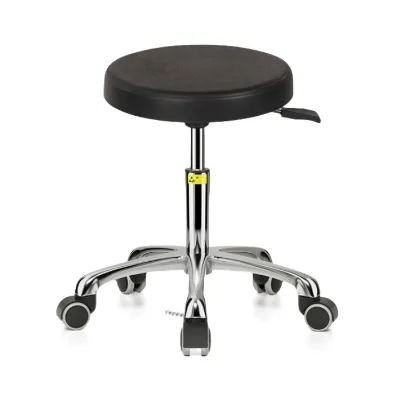
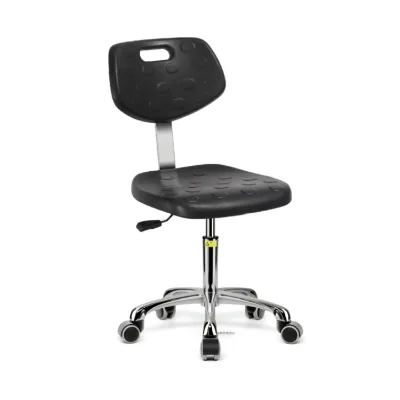
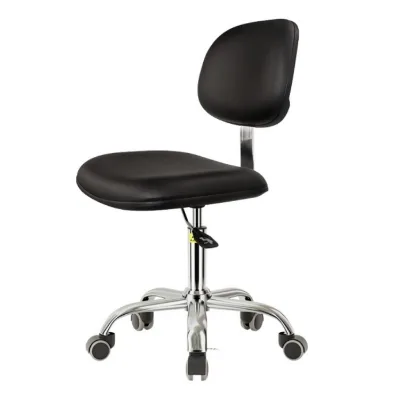
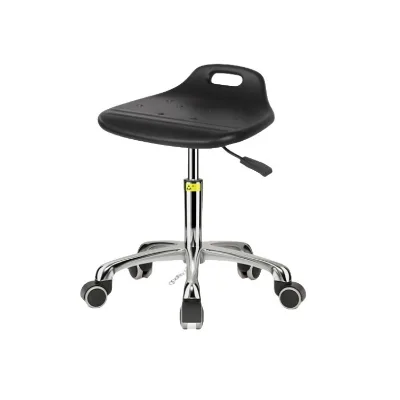
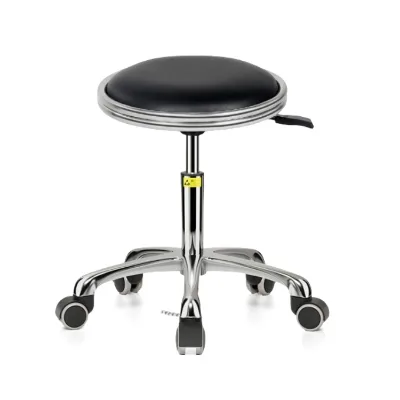
$20.00 - $25.00
MOQ: 10 sets
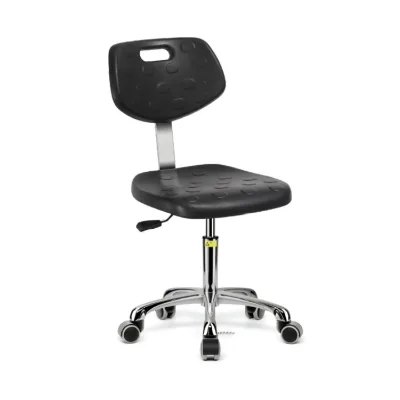

Foshan Yingde Laboratory Equipment Co., Ltd.
- Manufacturer, Trading Company, Distributor/Wholesaler
- Guangdong, China
- Lead time14 days
- Avg. response≤ 1h
Main productsFume hood,Lab bench,lab Island bench,Laboratory accessories,Laboratory equipment
Main marketsNorth America(30.00%), Northern Europe(10.00%), Africa(10.00%), Mid East(10.00%), Oceania(8.00%), Domestic Market(5.00%), Southeast Asia(5.00%), Eastern Asia(5.00%), Southern Europe(5.00%), Eastern Europe(3.00%), Central America(3.00%), Western Europe(2.00%), South Asia(2.00%), South America(2.00%)
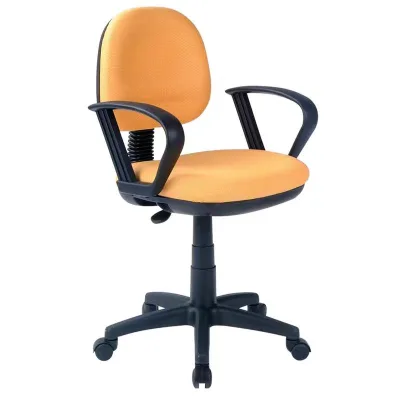
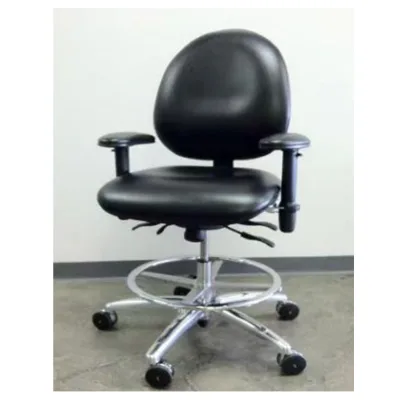
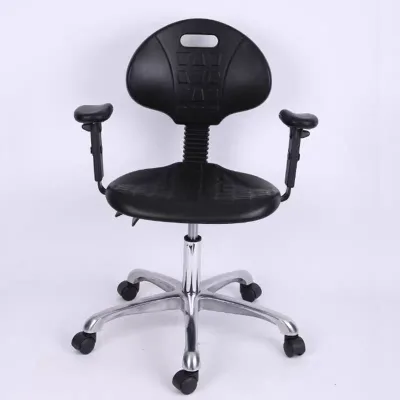
Lab Swivel Chair Legs Lift Lab Furniture/esd Anti Static Ergonomic Swivel Chair Living Room
$42.0507 - $126.1522
MOQ: 1 Minimum
$40.00 - $70.00
MOQ: 1 Minimum
Guangzhou Hui Bo Information Technology Co., Ltd.
- Manufacturer, Trading Company
- Guangdong, China
- Lead time15 days
- Avg. response≤ 4h
Main productsGalvanized Steel Roller Track/Aluminum Alloy Roller Track/Lean Pipe/Metal Joints For Pipes/Roller Track Mounts
Main marketsNorth America(50.00%), South America(25.00%), Southeast Asia(10.00%), Eastern Europe(10.00%), Eastern Asia(5.00%)
Guangdong Beta Laboratory Furniture Company Ltd.
- Manufacturer, Trading Company
- Guangdong, China
- Lead time25 days
- Avg. response≤ 2h
Main productsLaboratory Furniture
Main marketsAfrica(19.62%), Mid East(18.47%), South America(17.91%), Western Europe(14.18%), Southeast Asia(11.40%), Eastern Asia(9.46%), South Asia(4.97%), North America(2.39%), Oceania(1.10%), Domestic Market(0.43%), Eastern Europe(0.07%)
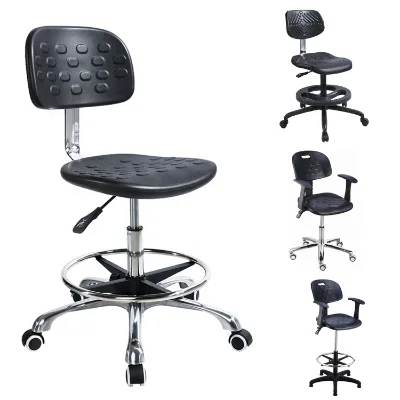
$24.8307 - $51.7288
MOQ: 10 Minimum
Foshan Zhongfayijia Furniture Co., Ltd.
- Verified by Intertek
- Manufacturer, Trading Company
- Lead time10 days
- Avg. response≤ 3h
Main productsOffice Chair
Main marketsNorth America(20%), South America(20%), Eastern Europe(15%)
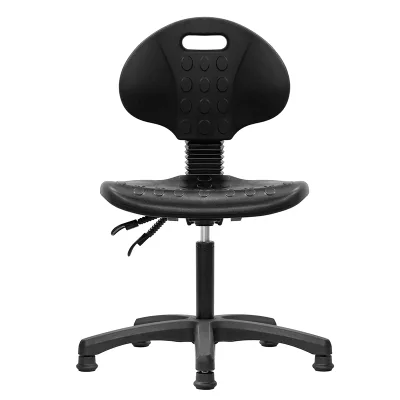
Esd Workbench Lab Chemistry Chair for Stainless Steel Benches Chemical Wash Medical
$20.6811 - $31.0268
MOQ: 2 Minimum
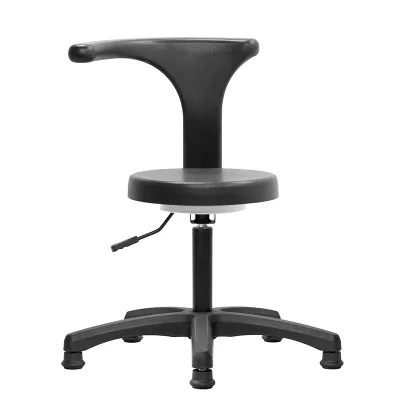
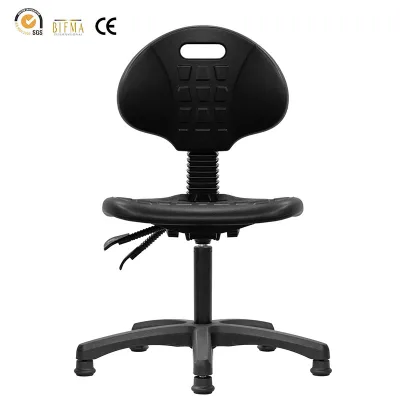
Medical Laboratory Chair Manufacturer Esd Chair for Dental Laboratory Study with Backrest
$16.5433 - $31.0268
MOQ: 2 Minimum
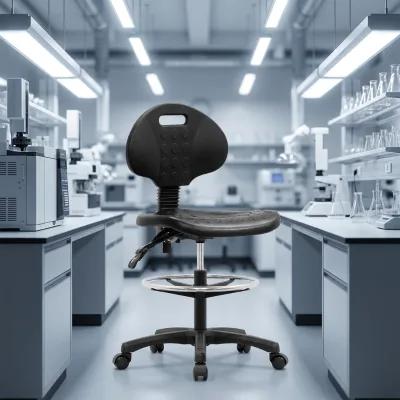
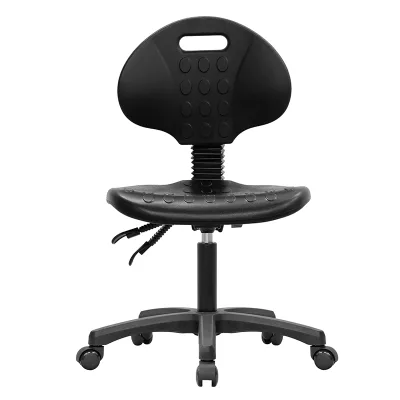
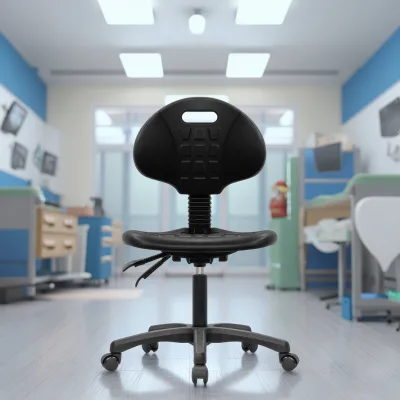
$28.9684 - $41.3831
MOQ: 2 Minimum

DONGGUAN ANTISK ELECTRONIC CO., LTD
- Verified by SGS
- Trading Company
- China Guangdong
- Lead time15 days
- Avg. response≤ 4h
Main productsESD Mat, Grounding Mat, Grounding Bed Sheet, Grounding Fitted Sheet, ESD Waste Bin, ESD Chairs, ESD Magazine Rack, ESD Brush, Cleanroom Wiper, ESD Box
Main marketsEast Asia(Japan/ South Korea),Europe,North America

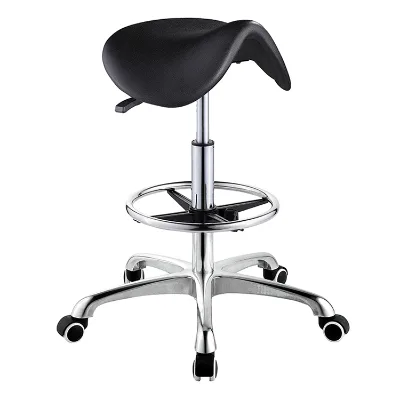
ESD PU Laboratory Anti-Static Electric Chair Saddle Seat Laboratory Work Stool Chair
$40.00 - $50.00
MOQ: 10 Pieces


Heshan Kede Hardware & Plastic Co., Ltd.
- Verified by TüVRheinland
- Manufacturer, Trading Company
- Lead time22 days
- Avg. response≤ 2h
Main productsOffice Chair Accessories, PU Chair, Lab Chair, Waiting Chair, Chair Seat And Back
Main marketsDomestic Market(55%), North America(20%), Western Europe(20%)

Yiwu Dilibee Furniture Co., Ltd.
- Trading Company
- Zhejiang, China
- Lead time7 days
- Avg. response≤ 4h
Main productsGaming Chair,Office Chair,Boss Chair,Office Massage Chair,Manager Chair
Main marketsSouth America(30.00%), Southeast Asia(20.00%), Central America(15.00%), North America(10.00%), Northern Europe(10.00%), Africa(10.00%), Mid East(5.00%)
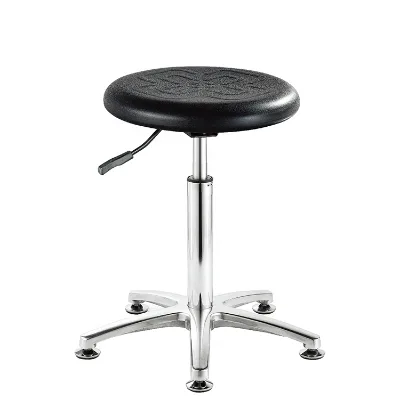
$11.2335 - $27.5717
MOQ: 2 pieces
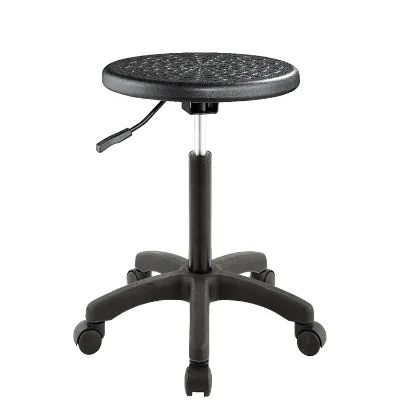
$10.2125 - $25.5298
MOQ: 2 pieces
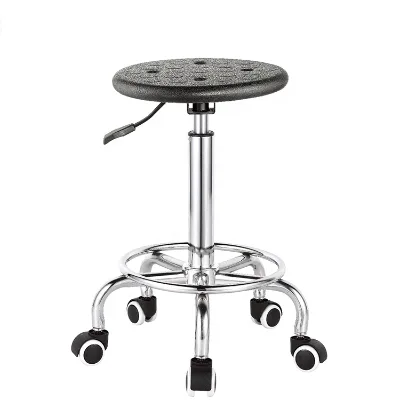
$10.2125 - $25.5298
MOQ: 2 pieces
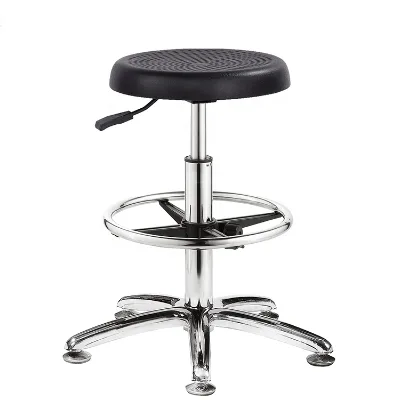
$13.4311 - $32.0283
MOQ: 2 pieces
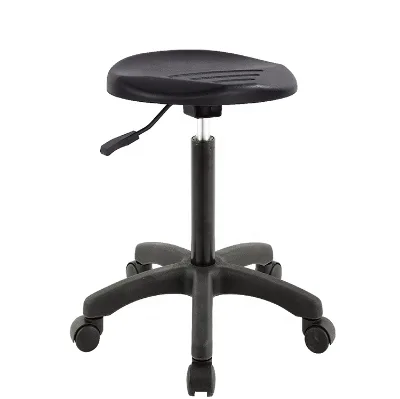
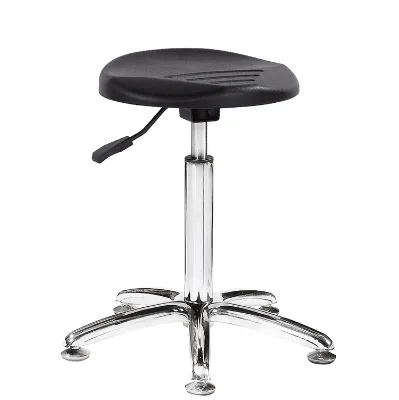
$10.3323 - $26.8622
MOQ: 2 pieces

JIANGSU JIAHONG LABORATORY EQUIPMENT CO.,LTD.
- Verified by SGS
- Trading Company,Manufacturer/Factory
- China Jiangsu
- Lead time23 days
- Avg. response≤ 2h
Main productsFume Hood, Fume Cupboard, Lab Furniture, Laboratory Furniture, Fume Extractor, Lab Sink, Lab Worktop, Lab Tap, Laboratory Fitting
Main marketsMid East,North America,Southeast Asia,Eastern Asia,Africa


Popular Anti-Static ESD Polyurethane Laboratory Chair (Laboratory Stool)
$40.00 - $49.00
MOQ: 10 Pieces

Suzhou Jujie Electron Co., Ltd.
- Verified by TüVRheinland
- Manufacturer, Trading Company
- Lead time3 days
- Avg. response≤ 4h
Main productsCleanroom Wiper, Sticky Mat, Clean Swab, ESD Clothing, ESD Shoes
Main marketsDomestic Market(48%), North America(16%), Western Europe(6%)
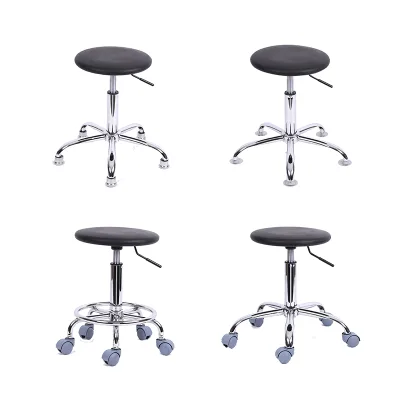
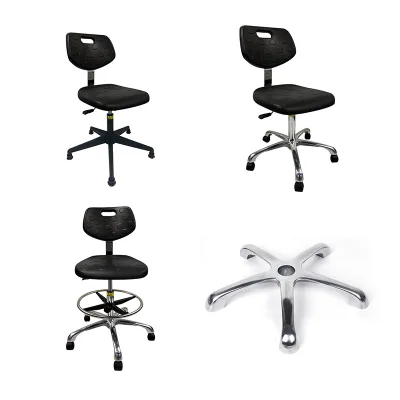
Industrial Laboratroy ESD Chair PU Leather Adjustable Antistatic Cleanroom Chair
$41.0148 - $54.3441
MOQ: 1 sets

Beijing Samyon Instruments Co., Ltd.
- Verified by SGS
- Trading Company,Manufacturer/Factory
- China Beijing
- Lead time15 days
- Avg. response≤ 4h
Main productsNDT Equipment, Concrete Migration Tester, Concrete Penetration Tester, Pile Intergrity Tester, Cross-Hole Pile Tester, Rebar Locator, Pile Dynamic Analyzer, Drillhole Monitor, Nonmetal Ultrasonic Detector, Magnetometer
Main marketsSouth America,Eastern Europe,Mid East,North America,Southeast Asia,Eastern Asia,Oceania,Western Europe,Africa


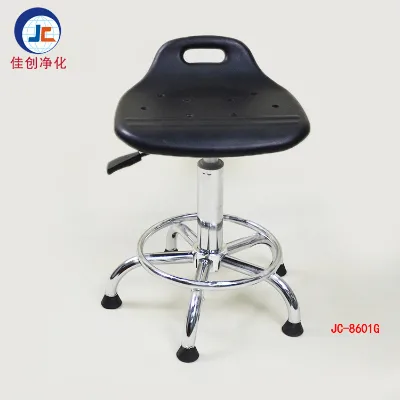


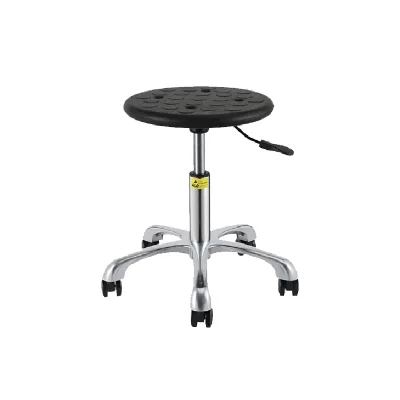
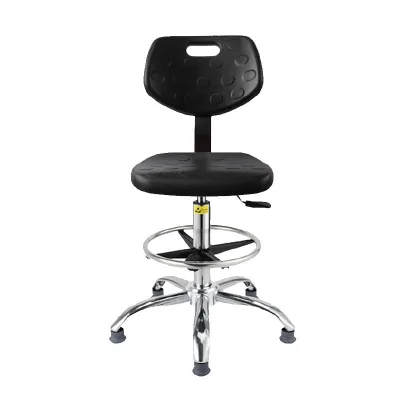
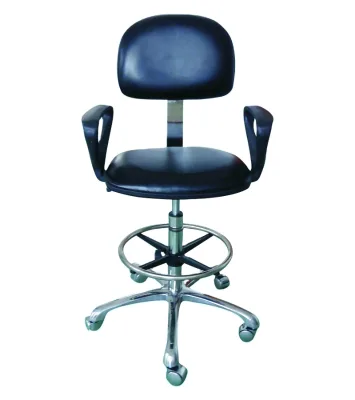
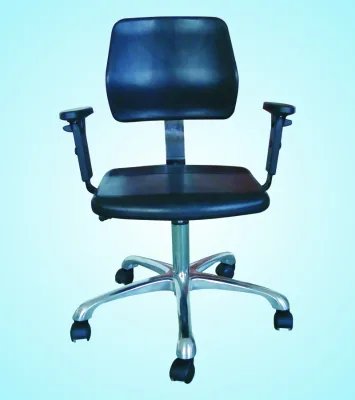
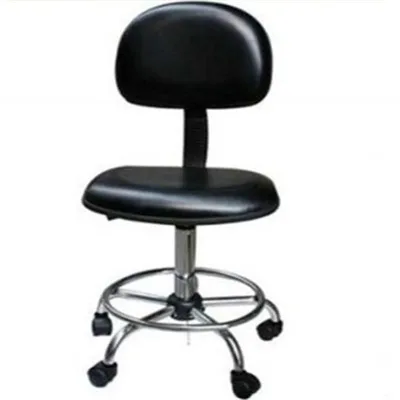
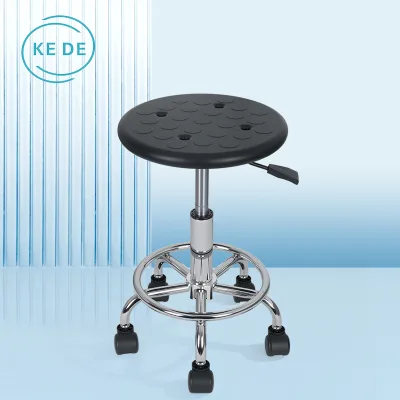
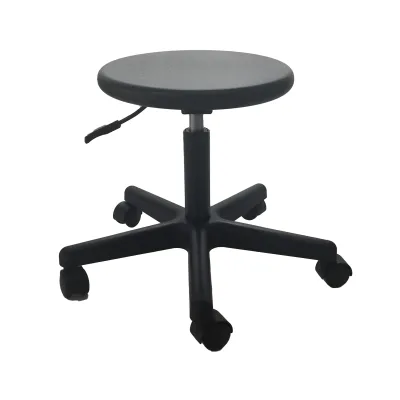
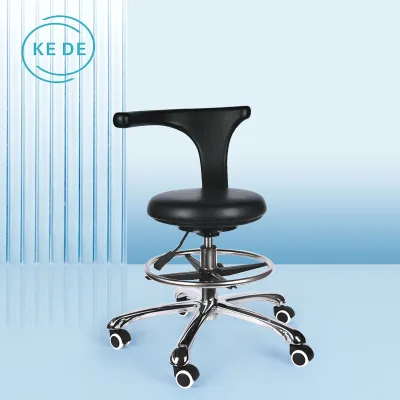


Comprehensive Sourcing Guide
Electropolished ESD Lab Chair Supplier Concentration and Factory Types
Search results for this category point to two Chinese supply regions where ESD lab chair listings concentrate. One cluster of listings is associated with Shanghai, where a supplier describes itself as both a trading company and a manufacturer/factory, covering ESD chairs among a broader portfolio of ESD workbenches, PCB trolleys, flooring, and cleanroom products. A second concentration appears in Guangdong, where a combined supplier lists laboratory chairs and office chair components such as casters, bases, armrests, and backs alongside finished seating. These two regions both matter for buyers because the seat assembly and the metal or nylon components underneath it often come from related but distinct capabilities.
When your search returns no clear cluster, you can still identify concentration without naming regions. Look for suppliers whose main-products field is dominated by ESD seating, ESD furniture, or cleanroom products rather than generic office furniture; those tend to sit in established ESD equipment ecosystems. Also examine whether a supplier operates as a manufacturer/factory, a trading company, or a combined type. Factory-type sellers of ESD lab chairs in the observed results advertise OEM, ODM, or own-brand capacity, which usually means in-house upholstery and welding. Trading intermediaries may aggregate component makers, useful for mixed orders but less direct for custom electropolished finishes. Note company-type labels carefully, because combined suppliers may quote factory pricing on component items while outsourcing finished chair assembly.
How to Verify Electropolished ESD Lab Chair Suppliers
Start with third-party verification flags and system certifications shown on the profile. In the observed results, one Shanghai-based supplier holds ISO 9001 system certification and an SGS verification badge, which are meaningful signals for an ESD chair supplier because quality management and audited identity reduce counterparty risk. Conversely, a Guangdong supplier shows no system certification listed, which does not disqualify it but shifts the verification burden onto you. Where certifications are absent, request the certificate documents directly and check the issuing body and validity dates yourself before committing to samples.
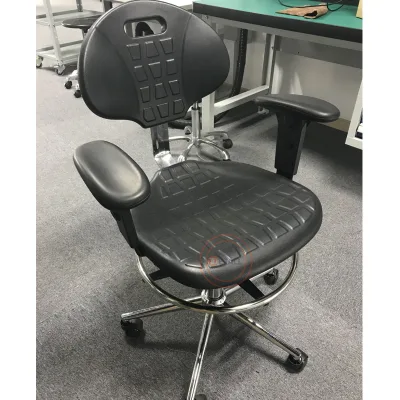
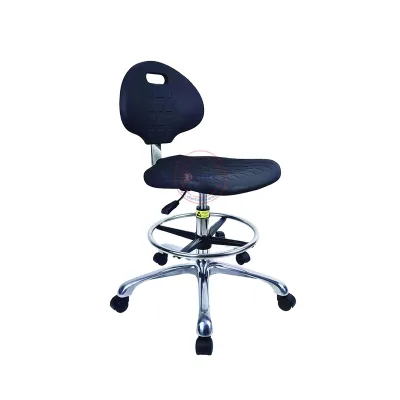
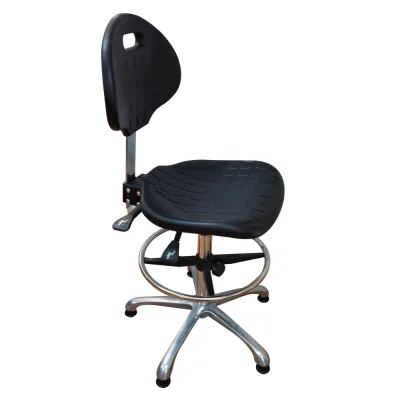
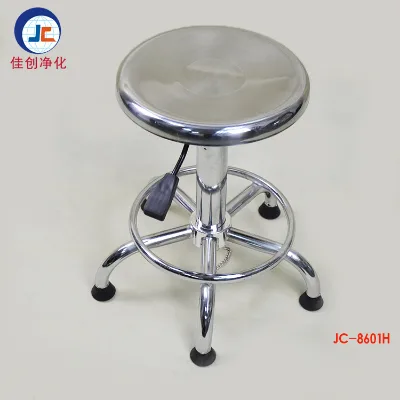
Product-level evidence is the second verification layer. Legitimate ESD chair listings in the results disclose specific technical attributes, not just marketing copy. Examples include system resistance values such as 10e7-10e9 ohms on vinyl models, adjustable height ranges of 420-570mm with wheels, chassis construction described as steel plating with defined connection widths, and named chair leg materials like aluminum alloy die-casting or stainless steel. Ask the supplier to confirm resistance testing methodology and whether the stated range applies to the whole chair or only the seat surface. Also verify customization claims: several listings state "Customization Available," so request evidence of a completed custom project, not just a promise. Finally, ask for a recent resistance test report on a production sample rather than a prototype, since electropolished and ESD-safe surface treatments can vary between production batches and sample units.
What to Compare Across Electropolished ESD Lab Chair Suppliers
Build a comparison sheet from the attributes that the results actually display, without assuming every supplier shows every field. Useful dimensions include location, company type, lead time, minimum order quantity, response speed, system certification, verification status, and main product lines. In the observed data, the Shanghai ESD-equipment supplier lists a 15-day lead time and a response time of roughly 10.4 hours, while the Guangdong chair-component supplier lists a 30-day lead time and responds in about 6 hours. Faster responses do not guarantee faster shipping, and shorter lead times do not guarantee better quality, so weigh these together rather than in isolation.
Price and MOQ differences also reveal positioning. The Shanghai listings show ESD chairs priced between roughly 45-79 USD per unit with MOQs as low as 1-2 pieces, indicating willingness to serve small lab purchases and trials. The Guangdong listing shows a lower single-model price around 28.70 USD with a three-year warranty claim and a class-two gaslift specification. Compare like with like: check whether the quoted price includes casters, footrings, adjustable height, and the ESD surface treatment you need. Also compare product evidence depth — a listing with resistance values, seat dimensions, and model numbers signals documentation discipline that usually extends to order handling. Sort your shortlist by the fields that matter to your volume: MOQ and lead time for small labs, warranty terms and customization for larger fit-outs.
Common Electropolished ESD Lab Chair Sourcing Risks
The most frequent risk in this category is ESD performance drift. Listings in the observed results quote resistance ranges such as 10e6-10e9 ohms or 10e7-10e9 omega, but a stated range on a product page is not proof that every shipped unit falls inside it. Surface resistance can shift with upholstery batch changes, cleaning agents, and wear. Require per-batch resistance testing against your specified range, and define in your purchase contract what happens if delivered chairs measure outside it. Closely related is the surface-material risk: PU foaming, PU leather, and vinyl appear across different listings, and each behaves differently for static dissipation, cleanability, and durability in lab conditions.
Specification ambiguity is the second cluster of risks. Some listings do not state wheel configuration, height adjustability, or leg material on every model — one shows fixed height without wheels, another shows 420-570mm adjustment with wheels. If you need electropolished or stainless hardware for a cleanroom or corrosive environment, confirm the exact metal treatment in writing, because "steel plating chassis" and "aluminum alloy die casting" are not equivalent to electropolishing. Third risk is scope mismatch with company type: a supplier whose main products are office chair components may excel at casters and bases but assemble finished ESD chairs from bought-in seats. Finally, beware long lead times quoted without production capacity context; a 30-day lead time claim should be reconciled with your requested quantity and any customization before you plan installation dates.
Electropolished ESD Lab Chair Regional Sourcing and Logistics
Both observed sourcing regions are in China, but logistics implications differ. A Shanghai-based ESD-equipment supplier sits near a major container port with dense freight options, and its 15-day listed lead time suggests a supplier accustomed to repeat orders of standard models. For buyers shipping internationally, confirm whether the quoted lead time starts at order confirmation or after deposit receipt, and whether it covers customization. Chairs ship as bulky cartons — the listings indicate carton packing — so calculate volume weight early; a lab chair with casters and a five-star base can be dimensionally expensive even when unit value is modest.
A Guangdong-based supplier also benefits from coastal access and from proximity to furniture component manufacturing, which matters if you plan component-level purchases such as ESD chair wheels, bases, or gaslifts alongside finished chairs. Its 30-day listed lead time is roughly double the Shanghai figure in the observed data, so if your project schedule is fixed, ask whether expedited production is possible and at what cost. For either region, plan for the practical constraints of chair freight: mixed pallets with other ESD products reduce per-unit shipping cost, and requesting kitted or flat-packed configurations can cut volume substantially. Confirm carton dimensions and weight per unit before booking freight, and decide whether you need door-to-door delivery with inside placement, since lab chairs delivered to upper floors may require lift-gate service at destination.
Electropolished ESD Lab Chair Commercial Terms and Order Planning
Structure commercial terms around the attributes the suppliers actually display. With observed MOQs as low as 1-2 units on ESD chair listings, you can realistically run a sample-first plan: order one or two chairs across two or three shortlisted suppliers, test resistance values and build quality at your own facility, then consolidate the volume order with the best performer. This approach is feasible specifically because MOQ barriers in this category are low, but confirm whether sample pricing matches volume pricing, since the observed per-unit price spans roughly 28.70 to 79 USD depending on model and supplier.
For the production order, negotiate payment structure against risk: with an SGS-verified, ISO 9001-certified supplier, a moderate deposit is reasonable; with an unverified profile, consider escrow or staged payments tied to inspection of finished goods before shipment. Put the displayed attributes into the contract verbatim — model numbers, system resistance range, adjustable height range, cushion material, wheel configuration, warranty length (one listing claims a three-year warranty), and customization scope. Confirm the lead time in writing and define late-delivery remedies, especially when the difference between a 15-day and a 30-day lead time determines your installation schedule. Finally, plan reorders: ESD chairs in labs face caster wear and gaslift fatigue, so agree spare-part availability — casters, footrings, gaslift class — at order time, and confirm the supplier's customization terms remain available for follow-up orders of the same model.
Word count check: Section 1: 232 | Section 2: 231 | Section 3: 233 | Section 4: 229 | Section 5: 230 | Section 6: 231 | Total: ~1386 words.
FAQs
What is the price range for ESD lab chairs?
Prices for ESD lab chairs typically range from $28.70 to $79.00 per unit. The final cost depends on specific materials, such as PU foam or vinyl, and customization options. Buyers should verify exact pricing with suppliers based on their required model specifications and order volume.
What is the minimum order quantity for these chairs?
The minimum order quantity varies by supplier, with some requiring as few as one unit while others set the MOQ at two pieces. Buyers should confirm the specific MOQ with their chosen supplier to ensure their order meets the production requirements and avoids additional fees.
How long does delivery take for ESD chairs?
Lead times for ESD lab chairs generally range from 15 to 30 days. This duration depends on the supplier's location and current production capacity. Buyers should confirm the exact lead time with the supplier before placing an order to ensure timely project completion.
Are ESD lab chairs customizable for specific needs?
Yes, many ESD lab chairs offer customization options for color, surface material, and dimensions. Suppliers support OEM and ODM services to meet specific laboratory or cleanroom requirements. Buyers should discuss their exact specifications with the supplier to ensure the final product meets their operational standards.
What certifications do these chairs typically have?
Suppliers may hold ISO 9001 system certification and provide CE certification for specific chair models. Additionally, products are often verified by SGS. Buyers should request valid certification documents from the supplier to ensure compliance with their facility's safety and quality management standards.
Where are these ESD chairs manufactured?
Manufacturing locations for these chairs include China, specifically in Shanghai and Guangdong provinces. Buyers can filter suppliers by these regions to align with their logistics preferences. Confirming the origin ensures transparency regarding shipping costs and potential import duties for the final destination.