Elevator Pulley Suppliers and Manufacturers in China
Source 16 verified Elevator Pulley suppliers from China, including Guangdong and Shandong factories. Compare certifications like ISO and CE, response times, and lead times. Verify specifications and request quotes directly; review the available evidence before requesting comparable quotations from suitable candidates.
Suppliers List
Guangzhou Afly Mechanical And Electrical Technology Co., Ltd.
- Verified by SGS Group
- Manufacturer, Trading Company
- Lead time0 days
Main productsHome Lifts, Elevator Escslstor Parts, Cophophip Display Push Button, Escalator Step Chain, Elevator Escalator Rollers
Main marketsSoutheast Asia(30%), Mid East(30%), North America(20%)
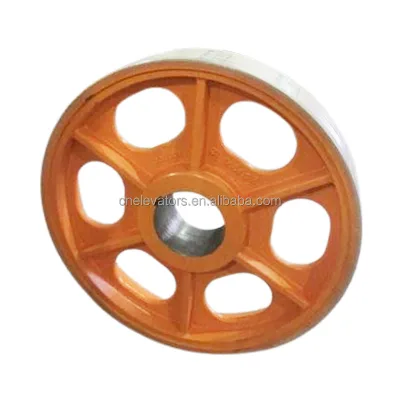
$970.00 - $1070.00
MOQ: 2 pieces
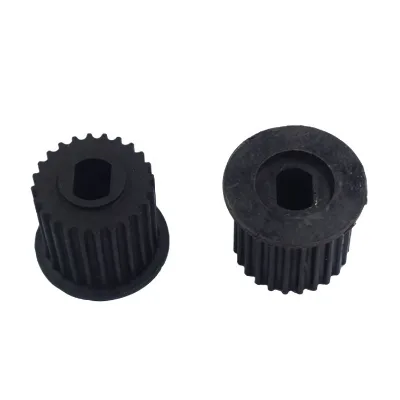
43*35 Elevator Door Motor Belt Roller Motor Pulley
$10.90 - $11.90
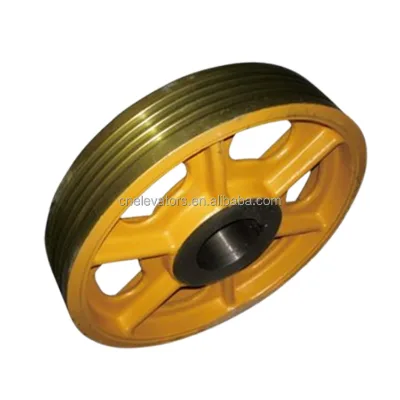

Hebei Juxin Conveyor Engineering Co., Ltd.
- Verified by TUVRHEINLAND
- Manufacturer/Factory
- China Hebei
- Lead time23 days
- Avg. response≤ 2h
Main productsIdler, Roller, Belt Conveyor, Pulley, Frame, Bracket, Conveyor Roller, Conveyor Idler, Idler Roller, Drum
Main marketsSouth America,Eastern Europe,Mid East,North America,Southeast Asia,Eastern Asia,Oceania,Western Europe,Africa


Conveyor Pulley/Head Pulley/Drive Pulley/Tail Pullley Drum, Conveyor Drive Pulley
$100.00
MOQ: 10 Pieces


Qingdao Hisender Rigging Hardware Co., Ltd.
- Trading Company,Manufacturer/Factory
- China Shandong
- Lead time23 days
- Avg. response≤ 8h
Main productsShackles, Link Chain, Thimble, Wire Rope, Turnbuckle, Eye Bolt & Eye Nut, Swivel, Wire Rope Clip, Anchors, Load Binder
Main marketsSouth America,Eastern Europe,Mid East,North America,Southeast Asia,Eastern Asia,Oceania,Western Europe,Africa

Baoding Huayue Rubber Belts Co., Ltd.
- Verified by TUVRHEINLAND
- Combined
- China Hebei
- Lead time23 days
- Avg. response≤ 8h
Main productsConveyor Belt, Rubber Conveyor Belt, Ep Conveyor Belt, Nylon Conveyor Belt, PVC Pvg Conveyor Belt, Steel Cord Conveyor Belt, Sidewall Conveyor Belt, Heat Resistant Conveyor Belt, Conveyor Idler Roller Pulley, Cotton Conveyor Belt
Main marketsSouth America,Africa,Southeast Asia/ Mideast,East Asia(Japan/ South Korea)


Belt Conveyor Drum Pulley Manufacturer
MOQ: 10 Pieces

HangZhou Ever-Power Transmission Co., Ltd.
- Verified by SGS
- Combined
- China Zhejiang
- Lead time45 days
- Avg. response≤ 7h
Main productsGearbox, Reducer, Sprocket, Gear, Chain, Pulley, Motor, Cylinder, Shaft, Coupling
Main marketsSouth America,Southeast Asia/ Mideast,East Asia(Japan/ South Korea),Europe,Australia,North America

Taicang Xinxing Machinery Factory
- Verified by TUVRHEINLAND
- Trading Company,Manufacturer/Factory
- China Jiangsu
- Lead time23 days
- Avg. response≤ 9h
Main productsElevator Guide Rail, Elevator Parts, Elevator Lift, Escalator Parts, Elevator Rope Attchment, Elevator Guide Shoe, Elevator Sheave, Elevator Button, Precision CNC Machining Parts, Elevator Lop Hall Lantern/ Lamp
Main marketsSouth America,Eastern Europe,Mid East,North America,Southeast Asia,Eastern Asia,Oceania,Western Europe,Africa

- Verified by BV
- Trading Company
- China Jiangsu
- Lead time30 days
- Avg. response≤ 7h
Main productsElevator Lift Parts, Elevator Guide Rail, Elevator Cabin, Elevator Safety Component, Elevator, Passenger Elevator, Elevator Door, Traction Machine, Step Monarch Control Cabinet, Electrical System
Main marketsAfrica,Southeast Asia/ Mideast,Australia,North America


Elevator Speed Limited Elevator Safety Component Bi-Directional Overspeed Governor
$150.00 - $210.00
MOQ: 1 Pieces
Dezhou Longji Taihe Machinery Manufacturing Co., Ltd.
- Manufacturer, Trading Company
- Shandong, China
- Lead time30 days
- Avg. response≤ 1h
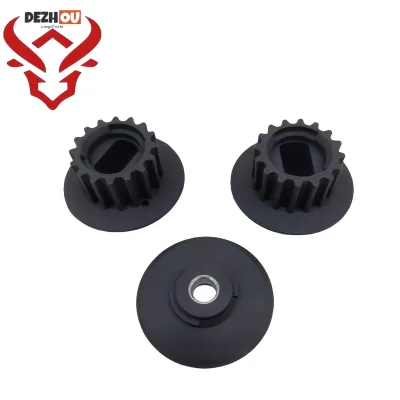
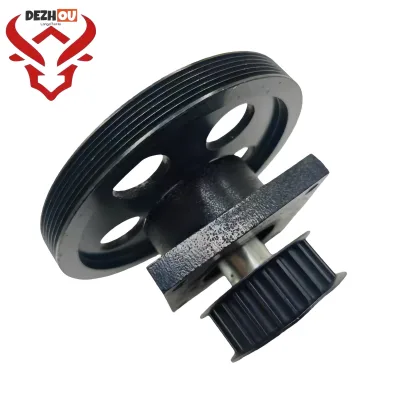
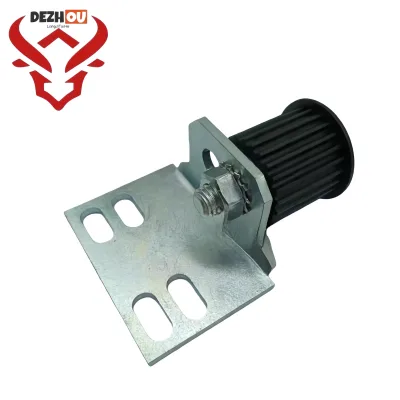
Main productsElevator accessories,Belt pulley of elevator door machine,Elevator guide shoe,Elevator slewing chain,Elevator rope head
Main marketsSouthern Europe(9.00%), Domestic Market(7.00%), South Asia(7.00%), North America(7.00%), Northern Europe(7.00%), Central America(7.00%), Western Europe(7.00%), Eastern Asia(7.00%), Mid East(7.00%), Oceania(7.00%), Africa(7.00%), Southeast Asia(7.00%), Eastern Europe(7.00%), South America(7.00%)
- Verified by SGS
- Trading Company
- China Shaanxi
- Lead time45 days
- Avg. response≤ 9h
Main productsElevator Inverter, Elevator Parts, Escalator Parts, Lift Drive, Elevator Traction Machine, Elevator Encoder, Elevator Board
YANTAI XINYANG ELECTRONICS CO., LTD.
- Verified by TUVRHEINLAND
- Manufacturer/Factory
- China Shandong
- Lead time15 days
- Avg. response≤ 2h
Main productsM5 Module, Jacquard Module, Managet, Pulley for Jacquard Module, Solenoid for Computerised Flat Knitting Machine, Knitting Parts, Knitting Needle
Main marketsSouth America,Eastern Europe,Mid East,North America,Southeast Asia,Eastern Asia,Oceania,Western Europe,Africa
Ascend Fuji Elevator (Suzhou) Co., Ltd
- Verified by TUVRHEINLAND
- Trading Company,Manufacturer/Factory
- China Jiangsu
- Lead time0 days
- Avg. response≤ 3h
Main productsElevator Parts Lift Components, Complete Lift Package, Door System, Door Operator, Lift Modernization, Elevator Cable, Traction Machine, Elevator Upgrading, PVC Single Core Wire, Elevator Machine
Main marketsSouth America,Eastern Europe,Mid East,Eastern Asia,Western Europe,Africa

DEZHOU YILUN CONVEYING MACHINERY CO., LTD.
- Verified by SGS
- Combined
- China Shandong
- Lead time15 days
- Avg. response≤ 11h
Main productsConveyor Roller, Conveyor Pulley, Conveyor Roller Brackets, Belt Conveyor, Conveyor Belt, Conveyor Spare Parts, Conveyor Roller Making Machine, Mobile Conveyor, Large Angle Conveyor, Stacking Conveyor
Main marketsSouth America,Southeast Asia/ Mideast,Europe


Motorized Pulley, Electric Roller, Belt Conveyor Pulley, Electric Drum
$450.00 - $460.00
MOQ: 3 Pieces


Guanxian Haibite Plastic Products Co., Ltd.
- Verified by TUVRHEINLAND
- Trading Company,Manufacturer/Factory
- China Shandong
- Lead time0 days
- Avg. response≤ 4h
Main productsPlastic Bearing Pulley, Nylon Plastic Cage, Plastic Products, Nylon Product Customization, Broken Brige Bearing Pulley


Best Selling Drive Pulley Source Manufacturer High Speed Long Life High Quality White Pulley
$0.07 - $0.12
MOQ: 1000 Pieces

$0.07 - $0.12
MOQ: 1000 Pieces
Hunan Chenggang Conveyor Technology Co., Ltd.
- Verified by TUVRHEINLAND
- Combined
- China Hunan
- Lead time15 days
- Avg. response≤ 1h
Main productsRollers, Pulley, Conveyor Rollers, Idlers, Roller Idler, Belt Conveyor Roller, Conveyor Pulley, Conveyor Cleaner, Conveyor Idler, Conveyor Roller
Main marketsDomestic

Qingdao Haito Rigging Hardware Co., Ltd.
- Verified by BV
- Combined
- China Shandong
- Lead time30 days
- Avg. response≤ 3h
Main productsRigging, Shackle, Wire Rope Clips, Thimble, Turnbuckle, Link Chain, Wire Rope, Hook, Swivel, Ring
Main marketsSoutheast Asia/ Mideast,Europe

Taizhou Minghe Technology Co., Ltd.
- Verified by TUVRHEINLAND
- Trading Company,Manufacturer/Factory
- China Zhejiang
- Lead time23 days
- Avg. response≤ 5h
Main productsElectric Chain Hoist Factory, European Electric Wire Rope Hoist Manufacturer, Electric Hoist & Crane Lifting Equipment, Crane Motor Wheel End Carriages Parts, Explosion-Proof Electric Hoist, Air Pneumatic Hoist /Manual Hoist, Passenger Escalator Freight Elevator, Elevator Escalator Cargo Lift Spare Parts
Main marketsSouth America,Eastern Europe,Mid East,North America,Southeast Asia,Eastern Asia,Oceania,Western Europe,Africa


Escalator Friction Wheel Pulley Friction Pulley Wheel for Elevator Escalator Spare Parts
$0.99 - $9999.00
MOQ: 1 Pieces

Elevator Pulley with Different Kinds Nylon Wheel Pulley Sheave for Elevator Parts
$0.99 - $9999.00
MOQ: 1 Pieces




Comprehensive Sourcing Guide
Elevator Pulley Supplier Concentration and Factory Types
The current search results indicate a concentration of manufacturers and factories located in China, specifically within the Hebei and Shandong provinces. These regions host suppliers whose main product lines include conveyor rollers, pulleys, and related material handling equipment, alongside specialized elevator traction sheaves. Some entities operate as pure manufacturers, while others function as trading companies that also maintain factory capabilities. This mix suggests that buyers may encounter both direct production facilities and intermediaries depending on the specific product category, such as heavy-duty conveyor pulleys versus precision elevator drive sheaves. The presence of these diverse company types in these specific locations provides a baseline for understanding where production capacity is currently concentrated for this component category.
Buyers should verify the specific operational model of each potential partner rather than assuming a uniform factory structure. The data shows that some suppliers offer OEM and ODM services with their own brands, while others focus on customized requests or specific product lines like elevator spare parts. When evaluating suppliers in these regions, it is critical to distinguish between a trading company that sources from multiple factories and a manufacturer that controls the entire production process. This distinction impacts quality control, communication speed, and the ability to customize designs. Understanding the exact company type helps in setting realistic expectations for lead times and technical support capabilities, ensuring that the procurement strategy aligns with the actual manufacturing capabilities available in the identified clusters.
How to Verify Elevator Pulley Suppliers
Verification of supplier credentials is essential when sourcing elevator pulleys, as the data highlights specific third-party validations such as TÜV Rheinland and SGS Group. These verifications provide a layer of confidence regarding the supplier's operational stability and adherence to safety standards. Buyers should prioritize suppliers who display these specific verification badges, as they indicate that an independent body has assessed the company's business practices. Additionally, system certifications like ISO 9001, ISO 14001, and OHSAS 18001 are frequently listed, suggesting a commitment to quality management, environmental standards, and occupational health and safety. These certifications are particularly relevant for elevator components where safety and reliability are paramount.
Beyond certifications, buyers must scrutinize the specific product attributes and standards listed in the supplier profiles. Evidence shows that products often comply with standards such as ISO, CE, CEMA, and SABS, which are critical for elevator and conveyor applications. It is necessary to confirm that the specific pulley model being sourced matches these stated standards rather than relying on general claims. Furthermore, the presence of detailed product attributes like material composition (e.g., carbon steel, stainless steel) and manufacturing processes (e.g., forging) serves as a tangible verification of technical capability. Buyers should request documentation that proves these attributes for the specific batch ordered, ensuring that the verified claims translate into the actual goods delivered.
What to Compare Across Elevator Pulley Suppliers
When comparing potential partners, key dimensions include response time, lead time, and minimum order quantities, all of which vary significantly across the supplier pool. Response times in the observed data range from approximately 1.82 hours to over 7 hours, indicating a difference in customer service responsiveness that can affect project timelines. Lead times also differ, with some suppliers indicating immediate availability or short windows, while others specify delivery periods of 20 to 25 working days. Buyers should create a comparison matrix that weighs these operational metrics against their specific project deadlines to identify suppliers capable of meeting urgent requirements without compromising on quality or customization needs.
Pricing structures and minimum order quantities (MOQ) are another critical area for comparison, as they directly impact the total cost of ownership. The data reveals a wide range in pricing, from very low unit costs for smaller hardware items to higher price points for heavy-duty industrial pulleys. MOQs also vary, with some suppliers requiring orders as low as one unit, while others set thresholds at ten units or more. Buyers must evaluate whether the lower price point justifies a higher MOQ or if a slightly higher unit cost from a supplier with a lower MOQ offers better cash flow management. Additionally, comparing warranty terms, such as the two-year guarantees observed in some profiles, adds another layer of value to the comparison, helping to assess long-term risk and supplier confidence in their product durability.
Common Elevator Pulley Sourcing Risks
One significant risk in sourcing elevator pulleys is the potential mismatch between claimed certifications and actual product compliance. While many suppliers list standards like ISO, CE, and CEMA, buyers must verify that these apply to the specific model and application, such as underground mining or power plant transport. Relying solely on a general certification claim without checking the specific product documentation can lead to non-compliance with local safety regulations. This risk is heightened when dealing with trading companies that may aggregate products from various sources, making it difficult to trace the exact origin and quality control measures applied to the specific batch of pulleys ordered.
Another critical risk involves the variability in lead times and the potential for delays in production or shipping. The observed data shows lead times ranging from zero to 25 working days, which can create bottlenecks if a buyer assumes a standard delivery window. Delays can occur due to raw material shortages, production scheduling conflicts, or logistical issues, particularly when shipping from regions like Hebei or Shandong to international destinations. Buyers should mitigate this by establishing clear communication channels and requesting detailed production schedules before placing orders. Additionally, the risk of receiving products that do not match the specified material or surface treatment, such as baking paint or specific shaft materials, necessitates rigorous pre-shipment inspections to ensure the delivered goods meet the exact technical requirements.
Elevator Pulley Regional Sourcing and Logistics
Sourcing from China, specifically the Hebei and Shandong provinces, offers access to a robust manufacturing ecosystem for elevator pulleys and related conveyor components. These regions are known for their industrial clusters that support the production of steel pulleys, drums, and elevator traction sheaves. However, buyers must account for the logistical complexities associated with shipping heavy industrial equipment from these inland locations. The distance from the manufacturing sites to major ports can impact transit times and shipping costs, requiring careful planning for freight forwarding and customs clearance. Understanding the specific origin, such as Qingdao in Shandong, helps in estimating the most efficient shipping routes and associated costs.
Logistics planning should also consider the packaging requirements specified by suppliers, which often include wooden cases or free fumigation wooden packing to protect heavy components during transit. The data indicates that products like elevator traction sheaves and heavy-duty pulleys are substantial in weight, necessitating robust packaging to prevent damage. Buyers should verify that the packaging standards align with international shipping regulations to avoid delays at customs or damage upon arrival. Furthermore, the choice of delivery method, whether by air, sea, or courier services like DHL and FedEx, will depend on the urgency of the order and the size of the shipment. Coordinating these logistics details early in the sourcing process ensures a smoother supply chain and reduces the risk of unexpected delays or additional costs.
Elevator Pulley Commercial Terms and Order Planning
Commercial terms for Elevator Pulley orders often include specific payment methods such as T/T, Alipay, and PayPal, which buyers should evaluate based on their risk tolerance and financial policies. The availability of escrow services or secure payment platforms can provide an additional layer of protection for both parties, ensuring that funds are released only upon satisfactory delivery. Buyers should also pay close attention to the warranty terms, which in some cases extend to one or two years, as this reflects the supplier's confidence in their product quality. Understanding these commercial terms is crucial for negotiating favorable conditions that protect the buyer's interests while maintaining a positive relationship with the supplier.
Order planning must account for the customization options and production lead times to ensure timely delivery. Many suppliers offer customization for pulley dimensions, materials, and surface treatments, which can extend the production timeline compared to standard off-the-shelf items. Buyers should factor in the time required for design approval, sample processing, and final manufacturing when creating their project schedule. Additionally, the minimum order quantities and pricing tiers should be integrated into the budget planning to optimize costs. By aligning the order size with the supplier's capacity and lead time capabilities, buyers can avoid production bottlenecks and ensure that the elevator pulleys are available when needed for installation or maintenance projects.
FAQs
What certifications do Elevator Pulley suppliers hold?
Suppliers typically hold ISO 9001 and CE certifications for quality and safety. Some manufacturers also possess OHSAS 18001 and ISO 14001 for environmental and occupational health management. Verification by groups like TÜV Rheinland or SGS Group further confirms compliance with international standards for elevator components.
What is the typical lead time for elevator pulleys?
Lead times vary significantly by supplier type and location. Some manufacturers report a lead time of 23 days for standard conveyor pulleys. For specialized elevator traction sheaves, delivery may take 20 to 25 working days. Buyers should confirm specific timelines based on order volume and customization requirements.
What are the minimum order quantities for pulleys?
Minimum order quantities depend on the product type and supplier policy. For heavy-duty conveyor head pulleys, the MOQ is often just one unit. For other pulley types, such as carbon steel models, the MOQ may be set at ten units. Buyers should verify specific requirements with the supplier.
Where are Elevator Pulley manufacturers located?
Manufacturers are primarily located in China, with key hubs in Hebei, Shandong, and Guangdong provinces. Suppliers in Hebei and Shandong often focus on industrial conveyor pulleys, while Guangdong-based factories specialize in elevator traction sheaves and components. This geographic distribution supports diverse sourcing needs.
What materials are used in elevator pulleys?
Common materials include carbon steel for durability and strength in heavy-duty applications. Some pulleys are made from stainless steel or zinc alloy for corrosion resistance. Elevator traction sheaves may use specialized materials to ensure reliable performance. Surface treatments like baking paint are often applied for protection.
How quickly do suppliers respond to inquiries?
Response times vary among suppliers. Some manufacturers respond within 1.82 hours, indicating high availability. Others may take up to 7.55 hours to reply. Faster response times are often associated with dedicated customer service teams. Buyers should expect varying speeds based on the supplier's location and workload.