Modern Metal Elevator Call Board Suppliers and Manufacturers
Explore 21 verified options for Modern Metal Elevator Call Board from Zhejiang, China. Compare response times, lead times, certifications, and pricing to find the right partner. Contact suppliers directly to request quotes; review the available evidence before requesting comparable quotations from suitable candidates.
Suppliers List
Ningbo Jiakaile Elevator Parts Co., Ltd.
- Trading Company
- Zhejiang, China
- Lead time15 days
- Avg. response≤ 3h
Main productselevator button,elevator COP,elevator lop,elevator Hall lantern,elevator display
Main marketsDomestic Market(95.0%), Southeast Asia(5.0%)
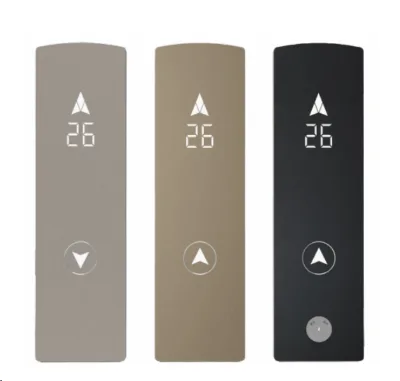
Elevator Call Outbound Call Panel Rose Gold 4.3 Inch Display Elevator Control Panel
$10.19 - $20.37
Moq: 1
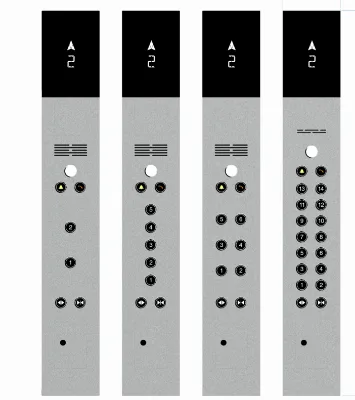
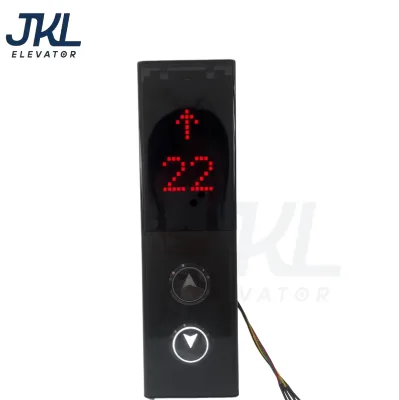
China Factory Price Black Elevator Call Panel Accessories Hotel Elevator Call Box
$90.00 - $300.00
Moq: 1


Taizhou Minghe Technology Co., Ltd.
- Verified by TUVRHEINLAND
- Trading Company,Manufacturer/Factory
- China Zhejiang
- Lead time23 days
- Avg. response≤ 5h
Main productsElectric Chain Hoist Factory, European Electric Wire Rope Hoist Manufacturer, Electric Hoist & Crane Lifting Equipment, Crane Motor Wheel End Carriages Parts, Explosion-Proof Electric Hoist, Air Pneumatic Hoist /Manual Hoist, Passenger Escalator Freight Elevator, Elevator Escalator Cargo Lift Spare Parts
Main marketsSouth America,Eastern Europe,Mid East,North America,Southeast Asia,Eastern Asia,Oceania,Western Europe,Africa
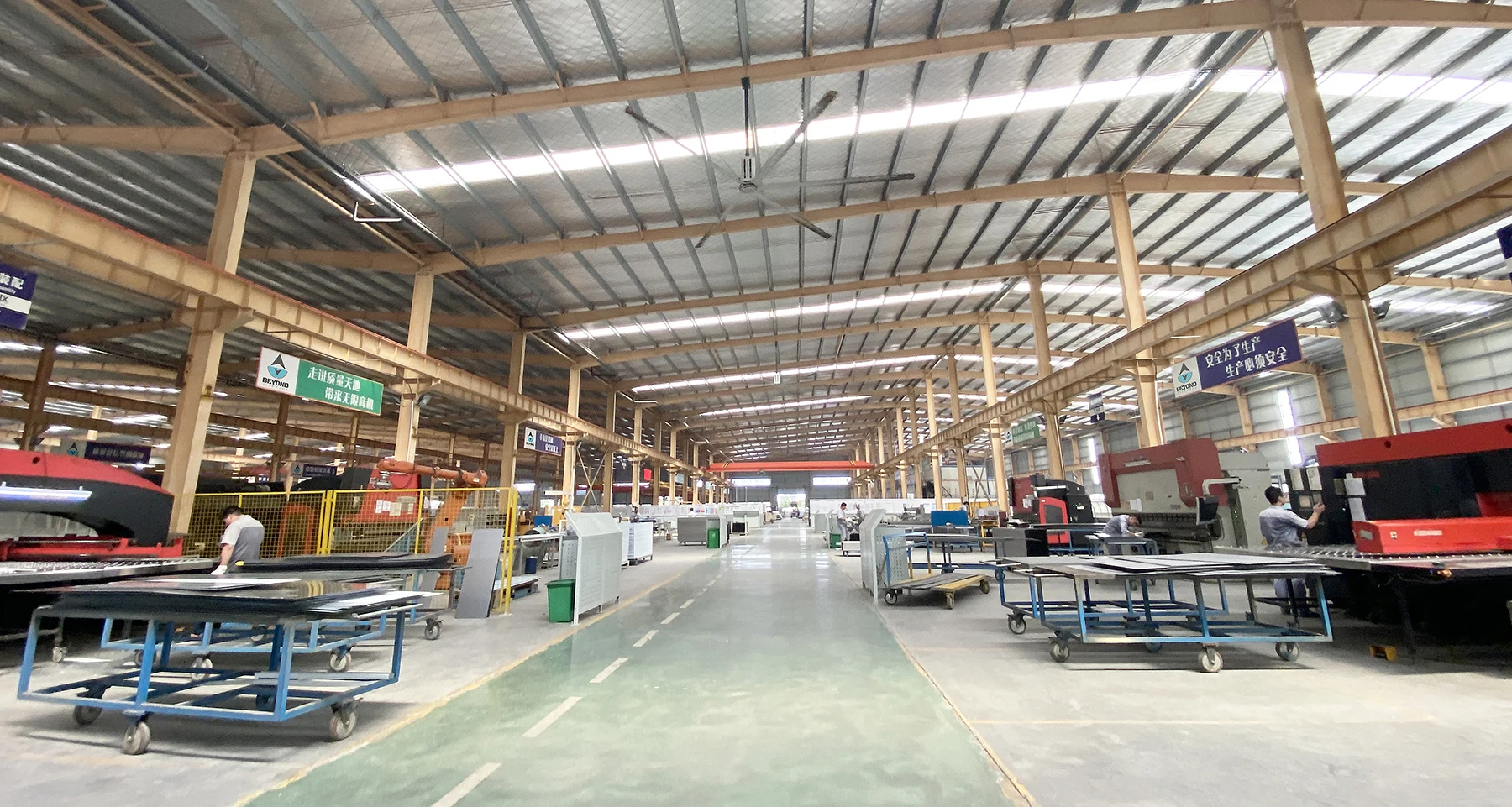
Henan Beyond Elevator Co., Ltd.
- Trading Company
- Henan, China
- Lead time20 days
- Avg. response≤ 4h
Main productselevator,elevator parts,elevator traction machine,escalator,moving walk
Main marketsSouth America(40.0%), Southeast Asia(20.0%), South Asia(10.0%), Central America(10.0%), Oceania(5.0%), Eastern Asia(5.0%), Mid East(5.0%), North America(5.0%)

Shanghai Sunny Elevator Co., Ltd.
- Verified by TUVRHEINLAND
- Trading Company
- China Shanghai
- Lead time15 days
- Avg. response≤ 8h
Main productsElevator Parts, Passenger Elevator, Escalator, Home Elevator, Elevator Push Button, Cop&Lop, Lift, Special Elevator, Freight Elevator, Sightseeing Elevator
Main marketsSouth America,Africa,Southeast Asia/ Mideast,Europe

Nanjing Antu Elevator Parts Co., Ltd.
- Verified by SGS
- Trading Company
- China Jiangsu
- Lead time15 days
- Avg. response≤ 4h
Main productsElevator Part, Door Inverter / Door Motor / Door Motor Bracket, Weighing Device / Weighing Probe, Compensation Chain / Compensation Chain Guide, Elevator Button / Button Wire / Elevator Key, Elevator Debugger / Diagnoster, Elevator Wire Rope / Rope Sock Assembly, Steel Belt / Hall Door Spring / Hall Door Wire, Elevator Light Curtain / Light Curtain Box, Elevator Switch Series / Leveling Sensor
Main marketsSouth America,Others(foreignTradeCapacity.exportBusinessCapacityMarketOther),Europe,Australia
Shaanxi Haoling Electromechanical Equipment Engineering Co., Ltd.
- Trading Company
- Shaanxi Province, China
- Lead time0 days
- Avg. response≤ 5h
Main productsElevator Accessories
Main marketsDomestic Market(100.0%)

- Verified by BV
- Trading Company
- China Jiangsu
- Lead time30 days
- Avg. response≤ 7h
Main productsElevator Lift Parts, Elevator Guide Rail, Elevator Cabin, Elevator Safety Component, Elevator, Passenger Elevator, Elevator Door, Traction Machine, Step Monarch Control Cabinet, Electrical System
Main marketsAfrica,Southeast Asia/ Mideast,Australia,North America

Shenzhen V&T Technologies Co., Ltd.
- Verified by TUVRHEINLAND
- Combined
- China Guangdong
- Lead time15 days
- Avg. response≤ 13h
Main productsAC Drive, Frequency Inverter, Inverter, Variable Frequency Drive, Variable Speed Drive, Frequency Converter
Main marketsSoutheast Asia/ Mideast

SHENZHEN YANMING PLATE PROCESS CO., LTD.
- Manufacturer
- China Guangdong
- Lead time15 days
- Avg. response≤ 7h
Main productsMetal Etching, Speaker Grill, Chemical Netching, Metal Nameplate, Stainless Steel Etching, Ceiling Speaker, Graphic Overlay, Photo Etching
Main marketsEast Asia(Japan/ South Korea),Europe,North America

Ascend Fuji Elevator (Suzhou) Co., Ltd
- Verified by TUVRHEINLAND
- Trading Company,Manufacturer/Factory
- China Jiangsu
- Lead time0 days
- Avg. response≤ 3h
Main productsElevator Parts Lift Components, Complete Lift Package, Door System, Door Operator, Lift Modernization, Elevator Cable, Traction Machine, Elevator Upgrading, PVC Single Core Wire, Elevator Machine
Main marketsSouth America,Eastern Europe,Mid East,Eastern Asia,Western Europe,Africa
Jiangshan Guangda Elevator Technology Co., Ltd.
- Manufacturer
- Zhejiang, China
- Lead time5 days
- Avg. response≤ 1h
Main productselevator parts,elevator rope fastening,elevator guide shoe,overspeed governor,damping pad
Main marketsMid East(25.0%), Domestic Market(20.0%), Southeast Asia(10.0%), Africa(10.0%), Eastern Asia(8.0%), Northern Europe(5.0%), South Asia(5.0%), Southern Europe(5.0%), North America(5.0%), South America(4.0%), Western Europe(2.0%), Eastern Europe(1.0%)
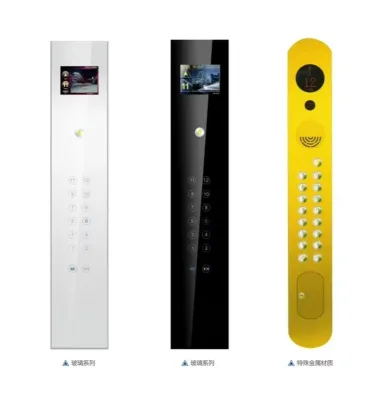
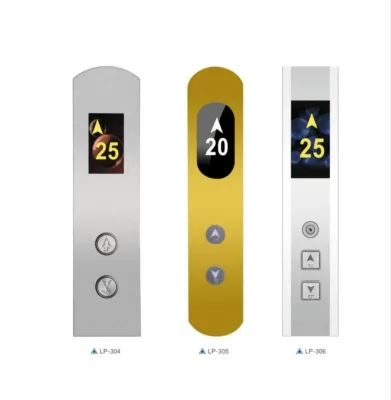
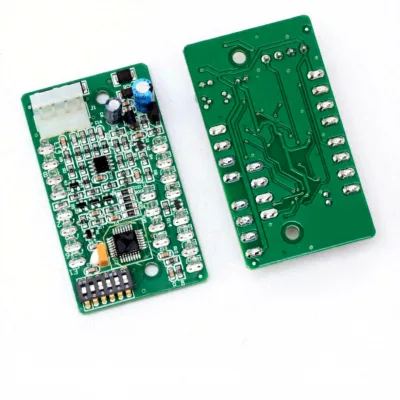
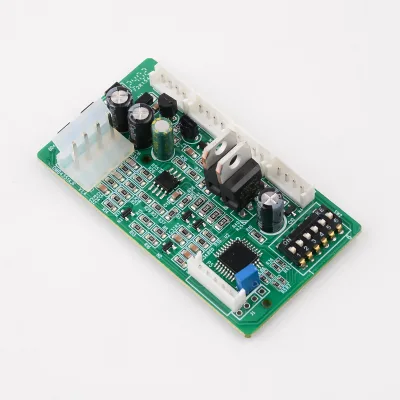
LOP for Elevator Bottom Box Calling Board Elevator Parts
Contact supplier
Xi 'an Aojin Building Equipment Engineering Co., Ltd.
- Trading Company
- Shaanxi, China
- Lead time25 days
- Avg. response≤ 2h
Main productsPASSENGER ELEVATOR,VILLA ELEVATOR,FREIGHT ELEVATOR,PANORAMIC ELEVATORELEVATOR,ELEVATOR PARTS
Main marketsMid East(39.0%), Southeast Asia(16.0%), Africa(8.0%), South America(8.0%), Eastern Europe(8.0%), Oceania(6.0%), Eastern Asia(4.0%), South Asia(3.0%), Southern Europe(2.0%), Northern Europe(2.0%), Domestic Market(1.0%), Central America(1.0%), Western Europe(1.0%), North America(1.0%)
- Trading Company
- Shaanxi, China
- Lead time3 days
- Avg. response≤ 5h
Main productsElevator / Escalator Parts,Elevator motor,Elevator board,Escalator parts,Elevator inverter
Main marketsSoutheast Asia(38.1%), Eastern Europe(33.5%), South Asia(16.2%), Mid East(11.6%), Eastern Asia(0.3%), Western Europe(0.3%)
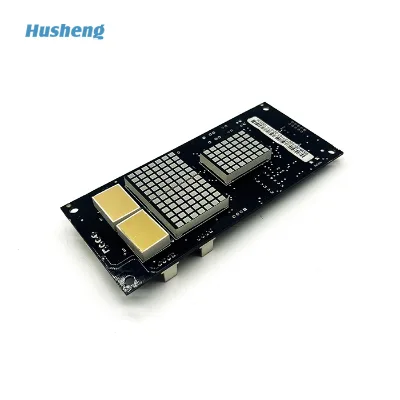
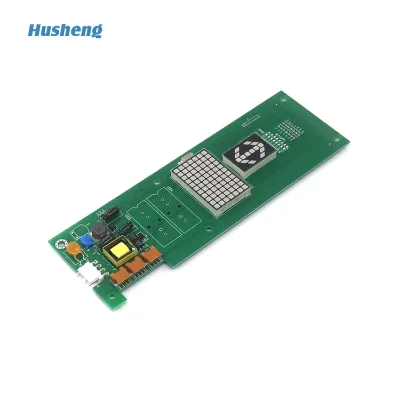
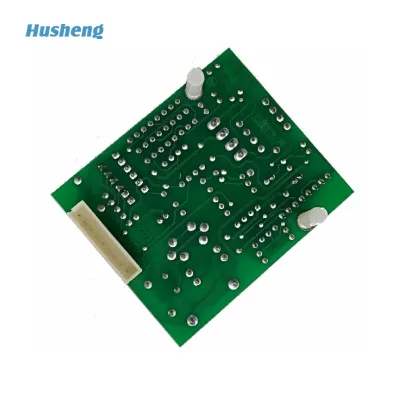
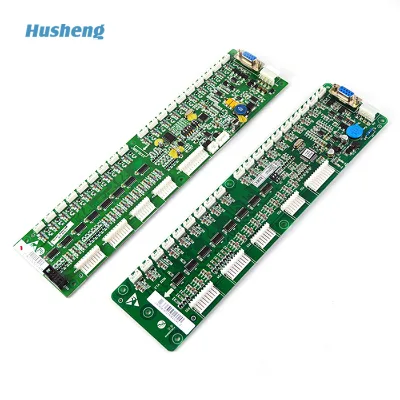
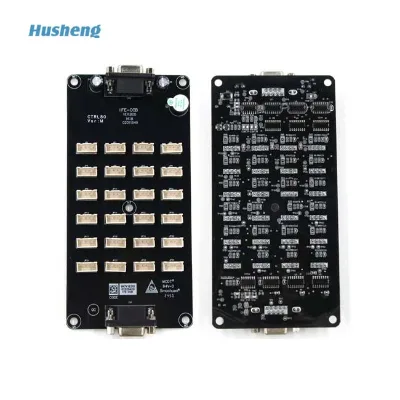
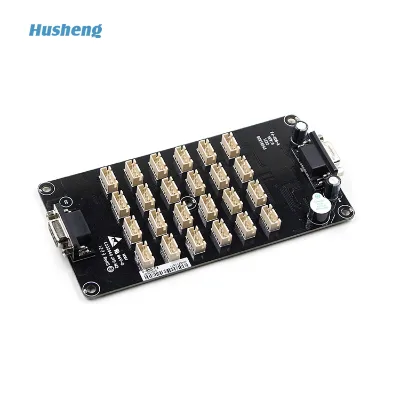
Elevator RS32 Car Communication Board Address Board DAA DBA26800J1 Lift Spare Parts
$21.37 - $64.12
Moq: 2
Shenyang Ascensor Import And Export Co., Ltd.
- Trading Company
- Liaoning, China
- Lead time7 days
- Avg. response≤ 2h
Main productsBrand Elevator&Escalator Spare parts,Elevator,Escalator,Movingwalks,Modernization
Main marketsSouth America(30.0%), Southeast Asia(30.0%), Eastern Europe(14.000000000000002%), Mid East(10.0%), North America(10.0%), South Asia(2.0%), Oceania(2.0%), Western Europe(1.0%), Southern Europe(1.0%)
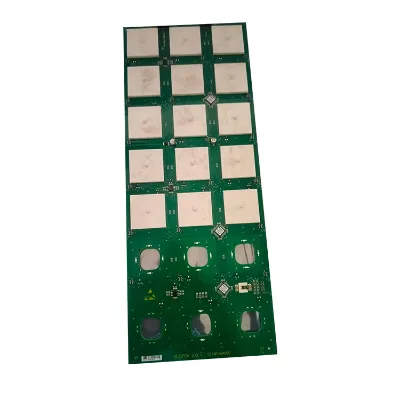
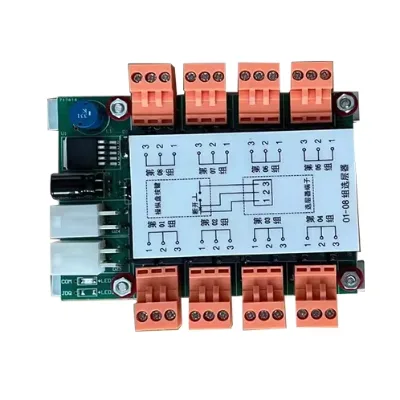
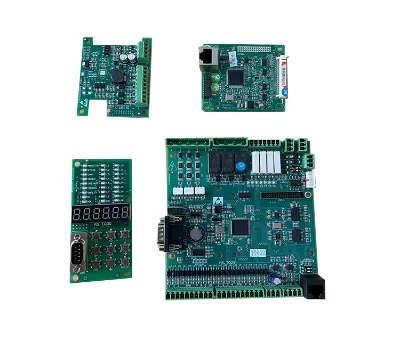
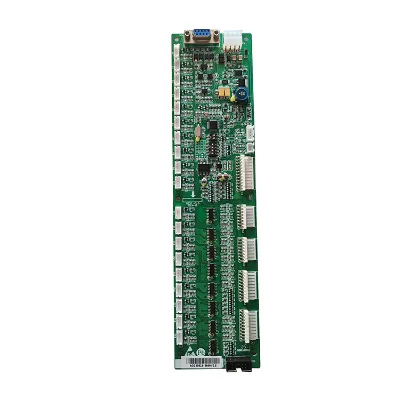
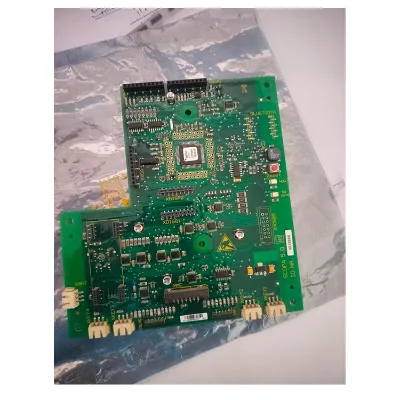
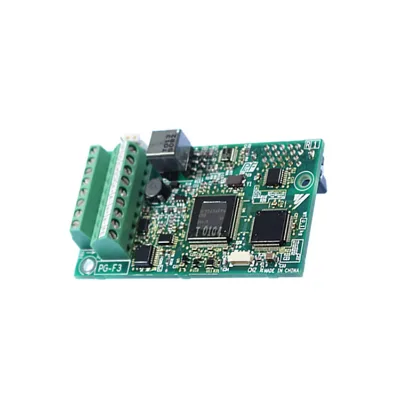
PG-F3 Elevator PG Card Elevator Boards
Contact supplier

Xi'an Chunfeng Export Co.,Ltd.
- Trading Company,Manufacturer/Factory
- China Shaanxi
- Lead time15 days
- Avg. response≤ 4h
Main productsEscalator Parts, Elevator Parts, Light Curtains, Elevator PCB
Main marketsSouth America,Eastern Europe,North America,Southeast Asia,Eastern Asia,Oceania,Western Europe,Africa

- Verified by BV
- Combined
- China Guangdong
- Lead time23 days
- Avg. response≤ 6h
Main productsWeatherproof Telephone, Emergency Telephone, Industrial Telephone, Heavy Duty Telephone, Rugged Telephone, Prison Telephone, Elevator Telephone, IP66 Telephone, Sos Telephone, Highway Call Box
Main marketsSouth America,Africa,Southeast Asia/ Mideast,East Asia(Japan/ South Korea),Europe,Australia,North America


Elevator Emergency Phone, Elevator Intercom
Contact supplier

- Verified by TUVRHEINLAND
- Combined
- China Guangdong
- Lead time15 days
- Avg. response≤ 5h
Main productsWiFi Door Controller, WiFi Gate Opener, Vehicle Loop Detector, Gate Barrier Safety Sensor, Vehicle Inductive Loop Sensor, Motion Radar Sensor, Infrared Photocell, Fast Speed Door Sensor, Infrared Light Curtain Sensor, Door Safety Sensor
Main marketsSouth America,North America

- Verified by SGS
- Trading Company
- China Shaanxi
- Lead time30 days
- Avg. response≤ 17h
Main productsElevator, Escalator, Elevator Door, Sightseeing Elevator, Villa Elevator, Elevator Traction Machine
Main marketsSoutheast Asia/ Mideast

Taicang Xinxing Machinery Factory
- Verified by TUVRHEINLAND
- Trading Company,Manufacturer/Factory
- China Jiangsu
- Lead time23 days
- Avg. response≤ 9h
Main productsElevator Guide Rail, Elevator Parts, Elevator Lift, Escalator Parts, Elevator Rope Attchment, Elevator Guide Shoe, Elevator Sheave, Elevator Button, Precision CNC Machining Parts, Elevator Lop Hall Lantern/ Lamp
Main marketsSouth America,Eastern Europe,Mid East,North America,Southeast Asia,Eastern Asia,Oceania,Western Europe,Africa

- Verified by SGS
- Trading Company
- China Shaanxi
- Lead time45 days
- Avg. response≤ 9h
Main productsElevator Inverter, Elevator Parts, Escalator Parts, Lift Drive, Elevator Traction Machine, Elevator Encoder, Elevator Board

- Manufacturer/Factory
- China Guangdong
- Lead time15 days
- Avg. response≤ 18h
Main productsAccess Control, Electromagnetic Lock, UHF Long Range Reader, RFID Access Control, Em Lock, Automatic Swing Door Opener, Frameless Bolt Lock, Glass Door Lock, Power Supply Controller, Access Exit Push Button
Main marketsSouth America,Eastern Europe,Mid East,North America,Southeast Asia,Eastern Asia,Oceania,Western Europe,Africa


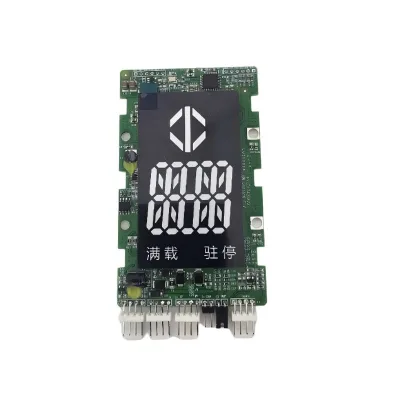
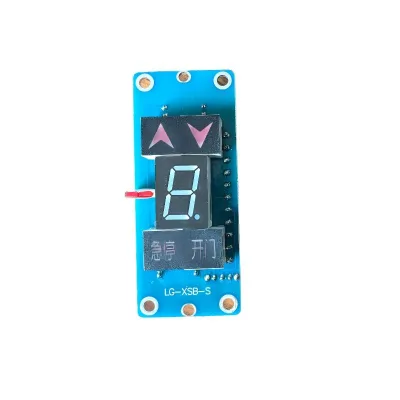
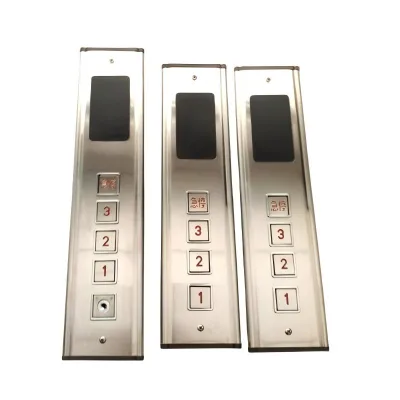
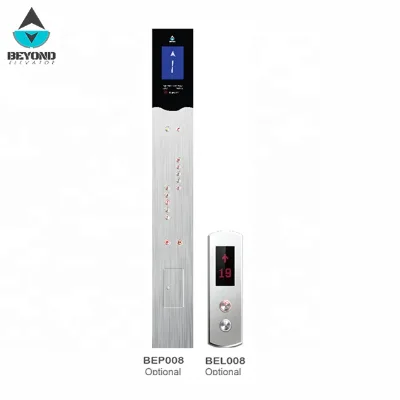
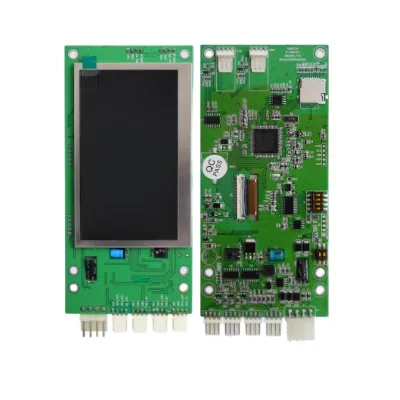
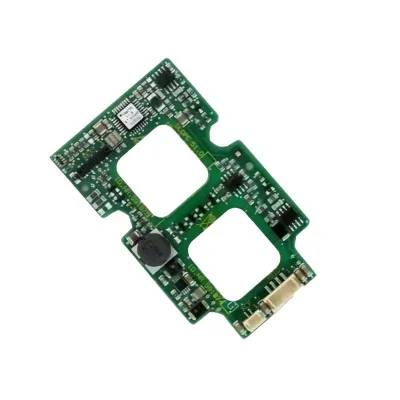


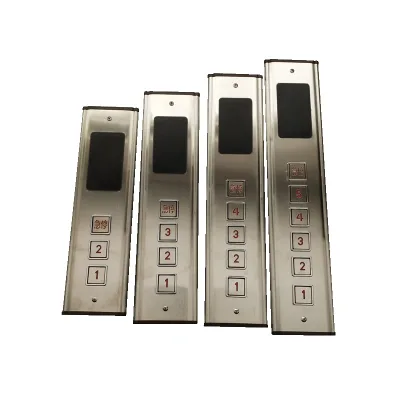
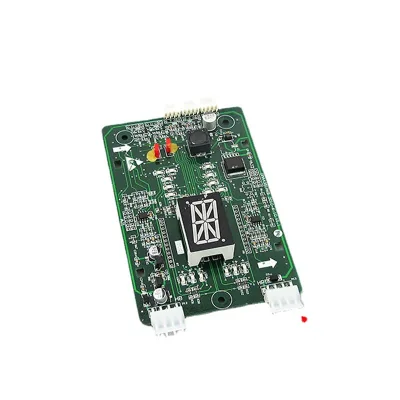
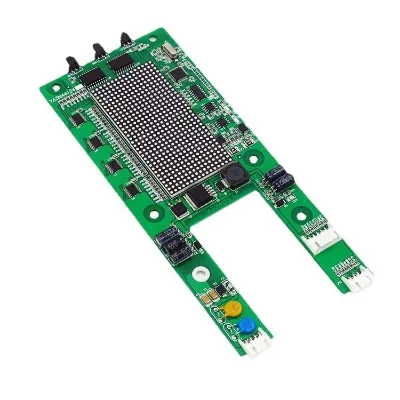




Comprehensive Sourcing Guide
Modern Metal Elevator Call Board Supplier Concentration and Factory Types
The available data indicates a significant concentration of suppliers in Zhejiang, China, specifically for elevator components including call panels and display boards. This region hosts a mix of trading companies and manufacturers who specialize in elevator parts such as glass and stainless steel call boards. Some entities list themselves as trading companies, while others identify as manufacturers or factories with capabilities in OEM and ODM services. This dual structure suggests that buyers may encounter intermediaries alongside direct production facilities within the same geographic cluster. The presence of multiple product types, ranging from basic buttons to complex display systems, implies a mature local supply chain capable of handling various material requirements like tempered glass and stainless steel.
When evaluating the factory types, it is crucial to distinguish between pure trading entities and those with actual production capacity. The observed supplier profiles include companies offering both trading and manufacturing services, which can complicate the assessment of direct factory access. Buyers should verify if the supplier's main products align with the specific metal call board requirements, as some focus on electric hoists or other elevator systems rather than just call panels. The response times observed vary, with some suppliers showing a three-day response window and others taking longer, which may reflect the operational scale of the facility. Understanding whether a supplier is a trading company or a manufacturer helps in predicting lead times and the ability to customize designs for modern metal elevator call boards.
How to Verify Modern Metal Elevator Call Board Suppliers
Verification of suppliers requires a careful examination of their certification status and business credentials. The data shows that some suppliers hold certifications such as ISO 9001, ISO 20000, and QHSE, while others may not display these explicitly. Buyers must confirm if these certifications are current and relevant to the manufacturing of elevator safety components. Additionally, third-party verification marks like TÜV Rheinland appear in some profiles, serving as an external validation of the supplier's quality management systems. It is essential to request proof of these certifications directly rather than relying solely on the platform listing, as the presence of a badge does not guarantee ongoing compliance or specific product testing.
Beyond certifications, buyers should assess the supplier's response time and communication reliability as indicators of operational stability. The observed response times range from three days to nearly five days, which can impact project timelines significantly. A supplier with a slower response time might indicate a larger volume of inquiries or less dedicated support staff. Furthermore, checking the "Project Solution Capability" listed in product attributes, such as 3D model design services, can reveal the depth of technical support available. Buyers should verify if the supplier can provide detailed engineering drawings or custom solutions for specific elevator models, ensuring they have the technical expertise to handle complex metal call board installations.
What to Compare Across Modern Metal Elevator Call Board Suppliers
Comparing suppliers involves analyzing key operational metrics such as lead time, minimum order quantity, and pricing structures. The data reveals lead times ranging from 15 to 23 working days, which is a critical factor for project scheduling. Buyers must compare these durations against their specific project deadlines to determine feasibility. Additionally, the minimum order quantity (MOQ) varies, with some suppliers offering a single piece as the minimum, while others may have higher thresholds. This flexibility can be advantageous for small-scale projects or prototyping phases, whereas larger orders might benefit from suppliers with lower per-unit costs but higher MOQs.
Pricing and material specifications are also vital comparison points. The observed price ranges for elevator call panels vary significantly, from approximately $10 to $300 depending on the model and material. Buyers should compare the cost per unit against the material quality, such as the difference between glass and stainless steel options. The product attributes indicate that materials like stainless steel and tempered glass are common, and the price should reflect the durability and finish of these materials. Furthermore, comparing the after-sales service offerings, such as online technical support or warranty periods, helps in assessing the long-term value of the supplier. A lower price might not be beneficial if the warranty is limited or support is unavailable.
Common Modern Metal Elevator Call Board Sourcing Risks
One significant risk in sourcing modern metal elevator call boards is the potential mismatch between the supplier's claimed capabilities and their actual production capacity. While some suppliers list themselves as manufacturers, others are trading companies that may not have direct control over the manufacturing process. This distinction can lead to delays or quality inconsistencies if the trading company relies on third-party factories that do not meet the required standards. Buyers should verify the supply chain structure to ensure that the final product meets the specific design and material requirements for modern metal call boards.
Another risk involves the variability in product specifications and customization options. The data shows that some products have customizable sizes and colors, while others have fixed specifications. If a buyer requires a specific design or material finish, relying on a supplier with limited customization capabilities could result in a product that does not fit the intended application. Additionally, the warranty periods and after-sales support vary, with some offering only one year of warranty and others providing online technical support. Buyers must ensure that the supplier can provide adequate support for installation and maintenance, as elevator systems require high reliability and safety standards.
Modern Metal Elevator Call Board Regional Sourcing and Logistics
Sourcing from the identified region, Zhejiang, China, offers logistical advantages due to the concentration of suppliers and established export infrastructure. The proximity of manufacturers to major ports can facilitate faster shipping and lower freight costs for international buyers. However, buyers must account for the lead times observed, which range from 15 to 23 working days, and factor this into their overall logistics planning. The single package sizes and weights provided in the product attributes, such as 52x4x12 cm and 3.0 kg, help in estimating shipping volumes and costs accurately. Understanding these logistical details is essential for planning the delivery of modern metal elevator call boards to various project sites.
Logistics planning also involves considering the packaging and handling requirements for delicate components like glass and metal call boards. The product attributes indicate that items are often packed in carton boxes, which provides basic protection during transit. However, buyers should verify if additional packaging is available for fragile items to prevent damage during shipping. The single gross weight and package dimensions are critical for calculating freight charges and determining the most efficient shipping method. Buyers should also consider the impact of regional logistics on lead times, as delays in customs or transportation can affect the overall project schedule. Ensuring that the supplier has experience with international shipping can mitigate these risks.
Modern Metal Elevator Call Board Commercial Terms and Order Planning
Commercial terms for modern metal elevator call boards often include specific conditions regarding payment, delivery, and after-sales support. The data indicates that some suppliers offer online technical support and warranty periods, which are essential for long-term project success. Buyers should clarify the terms of the warranty, including what is covered and the duration of the support. Additionally, the response time of the supplier, which can range from three to five days, should be factored into the order planning process to ensure timely communication and issue resolution. Understanding these commercial terms helps in managing expectations and avoiding potential disputes.
Order planning requires a detailed assessment of the supplier's capacity to meet the required volume and timeline. The lead times observed, ranging from 15 to 23 working days, must be aligned with the project schedule to avoid delays. Buyers should also consider the minimum order quantity and pricing tiers, as these can influence the total cost and feasibility of the order. The ability to customize products, such as size and color, adds flexibility but may extend the lead time. Buyers should plan for these variables by maintaining a buffer in their schedule and ensuring clear communication with the supplier regarding customization requirements. Proper order planning ensures that the modern metal elevator call boards are delivered on time and meet the project specifications.
FAQs
Where are modern metal elevator call boards manufactured?
Modern metal elevator call boards are manufactured in Zhejiang, China. This region is a known hub for elevator parts and accessories. Buyers can expect products to originate from this specific location when sourcing these items.
What is the minimum order quantity for these panels?
The minimum order quantity for these panels is one piece. Suppliers allow buyers to purchase single items without needing to meet a bulk threshold. This flexibility supports small projects or replacement needs effectively.
How long does it take to receive these elevator parts?
Delivery times typically range from three to fifteen working days. Some suppliers may require up to twenty-three days depending on order specifics. Buyers should confirm exact lead times before finalizing their purchase agreements.
What materials are used for these elevator call boards?
These boards are commonly made from glass and stainless steel. Some models feature tempered glass for durability and modern aesthetics. Stainless steel options provide a robust finish suitable for various commercial and residential applications.
Do suppliers offer online technical support for these products?
Yes, suppliers provide online technical support as part of their after-sales service. This assistance helps buyers resolve installation or operational issues remotely. Additional support options may be available depending on the specific product model selected.
What is the price range for these elevator call panels?
Prices for these panels range from approximately ten to three hundred dollars per unit. The cost varies based on material, size, and customization options. Buyers should check specific product listings for accurate pricing details.
Are these elevator parts suitable for hotels and hospitals?
Yes, these parts are designed for use in hotels, hospitals, villas, and schools. The applications listed confirm their suitability for diverse building types. Buyers can select models tailored to specific commercial or residential environments.