Elevator Motherboard Chip for LIFT Suppliers and Manufacturers
Compare 26 verified suppliers offering Elevator Motherboard Chip for LIFT components with details on location, lead times, and response speeds. Review product specifications and pricing to select the right partner for your procurement needs; review the available evidence before requesting comparable quotations from suitable candidates.
Suppliers List

- Verified by CTI
- Trading Company
- China Shaanxi
- Lead time15 days
- Avg. response≤ 3h
Main productsElevator Parts, Escalator Parts, Elevator Door Sensor, Elevator Inverter, Elevator Machine, Elevator Button, Elevator Motor, Lift Elevator Parts, Elevator Spare Parts, Intercom
Main marketsAfrica,Southeast Asia/ Mideast,Europe


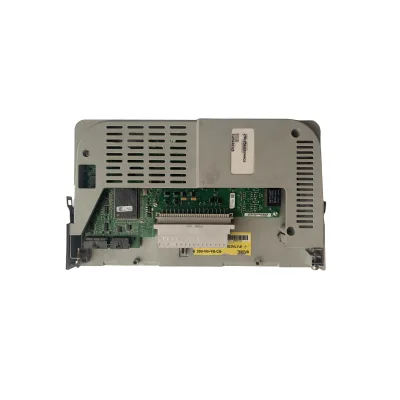
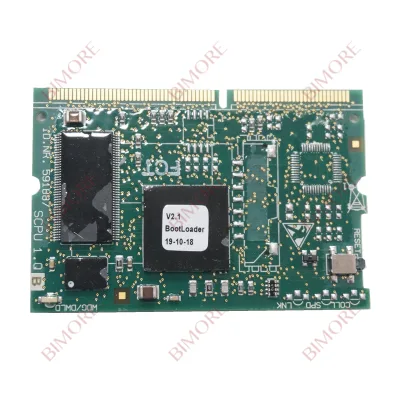
Main Board for Lift Elevator Main Board Motherboard Jga26810aaf4 Jda26801ace
$150.00 - $190.00
MOQ: 1 Pieces


- Verified by BV
- Combined
- China Guangdong
- Lead time23 days
- Avg. response≤ 4h
Main productsPrinted Circuit Boards, PCBA, PCB Prototype, PCBA Service, PCBA Prototype, PCBA Quick-Turn Manufacturing, PCB Design, Circuit Board Assemblycircuit Board Assembly, Electronic Assembly, Turnkey PCB Assembly
Main marketsSouth America,Africa,Southeast Asia/ Mideast,East Asia(Japan/ South Korea),Europe,Australia,North America

Pcbasic EMS Manufacturing Mother Board Electronic Controller Board PCBA for Lifts
$0.90 - $3.90
MOQ: 1 Pieces

Pcbasic Shenzhen High Difficult Multilayer Circuit Board Elevator Lift PCBA Motherboard
$0.90 - $3.90
MOQ: 1 Pieces

Huzhou Ganchuang Electronic Technology Co., Ltd.
- Verified by SGS
- Combined
- China Zhejiang
- Lead time15 days
- Avg. response≤ 15h
Main productsPCB, PCBA
Main marketsDomestic


Customized PCB Motherboard Electronic Printed Circuit Board Manufacturing
$0.10 - $0.99
MOQ: 10 Pieces
Shaanxi Haoling Electromechanical Equipment Engineering Co., Ltd.
- Trading Company
- Shaanxi Province, China
- Lead time0 days
- Avg. response≤ 4h
Main productsElevator Accessories
Main marketsDomestic Market(100.00%)
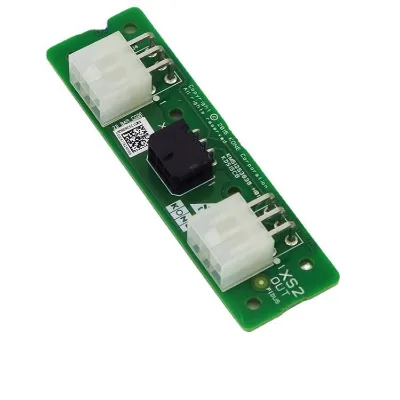
Hot elevator shaft communication board, circuit board, elevator motherboard elevator accessories
$10.42 - $15.63
MOQ: 1 dozens

- Verified by SGS
- Trading Company
- China Shaanxi
- Lead time30 days
- Avg. response≤ 17h
Main productsElevator, Escalator, Elevator Door, Sightseeing Elevator, Villa Elevator, Elevator Traction Machine
Main marketsSoutheast Asia/ Mideast

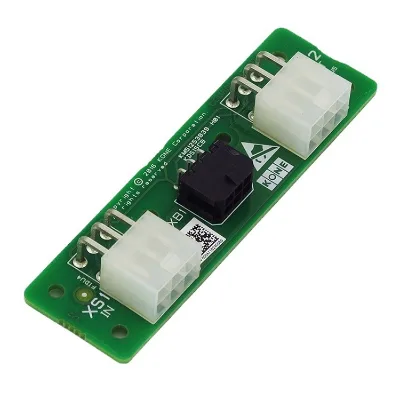
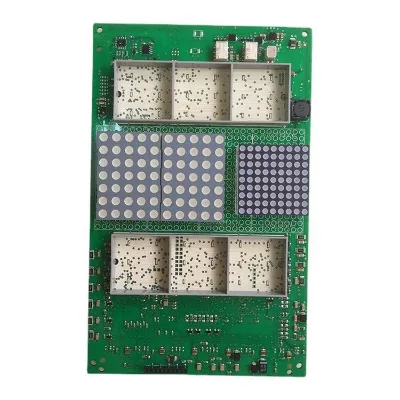
Elevator Motherboard PCB Machine Room Kcd-1162A 1161A 1161c 1162c for Mitsubishi Elevator
$700.00 - $1900.00
MOQ: 1 Pieces

$8.00 - $109.00
MOQ: 1 Pieces

Lift Parts PCB Sp-Vf Elevator Motherboard E1 Board Kcj-121 Kcj-120b for Mitsubishi Elevator
$1010.00 - $1190.00
MOQ: 1 Pieces


Lcecpu40 Km773380g04 Elevator Parts Km773383h04 05 06 Elevator Motherboard for Kone
$257.60 - $468.70
MOQ: 1 Pieces


Shenzhen Grandtop Electronics Co., Ltd.
- Trading Company,Manufacturer/Factory
- China Guangdong
- Lead time30 days
- Avg. response≤ 14h
Main productsPCB Assembly, Robotic Control PCB Assembly, Industrial Control PCBA, Medical PCBA, Financial PCBA, Contract Manufacturer, Automatic Control PCB Assembly, OEM &ODM PCBA, Turnkey Service PCBA, One Stop PCB Assembly
Main marketsSouth America,Eastern Europe,Mid East,North America,Southeast Asia,Eastern Asia,Western Europe,Africa
Guangzhou Garnett Trading Co., Ltd.
- Manufacturer, Trading Company, Government ministry/Bureau/Commission
- Guangdong, China
- Lead time0 days
- Avg. response≤ 5h
Main productsSemiconductors,IGBT modules,integrated circuits (ICs),transistors,3C digital
Main marketsSouth Asia(10.00%), Southeast Asia(10.00%), Central America(10.00%), Mid East(10.00%), North America(10.00%), Eastern Asia(8.00%), Africa(6.00%), Western Europe(6.00%), Oceania(5.00%), Domestic Market(5.00%), Southern Europe(5.00%), Northern Europe(5.00%), Eastern Europe(5.00%), South America(5.00%)

- Verified by SGS
- Trading Company
- China Shaanxi
- Lead time45 days
- Avg. response≤ 13h
Main productsElevator Inverter, Elevator Parts, Escalator Parts, Lift Drive, Elevator Traction Machine, Elevator Encoder, Elevator Board

Elevator Main Control Board HK2000-A1 Fti Elevator Specialised Motherboard
$285.00 - $399.00
MOQ: 1 Pieces


Ot*S Elevator Main Board E411 Motherboard Mcss-I/O Aca26800ABB001 Aca26800ABB002
$746.00 - $1238.00
MOQ: 1 Pieces

Shaanxi Sanjin Elevator Fittings Co., Ltd.
- Verified by TUVRHEINLAND
- Trading Company,Manufacturer/Factory
- China Shaanxi
- Lead time120 days
- Avg. response≤ 7h
Main productsElevator Part, Escalator Parts, Lift Spare Parts, Elevator Drive, Elevator PCB, Lift Door, Escalator Wheel, Escalator Handrail, Elevator Photocell, Elevator Machine
Main marketsSouth America,Eastern Europe,Mid East,North America,Southeast Asia,Eastern Asia,Oceania,Western Europe,Africa

- Verified by TUVRHEINLAND
- Combined
- China Fujian
- Lead time30 days
- Avg. response≤ 6h
Main productsRF Remote Control, Remote Control Duplicator, RF Receiver, Gate Opener, Auto Gate Door Motor, Remote Control, Rolling Code, Motorcycle Alarm System, Sliding Gate Opener, Car Remote Alarm
Main marketsEurope,Australia,North America

Nanjing Antu Elevator Parts Co., Ltd.
- Verified by SGS
- Trading Company
- China Jiangsu
- Lead time15 days
- Avg. response≤ 5h
Main productsElevator Part, Door Inverter / Door Motor / Door Motor Bracket, Weighing Device / Weighing Probe, Compensation Chain / Compensation Chain Guide, Elevator Button / Button Wire / Elevator Key, Elevator Debugger / Diagnoster, Elevator Wire Rope / Rope Sock Assembly, Steel Belt / Hall Door Spring / Hall Door Wire, Elevator Light Curtain / Light Curtain Box, Elevator Switch Series / Leveling Sensor
Main marketsSouth America,Others(foreignTradeCapacity.exportBusinessCapacityMarketOther),Europe,Australia


Elevator Spare Parts Elevator Motherboard Gecb-Ap Electronic Board for Hotel
$378.00 - $422.00
MOQ: 1 Pieces

Elevator Spare Parts Elevator Motherboard MCU-E V1.2 Electronic Board for Hotel
$370.00 - $500.00
MOQ: 1 Pieces

Lift Spare Parts Elevator Control Motherboard Mc2 Elevator PCB Motherboard Panel Board
$349.00 - $599.00
MOQ: 1 Pieces


Suzhou Bimore Elevator Parts Co., Ltd.
- Trading Company
- Jiangsu, China
- Lead time3 days
- Avg. response≤ 6h
Main productsEscalator parts,escalator handrail,escalator roller,escalator step chain,escalator comb plate
Main marketsSouth America(22.00%), North America(15.00%), South Asia(14.00%), Northern Europe(11.00%), Southeast Asia(11.00%), Eastern Europe(10.00%), Southern Europe(6.00%), Western Europe(5.00%), Domestic Market(1.00%), Oceania(1.00%), Mid East(1.00%), Africa(1.00%), Central America(1.00%), Eastern Asia(1.00%)

Ascend Fuji Elevator (Suzhou) Co., Ltd
- Verified by TUVRHEINLAND
- Trading Company,Manufacturer/Factory
- China Jiangsu
- Lead time0 days
- Avg. response≤ 2h
Main productsElevator Parts Lift Components, Complete Lift Package, Door System, Door Operator, Lift Modernization, Elevator Cable, Traction Machine, Elevator Upgrading, PVC Single Core Wire, Elevator Machine
Main marketsSouth America,Eastern Europe,Mid East,Eastern Asia,Western Europe,Africa

High-Performance Control Board CPU Motherboard for Electrical Equipment
$99.99 - $199.99
MOQ: 1 Pieces


Beijing Pinghe Chuangye Technology Development Co., Ltd.
- Combined
- China Beijing
- Lead time15 days
- Avg. response≤ 4h
Main productsIsolated Safety Barriers, Signal Conditioners, Signal Isolator, Surge Protective Devices, Safety Relays, Isolated I/O Modules, Signal Converter
Main marketsSouth America,Europe,North America

Suzhou Dazen Electromechanical Technology Co., Ltd.
- Verified by SGS
- Trading Company,Manufacturer/Factory
- China Jiangsu
- Lead time23 days
- Avg. response≤ 7h
Main productsPassenger Elevator, Home Elevator, Cargo Elevator, Hospital Elevator, Glass Elevator, Escalator, Elevator Components, Escalator Components
Main marketsSouth America,Mid East,Southeast Asia,Eastern Asia,Western Europe,Africa


ID. Nr. 5594408 Lift Parts Motherboard Door Step Elevator Control PCB Board
$1.00 - $500.00
MOQ: 1 Pieces


Xi'an Huqiang Elevator Fittings Co., Ltd.
- Verified by SGS Group
- Trading Company
- Lead time3 days
- Avg. response≤ 7h
Main productsElevator, Elevator Parts, Escalator Parts, Elevator Inverter, Elevator PCB
Main marketsSoutheast Asia(80%), Mid East(10%), North America(10%)
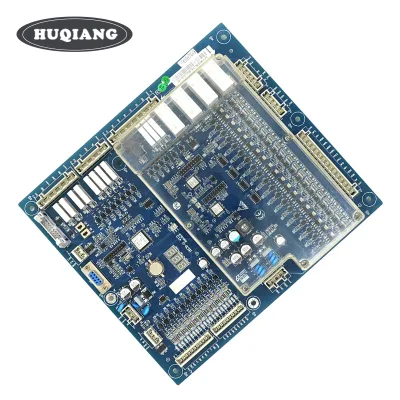
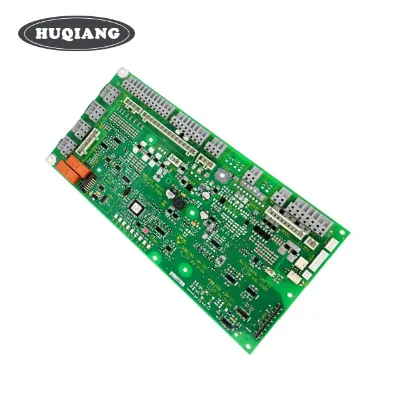
Elevator Inverter Motherboard Panel PCB Board IECB-II UPPER100-ER-S-4007-H3 Elevator Parts
$24.00 - $480.00
MOQ: 2 Minimum
Huizhou Xinyan Technology Co., Ltd.
- Verified by SGS Group
- Trading Company
- Lead time0 days
- Avg. response≤ 1h
Main productsCPU Board
Main marketsDomestic Market(50%), Southern Europe(10%), North America(5%)
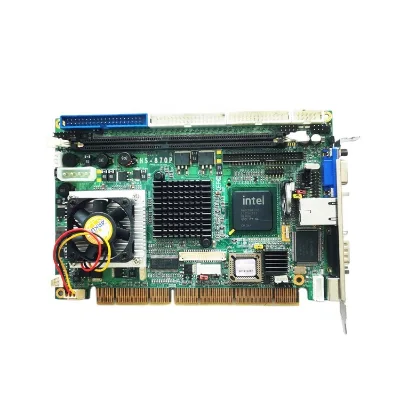
$103.16 - $415.75
MOQ: 1 Minimum
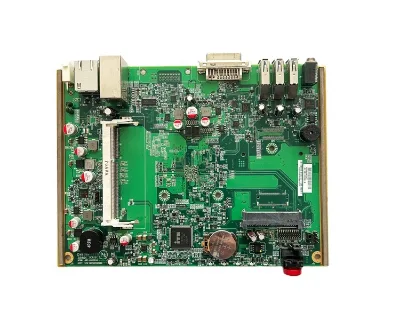
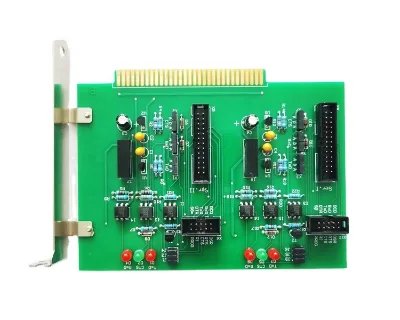
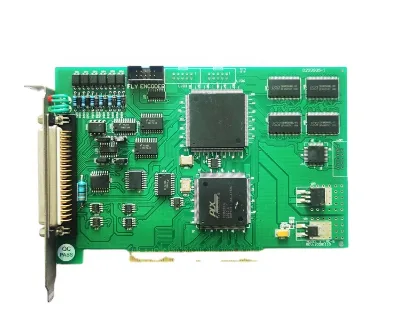

Shenzhen Elsky Technology Co., Ltd.
- Verified by SGS
- Combined
- China Guangdong
- Lead time30 days
- Avg. response≤ 9h
Main productsMotherboard, Mini PC, OPS Mini PC, Industrial PC
Main marketsDomestic


Intel Chipset H81115X Radiator Motherboard 6*USB 10*COM 2*Fan for Industry Computer
$80.00 - $86.00
MOQ: 1 Pieces
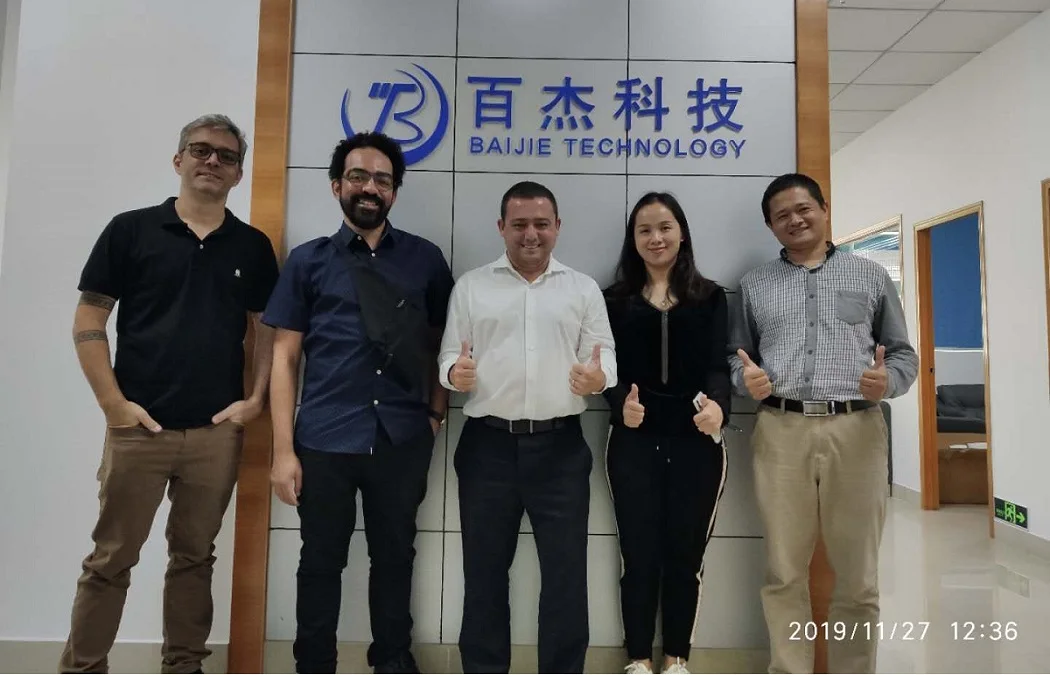
Shenzhen Baijie Technology Co., Ltd.
- Manufacturer, Trading Company
- Guangdong, China
- Lead time15 days
- Avg. response≤ 2h
Main productsDevelopment board,hardware customize,software service,embedded development board,core board
Main marketsNorth America(20.00%), Western Europe(10.00%), Domestic Market(10.00%), Mid East(10.00%), Oceania(10.00%), Southeast Asia(10.00%), Eastern Europe(10.00%), Eastern Asia(5.00%), South Asia(5.00%), Southern Europe(5.00%), Central America(5.00%)

Quanzhou Liancheng Automation Technology Co., Ltd.
- Trading Company
- Fujian, China
- Lead time15 days
- Avg. response≤ 7h
Main productsPLC CPU Module,Storage server,Circuit breaker,Signal isolator safety barriers,Chip\\Module
Main marketsEastern Europe(30.00%), South America(20.00%), Western Europe(20.00%), Eastern Asia(15.00%), Southeast Asia(10.00%), Africa(3.00%), Domestic Market(2.00%)
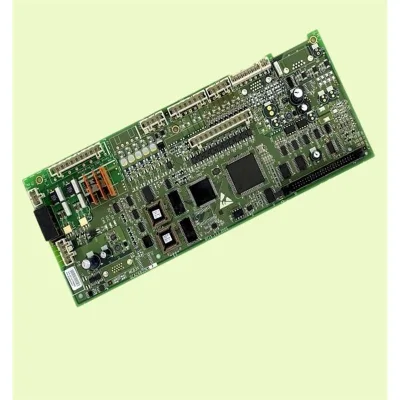
Elevator Accessories OVF20CR Inverter Motherboard GCA26800KV7 MCB3X Motherboard
$50.00 - $100.00
MOQ: 1
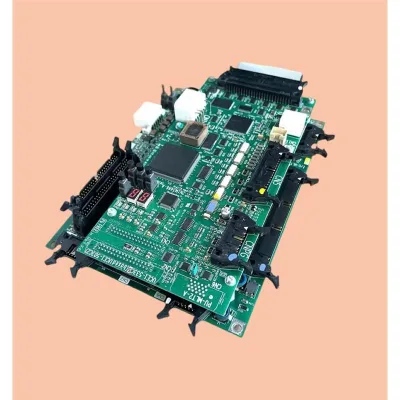
elevator accessories toshiba cv330 motherboard PU-MLT2 UCE1-533C5(bdsdUCE1-503C2)
$50.00 - $100.00
MOQ: 1

Shenzhen Core Hecheng Electronic Technology Co., Ltd.
- Verified by CTI
- Manufacturer/Factory,Group Corporation
- China Guangdong
- Lead time15 days
- Avg. response≤ 4h
Main productsPCBA Assembly, PCBA, PCB, Quick Turn PCB Assembly, Turnkey PCB Assembly, Cheap PCB Assembly, Prototype PCB Assembly, Volume PCB Assembly, Low Cost PCB
Main marketsSouth America,Eastern Europe,North America,Southeast Asia,Eastern Asia,Western Europe
Shenzhen Jiaweishi Electronic Technology Co., Ltd.
- Manufacturer
- Guangdong, China
- Lead time3 days
- Avg. response≤ 7h
Main productsindustry panel pc,industrial android panel pc,industrial motherboard,industrial mini pc,industiral box pc
Main marketsDomestic Market(40.00%), Eastern Asia(10.00%), North America(10.00%), Western Europe(10.00%), Southeast Asia(5.00%), Mid East(5.00%), Oceania(5.00%), South America(5.00%), Southern Europe(2.00%), Northern Europe(2.00%), Eastern Europe(2.00%), Africa(2.00%), South Asia(1.50%), Central America(0.50%)

- Trading Company,Manufacturer/Factory,Group Corporation
- China Guangdong
- Lead time15 days
- Avg. response≤ 16h
Main productsPCBA/PCB Assembly, Cable/Wire Harness Assemb, Sheet Metal Fabrication, Kiosk Machine OEM/ODM, Order Machine OEM/ODM, Product Assembly, LED Industrial Lights
Main marketsSouth America,Eastern Europe,Mid East,North America,Southeast Asia,Eastern Asia,Oceania,Western Europe,Africa

$149.90 - $159.90
MOQ: 1 Pieces


Huizhou Xinyan Technology Co., Ltd.
- Verified by SGS
- Trading Company
- China Guangdong
- Lead time15 days
- Avg. response≤ 5h
Main marketsEast Asia(Japan/ South Korea),Domestic,Europe

1007010108130p EMT986r Industrial Motherboard CPU Board CPU Card Module Main Board
$199.00 - $699.00
MOQ: 1 Pieces

1085270008100p Industrial Motherboard CPU Board CPU Module Mainboard Original Stock 100%Testing
$99.00 - $999.00
MOQ: 1 Pieces

$99.00 - $699.00
MOQ: 1 Pieces

Msc Ly30c802 Industrial Motherboard CPU Card CPU Module Mainboard Board Original Stock
$399.00 - $799.00
MOQ: 1 Pieces

Aw-BS710 Industrial Motherboard I3 I5 I7 CPU Board CPU Module Mainboard Board Original Stock
$199.00 - $599.00
MOQ: 1 Pieces

Et-Cn260 Industrial Motherboard Mainboard I3 I5 I7 CPU Board CPU Module Original Stock
$99.00 - $599.00
MOQ: 1 Pieces

Shenzhen STHL Technology Co., Ltd.
- Verified by TUVRHEINLAND
- Combined
- China Guangdong
- Lead time15 days
- Avg. response≤ 11h
Main productsPCBA, PCB, PCB Board, PCB Assembly, Circuit Board, PCB Design, PCB Layout, Printed Circuit Board, LED Circuit Board, Electronic Components
Main marketsSouth America


Electronic Component Circuit PCB Board Industrial Control Computer Parts Motherboard
$10.00 - $30.00
MOQ: 1 pcs

Shenzhen Jinshengwei Technology Co., Ltd.
- Trading Company
- Lead time旺季: "1 - 2100":6,"> 2100":"To be negotiated", 淡季: "1 - 2100":6,"> 2100":"To be negotiated"
- Avg. response≤ 5h
Main productsIntegrated Circuit,Connector,Sensor,Fuse,Switch
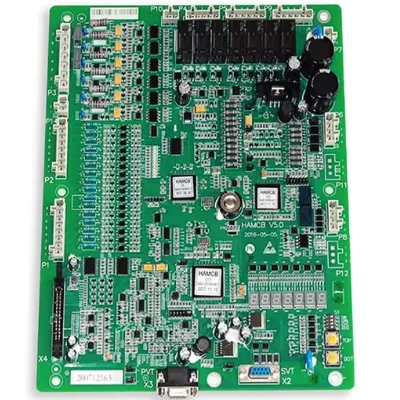
$133.60 - $191.73
MOQ: 1 Minimum
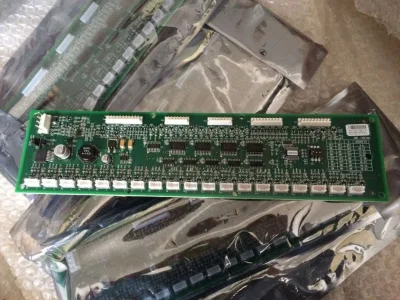








Comprehensive Sourcing Guide
Elevator Motherboard Chip for LIFT Supplier Concentration and Factory Types
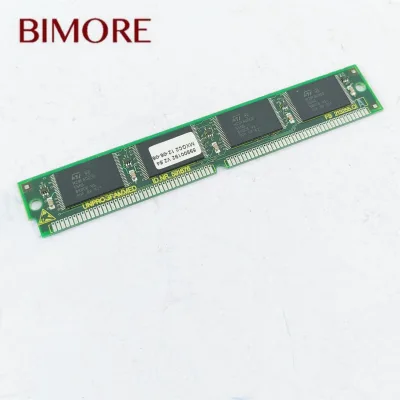
Current search results indicate a concentration of suppliers located in China Shaanxi and China Guangdong, suggesting these regions host active manufacturing clusters for elevator components. In Shaanxi, the primary supplier type identified is a Trading Company, which typically sources finished electronic components like memory ICs and mainboards from various factories before reselling them. These entities often aggregate products such as the M48z58-70PC1 memory chip or the 1r02490-B3-7 mainboard, offering a consolidated catalog for buyers seeking specific replacement parts. The presence of these trading companies implies a supply chain structure where the actual manufacturing may occur elsewhere, but the commercial interface is managed through these regional hubs.
In contrast, the Guangdong cluster features suppliers classified as Combined entities, which often integrate design, manufacturing, and assembly capabilities under one roof. These suppliers specialize in Printed Circuit Boards and PCBA services, offering turnkey solutions that include SMT assembly and component sourcing for lift controllers. Unlike pure trading firms, these combined entities may possess ODM and OEM capacities, allowing for customization of multilayer PCBs and electronic controller boards. Buyers should verify if a supplier in this region offers direct factory access or if they are also acting as an intermediary. The distinction between a trading company and a combined manufacturer is critical, as it affects the ability to customize specifications and the depth of technical support available for complex elevator motherboard projects.
How to Verify Elevator Motherboard Chip for LIFT Suppliers
Verification is a critical step when sourcing elevator motherboard chips, as the reliability of these components directly impacts lift safety and operation. Current data shows that some suppliers hold CTI verification status, while others in different regions may display BV verification. Buyers must confirm the specific verification badge displayed on the supplier profile, as this indicates third-party validation of their business license and operational capacity. It is essential to check if the verification covers the specific product category, such as electronic components or elevator parts, rather than a general business registration. Relying solely on a generic badge without confirming the scope of the audit can lead to sourcing from entities that do not meet industry-specific quality standards.
Beyond verification badges, buyers should examine the response time and lead time metrics provided in the supplier profile to gauge operational efficiency. A response time of approximately 2.5 hours suggests a highly active sales team capable of addressing technical queries regarding part compatibility, such as matching the M48z58-70PC1 chip to specific elevator models. Lead times vary significantly, with some suppliers offering 15-day delivery windows while others in the PCB manufacturing sector may require 23 days for custom assembly. Buyers should request proof of these metrics through direct communication, asking for recent shipment records or customer testimonials that confirm the stated response and delivery speeds. This due diligence ensures that the supplier can meet project deadlines without compromising on the quality of the elevator control systems.
What to Compare Across Elevator Motherboard Chip for LIFT Suppliers
When evaluating potential partners, buyers must compare specific product attributes and commercial terms to ensure the selected supplier meets technical requirements. Key differentiators include the minimum order quantity (MOQ), which ranges from 1 unit for specific mainboards to 2 units for memory chips, and the price range, which can vary from $9 to $970 depending on the component complexity. Some suppliers offer products with specific certifications like RoHS, CCC, and ISO, while others may only list general compliance. Buyers should create a comparison matrix that lists the model numbers, such as Jga26810aaf4 or Jaa26807cak3, alongside their respective prices and MOQs to identify the most cost-effective option for their volume needs.
Another vital comparison point is the customization availability and the specific technical specifications listed for each product. While some items are marked as "Original" or "New," others explicitly state that customization is available, which is crucial for unique elevator installations requiring specific control types or load capacities. Buyers should also compare the warranty terms, as some mainboards come with a one-year warranty while others may not list a specific duration. Additionally, the shipping methods offered, such as DHL, FedEx, or sea freight, and the packaging standards, like vacuum packing for PCBs, should be evaluated to ensure the components arrive without damage. This detailed comparison helps in selecting a supplier that balances cost, technical fit, and logistical reliability.
Common Elevator Motherboard Chip for LIFT Sourcing Risks
One significant risk in sourcing elevator motherboard chips is the potential mismatch between the product specifications and the actual elevator model requirements. Many listings include compatibility data for brands like Kone or Mitsubishi, but buyers must verify that the part numbers, such as Kdl32 or Ys120b976, exactly match their existing systems. Relying on generic keywords like "Elevator Mainboard" without confirming the specific model number can lead to purchasing incompatible parts that fail to function or cause system errors. Buyers should cross-reference the product attributes, such as the control type or lift mechanism, with their technical manuals to avoid costly returns and installation delays.
Another risk involves the variability in lead times and the potential for supply chain disruptions, especially when dealing with international shipping. While some suppliers list a lead time of 15 days, others may require 23 days or more, particularly for custom PCBA services. If a buyer does not account for these differences, they may face project delays that impact elevator maintenance schedules. Furthermore, the lack of standardized testing services across all suppliers poses a risk; while some offer electrical and functional testing, others may not. Buyers should explicitly request test reports or certification documents for every batch of components to ensure they meet safety standards before installation, mitigating the risk of equipment failure in the field.
Elevator Motherboard Chip for LIFT Regional Sourcing and Logistics
Sourcing from China Shaanxi and China Guangdong offers distinct logistical advantages and challenges that buyers must navigate carefully. Suppliers in Shaanxi often focus on trading and distribution of specific elevator parts, which may result in faster access to standard inventory items like memory chips. However, buyers should verify the actual origin of the goods, as the product attributes may list "China" generally without specifying the manufacturing city. In contrast, suppliers in Guangdong often handle the manufacturing and assembly of PCBs, which may require more complex logistics for custom orders. Understanding the regional strengths helps in planning the supply chain, as trading hubs may offer quicker turnaround for stock items while manufacturing hubs provide better support for bespoke designs.
Logistics planning must also account for the specific shipping methods and packaging standards provided by the suppliers. Some listings indicate that products are vacuum-packed and then placed in wooden packages or cartons, which is essential for protecting sensitive electronic components during transit. Buyers should confirm the available shipping carriers, such as DHL, FedEx, or sea freight, and calculate the total delivery time based on the supplier's lead time and the transit duration. For urgent repairs, air freight options like DHL or FedEx may be necessary, whereas bulk orders for new installations might benefit from sea freight to reduce costs. Ensuring that the packaging meets the requirements for the chosen shipping method is crucial to prevent damage to the delicate motherboard chips during the journey from the factory to the installation site.
Elevator Motherboard Chip for LIFT Commercial Terms and Order Planning
Commercial terms for elevator motherboard chips vary significantly based on the product type and the supplier's business model. Prices can range from as low as $9 for individual memory chips to nearly $1,000 for complete mainboards, with minimum order quantities typically set at 1 or 2 units. Buyers should carefully review the price ranges and MOQs to determine the most economical purchasing strategy, especially when planning for large-scale elevator maintenance projects. It is also important to note that some suppliers offer customization services, which may incur additional costs or require longer lead times. Understanding these financial parameters allows buyers to budget accurately and negotiate effectively with suppliers to secure the best possible terms for their specific needs.
Order planning should also consider the warranty and after-sales support provided by the supplier. While some mainboards come with a one-year warranty, others may not explicitly state a warranty period, leaving buyers vulnerable to potential defects. Buyers should clarify the warranty terms before placing an order, ensuring that the supplier is committed to replacing defective units within the agreed timeframe. Additionally, the availability of spare parts and the ease of reordering should be factored into the long-term planning process. By establishing clear commercial terms and understanding the warranty landscape, buyers can minimize risks and ensure a steady supply of reliable elevator components, maintaining the safety and efficiency of their lift operations over the long term.
FAQs
What is the price range for elevator motherboard chips?
Prices for elevator motherboard chips typically range from $9 to $970 depending on the specific model and complexity. Basic memory ICs start around $9, while complete main boards can cost up to $970. Buyers should check the exact model number to determine the precise cost for their specific elevator system requirements.
What is the minimum order quantity for these parts?
The minimum order quantity varies by product type. Some memory chips require a minimum of two units, while complete main boards may only require one unit. Buyers should verify the specific MOQ for their chosen part number to ensure they meet the supplier's purchasing requirements before placing an order.
How long does delivery take for elevator parts?
Lead times for elevator parts generally range from 15 to 23 days. Suppliers in China Shaanxi report a lead time of 15 days, while those in Guangdong may take up to 23 days. Buyers should confirm the exact delivery schedule with the supplier to plan their installation or maintenance projects effectively.
Are these elevator parts customizable for specific systems?
Yes, customization is available for many elevator motherboard chips and main boards. Suppliers offer options for relay control and specific load capacities. Buyers should specify their elevator model and required specifications to ensure the customized parts meet their system's technical requirements and operational standards.
What certifications do the electronic components have?
Electronic components for elevators often carry RoHS, CCC, and ISO certifications. These certifications ensure the parts meet international safety and quality standards. Buyers should request certification documents from the supplier to verify compliance with local regulations and ensure the parts are suitable for their specific elevator installation.
Where are these elevator motherboard suppliers located?
Suppliers for elevator motherboard chips are primarily located in China, specifically in Shaanxi and Guangdong provinces. These regions are known for manufacturing electronic components and elevator parts. Buyers can source parts from these locations, ensuring access to a wide variety of models and competitive pricing for their elevator maintenance needs.