Office Building Elevator Brake Suppliers and Manufacturers
Compare 25 verified suppliers offering Office Building Elevator Brake components with varying lead times, certifications, and origins in China. Review specifications like load capacity and drive modes to select the right partner for your project needs; review the available evidence before requesting comparable quotations from suitable candidates.
Suppliers List

Fuzhou Guangyitong Mechanical Equipment Co., Ltd.
- Combined
- China Fujian
- Lead time23 days
Main productsConstruction Hoist, Building Hoist, Adjust Prop, Steel Prop, Tower Crane, Scaffolding, Scaffolding System
Main marketsSouth America,Africa,Southeast Asia/ Mideast,East Asia(Japan/ South Korea),Domestic,Europe,Australia,North America


Construction Hoist / Construction Lifter / Construction Elevator Spare Part
$10000.00 - $40000.00
MOQ: 1 Pieces

Taicang Xinxing Machinery Factory
- Verified by TUVRHEINLAND
- Trading Company,Manufacturer/Factory
- China Jiangsu
- Lead time23 days
Main productsElevator Guide Rail, Elevator Parts, Elevator Lift, Escalator Parts, Elevator Rope Attchment, Elevator Guide Shoe, Elevator Sheave, Elevator Button, Precision CNC Machining Parts, Elevator Lop Hall Lantern/ Lamp
Main marketsSouth America,Eastern Europe,Mid East,North America,Southeast Asia,Eastern Asia,Oceania,Western Europe,Africa

Shanghai Strong Engineering Construction Co., Ltd.
- Verified by TUVRHEINLAND
- Trading Company
- China Shanghai
- Lead time15 days
Main productsSafety Device, Construction Hoist, Driving Device, Gearbox, Gear Rack, Motor, Reducer, Safety Equipment, Winch Have Load, Mini Electric Hoist
Main marketsAfrica,North America

Suzhou Dazen Electromechanical Technology Co., Ltd.
- Verified by SGS
- Trading Company,Manufacturer/Factory
- China Jiangsu
- Lead time23 days
Main productsPassenger Elevator, Home Elevator, Cargo Elevator, Hospital Elevator, Glass Elevator, Escalator, Elevator Components, Escalator Components
Main marketsSouth America,Mid East,Southeast Asia,Eastern Asia,Western Europe,Africa


$350.00 - $500.00
MOQ: 1 Pieces


Shaanxi Haoling Electromechanical Equipment Engineering Co., Ltd.
- Trading Company
- Shaanxi Province, China
- Lead time0 days
- Avg. response≤ 5h
Main productsElevator Accessories
Main marketsDomestic Market(100.00%)
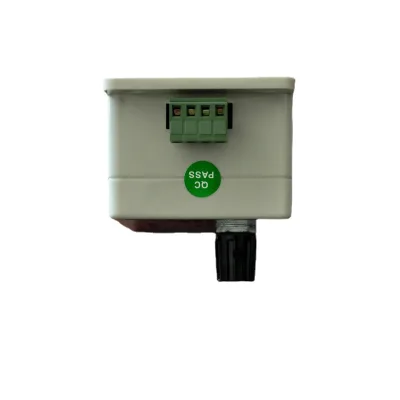
EMK-BZ127AJ is suitable for elevator holding power supply brake power supply accessories
$51.07 - $61.28
MOQ: 1 dozens
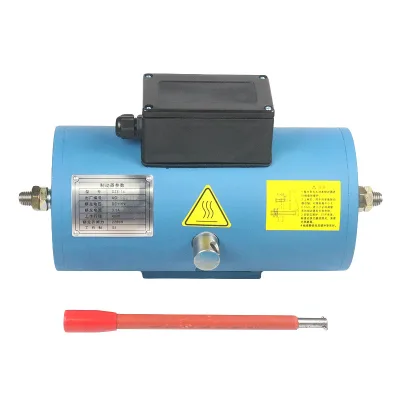
Popular elevator brake is suitable for the main engine holding brake
$400.00 - $500.00

- Verified by SGS
- Trading Company
- China Jiangsu
- Lead time30 days
Main productsElevator, Passenger Elevator, Villa Elevator, Goods Elevator, Dumbwaiter, Door Operator, Traction Machine, Passenger Lift, Obervastion Elevator, Elevator Parts
Main marketsAfrica,Southeast Asia/ Mideast,Australia,North America
TAIAN AVENCER TRADING CO., LTD.
- Trading Company
- shandong, China
- Lead time20 days
- Avg. response≤ 4h
Main productstower crane,concrete batching plant,workshop crane,constuction hoist,lift platform
Main marketsEastern Europe(30.00%), South America(20.00%), Southeast Asia(10.00%), Africa(10.00%), South Asia(5.00%), North America(3.00%), Northern Europe(3.00%), Central America(3.00%), Domestic Market(3.00%), Eastern Asia(3.00%), Mid East(3.00%), Oceania(3.00%), Southern Europe(2.00%), Western Europe(2.00%)

Shanghai Sunny Elevator Co., Ltd.
- Verified by TUVRHEINLAND
- Trading Company
- China Shanghai
- Lead time15 days
Main productsElevator Parts, Passenger Elevator, Escalator, Home Elevator, Elevator Push Button, Cop&Lop, Lift, Special Elevator, Freight Elevator, Sightseeing Elevator
Main marketsSouth America,Africa,Southeast Asia/ Mideast,Europe

Elevator Safety System Parts Hydraulic Oil Buffer Elevator Safety Brake
$30.00 - $100.00
MOQ: 1 Pieces


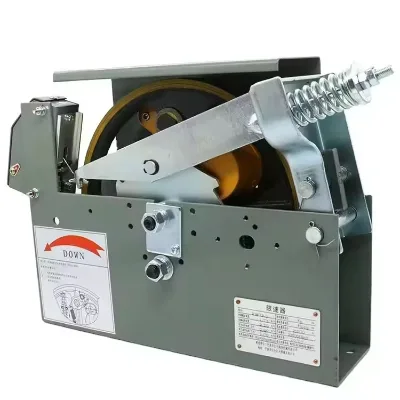
Elevator Rope Brake/Elevator Safety Parts Gear Speed Governor Rope Brake
$30.00 - $100.00
MOQ: 1 Pieces

Huzhou Longnuo Electromechanical Co., Ltd.
- Trading Company
- Zhejiang, China
- Lead time15 days
- Avg. response≤ 1h
Main productselevator,Elevator Parts,escalator,Escalator Parts,escalator step chain
Main marketsDomestic Market(20.00%), Mid East(15.00%), Oceania(15.00%), South Asia(15.00%), Southeast Asia(15.00%), Africa(10.00%), North America(5.00%), Eastern Asia(5.00%)
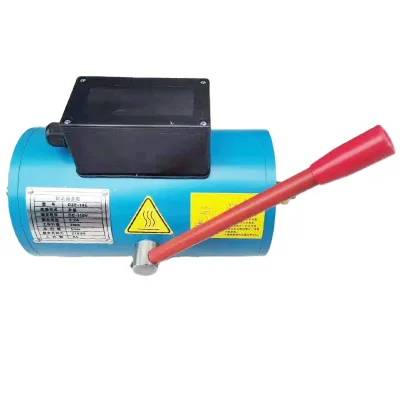
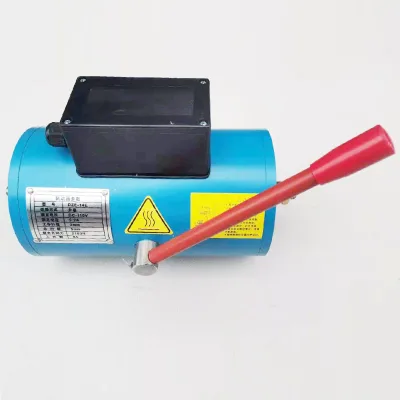
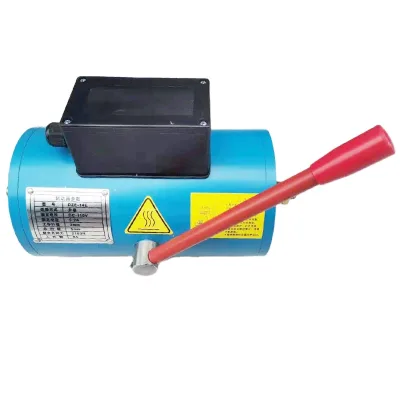
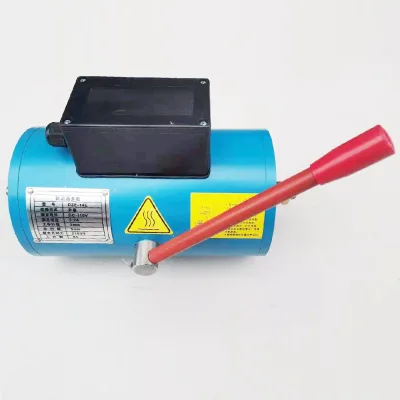
High Quality Electric Brake Coil Elevator Brake Device Safety Lock Brake
$30.35 - $80.93
MOQ: 1 Minimum
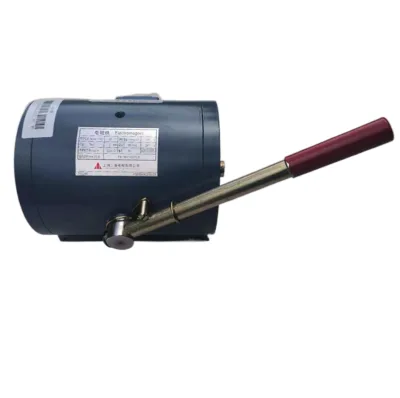
Mitsubishi Elevator Brake P101042A140G01L01 Elevator Safety Brakes
$400.00 - $450.00
Ningbo Jiangxuan Electromechanical Co., Ltd.
- Manufacturer, Trading Company
- Zhejiang, China
- Lead time15 days
- Avg. response≤ 2h
Main productsElevator Parts, Metal Parts
Main marketsSouth Asia(61.00%), Mid East(16.00%), Eastern Asia(7.00%), South America(6.00%), Southeast Asia(5.00%), Eastern Europe(3.00%), Oceania(2.00%)

Shaanxi Sanjin Elevator Fittings Co., Ltd.
- Verified by TUVRHEINLAND
- Trading Company,Manufacturer/Factory
- China Shaanxi
- Lead time120 days
Main productsElevator Part, Escalator Parts, Lift Spare Parts, Elevator Drive, Elevator PCB, Lift Door, Escalator Wheel, Escalator Handrail, Elevator Photocell, Elevator Machine
Main marketsSouth America,Eastern Europe,Mid East,North America,Southeast Asia,Eastern Asia,Oceania,Western Europe,Africa
- Verified by SGS
- Combined
- China Zhejiang
- Lead time15 days
Main productsElevators Lifts Passenger Elevator Home Lift, Bed Elevator Observation Elevator, Villa Elevators Glass Elevators
Main marketsDomestic

Sophisticated Elevator Lift for Office Buildings with Control System
$3000.00 - $6000.00
MOQ: 1 Pieces


Dezhou Longji Taihe Machinery Manufacturing Co., Ltd.
- Manufacturer, Trading Company
- Shandong, China
- Lead time30 days
- Avg. response≤ 1h
Main productsElevator accessories,Belt pulley of elevator door machine,Elevator guide shoe,Elevator slewing chain,Elevator rope head
Main marketsSouthern Europe(9.00%), Domestic Market(7.00%), South Asia(7.00%), North America(7.00%), Northern Europe(7.00%), Central America(7.00%), Western Europe(7.00%), Eastern Asia(7.00%), Mid East(7.00%), Oceania(7.00%), Africa(7.00%), Southeast Asia(7.00%), Eastern Europe(7.00%), South America(7.00%)

Bolin International Trade (Tianjin) Co., Ltd.
- Verified by TUVRHEINLAND
- Trading Company
- China Tianjin
- Lead time15 days
Main productsTower Crane, Excavator, Construction Elevator, Truck Mixer, Wheel Loader, Bulldozer, Road Roller, Car
Main marketsEurope

Construction Elevator Lift Building Construction Hoist High Quality
$10210.00 - $29900.00
MOQ: 1 Pieces


Nanjing Antu Elevator Parts Co., Ltd.
- Verified by SGS
- Trading Company
- China Jiangsu
- Lead time15 days
Main productsElevator Part, Door Inverter / Door Motor / Door Motor Bracket, Weighing Device / Weighing Probe, Compensation Chain / Compensation Chain Guide, Elevator Button / Button Wire / Elevator Key, Elevator Debugger / Diagnoster, Elevator Wire Rope / Rope Sock Assembly, Steel Belt / Hall Door Spring / Hall Door Wire, Elevator Light Curtain / Light Curtain Box, Elevator Switch Series / Leveling Sensor
Main marketsSouth America,Others(foreignTradeCapacity.exportBusinessCapacityMarketOther),Europe,Australia

Elevator Parts Non Machine Room Elevator Accessories Electric Brake Release Device
$53.50 - $105.00
MOQ: 1 Pieces


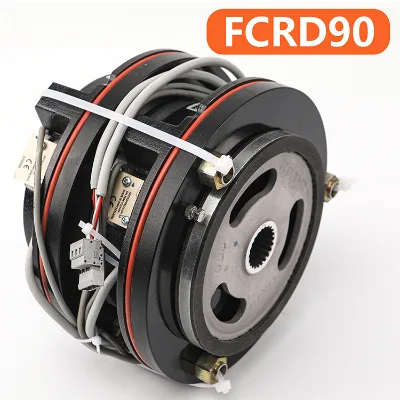
Elevator Spare Parts Elevator Main Machine Brake Fcrd90 for Hotel and Apartment
$1045.00 - $1245.00
MOQ: 1 Pieces


Taizhou Minghe Technology Co., Ltd.
- Verified by TUVRHEINLAND
- Trading Company,Manufacturer/Factory
- China Zhejiang
- Lead time23 days
Main productsElectric Chain Hoist Factory, European Electric Wire Rope Hoist Manufacturer, Electric Hoist & Crane Lifting Equipment, Crane Motor Wheel End Carriages Parts, Explosion-Proof Electric Hoist, Air Pneumatic Hoist /Manual Hoist, Passenger Escalator Freight Elevator, Elevator Escalator Cargo Lift Spare Parts
Main marketsSouth America,Eastern Europe,Mid East,North America,Southeast Asia,Eastern Asia,Oceania,Western Europe,Africa

- Verified by BV
- Trading Company
- China Jiangsu
- Lead time30 days
Main productsElevator Lift Parts, Elevator Guide Rail, Elevator Cabin, Elevator Safety Component, Elevator, Passenger Elevator, Elevator Door, Traction Machine, Step Monarch Control Cabinet, Electrical System
Main marketsAfrica,Southeast Asia/ Mideast,Australia,North America
- Trading Company
- Jiangsu, China
- Lead time5 days
- Avg. response≤ 3h
Main productsElevator Spare Parts,Escalator Spare Parts,Home Lift,Escalator,Components
Main marketsSouth Asia(16.67%), Southeast Asia(16.67%), North America(16.67%), Eastern Asia(13.00%), Mid East(13.00%), South America(13.00%), Eastern Europe(5.00%), Western Europe(5.00%), Southern Europe(0.99%)
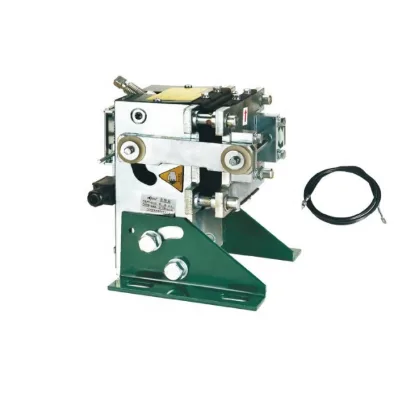
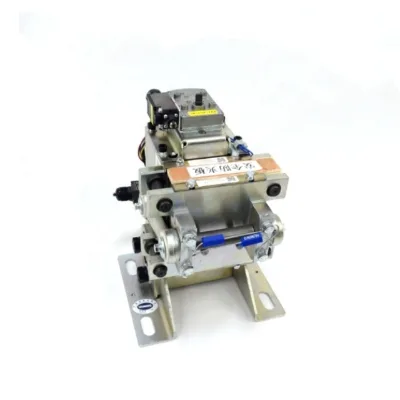
CE Elevator Rope Brake With UCMP & ACOP for Modernization Safety Gear
$500.00 - $800.00
MOQ: 1 Minimum

- Trading Company
- Shaanxi, China
- Lead time7 days
- Avg. response≤ 3h
Main productselevator parts,escalator parts,elevator spare parts,escalator spare parts,elevator pcb
Main marketsMid East(20.00%), Southeast Asia(20.00%), South Asia(15.00%), South America(15.00%), Africa(5.00%), Southern Europe(5.00%), Northern Europe(5.00%), Western Europe(5.00%), Eastern Asia(5.00%), Eastern Europe(5.00%)

Shenzhen Potential Industries Co., Ltd.
- Manufacturer/Factory
- China Guangdong
- Lead time30 days
Main productsTower Crane, Construction Hoist, Mast Climbing Work Platform
Main marketsSouth America,Eastern Europe,Mid East,North America,Southeast Asia,Eastern Asia,Oceania,Western Europe,Africa

- Verified by SGS
- Trading Company
- China Shaanxi
- Lead time45 days
Main productsElevator Inverter, Elevator Parts, Escalator Parts, Lift Drive, Elevator Traction Machine, Elevator Encoder, Elevator Board
Tecnova Elevator (Suzhou) Co., Ltd.
- Verified by SGS
- Trading Company,Manufacturer/Factory
- China Jiangsu
- Lead time0 days
Main productsHome Elevator, Platform Lift, Circular Lift, Passenger Elevator, Panoramic Elevator, Cargo Lift, Escalator, Moving Walk, Chair Lift
- Trading Company
- Shaanxi, China
- Lead time3 days
- Avg. response≤ 5h
Main productsElevator / Escalator Parts,Elevator motor,Elevator board,Escalator parts,Elevator inverter
Main marketsSoutheast Asia(38.10%), Eastern Europe(33.50%), South Asia(16.20%), Mid East(11.60%), Eastern Asia(0.30%), Western Europe(0.30%)

Ascend Fuji Elevator (Suzhou) Co., Ltd
- Verified by TUVRHEINLAND
- Trading Company,Manufacturer/Factory
- China Jiangsu
- Lead time0 days
Main productsElevator Parts Lift Components, Complete Lift Package, Door System, Door Operator, Lift Modernization, Elevator Cable, Traction Machine, Elevator Upgrading, PVC Single Core Wire, Elevator Machine
Main marketsSouth America,Eastern Europe,Mid East,Eastern Asia,Western Europe,Africa


Good Price Elevator Parts Lift Speed Limiter Safety Device Gear Box Brake
$1.99 - $149.99
MOQ: 1 Pieces


Xi 'an Aojin Building Equipment Engineering Co., Ltd.
- Trading Company
- Shaanxi, China
- Lead time25 days
- Avg. response≤ 2h
Main productsPASSENGER ELEVATOR,VILLA ELEVATOR,FREIGHT ELEVATOR,PANORAMIC ELEVATORELEVATOR,ELEVATOR PARTS
Main marketsMid East(39.00%), Southeast Asia(16.00%), Africa(8.00%), South America(8.00%), Eastern Europe(8.00%), Oceania(6.00%), Eastern Asia(4.00%), South Asia(3.00%), Southern Europe(2.00%), Northern Europe(2.00%), Domestic Market(1.00%), Central America(1.00%), Western Europe(1.00%), North America(1.00%)








Comprehensive Sourcing Guide
Office Building Elevator Brake Supplier Concentration and Factory Types
Current supplier data indicates a concentration of manufacturing and trading entities within specific Chinese provinces, with Fujian and Jiangsu emerging as notable hubs for elevator components and construction machinery. Suppliers in Fujian often list main products including construction hoists, building lifts, and safety devices, suggesting a localized ecosystem for vertical transportation hardware. Meanwhile, Jiangsu-based entities frequently specialize in elevator guide rails, precision CNC machining parts, and rope brakes, indicating a distinct cluster for high-precision elevator safety systems. Shanghai also appears as a location for suppliers offering safety devices and driving devices, though the data shows a mix of trading companies and manufacturers in this region.
The supplier landscape includes a variety of company types, ranging from combined entities that handle both manufacturing and trading to pure trading companies and specialized manufacturers. Some suppliers in the results are identified as having OEM capabilities, while others focus on own-brand production or offer ODM services. This diversity means buyers must distinguish between a factory that produces the brake mechanism and a trading company that sources it from multiple origins. The presence of combined company types suggests some suppliers may manage the entire supply chain internally, whereas others rely on external networks to fulfill orders for elevator safety components.
How to Verify Office Building Elevator Brake Suppliers
Verification of supplier credentials requires checking for specific certifications and third-party validations that confirm operational legitimacy. In the observed data, some suppliers display ISO 9001 system certification, which is a standard benchmark for quality management in manufacturing environments. Additionally, verification badges such as TUVRHEINLAND appear for certain entities, providing an external layer of trust regarding their business practices and product safety. Buyers should prioritize suppliers who explicitly list these certifications in their profile rather than assuming compliance based on product descriptions alone. The absence of a certification label in the data does not necessarily imply non-compliance, but it requires the buyer to request proof directly.
Beyond certifications, buyers must assess the supplier's capacity for research and development and their ability to customize products. The data shows varying levels of R&D capacity, with some suppliers offering OEM and ODM services while others focus on their own brands. This distinction is critical for office building projects that may require specific brake specifications or integration with existing elevator systems. Suppliers claiming customization capabilities should be asked to provide examples of previous work or technical drawings to validate their engineering competence. Furthermore, the presence of specific product attributes like deceleration devices and attendant requirements in the product data serves as a tangible indicator of the supplier's technical depth and product range.
What to Compare Across Office Building Elevator Brake Suppliers
When evaluating potential partners, buyers should compare lead times, minimum order quantities, and pricing structures to ensure alignment with project schedules and budget constraints. The observed data reveals significant variation in lead times, with some suppliers indicating a 15-day turnaround while others suggest 23 days. Minimum order quantities also differ, ranging from single-unit orders to requirements of ten pieces or more, which impacts the feasibility of small-scale procurement or emergency replacements. Price ranges are equally diverse, with some products listed at lower price points while others command higher costs based on load capacity, drive mode, or specific safety features like microcomputer control.
Comparing product specifications is equally vital, as office building elevators often have unique requirements regarding speed, load capacity, and safety mechanisms. The data highlights products with varying load capacities, such as 1000kg or 1T-2T, and different drive modes including hydraulic and electric motor systems. Buyers must ensure that the supplier's product attributes match the specific elevator model and safety standards of their building. Additionally, the presence of customization options and specific certifications like CE or ISO9001 on individual products should be cross-referenced with the supplier's overall profile. This detailed comparison helps identify suppliers who can meet the precise technical demands of the project rather than offering generic solutions.
Common Office Building Elevator Brake Sourcing Risks
One significant risk in sourcing elevator brakes involves the potential mismatch between product specifications and actual building requirements. The data shows products with varying drive modes and control types, such as microcomputer control versus mechanical triggering, which may not be compatible with all elevator systems. Buyers face the risk of ordering a brake that lacks the necessary deceleration device or speed rating for their specific application, leading to installation failures or safety hazards. Without verifying the exact compatibility of the product model, such as SC200/200 or SAJ30-1.2, with the existing elevator infrastructure, the procurement process can result in costly delays and the need for reordering.
Another risk stems from the variability in supplier reliability and the lack of standardized verification across the market. While some suppliers display third-party verification badges, others may not have any visible credentials or certifications listed in their profiles. This inconsistency makes it difficult to assess the true quality and safety standards of the products being offered. Buyers must be cautious of suppliers who do not provide clear information about their production processes or quality control measures. The absence of detailed product evidence, such as specific test results or compliance with international standards like ISO7465, increases the risk of receiving substandard components that could compromise the safety of the office building's vertical transportation system.
Office Building Elevator Brake Regional Sourcing and Logistics
Regional sourcing strategies should account for the geographic distribution of suppliers and the associated logistics implications. The data indicates that suppliers are concentrated in provinces like Fujian, Jiangsu, and Shanghai, each offering different advantages in terms of product specialization and shipping efficiency. Fujian-based suppliers often focus on construction hoists and building lifts, while Jiangsu entities specialize in elevator parts and precision machining. Buyers should consider the proximity of the supplier to the project site or the port of entry to minimize shipping costs and transit times. Understanding the regional strengths of these clusters can help in selecting a supplier that offers the best balance of product quality and logistical convenience.
Logistics planning must also consider the packaging and shipping requirements of the specific brake components. The data shows that products are packed in various formats, including plastic film, export-applicable trays, and wooden cases, depending on the supplier and product type. These packaging differences can affect the handling, storage, and transportation of the goods, particularly for heavy-duty safety clamps or large brake assemblies. Buyers should verify the packaging standards with the supplier to ensure that the products will arrive in good condition and meet any specific import regulations. Additionally, the lead time provided by the supplier should include the time required for packaging and shipping, ensuring that the delivery schedule aligns with the project timeline.
Office Building Elevator Brake Commercial Terms and Order Planning
Commercial terms and order planning are critical for managing the financial and operational aspects of the procurement process. Buyers should carefully review the minimum order quantities and pricing tiers to optimize their purchasing strategy. The data indicates that some suppliers offer low MOQs, allowing for flexible ordering, while others require larger volumes, which may necessitate bulk purchasing or consortium buying. Understanding these terms helps in negotiating better prices and ensuring that the order volume aligns with the project's budget and inventory needs. Additionally, buyers should clarify the payment terms and any escrow options available to protect their financial interests during the transaction.
Order planning must also account for the customization and lead time requirements of the specific brake components. The data shows that customization is available for many products, but this may extend the lead time beyond the standard production period. Buyers should confirm the timeline for custom orders and ensure that the supplier can meet the project's deadline. Furthermore, the availability of specific product models and attributes, such as the SC200/200 or SAJ30-1.2, should be verified to avoid delays caused by stock shortages or production bottlenecks. By planning ahead and communicating clearly with the supplier, buyers can mitigate risks and ensure a smooth procurement process for their Office Building Elevator Brake needs.
FAQs
What is the price range for construction hoist safety brakes?
Prices for construction hoist safety brakes range from 350 to 450 dollars for basic units. More complex models like the sc200/200 spare parts cost between 10,000 and 40,000 dollars. Specific anti-fall devices for building elevators are priced between 460 and 500 dollars depending on the model and specifications required.
What are the lead times for ordering these safety devices?
Lead times for these construction hoist components vary by supplier location. One supplier in Fujian offers a lead time of 23 days for their building hoist products. Another supplier based in Shanghai provides a faster turnaround with a lead time of 15 days for their safety brake units and related elevator parts.
What certifications do these elevator safety brakes hold?
Some elevator safety brake products carry CE and ISO9001 certifications as standard. One supplier in Jiangsu holds ISO 9001 system certification and has been verified by TÜV Rheinland. Other products may list SGS standards or have no specific certification listed, so verifying the exact certificate for your order is essential.
What is the minimum order quantity for these brake parts?
Minimum order quantities vary significantly depending on the specific product type. Some high-quality building construction hoist units have a minimum order of just one piece. However, specialized elevator rope brakes and safety gears often require a minimum order of ten pieces to qualify for the listed pricing tiers.
Where are these construction hoist manufacturers located?
Manufacturers of these safety devices are primarily located in China. Specific facilities are found in Fujian, Jiangsu, and Shanghai provinces. Products originate from cities like Fuzhou in Fujian and Shanghai, ensuring availability of various construction hoist and elevator brake components from these key industrial regions.
What load capacities do these safety brakes support?
Load capacities for these safety systems range from 1 ton to 2 tons for general construction hoists. Specific elevator rope brakes and safety gears are rated for 1000kg loads suitable for public traffic. Some heavy-duty lift safety clamps support a rated braking load of 60 kilonewtons for high-capacity applications.
Can these elevator parts be customized for specific models?
Customization is available for many of these construction hoist and elevator components. Buyers can request specific models like SAJ30-1.2 or SAJ40-1.2A for their needs. Color and specific packing requirements can also be adjusted, allowing suppliers to tailor the safety brake units to match existing machinery specifications.