Energy Saving Lotus Stage Lamp Suppliers and Manufacturers
Source 28 verified Energy Saving Lotus Stage Lamp suppliers from China Zhejiang and Guangdong. Compare ISO 9001 certifications, CE/RoHS standards, lead times, and pricing to find the right partner. Contact suppliers directly to request quotes and verify production capabilities.
Suppliers List

Hangzhou Pumpkin Electric Appliance Co., Ltd.
- Trading Company,Manufacturer/Factory
- China Zhejiang
- Lead time150 days
Main productsLED Bulb, LED Lamp, Energy Saving Lamp, LED Panel Light, LED Tube Light, LED Flood Light, LED Street Light, LED Solar Light, LED Filament, LED Batten Light
Main marketsSouth America,Eastern Europe,Mid East,Southeast Asia,Eastern Asia,Western Europe,Africa

Jiangmen Gepsen Lighting Electric Co., Ltd.
- Combined
- China Guangdong
- Lead time30 days
Main productsLED Bulb, LED Panel Lamp, LED Strip Light, LED Tube, LED Flood Lamp, LED Ceiling Light, LED Filament /Candle Light, LED Down Light, Energy Saving Light
Main marketsSouth America,Africa,Southeast Asia/ Mideast


Party Spril CFL Energy Saving Lamp
MOQ: 500 Pieces

4u Lotus Energy Saving Light Lamp with Price
MOQ: 5000 Pieces

High Quality Lotus Shape Energy Save Lighting
MOQ: 5000 Pieces

Guangzhou Lingyue Stage Lighting Equipment Co., Ltd.
- Verified by TUVRHEINLAND
- Combined
- China Guangdong
- Lead time15 days
Main productsMoving Head, Stage Light, Stage Lighting, LED PAR Light, Beam Light, Beam Spot Wash, Moving Head Light, Search Light, LED Moving Head Light, LED Wall Washer Light
Main marketsDomestic
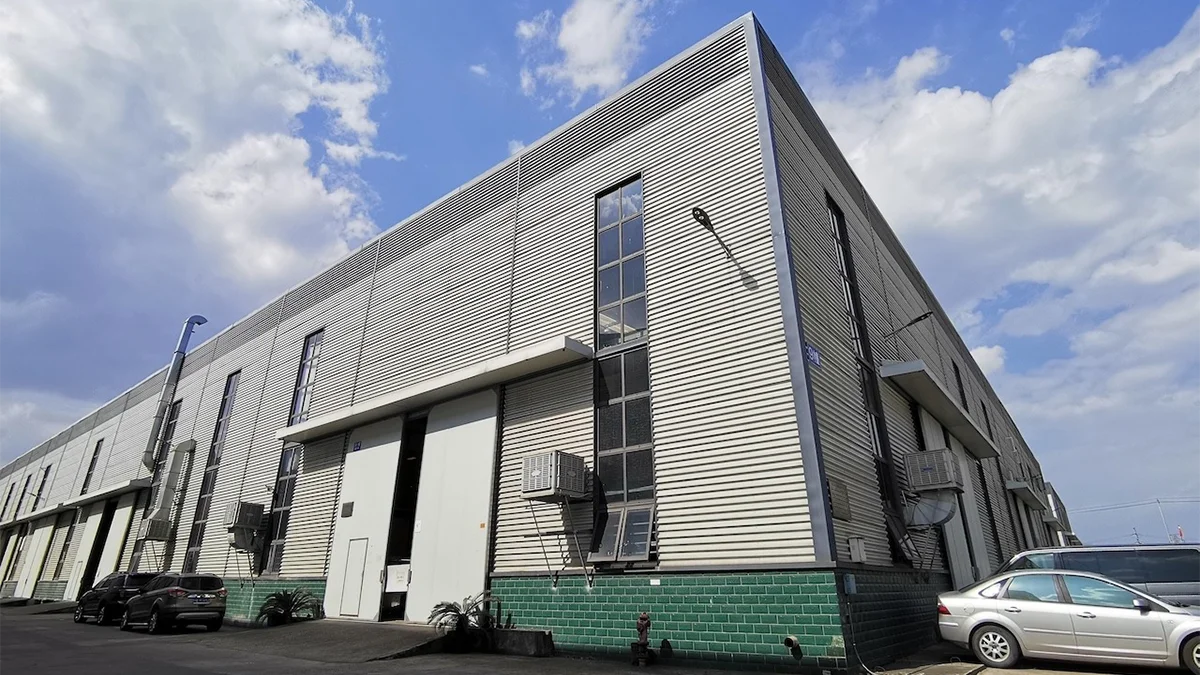
Sichuan Alily Culture Technology Co., Ltd.
- Trading Company
- Sichuan, China
- Lead time15 days
- Avg. response≤ 11h
Main productsWedding Centerpiece,Candle holders,Wedding arch,Road lead/wedding lights,Cake Stand
Main marketsNorth America(41.00%), Domestic Market(20.00%), Southeast Asia(10.00%), Mid East(10.00%), Western Europe(8.00%), South America(5.00%), Africa(4.00%), Eastern Europe(2.00%)
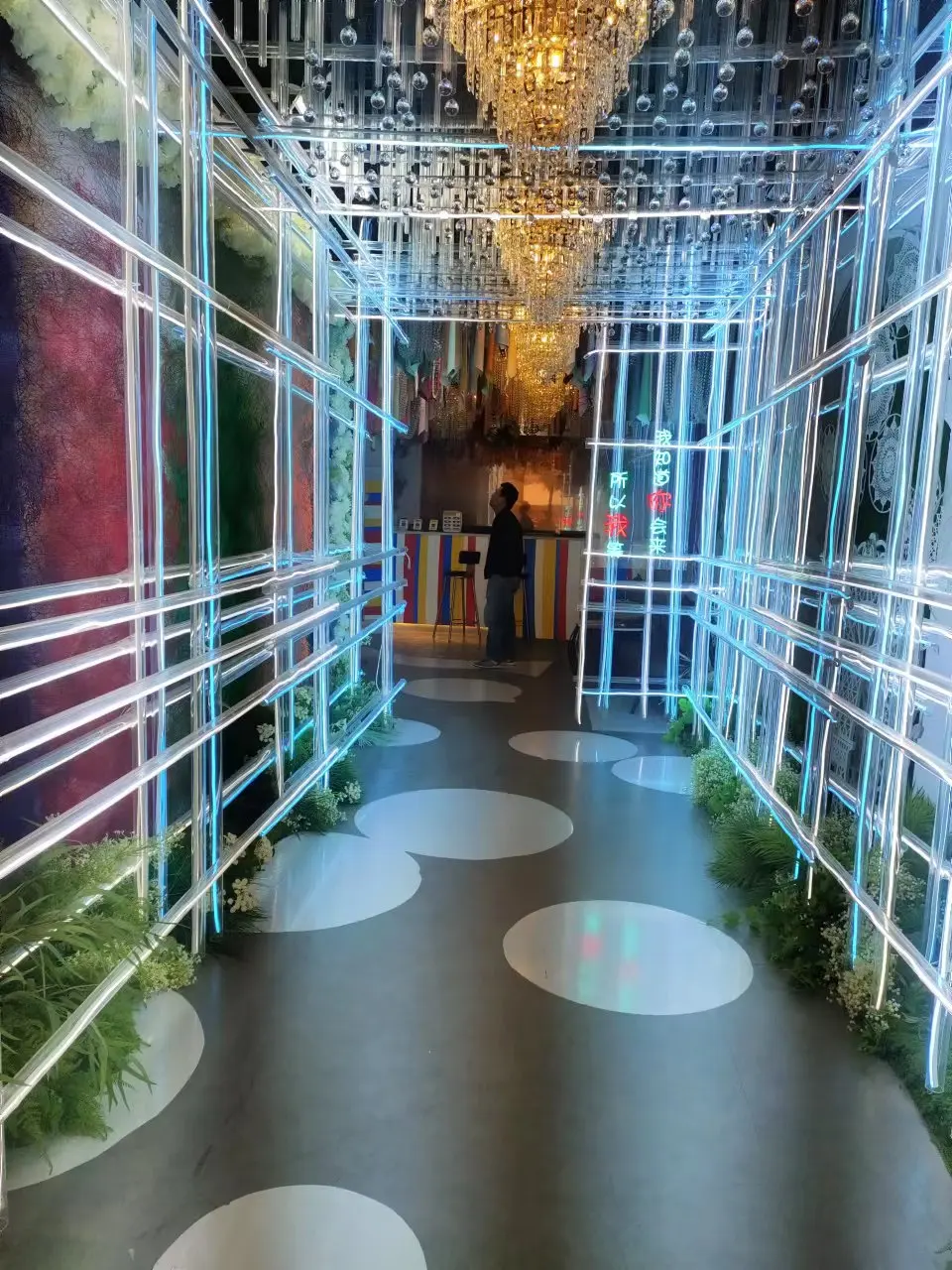
Anhui Wedding Arts & Crafts Co., Ltd.
- Manufacturer, Trading Company
- Anhui, China
- Lead time15 days
- Avg. response≤ 4h
Main productswedding supplies,wedding flowers,wedding chandelier,wedding background,wedding guide
Main marketsSoutheast Asia(37.00%), North America(10.00%), Eastern Europe(10.00%), South America(10.00%), Central America(8.00%), Western Europe(5.00%), Eastern Asia(4.00%), Southern Europe(4.00%), Mid East(3.00%), South Asia(2.00%), Northern Europe(2.00%), Oceania(2.00%), Domestic Market(2.00%), Africa(1.00%)
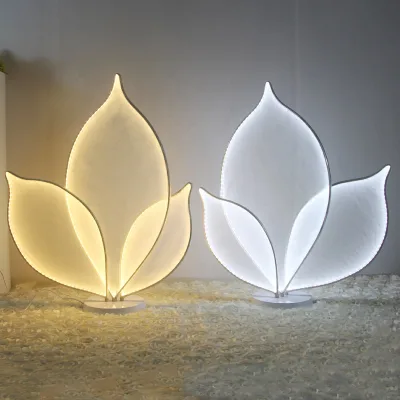
Acrylic Lotus Leaf Pendant Lamp Ceiling Lamp Wedding Hall Stage Layout Props Decorative Lights
$18.00 - $20.00
MOQ: 4 pieces
Zhongshan Hedihui Technology Co., Ltd.
- Trading Company
- Guangdong, China
- Lead time5 days
- Avg. response≤ 7h
Main productsneon light,emergency bulb,floodlight,led modules,strip light
Main marketsNorth America(50.00%), Mid East(30.00%), Eastern Asia(20.00%)
Foshan Canhong Technology Co., Ltd.
- Verified by BV
- Combined
- China Guangdong
- Lead time30 days
Main productsStage Light
Main marketsDomestic

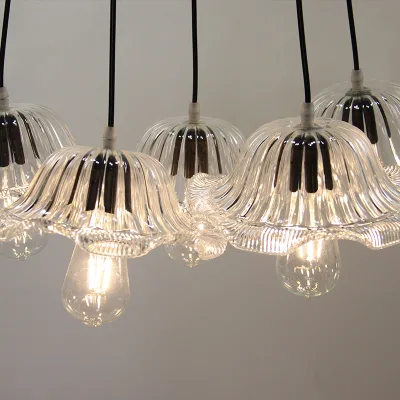
Wholesale Pricing Flicker-Free Retro Four-Bulb Lamp for Stage Performances
$88.00 - $118.00
MOQ: 1 Pieces


Guangzhou MINGXUAN Stage Light Equipment CO.,LTD
- Verified by CTI
- Trading Company,Manufacturer/Factory
- China Guangdong
- Lead time38 days
Main productsMoving Head Light, Line Array Speaker, Truss Stage, Tent, Microphone, LED Screen, Mixer, LED PAR Can, LCD Screen, Small Speaker
Main marketsSouth America,Eastern Europe,Mid East,North America,Southeast Asia,Eastern Asia,Oceania,Western Europe,Africa


Animal Modeling Waterproof Decorative Lamp LED Luminous Light Festival Decoration
$15.00 - $146.00
MOQ: 1 Pieces

Jiangmen Hezhongyi Technology Co., Ltd
- Manufacturer, Trading Company
- guangdong, China
- Lead time7 days
- Avg. response≤ 8h
Main productsLED STRIP LIGHT,POWER SUPPLY,SOLAR SYSTEM,LED COB STRIP,LED MODULES
Main marketsMid East(20.00%), Southeast Asia(16.00%), South America(15.00%), Eastern Asia(10.00%), South Asia(5.00%), Western Europe(5.00%), Eastern Europe(5.00%), North America(5.00%), Oceania(5.00%), Africa(5.00%), Central America(3.00%), Southern Europe(3.00%), Northern Europe(3.00%)

GUANGZHOU MS LIGHTING CO., LIMITED
- Combined
- China Guangdong
- Lead time15 days
Main productsLED Light, Moving Head Light, Stage Light, Professional Light, Scan Light, Smoke Machine, Follow Spot, Laser Light, LED Stage Light, Disco Light
Main marketsSouth America,Southeast Asia/ Mideast,Europe


Audience Light / Stage Light (PL W011A)
MOQ: 1 Pieces


- Manufacturer
- China Guangdong
- Lead time15 days
Main productsChandelier, Crystal Chandelier, Ceiling Light, Pendant Light, Wall Light, Table Light, Floor Light, Modern Chandelier, LED Chandelier, Pendant Lamp
Main marketsEurope,North America

Guangzhou Sanfei Stage Lighting Co., Ltd
- Verified by BV
- Manufacturer/Factory
- China Guangdong
- Lead time15 days
Main productsMoving Head Light, LED Stage Light, LED Moving Head Spot Light, LED PAR Light, LED Effect Light, LED Waterproof Light, LED Auto-Show Light, Laser Light, LED Matrix Light, LED Beam Light
Main marketsSouth America,Eastern Europe,Mid East,North America,Southeast Asia,Eastern Asia,Oceania,Western Europe,Africa

Rotating Laser Light Moving Head Light Auto Sound Controlled Atmosphere Stage Lighting
$114.72 - $132.35
MOQ: 1 Pieces

$153.85 - $169.23
MOQ: 1 Pieces

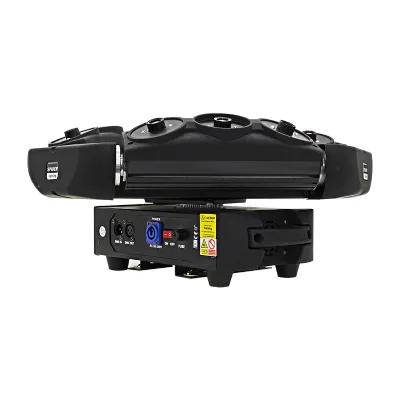
9 Bird Shaking Head 9X10W Light Stage Lamp Professional Stage Lighting
$139.99 - $169.99
MOQ: 1 Pieces

1W 2W 3W 5W RGB Full Color Animation Laser Light DJ Stage Effect Light
$120.59 - $161.76
MOQ: 10 Pieces

Guangzhou Ao Mei Di Stage Lighting Equipment Co., Ltd.
- Combined
- China Guangdong
- Lead time15 days
Main productsStage Lighting Moving Head Light Beam Light
Main marketsSouth America,Africa,Southeast Asia/ Mideast,East Asia(Japan/ South Korea),Europe,Australia,North America

Guangzhou X Lighting Co., Limited
- Verified by SGS
- Combined
- China Guangdong
- Lead time15 days
Main productsKinetic Lights, Moving Head Lights, LED Moving Head Light, LED Screen Display, Effect Light, LED Dance Floor, Pixel Light, Laser Light, Stage Equipments, Stage Light
Main marketsSouth America,Southeast Asia/ Mideast,East Asia(Japan/ South Korea),Europe,Australia,North America
Shenzhen Qianhai Baihuixin Invest Industry Company Limited
- Trading Company
- Guangdong, China
- Lead time15 days
- Avg. response≤ 2h
Main productsProjector Lamp,Flood Lights,Landscape Lamp,Motif Light,Chandelier Lights
Main marketsNorth America(25.00%), Southeast Asia(15.00%), Western Europe(15.00%), Eastern Europe(10.00%), Eastern Asia(8.00%), Africa(5.00%), Southern Europe(5.00%), Oceania(5.00%), Mid East(4.00%), Northern Europe(3.00%), South America(3.00%), South Asia(1.00%), Central America(1.00%)

Guangzhou Geliang Lighting Technology Co., Ltd.
- Verified by SGS
- Combined
- China Guangdong
- Lead time15 days
Main productsLED Stage Light/Stage Lighting, LED Stage Lighting, LED Dance Floor, DMX Controller, LED Indoor and Outdoor Display Screen, LED PAR Can/LED PAR Light, Moving Head Light, LED Wall Washer, LED DMX Tube, LED Moving Head Light
Main marketsAfrica,Southeast Asia/ Mideast,Europe,Australia,North America

- Verified by SGS
- Combined
- China Guangdong
- Lead time15 days
Main productsLED Wall Washer Light, LED Floodlight, Outdoor LED Spotlight, LED Inground Light, LED Underwater Light, LED Outline Linear Light, LED Downlight, LED Ceiling Light
Main marketsSoutheast Asia/ Mideast

Zhongshan City Zhi Yi Lighting Co., Ltd
- Verified by BV
- Combined
- China Guangdong
- Lead time23 days
Main productsLighting, Chandelier, Pendant Light Pendant Lamp, Ceiling Light Ceiling Lamp, Table Lamp Desk Light, Floor Lamp Floor Light, LED Light LED Lighting, Wall Lamp Wall Light, Downlight, Crystal Chandelier
Main marketsAfrica,Southeast Asia/ Mideast,Domestic,North America


$41.00 - $110.00
MOQ: 2 Pieces

Changzhou Eagle International Trade Corp.
- Trading Company
- China Jiangsu
- Lead time23 days
Main productsTV Bracket, Solar Power System, Solar Light, Solar System, Battery Charger, Power Inverter, Solar Controller, LED Light, LED Screen, Module
Main marketsSouth America,Eastern Europe,Mid East,North America,Southeast Asia,Eastern Asia,Oceania,Western Europe,Africa

Guangzhou Star Light Stage Light Limited Company
- Manufacturer
- Guangdong, China
- Lead time15 days
- Avg. response≤ 4h
Main productsProfessional Lighting,Indoor Lighting,Stage Lights,Celebrate Lights,Commercial Lights
Main marketsSouth Asia(10.00%), Central America(10.00%), Southeast Asia(10.00%), Mid East(10.00%), South America(10.00%), North America(10.00%), Domestic Market(5.00%), Oceania(5.00%), Southern Europe(5.00%), Northern Europe(5.00%), Africa(5.00%), Western Europe(5.00%), Eastern Asia(5.00%), Eastern Europe(5.00%)
Shenzhen Toprex Festival Decoration Co., Ltd.
- Verified by SGS
- Combined
- China Guangdong
- Lead time15 days
Main productsDecorative String Lights, Motif Lighting, Sculpture Arts, LED Tree / Artificial Tree, Festoon Lighting, LED Rope Lights / Neon Lights / Strip Lights, Flower Stem Lighting, Commercial Event Planning
Main marketsEurope,Australia,North America
Guangzhou lotus Lighting Co., Ltd.
- Verified by SGS Group
- Manufacturer, Trading Company
- Lead time5 days
- Avg. response≤ 5h
Main productsLED Stage Lighting, Dancing Floor, LED Display Screen, 3D Holographic Fan, Controller
Main marketsSouth America(25%), North America(20%), Mid East(15%)
Ballet Star Technology (Guangzhou) Co., Ltd.
- Manufacturer, Trading Company, Distributor/Wholesaler
- Guangdong, China
- Lead time10 days
- Avg. response≤ 3h
Main productsSpecial effect equipment,Entertainment equipment,stage lighting,Intelligent electric appliance,Disinfection products
Main marketsMid East(20.00%), Northern Europe(20.00%), South America(20.00%), North America(20.00%), Western Europe(6.00%), Oceania(5.00%), Eastern Europe(5.00%), Eastern Asia(4.00%)

Shanghai Colorbo Industrial Co., Ltd.
- Verified by TUVRHEINLAND
- Combined
- China Shanghai
- Lead time15 days
Main productsAcoustic Panel, Wall Panel, Office Partition, Lampshade, Desk Screen, Meeting Space, Pet Supplies, Props Supplies, Storage, Phone Booth
Main marketsSoutheast Asia/ Mideast,Europe,North America

Eco Protction, Sound Absorption, Flame Retardant Practical Function Decoration Lamp
$310.00 - $317.00
MOQ: 20 Pieces

High Quality Soundproof Modern Design Practical Function Decoration Lamp
$310.00 - $317.00
MOQ: 20 Pieces

ISO Certified Soundproof Practical Function Decoration Lamp with Cheap Price
$310.00 - $317.00
MOQ: 20 Pieces

Sound Absorption Flame Retardant Environmental Protection Pendant Lamp with High Quality
$60.00 - $64.00
MOQ: 20 Pieces
Yangzhou Jieyao Lighting Equipment Co., Ltd
- Verified by SGS
- Combined
- China Jiangsu
- Lead time15 days
Main marketsAfrica,Southeast Asia/ Mideast,Europe,North America

JIANGSU BRIGHT NEW LIGHT SOURCE CO., LTD
- Manufacturer/Factory
- China Jiangsu
- Lead time0 days
Main productsNeon Lamp, Polocrystalline Solar Panel, Signal Light, Neon Light, Miniature Lamp, Indicator Light, Monocrystalline Solar Panel, Solar PV Moudle, LED, LED Light
Ningbo Hengboyi Lamp Co., Ltd.
- Verified by SGS
- Combined
- China Zhejiang
- Lead time15 days
Main productsString Lights
Main marketsNorth America
Guangzhou Guangying Performing Arts Equipment Co., Ltd.
- Verified by TüVRheinland
- Manufacturer, Trading Company
- Lead time7 days
- Avg. response≤ 2h
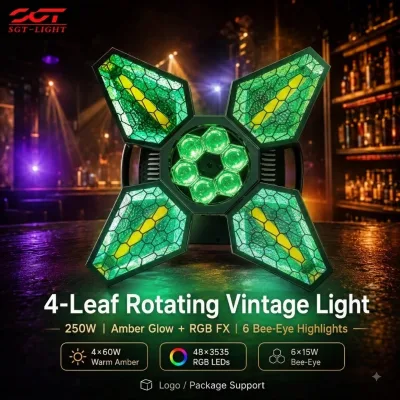
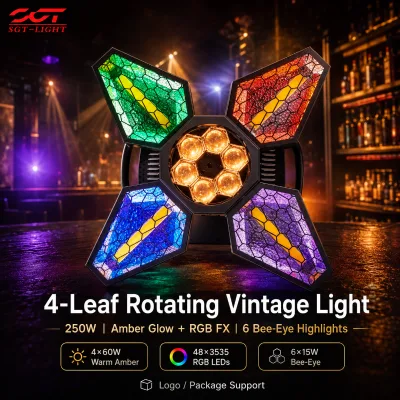
Main productsRetro Light, Strobe Light, Bee Eyes Light, Laser Light, Wall Wash Light
Main marketsNorth America(39%), Western Europe(10%), South Asia(10%)












Comprehensive Sourcing Guide
Energy Saving Lotus Stage Lamp Supplier Concentration and Factory Types
The current supplier landscape for energy saving lotus stage lamps reveals a distinct concentration of manufacturing and trading entities within China, specifically in the Zhejiang and Guangdong provinces. Fact-based observations indicate that suppliers in Zhejiang operate as both trading companies and manufacturers, often listing extensive product lines that include LED bulbs, panel lights, and various energy-saving lamps alongside the specific lotus-shaped CFLs. These entities frequently cite ISO 9000 and ISO 9001 system certifications, suggesting a baseline of quality management adherence in that region. Conversely, suppliers located in Guangdong present a different operational profile, often categorized as combined entities capable of both Original Design Manufacturing and Original Equipment Manufacturing. These Guangdong-based sources may not always display standard system certifications in their public profiles, requiring buyers to look deeper into their specific factory capabilities rather than relying solely on general corporate labels.
When assessing the factory types available for this specific product category, buyers must distinguish between pure trading firms and those with direct production lines. The data shows that some suppliers offer their own brands alongside OEM services, indicating a capacity for customization and private labeling. Others focus strictly on trading, aggregating products from various factories to offer a broader catalog of lighting solutions. The presence of specific product attributes, such as the 5U shape or flower designs, often correlates with the supplier's primary product focus. A supplier listing "LED Bulb" and "Energy Saving Lamp" as main products alongside lotus shapes suggests a diversified lighting factory, whereas a supplier focusing solely on decorative lighting might offer a more specialized range. Understanding this distinction is critical for determining whether a supplier can handle complex customization requests or if they are merely reselling standard inventory.
How to Verify Energy Saving Lotus Stage Lamp Suppliers
Verifying the legitimacy and capability of suppliers for energy saving lotus stage lamps requires a rigorous examination of the specific product evidence provided in their listings. Buyers should scrutinize the detailed product attributes, such as the specific model numbers like PK-LT-65 or ZYT08, which often correspond to unique manufacturing standards. The presence of certifications like CE and RoHS in the product properties is a strong indicator of compliance, but these must be cross-referenced with the supplier's overall system certifications. For instance, a supplier claiming ISO 9001 certification should have that reflected in their company profile, not just on individual product pages. If a supplier lists "NIL" for system certifications, as seen in some Guangdong-based results, the buyer must request direct proof of their quality control processes before proceeding with any order.
Beyond certifications, verifying the origin and production capacity is essential for ensuring supply chain reliability. The product evidence often includes specific origin details, such as Hangzhou, China, or general references to China, which helps in mapping the supply chain. Buyers should verify the lead times provided, noting that some suppliers offer a 30-day turnaround while others may require up to 150 days for production. This variance often reflects the difference between stock availability and custom manufacturing cycles. Additionally, checking the response time and the ability to provide samples is a practical step in verification. A supplier that can quickly provide detailed specifications for a 65W or 105W lotus lamp demonstrates a higher level of operational readiness. Buyers should also confirm the customization availability, as this is a key differentiator between a standard reseller and a capable manufacturer.
What to Compare Across Energy Saving Lotus Stage Lamp Suppliers
When comparing suppliers for energy saving lotus stage lamps, the primary focus should be on the tangible commercial and operational metrics available in the search results. Key dimensions for comparison include the minimum order quantity (MOQ), which varies significantly from 2,000 units to 5,000 units depending on the supplier and the specific product model. Price ranges also differ, with some listings showing a minimum of $2.05 and others extending up to $10.00, reflecting variations in power output, such as 65W versus 105W, or differences in packaging and certification standards. Buyers must analyze these price points in the context of the MOQ to determine the true cost per unit for their specific order volume. A lower price with a high MOQ might be less attractive than a slightly higher price with a more flexible order threshold.
Lead time and response capabilities are equally critical factors in the comparison process. Some suppliers indicate a lead time of 30 days, while others list 150 days, a difference that can drastically impact project timelines and inventory planning. The ability to offer customization, such as specific shell types or color temperatures, should be weighed against the supplier's established capacity for OEM and ODM services. Additionally, the warranty terms, consistently listed as one year in the provided data, serve as a baseline for quality assurance, but buyers should verify if this applies to all models or only specific ones. The main product focus of the supplier, whether they prioritize LED solutions or traditional CFLs, also influences their expertise and inventory depth for lotus stage lamps. A supplier with a broad range of lighting products may offer better cross-category support, while a specialized one might provide deeper technical knowledge for specific lamp types.
Common Energy Saving Lotus Stage Lamp Sourcing Risks
One of the primary risks in sourcing energy saving lotus stage lamps involves the discrepancy between advertised certifications and actual product compliance. While many listings display CE and RoHS marks, some suppliers may lack the corresponding system certifications like ISO 9001, which can indicate a gap in their quality management systems. This is particularly relevant for suppliers in regions where certification data is listed as "NIL." Buyers face the risk of receiving products that do not meet the safety standards of their target market if they rely solely on the product-level claims without verifying the factory's overall compliance. The absence of a clear establishment year or detailed factory audit reports further complicates the risk assessment, leaving buyers with limited historical data on the supplier's stability and track record.
Another significant risk is the variability in lead times and the potential for production delays. The observed lead times range from 30 to 150 days, a wide spectrum that suggests inconsistent production capabilities or reliance on different supply chains. A supplier promising a 30-day delivery might be operating from stock, while a 150-day lead time could indicate a custom manufacturing process that is prone to delays. Furthermore, the minimum order quantities can pose a financial risk if the buyer's demand is lower than the required MOQ, leading to excess inventory or the need to consolidate orders with other buyers. The lack of standardized response times across the supplier base also creates uncertainty in communication, potentially delaying critical decisions regarding product specifications or order adjustments. Buyers must mitigate these risks by establishing clear contractual terms and verifying production schedules before committing to large orders.
Energy Saving Lotus Stage Lamp Regional Sourcing and Logistics
Sourcing energy saving lotus stage lamps from China involves navigating distinct regional logistics advantages and challenges associated with the Zhejiang and Guangdong provinces. Suppliers in Zhejiang are often positioned as trading companies or manufacturers with ISO certifications, which can streamline the export process through established logistics networks. The specific mention of Hangzhou as a product origin point suggests a localized manufacturing hub that may offer efficient domestic shipping to ports. In contrast, suppliers in Guangdong, often categorized as combined entities, may have different logistical strengths, potentially offering faster turnaround times for certain orders due to their proximity to major shipping ports. However, the lack of visible system certifications for some Guangdong suppliers requires buyers to be more vigilant about verifying the physical location and operational capacity of the factory.
Logistics planning must account for the specific packaging and shipping requirements of these lamps, which are often fragile and require careful handling. The product evidence indicates that lamps are typically packed in color boxes within corrugated cartons, a standard that helps protect the glass shells during transit. Buyers should verify if the supplier offers export-grade packaging that meets international shipping standards, especially for long-distance transport. The lead time differences observed between regions also impact logistics planning; a 30-day lead time allows for more flexible shipping arrangements, while a 150-day lead time requires earlier planning and potentially more secure storage solutions. Understanding the regional distribution of suppliers helps buyers optimize their shipping routes and reduce transit costs, ensuring that the energy saving lotus stage lamps arrive in good condition and on schedule.
Energy Saving Lotus Stage Lamp Commercial Terms and Order Planning
Commercial terms for energy saving lotus stage lamps vary significantly based on the supplier's location and product specifications, requiring careful planning to avoid unexpected costs. The minimum order quantities, ranging from 2,000 to 5,000 units, directly influence the pricing structure and the total investment required. Buyers must calculate the cost per unit based on the specific model, such as the 65W or 105W variants, and consider how the price fluctuates with order volume. The warranty terms, consistently listed as one year, provide a baseline for after-sales support, but buyers should clarify the scope of coverage and the process for handling defective units. Payment terms and delivery schedules, such as the 30-day delivery after deposit mentioned in some listings, are critical components of the commercial agreement that must be clearly defined to prevent disputes.
Order planning for this category requires a strategic approach to managing lead times and inventory levels. With lead times varying from 30 to 150 days, buyers need to align their production schedules with the supplier's capacity to ensure timely delivery. The availability of customization options, such as specific shell types or color temperatures, adds another layer of complexity to the planning process, as these customizations may extend the lead time. Buyers should also consider the impact of market demand on pricing and availability, as fluctuations can affect the cost of goods. By carefully analyzing the commercial terms and planning for potential delays, buyers can secure a reliable supply of energy saving lotus stage lamps while maintaining cost efficiency and meeting their project deadlines.
FAQs
What is the lead time for energy saving lotus stage lamps?
Lead times vary by supplier location and order volume. Some manufacturers in Zhejiang offer a 150-day lead time, while Guangdong suppliers may deliver within 30 days. Buyers should confirm specific timelines based on their chosen supplier and order quantity before finalizing contracts.
What are the minimum order quantities for these lamps?
Minimum order quantities typically range from 2000 to 5000 units depending on the specific model and supplier. For instance, 65W models often require 2000 units, while other variants may demand 5000 units. Buyers must verify the exact MOQ with the supplier to ensure compliance.
Which certifications do these energy saving lamps hold?
Most listed products carry CE and RoHS certifications, ensuring safety and environmental compliance. Some suppliers also hold ISO 9000 or ISO 9001 system certifications. Buyers should request specific certification documents to verify that the products meet the required standards for their target markets.
Where are the manufacturers of these lamps located?
Manufacturers are primarily located in China, specifically in Zhejiang and Guangdong provinces. Products often originate from cities like Hangzhou. Buyers should confirm the exact factory location to assess shipping logistics and potential tariffs associated with importing goods from these specific regions.
What is the price range for 65W lotus lamps?
The price for 65W lotus energy saving lamps typically ranges between 2.05 and 2.10 USD per unit. This pricing is subject to order volume and specific supplier terms. Buyers should request a detailed quotation to confirm the final cost including any applicable shipping or tax fees.
Can these lamps be customized for specific needs?
Customization is available for many models, allowing buyers to request specific branding or design changes. Suppliers offer OEM and ODM services to meet unique requirements. Buyers should discuss their customization needs directly with the supplier to confirm feasibility and any additional costs involved in the process.
What warranty is provided for these energy saving lamps?
Most suppliers provide a standard one-year warranty for their energy saving lotus lamps. This coverage typically applies to manufacturing defects under normal usage conditions. Buyers should review the specific warranty terms and claim procedures with the supplier to understand the scope of protection offered.