LED RGB Windmill Pixel Light Suppliers and Manufacturers
Compare 14 verified LED RGB Windmill Pixel Light suppliers in China Guangdong by response time, lead time, and certifications. Review product specs like voltage and IP ratings, then request quotes for customization options; review the available evidence before requesting comparable quotations from suitable candidates.
Suppliers List

Zhongshan Vision Lighting Company
- Verified by SGS
- Combined
- China Guangdong
- Lead time30 days
- Avg. response≤ 2h
Main productsChristmas Light, LED String Light, LED Icicle Light, LED Curtain Light, LED Waterfall Light, LED Rope Strip Light, LED Neon Flex Light, LED Tree Light, LED 2D 3D Motif Light, LED Laser Light
Main marketsDomestic


Programmed LED Pixel Light RGB Rose Flower for Outdoor Landscape Decoration
$2.00 - $3.00
MOQ: 200 Pieces

Landscape Outdoor Pixels Christmas Decoration LED Motif RGB Tree Light
$3800.00 - $4000.00
MOQ: 50 Pieces

ShenZhen ibestwork Technology Co., Ltd.
- Manufacturer/Factory
- China Guangdong
- Lead time15 days
- Avg. response≤ 7h
Main productsLED Entertainment Lighting, LED Building Lighting, LED Stage Light, RGB LED Tube, LED Digital Bar, LED 3D Ball, RGB LED Pixel Light
Main marketsEastern Europe,North America,Southeast Asia,Eastern Asia,Western Europe

Guangzhou Lingyue Stage Lighting Equipment Co., Ltd.
- Verified by TUVRHEINLAND
- Combined
- China Guangdong
- Lead time15 days
- Avg. response≤ 1h
Main productsMoving Head, Stage Light, Stage Lighting, LED PAR Light, Beam Light, Beam Spot Wash, Moving Head Light, Search Light, LED Moving Head Light, LED Wall Washer Light
Main marketsDomestic

Dongguan Rainmin Intelligent Technology Limited
- Verified by BV
- Combined
- China Guangdong
- Lead time15 days
- Avg. response≤ 9h
Main productsGarden Lighting, Smart Lighting, Smart Watch
Main marketsNorth America


Fashion RGB Programable Colorful RGBW Christmas Party Lights LED Pixel Point Light
$1.51 - $1.54
MOQ: 100 Pieces


Hot Selling Holiday Christmas Decoration LED Pixel Light RGB/RGB-W Pebble Light
$1.20 - $1.50
MOQ: 100 Pieces

Color Change RGB Pixel Light for Festival Decoration Outdoor Waterproof Pebble Light
$1.20 - $1.50
MOQ: 100 Pieces

IP66 Waterproof LED Pixel Light Christmas Lights - Permanent Outdoor Lighting
$1.20 - $1.50
MOQ: 100 Pieces

Zhongshan Grandview Lighting Co., Ltd.
- Combined
- China Guangdong
- Lead time23 days
- Avg. response≤ 10h
Main productsChristmas Lights, Insect Lights, Strip and Rope Lights, Landscape Lights, Artificail Tree Lights, Firework Lights, Wedding Lights, Garden Decoration Lights
Main marketsSouth America,Africa,Southeast Asia/ Mideast,East Asia(Japan/ South Korea),Domestic,Europe,Australia,North America

Shenzhen Ledcolourlight Technology Co., Ltd.
- Verified by TUVRHEINLAND
- Combined
- China Guangdong
- Lead time15 days
- Avg. response≤ 7h
Main productsDMX LED Tube Light, DMX LED Ball Light, LED Pixel Tube Light, DMX 3D Tube, DMX Bulb Light, LED Strip Light, LED Neon Light, DMX LED Panel Light, LED Dance Floor, DMX LED Pixel Light
Main marketsEast Asia(Japan/ South Korea),Europe,Australia,North America

LED Light LED Pixel Light RGB LED Circular Light Outdoor Party Decoration Light
$80.00 - $170.00
MOQ: 1 Pieces

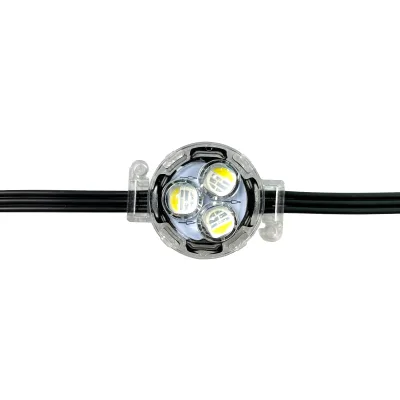
Waterproof Outdoor Dots String Light 50mm Point Lighting RGB LED Pixel Lights
$0.95 - $1.80
MOQ: 20 Pieces


Flat DMX Pixel DMX RGB/RGBWA 50mm Tree LED Pixel Light for Stage Decoration LED Application
$1.00 - $1.70
MOQ: 10 Pieces


Zhongshan Night Watcher Lighting Co, Ltd
- Verified by SGS
- Combined
- China Guangdong
- Lead time30 days
- Avg. response≤ 3h
Main productsChristmas Light, Decoration Light, String Light, Garden Light, Motif Light, LED Bulb Light, LED Strip Light, Outdoor Lighting, Night Light, Curtain Light/Icicle Light/Fairy Light
Main marketsSoutheast Asia/ Mideast,Europe,Australia


$3.39 - $3.59
MOQ: 50 Pieces

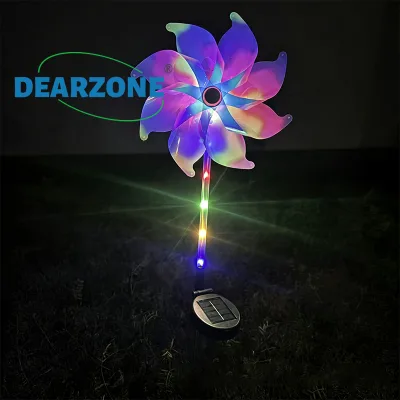
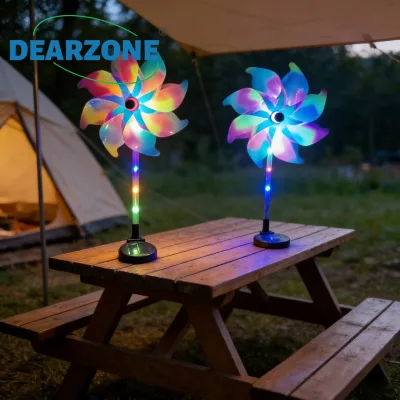
Solar Power LED Windmill Light Multicolor Rainbow Garden Silver Outdoor Solar Pinwheel Light
$3.39 - $3.59
MOQ: 50 Pieces

Guangzhou Geliang Lighting Technology Co., Ltd.
- Verified by SGS
- Combined
- China Guangdong
- Lead time15 days
- Avg. response≤ 5h
Main productsLED Stage Light/Stage Lighting, LED Stage Lighting, LED Dance Floor, DMX Controller, LED Indoor and Outdoor Display Screen, LED PAR Can/LED PAR Light, Moving Head Light, LED Wall Washer, LED DMX Tube, LED Moving Head Light
Main marketsAfrica,Southeast Asia/ Mideast,Europe,Australia,North America


$165.00 - $185.00
MOQ: 20 Pieces


- Verified by BV
- Trading Company
- China Hunan
- Lead time15 days
- Avg. response≤ 3h
Main productsLED Strip, LED Aluminum Profile, LED Driver, LED Power Supplier, LED Neon Light, LED Linear Light, LED Controller, LED Light Strip
Main marketsSouth America,Africa,Others(foreignTradeCapacity.exportBusinessCapacityMarketOther),Europe,Australia,North America

Guangdong Future Optoelectronic Technology Co., Ltd.
- Manufacturer, Trading Company
- Guangdong, China
- Lead time7 days
- Avg. response≤ 3h
Main productsMoving Head Light , LED Moving Head Light , Laser Light, LED Retro Light , LED Par Light
Main marketsNorth America(50.00%), Western Europe(30.00%), South America(10.00%), Eastern Europe(10.00%)
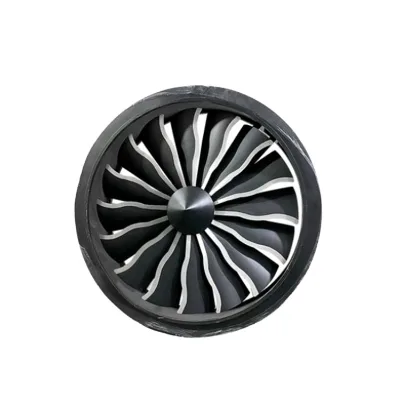
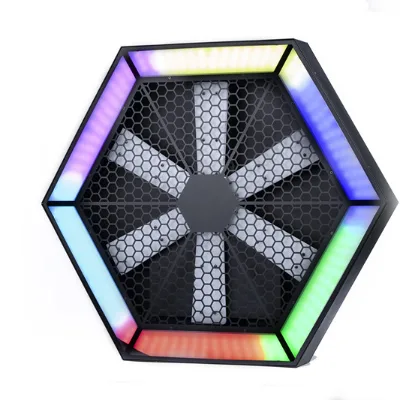
Fan Light LED Color Changing Big Fan Light LED Pixel Background bar Light
$200.25 - $260.84
MOQ: 10 Minimum

Guangdong GBR Prolight Group Co.,Ltd
- Verified by BV
- Combined
- China Guangdong
- Lead time15 days
- Avg. response≤ 7h
Main productsMoving Head Light, Outdoor Moving Head Light, Beam Moving Head Light, Sharpy Beam Moving Head Light, Sky Searchlight, Wall Washer Light, LED PAR Light, LED Stage Light, LED Stage Moving Head Light, Outdoor LED Flood Light
Main marketsSouth America,Africa,Southeast Asia/ Mideast,East Asia(Japan/ South Korea),Domestic,Europe,Australia,North America
Shenzhen Dearzone Technology Co., Ltd.
- Manufacturer, Trading Company
- Guangdong, China
- Lead time7 days
- Avg. response≤ 5h
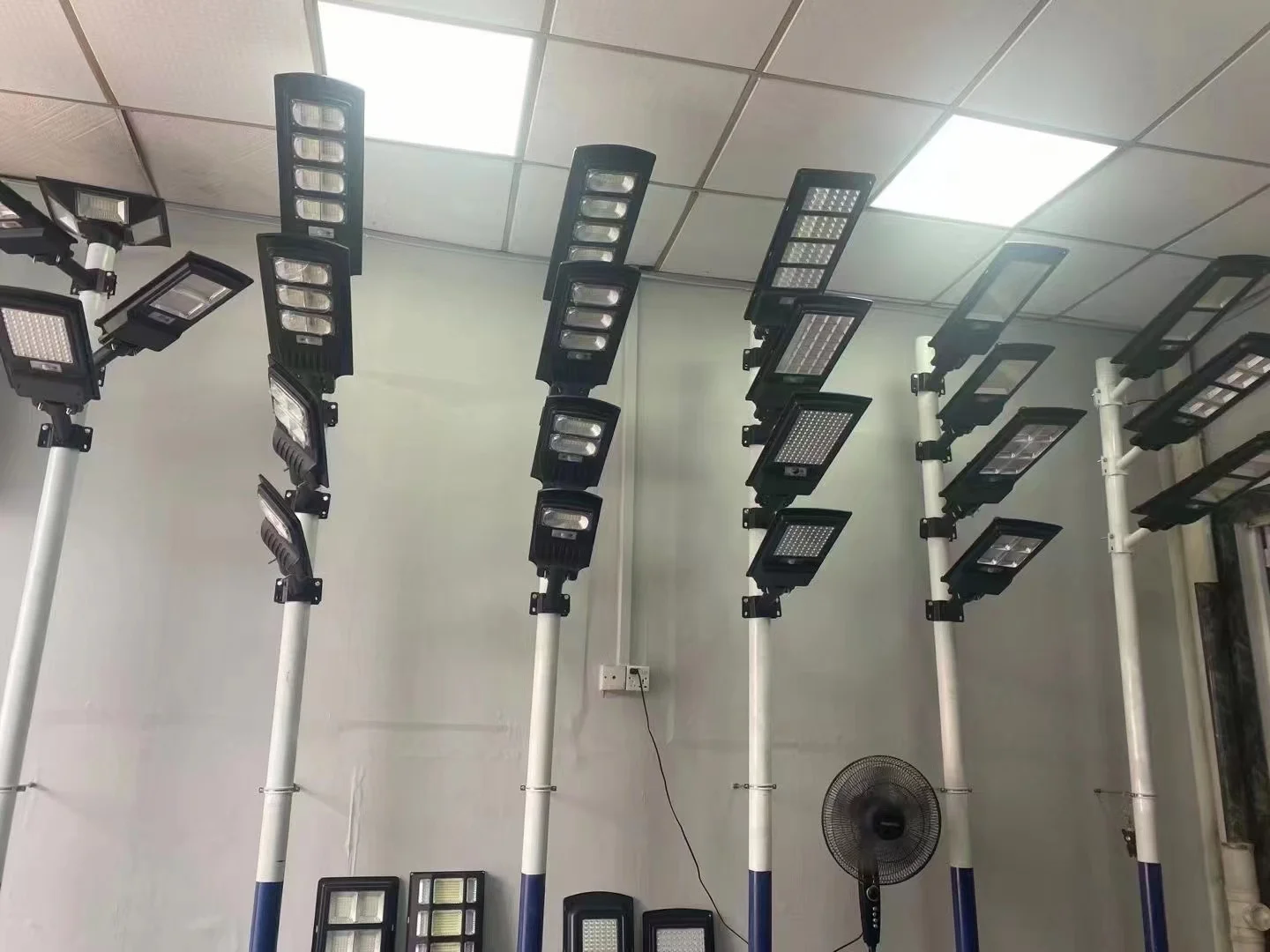
Main productssolar street light,solar flood light,solar garden light,solar lawn light,LED Wall light
Main marketsSoutheast Asia(30.00%), Africa(20.00%), North America(20.00%), Northern Europe(5.00%), Central America(5.00%), Western Europe(5.00%), Mid East(5.00%), Eastern Europe(5.00%), South America(5.00%)

GUANGZHOU JINGMING LIGHING TECHNOLOGY CO.,LTD.
- Combined
- China Guangdong
- Lead time15 days
- Avg. response≤ 5h
Main productsLED Outdoor Light, LED Flood Light, LED Wall Washer Light, LED Inground Light, LED Wall Light, LED Pixel Light, LED Ceiling Light, LED Spike Light, LED Underwater Light
Main marketsSoutheast Asia/ Mideast,Europe,North America

LED Point Light Pixel Light for Outdoor RGB Full Color Running Track Aluminum Profile Power Supply
$8.00 - $12.00
MOQ: 10 Pieces

Shenzhen Bond Optoelectronic Co., Ltd.
- Verified by TüVRheinland
- Manufacturer, Trading Company
- Lead time7 days
- Avg. response≤ 3h
Main productsLED Module, LED Signs, LED Pixel Light, Custom Neon Sign, LED Illuminated Sign
Main marketsNorth America(30%), Southeast Asia(25%), Mid East(20%)


Comprehensive Sourcing Guide
LED RGB Windmill Pixel Light Supplier Concentration and Factory Types
The current search results indicate a concentration of suppliers located in China, specifically within the Guangdong province. This region is a known hub for lighting manufacturing, and the data confirms that specific product origins are listed as Zhongshan City, Guangdong Province, China. Buyers evaluating LED RGB Windmill Pixel Light options should prioritize verifying the specific city and industrial zone of the factory, as this location often correlates with supply chain maturity for LED components. The presence of multiple product origins in this single province suggests a dense network of specialized manufacturers capable of handling complex pixel light production.
Company types observed in the results vary between Combined entities and Manufacturer/Factory classifications. Some suppliers are identified as having ODM (Original Design Manufacturer) capabilities, which is a critical factor for buyers seeking custom designs for LED RGB Windmill Pixel Light projects. While some listings show a "Combined" company type, others explicitly state "Manufacturer/Factory," indicating a direct production line. Buyers must distinguish between these types to ensure they are dealing with the actual production source rather than a trading intermediary, as this distinction impacts communication speed and technical support availability for custom pixel light specifications.
How to Verify LED RGB Windmill Pixel Light Suppliers
Verification of supplier credentials is essential when sourcing LED RGB Windmill Pixel Light, as the data shows mixed certification statuses across different listings. Some product attributes list specific certifications such as GS, SAA, UL, RoHS, CE, EMC, LVD, and FCC, while other general supplier profiles show "NIL" for system certification. Buyers should not assume all suppliers possess these credentials; instead, they must request current test reports for the specific LED RGB Windmill Pixel Light model they intend to purchase. The presence of SGS verification on some supplier profiles is a positive indicator, but it should be cross-referenced with the specific product certifications to ensure the entire supply chain meets safety standards.
Beyond certifications, buyers should verify the response time and operational capacity of potential partners. The observed data includes a response time metric of 1.42, which serves as a benchmark for communication efficiency. A supplier with a slow response time may struggle to address technical issues regarding the DMX control or waterproofing of pixel lights. Additionally, the presence of ODM capacity suggests the supplier can handle custom engineering, but buyers must confirm this capability through direct inquiry. Relying solely on the "is_verified" status without checking the specific product attributes like voltage, IP rating, and LED chip type can lead to mismatches between the ordered LED RGB Windmill Pixel Light and the actual product specifications.
What to Compare Across LED RGB Windmill Pixel Light Suppliers
When comparing suppliers for LED RGB Windmill Pixel Light, the minimum order quantity (MOQ) is a primary differentiator that affects budget and inventory planning. The data reveals a wide range of MOQs, with some products requiring as few as 5 units, while others demand 500 or 200 units. This variance indicates that suppliers have different production models, from small-batch customization to mass production lines. Buyers must align their order volume with the supplier's MOQ to avoid unnecessary costs or stockpiling. A supplier with a low MOQ might be ideal for testing a new design, whereas a high MOQ supplier may offer better unit economics for large-scale commercial installations.
Lead times and pricing structures also require careful comparison across the supplier pool. The observed lead time is 30 days, but this is a general figure that may vary based on order complexity and customization. Pricing data shows significant variation, with some items listed at $1.50 and others at $350 or even $3800, depending on the product type and scale. Buyers should not compare the absolute price of different product types but rather the cost per unit for the specific LED RGB Windmill Pixel Light configuration. Additionally, the voltage requirements, such as 24V versus 220V, and the IP rating, like IP65, must be matched to the project environment. Comparing these technical specifications alongside the commercial terms ensures the selected supplier can deliver a product that fits both the technical and financial constraints of the project.
Common LED RGB Windmill Pixel Light Sourcing Risks
One significant risk in sourcing LED RGB Windmill Pixel Light is the inconsistency in certification claims across different product listings. While some products explicitly list certifications like CCC, CE, and RoHS, other general supplier profiles show "NIL" for system certification. This discrepancy creates a risk that a supplier may claim compliance for one product line while lacking the necessary approvals for another. Buyers must verify that the specific LED RGB Windmill Pixel Light model they are purchasing carries the required certifications for their target market, rather than relying on the general profile of the supplier. Failure to do so can result in customs delays or legal issues upon import.
Another critical risk involves the reliability of the product specifications, particularly regarding voltage and waterproofing. The data shows products with varying voltage ratings, such as 24V and 220V, and different IP ratings. If a buyer orders a 24V product for a 220V environment without verifying the driver compatibility, the LED RGB Windmill Pixel Light will fail immediately. Similarly, the IP rating is crucial for outdoor applications; a product listed with an IP rating that does not match the environmental exposure requirements will suffer from water damage. Buyers must meticulously cross-reference the product attributes, such as the LED chip type and material composition, with the intended installation site to mitigate these technical risks.
LED RGB Windmill Pixel Light Regional Sourcing and Logistics
The primary sourcing region identified in the results is China, with a specific concentration in Guangdong Province. This location is a strategic advantage for LED RGB Windmill Pixel Light sourcing due to the established supply chain for LED components and the high density of specialized factories. Buyers should expect that most suppliers will be based in this region, which facilitates access to raw materials and skilled labor. However, the specific city, such as Zhongshan City, should be verified as it may impact the logistics and shipping costs. Understanding the regional concentration helps buyers anticipate the typical lead times and shipping routes associated with this manufacturing hub.
Logistics planning must account for the specific packaging and shipping requirements of pixel lights. The data indicates that products are often packed in cartons, with options for customization, or in polybags combined with cartons. For large orders, the packaging standard, such as the 3.5M or 5M standard sizes, will influence the container load and shipping efficiency. Buyers should confirm the packing details with the supplier to ensure the LED RGB Windmill Pixel Light is protected during transit, especially given the fragile nature of the LED components and the pixel controllers. Additionally, the origin location affects the customs clearance process, so buyers should prepare the necessary documentation based on the specific province of origin to avoid delays at the destination port.
LED RGB Windmill Pixel Light Commercial Terms and Order Planning
Commercial terms for LED RGB Windmill Pixel Light vary significantly based on the supplier's capacity and the order volume. The data shows a lead time of 30 days, which serves as a baseline for production scheduling. Buyers must factor this lead time into their overall project timeline, especially for large orders that may require customization. The availability of ODM services suggests that custom designs may extend the lead time beyond the standard 30 days. Buyers should negotiate clear delivery dates and penalties for delays in the contract to protect their project schedule. Understanding the production capacity and the specific lead time for the chosen LED RGB Windmill Pixel Light model is essential for effective order planning.
Payment terms and pricing structures are also critical components of the commercial agreement. The observed price range for LED RGB Windmill Pixel Light products varies widely, from $1.50 to $4000, depending on the complexity and scale of the product. Buyers should request a detailed quotation that breaks down the cost per unit, including any customization fees or tooling charges. The MOQ requirements, which range from 5 to 500 units, will also influence the total order value and the payment schedule. Buyers should ensure that the payment terms align with their cash flow and that the supplier offers secure payment methods, such as escrow, to protect against non-delivery. Clear communication regarding these commercial terms ensures a smooth transaction and minimizes financial risks.
FAQs
What certifications do these LED windmill lights have?
The DMX RGB Christmas Decoration Motif LED Windmill Light carries GS, SAA, UL, RoHS, and CE certifications. These credentials ensure the product meets international safety and environmental standards for commercial and festival use. Buyers should verify specific certificate validity with the supplier before finalizing orders to ensure compliance with local regulations.
What is the minimum order quantity for pixel lights?
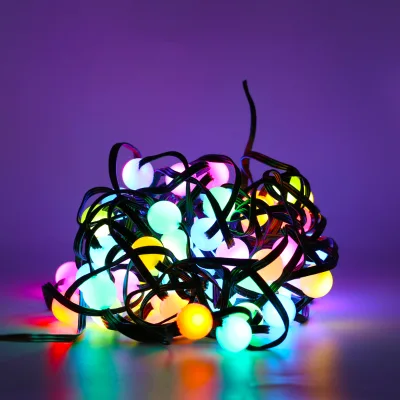
The minimum order quantity varies by product type. The DMX RGB windmill motif light requires a minimum of 5 units. In contrast, the IP65 LED RGB program pixel ball string light requires 500 units, and the remote controller pixel string light requires 200 units. Buyers must check the specific MOQ for their chosen model.
How long does production take for these lights?
The standard lead time for these LED lighting products is 30 days. This timeframe applies to the manufacturing and preparation of orders for items like the windmill motif lights and pixel ball strings. Buyers should confirm the exact delivery schedule with the supplier, as rush orders or custom packaging may affect the final production timeline.
Where are these LED lights manufactured?
These LED lights are manufactured in Zhongshan City, Guangdong Province, China. The suppliers operate as combined entities and manufacturers within this region. Buyers sourcing these products should be aware that the origin is China, which may impact shipping logistics and import duties depending on the buyer's location and trade agreements.
What is the price range for these products?
Prices vary significantly based on the product model. The DMX RGB windmill motif light is priced at 350.00 per unit. The landscape RGB tree light ranges from 3800.00 to 4000.00 per unit. The pixel ball string light is priced at 1.50 per unit, and the rose flower light ranges from 2.00 to 3.00 per unit.
Can these lights be customized for specific projects?
Yes, customization is available for many of these LED products. The DMX RGB windmill light and the pixel ball string light both offer available customization options. Buyers can request specific packing, such as cartons, or other custom requirements. It is advisable to discuss specific customization needs directly with the supplier to ensure feasibility and cost implications.