Emergency Safety Hammer Flashlight with Tire Gauge Suppliers and Manufacturers
Compare 26 verified suppliers offering Emergency Safety Hammer Flashlight with Tire Gauge products from Guangdong and Zhejiang. Review response times, lead times, certifications, and pricing to source reliable options for personal safety needs today; review the available evidence before requesting comparable quotations from suitable candidates.
Suppliers List
- Verified by TüVRheinland
- Manufacturer, Trading Company
- Lead time30 days
- Avg. response≤ 2h
Main productsPersonal Safety Alarm, Home Security Alarm, White Noise Machine, Personal Care, Personal Clean Supplies
Main marketsWestern Europe(20%), Eastern Europe(15%), Northern Europe(15%)

Zhejiang Sorbo Technology Co., Ltd.
- Verified by TUVRHEINLAND
- Combined
- China Zhejiang
- Lead time30 days
- Avg. response≤ 6h
Main productsCamping Lantern, Radio Flashlight, Wine Set, Household Product, Bidet
Main marketsNorth America
Shandong Jvante Fire Protection Technology Co., Ltd.
- Trading Company
- Shandong, China
- Lead time15 days
- Avg. response≤ 2h
Main productsFire blanket,Fire Extinguisher Ball,Fire Escape Hood,Fire Detector,Flashlight
Main marketsDomestic Market(25.00%), Northern Europe(15.00%), Southern Europe(12.00%), North America(10.00%), South Asia(8.00%), South America(8.00%), Southeast Asia(5.00%), Eastern Europe(5.00%), Africa(5.00%), Mid East(5.00%), Oceania(2.00%)

Shenzhen Tuliang Technology Co., Ltd.
- Verified by BV
- Manufacturer/Factory
- China Guangdong
- Lead time23 days
- Avg. response≤ 3h
Main productsLED Flashlight, LED Headlamp, LED Bicycle Light, LED Search Light, LED Camping Light, LED Work Light
Main marketsSouth America,Eastern Europe,Mid East,North America,Southeast Asia,Eastern Asia,Oceania,Western Europe,Africa

$1.00 - $1.20
MOQ: 160 Pieces


$6.50 - $7.10
MOQ: 200 Pieces

Helius Portable Emergency Multifunctional Survival Alarm Torch Flashlight
$3.50 - $3.70
MOQ: 240 Pieces

$3.50 - $3.70
MOQ: 240 Pieces

Ningbo Breeze Imp. & Exp. Corp., Ltd.
- Trading Company
- China Zhejiang
- Lead time30 days
- Avg. response≤ 13h
Main productsFastener, Roller Bearing, Bolt, Nut, Screw, Bearing, Linear Guide, Ball Screw, Ball Bearing, LED Fleshlight
Main marketsSoutheast Asia/ Mideast,Europe,North America
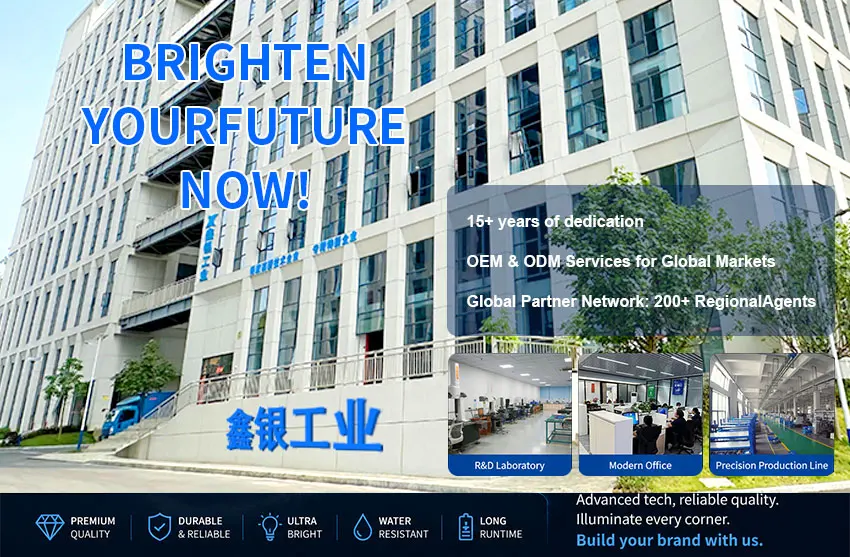
Guangzhou Xinyin Industrial Parts Co., Ltd.
- Manufacturer, Trading Company, Distributor/Wholesaler
- Guangdong, China
- Lead time25 days
- Avg. response≤ 1h
Main productsflashlight,smart lock
Main marketsDomestic Market(25.00%), North America(20.00%), Southeast Asia(15.00%), Western Europe(8.00%), Mid East(5.00%), South America(5.00%), South Asia(5.00%), Southern Europe(4.00%), Central America(3.00%), Eastern Asia(3.00%), Africa(2.00%), Eastern Europe(2.00%), Northern Europe(2.00%), Oceania(1.00%)
Hangzhou Youfound Trade Co., Ltd.
- Manufacturer, Trading Company
- Zhejiang, China
- Lead time0 days
- Avg. response≤ 4h
Main productsHair Trimmer,LED Torch,Camping Lantern,Solar System,Mask
Main marketsMid East(20.00%), Southeast Asia(20.00%), Eastern Europe(20.00%), South America(20.00%), North America(20.00%)
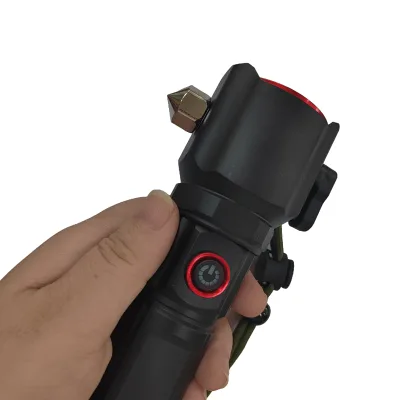
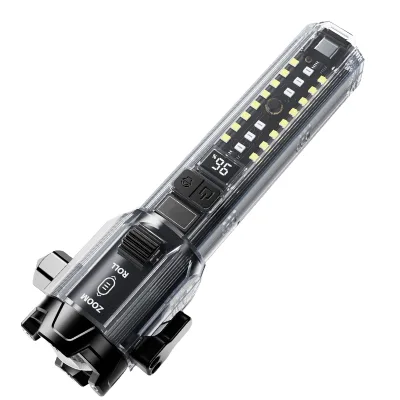
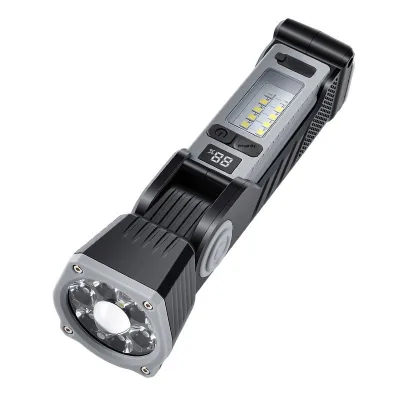
Rechargeable USB Multi-functional Flashlight With Camping Emergency Car Safety Hammer
$8.90 - $9.30
MOQ: 100 pieces
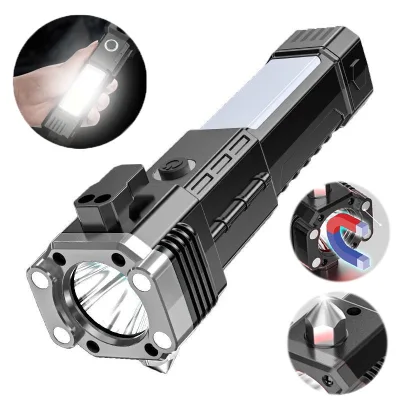

Ningbo Qingyang Import and Export Co., Ltd.
- Verified by SGS
- Trading Company
- China Zhejiang
- Lead time45 days
- Avg. response≤ 1h
Main productsLED Lights, Table Lamp, Night Light, Solar Garden Light, LED Sensor Light, LED String Light, Decorative Light, LED Work Light, Camping Lantern, LED Candle
Main marketsEast Asia(Japan/ South Korea),Europe,North America


Versatile LED Flashlight Torch with Emergency Seat Cutter and Safety Hammer
$3.98 - $4.30
MOQ: 3000 Pieces

Outdoor Hiking Versatile 2-in-1 LED Bike Light and Emergency Flashlight with Safety Hammer
$3.98 - $4.30
MOQ: 3000 Pieces


Yiwu Bolotop Electronic Technology Co., Ltd.
- Verified by SGS Group
- Trading Company
- Lead time0 days
- Avg. response≤ 5h
Main productsFlashlights, Camping Lamps, HeadLamps, Indoorlights, Working Light
Main marketsSouth America(25%), Mid East(25%), Eastern Asia(15%)
$7.23 - $7.80
MOQ: 60 pieces
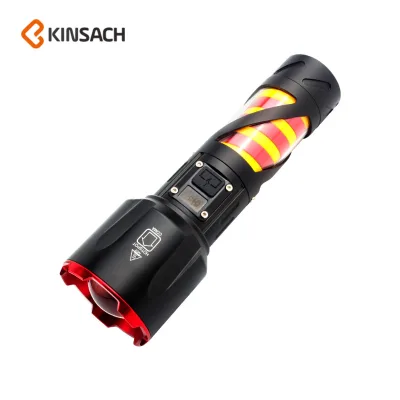
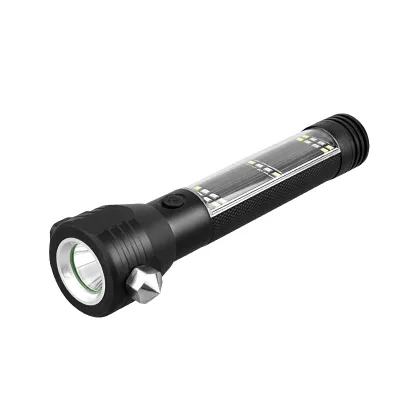
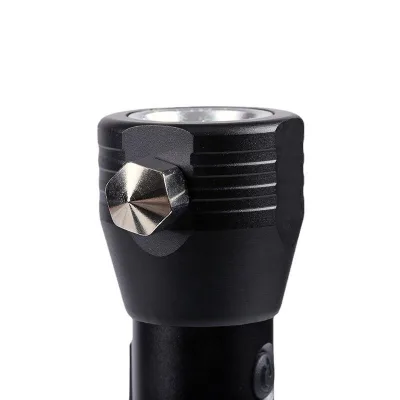
High Power Lumens Super Strong Flashlight Led Zoomable Torch With Power Bank Hammer Beep Alarm
$6.67 - $7.25
MOQ: 60 pieces

Jiangsu Crown Police Equipment Manufacturing Co., Ltd.
- Verified by SGS
- Combined
- China Jiangsu
- Lead time15 days
- Avg. response≤ 5h
Main productsAnti-Riot Helmet, Anti-Riot Shield, Pepper Spray, Tactical Vest, Helmet, Anti-Riot Suit
Main marketsSouth America,Africa,Southeast Asia/ Mideast,East Asia(Japan/ South Korea),Domestic,Europe,Australia,North America

NINGBO HAISHU HOPE-U INTERNATIONAL TRADING CO., LTD.
- Manufacturer/Factory
- China Zhejiang
- Lead time45 days
- Avg. response≤ 13h
Main productsGift, Beauty Device, Bluetooth Speaker, Skin Care, Cosmetics, Promotional Products, Camping Lamp, Fan, Keyboard and Mouse, Humidifier
Main marketsSouth America,Eastern Europe,North America,Southeast Asia,Western Europe

Shenzhen HXY Industrial Co., Ltd.
- Verified by TUVRHEINLAND
- Trading Company
- China Guangdong
- Lead time30 days
- Avg. response≤ 4h
Main productsSolar Power Systems, Solar Home Systems, Solar Lanterns, Solar Fans, Pay as You Go Solar Home Systems, Solar Home Lighting Systems, Solar Freezer, Solar Refrigerator, Solar Flashlight, Solar System
Main marketsDomestic


AC Charge and Solar Power Charge Torch Light Outdoor LED Emergency Flashlight
$2.00 - $4.00
MOQ: 1000 Sets

Ningbo Brilliant Dragon Electronic Technology Co., Ltd.
- Verified by TUVRHEINLAND
- Manufacturer/Factory
- China Zhejiang
- Lead time105 days
- Avg. response≤ 12h
Main productsLED Light for Indoor, LED Light for Ourside, Auto / Bicycle Accessories, Security Items, Work Light, Electric Appliance, Personal Items
Main marketsSouth America,Eastern Europe,Mid East,North America,Southeast Asia,Eastern Asia,Oceania,Western Europe,Africa


$10.55 - $11.00
MOQ: 500 Pieces

Xiamen Seatyle Import & Export Co., Ltd.
- Verified by TUVRHEINLAND
- Trading Company,Manufacturer/Factory
- China Fujian
- Lead time23 days
- Avg. response≤ 3h
Main productsHeadlamp, Flashlight, Camping Light, Solar Light, Outdoor Light, Bike Light, Water Shoes, Chef Shoes, Medical Shoes, Slippers
Main marketsSouth America,Eastern Europe,Mid East,North America,Southeast Asia,Eastern Asia,Oceania,Western Europe,Africa

Rechargeable Car Torch Side Light Emergency Life Saving Safety Hammer Multifunctional Flashlight
$1.09 - $1.39
MOQ: 100 Pieces

Multi-Functional Torch Car Emergency Equipment Safety Hammer Solar Rechargeable Flashlight
$4.90 - $7.50
MOQ: 100 Pieces

$1.09 - $1.39
MOQ: 100 Pieces

NINGBO YICHEN ELECTRIC CO., LTD.
- Trading Company,Manufacturer/Factory
- China Zhejiang
- Lead time0 days
- Avg. response≤ 7h
Main productsLED Flashlight, Head Lamp, Camping Lantern, Solar Flashlight, Rechargeable Flashlight, High Power Flashlight, Keychain Flashlight, LED Tweezer, Xenon Flashlight, Shopping Trolley

Yichen Rechargeable LED Emergency Light Flashlight with Seat Belt Cutter and Safety Hammer
$3.50 - $4.00
MOQ: 1000 PCS

$3.50 - $4.00
MOQ: 1000 PCS

Xuzhou Dragon Guard Industrial Co., Ltd.
- Verified by SGS
- Combined
- China Jiangsu
- Lead time15 days
- Avg. response≤ 7h
Main productssecurity products and solutions
Main marketsAfrica,Southeast Asia/ Mideast,Domestic,Europe,North America

NINGBO CONFIDENCE CAR ACCESSORY LTD.
- Verified by BV
- Trading Company,Manufacturer/Factory,Group Corporation
- China Zhejiang
- Lead time23 days
- Avg. response≤ 4h
Main productsWiper Blade Wiper Arm, Car Steering Wheel Cover, Engine Parts Rebuild Overhaul Kit Crankshaft, Vacuum Cleaner Hoover, Portable Air Compressor Air Pump, Car Stereo Multimedia Player, Charging Cable, Car Dash Camera, Car Cover, Sporting Products
Main marketsSouth America,Eastern Europe,Mid East,North America,Southeast Asia,Eastern Asia,Western Europe,Africa
Yiwu Yibei E-Commerce Co., Ltd.
- Trading Company
- Zhejiang, China
- Lead time0 days
- Avg. response≤ 11h
Main productsWomen's Fashion,Consumer Electronics,Jewelry & Watches,Pet & Appliances,Bags & Shoes
Main marketsNorth America(70.00%), Northern Europe(10.00%), Western Europe(10.00%), Eastern Europe(10.00%)

- Verified by TUVRHEINLAND
- Combined
- China Zhejiang
- Lead time30 days
- Avg. response≤ 12h
Main productsSnowboard, Ski Boot, Ski Equipments, Snowboardings, Ski Helmet, Boots, Ski Gloves, Ski Goggles, Binding
Main marketsEast Asia(Japan/ South Korea),Europe,North America


Multifunctional High-Brightness Flashlight Long-Lasting Battery Emergency Adventure Flashlight
$4.50 - $15.40
MOQ: 100 Pieces
Zhejiang Xiaoyeren Outdoor Products Co., Ltd.
- Verified by SGS Group
- Manufacturer, Trading Company
- Lead time10 days
- Avg. response≤ 4h
Main productsFlashlight, Head Light, Work Light, Camping Lights, Fishing Lamp
Main marketsNorth America(30%), Western Europe(25%), Eastern Asia(25%)

Ningbo Brightenlux Electric Appliance Co., Ltd
- Combined
- China Zhejiang
- Lead time30 days
- Avg. response≤ 8h
Main productsLED Flashlight, LED Headlamp, Work Light, Camping Light, Solar Light, Bike Light, Ring Light, Night Light
Main marketsSouth America,Africa,Southeast Asia/ Mideast,East Asia(Japan/ South Korea),Domestic,Europe,Australia,North America


Brightenlux Outdoor Emergency Rechargeable Torch Light Camping Flashlight
$5.86 - $7.39
MOQ: 500 Pieces

Brightenlux Outdoor Emergency Red Lighting Warning Side Light Torch Rechargeable Camping Flashlight
$2.99 - $3.50
MOQ: 500 Pieces
Ninghai Juntao Brush Manufacturing Co., Ltd.
- Manufacturer
- Zhejiang, China
- Lead time25 days
- Avg. response≤ 8h
Main productsoutdoor light,Torch,work light,Headlight,Indoor Light
Main marketsNorth America(60.00%), Eastern Asia(10.00%), Domestic Market(10.00%), Western Europe(10.00%), Mid East(5.00%), South America(5.00%)

- Verified by TUVRHEINLAND
- Trading Company
- China Zhejiang
- Lead time30 days
- Avg. response≤ 6h
Main productsDecoration Lights, Holiday Lights, Art Crafts, Electronics Devices, Sporting Goods & Recreation
Main marketsEurope

Car Emergency Flashlight Safety Break Hammer White Laser Torch Rechargeable LED Light
$4.82 - $6.39
MOQ: 80 Pieces


Shanghai Claymore Industrial Co., Ltd.
- Trading Company,Manufacturer/Factory
- China Shanghai
- Lead time45 days
- Avg. response≤ 4h
Main productsMilitary Uniform, Body Armor, Combat Packs, Tent, Helmet, Camping, Knit Clothing, Boot, Belt, Military Caps
Main marketsSouth America,Eastern Europe,Mid East,North America,Southeast Asia,Eastern Asia,Oceania,Western Europe,Africa

Customized Outdoor Useful Flashlight
MOQ: 500 Pieces

Popular Best Seller High Quality Outdoor Useful Flashlight
MOQ: 500 Pieces
Jiangsu Ketuo Police Equipment Technology Co., Ltd.
- Verified by BV
- Combined
- China Jiangsu
- Lead time15 days
- Avg. response≤ 8h
Main productsPepper Spray, Self Defense Flashlight, Anti Bear Spray, Riot Control Equipment, Tactical Telescopic Stick
Main marketsDomestic

Key Style Self-Defense, Riot Control, Strong High-Voltage Self-Defense Flashlight
$5.50 - $6.00
MOQ: 100 Pieces

High-Performance LED Flashlight for Outdoor Adventures and Emergency Use
$3.30 - $3.70
MOQ: 100 Pieces

Shijiazhuang Huachong Biotech Co., Ltd.
- Verified by SGS
- Manufacturer/Factory
- China Hebei
- Lead time15 days
- Avg. response≤ 1h
Main productsFirst Aid Kit, Bandage, Wound Dressing, Medical Consumables, Safety Protection, First Aid Product, First Aid Supplies
Main marketsSouth America,Eastern Europe,Mid East,North America,Southeast Asia,Eastern Asia,Oceania,Western Europe,Africa


Hand Crank Solar Powered Flashlight Emergency Rechargeable LED Flashlights
$1.80 - $2.85
MOQ: 100 Pieces
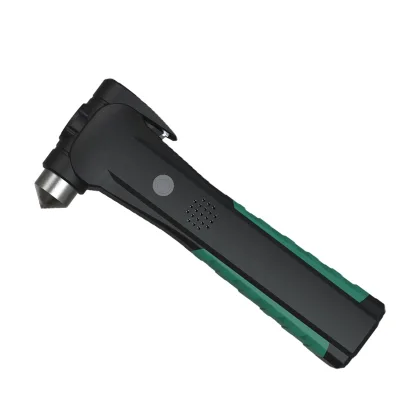
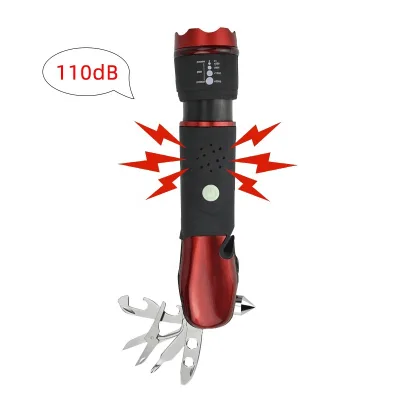


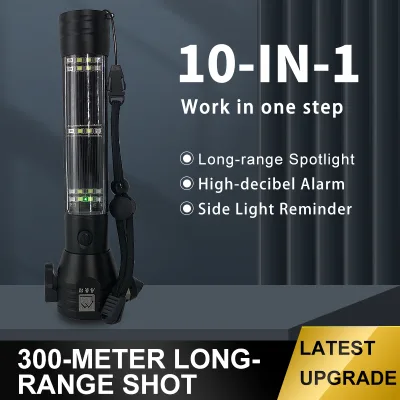
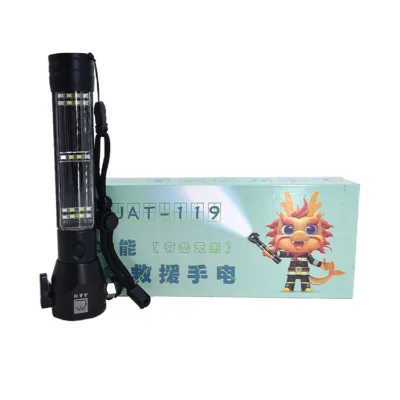


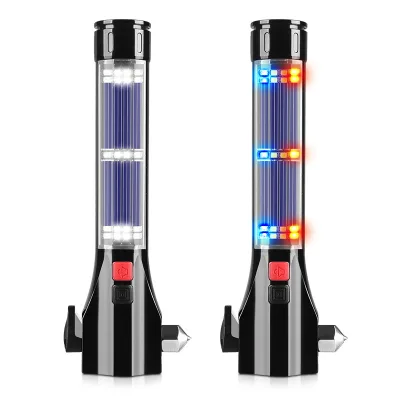
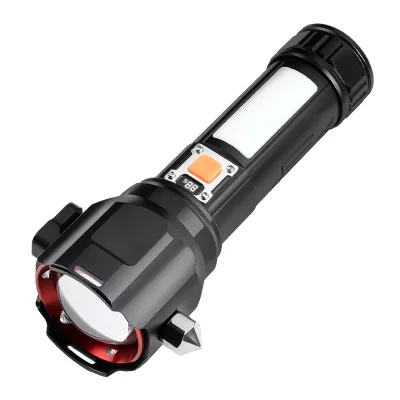
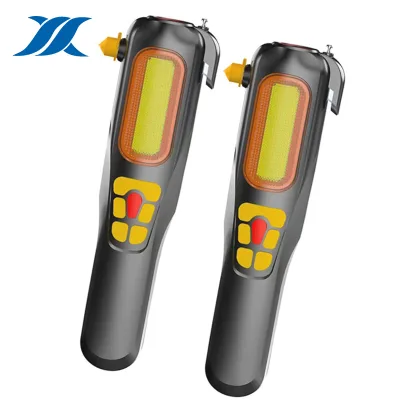


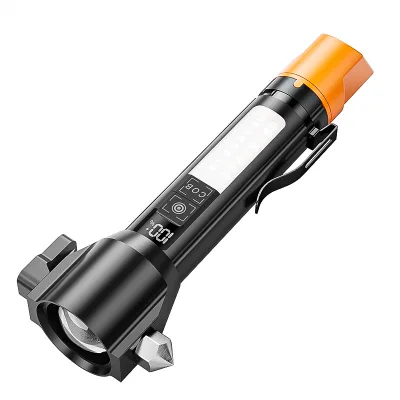
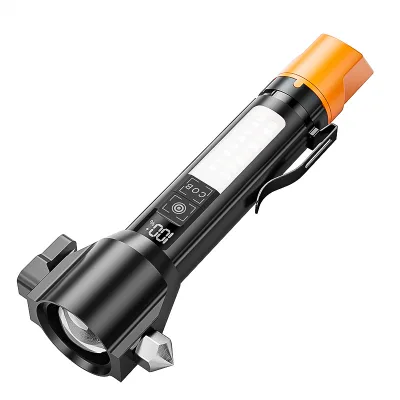
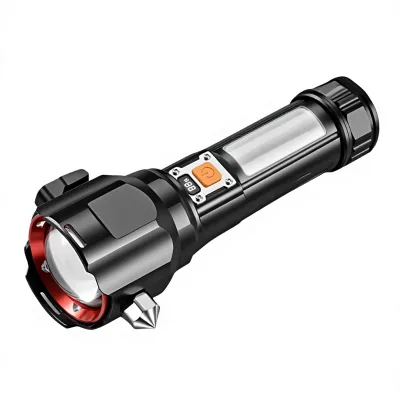
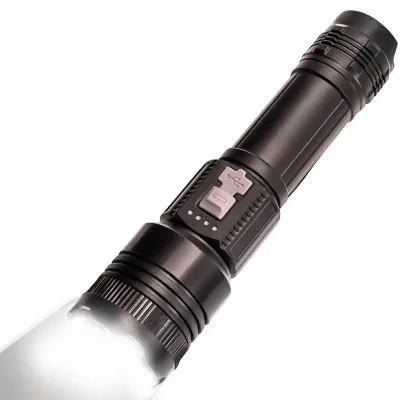
Comprehensive Sourcing Guide
Emergency Safety Hammer Flashlight with Tire Gauge Supplier Concentration and Factory Types
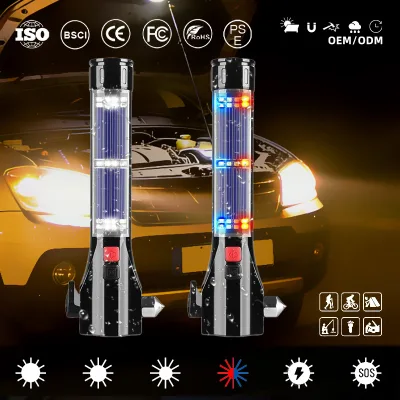
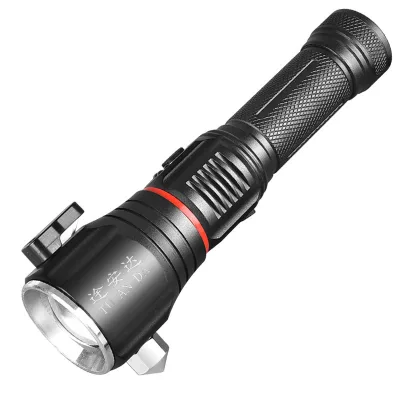
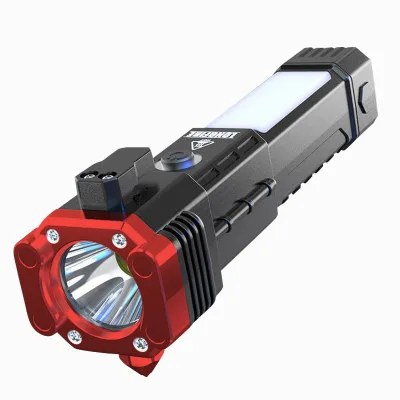
The current supplier landscape for Emergency Safety Hammer Flashlight with Tire Gauge products reveals a mix of manufacturing and trading entities operating primarily within China. Specific facility data indicates that some manufacturers are located in Guangdong, while others operate from Zhejiang and Shandong provinces. These regions often host clusters of electronics and safety equipment producers, though the exact density varies by specific product line. Some suppliers list their company type as a manufacturer, suggesting direct control over production lines for items like personal alarms and safety hammers. Others identify as trading companies or combined entities, which may source from various factories to offer a broader catalog including camping lanterns and fire safety gear.
When evaluating the factory types, buyers should note that some suppliers possess specific R&D capacities for customized on-demand processing and graphic design. This capability is crucial for brands seeking unique specifications for their emergency tools. The presence of both manufacturers and trading companies means that a single search result may offer different value propositions. A manufacturer might provide better control over the build quality of the metal safety hammer or the lithium battery integration, while a trading company might offer more flexibility in combining this item with other household products like bidets or wine sets. Understanding this distinction helps in selecting a partner that aligns with the buyer's specific volume and customization needs.
How to Verify Emergency Safety Hammer Flashlight with Tire Gauge Suppliers
Verification of suppliers for Emergency Safety Hammer Flashlight with Tire Gauge products relies heavily on third-party audit reports and system certifications. Several suppliers in the current results have undergone verification by TüVRheinland, a recognized international inspection body. This verification status provides a baseline of confidence regarding the supplier's operational legitimacy. Beyond physical verification, buyers should look for system certifications such as ISO 9001, ISO 14001, BSCI, RoHS, EMC, FCC, and CE. These standards indicate that the supplier adheres to specific quality management, environmental, and safety protocols. For instance, RoHS and CE certifications are particularly relevant for electronic components like the built-in lithium batteries and LED flashlights found in these safety devices.
Buyers must also scrutinize the specific product attributes listed in the supplier's catalog to ensure they match the required safety standards. Evidence shows that some products carry certifications like CE, RoHs, and Reach, which are essential for compliance in various international markets. The presence of a Declaration of Conformity further supports the claim that the product meets regulatory requirements. However, not every supplier will display every certification, so buyers should request specific documentation for the exact model number they intend to purchase. It is critical to confirm that the verification status is current and that the certifications apply to the specific emergency tools being sourced, rather than just general company credentials.
What to Compare Across Emergency Safety Hammer Flashlight with Tire Gauge Suppliers
Comparing suppliers requires a detailed analysis of key operational metrics such as lead time, response time, and minimum order quantities. The data indicates that lead times can vary significantly, with some suppliers offering a 15-day turnaround while others require up to 30 days. Response times are another critical factor, with some suppliers responding within 2 hours and others taking over 5 hours. These differences can impact the speed of order fulfillment and the ability to resolve urgent issues. Buyers should also compare the main products offered by each supplier to ensure they have the specific Emergency Safety Hammer Flashlight with Tire Gauge in their inventory, as some may focus primarily on personal care or other unrelated categories.
Price and capacity are additional dimensions that require careful comparison. Product pricing for similar emergency tools can range from approximately $3.01 to $5.83, depending on features like waterproof ratings, battery type, and additional functions such as seat belt cutters or power banks. Some suppliers list a minimum order quantity of 2000 units, which may be prohibitive for smaller buyers, while others might offer more flexible terms. Capacity for customization, such as ODM and OEM services, is another differentiator. Buyers should assess whether a supplier can handle graphic processing or customized on-demand requests to ensure the final product meets their branding and functional requirements.
Common Emergency Safety Hammer Flashlight with Tire Gauge Sourcing Risks
One significant risk in sourcing Emergency Safety Hammer Flashlight with Tire Gauge products is the inconsistency in product specifications and material quality. While some products are described as having a metal construction, others may utilize plastic materials for the reflecting cup or body. This variation can affect the durability and effectiveness of the safety hammer in an emergency situation. Buyers must verify the material composition for each specific model, as the difference between metal and plastic can be critical for the tool's ability to break car windows or cut seatbelts. Additionally, the waterproof rating varies, with some units rated IPX7 and others lacking any waterproof specification, which could lead to failure in wet conditions.
Another risk involves the reliability of the electronic components, such as the built-in lithium batteries and LED flashlights. Some products list a warranty of 12 months, while others do not specify a warranty period. The battery type, whether rechargeable or built-in lithium, and the charging method, such as USB or solar, must be clearly defined to ensure the product functions when needed. There is also a risk regarding the accuracy of the product origin claims. While some listings specify Guangdong or Wenzhou as the place of origin, others simply state China. Buyers should verify the actual manufacturing location to ensure compliance with any trade regulations or to assess the quality reputation of the specific region.
Emergency Safety Hammer Flashlight with Tire Gauge Regional Sourcing and Logistics
Sourcing from specific regions in China offers distinct logistical advantages and challenges. The current data highlights suppliers located in Guangdong, Zhejiang, and Shandong provinces. Guangdong is often a hub for electronics manufacturing, which may benefit the production of the flashlight and alarm components. Zhejiang and Shandong also host significant industrial bases, though the specific focus may vary between general household products and specialized safety tools. Buyers should consider the proximity of the supplier to major ports, as this can influence shipping costs and transit times. For instance, suppliers in Zhejiang and Shandong may have different port access compared to those in Guangdong, affecting the overall logistics strategy.
Logistics planning must also account for the packaging and weight of the products. Product attributes indicate that single package sizes can range from 22x12x8 cm to 24x15x17 cm, with weights varying from 0.230 kg to 1.0 kg. These dimensions and weights impact the shipping volume and cost, especially for bulk orders. Buyers should calculate the total volume based on the specific packaging details provided by the supplier. Furthermore, the origin location affects customs clearance and potential tariffs. Verifying the exact place of origin, such as Wenzhou or Guangdong, is essential for accurate duty calculation and compliance with import regulations in the destination country.
Emergency Safety Hammer Flashlight with Tire Gauge Commercial Terms and Order Planning
Commercial terms for Emergency Safety Hammer Flashlight with Tire Gauge products include pricing structures, payment methods, and order planning requirements. The observed price range for these items spans from $3.01 to $5.83, with some specific models priced at a fixed rate of $5.00. Buyers should be aware that prices may fluctuate based on order volume and customization needs. Minimum order quantities are a critical commercial term, with some suppliers requiring a minimum of 2000 units. This threshold can significantly impact the initial investment and inventory management strategy for buyers. Understanding these terms early helps in budgeting and negotiating effectively with potential suppliers.
Order planning must also consider the lead time and response time to ensure timely delivery. With lead times ranging from 15 to 30 days, buyers need to factor in production schedules and shipping durations. A supplier with a 2-hour response time may be more responsive to urgent changes or inquiries than one with a 5-hour delay. Additionally, the availability of escrow services and the supplier's verification status, such as TüVRheinland, provide financial security. Buyers should plan their orders well in advance to accommodate the production lead time and verify that the supplier can meet the required delivery dates. Clear communication regarding these commercial terms is essential for a successful sourcing relationship.
FAQs
What certifications do emergency safety hammers have?
Suppliers offer products with CE, RoHS, Reach, FCC, EMC, and ISO 9001 certifications. These standards ensure compliance with international safety and environmental regulations. Buyers should verify specific certificates for their target markets to guarantee product acceptance and regulatory adherence during import processes.
What is the typical lead time for orders?
Manufacturers generally require 15 to 30 days for production and delivery. Lead times vary based on order volume and customization requirements. Trading companies may offer faster turnaround for stock items, while custom OEM orders typically need the full production cycle to ensure quality control.
Are these products verified by third parties?
Yes, many suppliers are verified by TÜV Rheinland. This verification confirms the legitimacy of the business and manufacturing capabilities. Buyers can rely on these verified badges to reduce risk when sourcing emergency tools, ensuring the supplier meets specific operational and quality standards.
What is the price range for these tools?
Prices typically range from $3.01 to $5.83 per unit. Costs depend on features like solar charging, waterproof ratings, and battery types. Bulk orders often secure lower unit prices, making it essential to request detailed quotes based on specific quantity tiers and customization needs.
What materials are used in construction?
Common materials include metal, ABS plastic, and lithium batteries. Metal components provide durability for the hammer function, while ABS offers lightweight protection. Built-in lithium batteries ensure reliable power for flashlights and alarms, with some models featuring rechargeable or solar-powered options for extended use.
Can I customize the product design?
Yes, suppliers offer OEM, ODM, and custom branding services. Buyers can request specific graphic processing, packaging, and functional adjustments. Customization is available for emergency hammers, allowing companies to align products with their brand identity while maintaining essential safety features and performance standards.
What is the minimum order quantity?
MOQs vary, with some suppliers requiring a minimum of 2000 units. Others may accept smaller quantities for standard items. Buyers should confirm MOQs early in the negotiation process to ensure alignment with their inventory needs and budget constraints for emergency safety tool procurement.