Solar Hand Crank Flashlight Suppliers and Manufacturers
Explore 19 verified suppliers offering Solar Hand Crank Flashlight options with customizable features and certifications like ISO9001. Compare response times, lead times, and product specs to find the right partner for your needs; review the available evidence before requesting comparable quotations from suitable candidates.
Suppliers List

Zhejiang Sorbo Technology Co., Ltd.
- Verified by TUVRHEINLAND
- Combined
- China Zhejiang
- Lead time30 days
- Avg. response≤ 6h
Main productsCamping Lantern, Radio Flashlight, Wine Set, Household Product, Bidet
Main marketsNorth America


Portable USB Hand Crank Chargeable Radio Flashlight with Phone Charger
$5.90 - $10.00
MOQ: 2000 Pieces

Powerful LED Flashlight Rechargeable Torch Light with Solar Panel& Hand Cranking
$4.50
MOQ: 2000 Pieces

Ningbo Breeze Imp. & Exp. Corp., Ltd.
- Trading Company
- China Zhejiang
- Lead time30 days
- Avg. response≤ 12h
Main productsFastener, Roller Bearing, Bolt, Nut, Screw, Bearing, Linear Guide, Ball Screw, Ball Bearing, LED Fleshlight
Main marketsSoutheast Asia/ Mideast,Europe,North America
Jaxy Optical Instrument Co., Ltd.
- Verified by SGS Group
- Manufacturer, Trading Company
- Lead time20 days
- Avg. response≤ 3h
Main productsBinoculars and Telescope, Magnifier, Whistle, Compass, 3D glasses
Main marketsWestern Europe(35%), North America(25%), Domestic Market(15%)

- Verified by TUVRHEINLAND
- Trading Company
- China Zhejiang
- Lead time15 days
- Avg. response≤ 13h
Main productsLED Solar Light, Festival Lights, Table Lamp, LED Grow Lights, LED Light Strip, Smart Lights, LED Light String, Decorative Light, LED Head Light, LED Professional Lights
Main marketsSouth America,Europe,North America


Energy-Saving Camping Light Solar Powered Hand Crank Dynamo Crank Night Mini Flashlight
$2.60 - $3.34
MOQ: 150 Pieces


Shijiazhuang Huachong Biotech Co., Ltd.
- Verified by SGS
- Manufacturer/Factory
- China Hebei
- Lead time15 days
- Avg. response≤ 1h
Main productsFirst Aid Kit, Bandage, Wound Dressing, Medical Consumables, Safety Protection, First Aid Product, First Aid Supplies
Main marketsSouth America,Eastern Europe,Mid East,North America,Southeast Asia,Eastern Asia,Oceania,Western Europe,Africa


Solar Dynamo Portable Torch Emergency Rechargeable Hand Crank LED Flashlight
$1.80 - $2.85
MOQ: 100 Pieces


Hand Crank Solar Powered Flashlight Emergency Rechargeable LED Flashlights
$1.80 - $2.85
MOQ: 100 Pieces

Emergency Rechargeable Hand Crank Solar Powered Flashlight LED Quick Snap Torch
$1.80 - $2.85
MOQ: 100 Pieces
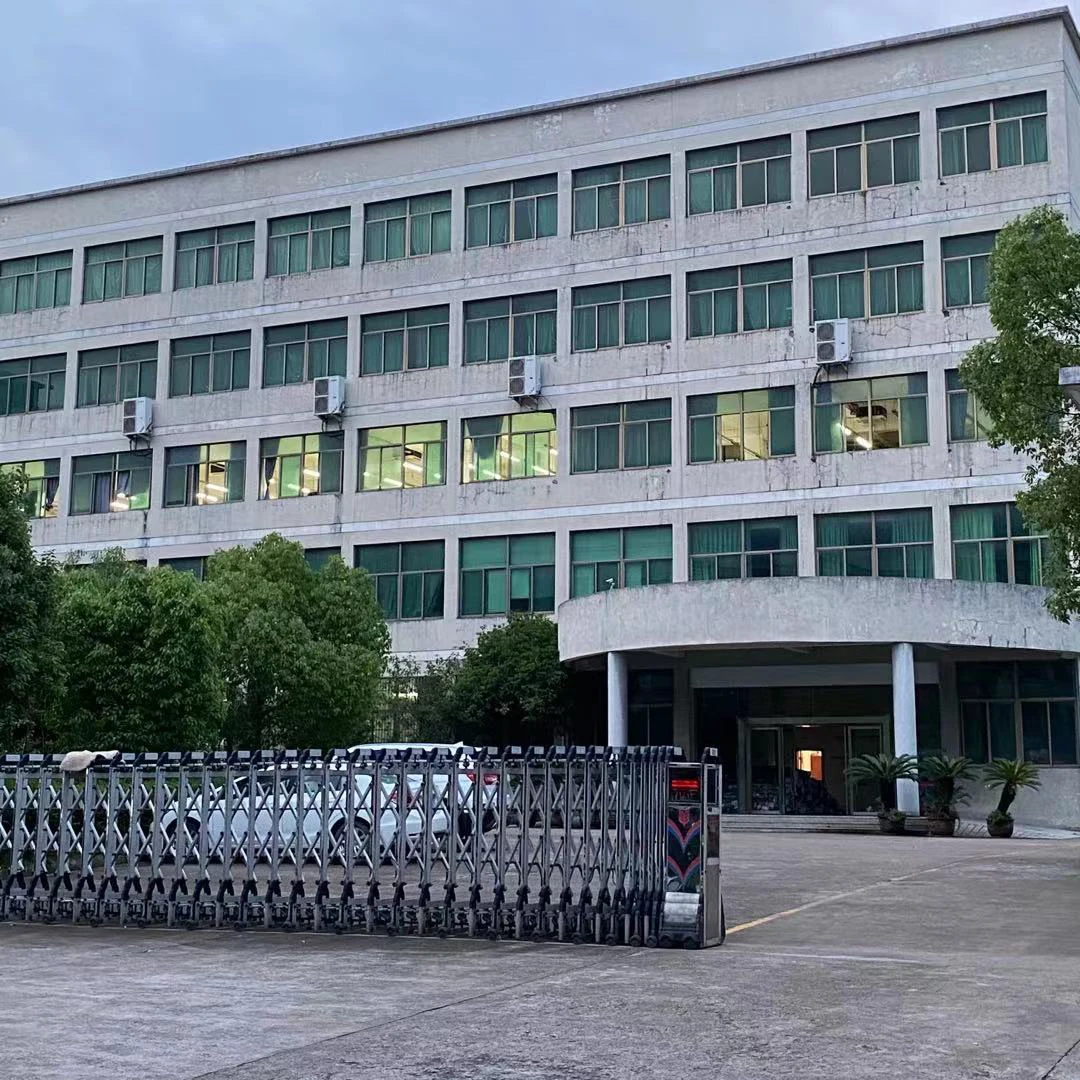
Betoyy (yiwu) Outdoor Supplies Co., Ltd.
- Trading Company
- Zhejiang, China
- Lead time20 days
- Avg. response≤ 2h
Main productsCamping accessories,survival kit,whistle,compass,travel bag
Main marketsNorth America(25.00%), Northern Europe(15.00%), South Asia(8.00%), Southeast Asia(8.00%), Oceania(8.00%), Eastern Europe(6.00%), Domestic Market(5.00%), Eastern Asia(5.00%), Mid East(5.00%), Southern Europe(4.00%), Central America(4.00%), South America(3.00%), Western Europe(2.00%), Africa(2.00%)

Ningbo Weixin Houseware Co., Ltd.
- Trading Company
- China Zhejiang
- Lead time30 days
- Avg. response≤ 9h
Main productsLED Garlands, LED Flood Lights, LED Decoration Lights, LED Night Lights
Main marketsSouth America,Africa,Southeast Asia/ Mideast,Europe,North America


Portable Hand Crank LED Solar Flashlight Torches Light Glare Lamp for Camping
$2.00 - $3.00
MOQ: 3000 Pieces

- Verified by TUVRHEINLAND
- Trading Company
- China Zhejiang
- Lead time30 days
- Avg. response≤ 11h
Main productsSports and Outdoor
Main marketsSoutheast Asia/ Mideast,Europe

NINGBO HAISHU HOPE-U INTERNATIONAL TRADING CO., LTD.
- Manufacturer/Factory
- China Zhejiang
- Lead time45 days
- Avg. response≤ 7h
Main productsGift, Beauty Device, Bluetooth Speaker, Skin Care, Cosmetics, Promotional Products, Camping Lamp, Fan, Keyboard and Mouse, Humidifier
Main marketsSouth America,Eastern Europe,North America,Southeast Asia,Western Europe

Huanyu Electronics Industrial Co., Limited
- Verified by BV
- Trading Company,Manufacturer/Factory
- China Guangdong
- Lead time15 days
- Avg. response≤ 9h
Main productsPower Bank, Wireless Charger, Bluetooth Speaker, Bluetooth Earphone/Earbuds/Headphone, Smart Watch, Drone, Charger/Adapter, Solar Radio, USB Cable, Other Mobiles& Computer Accessoriess
Main marketsSouth America,Eastern Europe,Mid East,North America,Southeast Asia,Eastern Asia,Oceania,Western Europe,Africa


Camping Hand Crank Emergency Power Bank Solar Radio Flashlight for Survival Kit
$16.00 - $18.30
MOQ: 50 Pieces


High Quality Am/FM Solar Hand Crank LED Flashlight Self Powered Weather Radio
$8.88 - $11.50
MOQ: 50 Pieces


Shenzhen Tuliang Technology Co., Ltd.
- Verified by BV
- Manufacturer/Factory
- China Guangdong
- Lead time23 days
- Avg. response≤ 3h
Main productsLED Flashlight, LED Headlamp, LED Bicycle Light, LED Search Light, LED Camping Light, LED Work Light
Main marketsSouth America,Eastern Europe,Mid East,North America,Southeast Asia,Eastern Asia,Oceania,Western Europe,Africa

Zhongyi Solar Technology Co., Ltd.
- Verified by BV
- Combined
- China Zhejiang
- Lead time30 days
- Avg. response≤ 5h
Main productsSolar Water Heater, Solar Water Pump, Solar Panel, PV Module, Solar Power System, Solar Generator, Solar Camping Light, Solar Lantern, Solar Vacuum Tube
Main marketsAfrica,Southeast Asia/ Mideast,Europe,North America
Jinhua Hengyang Cross Border Trade Co., Ltd.
- Trading Company
- Zhejiang, China
- Lead time0 days
- Avg. response≤ 4h
Main productsKitchen,Housekeeping,Household Sundries,Home Decor,Hotel Supplies
Main marketsSouth Asia(10.00%), Central America(10.00%), Eastern Asia(10.00%), Mid East(10.00%), South America(10.00%), North America(10.00%), Domestic Market(5.00%), Oceania(5.00%), Southern Europe(5.00%), Northern Europe(5.00%), Africa(5.00%), Western Europe(5.00%), Southeast Asia(5.00%), Eastern Europe(5.00%)

Shenzhen HXY Industrial Co., Ltd.
- Verified by TUVRHEINLAND
- Trading Company
- China Guangdong
- Lead time30 days
- Avg. response≤ 5h
Main productsSolar Power Systems, Solar Home Systems, Solar Lanterns, Solar Fans, Pay as You Go Solar Home Systems, Solar Home Lighting Systems, Solar Freezer, Solar Refrigerator, Solar Flashlight, Solar System
Main marketsDomestic

800mAh Rechargeable Hand Solar Lighting Flashlight LED Solar Torch Lighting
$2.00 - $4.00
MOQ: 1000 Sets


Solar Power Emergency Torch Light Adaptable Lighting Solar LED Flashlight
$2.00 - $4.00
MOQ: 1000 Sets


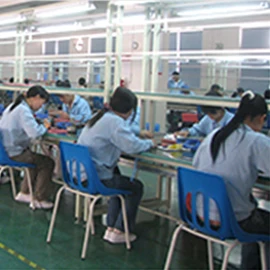
Tianjin Honest Tech. Co., Ltd.
- Manufacturer, Trading Company
- Tianjin, China
- Lead time2 days
- Avg. response≤ 4h
Main productsCar wash towel,Bath towel,flashlight,Garden light,Car Towels
Main marketsWestern Europe(40.00%), North America(40.00%), Eastern Europe(10.00%), South America(5.00%), Southeast Asia(5.00%)
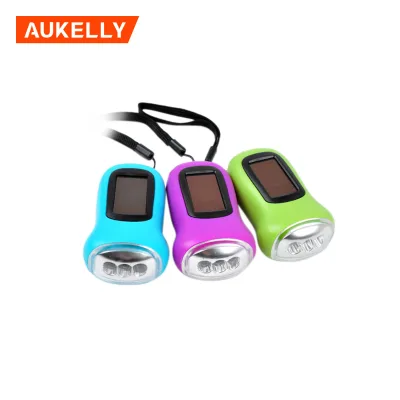
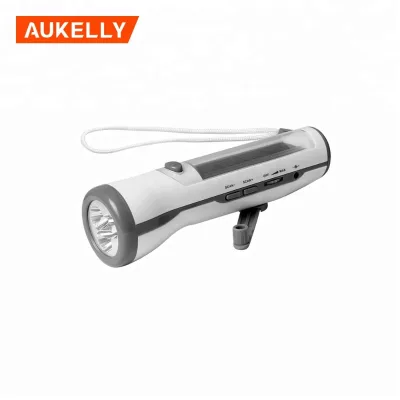
Aukelly Waterproof Hand Crank Solar Portable LED Solar Rechargeable Led Flash Light Torch Light
$1.30 - $3.12
MOQ: 10 Minimum
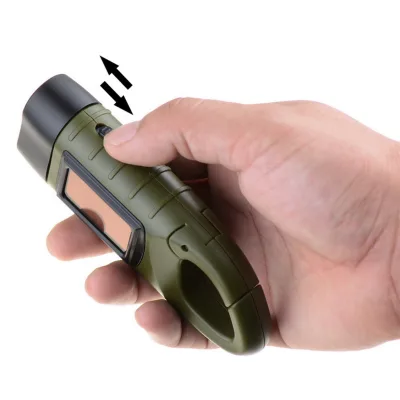

Anhui Xianwei E-Commerce Co., Ltd
- Verified by TUVRHEINLAND
- Manufacturer/Factory
- China Anhui
- Lead time0 days
- Avg. response≤ 4h
Main productsLamp, Cup, Tent
Main marketsSouth America,Eastern Europe,Mid East,North America,Southeast Asia,Eastern Asia,Oceania,Western Europe,Africa
Ningbo Ever Shine Electronic Technology Co., Ltd.
- Trading Company
- Zhejiang, China
- Lead time10 days
- Avg. response≤ 3h
Main productssolar panel,solar system,solar light,led emergency lights,solar fans
Main marketsMid East(12.00%), Africa(10.00%), Southern Europe(10.00%), Western Europe(10.00%), South America(10.00%), Southeast Asia(5.00%), Northern Europe(5.00%), South Asia(5.00%), Eastern Europe(5.00%), Eastern Asia(5.00%), North America(5.00%), Oceania(5.00%), Domestic Market(2.00%), Central America(2.00%)

Ningbo Qingyang Import and Export Co., Ltd.
- Verified by SGS
- Trading Company
- China Zhejiang
- Lead time45 days
- Avg. response≤ 1h
Main productsLED Lights, Table Lamp, Night Light, Solar Garden Light, LED Sensor Light, LED String Light, Decorative Light, LED Work Light, Camping Lantern, LED Candle
Main marketsEast Asia(Japan/ South Korea),Europe,North America

$2.08 - $2.35
MOQ: 5000 Pieces


NINGBO YICHEN ELECTRIC CO., LTD.
- Trading Company,Manufacturer/Factory
- China Zhejiang
- Lead time0 days
- Avg. response≤ 7h
Main productsLED Flashlight, Head Lamp, Camping Lantern, Solar Flashlight, Rechargeable Flashlight, High Power Flashlight, Keychain Flashlight, LED Tweezer, Xenon Flashlight, Shopping Trolley


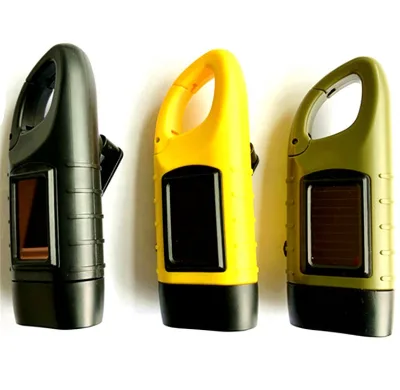


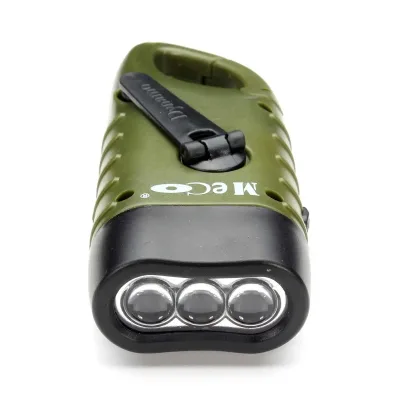
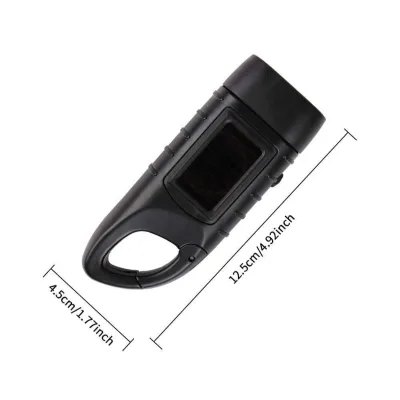


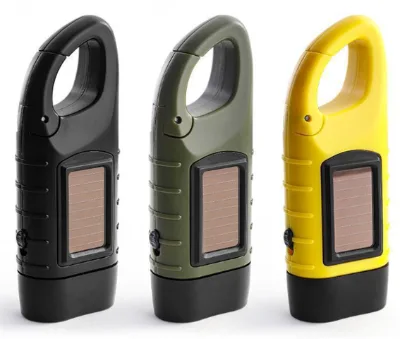


Comprehensive Sourcing Guide
Solar Hand Crank Flashlight Supplier Concentration and Factory Types
Current data indicates a concentration of manufacturing activity within China, specifically in the Zhejiang province, with additional origins noted in Wenzhou and Ningbo. These regions serve as primary hubs for the production of emergency lighting and portable power solutions. Buyers observing these locations should recognize that suppliers in Zhejiang often integrate diverse product lines, including camping lanterns, radio flashlights, and household products, alongside the core Solar Hand Crank Flashlight offerings. This clustering suggests a mature supply chain where raw materials for ABS plastic and lithium batteries are readily accessible, potentially streamlining the production process for complex items like the SB-6019-ZY model.
The supplier landscape includes both combined entities and trading companies, each offering distinct advantages for different procurement strategies. Combined suppliers often possess in-house research and development capabilities, evidenced by their ability to offer ODM, OEM, and own-brand services. This structure allows for deeper customization of features such as waterproof ratings or specific charging mechanisms. In contrast, trading companies may focus on aggregating products from various factories, potentially offering a broader range of main products like fasteners or bearings alongside lighting. Buyers must distinguish between these types to ensure they are engaging with a manufacturer capable of the specific technical modifications required for their Solar Hand Crank Flashlight projects.
How to Verify Solar Hand Crank Flashlight Suppliers
Verification of supplier credibility relies heavily on third-party audit results and system certifications rather than self-reported claims. Current evidence shows that some suppliers hold TUVRHEINLAND verification status, which provides a baseline of trust regarding their operational integrity. Additionally, system certifications such as ISO9001:2015 and ISO14001:2015 indicate adherence to international quality management and environmental standards. Buyers should prioritize suppliers displaying these specific credentials, as they suggest a commitment to consistent manufacturing processes and regulatory compliance. The presence of these certifications is a critical filter when evaluating the reliability of a potential partner for long-term sourcing agreements.
Product-specific evidence further validates a supplier's capability to deliver on technical specifications. Buyers should cross-reference claimed attributes with provided product data, such as the IPX7 waterproof rating or the specific battery capacity of 480 mAh found in certain models. Certifications like CE, RoHS, and FCC are also visible in product attributes, confirming that the electronic components meet safety and electromagnetic compatibility standards for various markets. When a supplier lists a product model like SB-1098-R or MP05, the associated data points regarding material composition, such as ABS plastic, and dimensions provide tangible proof of their manufacturing precision. This granular verification ensures that the supplier can actually produce the exact specifications required for the Solar Hand Crank Flashlight order.
What to Compare Across Solar Hand Crank Flashlight Suppliers
Comparing suppliers requires a systematic evaluation of operational metrics including response times, lead times, and minimum order quantities. Response times vary significantly, with some suppliers demonstrating a speed of 5.12 units while others take 11.48 units, directly impacting the efficiency of communication during the negotiation phase. Lead times are another critical differentiator, with a standard duration of 30 days observed in the current data. Buyers must align these timelines with their inventory planning needs, as a longer lead time may necessitate earlier order placement to avoid stockouts. Additionally, minimum order quantities (MOQ) range from 1000 to 2000 units, requiring buyers to assess their capital availability and storage capacity before committing to a specific supplier.
Price and customization capabilities form the second pillar of comparison across the supplier base. Unit prices for solar hand crank flashlights can range from approximately 1.43 to 10.00, depending on the model complexity and feature set. Suppliers offering customization services allow for tailored solutions, such as specific branding or unique functional additions like integrated radios or siren alarms. The availability of ODM and OEM services indicates a supplier's flexibility in adapting products to market demands. Buyers should also examine the main product lists to ensure the supplier has a diverse portfolio, which often correlates with a robust supply chain capable of handling volume fluctuations. This comprehensive comparison ensures the selection of a partner that balances cost, speed, and technical flexibility.
Common Solar Hand Crank Flashlight Sourcing Risks
One significant risk in sourcing solar hand crank flashlights involves the discrepancy between advertised specifications and actual product performance. While product attributes list features like a 50lm output or a 6-hour runtime, these figures can vary based on battery age, solar panel efficiency, and environmental conditions. Buyers must be cautious of claims regarding light range or waterproof ratings without independent verification, as the IP55 or IPX7 ratings provided in data may not reflect real-world durability under extreme stress. The reliance on specific battery types, such as Lithium or Ni-MH, introduces variability in performance that can affect the end-user experience if not rigorously tested before mass production.
Another risk stems from the complexity of the supply chain when dealing with trading companies versus direct manufacturers. Trading companies may aggregate products from multiple sources, potentially leading to inconsistencies in quality control or packaging standards. For instance, one model might arrive in a blister card while another uses a color box, indicating a lack of standardized packaging protocols. Furthermore, the integration of multiple functions, such as FM/AM radio and flashlight capabilities, increases the potential for component failure. Buyers should verify that the supplier has a robust quality assurance process to mitigate these risks, ensuring that the final product meets the required safety and functional standards before shipment.
Solar Hand Crank Flashlight Regional Sourcing and Logistics
Sourcing from the identified regions in China, particularly Zhejiang, Wenzhou, and Ningbo, offers logistical advantages due to established port infrastructure and specialized manufacturing clusters. These locations are well-connected to international shipping routes, facilitating the export of goods like the SB-6019-ZY or MP05 models to global markets. The concentration of suppliers in these areas often leads to competitive freight rates and streamlined customs procedures, as local logistics providers are accustomed to handling electronic and lighting products. Buyers should leverage this regional density to negotiate better shipping terms and reduce the overall cost of goods sold.
However, regional sourcing also presents challenges related to distance and potential delays in transit. The 30-day lead time observed in the data includes production and preparation for shipment, but external factors such as port congestion or weather events can extend this timeline. Buyers must account for these variables when planning their inventory cycles, especially for products with specific origin requirements like those marked as originating from Wenzhou or Ningbo. Establishing clear communication channels with suppliers regarding shipping schedules and tracking is essential to manage these logistical complexities. Proactive planning ensures that the solar hand crank flashlights arrive on time, maintaining the supply chain's integrity and meeting customer demand without interruption.
Solar Hand Crank Flashlight Commercial Terms and Order Planning
Commercial terms for solar hand crank flashlights are heavily influenced by the minimum order quantities and pricing structures observed in the market. With MOQs ranging from 1000 to 2000 units, buyers must ensure they have sufficient demand to justify the order size. Pricing tiers, such as the 1.43 to 10.00 range, suggest that volume discounts may be available, encouraging larger orders to achieve better unit economics. Buyers should negotiate based on these tiers, aiming to secure favorable rates while maintaining a healthy profit margin. Understanding the price range is crucial for budgeting and ensuring the financial viability of the sourcing project.
Order planning must also consider the customization options and production lead times to align with market launch schedules. Suppliers offering customization services require additional time for design approval and prototype development, which can extend the overall timeline beyond the standard 30-day production window. Buyers should factor in these extra days when creating their project timelines to avoid delays. Additionally, the availability of escrow services and verified supplier status provides a layer of financial security, ensuring that payments are released only upon satisfactory delivery. By carefully planning these commercial aspects, buyers can mitigate risks and ensure a smooth procurement process for their Solar Hand Crank Flashlight orders.
FAQs
What is the typical MOQ for solar hand crank flashlights?
Published MOQs in current listings range from 1,000 to 2,000 units per model, so smaller test orders may be difficult for some designs. Entry-level keychain-style units sit at the lower end, while larger waterproof torches often require the higher quantity. Always confirm the exact MOQ per model before requesting a quotation, since it can vary by product configuration.
How long does production take after an order is confirmed?
One listed supplier states a lead time of 30 days, which is a reasonable planning benchmark for standard Solar Hand Crank Flashlight orders. Customization such as logo printing, packaging changes, or firmware tweaks can extend this schedule. Ask each supplier to confirm current lead time in writing and factor in shipping time to your destination port.
Are these flashlights waterproof enough for outdoor and emergency use?
Listings show ratings from IP55 to IPX7, so waterproofing varies considerably between models. An IPX7 unit can handle submersion, making it suitable for marine or storm kits, while IP55 covers rain and splashes. Check the stated rating for the specific model, and request test documentation if your use case demands proven water resistance.
What certifications should I ask for when sourcing these products?
Common certifications in the listings include CE, RoHS, and FCC, and some suppliers hold ISO9001:2015 and ISO14001:2015 system certificates. Verify that certification applies to the exact model you order rather than the product category in general. Request copies of current certificates and check that the issuing body and validity dates are legible before committing.
What specifications matter most when comparing models?
Focus on waterproof rating, luminous flux, battery capacity, and charging options, since these vary widely across listings. Examples include 50-lumen camping light output, 480 mAh batteries, and combined solar, hand crank, and USB charging. Also compare runtime after a full charge and LED lifetime ratings to judge durability for emergency or retail use.
How quickly do suppliers typically respond to inquiries?
Recorded response times among current suppliers range from roughly 5 to 11.5 hours, so expect replies within half a day in most cases. Faster responders are usually better for urgent sampling and negotiation rounds. Send a detailed first inquiry covering quantities, customization, and target price, because complete briefs tend to shorten back-and-forth delays.
Can I order custom-branded units for retail sale?
Customization is marked as available on multiple listed models, and some suppliers support ODM, OEM, and their own brand arrangements. Typical options include logo printing, custom packaging such as blister card or color box, and color variations. Confirm tooling costs, sample fees, and minimum quantities for customized orders, as these usually differ from stock-item terms.
What price range should I expect per unit?
Listed prices span roughly $1.43 to $10.00 per unit depending on functionality and size. Compact keychain-style units sit near $1.80, mid-range dynamo torches around $1.43 at the low end, and multifunction radio flashlight combinations from about $5.90 upward. Volume, certification requirements, and packaging choices all shift the final quoted price.