Philips Vacuum Cleaner Filter Bag Suppliers and Manufacturers
Explore 28 verified options for Philips Vacuum Cleaner Filter Bag from Zhejiang and Shandong factories. Compare lead times, MOQs, response speeds, and pricing to source compatible parts efficiently. Request samples to validate quality before bulk orders; review the available evidence before requesting comparable quotations from suitable candidates.
Suppliers List
- Trading Company
- Zhejiang, China
- Lead time25 days
- Avg. response≤ 3h
Main productsVacuum cleaner filter and dust bag,Robot Vacuum Cleaner Parts,Vacuum Cleaner brush and extension Tube,Vacuum Cleaner Brush,Vacuum Cleaner Mop
Main marketsEastern Europe(35.50%), North America(28.70%), Northern Europe(16.30%), South America(10.80%), Mid East(8.70%)

SHOUGUANG SUNRISE INDUSTRY CO., LTD.
- Verified by CTI
- Trading Company
- China Shandong
- Lead time30 days
Main productsPaper, Cup Fans, PE Coated Paper, Art Paper, Fbb, Offset Paper, Paper Cup, Paper Bowl, Thermal Paper, Copy Paper
Main marketsSoutheast Asia/ Mideast


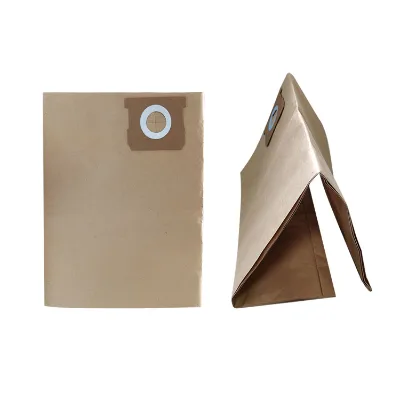
Rechargeable Vacuum Cleaner Dust Filter Bag Disposal Paper Low Price Household
$0.45
MOQ: 40000 Pieces


Tong Xiang Jiajie Environmental Technology Co., Ltd.
- Verified by BV
- Combined
- China Zhejiang
- Lead time30 days
Main productsHEPA Filter, Non-Woven Bag, Air Filter, Vacuum Cleanr Part, Vacuum Cleaner Filter, Active Carbon Filter, Air Purifier Filter, Humidifier Filter, Filter Bag, Wick Filter
Main marketsOthers(foreignTradeCapacity.exportBusinessCapacityMarketOther),Southeast Asia/ Mideast,Europe,North America

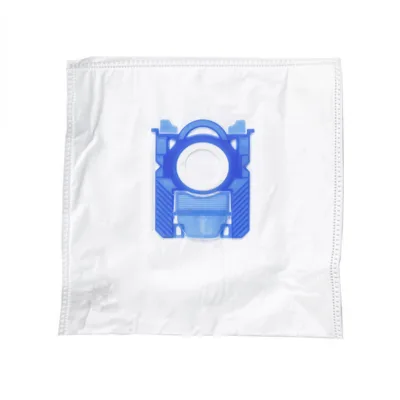
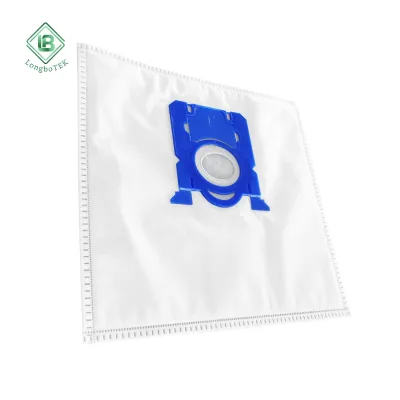
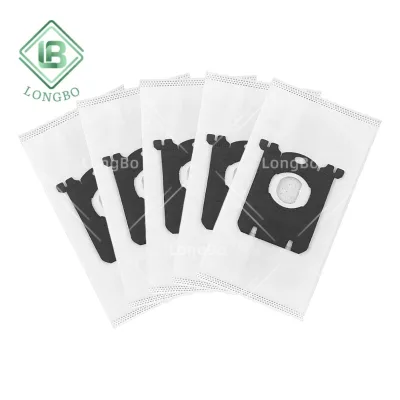
Vacuum Cleaner Bags for Philips Vacuum Cleaner Dust Bag Practical for Vacuum Cleaner for Household
$0.20 - $0.69
MOQ: 500 Pieces

$1.30 - $1.50
MOQ: 1000 Pieces

Shanghai Jiansong Industry and Trade Co., Ltd
- Verified by TUVRHEINLAND
- Combined
- China Shanghai
- Lead time15 days
Main productsConcrete Floor Grinder, Floor Polisher, Floor Burnisher, Floor Scrubber, Industrial Foor Vacuum Cleaner, Diamond Pads, Resin Pads, Metal Pads, Wet Vacuum Cleaner
Main marketsAfrica,Southeast Asia/ Mideast,East Asia(Japan/ South Korea),Europe,North America

Nanjing Blue Sky Filter Co., Ltd.
- Verified by CTI
- Combined
- China Jiangsu
- Lead time15 days
Main productsAir Filters, HEPA Filters, Air Purifier Filters, Vacuum Cleaner Filters, Humidifier Filters, Automobile Air Filters, Filter Bags, HVAC Filters, Robotic Vacuum Cleaner Parts, Cooker Hood Filters
Main marketsSouth America,Southeast Asia/ Mideast,East Asia(Japan/ South Korea),Domestic,Europe,Australia,North America


Vacuum Cleaner Dust Paper Bags of Lux D748 D768 D770 D795 Vacuum Cleaner Filter Bag
$0.20 - $3.50
MOQ: 1000 Pieces

Fabric Dust Collect Filter Bag for Philipss S Vacuum Cleaner Replace Part FC8027/01
$0.20 - $3.50
MOQ: 1000 Pieces

China Supplier Customized Vacuum Cleaner HEPA Dust Filter Bags for Vacuum Cleaner Parts Accessories
$0.10 - $3.01
MOQ: 1000 Pieces
Nanjing Blue Sky Filter Co., Ltd.
- Manufacturer, Trading Company
- Lead time旺季: "1 - 500":25,"> 500":"To be negotiated", 淡季: "1 - 500":25,"> 500":"To be negotiated"
- Avg. response≤ 7h
Main productsAir Filters,Air Purifier Filters,Vacuum Cleaner Filters,Humidifier Filters,HVAC Filters
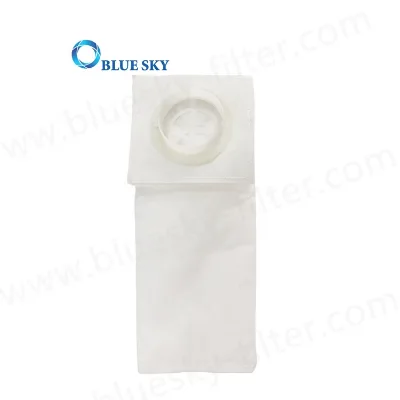
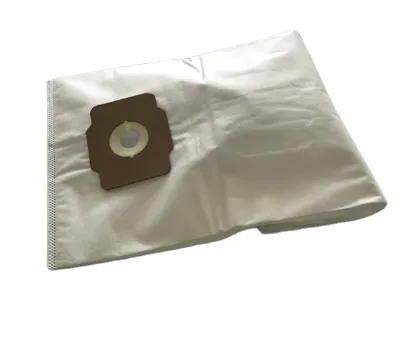
Universal Central Vacuum Exhaust HEPA Dust Filter Bag Fits for Electrolux Vacuum Cleaner Parts
$0.12 - $2.00
MOQ: 1 Minimum
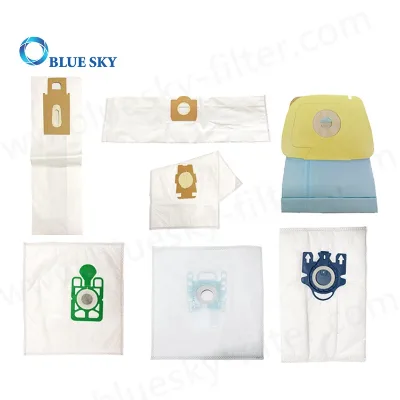
Customized Vacuum Filter Bags Kit Replacement for Many Kinds of Vacuum Cleaner Dust Bags
$1.80 - $2.30
MOQ: 5000 pieces
Suzhou Hifine Environment Protection Technology Co., Ltd.
- Manufacturer, Trading Company
- Jiangsu, China
- Lead time15 days
- Avg. response≤ 2h
Main productsVacuum Cleaner Parts,Air Purifier Parts,Wet Dry Vacuum Cleaner Parts,Humidifier Parts,Water Filters
Main marketsNorth America(30.00%), Southern Europe(20.00%), Northern Europe(20.00%), Eastern Europe(20.00%), Western Europe(20.00%), South Asia(10.00%), Oceania(10.00%), Southeast Asia(10.00%), Central America(10.00%), South America(10.00%), Eastern Asia(10.00%), Mid East(10.00%)

Jiangxi Dele Intelligent Technology Co., Ltd.
- Verified by TUVRHEINLAND
- Combined
- China Jiangxi
- Lead time15 days
Main productsAutomatic Slitting Machine, Bedsheet Folding Machine, Cotton Pads Slicing Machine, Filter Bag Making Machine, Kitchen Towel Making Machine, Facial Towel Making Machine
Main marketsAfrica,Southeast Asia/ Mideast


$62500.00 - $65500.00
MOQ: 1 Sets

$62500.00 - $65500.00
MOQ: 1 Sets

Ganzhou Huican Trading Co., Ltd
- Trading Company
- Jiangxi, China
- Lead time15 days
- Avg. response≤ 13h
Main productsMicrofiber Mops,Microfiber Mop Pads,Vacuum cleaner parts,Vacuum dust bags,mops
Main marketsNorth America(30.00%), Domestic Market(20.00%), Mid East(10.00%), Western Europe(10.00%), Eastern Europe(10.00%), South America(5.00%), Northern Europe(5.00%), Southeast Asia(5.00%), Eastern Asia(5.00%)
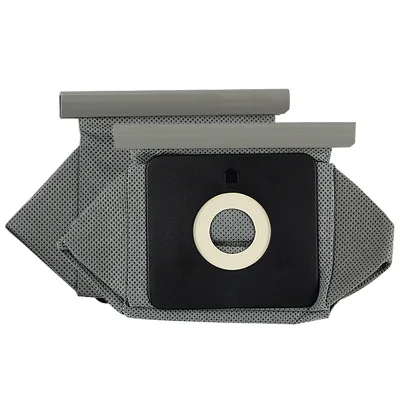
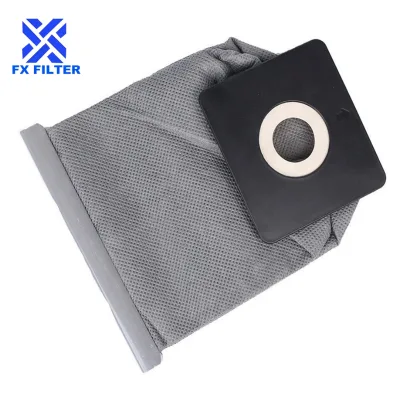
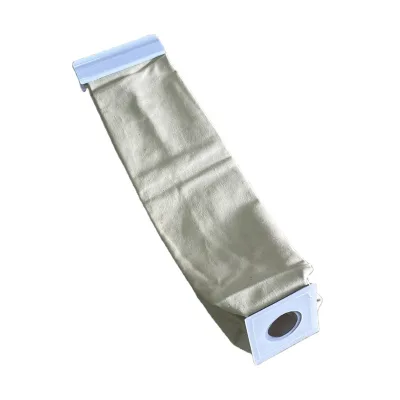
Washable Vacuum Cleaner Cloth Dust Bag for Philips, Electrolux, LG Vacuum Cleaner
$0.45 - $0.55
MOQ: 1000 pieces
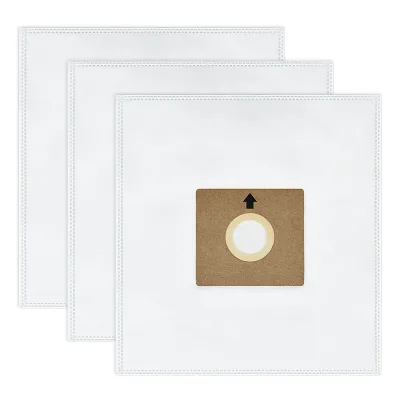
Disposable Vacuum Cleaner Dust Bags Fit for for Philips, Sanyo, Electrolux Vacuum Cleaner
$0.35 - $0.45
MOQ: 500 pieces
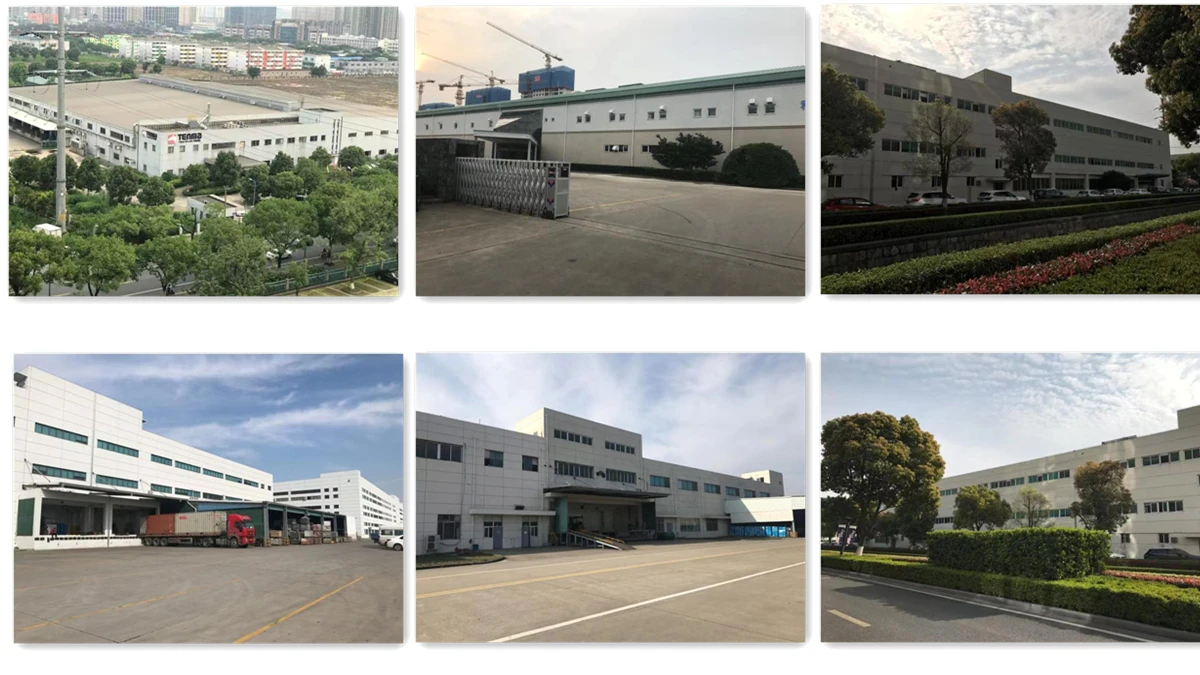
Suzhou Riyingxin Environmental Protection Technology Co., Ltd.
- Trading Company
- Jiangsu, China
- Lead time30 days
- Avg. response≤ 6h
Main productshepa filter,dust bag,air purifier filter,filter bag,vacuum cleaner parts
Main marketsNorth America(70.00%), Domestic Market(10.00%), Oceania(10.00%), Eastern Europe(10.00%)
Jiaxing Ucp Electric Appliance Co., Ltd.
- Manufacturer
- Zhejiang, China
- Lead time20 days
- Avg. response≤ 7h
Main productsVacuum Cleaner Parts,Vacuum Cleaner Filter,Vacuum Cleaner Brush,Vacuum Cleaner Bag,Food Blender Parts
Main marketsWestern Europe(48.00%), Eastern Europe(15.00%), Mid East(12.00%), North America(8.00%), Northern Europe(4.00%), Oceania(3.00%), Domestic Market(3.00%), South America(3.00%), Africa(2.00%), Eastern Asia(2.00%)
Chuzhou Longbo Plastic Products Co., Ltd.
- Verified by SGS Group
- Manufacturer, Trading Company
- Lead time15 days
- Avg. response≤ 4h
Main productsVacuum Cleaner Parts, Mop Cloth
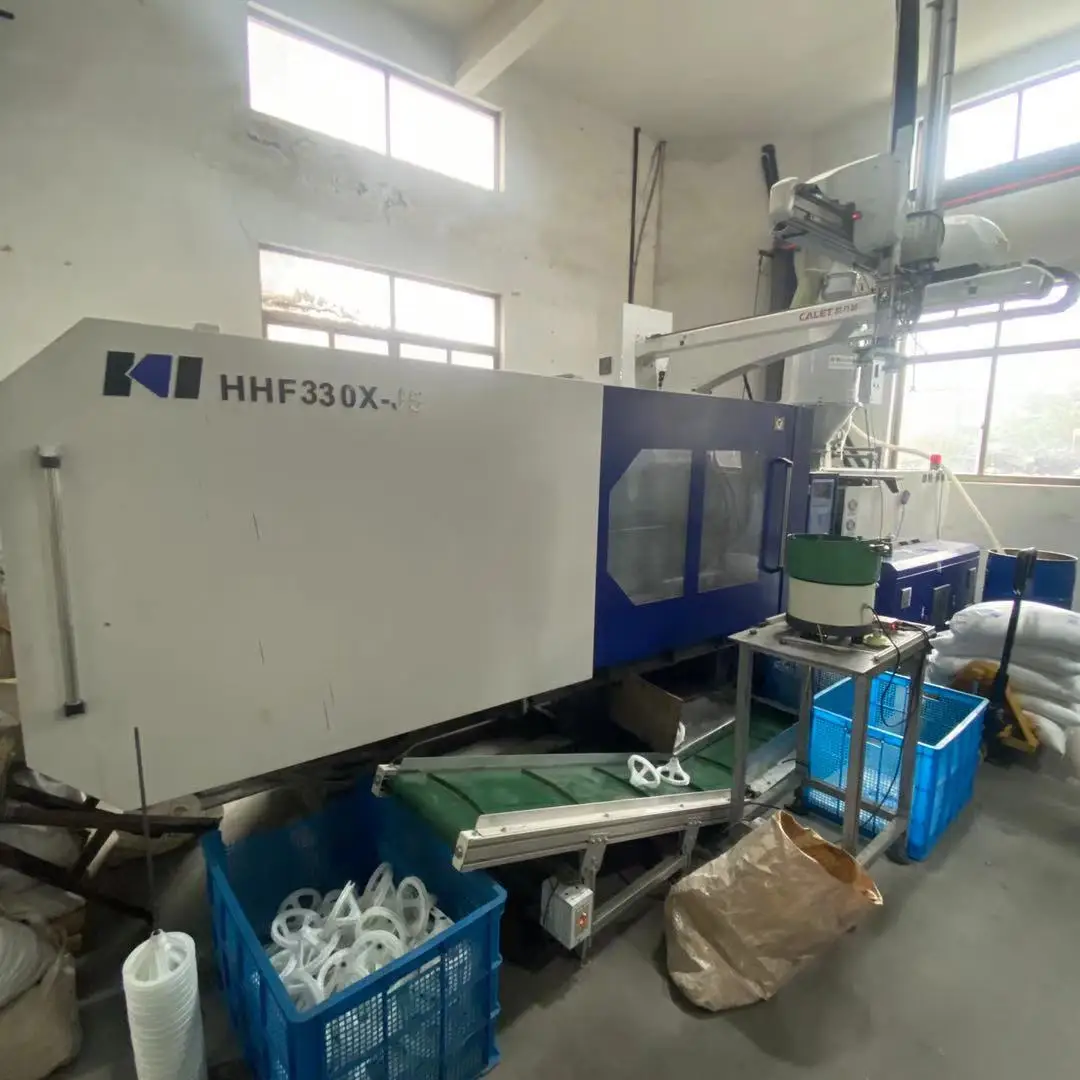
Cixi Xingda Electric Appliance Co.,ltd.
- Manufacturer, Trading Company
- Zhejiang, China
- Lead time20 days
- Avg. response≤ 4h
Main productsWashing Machine Parts,Refrigerator Parts,Air conditioner parts,Kitchen appliance Parts,Dryer Parts
Main marketsSouth America(40.00%), Mid East(40.00%), Southeast Asia(10.00%), South Asia(5.00%), North America(5.00%)
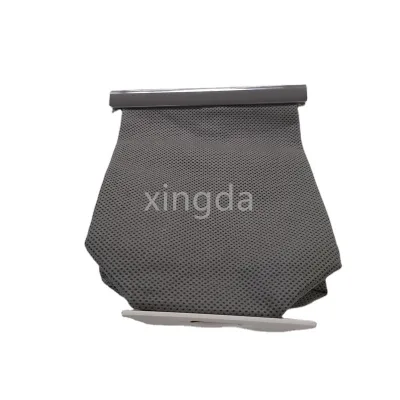
Vacuum Cleaner Bags Replacement Vacuum Spare Parts Dust Filter Bag for Mie--le G--N Vacuum Cleaner
$0.92 - $1.02
MOQ: 1000 Minimum
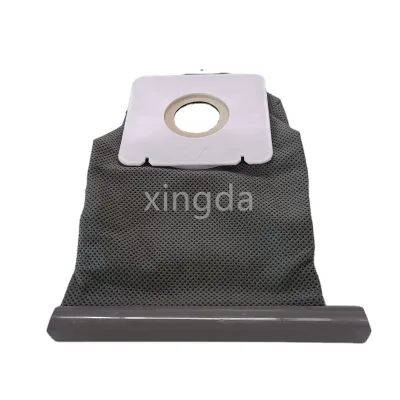
$0.92 - $1.22
MOQ: 1000 Minimum
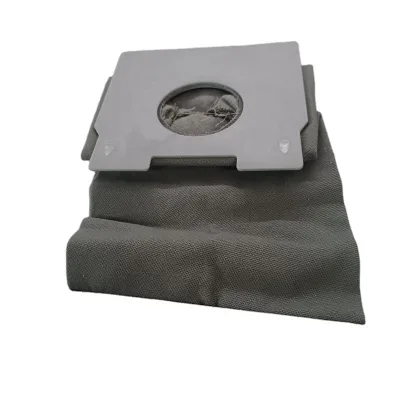

- Verified by TUVRHEINLAND
- Combined
- China Jiangsu
- Lead time15 days
Main productsFilter Cartridge, Air Filter Cartridge, Dust Collector, Dust Filter Cartridge, Pleated Bag Filter, Air Filter, Filter Element, Ployester Filter Cartridge, Air Filter Equipment, Pleated Filter Cartridge
Main marketsSoutheast Asia/ Mideast
Tongxiang Fangxiang Filter Co., Ltd.
- Manufacturer, Trading Company
- Zhejiang, China
- Lead time25 days
- Avg. response≤ 10h
Main productsVacuum Cleaner Accessories,Air Purifier Filter,Vacuum Cleaner Dust Bag,Vacuum Cleaner Filter,Vacuum Cleaner HEPA Filter
Main marketsNorth America(65.00%), Western Europe(15.00%), South America(10.00%), Southeast Asia(10.00%)
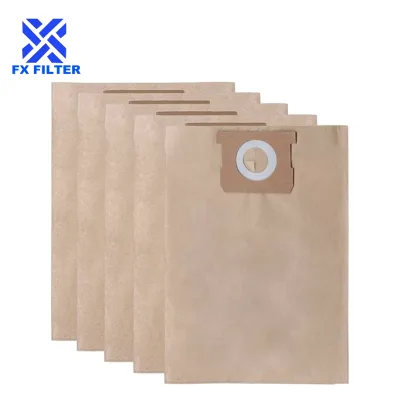
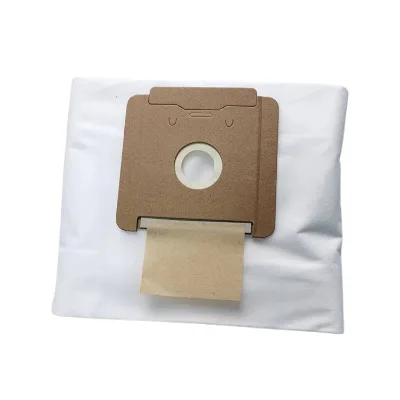
$0.50 - $2.00
MOQ: 3000 Minimum
Cangzhou Jiachen Environmental Protection Machinery Equipment Co., Ltd.
- Manufacturer, Trading Company
- Hebei, China
- Lead time20 days
- Avg. response≤ 2h
Main productsdust collector,Filter cartridge dust collector,catalytic combustion,Polishing workbench,Activated carbon adsorption box
Main marketsSoutheast Asia(70.00%), North America(30.00%)
Dongyang Dot Buy Trading Co., Ltd.
- Trading Company
- Zhejiang, China
- Lead time35 days
- Avg. response≤ 14h
Main productsFelt letter boards,Oven seals,Washing machine hose,Pool hose,Flexible duct
Main marketsNorth America(65.00%), Western Europe(20.00%), Southeast Asia(8.00%), Eastern Europe(5.00%), South America(2.00%)
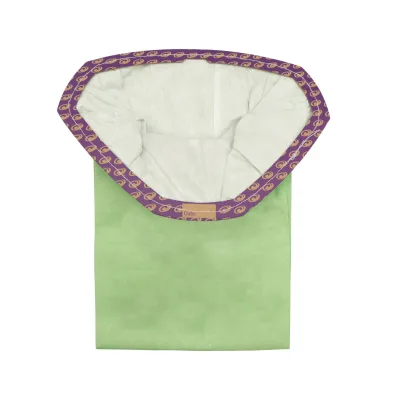
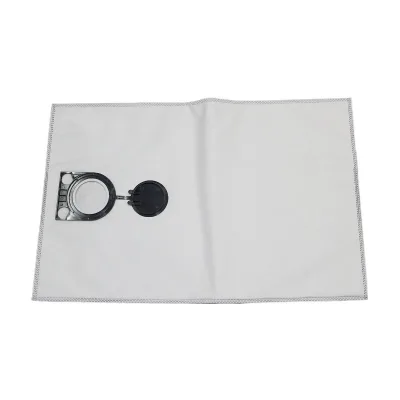
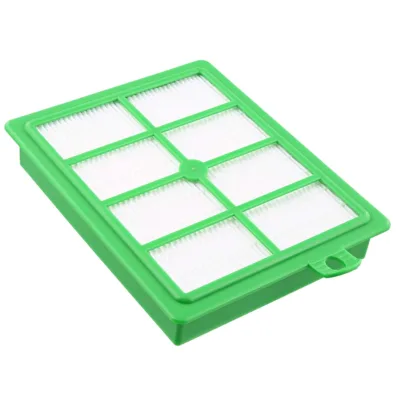
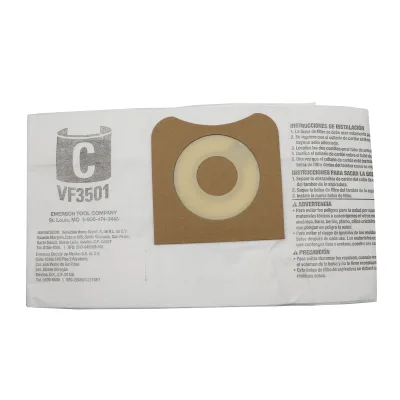
OEM Laminated Non-Woven Dust Collection Filter Bag, Suitable for Wet & Dry Vacuum Cleaner, VF3501
$0.26 - $0.57
MOQ: 200 cases
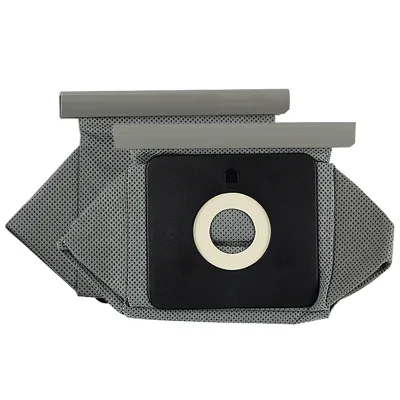

GuangZhou HaoTian Cleaning Equipment Technology Co.,Ltd
- Verified by TUVRHEINLAND
- Manufacturer/Factory
- China Guangdong
- Lead time23 days
Main productsIndustrial Vacuum Cleaner, Floor Scrubber, Floor Polishing Machine, Carpet Blower, Cleaning Tools, Floor Sweeper, Wringer Trolley
Main marketsSouth America,Eastern Europe,Mid East,North America,Southeast Asia,Eastern Asia,Oceania,Western Europe,Africa


Hoover Pacvac Back-Pack Vacuum Cleaner Light Commercial Backpack Vacuum Cleaner
$68.00 - $118.00
MOQ: 10 Sets


Industrial Vacuum Cleaner Industrial Wet and Dry Heavy Duty Vacuum Cleaner
$529.00 - $929.00
MOQ: 10 Sets
Botou Jiuqing Environmental Protection Equipment Co., Ltd.
- Manufacturer, Trading Company
- Hebei, China
- Lead time5 days
- Avg. response≤ 3h
Main productsEnvironmental dust collector,Bag filter,Dust collector accessories
Main marketsEastern Europe(15.00%), Mid East(15.00%), Eastern Asia(15.00%), Western Europe(15.00%), North America(10.00%), South America(10.00%), Oceania(10.00%), Southeast Asia(5.00%), Africa(5.00%)

Ningbo Kelina Electric Appliance Co., Ltd.
- Combined
- China Zhejiang
- Lead time45 days
Main productsVacuum Cleaner, Electric Sprayer, Lawn Mower, Mite Remover, Ignition Distributor, Ignition Coil, Water Pump, Ignition Module, Agricultural Sprayer, Portable Water Pump
Main marketsSoutheast Asia/ Mideast,East Asia(Japan/ South Korea),North America


White Hand-Held Vacuum Cleaner with Ultra Fine Air Filter - Factory Direct
$12.50 - $16.00
MOQ: 100 Pieces


Ultra Fine Air Filter Hand-Held Vacuum Cleaner - White From Trusted Factory
$12.50 - $16.00
MOQ: 100 Pieces


Jiaxing Xiaotian Environmental Technology Co., Ltd.
- Verified by SGS Group
- Manufacturer, Trading Company
- Lead time20 days
- Avg. response≤ 5h
Main productsRobot Vacuum Cleaner Parts, Vacuum Cleaner Dust Bag, Vacuum Cleaner Filter, Air Purifier Filter, Vacuum Cleaner Parts
Main marketsNorth America(28%), Eastern Europe(25%), Western Europe(25%)
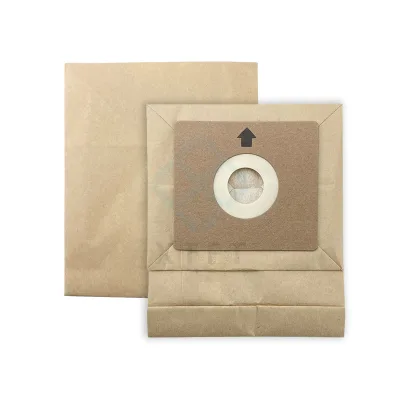
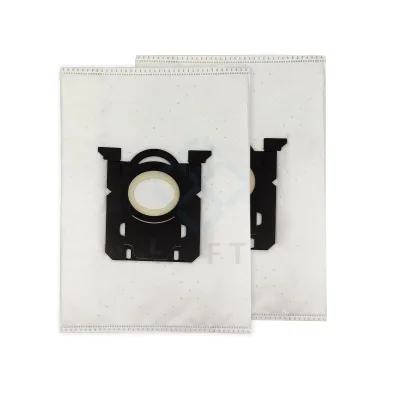
$0.20 - $1.20
MOQ: 1000 Minimum

Hebei Jiutai Environmental Protection Equipment Co., Ltd
- Verified by CTI
- Combined
- China Hebei
- Lead time30 days
Main productsDust Removal and Environmental Protection Equipm, Dust Bag, Dust Removal Skeleton, Polishing Platform
Main marketsDomestic

NingBo ChinaClean Household Appliances Manufacture Co., Ltd.
- Manufacturer/Factory
- China Zhejiang
- Lead time0 days
Main productsHome Vacuum Cleaner, Floor Brush, Spare Parts of Vacuum Cleaner, Car Vacuum Cleaner, Stick Vacuum Cleaner, Cyclone Vacuum Cleaner, Bagless Vacuum Cleaner, Bagged Vacuum Cleaner, Rechargeable Vacuum Cleaner, Handheld Vacuum Cleaner
Main marketsSouth America,Eastern Europe,Mid East,North America,Southeast Asia,Eastern Asia,Oceania,Western Europe,Africa
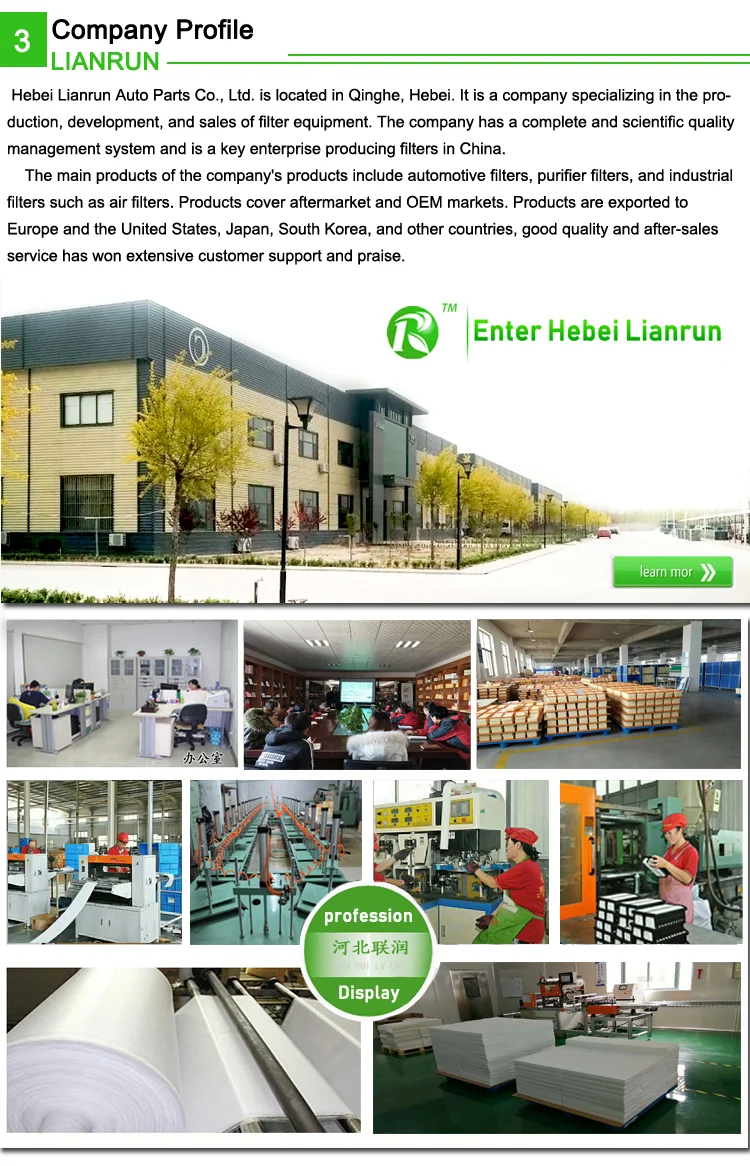
Hebei Lianrun Automobile Parts Co., Ltd.
- Manufacturer, Trading Company
- Hebei, China
- Lead time15 days
- Avg. response≤ 4h
Main productsHepa Filter,Air Filter,Vacuum Cleaner Filter,lawn mower filter,swimming filter
Main marketsEastern Asia(24.00%), North America(24.00%), Domestic Market(20.00%), Western Europe(16.00%), Southeast Asia(9.00%), Eastern Europe(7.00%)
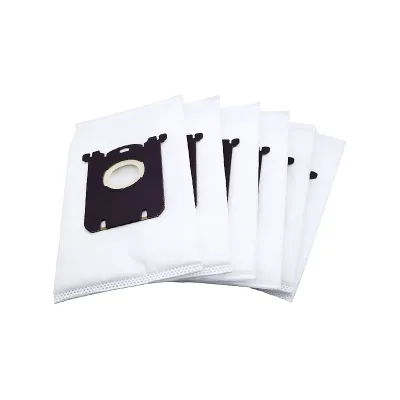
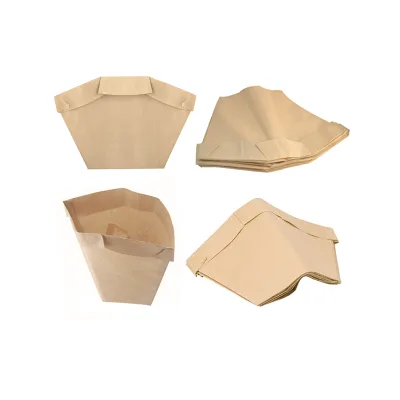
Vacuum Cleaner Part Bags Fits for Hoover C2401 Shoulder Vac and Back Pack 401000BP 1KE2103000
$0.88 - $1.50
MOQ: 100 pieces

Suzhou Wise Mechanic Electric Appliance Co., Ltd.
- Verified by TUVRHEINLAND
- Combined
- China Jiangsu
- Lead time23 days
Main productsVacuum Cleaner, Ash Vacuum, Wet Dry Vacuum Cleaner, Wet Dry Vacuum, Ash Vacuum Cleaner, Fireplace Vacuum, Pond Cleaner, Cylinder Vacuum Cleaner, Fireplace Vacuum Cleaner, Mud Vacuum Cleaner
Main marketsDomestic

HEBEI OUTAI ENVIRONMENTAL PROTECTION EQUIPMENT CO., LTD.
- Verified by BV
- Combined
- China Hebei
- Lead time15 days
Main productsBag Dust Collector, Dust Filter Bag, Bag Cage, Dust Separator, Bucket Elevator, Scraper Conveyor, Electrostatic Precipitator, Rotary Unloader, Dust Humidifier, Pulse Valve
Main marketsOthers(foreignTradeCapacity.exportBusinessCapacityMarketOther),Southeast Asia/ Mideast


High Airflow Filter Cartridge with Optimized Pleat Design for Maximum Flow Rate
$26.00 - $30.00
MOQ: 1 Pieces


Xinxiang City Huahang Filter Co., Ltd.
- Verified by BV
- Combined
- China Henan
- Lead time15 days
Main productsHydraulic Oil Filter, Industrial Water Filter Cartridge, Dust Collector Air Filter, PP Spun Filter, Stainless Steel Sintered Filter, Nature Gas Filter, Filter Element, Oil Filter Carts/Housing, Coalescer Filter, Activated Carbon Air Filter
Main marketsSouth America,Africa,Southeast Asia/ Mideast,East Asia(Japan/ South Korea),Europe,Australia,North America

Zhejiang Jhen Ten Machinery Co., Ltd.
- Verified by CTI
- Manufacturer/Factory
- China Zhejiang
- Lead time38 days
Main productsStorage Tank, Mixing Tankfilter Housing, Stainless Steel Tank, Filter Housing, Bag Filter, Fermentation Tank, Sanitary Filter, Cartridge Filter, Reactor, Pressure Vessel
Main marketsSouth America,Eastern Europe,Mid East,North America,Southeast Asia,Eastern Asia,Oceania,Western Europe,Africa


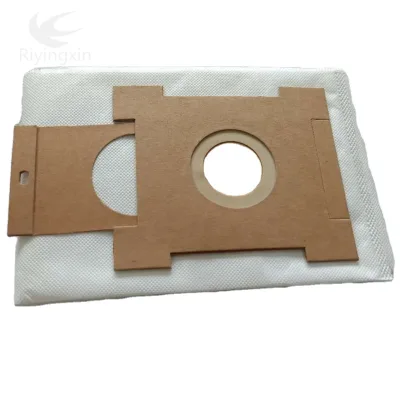
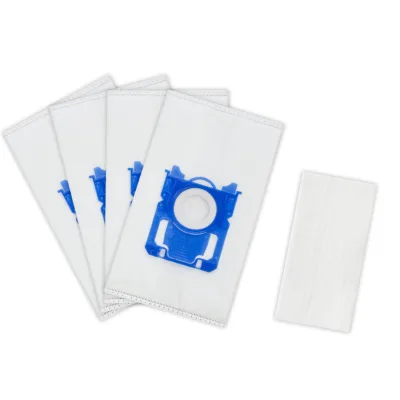
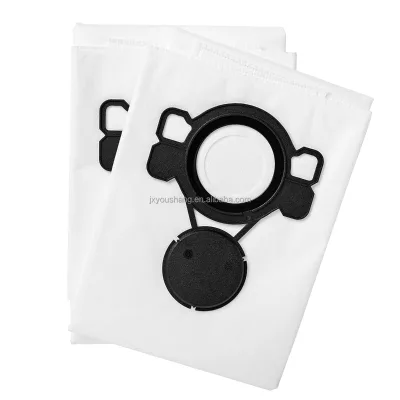
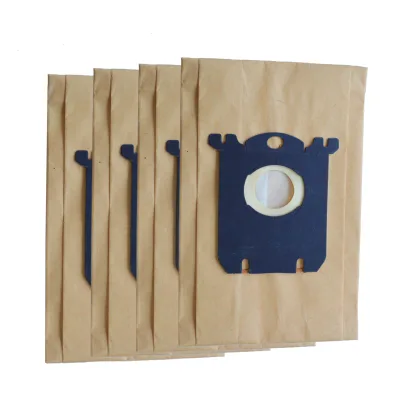




Comprehensive Sourcing Guide
Philips Vacuum Cleaner Filter Bag Supplier Concentration and Factory Types
The current supplier landscape for vacuum cleaner components shows a distinct concentration of manufacturing activity within Zhejiang, China, where multiple entities list this region as their primary operational base. These suppliers often identify their business type as either a manufacturer or a trading company, though product-level data frequently indicates a manufacturer status with capabilities for OEM customization. This distinction is critical because a trading company may aggregate goods from various factories, whereas a manufacturer controls the production line directly, potentially offering more consistent quality control for specific filter bag models. The presence of companies listing Zhejiang as their origin suggests a mature industrial cluster for household appliance parts, yet buyers must verify if the specific factory they engage is the actual production site or merely a sales intermediary.
In addition to the Zhejiang cluster, some supplier profiles indicate operations in Shandong, China, expanding the geographic scope of potential sourcing partners. These facilities often specialize in paper-based filtration products, with main product lines including various paper types and specialized filter bags for different vacuum cleaner brands. The diversity in company types means that a buyer might encounter a trading company in one region and a direct manufacturer in another, each offering different advantages regarding lead times and communication. It is essential to examine the specific product attributes listed, such as the "Business type" field, to confirm whether the entity is a manufacturer or a trader, as this directly impacts the ability to customize designs or negotiate pricing for large orders.
How to Verify Philips Vacuum Cleaner Filter Bag Suppliers
Verification begins with scrutinizing the specific product attributes and business declarations provided in the supplier's catalog, as these often contain the most reliable indicators of legitimacy. Buyers should look for explicit statements regarding the "Business type," ensuring it aligns with the claimed role, such as "Manufacturer" or "Trading Company," and cross-reference this with the "place of origin" to confirm the location matches the claimed facility. Additionally, checking for verification badges like "CTI" can provide a layer of assurance regarding the supplier's identity, though this should be treated as a starting point rather than a guarantee of quality. The presence of detailed product specifications, such as material composition and compatible models, further suggests a supplier with direct access to production data rather than a reseller with limited knowledge.
Beyond basic identity checks, buyers must assess the depth of after-sales support and warranty terms listed for specific products to gauge supplier reliability. Some product listings explicitly state "Free Spare Parts" or "Return and Replacement" services, while others offer a "1 Year" warranty, indicating a higher level of confidence in their manufacturing process. The availability of customization options, such as "Accepted OEM" or "Customize Logo Acceptable," serves as another verification metric, as genuine manufacturers are typically more flexible with branding and design changes than trading companies. By comparing these service levels across different listings, buyers can identify suppliers who are willing to stand behind their products with tangible commitments rather than vague promises.
What to Compare Across Philips Vacuum Cleaner Filter Bag Suppliers
When evaluating potential partners, the primary comparison points should include lead times, minimum order quantities, and response speeds, as these factors directly influence supply chain efficiency. Current data indicates lead times ranging from 25 days to 30 days, with some specific product listings showing a delivery window of 7-9 days after payment, highlighting significant variability in production capacity. Minimum order quantities also vary widely, with some suppliers requiring as few as one unit while others demand bulk orders of 6,000 or even 40,000 units, necessitating a clear assessment of the buyer's volume requirements before engaging. Response times, noted as a metric of 3 in some profiles, serve as an additional indicator of how quickly a supplier can address inquiries and resolve potential issues during the sourcing process.
Price structures and material specifications form another critical dimension for comparison, as costs can fluctuate based on the type of material used, such as environmental-friendly materials or standard paper. Price ranges observed in the data span from approximately $0.15 to $0.75 per unit, depending on the specific model and order volume, requiring buyers to calculate the total cost of ownership rather than just the unit price. Material attributes like "High Efficiency" or "Eco-Friendly" features should be weighed against the price point to ensure the product meets the necessary performance standards for the intended application. By systematically comparing these variables, buyers can identify suppliers that offer the best balance of cost, speed, and quality for their specific procurement needs.
Common Philips Vacuum Cleaner Filter Bag Sourcing Risks
One significant risk in sourcing vacuum cleaner filter bags is the potential mismatch between the claimed business type and the actual production capability, which can lead to quality inconsistencies or communication delays. If a supplier lists themselves as a manufacturer but lacks the specific machinery for custom filter bag production, they may be acting as a middleman, which can obscure the true source of the product and complicate quality control efforts. This discrepancy is particularly risky when dealing with specialized components like HEPA filters or specific bag sizes, where precise manufacturing tolerances are required to ensure compatibility with various vacuum cleaner models. Buyers must therefore rigorously verify the "Business type" and request evidence of production capacity to mitigate this risk.
Another prevalent risk involves the variability in warranty and after-sales service terms, which can leave buyers vulnerable if the product fails to meet performance expectations. While some listings offer a "1 Year" warranty or "Free Spare Parts," others provide no warranty at all, creating a stark contrast in risk exposure. The absence of clear return and replacement policies in certain product descriptions suggests that the supplier may not be fully committed to long-term customer satisfaction, potentially leaving the buyer with defective inventory. Additionally, the lack of standardized certifications or test results in the provided data means that buyers cannot rely on third-party validation of product safety or efficiency, necessitating a more cautious approach to supplier selection.
Philips Vacuum Cleaner Filter Bag Regional Sourcing and Logistics
Sourcing from the identified regions of Zhejiang and Shandong, China, offers access to a robust network of manufacturers specializing in household appliance parts, yet it introduces specific logistical considerations regarding shipping and lead times. The proximity of these industrial clusters to major ports facilitates efficient export, but the varying lead times, ranging from 25 to 30 days, must be factored into the overall supply chain planning to avoid stockouts. Buyers should account for the time required for production, quality checks, and transportation when calculating the total delivery timeline, as delays in one stage can cascade through the entire process. Understanding the geographic distribution of suppliers helps in selecting partners that can meet specific delivery deadlines while maintaining cost efficiency.
Logistics planning also requires attention to packaging specifications and shipping units, as these details impact the cost and safety of the goods during transit. Product attributes such as "Single package size" and "Single gross weight" vary significantly across listings, with some items weighing up to 10 kg per package while others are much lighter. These differences influence the choice of shipping method and the calculation of freight costs, which can vary based on the total volume and weight of the order. Buyers should request detailed packaging information from potential suppliers to ensure that the goods are protected during transit and to optimize the use of container space, thereby reducing overall shipping expenses and minimizing the risk of damage.
Philips Vacuum Cleaner Filter Bag Commercial Terms and Order Planning
Commercial terms for vacuum cleaner filter bags often include specific requirements regarding payment, customization, and order volume that must be clearly defined before finalizing an agreement. The data indicates that many suppliers accept OEM customization, allowing buyers to tailor products to their brand specifications, but this often comes with a minimum order quantity that can range from a single unit to thousands of units. Buyers must carefully review the "MOQ" and "Customization" fields to ensure that the supplier can accommodate their specific order size and design requirements without incurring prohibitive costs. Additionally, the availability of "Free Spare Parts" or warranty terms should be negotiated as part of the commercial agreement to protect against potential quality issues.
Order planning should also consider the variability in pricing and the potential for price fluctuations based on order volume and material costs. With price ranges observed from $0.15 to $0.75 per unit, buyers need to establish a clear budget and negotiate terms that align with their financial constraints while ensuring product quality. The "Delivery time" of 7-9 days after payment for some products suggests that expedited production is possible, but this may come at a premium or require a higher order volume. By carefully analyzing these commercial terms and aligning them with the buyer's production schedule, it is possible to create a robust order plan that minimizes risk and maximizes efficiency in the sourcing process.
FAQs
Where are the vacuum cleaner filter bags manufactured?
The vacuum cleaner filter bags are manufactured in Zhejiang, China. Some suppliers also list locations in Shandong, China. Buyers should verify the specific factory address for each product listing to ensure accurate shipping calculations and origin compliance.
What is the typical lead time for these filter bags?
Typical lead times range from 7 to 30 days after payment. One product listing specifies a delivery time of 7 to 9 days, while another indicates a standard lead time of 25 days. A third option shows a 30-day window. Buyers must check the specific item details for the exact schedule.
What is the minimum order quantity for these bags?
Minimum order quantities vary significantly by product. Some listings accept orders as low as 1 unit, while others require 6,000 units or even 40,000 units. Buyers need to review the specific product page to confirm the MOQ that applies to their intended purchase volume.
Do these suppliers offer customization for the filter bags?
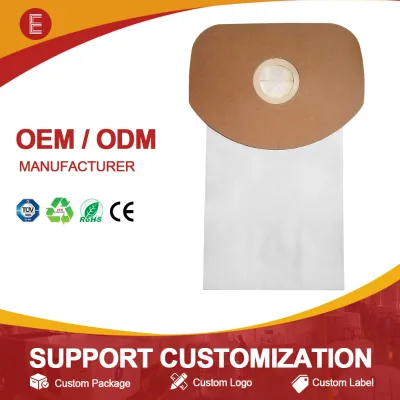
Yes, most suppliers accept OEM customization for these filter bags. Buyers can often request custom packaging and logo printing on the products. The material used is typically environmental friendly, and standard sizes are available alongside custom options depending on the specific manufacturer.
What is the price range for these vacuum cleaner bags?
Prices for these bags range from approximately 0.15 to 0.75 per unit. Specific listings show minimum prices of 0.28 and maximum prices of 0.59 for certain models. Other items are priced at 0.45 or 0.75. The final cost depends on the specific model and order quantity selected.
Are these filter bags compatible with Philips vacuum cleaners?
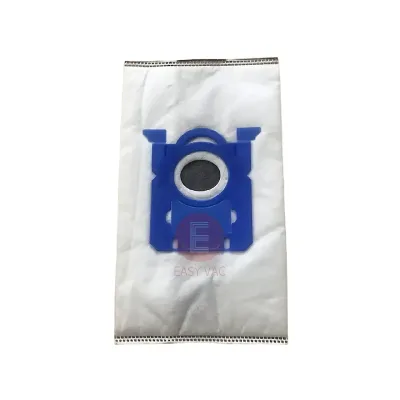
The available products list compatibility with Electrolux, CleanMaxs, Nilfisker, and Eureka models. While some items mention Philips in general search contexts, the specific product evidence provided lists other brands. Buyers should verify the compatible model number on the product page before purchasing.
What after-sales services are provided for these bags?
Many suppliers provide free spare parts as part of their after-sales service. Some listings also include return and replacement options. Warranty periods vary, with some products offering a one-year warranty while others state no warranty. Buyers should confirm the specific service terms for each supplier.
What materials are used to make these filter bags?
The filter bags are made from paper, non-woven materials, and environmental friendly materials. Some products specify a medium filtration grade using paper. The material choice ensures high efficiency and eco-friendly performance for household and commercial cleaning applications as described in the product attributes.