Fireproof EPS Underfloor Heating Panel Suppliers and Manufacturers
Compare 20 verified suppliers offering Fireproof EPS Underfloor Heating Panel modules with response times, lead times, and certifications. Review product specs like density and thickness, then request quotes to verify pricing and delivery terms; review the available evidence before requesting comparable quotations from suitable candidates.
Updated
Suppliers List
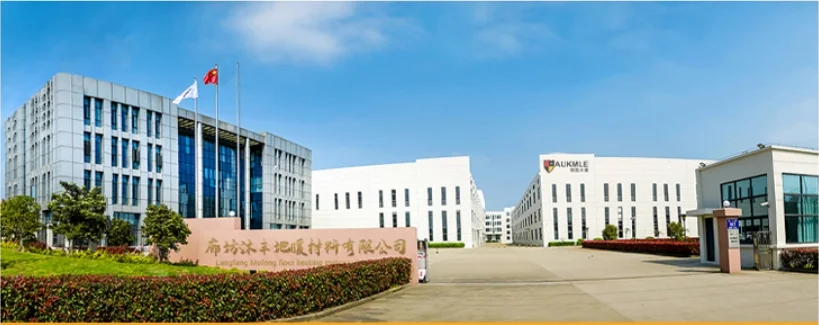
Langfang Mufeng Floor Heating Material Co., Ltd.
- Manufacturer, Trading Company
- Heibei, China
- Lead time7 days
- Avg. response≤ 3h
Main productsFloor heating reflection film,Floor heating insulation board,Pipe clamp,Spike gun,EPS Floor Heating Module
Main marketsDomestic Market(1.00%), South Asia(1.00%), Southern Europe(1.00%), Northern Europe(1.00%), Central America(1.00%), Western Europe(1.00%), Eastern Asia(1.00%), Mid East(1.00%), Oceania(1.00%), Africa(1.00%), Southeast Asia(1.00%), Eastern Europe(1.00%), South America(1.00%), North America(1.00%)
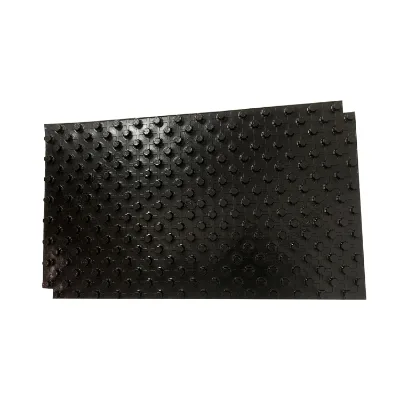
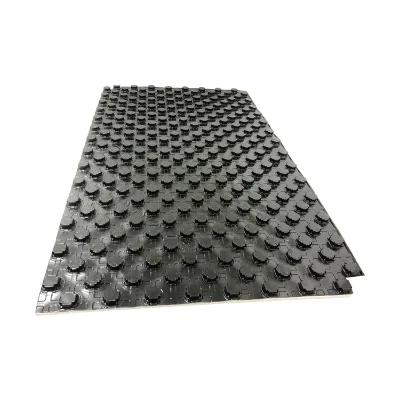
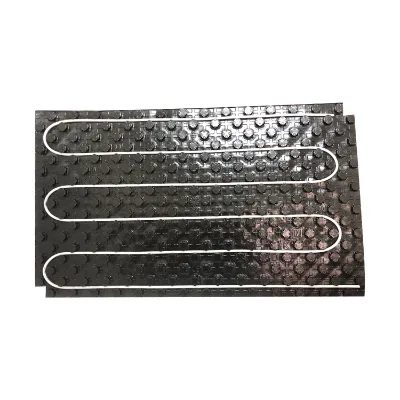
Hydronic Water Underfloor Heating Panels for Sale
$7.00 - $8.30
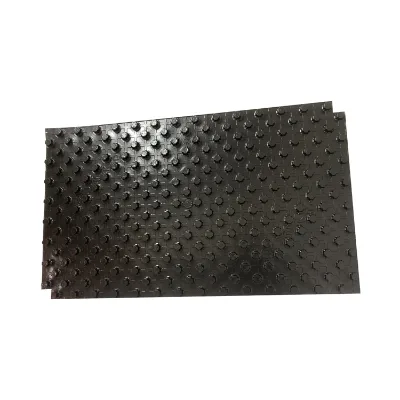
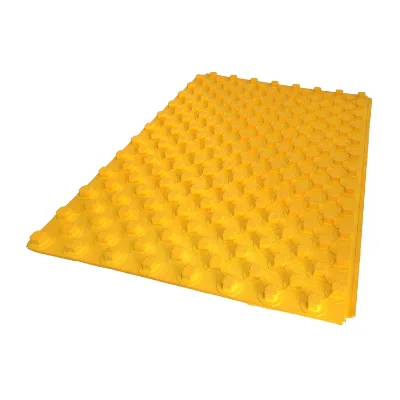
Special Heating Panel Under Floor
$4.60 - $4.90
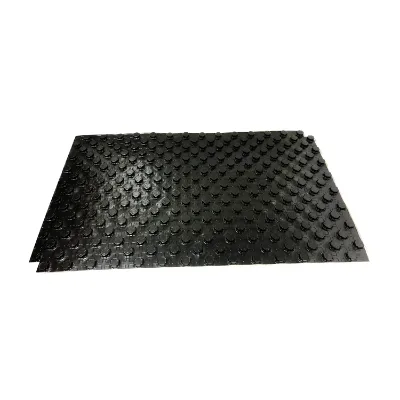

Feininger (Nanjing) Energy Saving Technology Co., Ltd.
- Combined
- China Jiangsu
- Lead time60 days
- Avg. response≤ 6h
Main productsXPS Foam Board, XPS Foam Board Production Line, Pet Foam Core Production Line, Insulation Material, PS Baseboard/ Skirting Board Production Line, XPS/ PS Cornice Moulding Production Line, PS Skirting Board/ Baseboard, PS/ XPS Cornice Moulding/ Coving, Recycling and Pelletizing Machine, Polystyrene Foam Insulation
Main marketsSouth America,Africa,Southeast Asia/ Mideast,Domestic,North America


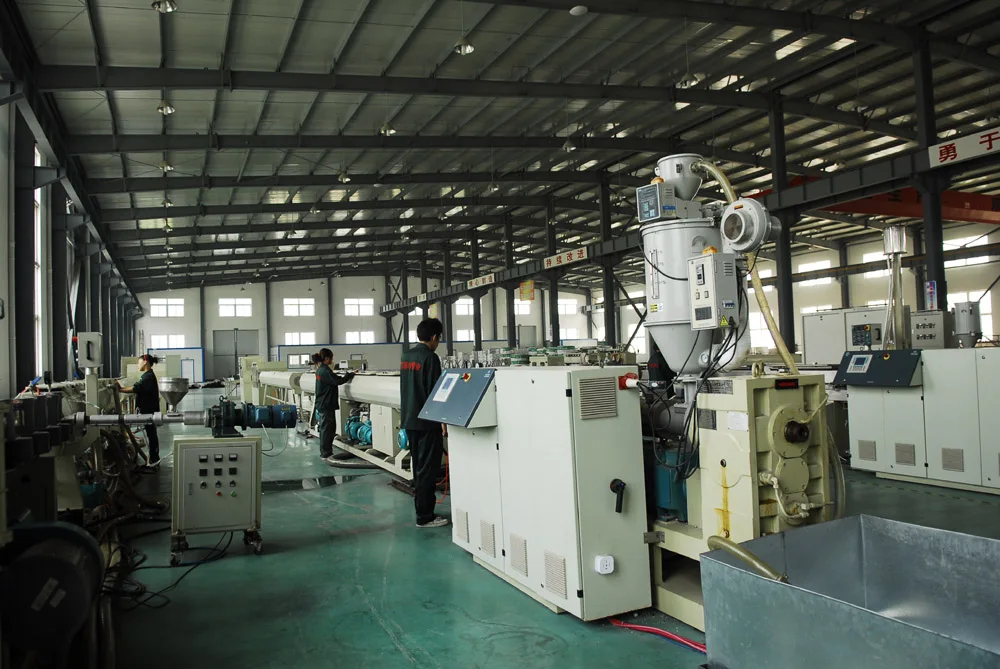
EPS+HIPS Film Underfloor Heating Panel Hydronic Underfloor Heating Panel
$5.80 - $8.50
MOQ: 1000 Square Meters


Hangzhou Mark Technological Co., Ltd.
- Trading Company
- Zhejiang, China
- Lead time20 days
- Avg. response≤ 4h
Main productsBrass Fitting,PEX-AL-PEX Pipe,PEX-a,PEX-b Pipe,PPR Pipe
Main marketsNorth America(36.00%), Northern Europe(30.00%), Western Europe(11.00%), Oceania(10.00%), South America(5.00%), Eastern Europe(3.00%), Southeast Asia(3.00%), Africa(2.00%)
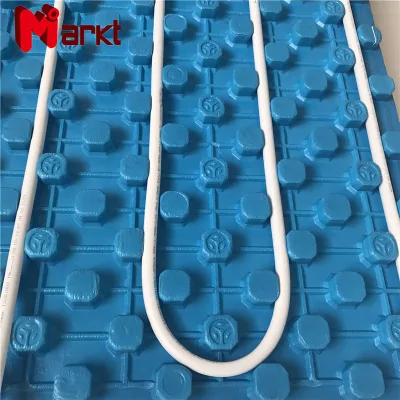
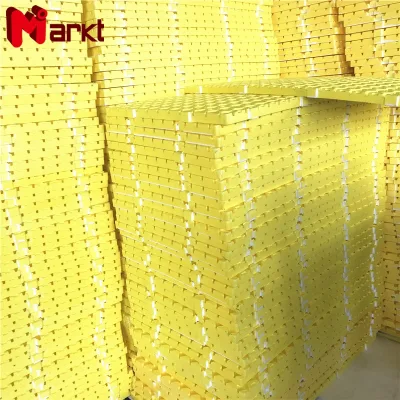
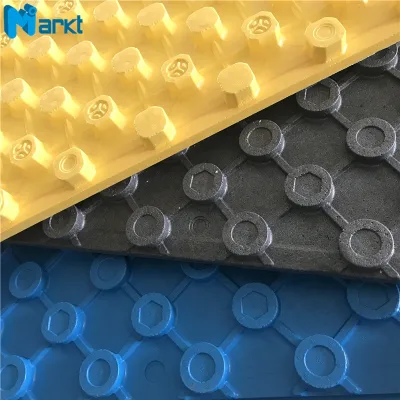
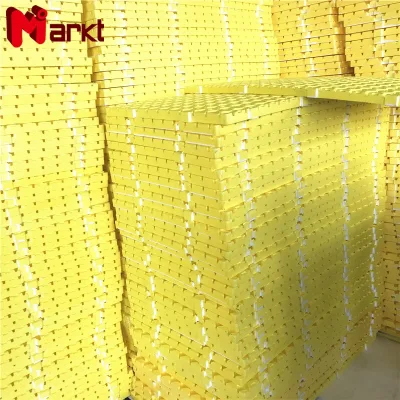
High Quality Custom Design EPS Foam Insulated Floor Heating Panel for Underfloor Heating System
$3.59 - $3.99
MOQ: 500 square
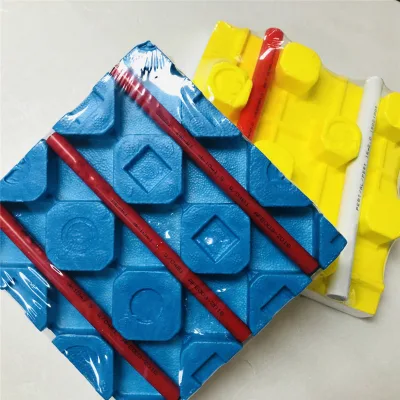
Good Quality Customized Floor Heating EPS Panel Water Heater Floor System for Home
$3.07 - $3.10
MOQ: 500 square
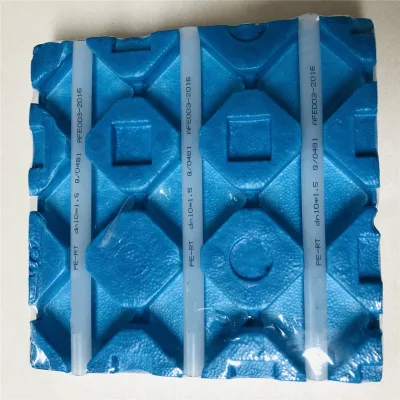
33mm Insulation EPS Underfloor Heating Panel with 0.7mm Castellated HIPS Panel Floor Heating Mat
$3.715 - $4.1285
MOQ: 500 square

Yangzhou Evergrowing Eps Products Co., Ltd.
- Manufacturer
- Jiangsu, China
- Lead time7 days
- Avg. response≤ 8h
Main productsEPS Cornices,EPS ceiling,Bamboo fiber supplies,EPS floor heating board,Non-slip Pad
Main marketsDomestic Market(80.00%), Africa(15.00%), South America(5.00%)

Feininger (nanjing) Energy Saving Technology Co., Ltd.
- Manufacturer, Trading Company
- Jiangsu, China
- Lead time15 days
- Avg. response≤ 3h
Main productsXPS Foam Board Production Line,XPS foam board,XPS cornice,PS Skirting Board Production line,XPS Cornice Production Line
Main marketsEastern Europe(20.00%), Mid East(20.00%), Domestic Market(10.00%), Eastern Asia(10.00%), Southeast Asia(10.00%), South America(10.00%), Western Europe(5.00%), Africa(5.00%), Central America(5.00%), Oceania(2.00%), North America(2.00%), South Asia(1.00%)
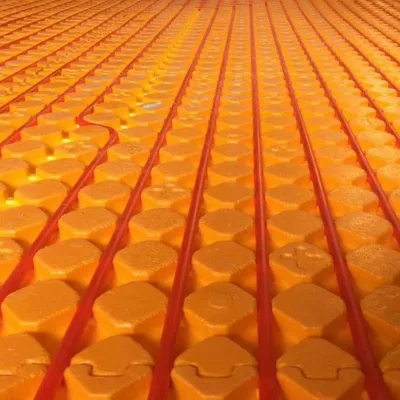
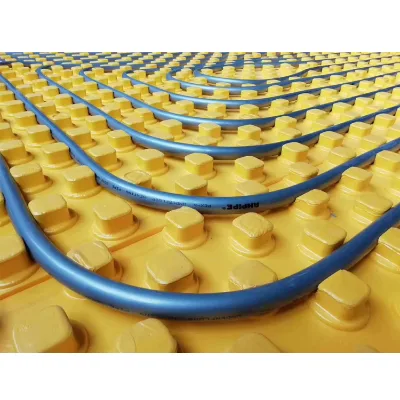
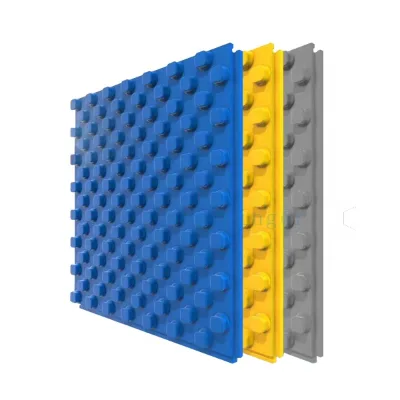
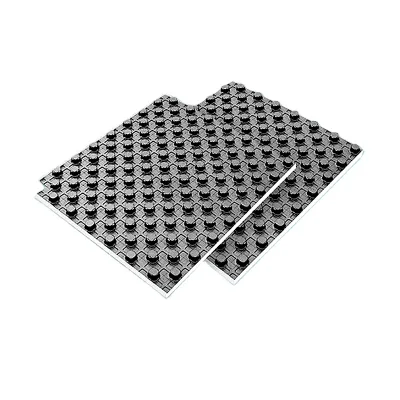
EPS+HIPS Modules Underfloor Heating Board, Underfloor Heating Modular
$6.1658 - $10.2748
MOQ: 1 Minimum
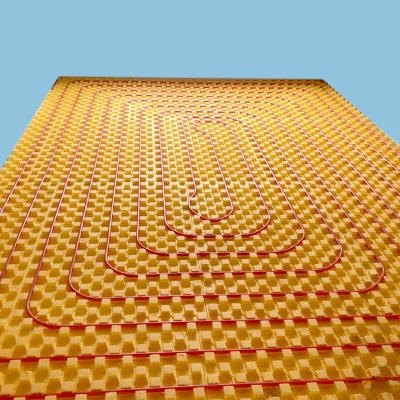
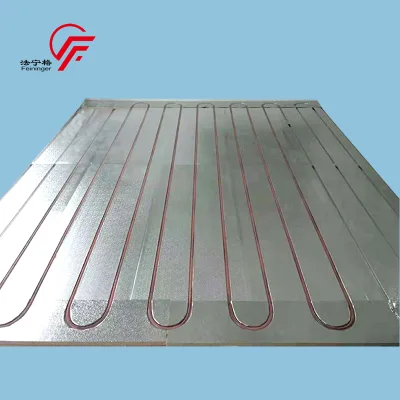

Yangzhou Evergrowing Eps Products Co., Ltd.
- Verified by SGS
- Combined
- China Jiangsu
- Lead time15 days
- Avg. response≤ 10h
Main productsPolystyrene Cornices, XPS Cornices, Building Materials, Decoration Molding, PU Cornices, Ceiling, EPS Ceiling, Plastic Products, EPP Box, Foam Packaging
Main marketsSouth America,Africa,Domestic,Europe


Underfloor Heating Material Eco-Heating Panel EPS Foam Board Plate for Floor Heating
$3.30 - $3.50
MOQ: 500 Square Feet

High Quality EPS Floor Heating Plate Heating Board Insulation Panels for Floating Floor Board
$3.50 - $4.00
MOQ: 2 pieces

Under Floor EPS/XPS Hydronic Heating Board Panels Polystyrene Insulation Boards Panels
$3.30 - $3.50
MOQ: 500 Square Feet

Nanjing Banarta New Materials Co., Ltd.
- Verified by TUVRHEINLAND
- Trading Company
- China Jiangsu
- Lead time23 days
- Avg. response≤ 6h
Main marketsSouth America,Others(foreignTradeCapacity.exportBusinessCapacityMarketOther),Southeast Asia/ Mideast,Europe,Australia,North America

Energy Saving EPS Underfloor Heating Board for Hydronic Floor Heating System
$2.50 - $5.90
MOQ: 2000 Square Meters

HIPS Outer Shell EPS Foam Heating Board Integrated Water Underfloor Heating Panel
$2.50 - $5.90
MOQ: 2000 Square Meters

XPS Underfloor Water Heating Panel Modular Floor Underfloor Heating Board
$3.60 - $8.50
MOQ: 1000 Square Meters

Fast Installation XPS Underfloor Heating Module Wholesale OEM XPS Floor Heating Panel
$3.60 - $8.50
MOQ: 1000 Square Meters

Flame Retardant XPS Radiant Hydronic Underfloor Heating Panel for New House Renovations
$3.60 - $8.50
MOQ: 1000 Square Meters

Strong Load-Bearing Capacity XPS Radiant Hydronic Underfloor Heating Panel for Apartments
$3.60 - $8.50
MOQ: 1000 Square Meters
Shanghai Earthmother Trading Company
- Manufacturer, Trading Company
- Shanghai, China
- Lead time30 days
- Avg. response≤ 4h
Main productsfloor heating insulation panel,xps board,eps board,insulation board,aluminum heat transfer plate
Main marketsDomestic Market(60.00%), Northern Europe(15.00%), Western Europe(15.00%), Eastern Asia(10.00%)
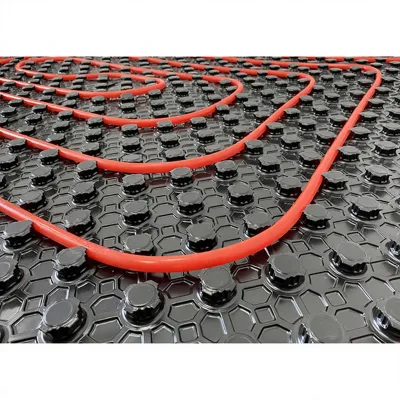
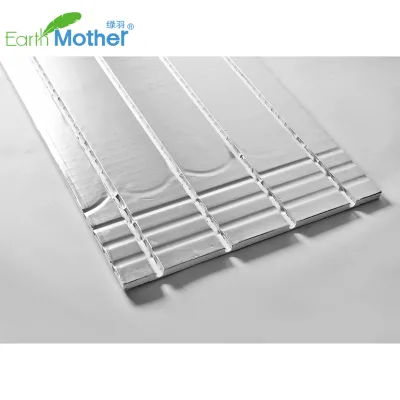
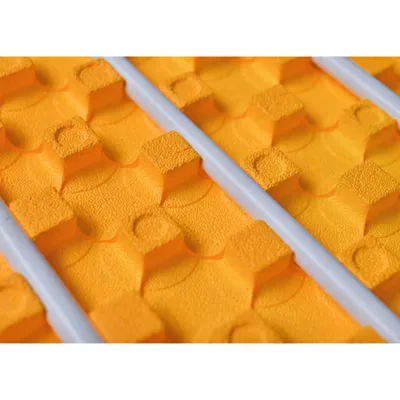
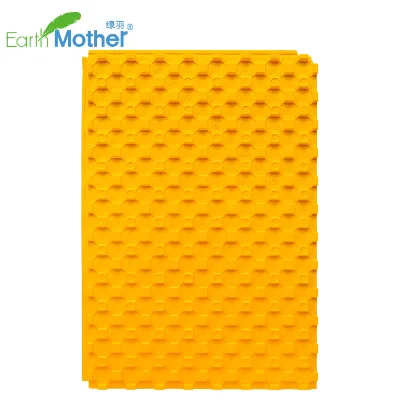
$4.0536 - $5.592
MOQ: 500 Minimum
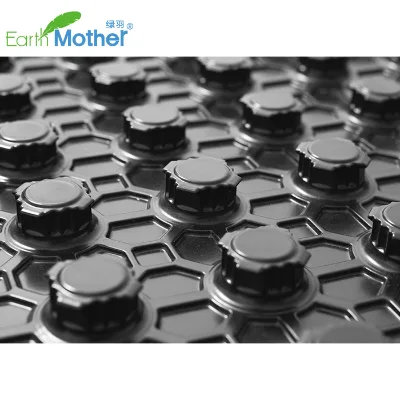
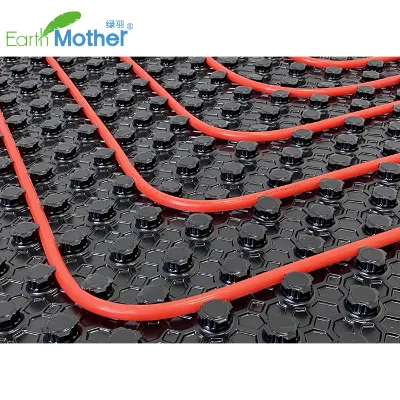
$4.0371 - $5.5696
MOQ: 500 Minimum
Cangzhou Rongqi Building Materials Co., Ltd.
- Verified by TüVRheinland
- Manufacturer, Trading Company
- Lead time0 days
- Avg. response≤ 1h
Main productsUnderfloor Heating Module, Floor Heating Insulation Panel, XPS Waterproof Backing Board, Aluminum Heat Transfer Plate, Insulation Board
Main marketsDomestic Market(50%), North America(10%), Eastern Asia(10%)
Beijing Yutoo Construction and Development Co.,Ltd.
- Verified by TüVRheinland
- Manufacturer, Trading Company
- Lead time0 days
- Avg. response≤ 1h
Main productsXPS Tile Backer Board, XPS Foam Board, Underfloor Heating Panel, Quick Install Metal Studs, Uncoupling Membrane
Main marketsNorthern Europe(15%), North America(10%), Southeast Asia(10%)
Nanjing Banarta New Materials Co., Ltd.
- Trading Company
- Jiangsu, China
- Lead time15 days
- Avg. response≤ 3h
Main productsThermal Insulation Materials,Underfloor Heating Materials,Interior Decoration Materials,Composite Panels,Building Materials
Main marketsNorthern Europe(25.00%), Oceania(20.00%), Eastern Asia(15.00%), Southeast Asia(15.00%), North America(10.00%), Africa(5.00%), South America(5.00%), Mid East(5.00%)

ZHEJIANG KURTIN NEW MATERIAL TECH. CO., LTD.
- Trading Company,Manufacturer/Factory
- China Zhejiang
- Lead time23 days
- Avg. response≤ 5h
Main productsXPS & PIR Foam and Its Composite Panels, XPS Tile Board & Shower Tray Products, Customized Products with XPS & PIR Core, EPS & PU Panels, EVA Foam Products, PVC Foam Products
Main marketsSouth America,Eastern Europe,Mid East,North America,Southeast Asia,Eastern Asia,Oceania,Western Europe,Africa

Underfloor Heating Material Eco-Heating Panel EPS Foam Board Plate for Floor Heating System
$4.18 - $5.98
MOQ: 5 Pieces


0.2mm Aluminum XPS Underfloor Heating Panel for Underfloor Heating Systems
$4.00 - $7.00
MOQ: 300 Pieces


0.2mm Aluminum Reinforced XPS Underfloor Heating Panel for Quick Warm-up
$4.00 - $7.00
MOQ: 300 Pieces

Energy-Saving 0.2mm Aluminum XPS Underfloor Heating Panel with Stable Insulation
$4.00 - $7.00
MOQ: 300 Pieces

Beijing Yutoo New Material Co., Ltd.
- Verified by TUVRHEINLAND
- Trading Company
- China Jiangsu
- Lead time15 days
- Avg. response≤ 2h
Main marketsSoutheast Asia/ Mideast

B1 Fire Rated Waterproof XPS Underfloor Heating Panel for Water Heating Rooms
$2.40 - $5.00
MOQ: 50 piece

XPS Aluminum Board Covered Underfloor Heating Panel for Manifold Floor Heating Insulation
$2.10 - $3.80
MOQ: 100 piece

Eco-Friendly XPS Foam Underfloor Heating Panel with Moisture-Proof Insulation Grooves
$2.30 - $4.10
MOQ: 100 piece

Radiant Underfloor Heating Panels with XPS Extruded Polystyrene Insulation Boards
$2.40 - $4.10
MOQ: 100 piece

Factory Wholesale Price XPS Board Underfloor Heating Panel for Tile Backer Board
$2.30 - $3.50
MOQ: 100 piece

HEBEI RITAI ORIGINAL PIPE CO., LTD.
- Verified by BV
- Combined
- China Hebei
- Lead time30 days
- Avg. response≤ 2h
Main productsPex Pipe, PE-Rt Pipe, Flexible Hose &Tubing, Pex-Al-Pex Pipe Fittings, PPSU Fittings, Brass Fittings, PPR Pipe, PE Pipe, PVC Pipe, Manifolds
Main marketsAfrica,Europe,North America

Underfloor Heating Panel/Underfloor Heating Individual Components
$3.59 - $3.99
MOQ: 2000 Square Meters

Black Underfloor Insulation Boards Radiant Floor Heating Panel 10mm 16mm 20mm
$3.50 - $4.50
MOQ: 1 Square Meters


High-Performance Radiant Floor Heating EPS Panel for Efficient Homes
$3.59 - $3.99
MOQ: 2000 Square Meters


Beijing Soho Building Materials Group Co. Ltd.
- Verified by SGS
- Combined
- China Beijing
- Lead time15 days
- Avg. response≤ 2h
Main productsXPS Board, EPS Board, AAC Panel, Wall Panel
Main marketsEast Asia(Japan/ South Korea)

350kpa Grooved XPS Underfloor Heating Board Dry Type Floor Heating Insulation Panel
$4.50 - $10.00
MOQ: 1000 Square Meters

Thermal Insulation Panels for Efficient Underfloor Heating System Solutions
$3.50 - $10.00
MOQ: 1000 Square Meters

High-Performance EPS Insulation Panel for Underfloor Heating Systems
$3.50 - $10.00
MOQ: 1000 Square Meters

Superior Insulated Foam Panels for Efficient Underfloor Heating
$3.50 - $10.00
MOQ: 1000 Square Meters

Premium High-Strength XPS Underfloor Heating Panels with Moisture Protection
$3.50 - $10.00
MOQ: 1000 Square Meters

Reinforced Foam Panels for Optimized XPS Underfloor Heating Performance
$3.50 - $10.00
MOQ: 1000 Square Meters

Changsha Baozhinuan Insulation Materials Co., Ltd.
- Verified by CTI
- Combined
- China Hunan
- Lead time15 days
- Avg. response≤ 18h
Main productsXPS Board.
Main marketsDomestic


Grooved Blue XPS Board Underfloor Heating Insulation Foam Panel
$35.00 - $55.00
MOQ: 500 Square Meters
Hangzhou Fuyang D&T Industry Co., LTD.
- Verified by Intertek
- Manufacturer, Trading Company
- Zhejiang, China
- Lead time30 days
- Avg. response≤ 2h
Main productsFoam Cutting Machine, Sponge Cutting Machine
Main marketsNorth America(20%), Domestic Market(20%), Southeast Asia(10%)

Myreal Energy Saving (Shanghai) Co., Ltd.
- Verified by SGS
- Trading Company
- China Shanghai
- Lead time23 days
- Avg. response≤ 4h
Main productsFoam Rubber, Glass Wool, Rock Wool, Foam Glass, XPS, Ceramic Fiber Insulation, Ceramic Insulation Board, Calcium Silicate, PU/PIR, EPS
Main marketsAfrica,Southeast Asia/ Mideast,Europe,Australia

0.026W/ (m· K) Thermal Conductivity Embossing XPS Insulation Foam Board Underfloor Heating Panel
$82.00 - $105.00
MOQ: 30 m3

Good Price XPS Foam Board Underfloor Heating Material Insulation Wall Panel
$82.00 - $105.00
MOQ: 30 m3

Styrofoam XPS Polystyrene Insulated Thermal Board for Underfloor Heating System Wall Panel
$82.00 - $105.00
MOQ: 30 m3
Oriental Construction Material (suzhou) Co., Ltd.
- Verified by TüVRheinland
- Trading Company
- Jiangsu, China
- Lead time15 days
- Avg. response≤ 4h
Main productsMgo Board, Decorative Board, Fiber Cement Board, Sandwich Panels, Acoustic Panels
Chongqing Quanhui Technology Co., Ltd.
- Verified by Intertek
- Trading Company
- Lead time15 days
- Avg. response≤ 1h
Main productsContainer House, Sandwich Panel, Shipping Container, Insulation Board, Outdoor Gazebo
Main marketsNorth America(30%), Africa(20%), South America(10%)
Comprehensive Sourcing Guide
Fireproof EPS Underfloor Heating Panel Supplier Concentration and Factory Types
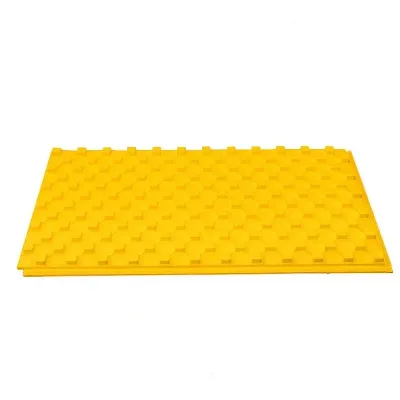
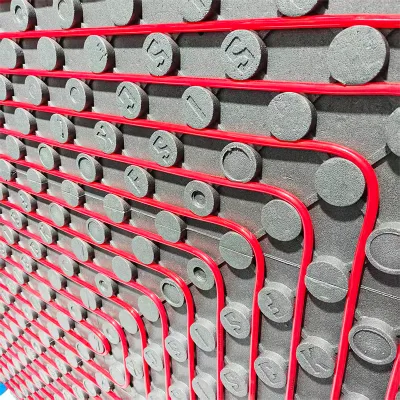
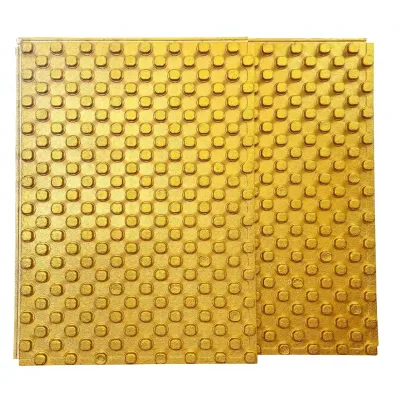
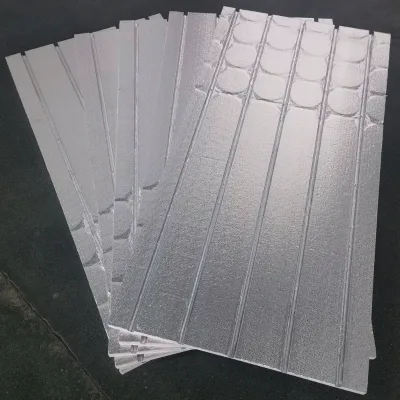
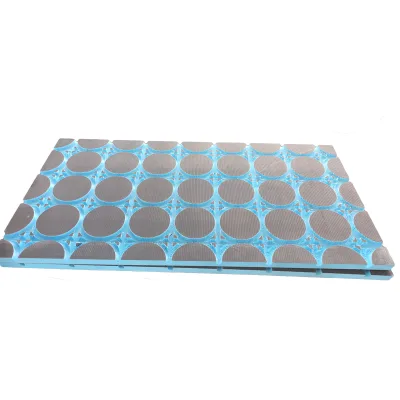
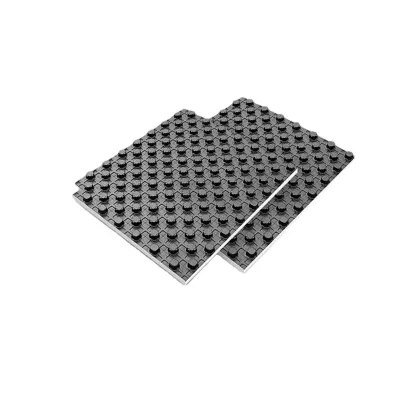
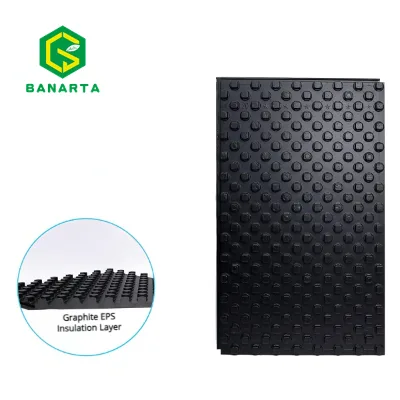
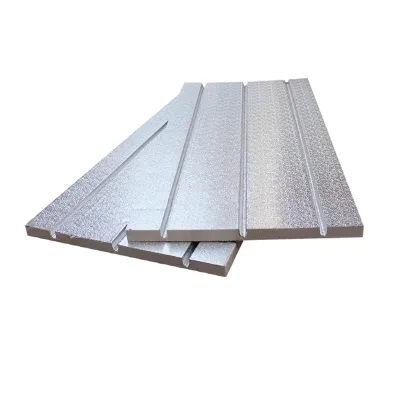
The current supplier landscape for EPS underfloor heating panels reveals a distinct concentration of manufacturing and trading entities within specific Chinese industrial zones. Evidence indicates that a significant portion of these suppliers is located in Heibei, China, establishing this region as a primary hub for this specific construction material. This geographic clustering suggests a mature supply chain ecosystem where raw material sourcing, such as EPS foam and HIPS components, is readily available to support local production. Buyers evaluating potential partners should recognize that suppliers in this region often benefit from established logistics networks and specialized labor pools dedicated to insulation board manufacturing. The presence of manufacturers in Heibei implies that many vendors have direct control over the molding and slotting processes, which are critical for ensuring the structural integrity of mushroom-shaped or castellated designs. This proximity to raw material sources can also influence pricing structures and lead times, making it a key factor in initial supplier screening.
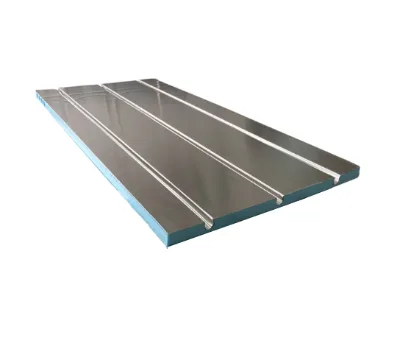
Beyond the Heibei cluster, the supplier base includes entities in China Jiangsu, which presents a different operational profile. Suppliers in Jiangsu are often characterized as combined entities, potentially integrating manufacturing capabilities with trading operations or offering broader production lines that include XPS foam boards and other insulation materials. This diversity in company types, ranging from pure manufacturers to trading companies and combined firms, offers buyers a spectrum of engagement models. Pure manufacturers may provide greater transparency into production processes and quality control measures, while trading companies might offer more flexible order sizes and consolidated shipping options. The variation in company types also extends to the specific product focus, with some suppliers specializing exclusively in EPS floor heating modules while others offer a wider array of construction and real estate insulation products. Understanding these structural differences is essential for aligning supplier capabilities with specific project requirements, whether the need is for high-volume standardized production or customized solution-based procurement.
How to Verify Fireproof EPS Underfloor Heating Panel Suppliers
Verifying the legitimacy and capability of EPS underfloor heating panel suppliers requires a rigorous examination of their operational metrics and certification portfolios. One critical verification step involves assessing the supplier’s response time, which serves as an indicator of their operational efficiency and customer service readiness. Data shows that response times can vary significantly, with some suppliers demonstrating rapid engagement capabilities of approximately three hours, while others may take nearly six hours to respond. This disparity can impact the speed of quotation processes and issue resolution during the procurement cycle. Buyers should prioritize suppliers with faster response times, as this often correlates with a more organized internal workflow and better communication channels. Additionally, verifying the supplier’s main products is essential to ensure they possess the specific expertise required for EPS and HIPS panel manufacturing. Suppliers listing floor heating reflection films, insulation boards, and pipe clamps as main products are likely to have deeper technical knowledge in this niche compared to generalist traders.
Certification verification is another paramount aspect of supplier assessment, particularly for construction materials that must meet safety and quality standards. Buyers should request and validate system certifications such as ISO9001:2015 and ISO14001:2015, which indicate adherence to international quality management and environmental standards. The presence of these certificates suggests that the supplier has implemented robust processes for quality control and environmental responsibility, which are crucial for large-scale construction projects. Furthermore, buyers should verify the supplier’s capacity for customization and original design manufacturing (ODM) or original equipment manufacturing (OEM). Suppliers that explicitly state customization availability and possess ODM/OEM capabilities are better equipped to handle specific project requirements, such as unique panel dimensions or specialized slotting processes. It is also advisable to check for any additional certifications or test results that may be relevant to the fireproof or thermal insulation properties of the panels, ensuring that the products meet the specific regulatory requirements of the destination market.
What to Compare Across Fireproof EPS Underfloor Heating Panel Suppliers
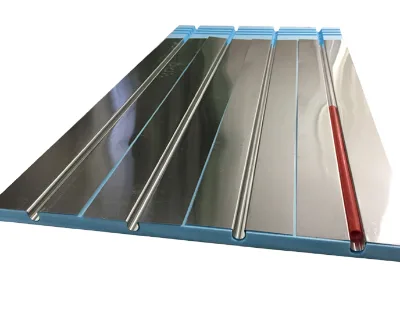
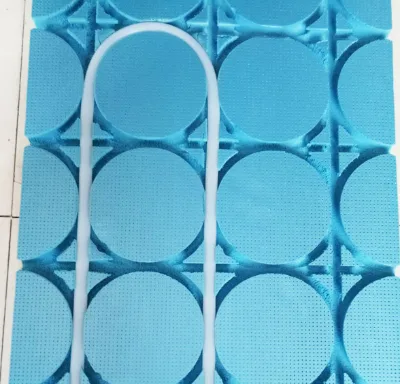
When comparing suppliers, buyers must evaluate a range of technical and commercial attributes to determine the best fit for their projects. Key technical specifications to compare include the panel thickness, bulk density, and slotting process design. For instance, some suppliers offer panels with a thickness of 38.2 mm and a bulk density of 40KG/m3, while others may provide thinner options like 32 mm or 34.2 mm. The slotting process, whether mushroom-shaped or castellated, directly affects the ease of installation and the stability of the heating pipes. Buyers should also compare the material composition, ensuring that suppliers use 100% pure new materials for EPS and appropriate HIPS thicknesses, such as 0.8mm, to guarantee durability and thermal performance. Additionally, the compressive strength of the panels, which can reach up to 700kPa, is a critical factor for applications where heavy loads may be applied. Comparing these technical details ensures that the selected panels meet the structural and thermal requirements of the specific construction project.
Commercial terms and service offerings are equally important in the comparison process. Buyers should analyze the minimum order quantity (MOQ), which can vary between suppliers, with some requiring as low as 20 units while others may have higher thresholds. The lead time for production and delivery is another crucial metric, with some suppliers offering rapid turnaround times of around seven days, while others may require up to 60 days. Pricing is also a significant differentiator, with costs ranging from approximately $4.60 to $8.60 per unit depending on the specifications and order volume. After-sales service provisions, such as online technical support, free spare parts, or onsite inspection capabilities, should also be compared to ensure long-term support. Warranty periods, which can range from one year to five years, provide additional assurance of product quality and supplier confidence. By systematically comparing these technical and commercial factors, buyers can make informed decisions that balance cost, quality, and service reliability.
Common Fireproof EPS Underfloor Heating Panel Sourcing Risks
Sourcing EPS underfloor heating panels from international suppliers introduces several risks that buyers must proactively manage to ensure project success. One significant risk is the variability in product quality and consistency, particularly when dealing with multiple suppliers or those with less stringent quality control processes. The use of recycled materials instead of 100% pure new EPS can compromise the thermal insulation properties and structural integrity of the panels. Buyers must verify the raw material sources and request material safety data sheets to confirm the composition of the panels. Another risk is the potential for delays in production and delivery, which can disrupt construction schedules. Suppliers with longer lead times, such as those requiring 60 days, may pose a higher risk for projects with tight deadlines. Buyers should assess the supplier’s production capacity and historical performance to mitigate the risk of delays, ensuring that they have sufficient buffer time in their project planning.
Communication and language barriers can also pose significant risks, especially when dealing with suppliers in regions where English may not be the primary language. Misunderstandings regarding technical specifications, such as panel dimensions, slotting designs, or packaging requirements, can lead to incorrect orders and additional costs. Buyers should establish clear communication channels and request detailed product specifications in writing to minimize the risk of errors. Additionally, the risk of non-compliance with local building codes and standards in the destination market is a critical concern. Buyers must ensure that the suppliers’ products meet the specific regulatory requirements of their region, including fire safety and thermal performance standards. Failure to verify compliance can result in project rejections, fines, or safety hazards. To mitigate these risks, buyers should conduct thorough due diligence, including factory audits and sample testing, to verify that the suppliers’ products and processes align with their project requirements and regulatory obligations.
Fireproof EPS Underfloor Heating Panel Regional Sourcing and Logistics
Regional sourcing strategies play a crucial role in optimizing the logistics and cost-efficiency of procuring EPS underfloor heating panels. Suppliers located in Heibei, China, often benefit from established logistics networks that facilitate efficient transportation to major ports and distribution centers. Buyers should consider the proximity of the supplier to key shipping routes, as this can significantly impact transit times and freight costs. For instance, suppliers in Heibei may have easier access to ports in Northern China, while those in Jiangsu may utilize ports in the Yangtze River Delta region. Understanding the logistical advantages of each region allows buyers to negotiate better freight terms and plan their supply chain more effectively. Additionally, buyers should evaluate the supplier’s packaging methods, such as woven bag or carton packaging, to ensure that the panels are protected during transit and minimize the risk of damage.
The port of dispatch is another critical factor in regional sourcing and logistics planning. Some suppliers may dispatch goods from Tianjin Port, which is a major hub for international trade in Northern China. Buyers should verify the port of dispatch for each supplier and consider how it aligns with their preferred shipping routes and destination ports. Coordinating with freight forwarders who have experience in handling construction materials can help streamline the logistics process and reduce the risk of delays. Furthermore, buyers should assess the supplier’s ability to handle large volumes, as indicated by their supply ability, such as 10,000 square meters per day. This capacity ensures that the supplier can meet the demands of large-scale projects without compromising on quality or delivery schedules. By carefully considering regional logistics factors, buyers can optimize their supply chain, reduce costs, and ensure timely delivery of EPS underfloor heating panels to their project sites.
Fireproof EPS Underfloor Heating Panel Commercial Terms and Order Planning
Effective order planning and negotiation of commercial terms are essential for successful procurement of EPS underfloor heating panels. Buyers should begin by clearly defining their project requirements, including the total quantity needed, specific panel dimensions, and any customization needs. This information allows buyers to request accurate quotations and compare offers from multiple suppliers. It is crucial to negotiate favorable payment terms, such as using escrow services to protect the buyer’s funds until the goods are received and inspected. Buyers should also clarify the Incoterms, such as FOB or CIF, to determine who is responsible for shipping and insurance costs. Understanding these terms helps in calculating the total landed cost and avoiding unexpected expenses. Additionally, buyers should discuss the warranty period and after-sales service provisions, ensuring that the supplier offers adequate support for any potential issues that may arise after delivery.
Lead time management is a critical component of order planning, as delays can have significant impacts on construction schedules. Buyers should confirm the production lead time with the supplier and build in a buffer for potential delays. For suppliers with longer lead times, such as 60 days, buyers should place orders well in advance to ensure timely delivery. It is also important to establish clear communication protocols for order updates and shipment tracking. Buyers should request regular updates on production progress and shipping status to stay informed and address any issues promptly. Furthermore, buyers should consider the MOQ and pricing tiers when planning their orders, as larger quantities may qualify for discounts. By carefully planning their orders and negotiating favorable commercial terms, buyers can secure the best value and ensure a smooth procurement process for their EPS underfloor heating panel needs.
FAQs
What makes a Fireproof EPS Underfloor Heating Panel safe for indoor installations?
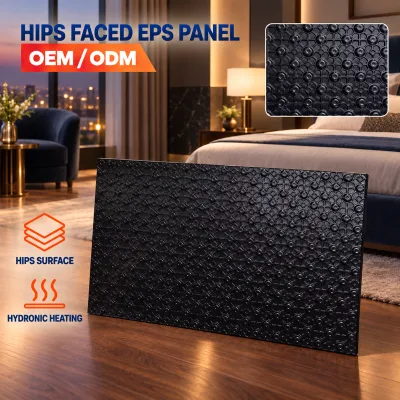
A Fireproof EPS Underfloor Heating Panel combines an EPS foam core with an HIPS or similar protective surface that withstands heat exposure from the piping. Buyers should confirm the material composition, such as EPS with HIPS facings, and ask for test documentation for flame performance. Also verify operating temperature range and whether the panel meets the insulation standards required in the destination market.
What thickness and density options are typical for these panels?
Listed panels commonly range around 32 to 38.2 mm in thickness, with a bulk density near 40 kg per cubic meter, though apparent densities of 10 to 40 kg per cubic meter are also offered. Compressive strength around 700 kPa is cited on some models. Request the exact specification sheet for each model, since thickness, density, and strength vary by product line and application.
What is the thermal conductivity of EPS floor heating modules?
One cited panel line reports thermal conductivity of roughly 0.028 to 0.03 W/M*K, which supports efficient heat transfer from the pipes to the floor surface. Actual performance depends on panel thickness, density, and surface facing material. Ask each supplier for laboratory data on the specific model you intend to buy, and confirm how the mushroom-shaped slotting or lap-joint design affects heat distribution.
How should I evaluate compressive strength before ordering in bulk?
Compressive strength matters because panels must support screed, floor coverings, and foot traffic without deforming. Some listed EPS boards cite 700 kPa, which suits demanding hydronic installations. Compare rated strength against your project load, request test reports for the exact batch, and consider a sample order. Confirm whether density claims, such as 40 kg per cubic meter, correlate with the strength rating provided.
What minimum order quantities and lead times should I expect?
Observed listings show MOQs as low as 20 pieces on certain EPS panels, and lead times ranging from about 7 days for stock-oriented manufacturers to roughly 60 days for combined producers offering custom tooling. Lead time depends on order volume, customization, and production scheduling. Confirm the quoted lead time in writing, including whether production starts before or after payment and quality approval.
Where are these panels typically produced and shipped from?
Listed suppliers are based in China, including Hebei and Jiangsu, and one panel product cites Tianjin Port as the dispatch point. Location affects freight cost and transit time to your market. Ask which port the shipment will leave from, whether FOB or CIF pricing applies, and how inland transport from the factory to port is arranged. Verify export experience for your destination region.
What warranty and after-sale support do suppliers offer on these panels?
Warranty terms vary notably: some EPS panel listings state a 5-year warranty with online technical support and free spare parts, while another module line lists a 1-year warranty and onsite inspection. Before ordering, confirm warranty duration in the contract, what defects it covers, and how replacement parts or panels are shipped. Clarify whether installation guidance or project design support is included.
Can I customize panel size, color, or pipe spacing for my project?
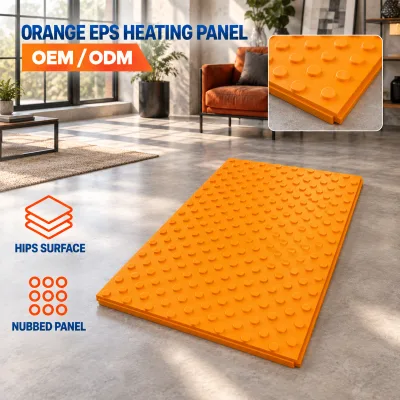
Customization is available from at least one listed producer, with options including blue, yellow, or green colors, 16 mm pipe diameter compatibility, and EPS plus HIPS material combinations, alongside OEM and ODM capability. Custom panels usually extend lead time and may raise MOQ. Provide drawings or a 3D model, confirm tooling costs, and request a pre-production sample before committing to volume orders.