GMP Certified ISO5 ESP Panel Suppliers and Manufacturers
Compare 24 verified suppliers offering GMP Certified ISO5 ESP Panel with ISO 9001 and CE certifications. Review response times, lead times, and pricing to source clean room panels from Guangdong or Chongqing. Contact suppliers directly to request samples and project solutions.
Updated
Suppliers List
Dongguan Amber Purification Engineering Limited
- Verified by TüVRheinland
- Trading Company
- Lead time15 days
- Avg. response≤ 2h
Main productsClean Room, Clean Room Door, Operating Room, Air Shower, FFU
Main marketsSoutheast Asia(35%), Africa(20%), Eastern Asia(20%)
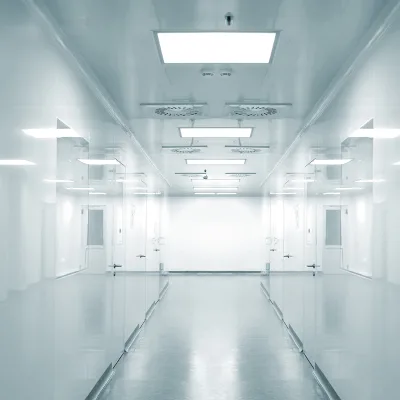
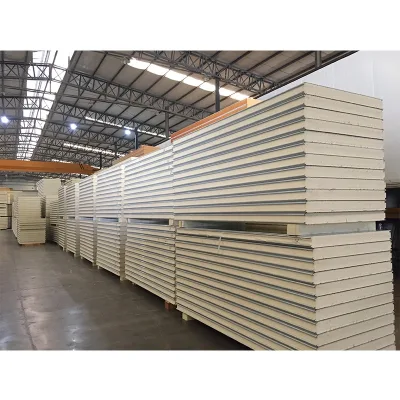
GMP Standard Clean Room Panel Sandwich Panel EPS Roof Wall Panel for Dust Free Portable Clean Room
$14.5141 - $15.5507
MOQ: 50 square
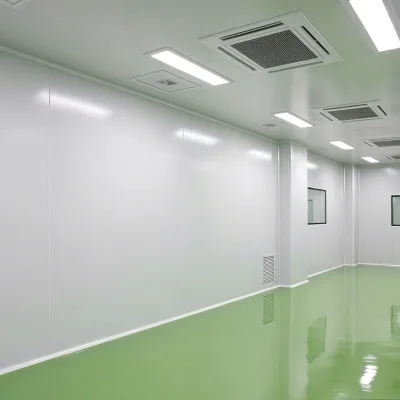
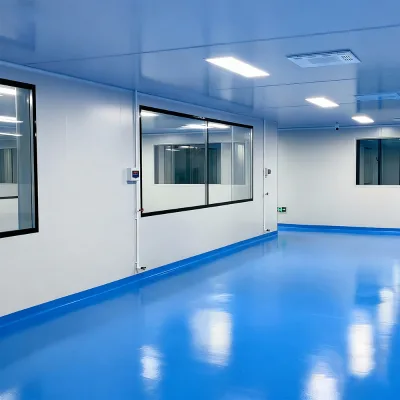
Shenzhen Aircolourful Environment Technology Co., Ltd
- Trading Company
- Guangdong, China
- Lead time15 days
- Avg. response≤ 1h
Main productsModular Cleanroom, Clean Room, Operating Rooms, Clean Room Equipment, Laboratory Furniture
Main marketsDomestic Market(65.00%), Mid East(8.00%), South Asia(5.00%), North America(5.00%), South America(5.00%), Africa(5.00%), Southeast Asia(5.00%), Northern Europe(2.00%)
$274.2254 - $286.503
MOQ: 100 square

Suzhou Pharma Machinery Co., Ltd.
- Verified by BV
- Trading Company
- China Jiangsu
- Lead time30 days
- Avg. response≤ 2h
Main productsGMP Clean Room Project, GMP Clean Room Equipment, Tablet and Capsule Making Machine, Filling and Packing Machine, Other Pharmaceutical Machine, Machine Customized Tools and Parts, Clean Room and Lab Furniture, Pharmaceutical Machine Related Consumables
Main marketsSouth America,Africa,Southeast Asia/ Mideast,East Asia(Japan/ South Korea),Europe,Australia,North America


GMP Project Walling Panels Fireproof Materials Clean Room EPS PU Sandwich Panels
$13.00 - $16.00
MOQ: 10 Square Meters

Meiqi Tiancheng Technology (Wuhan) Co., Ltd.
- Verified by BV
- Trading Company
- China Hubei
- Lead time30 days
- Avg. response≤ 5h
Main productsClean Room, Clean Window
Main marketsSoutheast Asia/ Mideast

GMP Certified Sandwich Panels for Pharmaceutical Cleanroom and Production Workshops
$11.00 - $15.00
MOQ: 500 Square Meters


Dongguan Yichang Refrigeration Technology Co., Ltd.
- Verified by TUVRHEINLAND
- Trading Company,Manufacturer/Factory
- China Guangdong
- Lead time23 days
- Avg. response≤ 5h
Main productsClean Room, Operating Room, Air Shower, FFU, Clean Room Door, Hospital Door, Sandwich Panel, Pass Box
Main marketsSouth America,Eastern Europe,Mid East,North America,Southeast Asia,Eastern Asia,Western Europe,Africa


GMP Certified Modular Clean Room Panels for Industrial Pharmaceutical Dust-Free Environments
$8.00 - $10.00
MOQ: 1 Square Meters


Premium GMP Certified Sandwich Clean Room Board for Pharmaceuticals
$8.00 - $11.00
MOQ: 30 Square Meters
Oriental Construction Material (suzhou) Co., Ltd.
- Verified by TüVRheinland
- Trading Company
- Jiangsu, China
- Lead time15 days
- Avg. response≤ 4h
Main productsMgo Board, Decorative Board, Fiber Cement Board, Sandwich Panels, Acoustic Panels
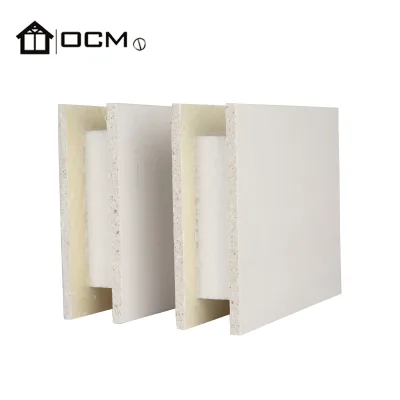
$10.2643 - $15.4024
MOQ: 100 pieces
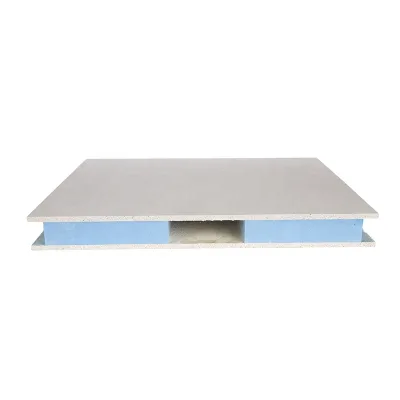
50mm Pharmaceutical Clean Room Sandwich Panel Ecuador Sandwich Panels EPS XPS PU PIR Sandwich Panel
$20.00 - $35.00
MOQ: 100 Minimum
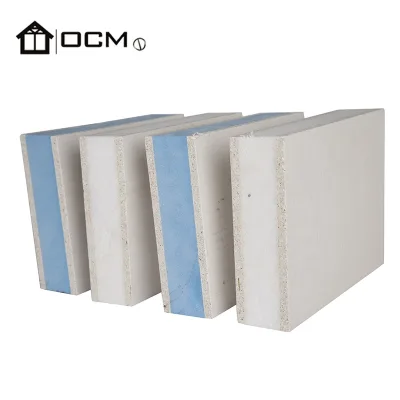
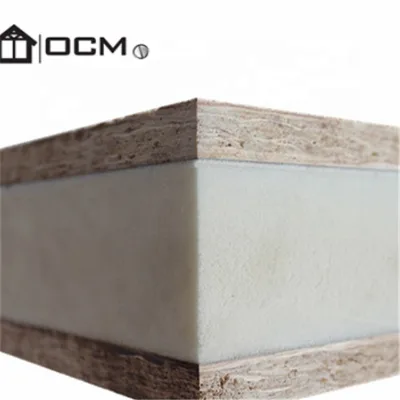
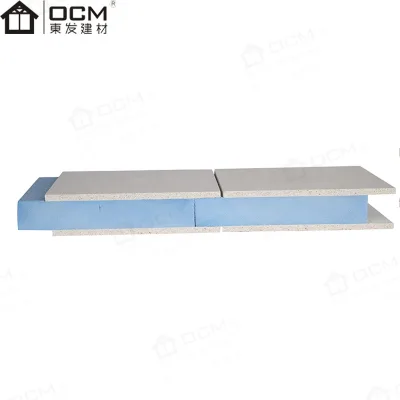
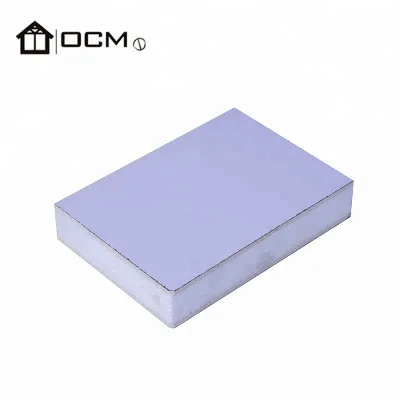
ChinaOCM Wholesale Structural Insulated Panel EPS XPS Mgo Board Waterproof Sandwich Panels
$10.00 - $15.00
MOQ: 200 pieces

Shanghai Marya Pharmaceutical Engineering & Project Co., Ltd.
- Verified by TUVRHEINLAND
- Combined
- China Shanghai
- Lead time45 days
- Avg. response≤ 4h
Main productsPharmaceutical Engineering, Pharmaceutical Filling Machine, Pharmaceutical Filling Line, Cleanroom, Cleanroom Project, Cleanroom HVAC System, Injection Filling Machine, Powder/Liquid Vial Filling Line, Syringe Filling Machine, Pfs Filling Machine
Main marketsSouth America,Australia


Marya GMP Standard Electronic Microelectronics Industry Cleanroom Manufacturing Plant China
$98.00 - $100.00
MOQ: 1 Square Meters
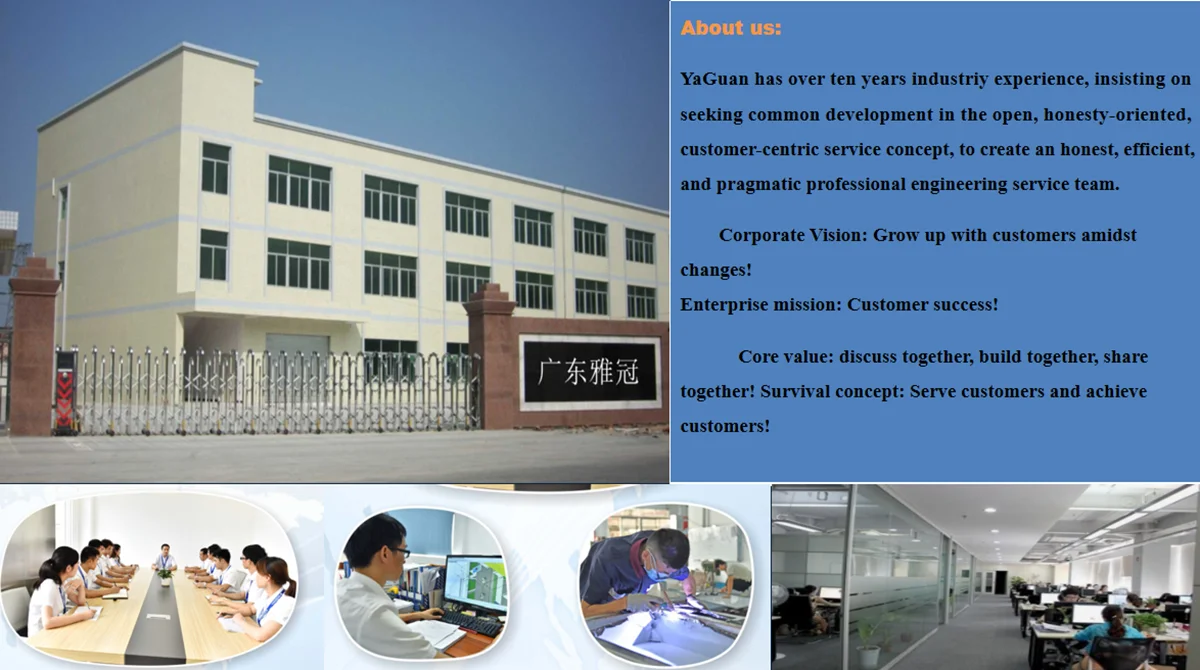
Guangdong Yaguan Construction Co., Ltd.
- Trading Company
- Guangdong, China
- Lead time25 days
- Avg. response≤ 3h
Main productsclean room,operating theater,HEPA Box,FFU,laminar air flow
Main marketsEastern Asia(10.00%), Mid East(10.00%), South Asia(10.00%), Southeast Asia(10.00%), Eastern Europe(10.00%), South America(10.00%), Western Europe(10.00%), Domestic Market(5.00%), Africa(5.00%), Southern Europe(5.00%), Northern Europe(5.00%), Central America(5.00%), North America(5.00%)
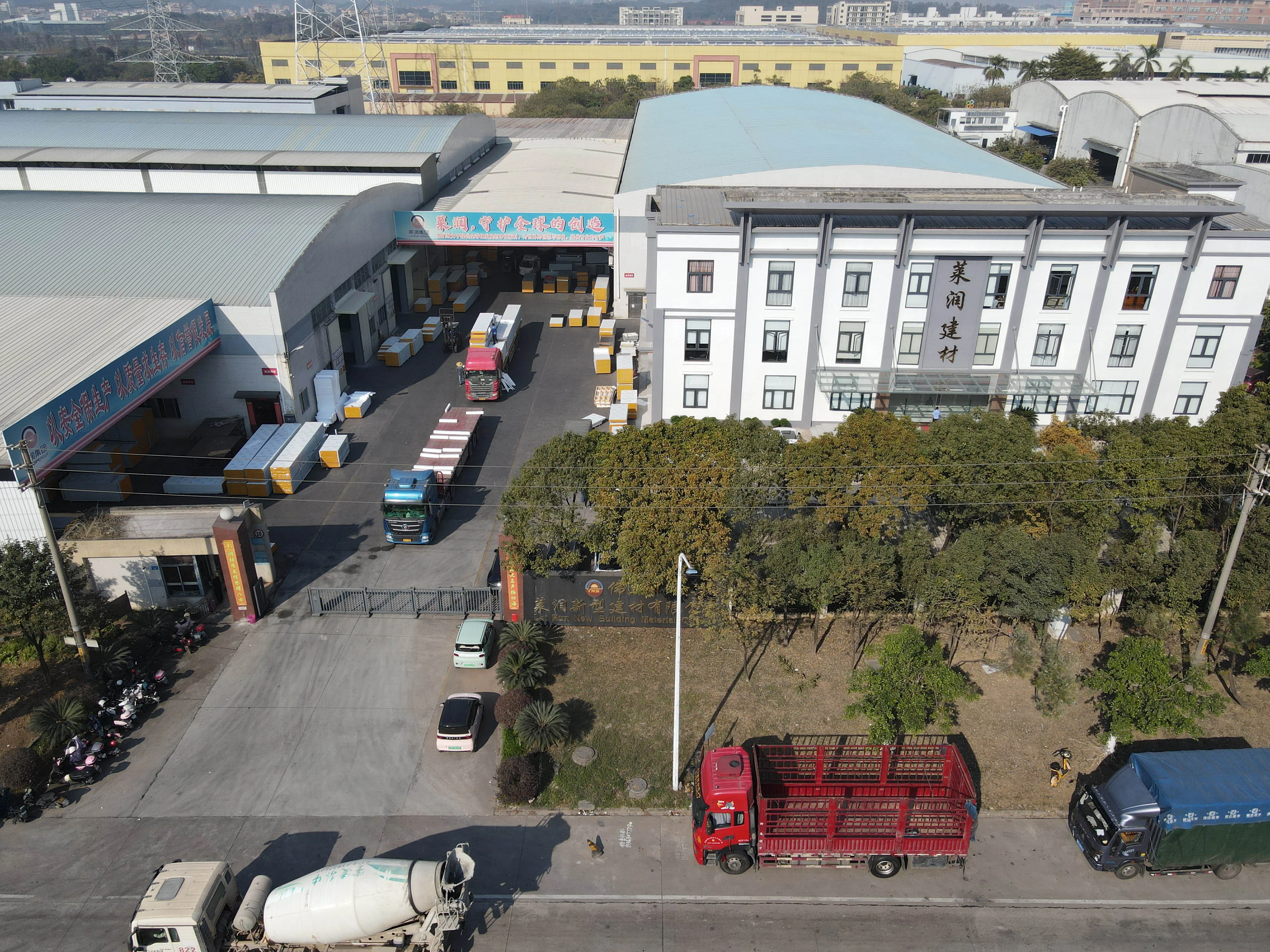
Foshan Lairun New Building Materials Co., Ltd.
- Manufacturer
- Guangdong, China
- Lead time7 days
- Avg. response≤ 12h
Main productsCleanroom Sandwich Panel,Handmade Cleanroom Sandwich Panel,Machine-made&Handmade Sandwich Panel,Cleanroom Door and Window,Cleanroom Aluminum Profile
Main marketsDomestic Market(30.00%), Southeast Asia(22.00%), North America(10.00%), Mid East(10.00%), Northern Europe(10.00%), South America(5.00%), Africa(3.00%), South Asia(3.00%), Eastern Asia(2.00%), Eastern Europe(1.00%), Oceania(1.00%), Western Europe(1.00%), Central America(1.00%), Southern Europe(1.00%)
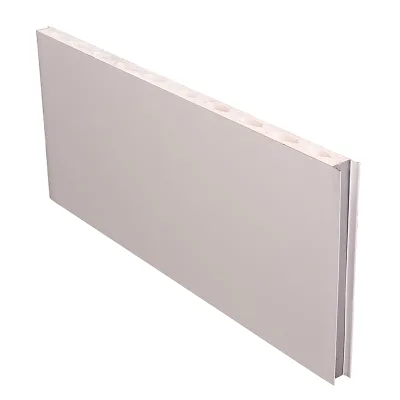
$9.72 - $10.20
MOQ: 1 square
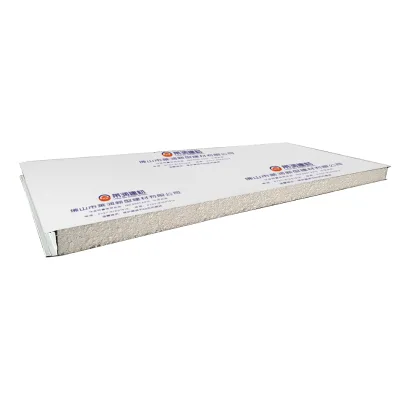
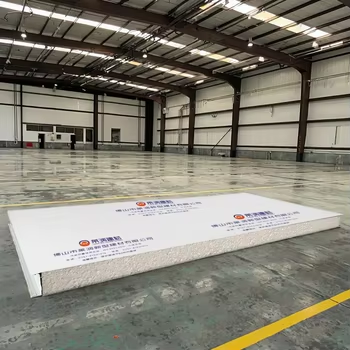
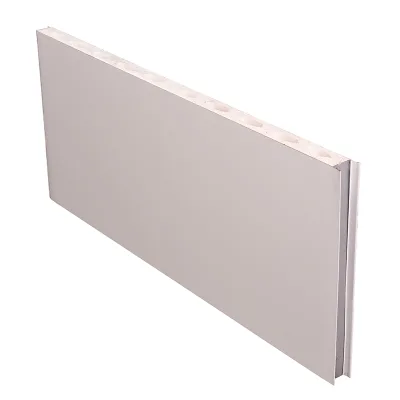
Eps Panel Sandwich Waterproof Gmp Cleanroom Solution Tab Pc Sealing Panelling for Walls
$11.85 - $12.60
MOQ: 1 square
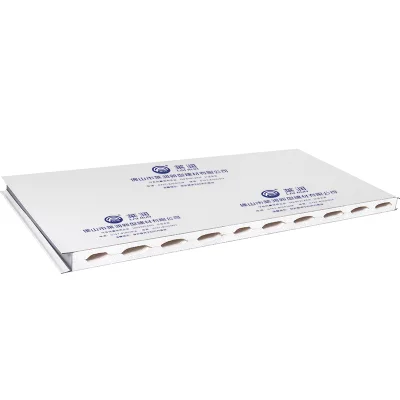

Guangzhou Xincheng New Materials Co., Limited
- Combined
- China Guangdong
- Lead time23 days
- Avg. response≤ 14h
Main productsAir Filters, Sandwich Board, HEPA Filters, Sandwich Panel, Air Cleaner, Air Purifier, Container House
Main marketsAfrica,Southeast Asia/ Mideast,Australia

ISO9000-Certified Clean Room PPGI Sandwich Panels Specially for Hospitals
$5.50 - $15.50
MOQ: 500 Square Meters

MGO SIP Panel/ Structural Insulated Panel/ MGO EPS & XPS Sandwich Foam Panel
$12.99 - $18.29
MOQ: 300 Square Meters

Linyi Zhuo Zhu New Materials Co., Ltd.
- Verified by SGS Group
- Manufacturer, Trading Company
- Lead time30 days
- Avg. response≤ 2h
Main productsASA Roof Tile, Daylighting Tile, Metal Carving Board, Polycarbonate Panels, Polyester Sandwich Board
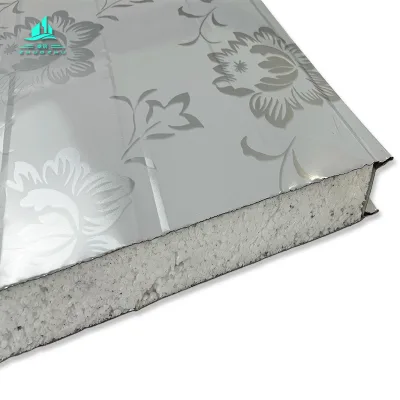
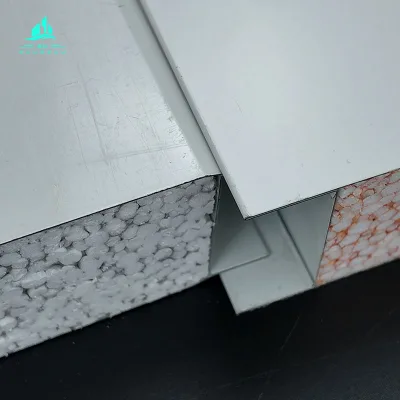
Factory Direct GMP Standard High Quality New Condition Clean Room Sandwich Panel
$5.7224
MOQ: 1 Minimum

Changsha Baozhinuan Insulation Materials Co., Ltd.
- Verified by CTI
- Combined
- China Hunan
- Lead time15 days
- Avg. response≤ 18h
Main productsXPS Board.
Main marketsDomestic

Yantai Jedha Industrial and Trading Co., Ltd.
- Verified by TUVRHEINLAND
- Trading Company
- China Shandong
- Lead time23 days
- Avg. response≤ 3h
Main productsSandwich Panels, Steel Structure Buildings, Clean Room, Container Houses, Steel Coils, Steel Structure, Prefabricated Building, EPS Sandwich Panel, Clean Room Panel, Polyurethane Sandwich Panel
Main marketsSouth America,Africa,Southeast Asia/ Mideast,Australia


50mm/75mm/100mm/150mm EPS Polystyrene Sandwich Panel for Steel Workshop
$5.00 - $12.00
MOQ: 200 Square Meters


Shandong Yurui Machinery Group Co.,Ltd.
- Verified by BV
- Combined
- China Shandong
- Lead time60 days
- Avg. response≤ 5h
Main productsEPS Concrete Wall Panel Machine, Sandwich Wall Panel Machine, Lightweight Hollow Core Panel Machine, MGO Board Making Machine, MGO Board, Gypsum Board Making Machine, Gypsum Powder Making Machine, Magnesium Oxide Board Production Line, Magnesium Oxide Board, Calcium Silicate EPS Concrete Wall Panel Machine
Main marketsOthers(foreignTradeCapacity.exportBusinessCapacityMarketOther)
Linyi Qichen Import And Export Co., Ltd.
- Verified by SGS Group
- Manufacturer, Trading Company
- Lead time10 days
- Avg. response≤ 2h
Main productsPlywood, MDF, Particalboard, Blockboard, Door Panel
Main marketsAfrica(50%), North America(25%), Western Europe(25%)

Zhangjiagang Leader New Construction Material Co., Ltd.
- Combined
- China Jiangsu
- Lead time23 days
- Avg. response≤ 12h
Main productsMGO Board, Magnesium Oxide Board, Fireproof Board, SIP Sandwich Panel, Fiber Cement Cladding, Fiber Cement Board/Calculate, T-Grid, Grey MGO Board, MGO Flooring
Main marketsDomestic

Structural Insulated Panel MGO SIP Sandwich Panel EPS XPS MGO with Tongue and Groove
$32.90
MOQ: 300 Pieces


Shandong Hark Steel Material Co., Ltd.
- Verified by TUVRHEINLAND
- Trading Company,Manufacturer/Factory,Group Corporation
- China Shandong
- Lead time0 days
- Avg. response≤ 6h
Main productsSandwich Panel
Suzhou Ever-Hailing New Materials Co., Ltd.
- Manufacturer, Trading Company
- JIANGSU, China
- Lead time20 days
- Avg. response≤ 24h
Main productsMgO Board,Cement Board,Perforated Gypsum Board,Sandwich Panel,Galvanized Steel Strip
Main marketsAfrica(15.00%), Oceania(10.00%), North America(10.00%), Southeast Asia(10.00%), Mid East(10.00%), South America(10.00%), Domestic Market(5.00%), South Asia(5.00%), Northern Europe(5.00%), Central America(5.00%), Western Europe(5.00%), Eastern Asia(5.00%), Eastern Europe(5.00%)
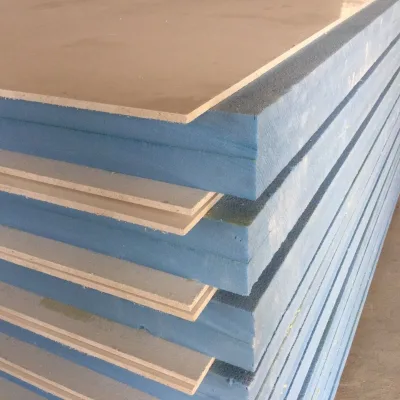
Light Weight MgO SIP Panel Polyurethane Cold Room MGSO4 Sandwich Panel with Factory Price
$31.50 - $32.70
MOQ: 600 sheets
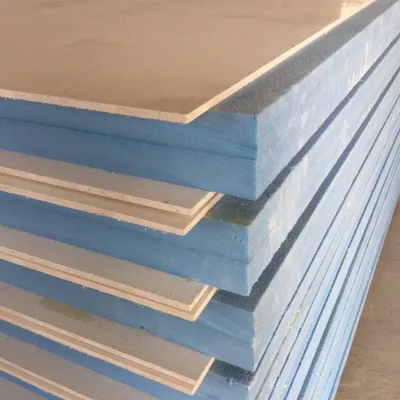
Fireproof MGO SIP Exterior Wall Panel Insulation Board for MGSO4 Sandwich Wall System
$31.50 - $32.70
MOQ: 600 sheets
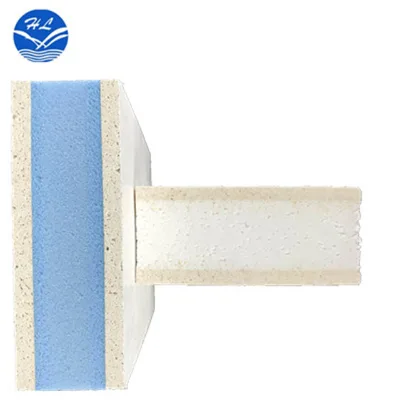
Fireproof MGOSIPPanel Magnesium Oxide Board Sandwich Panel Factory Price
$32.3208 - $33.5522
MOQ: 600 sheets

- Verified by TUVRHEINLAND
- Trading Company,Manufacturer/Factory
- China Guangdong
- Lead time23 days
- Avg. response≤ 4h
Main productsFiber Cement Board, Calcium Silicate Board, Internal and External Sandwich Wall Board, Fiber Reinforced Cement Cladding, Fiber Reinforced Calcium Silicate Siding, Internal Ceiling and Partition Panel, Fiber Reinforced Cement Facade, Fireproof Calcium Silicate Board, Waterproof Fiber Cement Board, EPS Cement Light Weight Sandwich Wall Panel
Main marketsSouth America,Eastern Europe,Mid East,North America,Southeast Asia,Eastern Asia,Oceania,Western Europe,Africa
Huacheng Boyuan Hebei Building Materials Technology Co., Ltd.
- Manufacturer, Trading Company
- Hebei, China
- Lead time15 days
- Avg. response≤ 2h
Main productsPIR Cold storage panel,PU sandwich panel,Rock wool sandwich panel,Glass wool sandwich panel,Container room
Main marketsSouth America(30.00%), Oceania(20.00%), Eastern Europe(15.00%), North America(10.00%), Africa(10.00%), Southeast Asia(10.00%), Western Europe(5.00%)
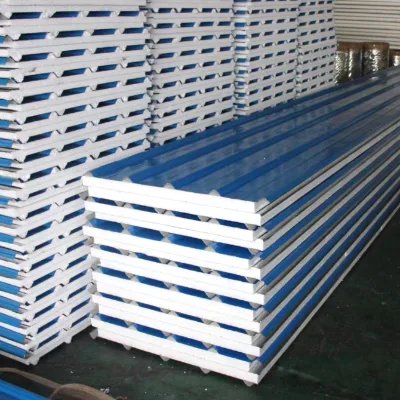
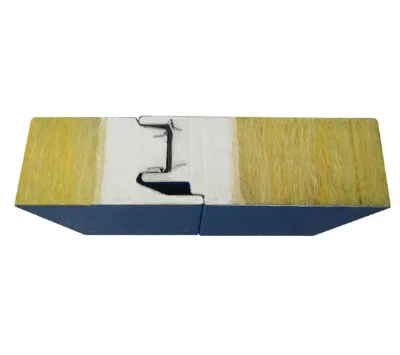
new laboratory used panel glasswool sandwich panel sandwich panel foam
$17.00 - $20.00
MOQ: 500 square

Feininger (nanjing) Energy Saving Technology Co., Ltd.
- Manufacturer, Trading Company
- Jiangsu, China
- Lead time15 days
- Avg. response≤ 3h
Main productsXPS Foam Board Production Line,XPS foam board,XPS cornice,PS Skirting Board Production line,XPS Cornice Production Line
Main marketsEastern Europe(20.00%), Mid East(20.00%), Domestic Market(10.00%), Eastern Asia(10.00%), Southeast Asia(10.00%), South America(10.00%), Western Europe(5.00%), Africa(5.00%), Central America(5.00%), Oceania(2.00%), North America(2.00%), South Asia(1.00%)
Luohe Tianshun Refrigeration Equipment Co., Ltd.
- Verified by Intertek
- Manufacturer, Trading Company
- Lead time5 days
- Avg. response≤ 2h
Main productsPolyurethane Panel, Cold Room, Condenser Unit, PUR Panel , Heat Pump Dryer
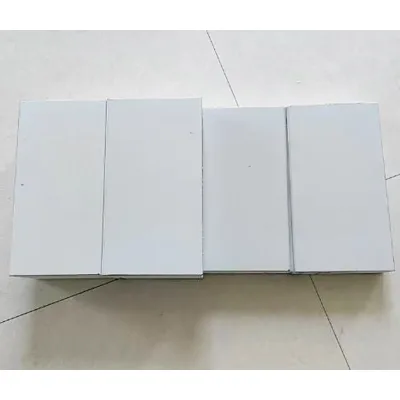
Fast Installation SIP Polystyrene EPS Sandwich Panel for Roof/Ceiling/Wall/Facade 100mm 200mm
$5.99 - $11.99
MOQ: 10 square
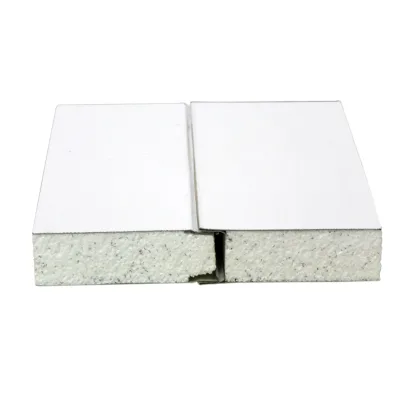
$7.1679 - $12.2941
MOQ: 10 square
Gaomi Shunfa Steel Products Technology Co., Ltd.
- Verified by SGS Group
- Manufacturer, Trading Company
- Lead time10 days
- Avg. response≤ 3h
Main productsWall Sandwich Panel, Roof Sandwich Panel, Corrugated Steel Sheet, C Purlin, PPGI Coil
Main marketsDomestic Market(70%), Africa(8%), Southeast Asia(5%)

Henan Tiga Engineering Co., Ltd
- Verified by TUVRHEINLAND
- Manufacturer/Factory
- China Henan
- Lead time15 days
- Avg. response≤ 3h
Main productsSteel Coil, Metal Roofing Sheet, Steel Structure, Prefabricated House, Container House
Main marketsSouth America,Eastern Europe,Mid East,North America,Southeast Asia,Eastern Asia,Oceania,Western Europe,Africa

0.4/0.4mm 100mm Isopur Panels Insolated Panels for Projects That Need Controlled Temperature.
Negotiable
MOQ: 600 Square Meters

Anti Static Sandwich Panel for Pharmaceutical, Electronics, Food or Other Industries
Negotiable
MOQ: 600 Square Meters




Comprehensive Sourcing Guide
GMP Certified ISO5 ESP Panel Supplier Concentration and Factory Types
When evaluating the landscape for GMP Certified ISO5 ESP Panel suppliers, it is essential to understand the structural composition of the available vendor base. The current market data indicates a significant presence of trading companies rather than direct manufacturing entities. This distinction is critical for buyers who require direct factory access for customization or rigorous quality audits. Trading companies often act as intermediaries, aggregating products from various manufacturing sources to offer a broader catalog. While this can simplify the initial sourcing process by providing a single point of contact, it may introduce layers of communication that can delay technical clarifications. Buyers must therefore scrutinize the company type listed in supplier profiles to determine if they are engaging with a manufacturer or a reseller. The presence of trading companies does not inherently imply lower quality, but it does shift the responsibility for supply chain transparency to the intermediary. Understanding this dynamic helps buyers set appropriate expectations regarding direct factory visits and the depth of technical support available during the procurement phase.
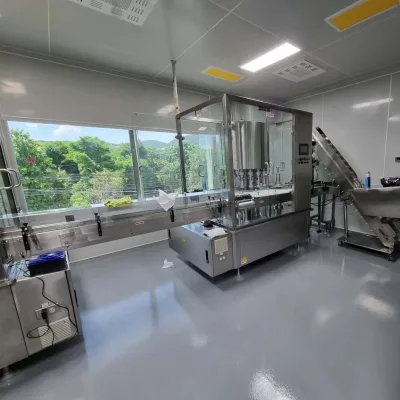
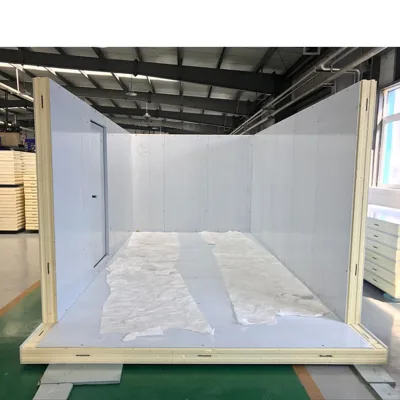
In addition to company type, the product portfolio of these suppliers offers insight into their operational focus. Many suppliers in this category specialize in cleanroom-related infrastructure, including clean room doors, operating rooms, air showers, and FFUs (Fan Filter Units). This specialization suggests a focused expertise in environmental control systems rather than general construction materials. The availability of related components indicates that these suppliers are equipped to handle comprehensive project solutions. For instance, some suppliers offer total solution capabilities for projects, which includes graphic design, 3D model design, and onsite installation services. This holistic approach can be advantageous for buyers looking to streamline their procurement by consolidating multiple cleanroom components with a single vendor. However, it also requires careful verification to ensure that the supplier has the actual capacity to deliver on all aspects of the project, particularly the specialized ESP panels. The concentration of such diverse cleanroom products within a single supplier profile highlights the integrated nature of the modern cleanroom supply chain, where modular components are designed to work in concert.
How to Verify GMP Certified ISO5 ESP Panel Suppliers
Verification is the cornerstone of mitigating risk when sourcing specialized cleanroom components like GMP Certified ISO5 ESP Panels. Buyers should prioritize suppliers who have undergone third-party verification processes, such as those conducted by TüV Rheinland. This verification status serves as a preliminary indicator of the supplier’s operational legitimacy and adherence to certain business standards. However, verification alone is not a guarantee of product quality or compliance with specific GMP or ISO5 requirements. Buyers must delve deeper into the supplier’s certification portfolio to ensure alignment with their project specifications. The presence of ISO 9001, EN IEC 55014, CE, and EMC certifications in supplier profiles suggests a baseline of quality management and electromagnetic compatibility compliance. These certifications are particularly relevant for electronic components or systems integrated within the cleanroom environment. Buyers should request copies of these certificates and verify their validity and scope to ensure they cover the specific products being procured. This due diligence helps confirm that the supplier maintains a robust quality management system that supports consistent product performance.
Beyond certifications, the responsiveness and technical capability of the supplier are key indicators of reliability. A quick response time, such as the two-day average observed in some profiles, can facilitate faster decision-making and issue resolution during the sourcing process. However, speed should not compromise the depth of technical inquiry. Buyers should assess the supplier’s ability to provide detailed product specifications, including material composition, core density, and fire resistance ratings. The availability of after-sales services, such as online technical support, onsite installation, and free spare parts, is another critical factor. These services indicate a supplier’s commitment to long-term customer satisfaction and project success. Additionally, buyers should evaluate the supplier’s project solution capabilities, such as their ability to provide 3D model designs or total project solutions. This capability suggests that the supplier is not just a product vendor but a partner in the cleanroom construction process. By combining verification status, certification checks, and an assessment of service capabilities, buyers can build a comprehensive profile of supplier reliability and technical competence.
What to Compare Across GMP Certified ISO5 ESP Panel Suppliers
When comparing suppliers, lead time and production capacity are primary differentiators that impact project scheduling. Some suppliers indicate a lead time of fifteen days, while others may have production cycles ranging from seven to ten days for specific items. These variations can significantly affect the overall project timeline, especially for large-scale cleanroom installations. Buyers should align their procurement schedule with the supplier’s stated lead times to avoid delays. Additionally, the supply ability, such as the capacity to produce five thousand square meters per month, provides insight into the supplier’s scalability. For projects requiring large volumes of panels, ensuring that the supplier has sufficient production capacity is crucial to meet delivery deadlines. Buyers should also consider the minimum order quantity (MOQ) requirements, which can range from fifty units for certain products. Understanding these logistical constraints helps in planning the order size and budgeting for inventory or phased deliveries. Comparing these operational metrics allows buyers to select suppliers who can accommodate their specific volume and timing needs.
Product specifications and pricing structures are equally important factors in supplier comparison. The core material of the ESP panels, such as EPS, rock wool, or magnesium oxide, varies among suppliers and affects performance characteristics like fire resistance and thermal insulation. Buyers should compare the material options and their associated certifications, such as GMP and CE, to ensure compliance with their project standards. Pricing also varies, with some panels starting at nine dollars per unit and others at fourteen dollars or more. These price differences often reflect variations in material quality, thickness, and additional features like fireproofing or custom sizing. Buyers should request detailed quotes that break down costs by material, thickness, and any customization fees. Additionally, comparing the warranty terms, such as a one-year warranty, and the scope of after-sales support can reveal the supplier’s confidence in their product quality. By systematically evaluating lead times, capacity, specifications, and pricing, buyers can make informed decisions that balance cost, quality, and delivery requirements.
Common GMP Certified ISO5 ESP Panel Sourcing Risks
One significant risk in sourcing GMP Certified ISO5 ESP Panels is the potential mismatch between claimed certifications and actual product compliance. Suppliers may list certifications such as ISO, CE, or GMP in their profiles, but these may not apply to the specific panel configurations or core materials being ordered. Buyers must verify that the certifications cover the exact product specifications, including thickness, core density, and surface material. Another risk is the variability in product quality across different batches or suppliers. Since many suppliers are trading companies, they may source panels from multiple manufacturers, leading to inconsistencies in quality control. This variability can result in panels that do not meet the strict cleanliness requirements of ISO5 environments. Buyers should request samples and conduct independent testing to verify key performance indicators such as particle generation, surface smoothness, and durability. Without rigorous quality verification, buyers risk investing in materials that fail to meet the stringent standards required for pharmaceutical or laboratory cleanrooms.
Logistical and installation risks are also prevalent in cleanroom panel sourcing. The panels are often large and fragile, requiring careful handling and specialized installation techniques. Suppliers who offer onsite installation and training services can mitigate these risks, but buyers must ensure that these services are included in the contract and that the installers are qualified. Additionally, the complexity of cleanroom projects means that any delay in panel delivery can cascade into significant project delays. Buyers should establish clear communication channels and regular progress updates with their suppliers to monitor production and shipping status. Another risk is the lack of customization flexibility. Some suppliers may have limited options for panel sizes or colors, which can restrict design choices. Buyers should confirm the availability of customized dimensions and finishes before placing large orders. By identifying and addressing these risks through thorough verification, clear contracts, and proactive communication, buyers can protect their projects from quality failures, delays, and installation errors.
GMP Certified ISO5 ESP Panel Regional Sourcing and Logistics
The geographic origin of suppliers plays a crucial role in determining logistics costs and delivery times. Many suppliers in this category are located in Guangdong, China, a major manufacturing hub for construction and cleanroom materials. This concentration offers buyers access to a robust supply chain and competitive pricing due to economies of scale. However, buyers should also consider suppliers from other regions, such as Chongqing, China, which may offer different logistical advantages depending on the destination port. The distance between the supplier’s location and the project site directly impacts shipping costs and transit times. Buyers should request detailed shipping quotes that include freight, insurance, and customs clearance fees. Additionally, the packaging details, such as standard export packaging or specific cleanroom panel packaging, affect the safety of the panels during transit. Proper packaging is essential to prevent damage to the fragile panel surfaces and edges. Buyers should verify that the supplier uses robust packaging methods to ensure the panels arrive in pristine condition.
Regional sourcing also influences the availability of local support and after-sales services. Suppliers located in or near the project region can provide faster response times for technical support and onsite assistance. For international buyers, this may mean relying on remote support or hiring local contractors for installation. Buyers should assess the supplier’s ability to provide remote technical support, such as video calls or detailed installation manuals, if onsite presence is not feasible. Furthermore, the time zone difference can affect communication efficiency. Buyers should establish clear communication protocols and expected response times to ensure smooth coordination. The choice of regional supplier should be balanced against the total landed cost, including shipping, duties, and potential local service fees. By carefully evaluating the logistical implications of regional sourcing, buyers can optimize their supply chain for cost, speed, and reliability.
GMP Certified ISO5 ESP Panel Commercial Terms and Order Planning
Commercial terms and order planning are critical for ensuring a smooth procurement process. Buyers should negotiate clear payment terms, such as partial upfront payments and balance upon shipment, to manage cash flow and risk. Escrow services can provide an additional layer of security by holding funds until the buyer confirms receipt and quality of the goods. Understanding the warranty terms is also essential; a one-year warranty is common, but buyers should clarify what is covered, such as material defects or installation errors. The scope of after-sales service, including online technical support and free spare parts, should be explicitly stated in the contract. Buyers should also plan for potential contingencies, such as delays in production or shipping, by building buffer time into their project schedules. Clear communication of project milestones and delivery expectations helps align the supplier’s production schedule with the buyer’s installation timeline.
Order planning should also consider the scalability of the purchase. For large projects, buyers may need to place orders in phases to manage inventory and installation logistics. Suppliers with high supply abilities, such as five thousand square meters per month, can accommodate large orders, but buyers should confirm their capacity to handle phased deliveries. Additionally, buyers should plan for the integration of ESP panels with other cleanroom components, such as doors and air showers, to ensure compatibility. This requires early coordination with the supplier to confirm dimensions and connection points. By establishing robust commercial terms and detailed order plans, buyers can minimize disruptions and ensure that the GMP Certified ISO5 ESP Panels are delivered and installed according to project specifications. This proactive approach to commercial management supports the overall success of the cleanroom project.
FAQs
What does GMP certification mean for cleanroom ESP panels?
GMP certification indicates the panels are manufactured to meet hygiene and quality standards required in pharmaceutical and similar controlled environments. For cleanroom projects, buyers should confirm the specific GMP scope, request certificate copies, and verify which panel thicknesses and core materials the certification actually covers before placing an order.
What cleanliness classes can cleanroom panels support?
Listed cleanroom panels are specified for cleanliness from ISO5 to ISO9, and one listed product covers Class100-10000 customized. The achievable class also depends on your full system, including filtration and airflow design, so confirm the target class with the supplier during design and request supporting documentation for validation.
What core materials are available for these sandwich panels?
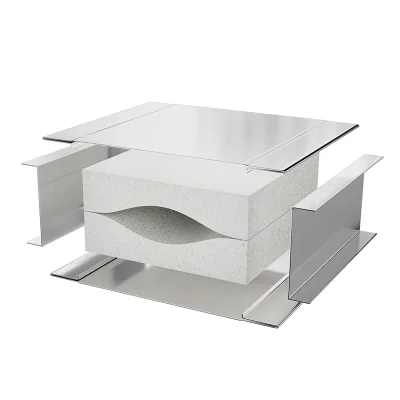
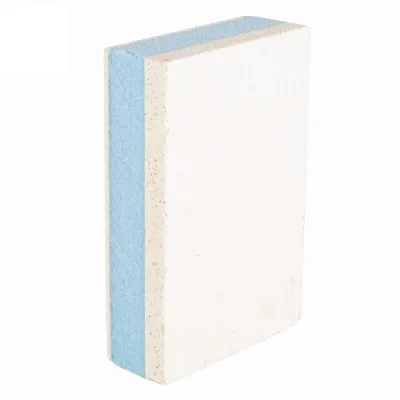
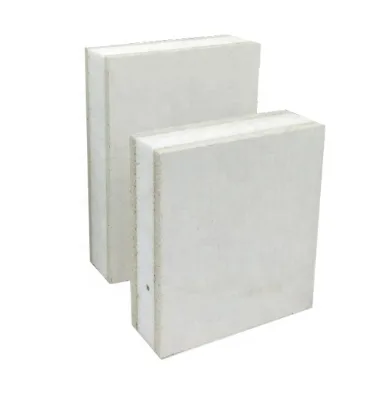
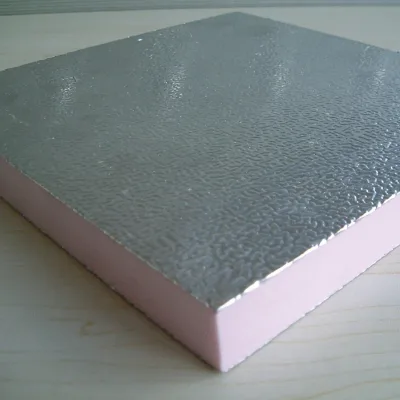
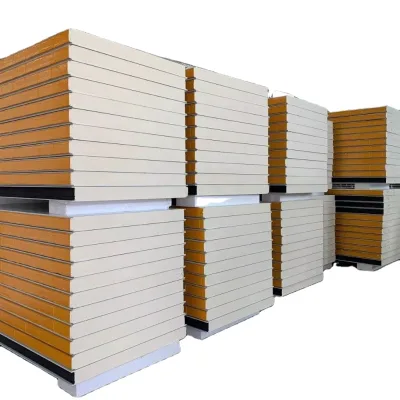
Available core materials include MGO, rock wool, PU, silica rock, EPS, phenolic, PIR, and XPS. EPS cores are common for general cleanroom walls and ceilings, while rock wool and MGO options are chosen for fire performance. Confirm fire ratings, thermal requirements, and stainless steel or galvanized facing options for your application.
What thicknesses and sizes can cleanroom panels be supplied in?
Listed products cover 50mm, 75mm, and 100mm thicknesses, with a standard width of 1150mm or customized sizes on request. Length and package dimensions vary by model. Share your wall and ceiling layout drawings early so the supplier can quote customized widths and lengths accurately and reduce onsite cutting waste.
What is the typical lead time for cleanroom panel orders?
The supplier lists a 15-day lead time, and one product shows production within 7-10 days. Actual schedules depend on order size, customization, and season. Confirm the lead time in writing against your quantity and panel specifications, and factor in shipping time separately when planning your project installation date.
What is the minimum order quantity and price range?
One listed cleanroom panel product has a minimum order quantity of 50 units, with listed price ranges from roughly 6 to 15.5 dollars per unit depending on model and specification. MOQ and pricing vary by panel type, thickness, and core material, so request a formal quotation based on your exact project drawings.
What services are included after purchasing the panels?
Listed after-sale services include online technical support, onsite installation, onsite training, onsite inspection, free spare parts, return and replacement, and video technical support after warranty. Service scope differs by product, so confirm in the contract which services apply to your order, including installation supervision and spare part availability terms.
Can suppliers provide design support for a full cleanroom project?
Yes, listed capabilities include sample processing, graphic processing, customization on demand, 3D model design, graphic design, and total project solutions covering design, manufacturing, and construction. Provide your cleanliness target, room dimensions, and layout requirements so the supplier can propose a suitable panel and accessory package for your build.