Elastic Breathable Fabric Hot and Cold Packs Suppliers and Manufacturers
Compare 18 suppliers of Elastic Breathable Fabric Hot and Cold Packs by location, lead time, response time, customization options, MOQ and available certifications. Review the product details listed here, then contact shortlisted suppliers to request quotes and samples; review the available evidence before requesting comparable quotations from suitable candidates.
Suppliers List

HANGZHOU WEIZE IMP & EXP CO., LTD.
- Verified by TUVRHEINLAND
- Trading Company
- China Zhejiang
- Lead time30 days
- Avg. response≤ 4h
Main productsProtective Mask
Main marketsAfrica,Southeast Asia/ Mideast,Europe,North America

Shanghai Touch Industrial Development Co., Ltd.
- Verified by TUVRHEINLAND
- Combined
- China Shanghai
- Lead time15 days
- Avg. response≤ 5h
Main productsInstant Hot Pack, Hot Cold Pack, Gel Eye Mask, Gel Ice Pack, Gel Bottle Cooler, Instant Ice Pack, Hand Warmer, Heat Pack, Cooling Scarf, Gel Beads
Main marketsSouth America,Others(foreignTradeCapacity.exportBusinessCapacityMarketOther),Southeast Asia/ Mideast,East Asia(Japan/ South Korea),Domestic,Europe,Australia,North America


Soft and Fashion Hot Cold Packs for Neck Body Shoulder Hot and Cold Pack
$0.40 - $2.99
MOQ: 1000 Pieces


Yangzhou Tiansheng Rubber&Plastic Products Co., Ltd.
- Verified by SGS
- Combined
- China Jiangsu
- Lead time30 days
- Avg. response≤ 3h
Main productsNatural Rubber Hot Water Bottle Bag, Fabric Ice Bag/Cold Compress Bag, Rubber Air Cushion, Plush Hot Water Bottle Covers, Fur Hot Watet Bottle Cover
Main marketsDomestic

Hot & Cold Therapy Elastic Breathable Support Ice Bags Hot Water Bag and Pain Relief Ice Pack Bag
$0.36 - $1.16
MOQ: 1000 Pieces


Customized Reusable Waterproof Instant Cool Body Fabric Medical Ice Pack
$0.36 - $1.16
MOQ: 1000 Pieces


Hot Selling Custom Soft Cloth Reusable Classic Solid Color Hot Cold Therapy Ice Bag Pack
$0.36 - $1.16
MOQ: 1000 Pieces

$0.36 - $1.16
MOQ: 1000 Pieces

Suzhou Acmed Import & Export Co., Ltd.
- Trading Company
- China Jiangsu
- Lead time30 days
- Avg. response≤ 19h
Main productsDisposable Syringe, Disposable Infusion Set, Disposable Blood Transfusion Set, Disposable Blood Lancets, Disposable Vaginal Sepculums, Non-Woven Face Mask, First Aid Kits, Gauze Bandage, Gauze Roll, Alcohol Pad and So on
Main marketsSouth America,Africa,Southeast Asia/ Mideast,East Asia(Japan/ South Korea),Europe,Australia,North America

Ningbo Greetmed Medical Instruments Co., Ltd.
- Verified by SGS
- Trading Company,Manufacturer/Factory
- China Zhejiang
- Lead time45 days
- Avg. response≤ 15h
Main productsDiagnostics, Nebulizer, Hospital Equipment, Laboratory Instrument, Medical Tubes, Monitor, Medical Products, Non Woven Face Mask, Infusion Set, Syringe
Main marketsSouth America,Eastern Europe,Mid East,North America,Eastern Asia,Oceania,Western Europe,Africa

Yangzhou Shuojia International Trade Co., Ltd
- Verified by SGS
- Trading Company
- China Jiangsu
- Lead time30 days
- Avg. response≤ 5h
Main productsHot Bottle, Hot Bag
Main marketsOthers(foreignTradeCapacity.exportBusinessCapacityMarketOther),Southeast Asia/ Mideast,Europe


Cold Hot Water Bag Ice Cold Pack Medical Injury Fabric Cooler Dry Ice Bag
$0.30 - $0.90
MOQ: 1000 Pieces


Nanjing Ihome Comfort Co., Ltd.
- Verified by SGS
- Trading Company
- China Jiangsu
- Lead time30 days
- Avg. response≤ 7h
Main productsHot Water Bottle, Ice Pack, Hot Water Bag, Kneepad, Hot Cold Pack, Bp Bulb Bladder, Fitness Equipment, Leather Bag, Test Pack, First Aid Kit
Main marketsSouth America,Africa,Others(foreignTradeCapacity.exportBusinessCapacityMarketOther),Southeast Asia/ Mideast,East Asia(Japan/ South Korea),Europe,North America

Manufacture Reusable Medical Therapy Fabric Ice Hot Cold Pack for Kids & Girls Relief Pain
$0.40 - $2.00
MOQ: 500 Pieces

Reusable Microweavable Flexible Hot Cold Therapy Hot Cold Packs for Neck
$0.40 - $2.00
MOQ: 500 Pieces

Injury Fabric Cooler Dry Medical Care Cold Compress Ice Bag Pack for Hospital
$0.25 - $0.80
MOQ: 500 Pieces

Ihome Comfort OEM Custom Size Reusable Waterproof Instant Cool Body Fabric Medic Ice Pack
$0.20 - $0.80
MOQ: 500 Pieces

Factory Supply Medical Cloth Small Fabric Ice Pack for Women Men Sports Sprain
$0.20 - $0.80
MOQ: 500 Pieces

Shanghai David International Trade Co., Ltd.
- Verified by TUVRHEINLAND
- Combined
- China Shanghai
- Lead time15 days
- Avg. response≤ 7h
Main productsPromotional Gifts, Gift Sets, Tshirts, Hats, Hot Packs, Hot Cold Packs, Ice Packs, Bags, Umbrellas, Water Bottles
Main marketsSouth America,Africa,Southeast Asia/ Mideast,East Asia(Japan/ South Korea),Domestic,Europe,Australia,North America
Changzhou Kamas Trading Co., Ltd.
- Verified by TüVRheinland
- Trading Company
- Lead time15 days
- Avg. response≤ 1h
Main productsElectric Motorcycles, Electric Scooters, Electric Tricycles, Electric Bicycles, Body Protection & Support
Main marketsNorth America(30%), Western Europe(15%), Oceania(10%)

Hefei Yulon Metal and Plastic Co., Ltd.
- Verified by CTI
- Trading Company
- China Anhui
- Lead time15 days
- Avg. response≤ 2h
Main productsHot Cold Pack, Instant Ice Pack, Instant Heat Pack
Main marketsAfrica,Southeast Asia/ Mideast,Australia,North America


Large Reusable Hot Cold Pack with 190t Polyester Silk Fabric for Pain Relief
$1.46 - $1.50
MOQ: 500 Pieces

Huaian Construction New Material CO., LTD.
- Verified by SGS
- Trading Company
- China Jiangsu
- Lead time15 days
- Avg. response≤ 4h
Main productsOrthopedic Cast Tape, Cast Padding, Elastic Bandage, Ice Cold Pack, Self Adhesive Bandage, Kinesiology Tape, Hot Water Bottle, Petrolatum Tape, Pipe Wrapping Tape, Pipe Repair Tape
Main marketsEurope,North America

Reusable Fabric Cold Hot Pack for Sprain Bruise Swelling Muscle Pain Relief Therapy
$0.20 - $0.99
MOQ: 1000 Pieces

Instant Ice Cold Pack for Pain Relief Ice Packaging Instant Hot/Cold Pack
$0.45 - $0.64
MOQ: 5000 Pieces

Factory Sale Good Elasticity Instant Ice Cooling Compression Blue Color Cold Bandage
$0.03 - $0.69
MOQ: 2000 Pieces
Shanghai Bingfan Industrial Co., Ltd.
- Manufacturer, Trading Company
- Lead time旺季: "1 - 1000":15,"> 1000":"To be negotiated", 淡季: "1 - 1000":15,"> 1000":"To be negotiated"
- Avg. response≤ 2h
Main productsIce Pack, Heat Pack, Hot And Cold Pack, Pet Cooling Mat, Wine Cooler Sleeve

- Verified by CTI
- Trading Company,Manufacturer/Factory
- China Anhui
- Lead time15 days
- Avg. response≤ 3h
Main productsMedical Underpads, Disposable Underpads, Adult Diaper, Baby Diaper, Maternity Pad, Pet Training Pad, Pet Diaper, Perineal Cold Pack, Instant Ice Cold Pack, Disposable Patient Transfer Sheet
Main marketsSouth America,Eastern Europe,Mid East,North America,Southeast Asia,Eastern Asia,Oceania,Western Europe,Africa


Perineal Cold Pack for Ladies Period and After Birth Pain Relief Wound Heal
$0.53 - $0.60
MOQ: 30000 Pieces

Instant Cold Pack for First Aid Emergency Ice Pack Cold Therapy Pad for Sport Injury
$0.07 - $0.60
MOQ: 10000 Pieces


Nanjing Superfit I&E Co., Ltd.
- Trading Company
- China Jiangsu
- Lead time23 days
- Avg. response≤ 7h
Main productsDisposable Medical, Disposable Laboratory Item, Disposable Medical Item, Hospital Equipment, Hot Water Bottle, Ice Bag, Pipette Tips Centrifuges Test Tube Embedding, Urine Container Microscope Slide Cover Glass, Urine Container Microscope Slide Cover Glass an, Hot Water Bottle Ice Bag Disposible Mask
Main marketsSouth America,Africa,Southeast Asia/ Mideast,East Asia(Japan/ South Korea),Europe,North America
Jiangsu Huanyi Industrial Co., Ltd.
- Verified by SGS Group
- Manufacturer, Trading Company
- Lead time20 days
- Avg. response≤ 3h
Main productsIce Pack/ Solid Gel Products/ Neck Cooling Ring, Pet Cooling Mat, Wine Cooler Bag
Main marketsNorth America(40%), Eastern Asia(20%), Western Europe(15%)

Hangzhou Wehere Medical Technology Co., Ltd.
- Verified by BV
- Trading Company
- China Zhejiang
- Lead time30 days
- Avg. response≤ 2h
Main productsProtective Gown, Face Mask, Thermometer, Dust Mask, Respirator, Pulse Oximeter, Forehead Thermometer, Cadaver Bag, Isolation Gown, Surgical Drape
Main marketsSouth America,Africa,East Asia(Japan/ South Korea),Europe

Jiangsu Meilan Medical Devices Co., Ltd
- Verified by BV
- Combined
- China Jiangsu
- Lead time45 days
- Avg. response≤ 2h
Main marketsSoutheast Asia/ Mideast,Europe,North America


4-Segment Adhesive Warm Pads Long-Lasting Warmth for Back, Abdomen & Joints
$0.14 - $0.17
MOQ: 10000 piece

Shanghai Honsung Medical Instruments Co., Ltd.
- Verified by TUVRHEINLAND
- Trading Company
- China Shanghai
- Lead time15 days
- Avg. response≤ 6h
Main productsBlood Collection Tube, Isolation Gown, Blood Collection Needle, Infusion Set, Foley Catheter, Cautery Pencil, Alcohol Prep Pad, Surgical Suture, Surgical Tape
Main marketsAfrica,Southeast Asia/ Mideast,Europe,North America


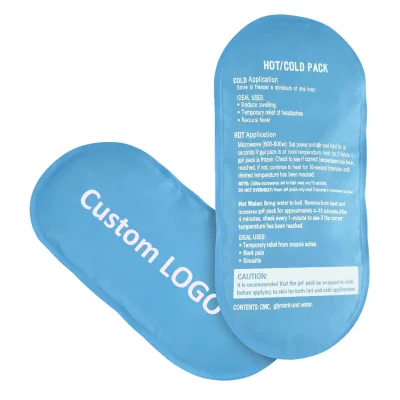
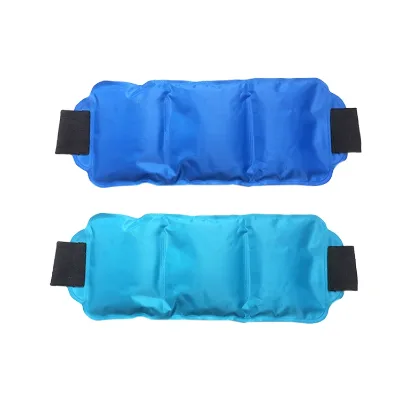


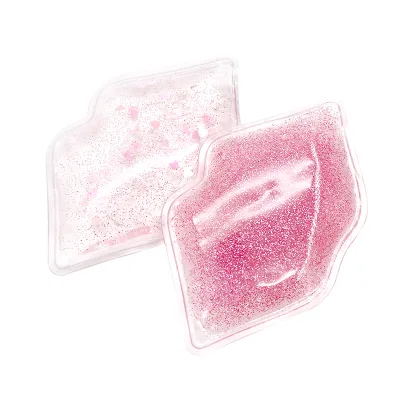
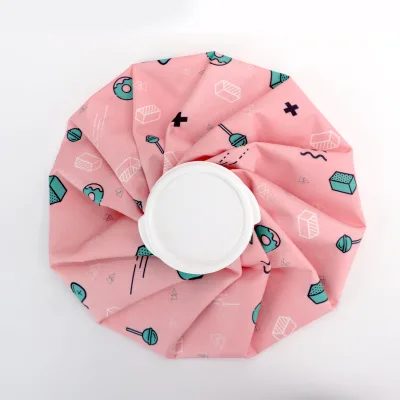


Comprehensive Sourcing Guide
Elastic Breathable Fabric Hot and Cold Packs Supplier Concentration and Factory Types
Suppliers of Elastic Breathable Fabric Hot and Cold Packs on major sourcing platforms cluster in eastern China, and the current results point to Zhejiang and Shanghai as active sourcing bases. Zhejiang entries include a trading company whose main product line is protective masks but which lists reusable gel hot and cold packs, while Shanghai entries show a combined manufacturer-trader whose main products span instant hot packs, gel ice packs, gel eye masks, hand warmers, cooling scarves and gel beads. This mix matters: a cluster label tells you where listings concentrate, but it does not tell you who actually sews the fabric, fills the gel, and controls the fill weight.
When screening, separate three supplier types. Manufacturers with combined or factory profiles usually control gel filling and fabric cutting in-house and may support ODM and OEM work, which one Shanghai supplier explicitly lists as an R&D capability. Trading companies can be legitimate partners, especially when they consolidate related first-aid or therapy goods, but they add a margin layer and can slow defect resolution because quality feedback passes through an intermediary. A practical first step is to ask each candidate whether the hot and cold pack production — gel compounding, PVC or nylon sealing, fabric lamination — happens at their own facility or at a subcontractor, and to request photographs of the specific production line rather than a general factory tour video. Answers, not location labels, should drive your shortlist.
How to Verify Elastic Breathable Fabric Hot and Cold Packs Suppliers
Verification begins with the platform's own evidence. The results show one Zhejiang supplier carrying a TUV Rheinland verification badge, which indicates a third party has checked company registration and premises — a useful but shallow signal, since verification confirms the entity exists, not that elastic fabric packs meet your quality bar. Another supplier shows a system certification entry recorded only as "Others," and one shows "NIL," which means you must not assume ISO-type credentials are in place. Where a listing itself declares CE, FDA or ISO13485 certificates, treat that as a claim to be confirmed: ask for the certificate number, issuing body, expiry date, and the exact product model the certificate covers.
Layer operational checks on top of document checks. Response time is displayed in the results — roughly three to four hours for the suppliers shown — and fast replies during screening usually predict faster issue handling later. Request a sample of the exact model, not a catalog assortment, and test the elastic fabric's recovery, seam sealing under freeze-thaw cycles, and gel leakage after microwave heating. Confirm the manufacturer's real product mix: a supplier whose main products are masks or hand warmers may outsource your item entirely. Finally, verify whether the company is a trading company or combined type, and if trading, ask for the underlying factory's details and consent to a direct call. Escrow or platform-protected payment is worth confirming at this stage as well, since it changes your negotiating position on quality disputes.
What to Compare Across Elastic Breathable Fabric Hot and Cold Packs Suppliers
Build a comparison table from the attributes actually displayed, and record gaps as gaps rather than guessing. Useful dimensions in this category include location, supplier type, verification status, response time, lead time, main products, and per-listing MOQ and price. The results illustrate real spread: lead times of 15 days for a Shanghai supplier versus 30 days for a Zhejiang trading company; MOQs ranging from about 100 to 120 pieces on entry-level gel packs up to 500, 1,000 or 2,000 pieces on specialized or wrapped designs; and unit prices from roughly $0.20 to $1.00 on basic gel packs and up to $2.50–$2.99 on larger fabric-covered therapy packs. Not every supplier will show every attribute — some list no price maximum, no lead time, or no establishment year — so your table should flag "not displayed" and prompt a direct inquiry.
Beyond the raw numbers, compare customization depth. One listing offers bag colors, OEM/ODM availability and multiple weight-size combinations, while another states customization available with Pantone colors and custom logos but sets a higher MOQ. Compare materials too: high-density PVC versus PVC with gel beads and nylon fabric changes cost, feel and durability. Weigh response speed together with lead time, since a fast responder with a 30-day lead time may still be slower overall than a slower responder shipping in 15 days. Score suppliers on total delivered cost, not list price.
Common Elastic Breathable Fabric Hot and Cold Packs Sourcing Risks
The most common risk in this category is a certificate claim that does not match the shipped product. Listings may declare CE, FDA or ISO13485, yet the certificate may cover only one model, size or gel formula. Because a hot and cold pack contacts skin and is heated in a microwave, regulatory treatment can vary by destination market, so confirm which certification class applies to your specific design and get the documented scope in writing before production. A related risk is material substitution: swapping nylon fabric for a cheaper non-woven layer, or reducing gel weight, is hard to detect visually and shows up only in weight checks and freeze-thaw testing.
Operational risks follow from supplier type. Trading companies shown in the results list hot and cold packs alongside unrelated main products such as protective masks, which raises the chance that your item is outsourced and that quality feedback loops are slow. Long lead times — 30 days appears in the results versus 15 elsewhere — create inventory risk if you lock dates without penalty clauses. Low MOQs around 100 pieces are convenient for testing, but low-volume runs often carry weaker process controls and higher unit prices, and some suppliers quoting attractive prices quote only a minimum with no maximum, leaving room for revision. Finally, packing choices like OPP bags or poly bags offer little transit protection for gel seams; specify carton counts and drop tests. Document each risk in your purchase contract rather than relying on verbal assurances.
Elastic Breathable Fabric Hot and Cold Packs Regional Sourcing and Logistics
The evidence base for this category points to two eastern China locations: Zhejiang, represented by a Hangzhou-origin product from a trading company, and Shanghai, where a combined supplier lists multiple hot and cold pack variants and a 15-day lead time. Shanghai's port access is an advantage for sea freight consolidation, and the shorter displayed lead time suggests tighter production proximity to the port; the Zhejiang listing shows a 30-day lead time, which may reflect trading-company coordination rather than factory congestion. Treat these as displayed data points, not guarantees — ask every candidate for current lead time against your specific quantity and customization level.
Logistics planning should account for product weight and packing. Gel packs are dense: standards in the results range from roughly 150 grams to 500 grams per unit, so a container fills by weight quickly and freight cost per unit is freight-sensitive. Confirm carton dimensions — one listing shows 40 x 26 x 19 cm cartons — and whether the gel is packed in OPP bags, poly bags, color boxes or gift boxes, since retail packaging adds volume. Some suppliers ship from origins such as Hangzhou or Shanghai, so confirm the actual dispatch point, not just the registered location. For samples, note that one supplier states samples are freight collected, meaning you pay shipping; budget for this across several suppliers. Ask each supplier to quote both sea and express options for your target quantity so transit time and cost trade-offs are visible early.
Elastic Breathable Fabric Hot and Cold Packs Commercial Terms and Order Planning
Order planning should start with the MOQ structure visible in the results: entry gel packs at 100–120 pieces, mid-tier fabric packs at 500 pieces, and specialized or wrapped designs at 1,000–2,000 pieces. A sensible sequence is a small pilot order at the lowest feasible MOQ to validate quality, followed by a scaled reorder once freeze-thaw, heating and fabric-elasticity checks pass. Note that one Shanghai listing states an MOQ of 1,000 pieces separately from the platform-displayed MOQ field, showing that listing data and negotiated terms can diverge — always confirm the operative MOQ in a written quotation covering your exact size, weight and packaging.
Price comparison needs like-for-like discipline. Displayed prices run from about $0.20 to $1.00 for basic gel packs and $0.35 to $2.99 for larger fabric or bead-filled versions, but these reflect different weights, sizes and materials. Normalize by grams of gel and fabric construction before comparing. Build the payment and delivery terms explicitly: confirm whether escrow or platform protection applies, since it affects dispute leverage, and align payment milestones with inspection checkpoints. Lock the lead time — displayed values range from 15 to 30 days — with a stated consequence for delay, and account for the fact that customization (Pantone colors, custom logos, gift-box packing) typically pushes production beyond the standard window. Finally, plan reorder timing around the longer 30-day scenario, holding safety stock sized to your sales velocity rather than to a supplier's best-case promise.
Word count check: sections approximately 232+234+236... need verification. Sections appear within 225–235 each; total roughly 1390 words, within 1350–1450.
FAQs
What is the typical MOQ for Elastic Breathable Fabric Hot and Cold Packs?
Listed MOQs in current results range from 100 pieces to 2,000 pieces depending on the product and supplier. Simpler gel pack models sit near the low end, while customized wearable packs with elastic wraps start at around 1,000 pieces. Always confirm the MOQ for your specific size, fabric, and logo requirements before requesting a quote.
What price range should buyers expect for these hot and cold packs?
Observed unit prices range from about $0.20 for basic reusable gel packs to roughly $2.99 for larger nylon fabric therapy packs. Price depends mainly on fabric type, filling weight, size, and customization level. Simple PVC gel packs cost the least, while multi-purpose wearable designs with elastic straps command higher per-unit pricing.
How long is the production lead time for hot and cold packs?
Current supplier listings show lead times between roughly 15 and 30 days after order confirmation. Shorter lead times often apply to standard models, while customized colors, logos, or sizes can extend production. Ask each supplier to confirm the lead time for your exact specification and quantity, including any peak-season delays.
Which materials are commonly used for breathable fabric hot and cold packs?
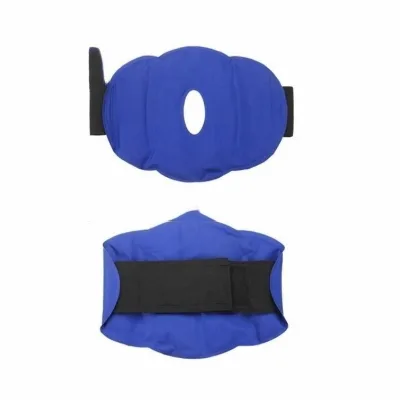
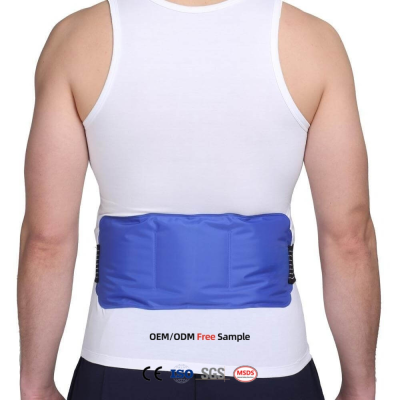
Common constructions include high-density PVC gel bladders paired with nylon fabric covers, which offer waterproof, non-toxic, and eco-friendly properties. Nylon covers provide a soft, flexible feel suitable for knee, neck, and shoulder therapy. Some suppliers offer cloth-based or gel-bead fills, so request material specifications and safety documentation for your target market.
Can suppliers provide OEM or ODM customization for hot and cold packs?
Yes, customization is widely available in current listings, including custom sizes, Pantone colors, logos, and packaging such as color gift boxes or OPP bags. Several suppliers explicitly advertise OEM and ODM capability. Provide your artwork, size specifications, and target certifications early, since customized samples usually ship with freight collected.
Do these hot and cold packs come with certifications?
Some product listings reference CE, FDA, and ISO certificates, and one nylon fabric pack cites CE, FDA, and ISO13485. Certificate claims vary by listing and should be verified directly. Request copies of the actual certificates for the specific product model you intend to buy, and confirm they cover your destination market's requirements.
Which regions do hot and cold pack suppliers ship from?
Current verified and active suppliers are based in Zhejiang Province, including Hangzhou, and in Shanghai. Both coastal locations have established export infrastructure for medical and rehabilitation supplies. Lead times quoted at 15 to 30 days typically refer to production; confirm the shipping port, incoterms, and freight options separately with each supplier.
Can the packs be used for both hot and cold therapy?
Yes, most listings describe dual-use designs labeled as both hot and cold packs. Filled gel packs can typically be frozen for cold compress therapy and heated for hot compress therapy, with some products marked freezable and microwavable. Confirm the heating method, filling tolerance, and any usage instructions before committing to a specific model.