Foldable Convertible Extendable Dining Table Suppliers and Manufacturers
Source 18 verified suppliers for Foldable Convertible Extendable Dining Table options. Compare grounded dimensions including location, lead time, MOQ, and response time. Verify certifications and request quotes directly to ensure your procurement needs are met efficiently; review the available evidence before requesting comparable quotations from suitable candidates.
Suppliers List

- Verified by CTI
- Trading Company
- China Anhui
- Lead time23 days
- Avg. response≤ 1h
Main productsFurniture, Home Furniture
Main marketsSoutheast Asia/ Mideast
FOSHAN ORIENT HARDWARE PRODUCTS CO.,LTD
- Verified by TUVRHEINLAND
- Combined
- China Guangdong
- Lead time23 days
- Avg. response≤ 4h
Main productsFurniture, Hotel Furniture, Office Furniture, Home Furniture, Outdoor Furniture
Main marketsDomestic
Shuifu Huiyang Agricultural Technology Co., Ltd.
- Verified by SGS
- Trading Company
- China Yunnan
- Lead time23 days
- Avg. response≤ 2h
Main productsBamboo Products, Bamboo Crafts, Bamboo Chopsticks, Bamboo Skewers, Bamboo Weaving, Bamboo Tray, Bamboo Box, Bamboo Placemat, Bamboo Fruit Bowl, Lamp Shades
Main marketsDomestic

Langfang Ruiyi Furniture Co., Ltd.
- Verified by TUVRHEINLAND
- Trading Company,Manufacturer/Factory
- China Hebei
- Lead time60 days
- Avg. response≤ 2h
Main productsDining Chair, Dining Table, Accent Chair, Sofa Chair, Coffee Table, Lounge Chair, Cabinet, Glass TV Stand, Side Table, Tea Table
Main marketsSouth America,Eastern Europe,Mid East,North America,Southeast Asia,Eastern Asia,Oceania,Western Europe,Africa


Modern Furniture Expendable Dining Room Table for Extension 8 Seats Dining Table Set
$25.00 - $30.00
Moq: 100


Foshan Comfort Home Furniture Co., Ltd
- Verified by SGS
- Manufacturer/Factory
- China Guangdong
- Lead time30 days
- Avg. response≤ 9h
Main productsDining Table, Dining Chair, Dining Furniture, Compressed Sofa, Compressed Mattress
Main marketsSouth America,Eastern Europe,Mid East,North America,Southeast Asia,Eastern Asia,Oceania,Western Europe,Africa

Dining Room Furniture Marble Dining Table Stainless Steel Extendable Dining Table
$191.00 - $239.00
Moq: 1


Simple Style Modern Dining Table Sets Luxury Marble Folding Extendable Dining Table
$297.00 - $371.00
Moq: 1
Tianjin Bchair Import and Export Trade Co., Ltd.
- Verified by SGS
- Trading Company
- China Tianjin
- Lead time23 days
- Avg. response≤ 1h
Main productsDining Chairs, Dining Table, Benches, Ottomans, Tolix Chairs, Bar Table, Restaurant Chair, Lounge Chair
Main marketsSouth America,Eastern Europe,Mid East,North America,Western Europe
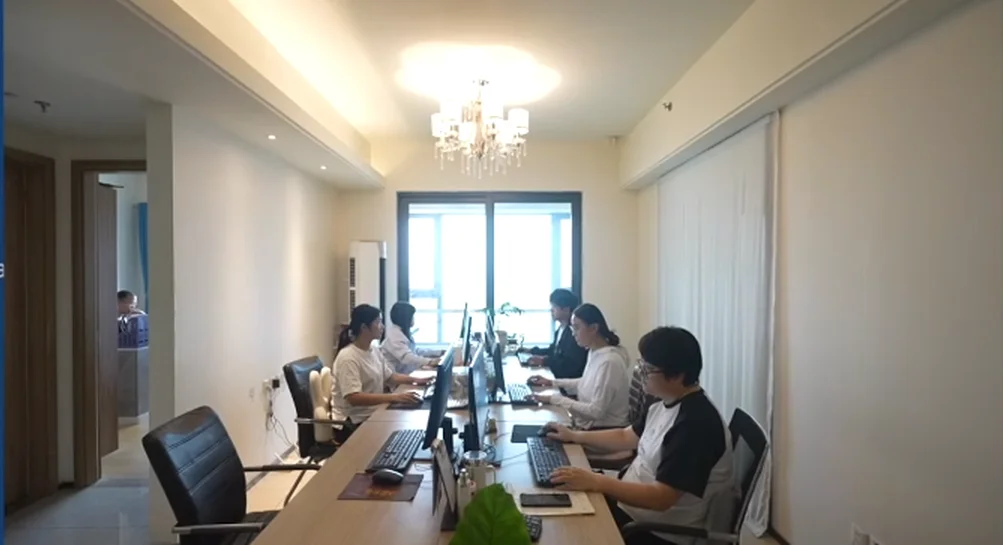
Hengshui Lihao Import And Export Trading Co., Ltd.
- Trading Company
- Hebei, China
- Lead time15 days
- Avg. response≤ 4h
Main productssocks,custom socks,yoga sock,football socks,Silver ion socks
Main marketsNorth America(50.0%), Eastern Europe(10.0%), Southeast Asia(9.0%), Western Europe(5.0%), South America(5.0%), Africa(4.0%), Eastern Asia(4.0%), Mid East(4.0%), Oceania(4.0%), Domestic Market(1.0%), South Asia(1.0%), Southern Europe(1.0%), Northern Europe(1.0%), Central America(1.0%)
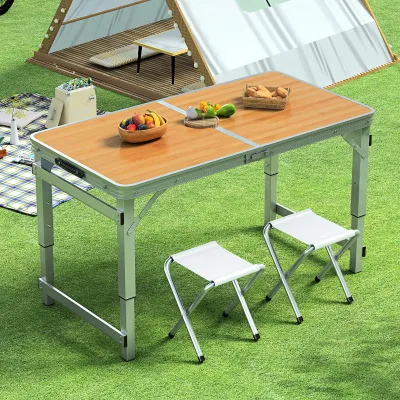
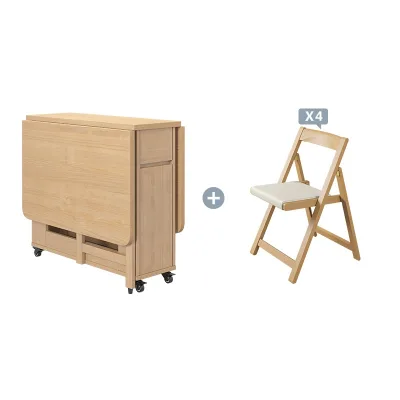
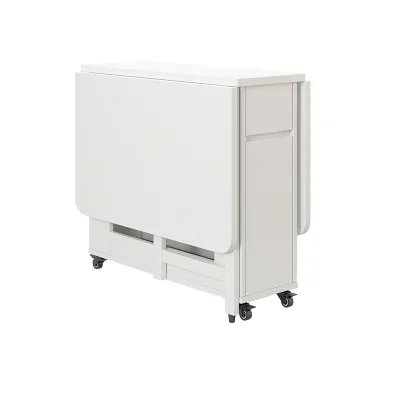
Dining Tables With Wheels 2 Pieces Wall Table Outdoor Extendable and Chairs Movable Folding
$200.00 - $450.00
Moq: 2
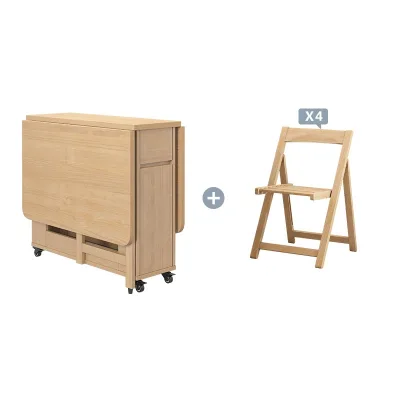
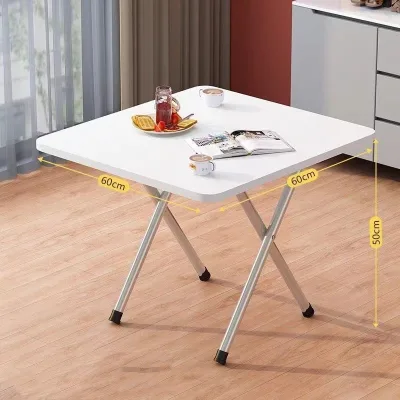
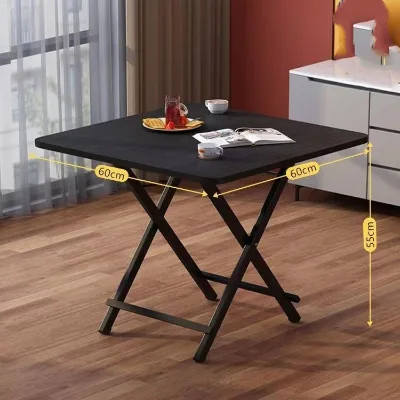
Modern Simple Folding Dining Table Small Household Removable for Living Room Application
$200.00 - $450.00
Moq: 2

TIANJIN OKAY INTERNATIONAL TRADING CO., LTD.
- Verified by BV
- Combined
- China Tianjin
- Lead time30 days
- Avg. response≤ 5h
Main productsDining Table
Main marketsSoutheast Asia/ Mideast,East Asia(Japan/ South Korea),Europe,North America


Customized Modern Furniture Ceramic Top Extendable Dining Table for Metal Feet
$150.00 - $175.00
Moq: 30

TIANJIN SUNLIGHT FOREVER INTERNATIONAL TRADE CO., LTD.
- Verified by BV
- Trading Company
- China Tianjin
- Lead time15 days
- Avg. response≤ 7h
Main productsOffice Chair, Gaming Chair, Plastic Chair, Banquet Chair, Dining Chair, Church Chair, Chiavari Chair, Folding Chair, Swing Chair, Hanging Chair
Main marketsSouth America
Ningbo Jollitter Leisure Products Co., Ltd.
- Verified by BV
- Trading Company
- China Zhejiang
- Lead time30 days
- Avg. response≤ 9h
Main marketsSouth America,Europe,Australia

Zhongshan Uptop Furnishings Co., Ltd.
- Verified by BV
- Combined
- China Guangdong
- Lead time15 days
- Avg. response≤ 3h
Main productsRestaurant Furniture, Restaurant Table and Chair, Hotel Table and Chair, Cafeteria Table and Chair, Bar Table and Chair, Canteen Furniture, Plastic Chair, Cafe Furniture, Contract Furniture, Commercial Furniture
Main marketsSouth America,Africa,Southeast Asia/ Mideast,East Asia(Japan/ South Korea),Europe,Australia,North America

Beijing Tianyuan Rongli Technology Co., Ltd.
- Verified by SGS
- Trading Company
- China Beijing
- Lead time15 days
- Avg. response≤ 2h
Main productsMelamine Board, Chipboard, MDF, Solid Wood Pellet Board, Custom-Made Furniture, Dining Room Furniture, Living Room Furniture, Steel-Wood Furniture
Main marketsSoutheast Asia/ Mideast

Foshan Ulink Furniture Limited
- Manufacturer/Factory
- China Guangdong
- Lead time23 days
- Avg. response≤ 8h
Main productsBedroom Furniture, Coffee Table and TV Stand, Bathroom Furniture, Kitchen Furniture, Dining Furniture, Bathroom Vanity
Main marketsSouth America,Eastern Europe,Mid East,North America,Southeast Asia,Eastern Asia,Oceania,Western Europe,Africa

- Verified by TUVRHEINLAND
- Trading Company,Manufacturer/Factory
- China Shandong
- Lead time23 days
- Avg. response≤ 10h
Main productsFolding Table, Chiavari Chair, Beer Table, Louis Chair, Bentwood Chair, Cross Back Chair, Stainless Steel Chair, Bamboo Folding Table and Chair
Main marketsSouth America,Eastern Europe,Mid East,North America,Southeast Asia,Eastern Asia,Oceania,Western Europe,Africa
Beijing Kvs Building Materials Co., Ltd.
- Verified by SGS
- Trading Company
- China Beijing
- Lead time15 days
- Avg. response≤ 25h
Main productsScaffolding, Cable Trays, Wiremesh
Main marketsSoutheast Asia/ Mideast

Hebei ChangXin Import and Export Trade Co., Ltd.
- Verified by SGS
- Trading Company
- China Hebei
- Lead time15 days
- Avg. response≤ 16h
Main productsTV Stand, Dining Chair, Office Chair, Dining Table, Bar Chair, Coffee Table
Main marketsEurope

Ningbo Thrive Imp & Exp Co., Ltd.
- Verified by BV
- Trading Company
- China Zhejiang
- Lead time30 days
- Avg. response≤ 5h
Main productsMilitary Tent, Camouflage Net, Folding Cot/Chair/Bed, Camping Product, Sleeping Bag, Protective Case, Auditorium Chair, Military Command Table, Backpack, Tool Box
Main marketsSouth America,Africa,Southeast Asia/ Mideast,Europe,North America

Ningbo Yilong Outdoor Products Co., Ltd.
- Verified by TUVRHEINLAND
- Manufacturer/Factory
- China Zhejiang
- Lead time0 days
- Avg. response≤ 14h
Main productsAluminium Foldable Gazebo, Aluminium Umbrella, Wooden Umbrella, Beach Umbrella, Swing Chair, Steel Gazebo, Outdoor Furniture, Campling, Chair, Table
Main marketsSouth America,Eastern Europe,Mid East,North America,Southeast Asia,Eastern Asia,Oceania,Western Europe,Africa


Comprehensive Sourcing Guide
Foldable Convertible Extendable Dining Table Supplier Concentration and Factory Types
Current data indicates a concentration of suppliers in China Anhui, China Guangdong, China Yunnan, and China Hebei, each offering distinct manufacturing capabilities for foldable convertible extendable dining tables. In Anhui, suppliers operate primarily as trading companies focusing on furniture and home furniture, while Guangdong hosts combined entities dealing in hotel, office, and outdoor furniture alongside home pieces. Yunnan suppliers specialize in bamboo products and crafts, suggesting a niche in natural material dining solutions, whereas Hebei combines trading and manufacturing roles with a focus on dining chairs and tables. These regional clusters reflect specialized supply chains where Anhui and Guangdong may offer broader metal and wood construction options, while Yunnan provides unique bamboo-based designs.
When assessing factory types, buyers should distinguish between pure trading companies and those with direct manufacturing capabilities. Some suppliers in the results are identified as trading companies, which may streamline sourcing but add a layer of intermediation, while others are listed as combined entities or manufacturers offering direct factory access. The presence of manufacturer-factory types in Hebei suggests potential for custom production runs, whereas trading companies in Anhui might prioritize inventory availability and faster logistics. Buyers must verify if a supplier's main products align with their specific needs, such as hotel-grade durability versus residential space-saving designs, by reviewing the company type and product categories listed in their profile rather than assuming all suppliers in a region offer identical capabilities.
How to Verify Foldable Convertible Extendable Dining Table Suppliers
Verification status is a critical first step in assessing supplier reliability, with current results showing certifications from CTI, TUVRHEINLAND, and SGS across different suppliers. A supplier verified by CTI or TUVRHEINLAND indicates third-party validation of their business operations or product quality, while SGS verification in Yunnan suggests adherence to specific international standards for bamboo or wood products. Buyers should prioritize suppliers with these active verification badges, as they provide a baseline of trust regarding the supplier's existence and operational legitimacy. However, the absence of a specific verification badge does not automatically disqualify a supplier, but it necessitates deeper due diligence before proceeding with any transaction.
Beyond verification badges, buyers must examine the response time and communication efficiency to gauge operational readiness. Current data shows response times ranging from 0.62 to 3.55, with faster responses often correlating with more active sales teams and better customer service potential. A supplier with a response time under one hour may be better equipped to handle urgent inquiries or last-minute customization requests, which are common in dining table sourcing. Additionally, checking for established certifications like BSCI or ISO 9001 in Hebei suppliers can further validate their commitment to social compliance and quality management systems. Buyers should request proof of these certifications directly from the supplier to ensure they match the claims made in the profile, rather than relying solely on the platform's summary data.
What to Compare Across Foldable Convertible Extendable Dining Table Suppliers
Comparing suppliers requires a detailed analysis of key operational metrics such as lead time, minimum order quantity, and pricing structures. Lead times vary significantly, with some suppliers indicating a 23-day production window while others suggest up to 60 days, directly impacting inventory planning and delivery schedules. Minimum order quantities also differ, ranging from a single unit for flexible dining sets to 1,000 units for bulk bamboo products, requiring buyers to align their order volume with supplier capabilities. Pricing data shows a wide spectrum, from approximately $0.28 for basic bamboo items to over $700 for high-end extendable dining tables, necessitating a clear budget definition before engaging with multiple vendors.
Product attributes and customization options are equally vital for comparison, as they determine the final suitability of the furniture for the intended market. Some suppliers offer fully customizable shapes, colors, and sizes, while others provide fixed models with limited variations like white or acrylic finishes. The presence of OEM services and specific packing standards, such as polybags or plywood boxes, also influences the final product quality and shipping costs. Buyers should create a comparison matrix that lists these attributes side-by-side, ensuring they can identify which suppliers offer the specific features required for their project, such as hotel-grade durability or space-saving designs for small apartments. This structured approach prevents overlooking critical differences that could affect the final procurement outcome.
Common Foldable Convertible Extendable Dining Table Sourcing Risks
One significant risk involves the discrepancy between advertised customization capabilities and actual production capacity. While many suppliers list "Customization: Available" or "Customized Service," the extent of this flexibility varies, with some offering only minor color changes and others providing full structural modifications. Buyers must verify the specific limits of customization, such as whether the supplier can handle complex mechanical parts for retractable tables or if they only offer cosmetic changes. Relying on vague descriptions without clear technical specifications can lead to production delays or products that do not meet the buyer's functional requirements, especially for complex mechanisms like folding or extending tables.
Another risk lies in the inconsistency of quality standards and material composition across different suppliers. Some products are described as "New" with specific materials like acrylic or wood, while others lack detailed material breakdowns, relying on terms like "Customized Material." This ambiguity can result in receiving products that do not match the expected durability or aesthetic standards, particularly for high-traffic environments like hotels or restaurants. Additionally, the lack of standardized certifications for all suppliers means that quality control processes may vary widely, increasing the likelihood of defects or non-compliance with safety regulations. Buyers should insist on sample inspections and detailed material reports to mitigate these risks before committing to large orders.
Foldable Convertible Extendable Dining Table Regional Sourcing and Logistics
Regional sourcing strategies must account for the specific logistical advantages and challenges associated with each manufacturing hub. Suppliers in Guangdong and Anhui, being major industrial centers, often benefit from established logistics networks and proximity to major ports, potentially reducing shipping times and costs for international buyers. In contrast, suppliers in Yunnan and Hebei may face longer transit times or higher freight costs due to their inland locations, requiring buyers to factor these variables into their total landed cost calculations. Understanding the geographic distribution of suppliers helps buyers optimize their supply chain by selecting regions that align with their delivery timelines and budget constraints.
Logistics planning also involves evaluating the packaging standards provided by different suppliers, which directly impact product safety during transit. Current data shows varied packaging methods, from simple polybags to robust solutions involving pearl cotton, corner protectors, and plywood boxes. Suppliers offering premium packaging are better suited for long-distance shipping or fragile items like glass-top tables, while those with basic packaging may be more cost-effective for smaller, less delicate orders. Buyers should request detailed packaging specifications and photos to ensure the chosen method protects the furniture from damage during shipping. Additionally, coordinating with suppliers who have experience in international logistics can help navigate customs clearance and ensure timely delivery to the final destination.
Foldable Convertible Extendable Dining Table Commercial Terms and Order Planning
Commercial terms and order planning require careful attention to payment structures, warranty provisions, and after-sales service commitments. Some suppliers offer warranties up to three years, providing a safety net for potential defects, while others may not explicitly state warranty terms, leaving buyers to negotiate these details individually. After-sales service availability is another critical factor, with some suppliers confirming support for post-delivery issues, which is essential for maintaining customer satisfaction in the dining furniture market. Buyers should clarify these terms in writing before placing an order to avoid misunderstandings regarding liability and support responsibilities.
Order planning must also consider the minimum order quantities and production lead times to ensure alignment with business goals. Suppliers with low MOQs, such as one unit, offer flexibility for testing new designs or small-scale projects, while those requiring 1,000 units are better suited for large-scale commercial deployments. Lead times ranging from 23 to 60 days necessitate early planning to avoid stockouts or missed delivery deadlines, particularly for time-sensitive projects like hotel openings. Buyers should develop a comprehensive timeline that accounts for production, shipping, and customs clearance, ensuring that all stakeholders are aware of the critical path. By integrating these commercial and logistical factors into a cohesive plan, buyers can streamline the sourcing process and minimize potential disruptions.
FAQs
What is the typical lead time for these tables?
Manufacturers in China report lead times ranging from 23 to 60 days depending on the supplier and order volume. Buyers should confirm specific timelines with the factory before placing orders to ensure production schedules align with delivery requirements.
What is the minimum order quantity for custom tables?
MOQs vary significantly, with some suppliers requiring as few as one unit while others demand 1,000 or 10,000 pieces. Buyers seeking small batches should filter for low MOQs, whereas large-scale projects may benefit from suppliers offering lower unit prices at higher volumes.
Which regions in China supply these dining tables?
Suppliers are located in Anhui, Guangdong, Yunnan, and Hebei provinces. Guangdong and Hebei often offer combined manufacturing and trading services, while Yunnan specializes in bamboo products. Buyers should select suppliers based on their preferred material and regional logistics advantages.
Are these tables suitable for hotel and home use?
Yes, many models are explicitly designed for both hotel and home applications. Features like foldable designs and space-saving mechanisms make them ideal for residential apartments, while durable materials and customizable shapes suit commercial hospitality environments requiring flexible seating arrangements.
What certifications do these suppliers hold?
Verification standards include CTI, TÜV Rheinland, and SGS. Some manufacturers also hold BSCI and ISO 9001 certifications. Buyers should request specific audit reports to ensure compliance with international quality and ethical standards before finalizing procurement agreements.
How quickly do suppliers respond to inquiries?
Response times typically range from 0.62 to 3.55 hours. Faster response rates often indicate more active sales teams. Buyers should prioritize suppliers with quicker reply times to ensure efficient communication during the negotiation and customization phases of the sourcing process.